REVIEW · VIENNA
Vienna: Walking Tour of the Historic Ringstrasse
Book on GetYourGuide →Operated by Husa Travel Events · Bookable on GetYourGuide
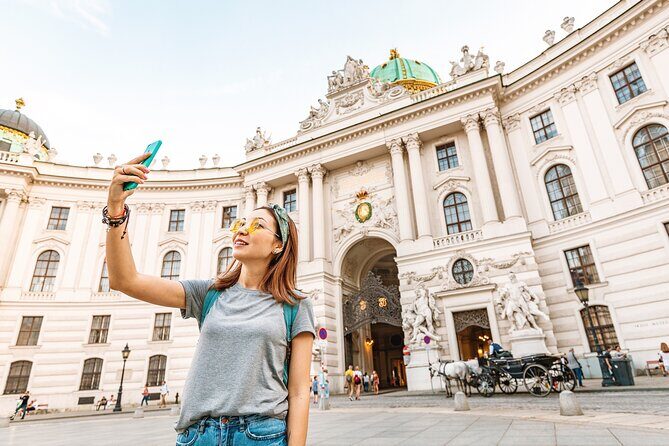
Vienna’s Ringstrasse can feel like an open-air museum. This 2-hour walking tour pulls you through the 19th-century “big idea” behind the boulevard and then slows down with garden stops and architecture you can actually look at. You get the story thread behind who built these buildings and why, from imperial planning to bankers, artists, and workers.
I especially like how the walk mixes grand sights with small pauses in spacious gardens where you can reset your eyes and take in statues and flower arrangements. I also appreciate the way the guide ties buildings to people’s fates, so the Ringstrasse doesn’t stay as pretty stone.
One thing to consider: at 2 hours, it moves at a steady pace. If you want deep, building-by-building architectural analysis, you may feel it stays more “overview with strong highlights.”
In This Review
- Key Things to Notice on This Ringstrasse Walk
- Why the Ringstrasse Was Built as a Showpiece City
- Meeting by Liebenberg-Denkmal at Mölker Bastei
- Palais Ephrusi and the Ephrusi Family Fate
- Votive Church and University of Vienna: Civic Pride in Stone
- City Hall, Burgtheater, and the Culture Belt of the Ring
- Parliament, Heldenplatz, and the Statues You’ll Actually Notice
- Museums, Volksgarten, and the Garden Break You’ll Want
- Ending Next to the Opera House: The Ring as One Story
- Price and What You Get for $353 (Up to 8 People)
- Who This Tour Suits Best
- Quick Practical Tips Before You Go
- Should You Book This Vienna Ringstrasse Walking Tour?
- FAQ
- How long is the Vienna Ringstrasse walking tour?
- Where does the tour start?
- What time should I arrive?
- What’s included in the price?
- What’s not included?
- Is the tour wheelchair accessible?
- How many people are in a group?
- What languages are available for the guide?
- Can I get a refund if I cancel?
Key Things to Notice on This Ringstrasse Walk

- Emperor Franz Josef’s demolition plan: why the city walls came down and what replaced them
- Tree-lined Ringstrasse design: separate paths for carriages, riders, and pedestrians
- Palais Ephrusi + The Hare with the Amber Eyes: a palace tied to a family’s dramatic fate
- A string of major landmarks: Votive Church, University, City Hall, Burgtheater, Parliament, and Heldenplatz
- Garden-and-statue breathing moments: Volksgarten stops plus statuary like Pallas Athene
- Opera finish: the route ends by the Opera House so you can place everything you just saw
Why the Ringstrasse Was Built as a Showpiece City
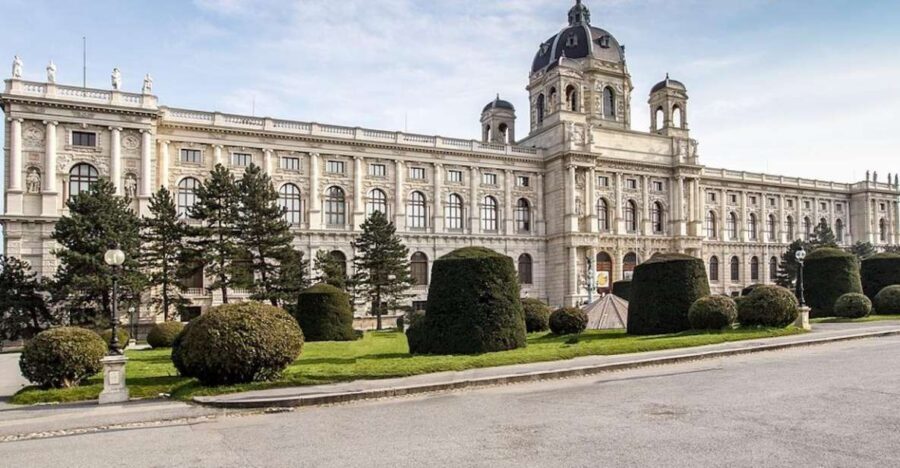
The story starts with an imperial “reset button.” About 150 years ago, Emperor Francis Josef ordered the demolition of the city walls. Instead of rebuilding the defensive edge of Vienna, he pushed for something new: a unified, statement-making boulevard lined with public buildings for culture and civic life.
That’s what you’re walking on: the Ringstrasse as a stage. The goal was to concentrate major institutions along the new route—think the opera and theater, museums, universities, the Academy of Fine Arts, parliament, and city hall. It wasn’t just urban planning. It was branding Vienna as a city of ideas, performance, learning, and government.
Then the private money arrived. Industrialists and bankers saw the opportunity to display wealth and, importantly, to acquire titles. That’s when you get the oversized palaces—buildings designed to be seen from the street, not hidden behind gates. And while the rich showed off, a huge workforce also came through, including poor people seeking work, laboring under difficult conditions. So as you walk, you’re seeing two sides of the same story: ambition and inequality, elegance and pressure.
You can also read our reviews of more walking tours in Vienna

Meeting by Liebenberg-Denkmal at Mölker Bastei
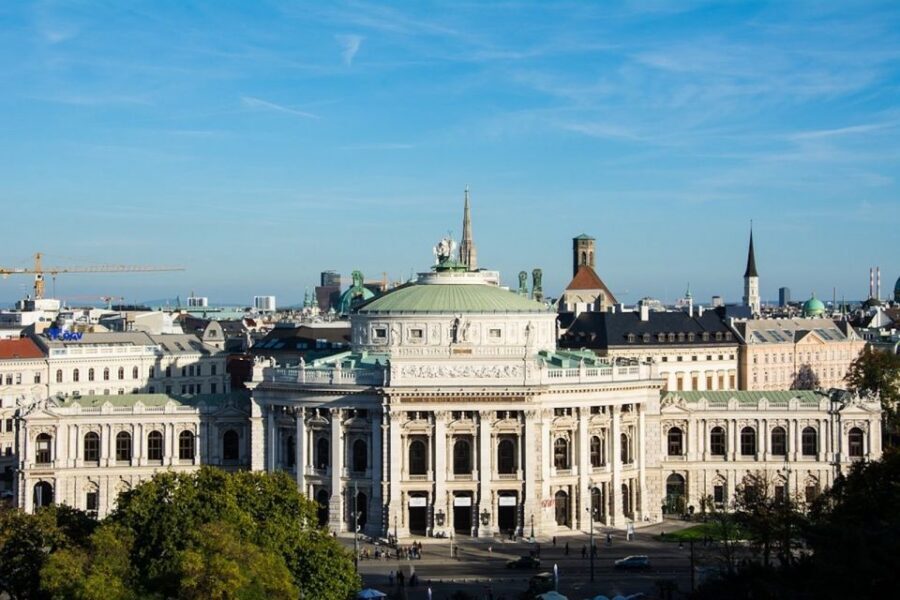
You start at the Liebenberg-Denkmal on Mölker Bastei (address: 1010 Wien). Give yourself a little buffer and arrive about 10 minutes early so you’re not rushing at the exact moment the tour begins. This matters because the opening segment sets the tone—how to “read” the Ring from street level.
Why this first stop is smart: the Ringstrasse can look like one long stretch of impressive facades. Starting with a monument point of reference helps you anchor the route. From there, you’ll gradually build a mental map as the tour moves from civic institutions to cultural venues and the palaces along the way.
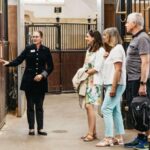
Also note the practical side. This is a private group experience, designed for up to 8 people, and the guide can speak Polish, German, or English. That makes it easier to ask questions as you go, instead of waiting your turn in a giant crowd.
Palais Ephrusi and the Ephrusi Family Fate
One of the main reasons to take this tour is Palais Ephrusi. It’s commissioned by the rich Jewish banker family—one of those “you can’t miss it” stops if you want the Ringstrasse to come alive beyond postcard views.
What I find especially compelling here is that the tour doesn’t just treat the palace like an object. It connects the architecture to human consequence. The family’s fate is described in The Hare with the Amber Eyes, which gives you an entry point to understand how a family could be celebrated for status and wealth and still face a far darker outcome.
Even if you’re not planning to read the book, this stop works because it changes your lens. Instead of just asking, “Is the building ornate?” you start asking, “What did it mean for the people who paid for it, and what happened to them later?” That’s a big shift, and it’s the kind of story-based context that turns architecture into something you can think about on the walk back.
Votive Church and University of Vienna: Civic Pride in Stone
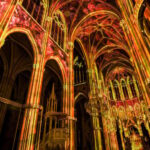
Next, you’ll run into the Votive Church and the main building of the University of Vienna. These stops underline that the Ringstrasse wasn’t built only for spectacle. It was built for public institutions tied to faith, education, and civic identity.
The Votive Church stands out as one of those buildings that feels like it has momentum even when you’re standing still. The University building adds a different flavor: learning as permanence. Together, they help you understand a key idea behind the Ring plan. Vienna wanted an ensemble, not scattered landmarks—so different public roles shared the same architectural language and the same boulevard setting.
Here’s a small practical tip: when you reach institutional buildings, don’t just look upward. Take a moment to scan the edges, entrances, and how the building faces the street. On this walk, the guide’s background information helps you see those choices as deliberate, not accidental.
City Hall, Burgtheater, and the Culture Belt of the Ring
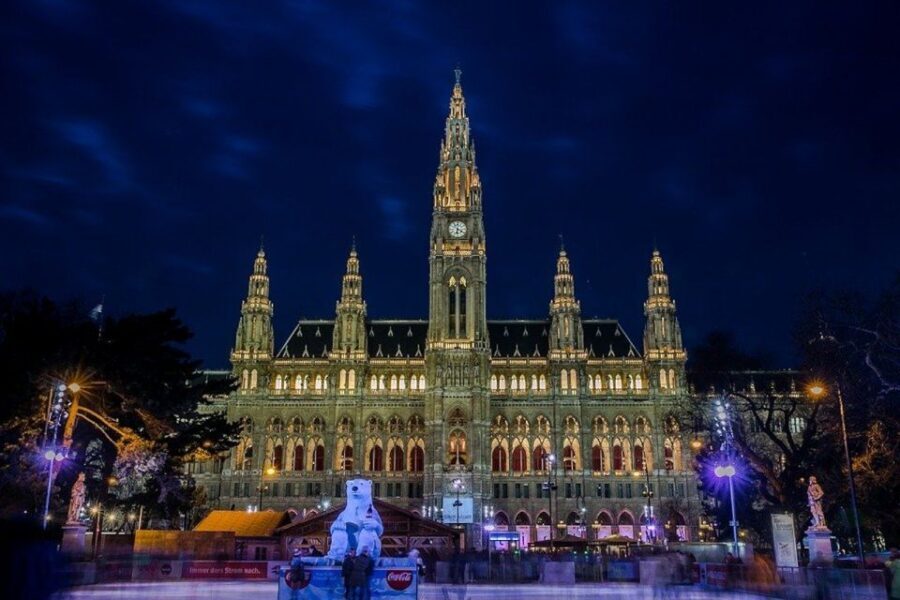
As the tour progresses, you’ll pass the City Hall and the Burgtheater. These are the kinds of sites that can overwhelm you visually, because they’re designed for attention. That’s why the tour’s structure matters: you need breaks and explanations, otherwise the Ring becomes one long blur of decorative details.
I like the way the tour pairs cultural landmarks with the “why” behind them. City Hall and Burgtheater weren’t only places you could visit. They were symbols of civic authority and artistic life lining the same grand promenade.
If you care about performance and public life, this is where you’ll feel the logic of the whole 19th-century project. The boulevard becomes a route connecting people to culture and government, all while showing off the city’s power to attract architects, artists, and planners from across Europe.
You can also read our reviews of more historical tours in Vienna




Parliament, Heldenplatz, and the Statues You’ll Actually Notice
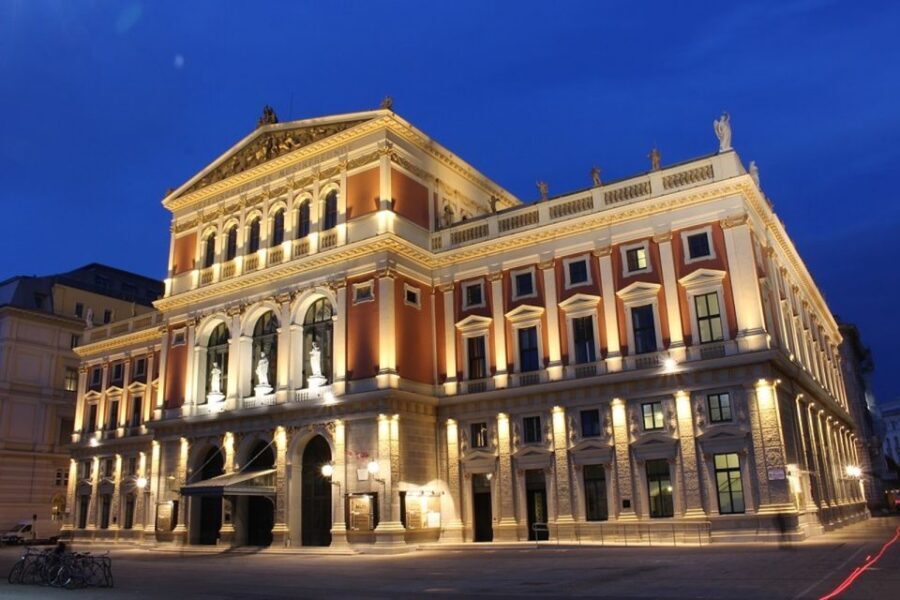
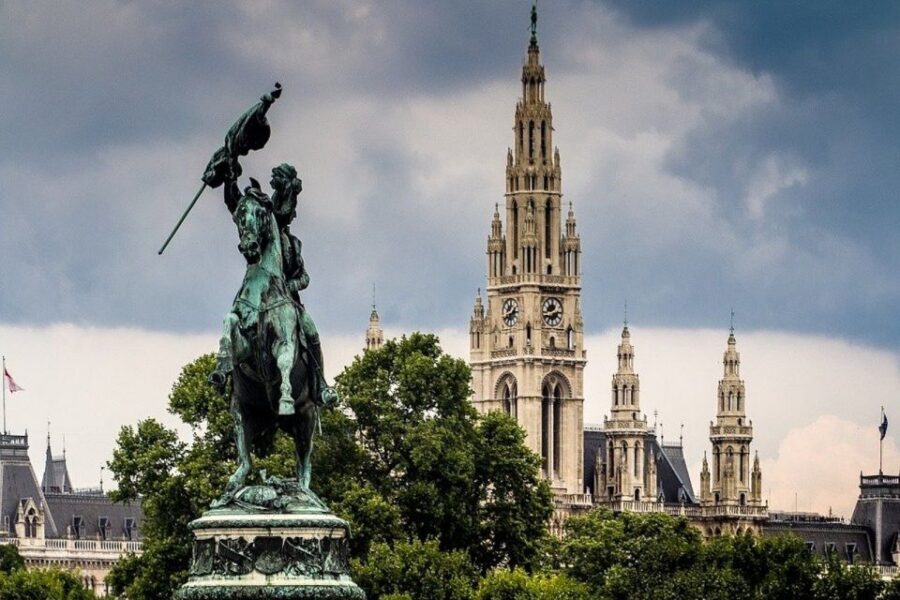
Then comes a stretch that’s hard to ignore: the Parliament and Heldenplatz. These spaces change the mood from architectural admiration to historical gravity. Parliament, in particular, is a reminder that the Ringstrasse was not only a display corridor—it was also a governance corridor.
Heldenplatz adds that sense of place and memory. This area is also where the tour leans into statuary details. You’ll encounter statues such as Pallas Athene and also the mayor Liebenberg connection linked to the beginning area.
The value of seeing these sculptures on a walking tour is simple: the guide helps you match name to meaning while you’re still close enough to look. If you try to do it on your own without context, it’s easy to treat statues like background decoration. With a guide, you start noticing how the city “speaks” through symbols.
Museums, Volksgarten, and the Garden Break You’ll Want
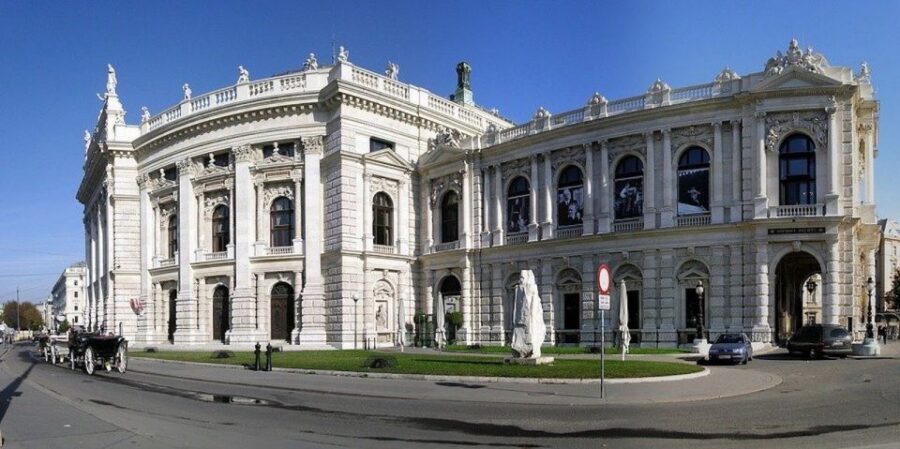
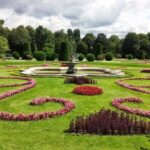
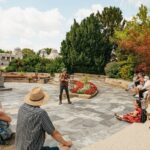
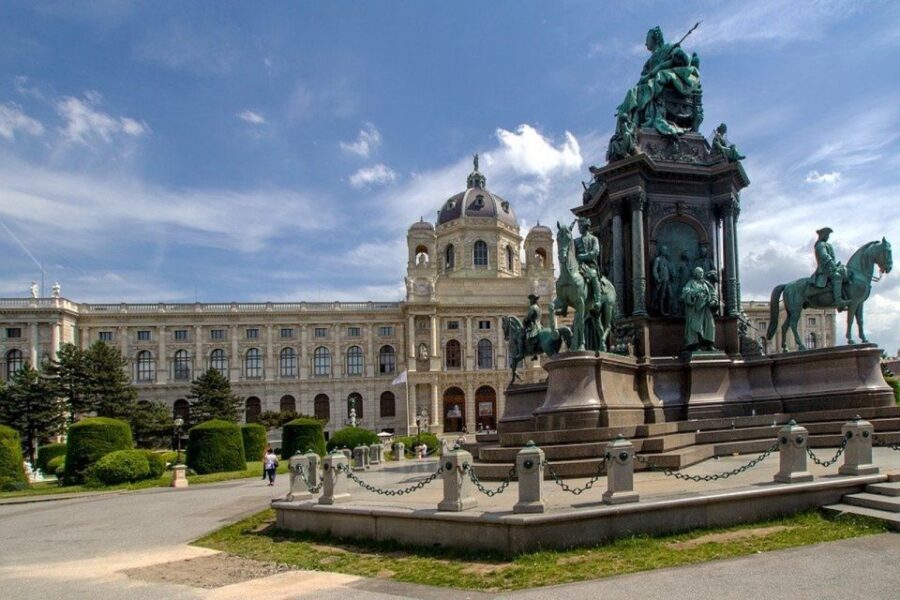
You’ll also reach the Museums area and the Volksgarten, where the tour includes short breaks in spacious gardens. This is more than a rest stop. It’s a reset button for your eyes and your attention.
On the Ring, you’re constantly in “look mode”: facades, ornament, rooflines. Gardens give you a new angle. You can see statues in a calmer setting and take in flower arrangements without the noise of constant street movement. It’s the kind of break that makes the next building feel fresh instead of repetitive.
If you’re traveling with anyone who gets tired of nonstop sightseeing, these garden segments help keep the experience enjoyable. The route is still efficient, but you get moments where you can breathe and actually enjoy the setting.
Ending Next to the Opera House: The Ring as One Story
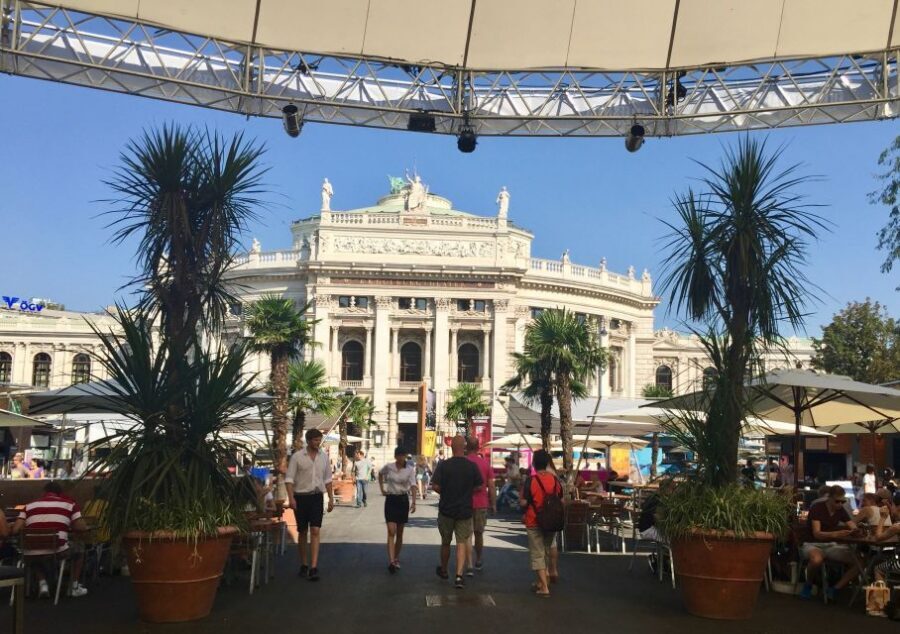
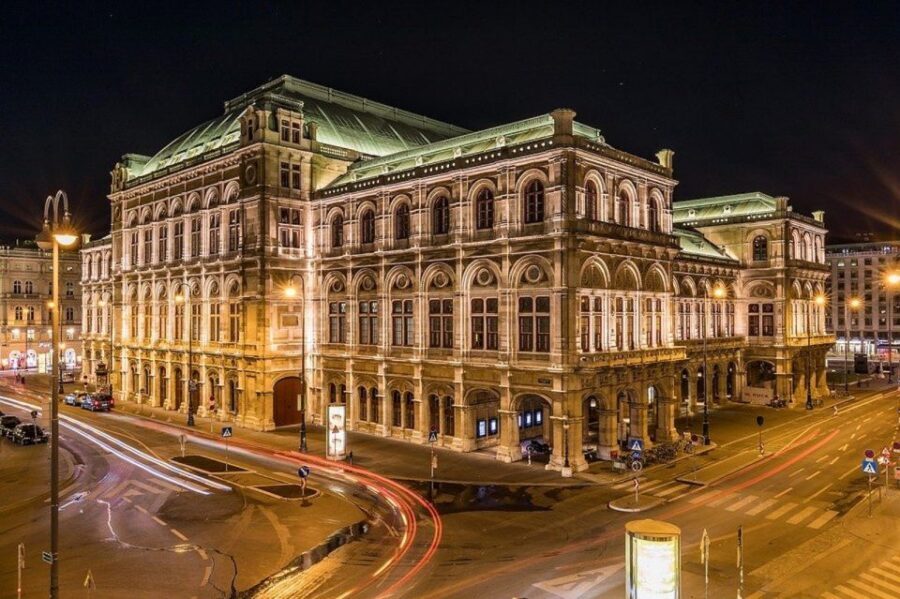
The tour ends next to the Opera House. That ending location is smart because it ties back to the original vision for the Ring: major cultural institutions along one grand boulevard.
By the time you reach the Opera, you’ve already seen civic buildings, educational landmarks, government spaces, museums, and palace-style wealth displays. So the final stop doesn’t feel random. It feels like the last scene in the same play.
If you want to keep the experience going after the walk, this is also a convenient place to continue on foot. Even if you’re just grabbing a coffee nearby, you’ll already understand the boulevard logic that brought you here.
Price and What You Get for $353 (Up to 8 People)
This tour costs $353 per group up to 8 for a 2-hour walk. That price format matters. You’re paying for a private guide for your group size, not a per-person ticket price that can jump if you travel with friends or family.
So the real value question is: are you the type who benefits from a guide pointing out details you’d miss? If yes, this tour makes sense because the highlights aren’t only “famous buildings.” They’re the connections—planning decisions, who came to Vienna for opportunity, and how wealth and hardship sat side by side along the same boulevard.
One more reason the price can feel fair: the tour includes an organized route covering multiple major stops, plus background stories designed to make the architecture understandable. On a self-guided walk, you’d still see the buildings, but you’d likely lose the narrative thread that helps you process what you’re looking at.
Who This Tour Suits Best
This is a strong fit if you want a high-impact overview of the Ringstrasse in a short window and you like learning the human side of architecture—patrons, artists, planners, and the workers who built the city even when conditions were harsh.
It also works well for:
- couples or small groups who prefer a private experience
- people who enjoy stories more than technical architectural jargon
- travelers who want to reach many landmarks but still have time to pause
If you’re after very specialized art-history or architecture deep dives for every building, you might find the pace and scope less satisfying. The tour is designed to be readable, not exhaustive.
Quick Practical Tips Before You Go
Bring a public transport ticket, since tram access isn’t included. If you plan to use transit before or after, make sure you’re covered so you’re not stuck figuring things out at the last minute.
The tour language can be Polish, German, or English, so choose the option that matches your comfort level. That small choice can make a big difference over a 2-hour walk, especially when the guide is sharing background stories.
And yes, weather matters. Like most European city walks, you’ll cover a lot of outdoor ground. A light rain should be manageable, but plan clothing accordingly.
Should You Book This Vienna Ringstrasse Walking Tour?
I’d book it if you want Vienna’s Ringstrasse to feel like a connected story instead of a checklist. The highlights—especially Palais Ephrusi, the garden breaks, and the way the guide threads together imperial planning, wealth, art, and worker hardship—make this tour more than scenic walking.
I’d think twice if you’re the kind of traveler who needs a long, ultra-detailed deep dive on each facade and you prefer slow pacing. The 2 hours are meant for breadth and clarity, not total immersion in every architectural detail.
If you’re visiting Vienna for a limited time, this is a good way to see the “representative part of the Ring,” understand why it exists, and finish with a landmark that anchors it all: the Opera House.
FAQ
How long is the Vienna Ringstrasse walking tour?
The tour lasts 2 hours.
Where does the tour start?
It starts at Liebenberg-Denkmal, Mölker Bastei 8, 1010 Wien.
What time should I arrive?
Arrive about 10 minutes before the activity starts.
What’s included in the price?
A guided city tour is included.
What’s not included?
Hotel pickup and drop off are not included, and a tram ticket is not included.
Is the tour wheelchair accessible?
Yes, it is wheelchair accessible.
How many people are in a group?
It’s a private group, up to 8 people.
What languages are available for the guide?
The guide is available in Polish, German, and English.
Can I get a refund if I cancel?
Yes. You can cancel up to 24 hours in advance for a full refund.