REVIEW · VIENNA
Vienna: Vivaldi’s Four Seasons Concert in Karlskirche
Book on GetYourGuide →Operated by Orchester 1756 GmbH · Bookable on GetYourGuide
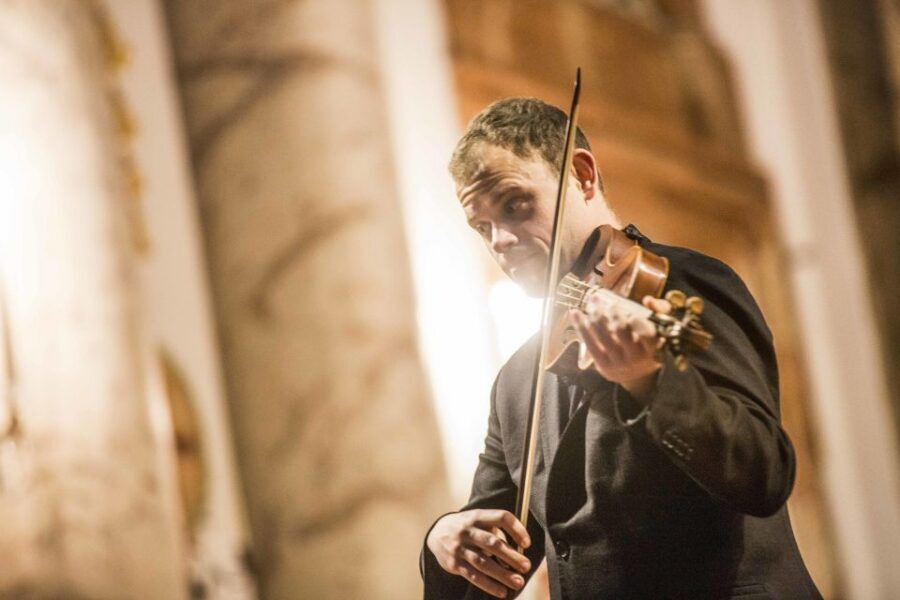
Vivaldi sounds different in a church. At Karlskirche in Vienna, Orchestra 1756 brings Vivaldi’s Four Seasons to life on period instruments, so the music feels less like a recording and more like a living performance in space.
I love the period-instrument sound and how it sharpens details in the strings and phrasing. I also like that the whole concert runs about 75 minutes, long enough for real momentum but not so long that your seat turns into a medieval punishment. One consideration: the church has no air conditioning, so it can be very cold in winter and quite hot in summer.
Before you go in, expect a well-managed evening. Doors open about 30 minutes before the start, and once the performance begins, you cannot enter late.
In This Review
- Key things to know before you buy
- Karlskirche makes Vivaldi feel cinematic
- Orchestra 1756 and period instruments: what you actually hear
- The program: Four Seasons movements, then rotating baroque extras
- How to pick your seat category for view and sound
- Timing and entry rules that can trip you up
- Dress for Karlskirche: cold in winter, hot in summer
- Cameras, cloakroom, and other practical limits
- What makes this concert a good use of one Vienna evening
- Who should book this, and who should think twice
- Before and after: make the night feel like Vienna
- Should you book this Vienna Vivaldi concert?
- FAQ
- How long is the Vienna Karlskirche Vivaldi concert?
- What does the program include?
- Which composer’s additional pieces might appear?
- Who performs?
- Where is the concert held?
- How much does it cost?
- When should I arrive?
- Can I take photos during the performance?
- Is the venue comfortable in winter?
- Are there age limits?
- Is wheelchair access available?
Key things to know before you buy
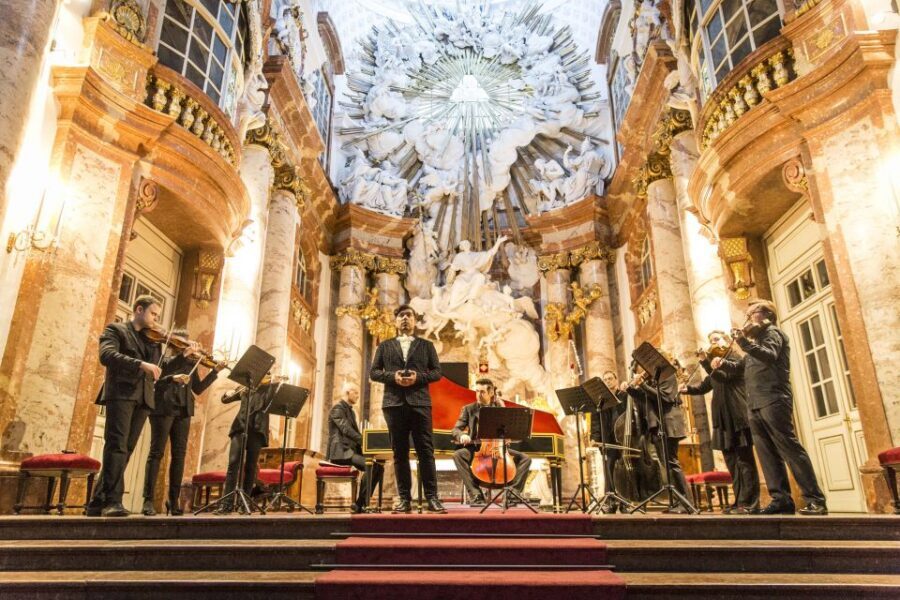
- Period-instrument orchestra feel: Orchestra 1756 plays with historical style and period instruments.
- Cold-weather survival kit: In winter, the venue runs chilly, and you can use provided blankets.
- Four full seasons, plus extras: The core program is Vivaldi’s four seasons, with 1–2 additional pieces that change weekly.
- Seating matters for view and sound: Front rows feel the most connected; higher seats can be harder for hearing.
- Strict concert rules: No leaving and re-entering during the performance, and cameras are not allowed during it.
Karlskirche makes Vivaldi feel cinematic
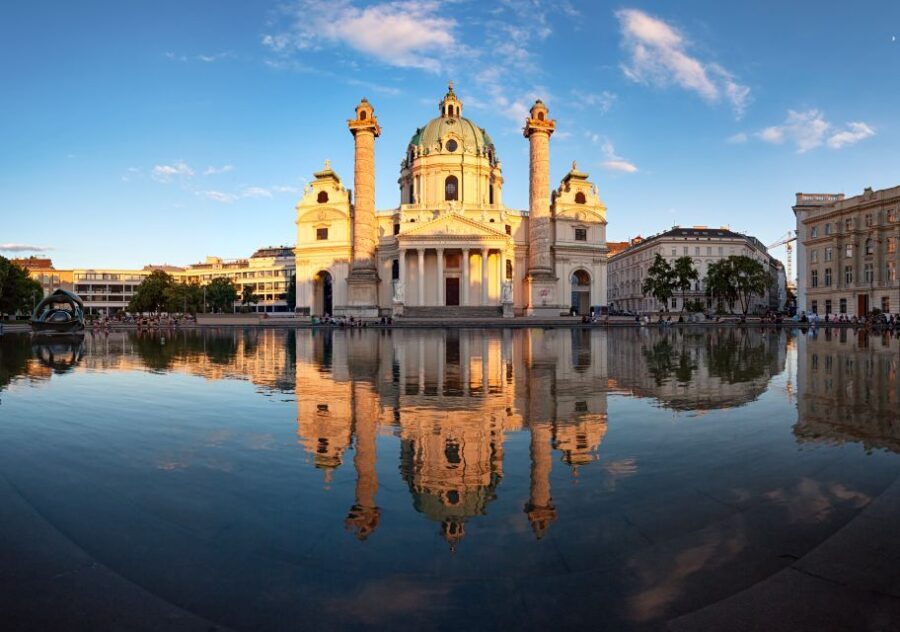
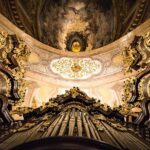
Karlskirche is the kind of place where you understand why composers wrote music for churches. The building’s visual scale and dramatic interior help the sound travel. So when the ensemble starts playing, you’re not just listening to Vivaldi, you’re hearing it in a space built for resonance.
This matters with Four Seasons. Those violin concertos are packed with weather, motion, and contrast. In a normal hall, it can still feel vivid. In Karlskirche, the atmosphere adds extra texture, like the thunder and lightning have somewhere real to bounce.
I also like that the venue feels special without needing you to be a classical-music expert. If you can enjoy strong melody and storytelling through music, you’ll get it.
You can also read our reviews of more tours and experiences in Vienna
Orchestra 1756 and period instruments: what you actually hear
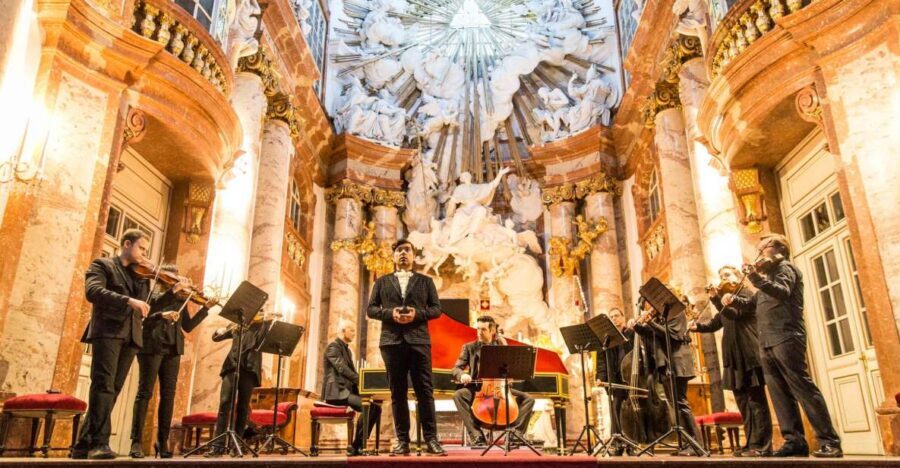
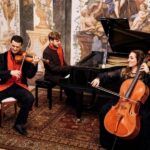
Orchestra 1756 performs on period instruments, which changes the character of the sound. It’s not just a technical detail. You’ll notice the phrasing feels more pointed, and the strings have a texture that can sound lighter and more agile than in a modern symphony setup.
The concert is built around baroque performance style, including a string ensemble setup and basso continuo. That continuo line is a big deal in pieces like these. It helps the music stay moving forward, and it makes the harmony feel more like a pulse than a wall of sound.
From what you can expect in this kind of performance, it’s the combination of style and setting that works: the musicians play with historical energy, and the church architecture carries the sound in a natural way. That’s why people consistently describe it as like time travel, but without any gimmicks.
The program: Four Seasons movements, then rotating baroque extras
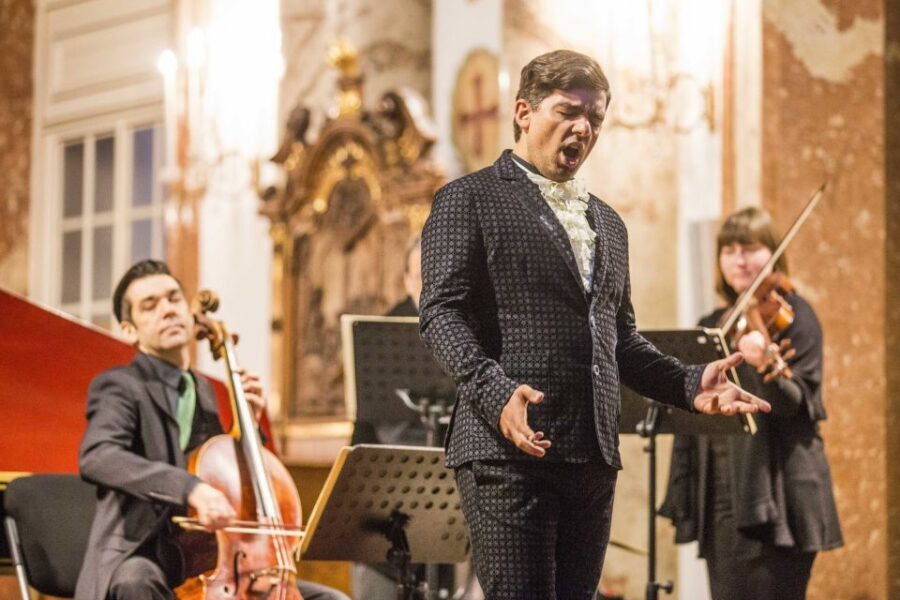
The program centers on Vivaldi’s Le quattro stagioni, the famous set of four violin concertos that map to the seasons of the year. The movements are straightforward in name, but they’re full of character.
You’ll hear:
- Spring (Op. 8 No. 1)
- Summer (Op. 8 No. 2)
- Autumn (Op. 8 No. 3)
- Winter (Op. 8 No. 4)
Each season is inspired by four sonnets, which are essentially poetry prompts for what you’re hearing. Winter’s cold edge, for example, tends to sound sharper and more angular. Summer can feel brighter and more active. In other words, you’re not stuck listening to one mood for 75 minutes. The music keeps switching gears.
After the Four Seasons, the concert includes one or two additional parts that change from week to week. The program notes that these may come from composers like Mozart, J. S. Bach, and Heinrich Ignaz Franz von Biber, plus other major composers.
If you like planning around variety, this is a bonus. If you’re only in it for Vivaldi, you still get the main event in full, then a bit of extra context at the end.
How to pick your seat category for view and sound
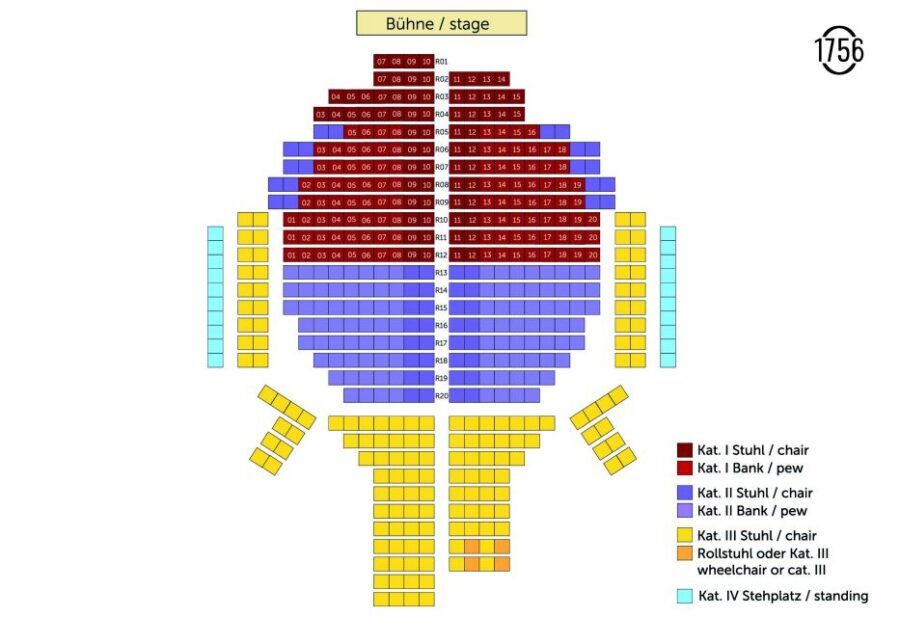
This is where you can make or break your evening.
The venue has different seating areas, and the consensus is pretty consistent: front and closer seats tend to feel more connected. You can see musicians more clearly, and the performance feels tighter. Some seats also come with warmth support (see next section).
If you choose a cheaper category, you might still enjoy the concert, but you should expect trade-offs. In higher or farther sections, hearing can get harder. With a church full of stone, there can be more echo up high or farther back, and the sound can feel less direct.
A practical approach:
- If you care about seeing facial expression, bowing technique, and small interactions, lean toward the closer category.
- If budget is your priority and you just want the music, you can still have a great time, but accept that the view and clarity may be less intimate.
Also note: the balcony may not always be open. Even if it is, those seats may not be the best choice if sound clarity is your top concern.
Timing and entry rules that can trip you up
For a concert to feel smooth, the venue enforces clear rules.
- Doors open about 30 minutes before the start time.
- No entry is permitted after the concert has started.
- Leaving and re-entering during the concert is not allowed. If you step out, you typically won’t be able to come back in.
That means you should handle coats, bathroom breaks, and settling in before the music begins. The performance is about 75 minutes, so plan for the long haul at once.
It also means you’ll want to arrive with a buffer. Not because staff are slow, but because you don’t want to be stressed during the final minutes before the ensemble starts.

Dress for Karlskirche: cold in winter, hot in summer
Karlskirche does not have air conditioning. That one fact drives almost everything about comfort.
In winter, the church can be quite cold. The good news is that blankets are available on chairs, and some seats may have heat under the seat. That can turn the “this will be painful” feeling into “wait, this is actually pleasant.”
In summer, the same lack of cooling means you might feel warm fast. Light layers help. If you’re sensitive to temperature swings, bring something that you can easily remove.
And yes, pews can be hard for 75 minutes. If you know you need cushion time, think about how you’ll manage it. Even if you bring your own comfort item, be sure it follows the venue rules (no large bags or luggage).
My simple advice: dress like you’ll be outside for 20 minutes, then plan to sit still for the final 75.
Cameras, cloakroom, and other practical limits
This concert is classic in the best way: you’re meant to watch with your eyes and listen with your ears.
- Cameras are not allowed during the performance.
- Cloakroom is not included, so don’t count on coat storage being part of the ticket.
- Food and drinks are not allowed.
A small but important detail: you can usually take photos before and after the concert, but not while the music is happening. If you want pictures of the church interior, do it at the right time so you’re not scrambling when the ensemble starts.
Also, keep in mind the rules for what’s not permitted:
- no pets
- no baby strollers
- no smoking, vaping, or alcohol/drugs
- no unaccompanied minors
- no bare feet
What makes this concert a good use of one Vienna evening
At around $40 per person for a 75-minute performance, you’re paying for three things at once:
- A famous work (Four Seasons)
- A high-quality period-instrument ensemble (Orchestra 1756)
- A dramatic setting that changes how the music lands
That’s why the value feels strong. You’re not paying extra for a long tour day, just for a focused evening experience.
It’s also an easy add-on. You don’t need a whole itinerary puzzle. You go, you listen, you leave.
If you’re traveling with someone who’s not a classical fanatic, this can work. The music tells stories. The structure is clear. Even if you don’t know baroque performance terms, you’ll recognize the weather pictures and the changes from one season to the next.
Who should book this, and who should think twice
This concert fits best if you want:
- a short, high-impact night in Vienna
- Vivaldi’s Four Seasons in a baroque performance style
- a church venue where the architecture becomes part of the experience
It might be less ideal if:
- you hate cold spaces and you didn’t plan clothing wisely
- you need to bring large items (no luggage/large bags allowed)
- you rely on mobility access, since wheelchair users are noted as not suitable
- you’re traveling with kids under 6 (not permitted)
If you’re picky about sightlines or you dislike echo, seat choice becomes more important than you might expect.
Before and after: make the night feel like Vienna
Because the concert starts in Karlskirche, you can treat it like a mini evening ritual. Arrive early enough to get your bearings in the church and look around before the lights and silence kick in.
Afterward, plan a relaxed walk. This is one of those experiences that leaves you in a listening mood. A quiet stroll helps you digest what you just heard, especially after the thunderous, icy, and bird-like musical moments.
If you’re in town around winter season, you may also find seasonal atmosphere nearby since Karlskirche is often part of the visitor flow during colder months. (Just remember: your comfort comes first, so plan layers.)
Should you book this Vienna Vivaldi concert?
Book it if you want a classic in a truly fitting setting, and you’re open to the idea that period instruments make a difference. The price-to-experience ratio is strong for a 75-minute concert by Orchestra 1756, and the Karlskirche setting turns Vivaldi into something more physical.
Skip or reconsider if temperature comfort is a dealbreaker, or if you need guaranteed accessibility for mobility. Also take seat choice seriously. If you can afford the better-view categories, you’ll likely enjoy the performance more.
If you like your Vienna moments simple but memorable, this is one of the cleanest ways to do it: one venue, one masterpiece, and a night that stays in your head for the walk back to your hotel.
FAQ
How long is the Vienna Karlskirche Vivaldi concert?
The concert lasts about 75 minutes.
What does the program include?
You’ll hear Vivaldi’s Le quattro stagioni (The Four Seasons) with Spring, Summer, Autumn, and Winter. There are also one or two additional parts that change from week to week.
Which composer’s additional pieces might appear?
The program notes additional pieces could include works by Mozart, J. S. Bach, H. I. F. Biber, and other major composers.
Who performs?
The performance is by Orchestra 1756.
Where is the concert held?
It takes place at Karlskirche in Vienna.
How much does it cost?
The price is listed as $40 per person.
When should I arrive?
Doors open about 30 minutes before the concert starts.
Can I take photos during the performance?
No. Cameras are not allowed during the performance, though pictures are allowed before and after.
Is the venue comfortable in winter?
No air conditioning means it can be cold in winter. Blankets may be provided, and some seats may have heat under the seat.
Are there age limits?
Children under 6 years are not allowed.
Is wheelchair access available?
Wheelchair users are not suitable for this event.