REVIEW · VIENNA
Vienna: Classical Concert in the World-Famous Musikverein
Book on GetYourGuide →Operated by Classic Exclusive · Bookable on GetYourGuide
Musikverein makes Mozart and Vivaldi feel instant. I love the chance to hear Vivaldi’s Four Seasons live in a room built for sound, and I love how the program starts with Mozart and Haydn before turning into that soaring, solo-driven second half. One heads-up: some seating sections can mean hard benches and less-than-perfect sightlines, especially if you land on the sides.
The concert runs about two hours, split into two musical parts. First you’ll hear Viennese classical selections from Mozart and Haydn. Then the big ticket item: Vivaldi’s famous violin concerto, The Four Seasons, played by a string ensemble with Austrian soloists.
This is also a straightforward cultural night in Vienna. You just arrive, pick up your ticket, find your seat, and let the room do the talking. If you’re sensitive to phone screens or interruptions, plan to be firm about keeping your focus where it belongs: on the orchestra and soloist.
In This Review
- Quick Hits You’ll Appreciate
- First, Know What Makes Musikverein Special
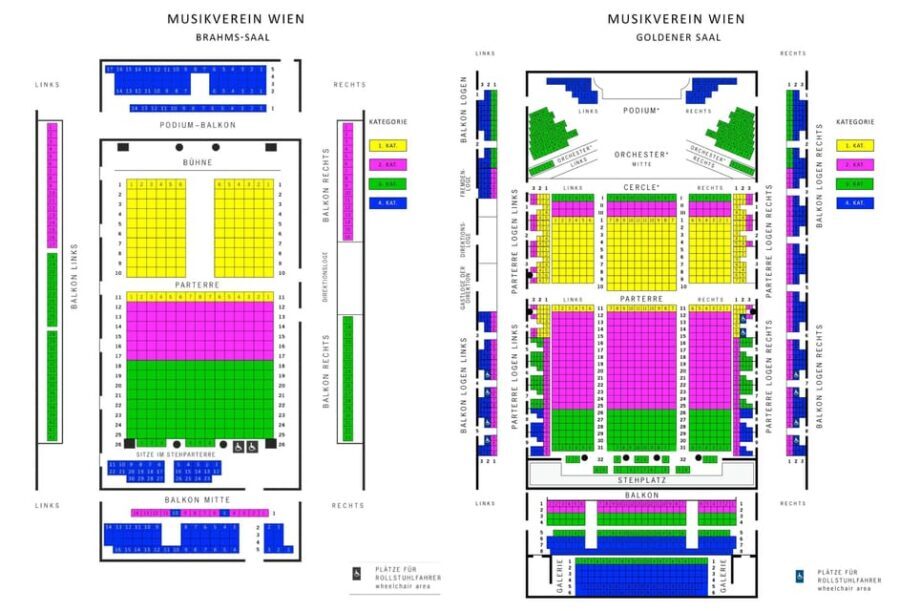
- Golden Hall or Brahms Hall: Choose Your Sound
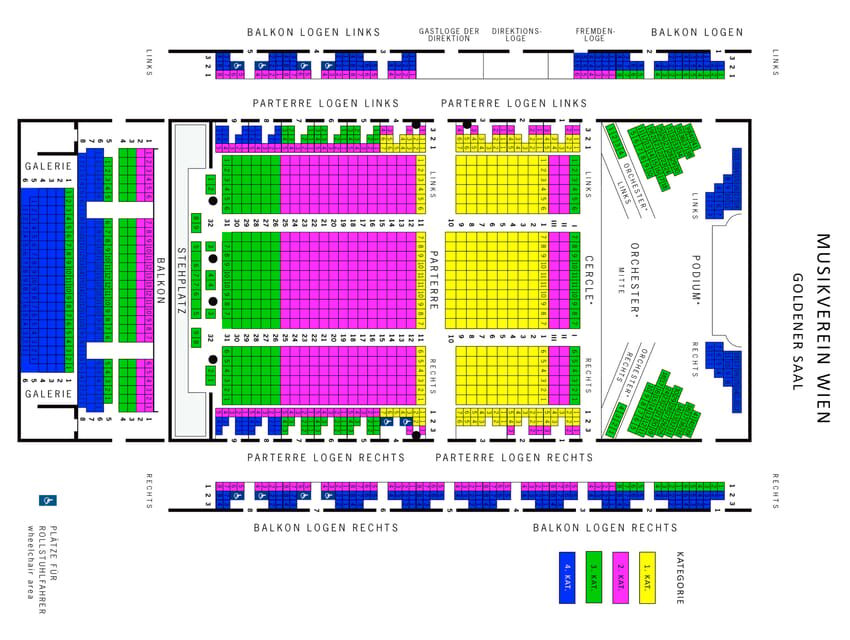
- Golden Hall
- Brahms Hall
- The Music Plan: Mozart and Haydn, Then Four Seasons
- Part 1: Viennese Classical Favorites
- Part 2: Vivaldi’s Four Seasons in Full Flight
- What the Evening Feels Like: From Lobby to Last Note
- Ticket pickup and getting seated
- Coat check and the cash reality
- Intermission and your chance to reset
- The music is the headline
- Seating Truths: Comfort and Sightlines Matter
- Seats can be a physical downside
- Limited view can happen
- Audience behavior can affect your focus
- Etiquette That Keeps the Room Beautiful
- Price and Value: Why $17 Works Here
- How to Fit This Concert Into a Vienna Night
- Should You Book This Musikverein Concert?
- FAQ
- FAQ
- How long is the concert?
- Where does this concert take place in Vienna?
- What’s in the program for the evening?
- Can I choose Golden Hall or Brahms Hall?
- When should I pick up my ticket and enter the hall?
- Is a coat check included in the price?
- Is there a program booklet available?
- Are children allowed?
- Is it wheelchair accessible?
Quick Hits You’ll Appreciate
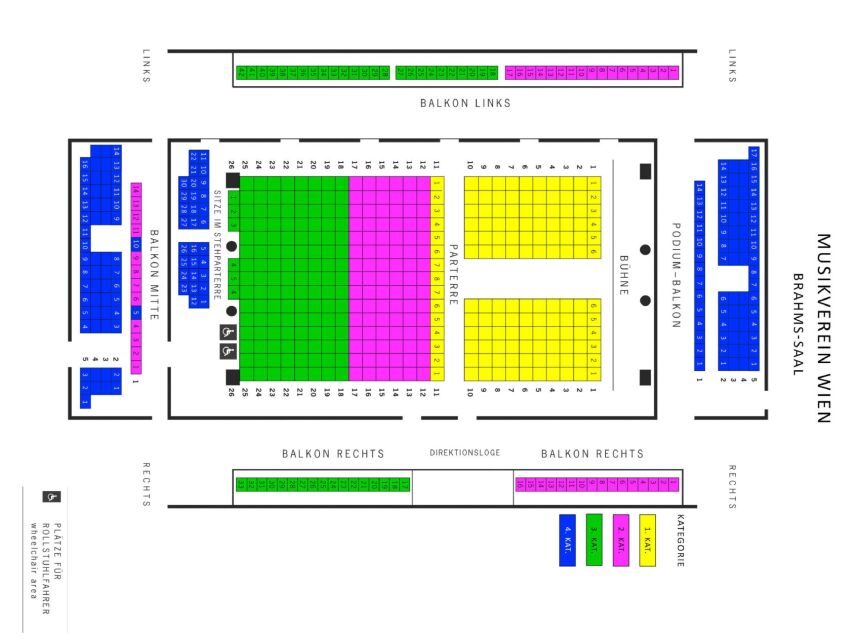
- Golden Hall vs Brahms Hall: Golden Hall is famous for the New Year’s Day Concert acoustics; Brahms Hall is known for chamber-music clarity.
- Two-part program: Mozart/Haydn first, then Vivaldi’s Four Seasons with a featured violin focus.
- Ticket value that feels like a steal: Around $17 for a world-famous venue and a full 2-hour classical program.
- You’ll want small change: Coat-and-backpack wardrobe handling is a cash thing, and they ask you to carry it.
- No clapping between movements: The audience etiquette matters here, and the hall deserves quiet respect.
- Recording rules are real: Don’t count on video. Recording is not allowed.
First, Know What Makes Musikverein Special

Musikverein isn’t just a pretty concert hall. It’s one of those rare Vienna places where the architecture and the acoustics work together, so the music feels close and shaped, not distant and muddy.
When you sit down, you’ll notice that the sound spreads cleanly—especially the strings. That matters because this particular program is all about articulation: crisp phrasing in Mozart and Haydn, then the rhythmic energy and violin virtuosity that drives Vivaldi’s Four Seasons. With the right acoustic room, you don’t just hear notes. You hear the transitions, the textures, and how the soloist lines up against the ensemble.
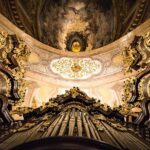
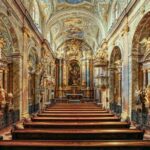
And yes, the building is an event by itself. Expect neoclassical details and an ornate interior you can’t help staring at while you wait for the lights and the orchestra to take over.
You can also read our reviews of more tours and experiences in Vienna


Golden Hall or Brahms Hall: Choose Your Sound
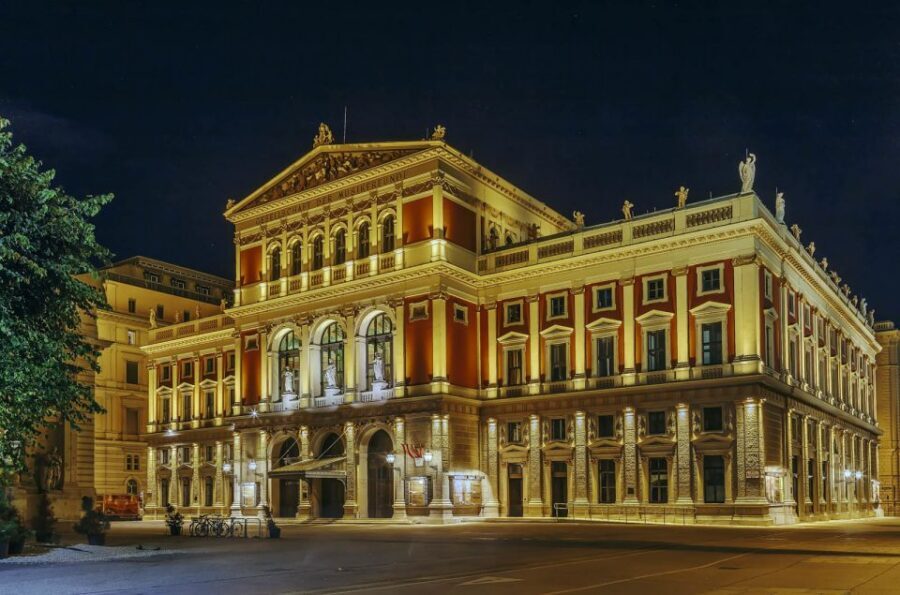
You’ll attend in either the Golden Hall or the Brahms Hall. Both are famous. But the hall “job” is different.
Golden Hall
Golden Hall is legendary in part because it’s tied to the New Year’s Day Concert, which is a big clue that its acoustics are designed for clarity and sweep. If you like a more grand, celebratory feel—or you simply want to experience the one that gets named most often—this is the choice.
Brahms Hall
Brahms Hall is known for what people call top-tier acoustics for chamber music. If you like a warmer, more intimate sound, Brahms Hall tends to feel that way in practice. Even though it’s still unmistakably Musikverein, the atmosphere can read more “close-up” than “cathedral.”
Both options are worth it. My rule of thumb is simple: pick the hall you’d be most excited to describe to friends after, because you’ll remember the room almost as much as the music.
The Music Plan: Mozart and Haydn, Then Four Seasons
The program has a clean two-act structure, and that’s one reason it works well for first-timers.





Part 1: Viennese Classical Favorites
The first half features Viennese classical pieces from Mozart and Haydn. This section sets the tone: you get elegant phrasing, bright ensemble playing, and the kind of musical “conversation” that makes an orchestra feel alive.
Even if you don’t know every piece by name, you’ll recognize the style. Mozart and Haydn are built for focus: rhythmic clarity, well-matched harmonies, and lines that move even when the volume stays elegant.
Part 2: Vivaldi’s Four Seasons in Full Flight
Then comes the main event: Vivaldi’s The Four Seasons, a violin concerto famous for its vivid character. Here you’ll hear it performed with a string ensemble and Austrian soloists of international renown.
A few details make this second half especially satisfying:
- It’s the kind of piece where you can track the soloist’s phrasing moment by moment.
- The orchestra supports without swallowing the violin line.
- The contrast between ensemble sound and solo playing is usually crystal clear in this kind of hall.
In one performance context, the ensemble was led by Fritz Kircher, and that kind of leadership matters because it keeps the transitions tight and the energy steady.
What the Evening Feels Like: From Lobby to Last Note
The experience is basically one long ritual, and it helps to know each stage.
Ticket pickup and getting seated
Pick up your tickets in the lobby collection point starting about one hour before the concert. Then admission into the hall begins 30 minutes before the start time.
This timing is there for a reason. If you roll in at the last minute, you’ll feel rushed in the area where people are also finding their seats and handling coats and bags.
Coat check and the cash reality
Cloakroom and paper programs are not included. The venue handles coat-and-backpack wardrobe with a mandatory cash fee. Bring small change.
The practical takeaway is simple: show up with the exact-ish money you’ll need. One of the more common friction points isn’t the concert. It’s the line for dropping off coats and the moment someone realizes their wallet is all paper bills.
Intermission and your chance to reset
There is an interval in the evening rhythm. During intermission, people move. It’s a good time to adjust your posture, stretch your legs, and re-check your bearings if you got a slightly angled seat.
The music is the headline
During the performance, keep your attention on what matters. Clapping between movements is frowned upon. And recording the performance is prohibited—so don’t count on sneaking a video.
If you’re the type who enjoys a full-sensory live performance, this is a great night. The combination of a famous program and a world-renowned hall means even casual listeners often find themselves staying quiet and fully locked in.
Seating Truths: Comfort and Sightlines Matter
I’ll be blunt here, because it affects how much you enjoy the show.
Seats can be a physical downside
Some seats are hard wood with thin cushions. That might not matter for everyone, but if you’re used to cushier theaters, you’ll likely feel it over a two-hour performance.
If you’re planning to go, consider arriving with a plan to sit still comfortably. A light layer helps too, because winter in Vienna plus coat-check time can leave you slightly chilly once you’re seated.
Limited view can happen
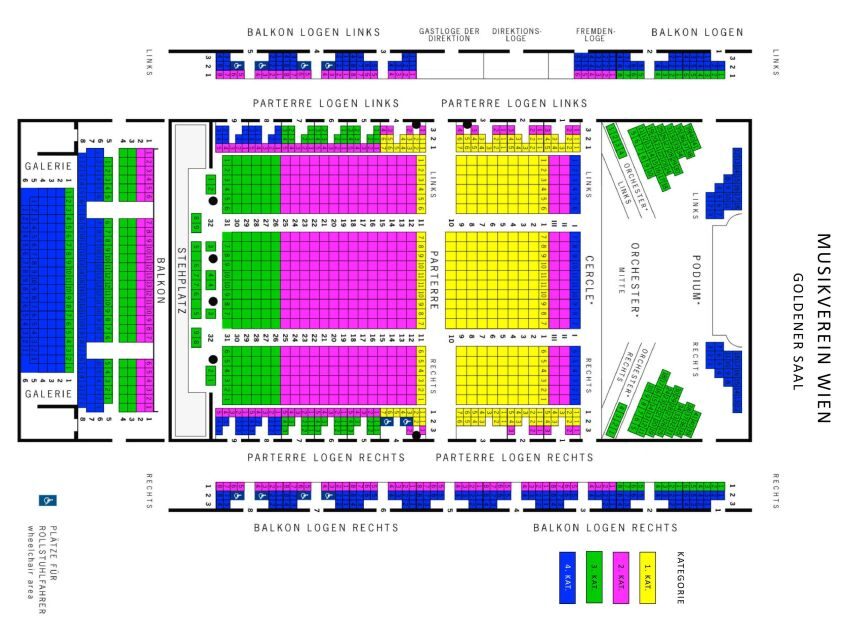
The hall setup and balcony or angled perspectives can affect what you see. If you end up in a section with a side or partial view, you can still enjoy the sound, but the visuals won’t always feel like a front-row stream.
One helpful thing you can do is take note of whether your ticket description warns about restricted view. In a couple situations, people were able to improve their situation after the interval due to availability, but don’t build your expectations on that. If you want the best experience, choose your section with care.
Audience behavior can affect your focus
A few things can distract you: phone use, disruptive movement, and clapping at the wrong times. Your best defense is choosing a seat where you can settle and ignoring the temptation to check your screen “just once.”
Etiquette That Keeps the Room Beautiful
Vienna audiences take listening seriously. Here’s what you should follow so you don’t feel out of place.
- Don’t clap between movements. It breaks the musical logic.
- Expect rules around recording to be enforced. In practice, performance recording is prohibited.
- Keep your phone off or out. Even when rules are hard to police, your good manners won’t be the issue.
The good news: a room like Musikverein usually rewards calm, attentive listening with a better sound experience. When people behave, the music feels cleaner and more connected.
Price and Value: Why $17 Works Here
$17 for a 2-hour classical concert in Musikverein is strong value on its face, but the real reason is what you’re buying.
You’re not just paying for a famous address. You’re paying for:
- a complete concert length (not a quick sampler),
- a program with well-known anchors (Mozart, Haydn, Four Seasons),
- a hall designed to make strings and solo lines come through,
- and live performance by professional musicians (with leadership that keeps the structure tight).
Also, you don’t have to spend extra to enjoy the music. The program booklet does cost extra in the hall (they sell it for €3.80), but you can access a free program online before you go. So the base ticket already covers the core experience.
Where cost can creep up is mostly optional:
- coat check (cash required),
- paper program (€3.80),
- and any extra items you decide you need once you’re inside.
How to Fit This Concert Into a Vienna Night
This concert is ideal as your “big cultural anchor” evening. It doesn’t require museum stamina or a long multi-stop schedule. You can build a simple day and then let the evening be your payoff.
A smart way to plan:
- Start your day with something flexible.
- Head to Musikverein with enough time to pick up your ticket and handle coats without stress.
- Treat the concert like a main event, not a rush-through stop.
Since the concert is about two hours, it works well after dinner or as your later-evening plan.
Should You Book This Musikverein Concert?
If you want one memorable classical night in Vienna without spending a small fortune, I think you should seriously consider booking.
This is a great fit if:
- you want live classical music in a top-tier venue,
- you’re curious about Four Seasons even if you’re not a hardcore classical fan,
- you like the idea of hearing Mozart and Haydn as a proper opening act,
- and you don’t mind a straightforward evening focused on performance.
I’d be more cautious if:
- you’re very sensitive to physical discomfort from hard seating,
- you need perfect sightlines to enjoy a show,
- or you’re traveling with someone who uses a wheelchair, because the experience is not suitable for wheelchair users.
For most people, though, this is exactly the kind of Vienna night that feels bigger than the price.
FAQ
FAQ
How long is the concert?
The concert experience lasts about 2 hours.
Where does this concert take place in Vienna?
It takes place at Vienna’s Musikverein, in either the Golden Hall or Brahms Hall (depending on the option booked).
What’s in the program for the evening?
The first part includes Viennese classical pieces from Mozart and Haydn. The second part features Vivaldi’s The Four Seasons, with a string ensemble and Austrian soloists.
Can I choose Golden Hall or Brahms Hall?
Your ticket option will determine which hall you attend: Golden Hall or Brahms Hall.
When should I pick up my ticket and enter the hall?
You pick up tickets from the lobby collection point starting one hour before the concert. Admission into the hall starts 30 minutes before the concert.
Is a coat check included in the price?
No. Cloakroom is not included, and you’ll need to bring small change for the mandatory wardrobe for coats and backpacks.
Is there a program booklet available?
Yes. The paper program booklet is sold in the hall for €3.80, and you can also access free program information online.
Are children allowed?
Children under age 5 are not allowed. All guests require a ticket, including children.
Is it wheelchair accessible?
No. It’s not suitable for wheelchair users.