REVIEW · VIENNA
Vienna: Vienna under the Nazis, Private Walking Tour
Book on GetYourGuide →Operated by David Sterrer · Bookable on GetYourGuide
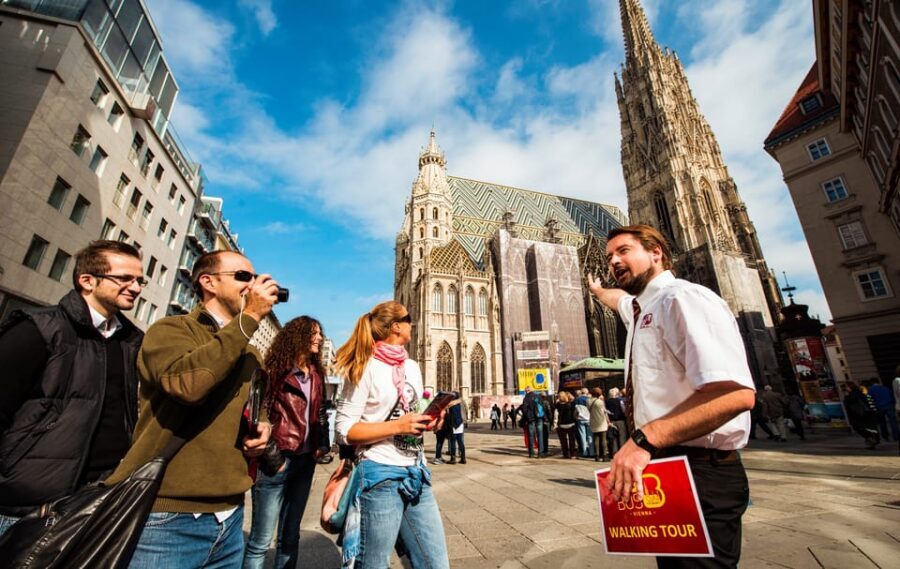
A city tour with a heavy spine. This private walk looks past the postcard Vienna and into the years Vienna was pulled into Hitler’s German Empire from March 1938 to April 1945. You start at the historic place where the annexation was announced, then follow the traces through streets and memorials that still hold the story.
I love that this isn’t a glamour-only route. You’ll see the spaces where persecution, resistance, and violence left marks you can actually stand in. I also love the way it can be customized to your interests, rather than forcing you through a script.
One thing to consider: the subject matter is intensely serious, and the walking pace still expects you to keep moving for about 150 minutes. Add to that a small risk of operational hiccups—at least one booking reported a guide no-show or no guide—so I’d plan with a bit of flexibility and keep expectations realistic.
In This Review
- Quick takeaways
- A Vienna tour that refuses the postcard story
- Who it’s for (and who should think twice)
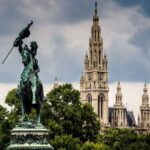
- Meeting at the Archduke Charles monument: where the tour begins
- Heldenplatz and the annexation announcement you can still picture
- Hofburg to Kohlmarkt: how aryanization changed real addresses
- Am Hof: remembering firefighters executed for resisting
- Judenplatz memorial monument: the Holocaust in Vienna, in the open
- By the Danube Canal: the Gestapo headquarters trace you can spot today
- Hoher Markt to Saint Stephen’s: war damage and Nazi reminders in plain view
- A building where the Nazis organized the old town
- Ending near the Albertina: the monument against war and fascism
- Price and value: what $258 buys you (and when it might be worth it)
- The reliability question: don’t ignore it
- What I’d do before you go
- Should you book Vienna under the Nazis, Private Walking Tour?
- FAQ
- How long is the tour?
- Where do we meet?
- Is this a private tour?
- What language is the guide?
- Can the tour be customized?
- What is the tour’s general focus?
- Where does the tour end?
- What’s included in the price?
- How much does it cost?
- Is there free cancellation?
Quick takeaways
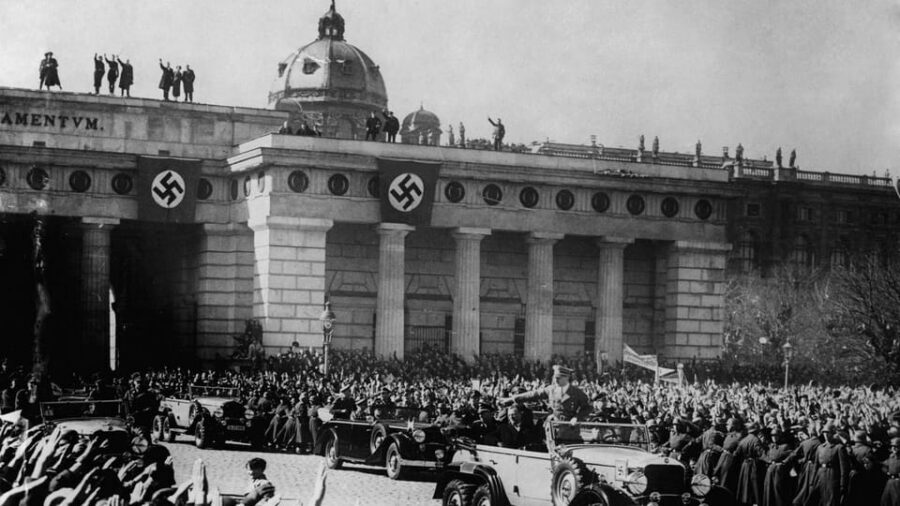
- Heldenplatz to the Hofburg: start where annexation was announced, then move through the imperial center with a different lens.
- Kohlmarkt and aryanization: you’ll connect specific buildings to the forced theft of Jewish businesses and property.
- Judenplatz memorials: you’ll pass major remembrance sites tied to Vienna’s Jewish community.
- Former Gestapo HQ area by the Danube Canal: you’ll see how a destroyed landmark and a notorious office location are marked today.
- Visible World War II damage: the war’s impact shows up on streets and facades as you head toward Saint Stephen’s area.
- End at a war-and-fascism monument near the Albertina: the route aims to land in reflection, not just “sightseeing.”
A Vienna tour that refuses the postcard story
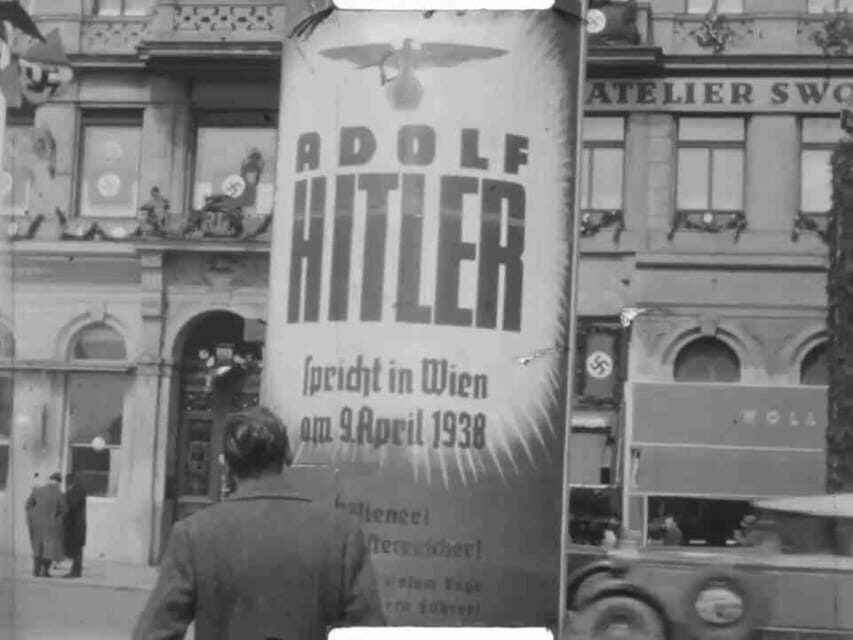
If you come to Vienna for imperial rooms and opera-style glamour, this tour changes the angle fast. It’s still Vienna—palaces, squares, old stone—but the guide steers you toward what people often prefer not to linger on.
The framing matters here. Hitler called Vienna the Pearl of the Reich, but the end of the reign brought catastrophic destruction. The tour uses that contrast to ask practical questions: What changed for ordinary people? Who benefited? Who resisted? And what can you still see today?
You can also read our reviews of more walking tours in Vienna
Who it’s for (and who should think twice)
This is a good fit if you want history you can walk through. You care about what’s visible in the city, not just dates in a book.
It’s also a fit if you like your tour to be not a moral lecture, but an organized explanation of how the system worked and how daily life shifted. The guide, David Sterrer, is noted for going beyond landmarks and sharing what it was like to live and work in Vienna during the era.
If you’re sensitive to traumatic subjects, plan mentally. You’re heading past memorials and references connected to persecution and murder. You should also be comfortable with a route that keeps going for around 150 minutes.
Meeting at the Archduke Charles monument: where the tour begins
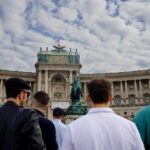
You meet at the archduke Charles monument—the rider with the flag in his hand. It’s a straightforward starting point, and it helps you get oriented before the history starts getting specific.
From there, the tour immediately sets a tone: this is about power, announcements, and the built environment being used to control people. That makes the first walk stretch feel purposeful rather than just “getting from A to B.”
Heldenplatz and the annexation announcement you can still picture
The first major stop is Heldenplatz, the site of Hitler’s announcement of the annexation of Austria to Nazi Germany. Standing here, you’re not just learning what happened—you’re seeing where a public political moment was staged.
From Heldenplatz, the route then connects to the Hofburg area. You move through parts of the imperial palace environment, which is a key contrast: grandeur on the surface, ideology and coercion underneath.
The practical benefit: you’ll learn how the Nazis used prominent civic and imperial spaces as stage sets for power. That’s the kind of context that makes other cities’ history tours click too.
Hofburg to Kohlmarkt: how aryanization changed real addresses
Next comes a shift from speeches and squares into something more grounded: buildings and property. The route passes through the Hofburg area toward Kohlmarkt, where you’ll look at the history of houses connected to victims of aryanization.
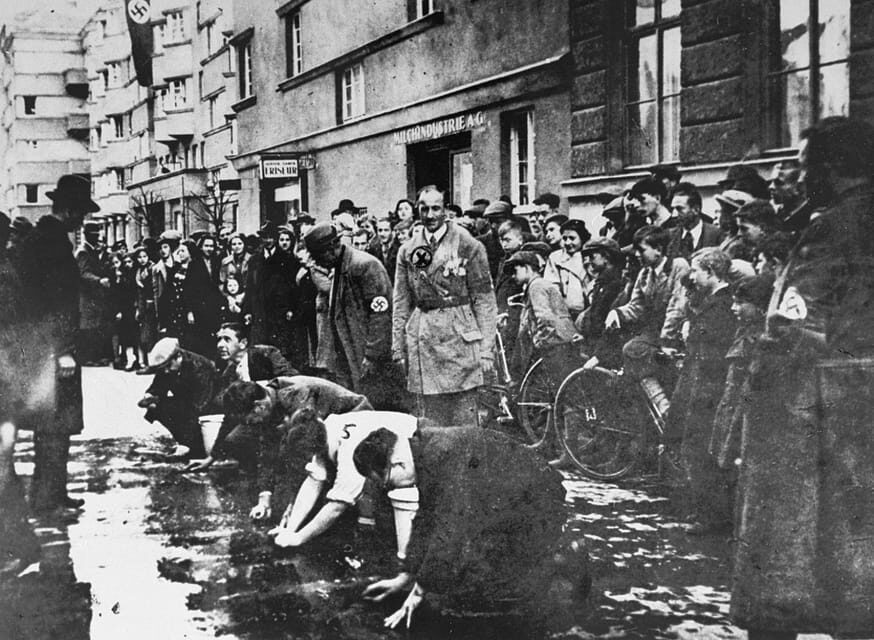
Aryanization, in plain terms, was the forced transfer of Jewish businesses and property. The tour’s focus here is not abstract. You’ll connect the practice to specific places where you can still picture the original owners and what was taken.
Why this stop is valuable: it shows you how persecution worked through normal urban life—shops, offices, addresses—rather than only through dramatic events. It turns the city into evidence.
Potential drawback: if you prefer general overview history, this part can feel detail-heavy, because it’s built around particular locations and their ownership stories.
You can also read our reviews of more private tours in Vienna




Am Hof: remembering firefighters executed for resisting
At Am Hof, you’ll see a memorial to the firemen who were executed for resisting Nazi terror. This is one of those stops that reframes the whole narrative.
It’s easy to think of occupation only as victims and perpetrators. This memorial brings in a third category: people who stood against the system and paid for it.
The takeaway you’ll carry: resistance wasn’t only underground resistance in the movies. It could be public, workplace-related, and brutally punished.
Judenplatz memorial monument: the Holocaust in Vienna, in the open
Then the walk reaches Judenplatz, where you’ll see the memorial monument to the Holocaust in Vienna. Even if you’ve read about the Holocaust before, this stop hits differently because it’s integrated into daily street life.
This is where the tour anchors its numbers in place. You’ll be looking at how deeply the Nazi years cut into Vienna’s Jewish community—only among the Viennese Jewish population, about 70,000 were murdered, according to the tour’s framing.
I like that the guide doesn’t treat this as a sidebar. It’s central to understanding what the city did and what the occupiers did within it.
By the Danube Canal: the Gestapo headquarters trace you can spot today
Down by the Danube canal, the tour takes you to a square created after the destruction of the Hotel Metropole at the end of World War II. The location is tied to something notorious: the area was used for Gestapo headquarters, and now only a monument remains.
This is one of the tour’s most striking “still here” moments. Even without the full original building, you can see how the city marks a place where fear was administered.
Practical tip: give yourself a minute here, stand still, and let your brain catch up. The significance is heavy, and the physical reminder is brief by design.
Hoher Markt to Saint Stephen’s: war damage and Nazi reminders in plain view
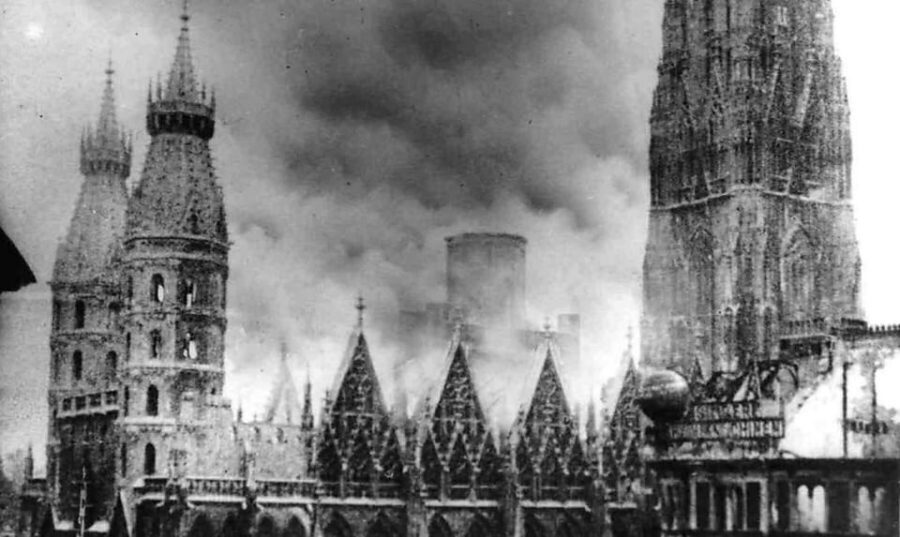
At Hoher Markt, the tour shows how World War II damaged Vienna, with the effects still visible. That matters because it prevents history from becoming only political. The occupation and the war were also concrete—buildings, streets, and the physical scars that remain.
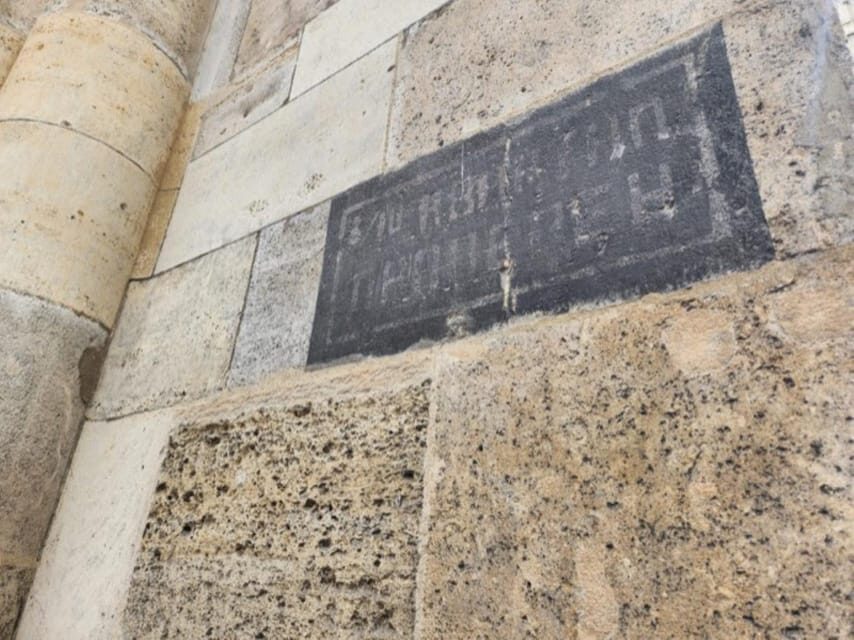
From there, you head toward Saint Stephen’s Cathedral. The tour description flags that there are more reminders of the war and the Nazi regime in the nearby area.
You should treat this as a walking lesson in “what to notice.” You’ll likely come away looking at facades and urban details with more skepticism and curiosity than before. It’s not about fear—it’s about pattern recognition.
A building where the Nazis organized the old town
Nearby, the tour also passes a building connected to how the Nazis organized old town life in Vienna before heading toward the Albertina area.
The key value here is the logic of the system. You’ll see hints of administrative control: who decided, how neighborhoods were managed, and how the occupiers maintained order.
Even if you don’t know every term on first pass, the guide’s framing makes the relationships easier to understand. It’s the kind of tour where you remember the “why,” not just the “what.”
Ending near the Albertina: the monument against war and fascism
The tour ends at the Albertina, at the main monument against war and fascism in Vienna. That final stop is more than a closure moment.
It gives you a place to recalibrate after the heavy parts: from annexation announcement, to persecution mechanics, to war damage, and then to a public reminder of what should never return.
If you’re the type who needs a “last page” to a book, this ending helps. You’re not left with only ruins and memorials. You get a declared stance in stone.
Price and value: what $258 buys you (and when it might be worth it)
The price is $258 per group, up to 15 people, for 150 minutes with a live guide in English. Because it’s private, the big value is control: you can tailor the route to your interests, and the guide can adjust depth if you want more on memorials, speeches, or the mechanics like aryanization.
So the value depends on your group type.
- If you’re traveling as a couple or small group, you’re paying for guided context in a focused timeframe.
- If you’re a solo traveler, it can still be a smart choice if you want someone to connect the dots and point out what’s easy to miss on your own.
- If you’re mainly after scenic imperial highlights, this will likely feel like a mismatch.
Given the serious nature of the subject, you should also ask yourself if you want a guide’s framing rather than self-guided reading. Here, the guide’s interpretation is part of the “product.”
The reliability question: don’t ignore it
One booking outcome described a guide not appearing for the scheduled tour. Another reported a situation where the tour felt unusually private with no guide present and late, unclear follow-up. But there was also a strong positive note about David Sterrer: clear knowledge, and useful insight into what it was like to live and work in Vienna.
So I’d treat this tour like any other with a niche topic: assume the guide can make or break the experience. If you book, have a plan B for your remaining time in the city. That’s not pessimism—it’s just smart trip management.
What I’d do before you go
To make the most of 150 minutes, you’ll benefit from knowing what you want to focus on. You can ask the guide to steer you toward:
- the annexation announcement and how Nazis used public spaces
- aryanization and how ownership changed
- memorials for resistance and Holocaust remembrance
- the visible World War II scars in central Vienna
Also, wear comfortable shoes. This route is built for walking through multiple squares and central areas, and the subject matter makes it harder to rush without missing context.
Should you book Vienna under the Nazis, Private Walking Tour?
Book it if you want history tied to specific places—and you’re okay with a serious, respectful tone. The route has clear anchors: Heldenplatz, Kohlmarkt and aryanization-related house history, Am Hof and Judenplatz memorials, the Gestapo HQ area marked near the Danube canal, wartime damage, and an end at the monument against war and fascism near the Albertina.
Don’t book it if you’re chasing an imperial “greatest hits” day only, or if you’re not emotionally prepared for memorials and references to persecution and murder. Also, if you can’t handle the risk of a guide not showing up, keep your schedule flexible and consider a backup plan.
If you decide to go, I’d do one thing for value: communicate your interests upfront. With David Sterrer and a route that can be adjusted, your time is much more likely to match what you actually want to understand.
FAQ
How long is the tour?
The tour lasts 150 minutes.
Where do we meet?
You meet at the archduke Charles monument, the rider with the flag in his hand.
Is this a private tour?
Yes, it’s a private group tour.
What language is the guide?
The live guide speaks English.
Can the tour be customized?
Yes. It’s a private tour adjusted to your interests.
What is the tour’s general focus?
It focuses on Vienna during the Nazi period, including what changed for life in the city and what remains visible today.
Where does the tour end?
The tour ends near the Albertina, at the main monument against war and fascism in Vienna.
What’s included in the price?
A private tour with a live English guide, adjusted to your interests, with insight into the era.
How much does it cost?
It’s $258 per group, up to 15 people.
Is there free cancellation?
Yes. You can cancel up to 24 hours in advance for a full refund.