REVIEW · VIENNA
Vienna: World War II Historical Walking Tour
Book on GetYourGuide →Operated by Good Vienna Tours · Bookable on GetYourGuide
Vienna’s darkest lessons start by the opera. This 150-minute WWII walking tour uses the city’s still-visible scars to explain how politics, fear, and propaganda shaped one young man and then helped unleash catastrophe. You start near the Albertina Museum and Austria’s grand Opera House, but the tone quickly shifts to something heavier.
I especially like the way it includes two emotionally central stops: the only synagogue that survived the Nazi regime and Vienna’s somber Holocaust memorial. I also like the presentation style many guides are praised for, from clear storytelling to practical listening comfort that keeps the facts from getting lost on busy sidewalks.
One consideration: it’s a real walking tour, and you should expect to finish near public transport rather than back at the exact starting spot. Plan comfy shoes and a calm mindset going in, because the subject matter is intense.
In This Review
- Key things I’d circle on this Vienna WWII walk
- Walking Through Vienna’s WWII Wounds From the Albertina
- Why the Tour Begins Next to Vienna’s Opera House
- Hitler’s Early Vienna: Politics, Ideology, and Everyday Pressure
- Bombs, Fear, and the Jewish Community in Vienna
- The Only Surviving Synagogue and the Holocaust Memorial Stop
- Scars of WWII and the Remains of a Divided City
- Price and Value: What $31 Buys for 2.5 Hours
- Guide Quality and Listening Comfort (Headsets Make It Easier)
- Practical Tips Before You Go
- Who This WWII Vienna Walk Is Best For
- Should You Book This WWII Vienna Walking Tour?
- FAQ
- How long is the Vienna: World War II Historical Walking Tour?
- Where is the meeting point?
- What is the price per person?
- What language is the live guide?
- What major sights are included in the tour?
- Are attraction entrance fees included?
- Is this experience a guided walking tour?
- Is audio support provided for hearing the guide?
- Can I cancel for a refund?
Key things I’d circle on this Vienna WWII walk
- Only Nazi-surviving synagogue as a living historical proof point
- Holocaust memorial stop that anchors the story beyond politics
- Bomb damage context tied to what changed in daily Vienna
- Vienna after the war explained through its unusual Allied division
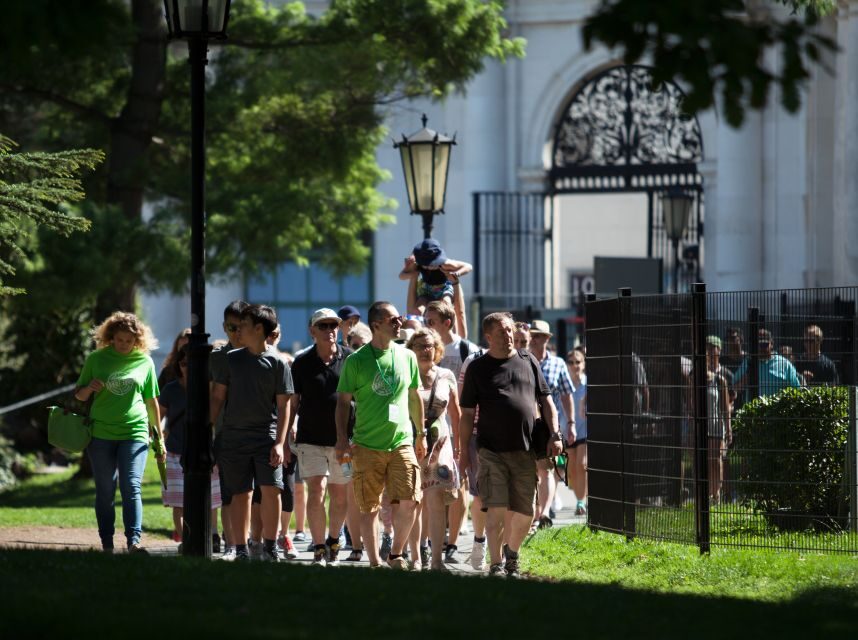
- Green-umbrella meeting point by Albrechtsbrunnen at the Albertina area (near Karlsplatz/Oper)
Walking Through Vienna’s WWII Wounds From the Albertina
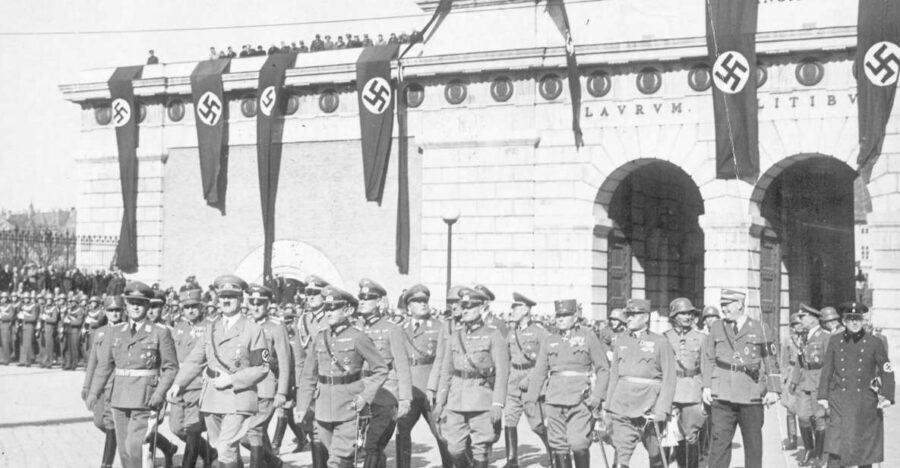
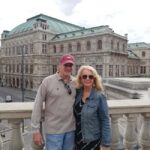
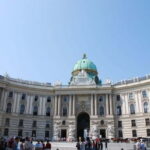
The tour starts right in one of the most recognizable “postcard” parts of Vienna, in front of the Albertina Museum, next to the famous Opera House. That’s a smart move. It puts you in the middle of the beauty and then uses the walk to show how that same city absorbed violence and ideological pressure.
You’ll be on the move for about 2.5 hours, with a guide doing the heavy lifting on context. The best tours like this don’t just point at plaques; they connect the city layout and surviving landmarks to the bigger story.
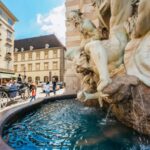
The meeting point is easy to miss if you’re not looking closely: find the green umbrella in front of Albrechtsbrunnen, the fountain downstairs at the Albertina Museum, right by the Opera House. If you’re coming by subway, plan for Karlsplatz/Oper.
You can also read our reviews of more walking tours in Vienna
Why the Tour Begins Next to Vienna’s Opera House
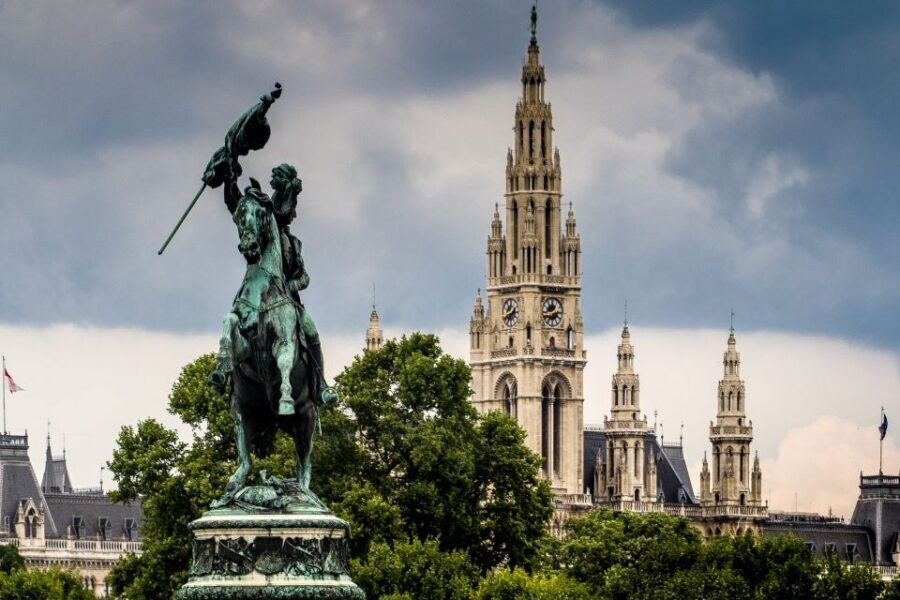
Starting at the Albertina/Opera area matters because it frames Vienna the way an outsider might see it first: cultural capital, architecture, music, confidence. From there, your guide guides you into Vienna’s social and political climate and how it influenced the mind of a young Adolf Hitler.
That contrast is the point. You’re walking through a city that projected order and sophistication, while deep tensions were brewing underneath the surface. It helps you understand why propaganda worked. It also helps you see how ordinary people got pulled into fear, rivalry, and hardening attitudes.
This section of the walk is also where you’ll get a quick biography setup: how an art student became a feared dictator, and how Vienna factored into his early years. If you want the tour to make the later stops click, this opening is where you’ll build that mental map.
Hitler’s Early Vienna: Politics, Ideology, and Everyday Pressure
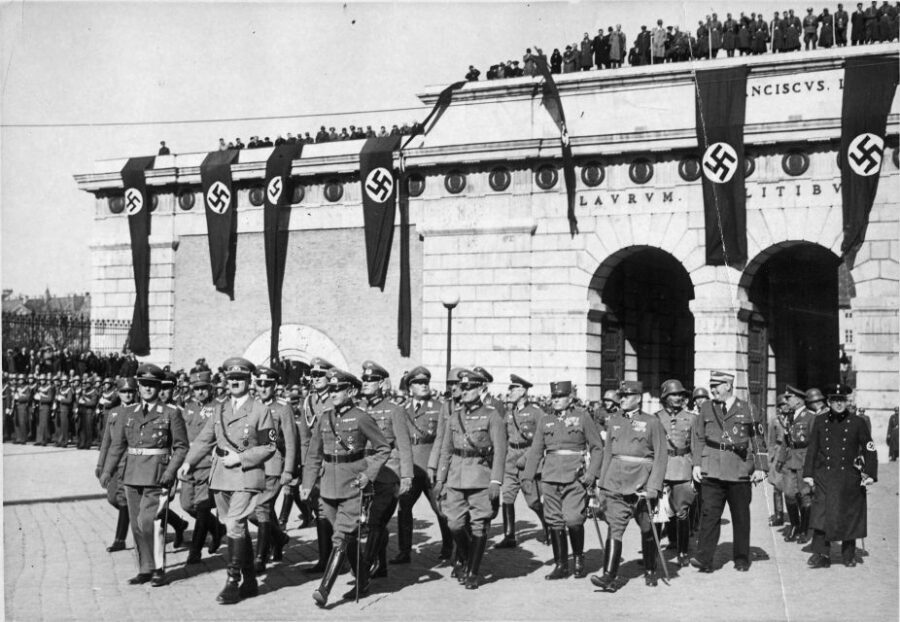
Expect the guide to talk about more than dates. The core promise here is understanding the social and political climate and how that shaped thinking. You’ll connect ideology to real-world anxieties—especially in a time when fear and uncertainty can make extreme ideas feel like answers.
Hitler’s early years are treated as a cause-and-effect story, not a detached history lecture. You’ll hear how political conditions helped cultivate the worldview that later turned violent. The value is that you come away with an explanation for the rise of power, not just a list of events.
You’ll also likely notice the way guides pace questions and discussion. Many guides are praised for encouraging people to ask things, so if you’re the type who likes clarity on the “why,” you should feel comfortable raising it.
Bombs, Fear, and the Jewish Community in Vienna
One of the tour’s key themes is how war physically changed Vienna—and how that change hit people unevenly. You’ll hear about the effect of over 100,000 bombs on the city, which is the kind of scale that’s hard to grasp until someone ties it to places you can still stand on.
The walk also addresses what happened to Vienna’s large Jewish community as ethnic rivalry and fear seized the city. This isn’t just tragedy for tragedy’s sake. It’s about cause: the social pressure, the dehumanization, the breakdown of safety, and the way everyday life can become unrecognizable.
This is where listening matters. You’ll likely be given audio headsets for larger groups, which is repeatedly called out as a game-changer. That means you don’t have to crowd close to hear details, and it keeps the walk more comfortable if you’re not trying to stare over shoulders.
The Only Surviving Synagogue and the Holocaust Memorial Stop
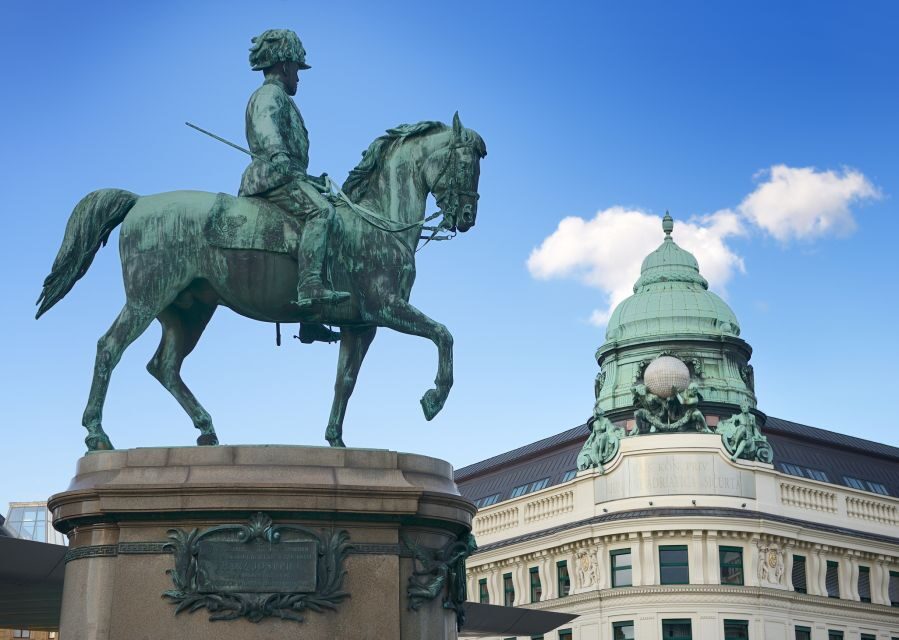
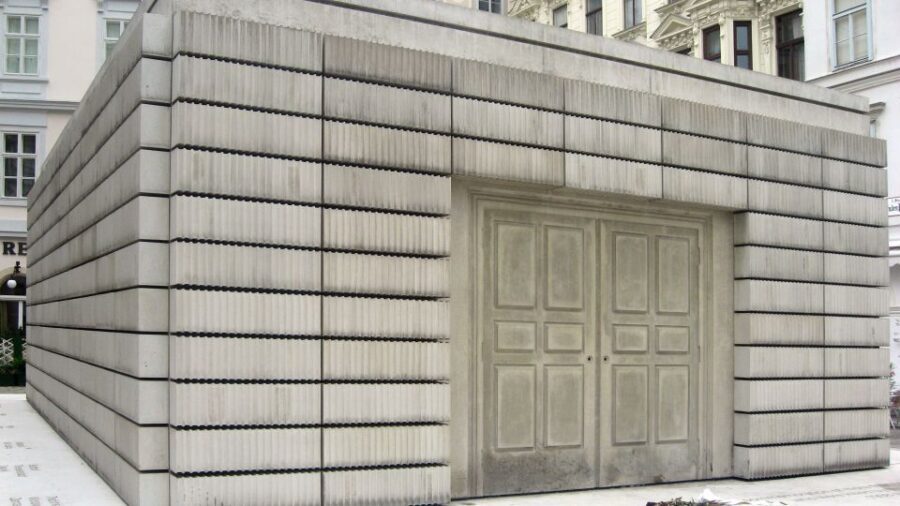
Two of the biggest highlights are also the most important emotionally: the tour stops at the only synagogue that survived the Nazi regime and then visits Vienna’s somber Holocaust memorial.
Why those two stops work together: the synagogue stands for continuity—proof that a community and a place endured survival when much else was destroyed. The Holocaust memorial shifts the focus from survival to the full scale of what was targeted and taken away.
If you’re the type who prefers “see it, then understand it,” this portion fits you well. You’re not relying only on explanations; you’re looking at sites that embody the story.
The tour also tends to handle difficult history with care. Guides are praised for being sympathetic and for keeping the tone respectful rather than sensational. That matters, because this isn’t a light topic—even if the walking pace is manageable.
You can also read our reviews of more historical tours in Vienna

Scars of WWII and the Remains of a Divided City
As the tour moves forward, you’ll see the physical reminders of WWII—what destruction left behind—and you’ll connect that to postwar life. The tour highlights the divided city after the war, including a distinctive detail: Vienna was the only city in the world where the Allied powers managed a zone together.
That’s a fascinating lens for Vienna specifically. Many European capitals have “two sides, one outcome” stories after WWII. Vienna’s story includes a more complex coexistence of control, and understanding that helps explain why the city felt different afterward.
This part of the walk is where the city becomes a map of shifting power. You’ll start to notice how history isn’t only in museums. It’s in the way a city is partitioned, rebuilt, and remembered.
If you like analysis, you’ll probably enjoy this segment. Some guides are praised for linking places with interpretation—how one location’s story connects to another. It’s the difference between facts you memorize and meaning you carry home.
Price and Value: What $31 Buys for 2.5 Hours
At $31 per person for a 150-minute live walking tour, the value is mostly about what’s included versus what you’d otherwise need to pay.
Included:
- Live guide
- Walking tour
Not included:
- Entrance fees to attractions (so you won’t assume this price covers ticketed stops)
So what are you really paying for? You’re paying for the guide’s ability to turn scattered facts into a route-based story. In places like Vienna, that’s often the difference between reading a plaque and understanding why the plaque matters.
You’re also getting a serious topic handled by a real person—plus, in many cases, headset support for clearer listening. For the time on foot, that’s an efficient way to orient yourself in the WWII narrative of the city.
If you’re planning a busy Vienna itinerary, this also helps you anchor other sightseeing. Once you’ve understood the context, the city’s landmarks feel less random.
Guide Quality and Listening Comfort (Headsets Make It Easier)
The guides on this experience earn high marks for clear communication and strong storytelling. Names that come up often include Dieter, Stefan, Michael, Wolfgang, Florian, Charlie, and Siggy/Siggi. While you can’t guarantee a specific person, the pattern matters: guides are described as knowledgeable, supportive, and attentive.
What I like about this style for a tour like this is balance. You get historical context without it turning into a cold lecture. Some guides even use printed visuals (photos) to make events easier to follow, which can help a lot when you’re walking and listening at the same time.
Also, plan for pacing. Guides are praised for keeping the walk moving but adding breaks, including shelter when weather turns. One review notes restroom and snack breaks along the way, and another mentions warmth stops in cold or rainy conditions. In other words, it’s not a forced march.
Practical Tips Before You Go
This tour is 2.5 hours of walking and standing, so your comfort will shape your experience. I’d wear comfy shoes and dress for weather, since guides sometimes adjust by finding sheltered spots.
Bring a curious mindset, not a speed-running one. You’ll cover heavy subject matter, and you’ll get more out of it if you let the guide’s connections land.
Finally, plan your end-of-tour logistics. One of the practical notes: the walk doesn’t always return you to the exact starting point. That’s fine—you’ll likely be near transit—but it’s smart to mentally schedule a quick metro hop afterward rather than expecting to loop back.
Who This WWII Vienna Walk Is Best For
This is a great fit if you:
- Want WWII history rooted in Vienna’s specific places
- Appreciate a guided story that connects politics, society, and outcomes
- Prefer walking tours that include real memorial sites, not just viewpoints
It’s also a good choice if you’re short on time. For 150 minutes, you cover a lot of ground: early Hitler context, bomb impact, treatment of the Jewish community, the synagogue, the Holocaust memorial, and the postwar division.
If you want light entertainment or purely scenic sightseeing, this won’t be that. But if you want meaning—and you can handle emotional weight—this tour delivers.
Should You Book This WWII Vienna Walking Tour?
Yes, if you want a focused way to understand how Vienna’s WWII story connects to sites you can physically visit. The standout value is the combination of the surviving synagogue and the Holocaust memorial, tied together with explanations for the city’s bombing scars and postwar division.
I’d especially book it early in your trip to help other stops make sense. If your schedule is tight, 2.5 hours is also a manageable chunk of time to get orientation.
If you’re sensitive to difficult history, go slowly and let the guide set the pace. The topic is serious, but the experience is designed to be thoughtful, clear, and respectful—exactly what you want when the past is this heavy.
FAQ
How long is the Vienna: World War II Historical Walking Tour?
The tour lasts 150 minutes, so plan for about 2.5 hours.
Where is the meeting point?
Meet in front of Albrechtsbrunnen, the fountain downstairs at the Albertina Museum next to the Opera House. Look for the green umbrella. The nearby subway stop is Karlsplatz/Oper.
What is the price per person?
The price is $31 per person.
What language is the live guide?
The tour is in English.
What major sights are included in the tour?
You’ll visit a synagogue that survived the Nazi regime and Vienna’s Holocaust memorial. You’ll also hear about WWII impacts, including the bombing of the city, and see remnants related to the divided city after the war.
Are attraction entrance fees included?
No. Entrances to attractions are not included.
Is this experience a guided walking tour?
Yes. It’s a live guide walking tour.
Is audio support provided for hearing the guide?
Headsets for listening are mentioned as helpful in the experience.
Can I cancel for a refund?
Yes. Free cancellation is available up to 24 hours in advance for a full refund.