REVIEW · VIENNA
Vienna Spanish Riding School Guided Tour
Book on GetYourGuide →Operated by Spanische Hofreitschule · Bookable on GetYourGuide
A horse tour with real backstage access. In just 55 minutes, you see how Vienna’s famed classical riding tradition lives today, including both the Winter and Summer Riding Schools, plus the Stallburg complex. I love that you walk through the working spaces rather than just looking at a show hall, and I also love the practical, question-friendly way guides explain what makes the Lipizzaner program tick.
One thing to plan around: no cameras, no video, and you cannot touch the horses.
In This Review
- Key takeaways before you go
- Why the Spanish Riding School Tour Feels Like a Backstage Pass
- Winter Riding School: Baroque Grandeur With a Working Purpose
- Summer Riding School and the Oval Horse Walker
- Stallburg: The Renaissance Backbone of the Whole Program
- Lipizzaner Stables Up Close: Stars of the Tour (With Rules)
- Tack Room and Training Equipment: What the Horse Movement Depends On
- When You Don’t Need a Performance Ticket
- $28 for 55 Minutes: Is This Good Value?
- Guides Make or Break It: What to Expect From the Human Side
- Who Should Book This Tour, and Who Might Want Something Else
- Should You Book This Vienna Spanish Riding School Guided Tour?
- FAQ
- Where is the meeting point for the Vienna Spanish Riding School guided tour?
- How long is the guided tour?
- What stops does the tour include?
- Is this tour only for people who have morning exercise tickets?
- What languages are the guided tours offered in?
- Are cameras or video recording allowed?
- Are pets allowed on the tour?
- Is the tour accessible for wheelchair users?
- Are young children allowed?
- What is the cancellation policy?
Key takeaways before you go
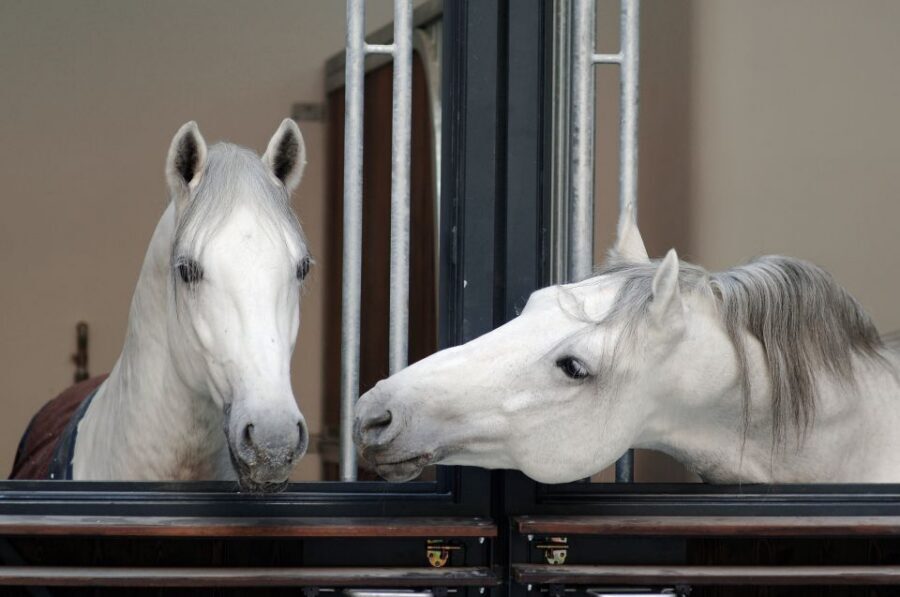
- Two riding schools in one tour: Winter’s Baroque spaces and Summer’s large oval horse walker.
- Stallburg is the star building: Renaissance architecture and the historic Lipizzaner stables.
- You’ll see more than the horses: arena/performance area and even the tack room with training equipment.
- Guides often run energetic Q&A: names you may hear include Sisi, Natasha, Lorelai, Inga, Pieta, and Isabelle.
- Group size can affect hearing: on larger tours, it can get hard to catch every word from the guide.
Why the Spanish Riding School Tour Feels Like a Backstage Pass
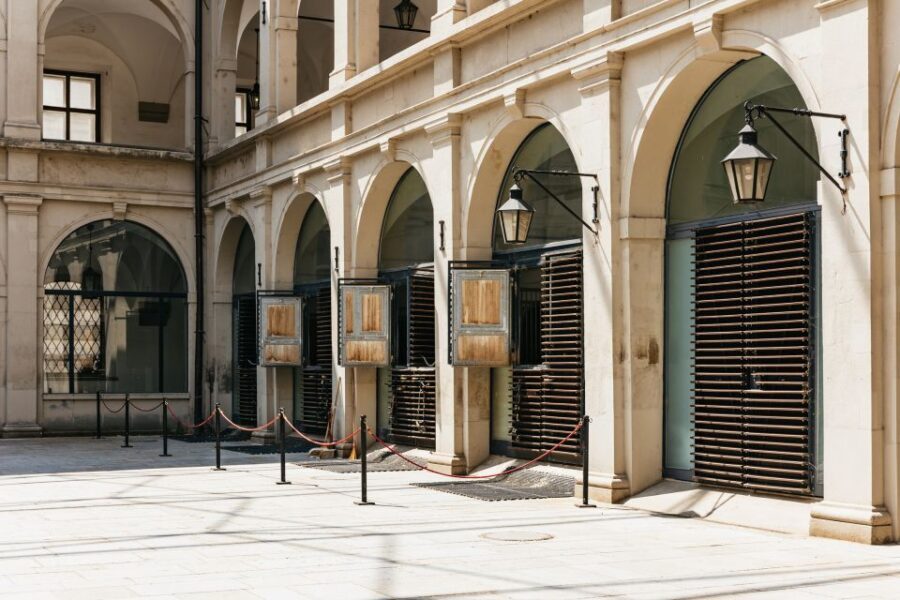
Vienna sells plenty of polished culture, but the Spanish Riding School tour is different. You’re not just walking past famous walls. You’re shown how a centuries-old equestrian program actually functions in daily life—where horses rest, where they train, and how the tradition gets passed on with discipline and routine.
You’ll get a behind-the-scenes route that takes you through both the Winter and Summer Schools. The Winter Riding School is known for its Baroque grandeur, and the Summer Riding School is where the program shows its more practical side: a massive oval horse walker and stable areas inside the Stallburg complex. Even if you’re not an equestrian person, the experience clicks because you’re looking at the working environment, not a museum display.
And yes, the Lipizzaner stallions are the focus. They’re the reason the place exists in the first place, and most of the tour’s “wow” moments come from seeing them up close in the stables and in the surrounding training spaces.
The tour is also short enough to fit into a packed itinerary. At 55 minutes, it’s long enough to make the visit feel meaningful, but not so long that it turns into a blur.
You can also read our reviews of more guided tours in Vienna
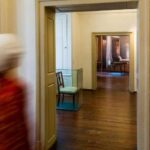
Winter Riding School: Baroque Grandeur With a Working Purpose
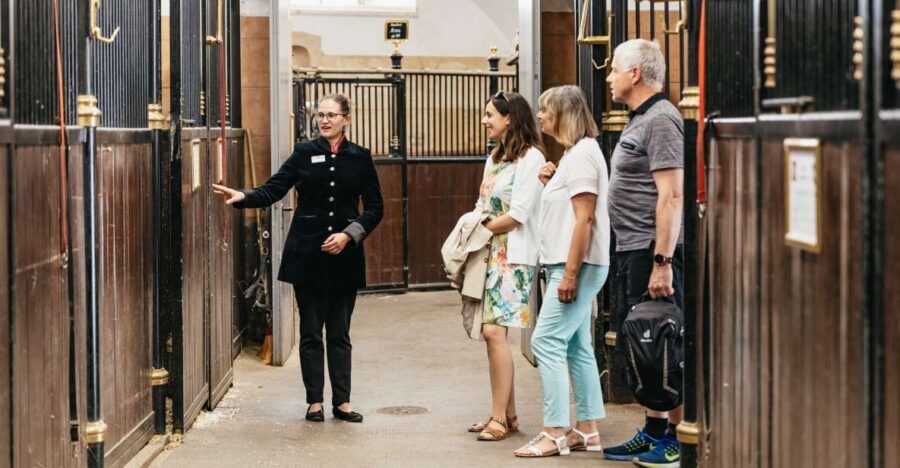
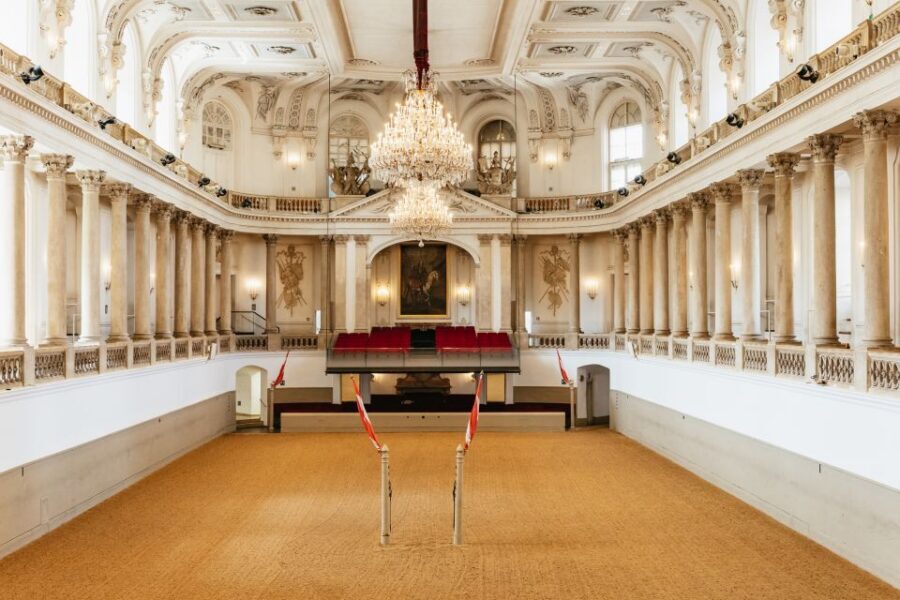
The Winter Riding School is where the Spanish Riding School’s drama lives year-round—an indoor space tied to classical training. Expect an architectural setting that feels made for spectacle, but the point of your visit is not just the ceiling and scale. It’s how that environment supports classical work.
During your walk, you’ll be guided through areas associated with training and the riding school’s day-to-day rhythm. In many tours, you also get to sit in or look into the arena space used for performance and instruction. Reviews often highlight the beauty of this arena setting, and you can see why: it’s built to make movement visible and training precise.
What I like about starting here is the contrast it creates right away. If you’re coming from outside, you can feel the “winter mode” of the program. It’s the same institution, same horses, but a different space with a different feel—more enclosed, more ceremonial, and strongly tied to formal classical equitation.
One practical note: since tours are guided and rules are strict inside stable areas, you’ll spend less time wandering and more time listening. If you tend to skim audio commentary at other sites, this one rewards you for paying attention.
Summer Riding School and the Oval Horse Walker
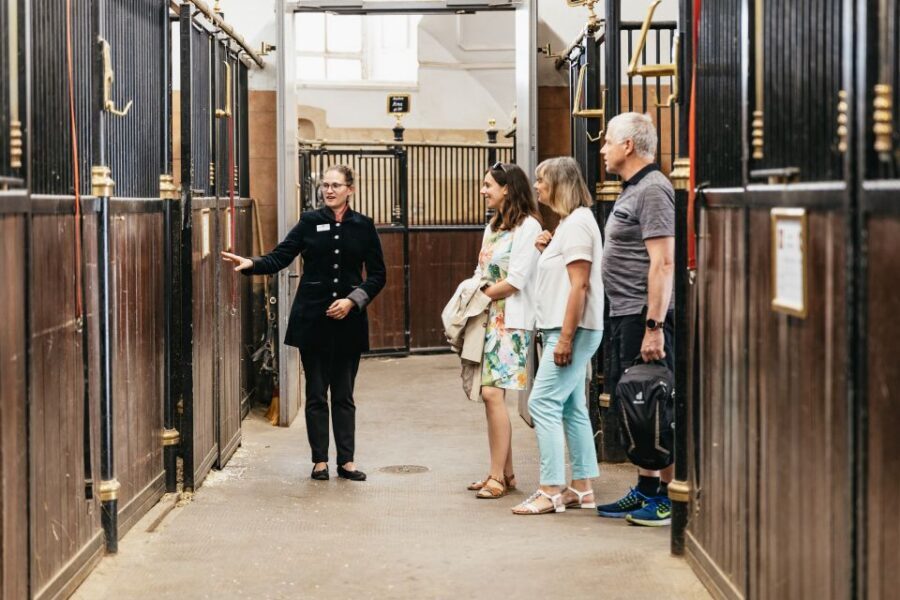
Then you move into the Summer Riding School, a change of pace that helps you understand how training adapts with seasons. The Summer complex houses the world’s largest oval horse walker—something you wouldn’t guess from photos or guidebooks, because it sounds like an equipment detail until you actually see it.
That oval walker matters because it’s part of how horses get managed and exercised. Even on days when not every horse is present for training, the walker and the overall stable setup communicate a key idea: this is not a one-off performance machine. It’s a controlled training system.
You’ll also see stable areas connected to the Stallburg complex, and the tour structure helps you connect dots between what you’re seeing in rooms and spaces and what the horses do when they’re working. It’s one of those rare attractions where the behind-the-scenes bits make the famous name feel real.
If you’re hoping for a show-like experience, keep your expectations grounded. This is a guided tour, not a full performance ticket. Still, the Summer School stop gives you that “how it works” context that makes any later show seats feel more informed.
Stallburg: The Renaissance Backbone of the Whole Program
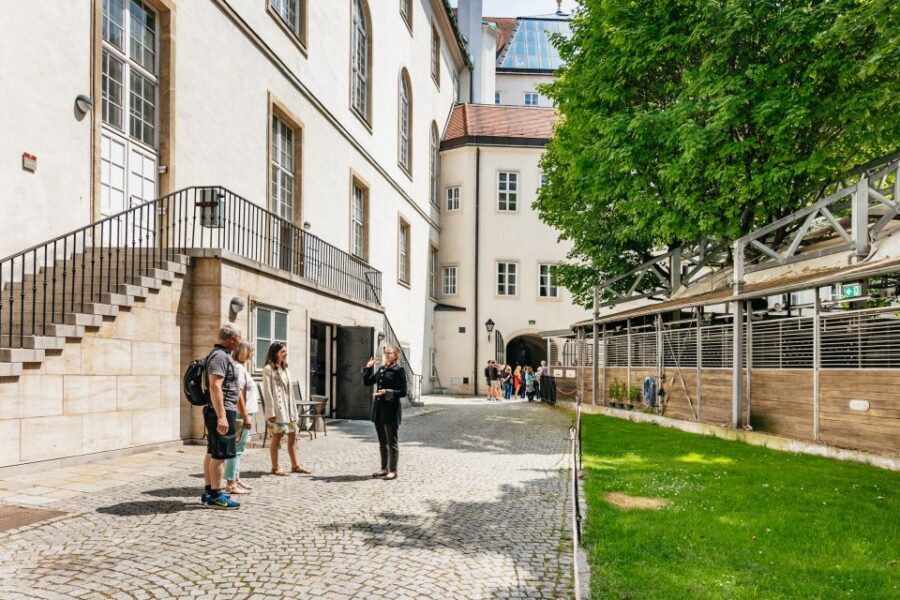
The Stallburg is Vienna’s most significant Renaissance building, and it’s not there just for looks. It’s the architectural backbone for the Lipizzaner stables and much of the tour’s core walking route.
As you move through the Stallburg, you’ll notice the arcade courtyard setting, which gives the complex that classic Vienna-in-miniature feel: elegant structure, repeating arches, and an organized layout. Reviews mention this atmosphere as a highlight, especially when you can see horses positioned in or near stable areas.
The Stallburg also helps explain why the Spanish Riding School is so hard to replace conceptually. It isn’t just a riding school in a random building. The historic stables and the layout reinforce the whole idea of continuity—horses, routines, and training spaces designed to support the program across generations.
This stop is also where the tour becomes most “close-up.” You’re not just watching from far away. You’re guided through parts of the stables complex where the horses are present, and you’ll get a better sense of the scale of the operation.
Lipizzaner Stables Up Close: Stars of the Tour (With Rules)
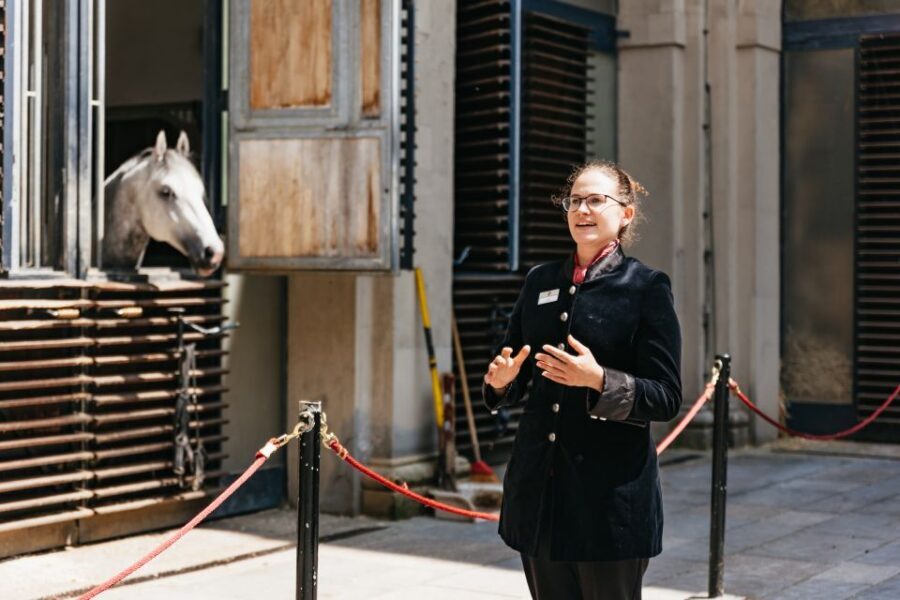
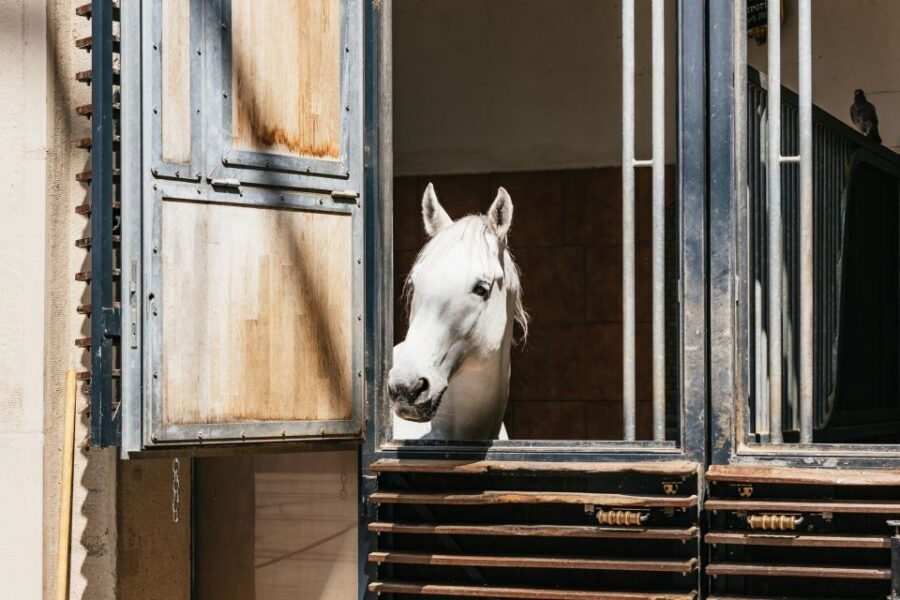
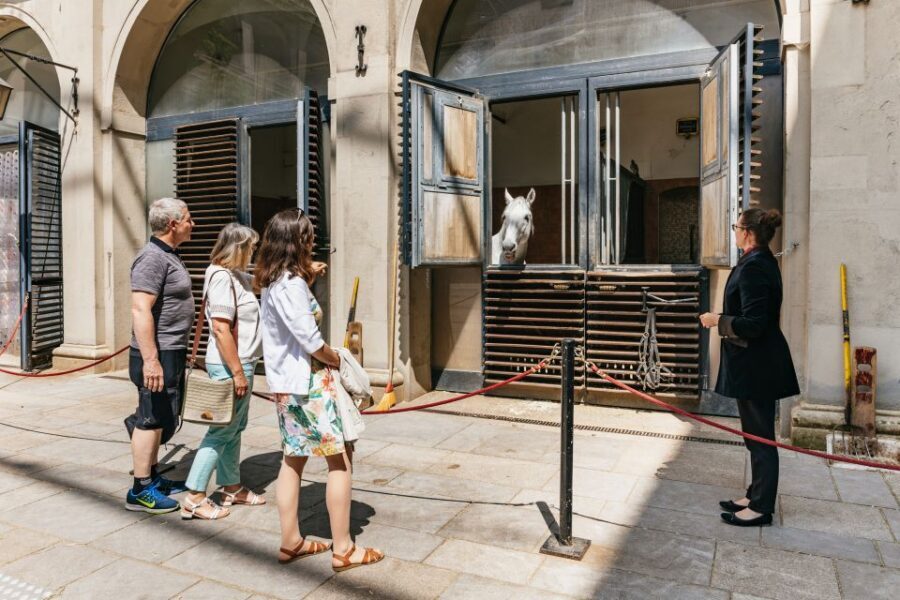
The tour’s real emotional payoff is the moment you’re standing in the stable areas and the Lipizzaner stallions are right there in their home environment. The vibe is calm and focused, and it helps you understand why these horses are treated with such careful handling.
From the reviews, you can expect that the stallions may be in their stalls or nearby areas, depending on the day. One review specifically mentions seeing an exceptional rare bay horse that never turns white—so if you get lucky, you might spot a particularly striking coat color. Don’t plan your day around that detail, but it’s a reminder that individual horses can make the experience feel extra special.
There are also clear constraints:
- Cameras are not allowed.
- Video recording is not allowed.
- Pets are not allowed.
And while the tour doesn’t spell it out in a handout-style way in your info packet, reviews make it clear you can’t stroke or touch the horses. That rule exists for a reason. The staff needs the horses to stay calm, and the animals’ routine shouldn’t turn into a petting zoo.
If you want good photos, plan to take them outside the stable viewing areas where rules permit (some visitors note they could take pictures of horses in the open-air courtyard). But inside the stables and closer horse areas, assume filming and camera use will be shut down.

Tack Room and Training Equipment: What the Horse Movement Depends On
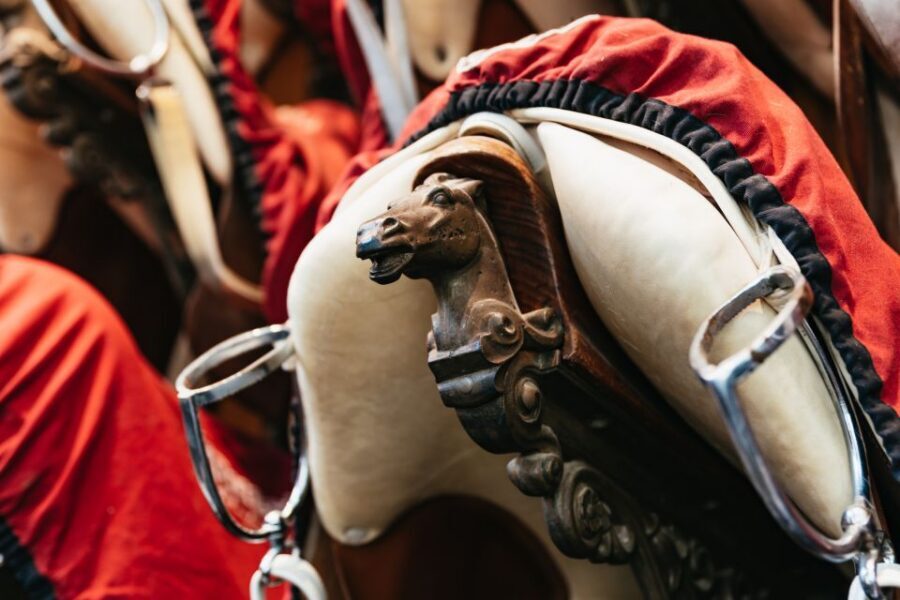
One of the most useful stops in the tour is the tack room. Even if you know next to nothing about saddles and bits, seeing the equipment makes the classical riding world click into place.
The tack room is where you can connect what you’re hearing about training to physical tools used for daily work. Reviews highlight the tack room’s training equipment and show equipment as impressive, and that makes sense: classical equitation isn’t just about fancy movement. It’s about precise communication between rider and horse, supported by gear, grooming, and careful preparation.
This is also where the tour becomes especially rewarding for first-timers. When you see the equipment side-by-side with the stables and arena spaces, it’s easier to understand why the school emphasizes training consistency and why the horses aren’t treated like props for performances.
If your interest is more general—architecture, atmosphere, or history—you’ll still appreciate this stop because it grounds the institution in real work. It’s less about legend and more about practice.
When You Don’t Need a Performance Ticket
A lot of people book the Spanish Riding School tour because it’s shorter and more flexible than matching a show schedule. This guided tour doesn’t include morning exercise tickets, and that matters for expectation-setting.
What the tour does include is a behind-the-scenes look that still teaches you how the whole operation runs. Reviews include examples of visitors who went expecting the building and horses only, then left wishing they’d added a performance. That doesn’t mean the tour equals the show. It means the tour gives you context, and context makes performances easier to appreciate.
At 55 minutes, the pace is tight. You won’t have time to get lost. You’ll be guided through key areas—Winter School, Summer School, Stallburg stables, and often the tack room and arena/performance spaces. If you’re someone who gets overwhelmed by long museum circuits, this is a smart length.
If you’re the kind of person who needs a big emotional payoff, be ready for it to come from seeing horses up close and hearing the institution’s logic, not from a full riding program in action. On some days horses may be on break or not in every training space, and that’s part of real life in an operational stable.
$28 for 55 Minutes: Is This Good Value?
At $28 per person for a 55-minute guided tour, the price is surprisingly fair—mostly because you get multiple “zones” of the institution rather than a single-room visit.
You’re paying for:
- Access to both Winter and Summer riding school spaces
- A behind-the-scenes route into the Stallburg complex
- Close observation time around the stables area
- Guided interpretation in English or German
Also, the tour adds value through pacing. You don’t have to figure out what to look for or how the training spaces relate. The guide connects the dots, and reviews often stress that guides answered questions and gave people time to ask follow-ups.
The main “cost” isn’t money—it’s time and expectations. If you want photos and spontaneous wandering, this tour will feel restrictive. If you want a focused, informative walk through a working equestrian institution, the $28 price becomes easier to justify.
Guides Make or Break It: What to Expect From the Human Side
One thing that shows up again and again in reviews is that the guides drive the experience. Names mentioned include Sisi, Natasha, Lorelai, Inga, Pieta, Isabelle, and even a guide described as Guy from Kazakhstan.
Even without naming every guide, you can count on a similar style: the guides are built around questions and explanation, not just a script read at you. Many reviews mention opportunities to ask questions, and that matters because the Spanish Riding School can feel opaque unless someone explains the why behind the training.
Also, different guides bring different energy. Some are funny, some are more historian-focused, and some emphasize equestrian detail. That variety is a plus if you like learning.
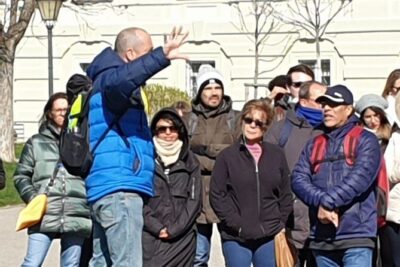
One caution: some reviews note that large groups can make it hard to hear the guide. If you’re attending on a busy time, pick a spot where you can see the guide’s face and mouth, and don’t assume the narration will be perfectly loud everywhere.
Who Should Book This Tour, and Who Might Want Something Else
This is a great fit if you:
- Want a short, high-impact Vienna activity that’s clearly more than sightseeing
- Care about horses and classical training, even if you’re not an expert
- Like guided structure that helps you understand what you’re seeing
It’s also a good choice if you’re skipping performance tickets. The tour helps you understand what’s happening so a later show would make more sense.
You might think twice if you:
- Need camera freedom. The tour forbids cameras and video recording.
- Have mobility needs. The tour is not accessible by wheelchair.
- Travel with very young children. Children under 3 are not allowed on guided tours.
For architecture lovers, it also hits the mark because Stallburg is a major Renaissance building and the Winter School brings Baroque drama into the experience. For anyone curious about how tradition stays alive for 450-plus years, this tour gives you a tangible look at how the institution keeps running.
Should You Book This Vienna Spanish Riding School Guided Tour?
Yes, you should book it if you want a focused, guided look at the Spanish Riding School as a working place—not just a famous backdrop. The big win is the mix: Winter and Summer riding spaces, Stallburg’s Renaissance setting, and real time around the stables and training areas. At $28 for 55 minutes, it’s strong value as a “learn first, watch later” option.
Book it with realistic expectations: it’s not a show, and the rules are strict (no cameras, no video, and no touching the horses). If that works for you, this tour is one of those rare Vienna experiences where the atmosphere, architecture, and horses all support each other.
If you want, tell me your travel month and whether you plan to attend a performance. I can help you decide the best order—tour first or show first—and how to time it with your other Vienna stops.
FAQ
Where is the meeting point for the Vienna Spanish Riding School guided tour?
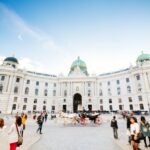
You meet at Michaelerplatz 1, Vienna, at the main entrance of the Spanish Riding School. You’ll show your voucher at the ticket counter. You can pick up your tickets as early as 1 hour before the activity.
How long is the guided tour?
The tour lasts 55 minutes.
What stops does the tour include?
The tour includes the Winter Riding School and the Summer Riding School, plus the Stallburg complex. You’ll also see areas tied to the stables of the Lipizzaner stallions and the riding school setting.
Is this tour only for people who have morning exercise tickets?
No. Morning exercise tickets are not included, so if you want those, you’ll need to arrange them separately.
What languages are the guided tours offered in?
The live tour guide is available in English and German.
Are cameras or video recording allowed?
No. Cameras are not allowed, and video recording is not permitted.
Are pets allowed on the tour?
No. Pets are not allowed.
Is the tour accessible for wheelchair users?
No. The guided tours are not accessible by wheelchair.
Are young children allowed?
Children under 3 years old are not allowed on guided tours.
What is the cancellation policy?
You can cancel up to 24 hours in advance for a full refund.