REVIEW · VIENNA
Vienna: Viennese Underworld Guided Walking Tour
Book on GetYourGuide →Operated by mal anders gmbh · Bookable on GetYourGuide
Vienna has a second city under your feet. This Vienna underworld guided walking tour leads you beneath street level into gloomy basements and hidden corridors, where the stories are darker and weirder than anything you’ll read on a normal street stroll.
I really like the tour’s focus on real underground uses of the past, from World War II air raid shelters to a historical pharmacy laboratory and medicine cellar. I also like the small-group feel and pacing—so the guide can keep the atmosphere intense without rushing.
One watch-out: you’re going to be dealing with stairs, uneven ground, and tight spaces, and there’s no elevator. Bring the right gear (and think hard if you’re claustrophobic).
In This Review
- Key Highlights You’ll Actually Care About
- Vienna Underworld Tour: What “Underground Vienna” Means in Practice
- Picking Your Option: 1, 1.5, or 2 Hours and the Different Basements
- Entering the Underground: Stairs, Uneven Floors, and Lighting
- A quick reality check for sensitive visitors
- The Guide Experience: German Live Narration and the Bella Factor
- Your job as a participant
- What You’ll See Underground: WWII, Pharmacy Labs, and Refuge Stories
- World War II air raid shelter angle
- Pharmacy laboratory and medicine cellar
- Refuge for outcasts
- Hidden corridors
- Phone Audio Guide (Optional English): How to Use It Without Hassle
- What the Price Gets You (and Why It’s Not Just a Cheap Fright)
- Timing, Meeting Point, and Group Size: Small-Group Reality
- My practical planning tip
- Who Should Book This Underground Vienna Tour
- Who should skip
- Should You Book the Vienna Viennese Underworld Guided Walking Tour?
- FAQ
- How long is the Vienna Undreground Guided Walking Tour?
- What language is the tour guide speaking?
- Do I need to bring a flashlight?
- What should I wear and bring?
- What’s included in the ticket price?
- Is this tour suitable for children?
- Is it okay for people with mobility impairments or claustrophobia?
Key Highlights You’ll Actually Care About
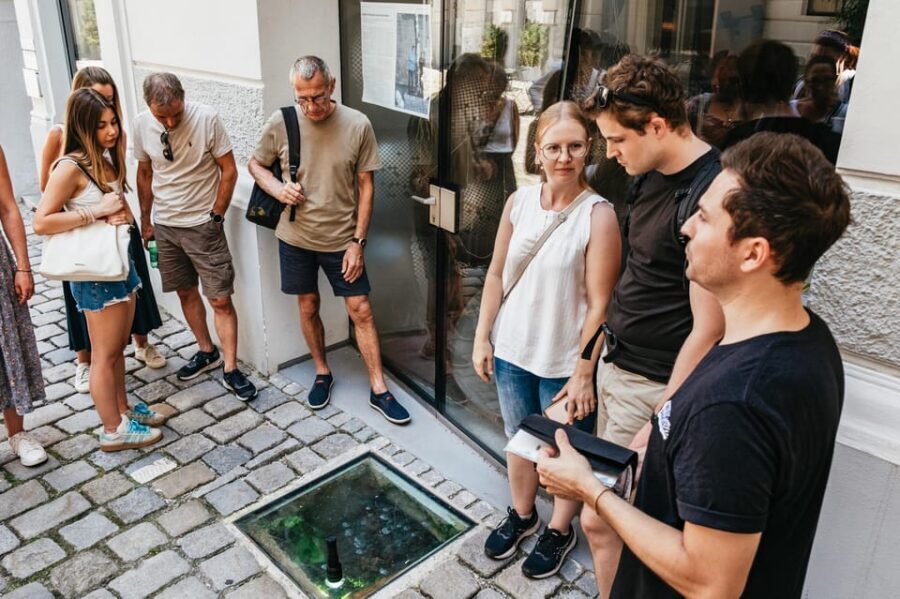
- WWII-era and other underground relics, depending on your chosen option
- Private basements in central Vienna with guided access to hidden corridors
- German live guide, plus optional English phone audio
- Small-group pacing that helps you hear the story and stay oriented
- Real safety notes: stairs, uneven terrain, and the need for your own light
Vienna Underworld Tour: What “Underground Vienna” Means in Practice
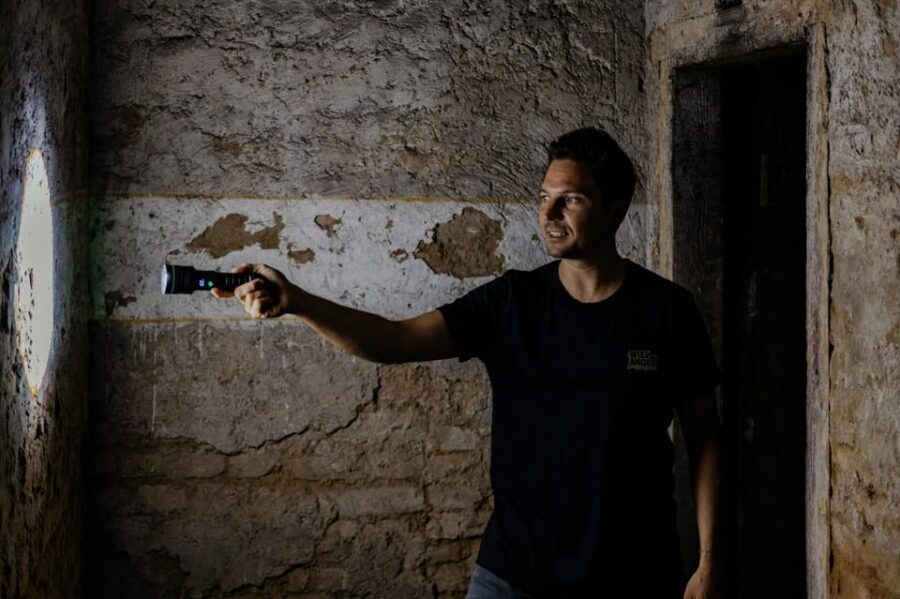
This tour is built around one simple idea: Vienna’s past didn’t just happen in palaces and churches. It also happened under them—inside basements, cellars, and corridor networks that served very practical (and sometimes grim) purposes.
So instead of a generic “spooky history” walk, you’re guided through spaces with a job to do. You’ll hear how people used these underground rooms for refuge, medicine, storage, and survival. The tone tends to be atmospheric and story-driven, not lecture-y. And since the experience is tied to specific underground sites, you get a sense of how different functions shaped how these spaces were built and used.
The experience is also time-efficient. At 1 to 2 hours, you’re not committing to a half-day. You get the underground vibe, then you’re back above ground while your brain still feels sharp enough to enjoy dinner.
You can also read our reviews of more walking tours in Vienna


Picking Your Option: 1, 1.5, or 2 Hours and the Different Basements
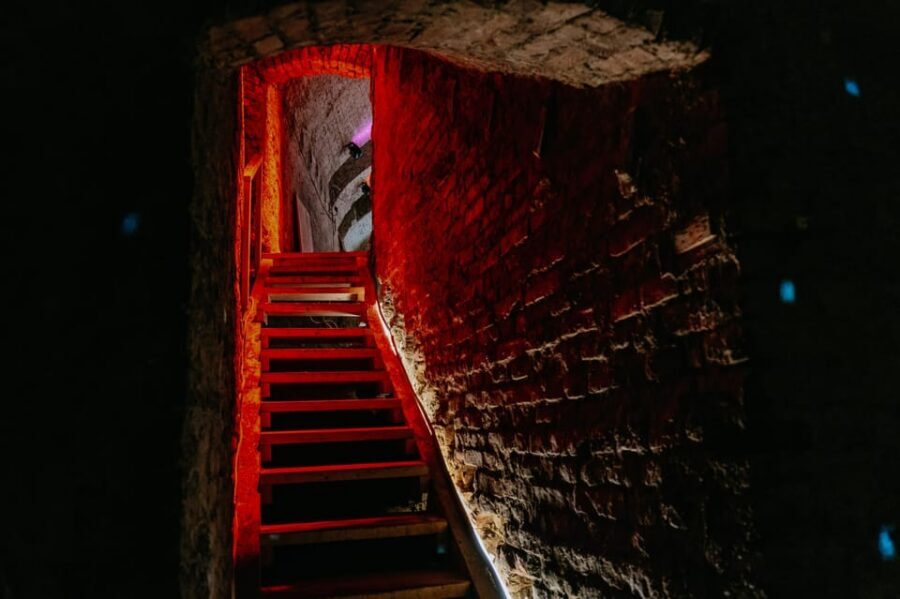
The tour comes in several time options, and the big reason to choose carefully is that you’ll see different private basements depending on what you book.
Here’s what you can expect to rotate among across the options:
- World War II-related sites, with WWII relics and former air raid shelter stories
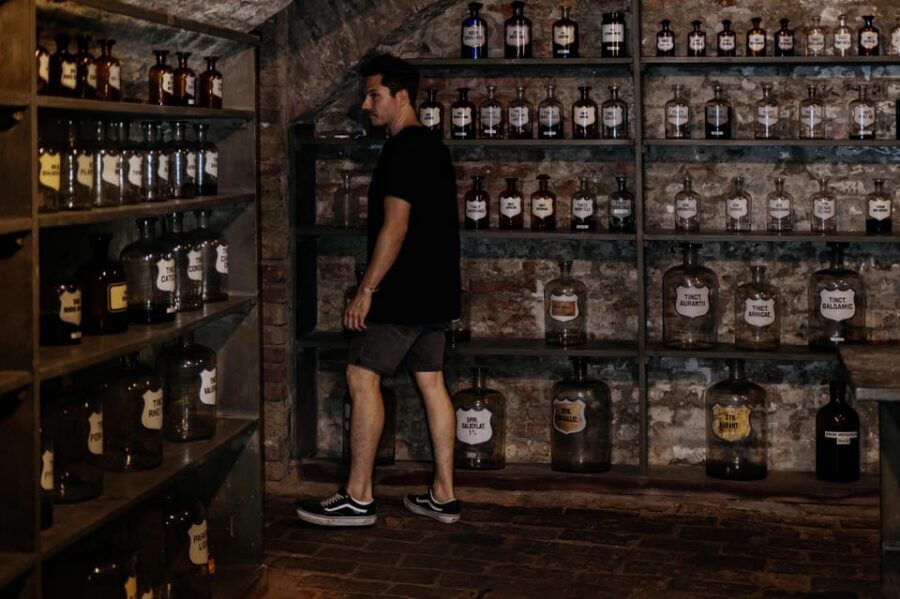
- A historical pharmacy laboratory and medicine cellar angle
- Places of refuge for outcasts, where the underground setting adds extra weight to the stories
- Hidden corridor access, which is part of the appeal of seeing a “parallel Vienna”
If you love WWII history, pick the option that emphasizes shelters and wartime relics. If you prefer something stranger and more hands-on (medicine, labs, cellars), choose the pharmacy/medicine focus. If your interest is human stories—people pushed out or needing protection—lean toward the outcasts/refuge emphasis.
Don’t overthink it too much. The duration differences are basically about how many underground locations you get to cover with the guide’s full attention. Longer generally means more stops and more story time.
Entering the Underground: Stairs, Uneven Floors, and Lighting
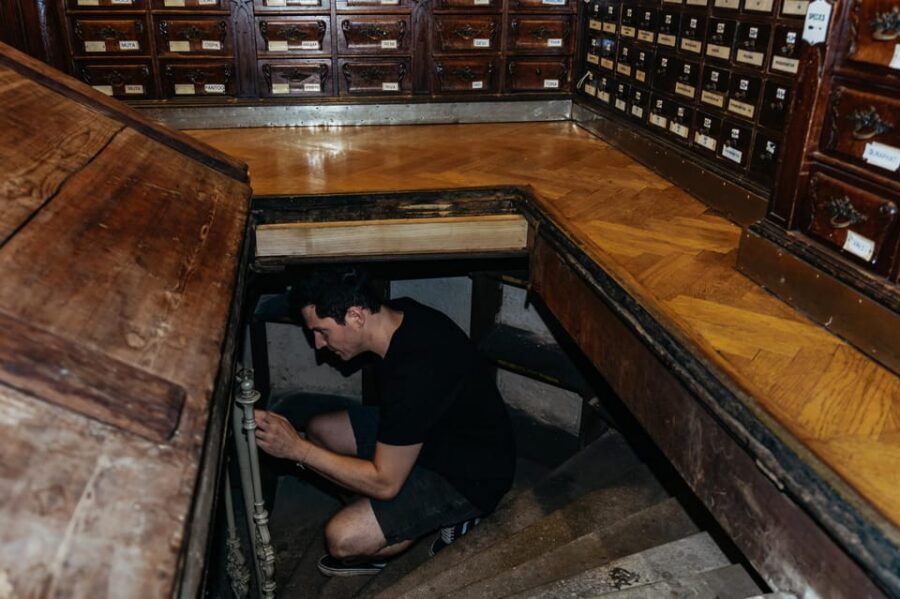
You should go into this tour expecting it to feel like an underground visit, not a museum ride.
There are several practical points that matter:
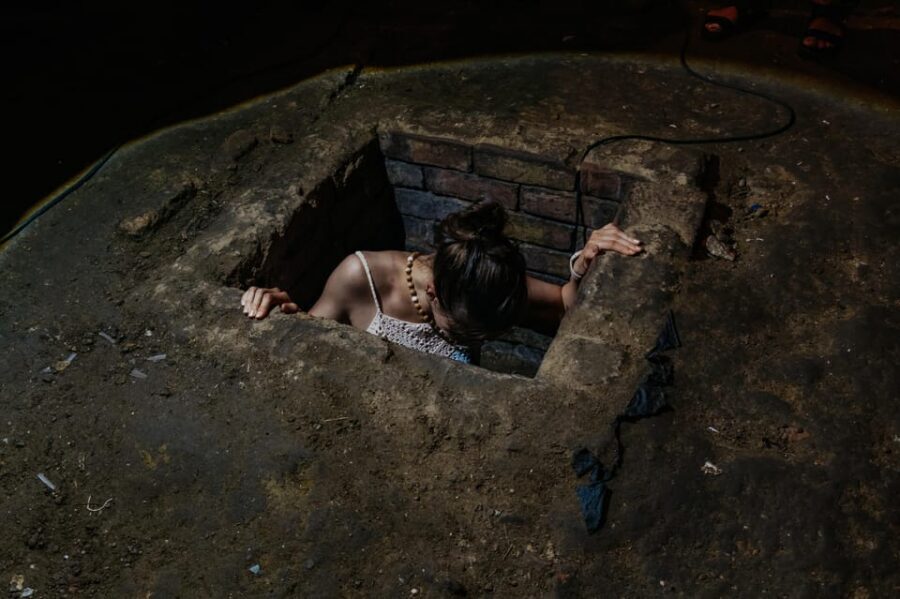
- You’ll descend multiple stairs because there are no elevators.
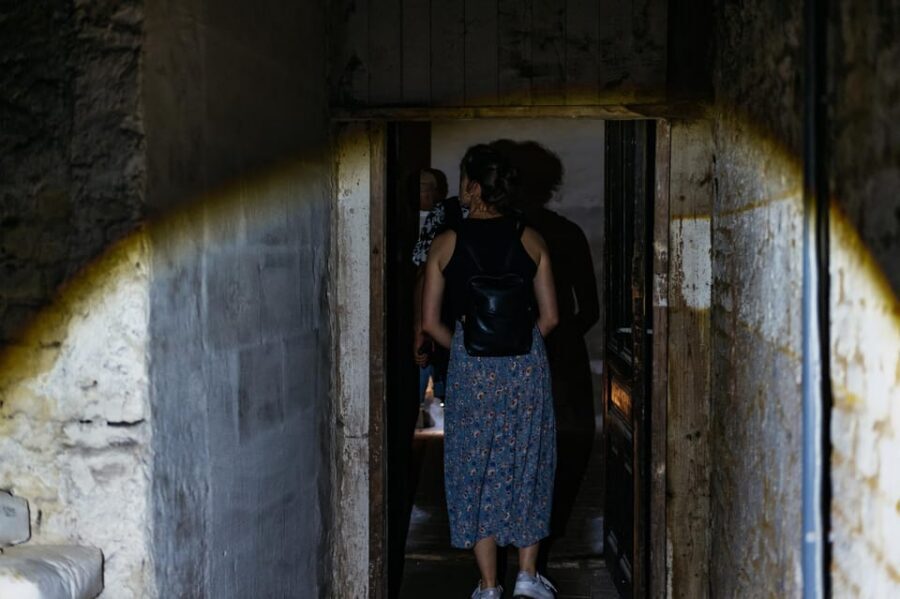
- The terrain can be partly uneven, so you’ll want stable shoes.
- There’s a risk of tripping and injury on the way in and out.
- You’re required to bring a flashlight, or you can use your phone light.
That last part is easy to miss when you read the casual description. But in the underground, good lighting is everything. Your phone flashlight works, but it can drain battery. If you only bring your phone, charge it fully and consider a backup battery if you’re staying out late elsewhere.
Also, wear clothes that can get dirty and use sports shoes or other closed-toe, grippy footwear. This is not the time for fashion boots.
A quick reality check for sensitive visitors
If you have limited mobility, claustrophobia, or use a wheelchair, this isn’t a match. The tour is not recommended for people with mobility impairments, and it’s explicitly not suitable for wheelchair users. Tight spaces plus stairs are the deal-breakers here.
The Guide Experience: German Live Narration and the Bella Factor
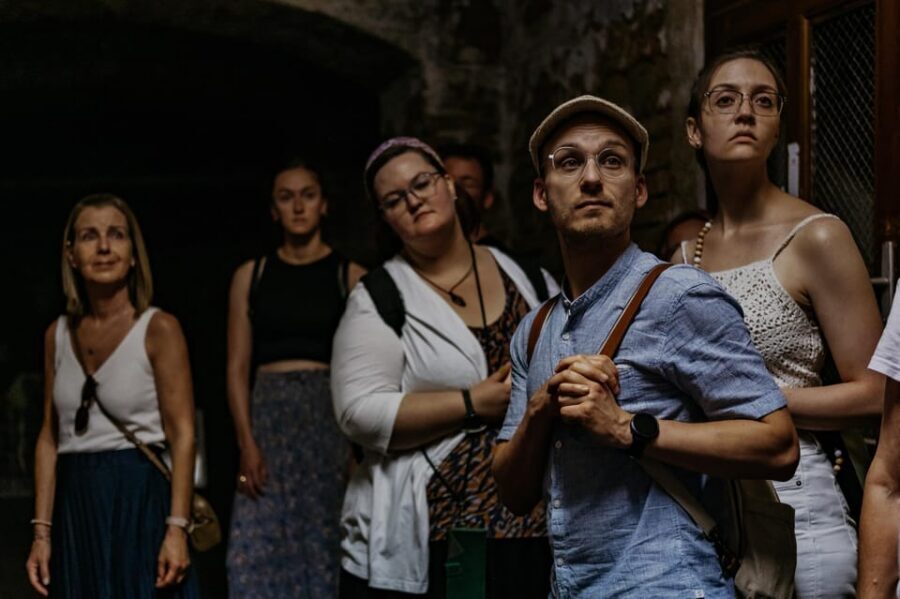
This is a guided tour with a live guide speaking German. That means the best experience comes from staying close, listening carefully, and letting the guide set the pacing.
One name you may hear in the group stories is Bella. Some groups have gotten Bella, and the feedback points to a strong mix: friendly, very engaging delivery, and an ability to keep questions moving without making the tour feel scripted. The overall vibe from the guides seems to be energetic and organized—less like reading dates off a wall and more like telling you why each underground space mattered.
You’ll also notice how the guide handles time. At 1 to 2 hours, the tour needs momentum. The best tours in this category make you feel like the time disappears, because the narration is tight and the group is kept moving at a human pace.
You can also read our reviews of more guided tours in Vienna




Your job as a participant
If you’re choosing this tour for the “underworld” feel, don’t talk through the guide sections. Bring curiosity. Ask questions early if you have them, because the underground environment can make late questions harder for everyone.
What You’ll See Underground: WWII, Pharmacy Labs, and Refuge Stories
The underground sites are where this tour earns its keep. The point isn’t only that they’re underground—it’s what kind of underground they are.
World War II air raid shelter angle
If your option includes WWII relics, you’re looking at stories tied to protection during bombing and conflict. The underground setting makes the concept feel immediate. You’ll hear how these spaces functioned as shelter, and the guide will connect the historical context to what you’re seeing in the basements and corridors.
Pharmacy laboratory and medicine cellar
Another option type focuses on a historical pharmacy laboratory and medicine cellar. This is the perfect pick if you like the practical side of history: storage, preparation, survival needs, and the behind-the-scenes work that kept people going when conditions were harsh.
It’s also a nice change of pace from purely war-focused storytelling. Medicine ties into everyday life, even if it sits in an underground room.
Refuge for outcasts
Some options emphasize places of refuge for outcasts. The underground setting adds emotional weight. These aren’t just spooky tunnels for effect; they’re tied to protection, hiding, and survival. If you enjoy human-centered history, this angle usually lands well because it makes the underground feel like a response to social reality, not just a setting.
Hidden corridors
The highlights mention access to an ancient Viennese hidden network of corridors. Even without getting a “lab map” level explanation, the corridor experience matters because it helps you understand the spaces as connected. Instead of isolated basements, you get a sense that there was a system.
Phone Audio Guide (Optional English): How to Use It Without Hassle
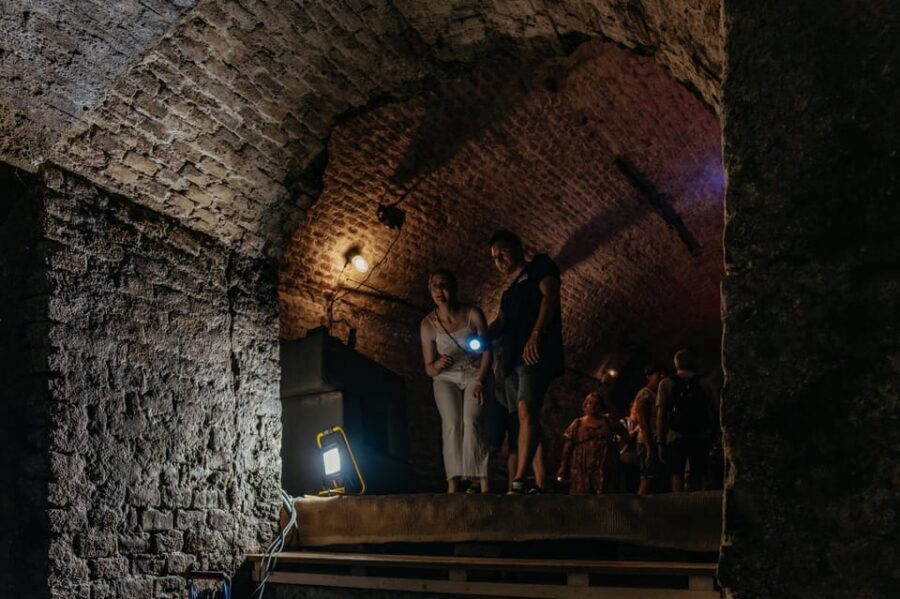
You’ll get an audioguide via phone download, and English audio is optional. Since the live guide is German, this phone option is your best friend if you don’t speak German.
Here’s how to get the most out of it:
- Bring your smartphone for the audio guide.
- For best audio, bring your own headphones.
- Keep your phone light available, but don’t rely on it for everything if you can help it.
You’ll likely be in tight conditions where moving and holding your phone can be awkward. A simple plan helps: headphones ready, audio launched before the underground section gets started, and enough battery for the full run.
What the Price Gets You (and Why It’s Not Just a Cheap Fright)
The tour costs $37 per person and runs 1 to 2 hours. On paper, that’s not “low.” But the included items make a difference:
- the tour and guide
- an audioguide via phone download
- entry fees to the attraction of your chosen tour option
So you’re not just paying for storytelling. You’re paying for access and the time of a guide who needs to manage groups safely in stair-and-basement conditions.
Also, you’re buying a specific kind of experience: private basements and hidden corridors that you wouldn’t easily access on your own. That’s what makes the value feel more solid than a generic walking tour.
If you’re visiting Vienna for the big highlights above ground, this tour is a nice counterbalance. It gives you a different angle on the city’s structure and survival history—without swallowing half your trip.
Timing, Meeting Point, and Group Size: Small-Group Reality
The duration is listed as 1 to 2 hours, depending on your option. Starting times depend on availability, and the meeting point may vary based on what you booked.
Group size is described as small group available, which is exactly what you want underground. Smaller groups are easier to manage in tight stairways and darker spaces. It also helps the guide keep the atmosphere intimate instead of loud.
One practical note from the experience feedback: service can be proactive. There’s mention of a call if someone arrived a few minutes late. That suggests you should still show up on time, but if something goes off-script, the team may communicate.
My practical planning tip
Arrive a few minutes early so you can get oriented above ground. In Vienna, you can find yourself walking faster than you planned, especially if you pair this with another museum stop. Underground tours are unforgiving once you start descending.
Who Should Book This Underground Vienna Tour
This tour fits best if you:
- like history you can stand inside, not just read about
- want WWII-related underground stories or a pharmacy/medicine angle
- enjoy a guided experience that’s small-group and question-friendly
- are comfortable walking on uneven terrain and going down stairs
It’s also ideal if you’re the kind of traveler who likes variety. Vienna is famous for grand architecture. This gives you the underside: corridors, cellars, and survival spaces.
Who should skip
Skip this tour if you:
- have claustrophobia
- use a wheelchair or have mobility limitations
- are traveling with children under 10 (it’s not suitable)
- don’t want to deal with a flashlight requirement and potentially dirty clothes
This is one of those tours where comfort rules your enjoyment. If you’ll be tense the whole time, it won’t be fun.
Should You Book the Vienna Viennese Underworld Guided Walking Tour?
If you want a memorable, story-driven way to see Vienna from street level down to the basement level, I think it’s a smart booking. The value is strengthened by what’s included: guide time, phone audio, and entry access to the underground sites tied to your selected option.
Book it if you’re curious about WWII shelters, medicine cellars, or refuge stories and you’re comfortable with stairs and tight spaces. Don’t book it if stairs, uneven ground, or claustrophobic environments are going to be a stressor.
You’ll come away with the feeling that Vienna is built on layers—above-ground elegance and below-ground survival. That contrast is the whole point.
FAQ
How long is the Vienna Undreground Guided Walking Tour?
The tour is offered in durations ranging from 1 to 2 hours, depending on the option you choose.
What language is the tour guide speaking?
The live tour guide speaks German. An optional audio guide in English is also available.
Do I need to bring a flashlight?
Yes. The tour asks you to bring your own flashlight or use your phone light.
What should I wear and bring?
Wear comfortable clothes and closed-toe shoes, and bring sports shoes. Bring clothes that can get dirty, and plan to carry a smartphone for the audio guide. Flashlight is required, and headphones are recommended for better audio.
What’s included in the ticket price?
The price includes the tour, the guide, the phone-download audioguide, and entry fees to the attraction for your chosen option.
Is this tour suitable for children?
It is not suitable for children under 10 years old.
Is it okay for people with mobility impairments or claustrophobia?
It is not recommended for people with limited mobility, not suitable for wheelchair users, and it is not suitable for people with claustrophobia. The tour involves descending multiple stairs with no elevators.