REVIEW · VIENNA
Vienna: Time Travel and Magic Vienna History Tour
Book on GetYourGuide →Operated by Time Travel in Vienna · Bookable on GetYourGuide
Vienna’s history talks back to you. This interactive multimedia ride sweeps from Roman Vindobona to wartime Vienna, using VR and 5D/4D film effects to keep the story moving. I especially like how it turns famous people and turning points into scenes you can actually follow, instead of a lecture you have to translate in your head.
One thing to plan for: there’s no elevator and you’ll tackle about 50 steps across two levels. If stairs are a problem, this is unfortunately not for wheelchair users, though the operator points people to another attraction nearby.
In This Review
- Key things I’d highlight before you go
- Habsburgergasse 10A: easy meeting point in Altstadt
- One hour to “learn” Vienna: how the pace works
- St. Michael’s monastery cellars: start with Roman Vindobona
- Portrait gallery meets the Habsburg era: famous faces up close
- 5D cinema and 4D effects: what the big show segments feel like
- VR glasses and Viennese music history: for lovers of sound and story
- WWII time travel: Enemy Aircraft! and the bomb shelter feeling
- Chancellor Figl and the battered remnants: the postwar payoff
- The finale: flying over Vienna and a virtual horse-drawn ride
- Price and value: does $27 for 1 hour make sense?
- Who this tour fits best (and who should plan a different option)
- Tips so you get the most from this 60-minute show
- Should you book Vienna Time Travel and Magic?
- FAQ
- How long is the Vienna Time Travel and Magic tour?
- What does it cost?
- Where do I meet for the tour?
- What’s included with the ticket?
- What public transport is closest?
- Is video recording allowed?
- Are pets allowed?
- Is there an elevator?
- Is the attraction wheelchair accessible?
- When is the last admission, and is cancellation free?
Key things I’d highlight before you go
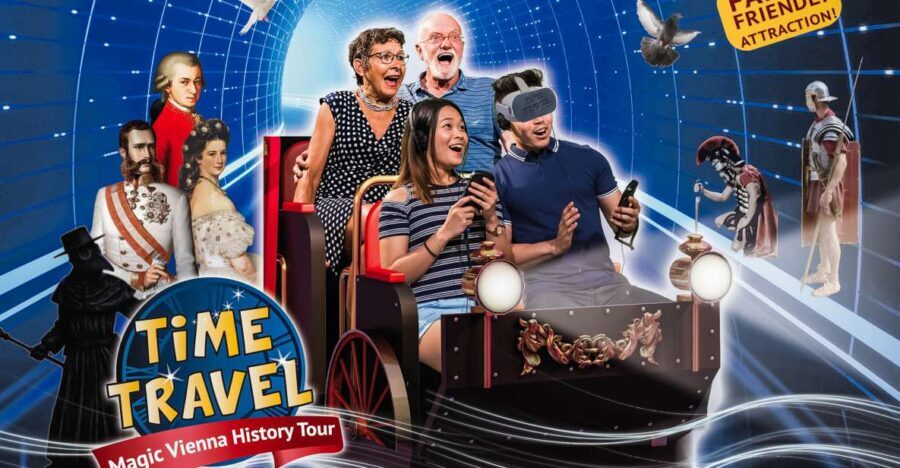
- About 2000 years of Vienna in 60 minutes, paced through separate rooms and shows
- Portrait-gallery storytelling that introduces important figures (including Habsburg-era power players)
- VR glasses for the arc of Viennese music history in a simulated world
- A WWII bomb-shelter segment (Enemy Aircraft!) built around real tension and sound effects
- Chancellor Figl’s postwar speech moment, staged amid battered remnants of the city
- A final virtual “flight” that links history to today’s Vienna
Habsburgergasse 10A: easy meeting point in Altstadt
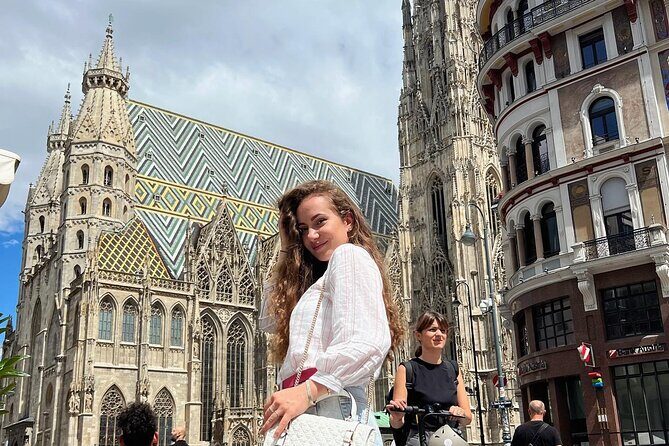
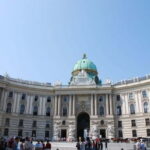
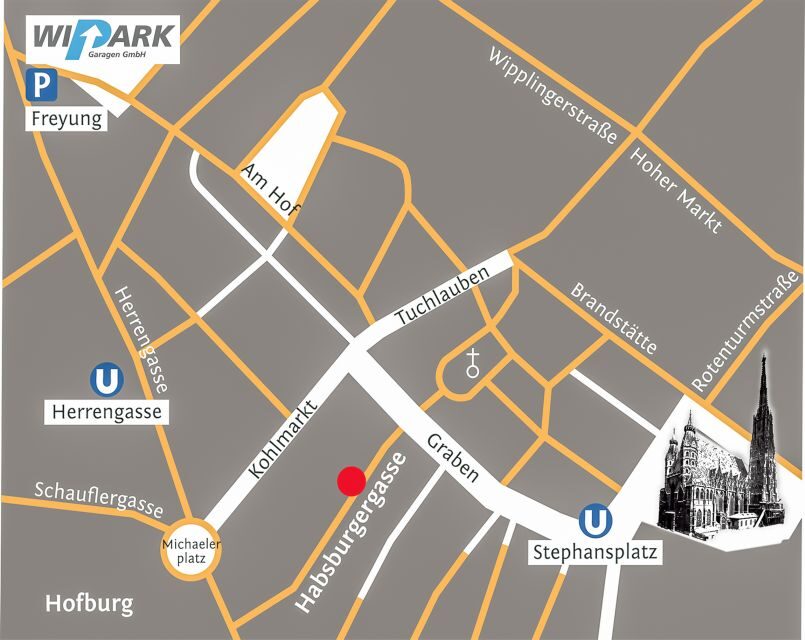
The meeting point is Habsburgergasse 10A, 1010 Vienna. The location is ideal if you’re already walking the center, because you’re basically in the pocket between the big sights: it’s about 200 meters from the Hofburg and roughly 100 meters from Graben, Kohlmarkt, and Stephansplatz.
Getting there is straightforward. You can use the U1 line to Stephansplatz or the U3 line to Herrengasse. If you’re driving, there’s parking at the Freyung garage for a reduced price. In plain terms: you can fit this into a day of sightseeing without spending half your time commuting.
I also like that the entrance feels like part of the historic core, not like some out-of-the-way stop. You’ll go in right where the Habsburg story and Vienna’s “old city” vibe are already in your face.
You can also read our reviews of more historical tours in Vienna

One hour to “learn” Vienna: how the pace works
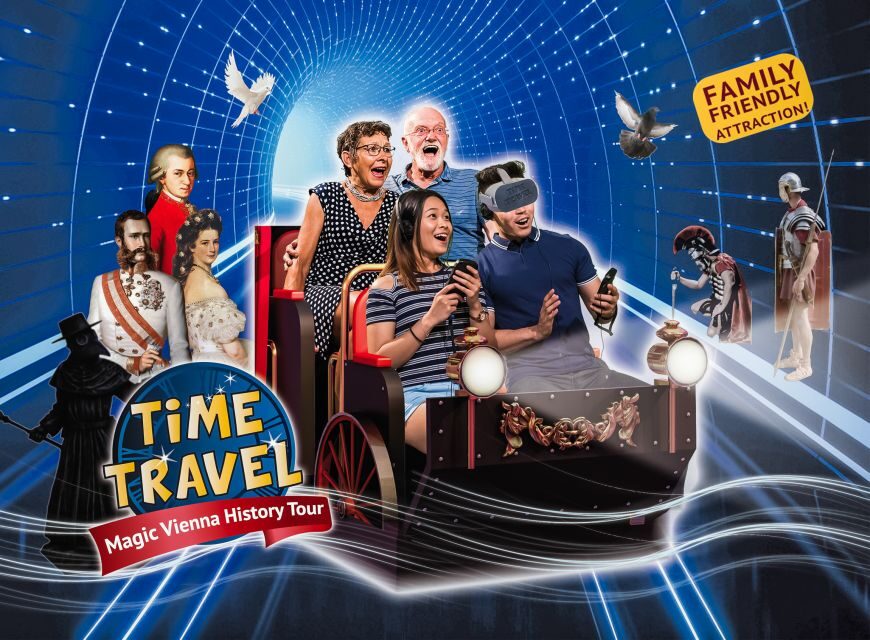
This is a 60-minute experience, and it stays that tight for a reason: it’s built as a sequence of different modes. You’re not just watching. You move through themed areas, with multimedia segments, staged scenes, and technology like VR and 5D/4D cinema.
Because it’s one hour, it’s a good “time-saver” when your schedule is packed. It’s also a smart choice for families, since you’re not stuck in one room for ages. The experience is designed to keep shifting gears: history timeline → storytelling gallery → film/sensory effects → VR sequence → WWII scene → closing flight.
The biggest practical note is comfort. You should expect stairs. There’s also no elevator, and the route includes about two levels with around 50 steps. That doesn’t just matter for mobility; it also matters if you’re traveling with kids who get antsy. Wear good shoes and plan for a bit of climbing.
St. Michael’s monastery cellars: start with Roman Vindobona
The journey kicks off with a “through-the-city” feeling, starting in the cellars of St. Michael’s monastery. From there, you travel back to the early days of Vienna, including the era of the ancient Roman camp of Vindobona.
Why this opening works: it gives you a base map of how Vienna could grow from a military outpost into a European power center. Instead of jumping straight to emperors and palaces, you’re primed for the long arc—how the city’s location and strategic importance set the stage for everything that comes later.
This early segment also helps you understand the style of Vienna you’re about to see in the streets. You’ll likely start noticing how the city’s physical layers feel like they’re stacked on top of one another, even though today’s look is polished and modern.
And yes, the “sense-based” tech is part of the storytelling. Expect effects that are meant to make the past feel more immediate than a plain exhibit.
Portrait gallery meets the Habsburg era: famous faces up close
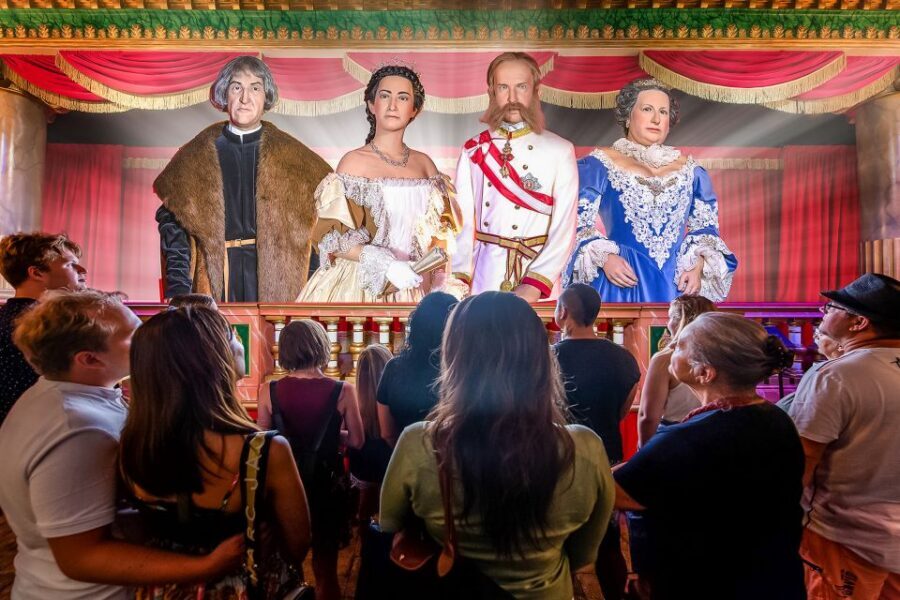
Next, the experience leans into people—who mattered, and why. You’ll move through a portrait gallery where you get to know major figures in Viennese history and hear what they have to say.
Then the story heads toward imperial Vienna. You learn about the nobility of the Viennese court, and you’re given moments where you can meet figures from the imperial family personally—creating impressions of how power and court life shaped the city.
This is where I think the attraction earns its ticket. Vienna is famous for buildings, but it’s people who explain the “why.” The court culture, the dynastic influence, and the political shifts are easier to keep straight when the experience gives you names and roles in a staged format.
One small extra detail you might pick up: you may be shown explanations tied to how Vienna’s architecture developed its look—like the reason so many buildings carry that familiar Viennese ochre tone.
5D cinema and 4D effects: what the big show segments feel like
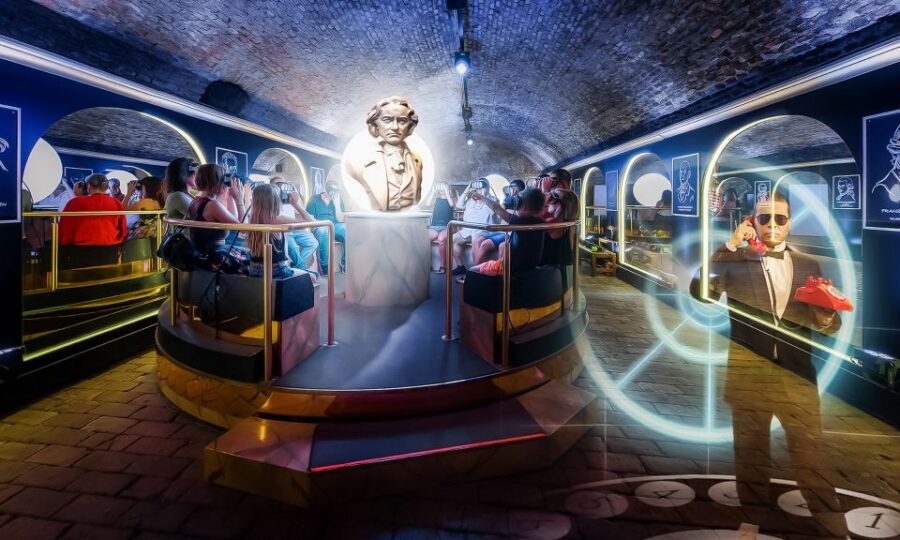
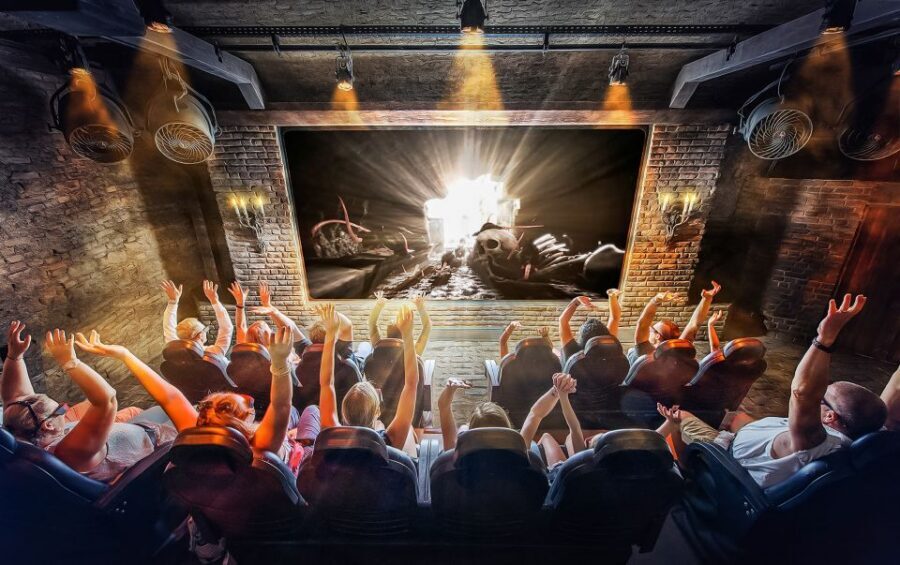
A major chunk of the experience is its 5D cinema and other sensory effects. The promise here is simple: effects that make it feel like you’re really living inside the moment.
This matters for a first-timer because it changes how you process the history. You’re not just remembering facts—you’re recalling sensations: movement, sound, and staged “you are there” cues.
A few examples of what can happen in these segments, based on the experience’s structure:
- You may see dramatic historical scenes that heighten the stakes.
- There are special effects sequences that include moments like snow at the end (a detail that stands out for people doing it earlier in the year).
- The show is designed to be understandable without reading, which helps when you’re with kids or when your brain is tired after a long walking day.
One consideration: the 5D segment can feel short. If you love film, you may wish it ran longer. Still, the upside is you won’t get bored in hour three of a sightseeing marathon.


VR glasses and Viennese music history: for lovers of sound and story
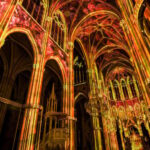
After the cinema portion, you get a VR moment: virtual reality glasses that let you experience the course of Viennese music history in a simulated world.
Even if classical music isn’t your hobby, this part tends to work because it turns a timeline into a place. Instead of memorizing names on a poster, you’re experiencing a guided “sound-history” arc through a visual simulation.
This is also a smart “midpoint” for energy. You’ve already had sensory effects and storytelling. Then VR takes over with a different kind of stimulation—still fun, but less chaotic than some cinema moments.
If you’re bringing teens or kids who like gadgets, this is often the reason they’ll ask to do it again right after. If you’re there as an adult history fan, this is the part that quietly makes Vienna feel like a cultural capital, not just a royal postcard.
WWII time travel: Enemy Aircraft! and the bomb shelter feeling
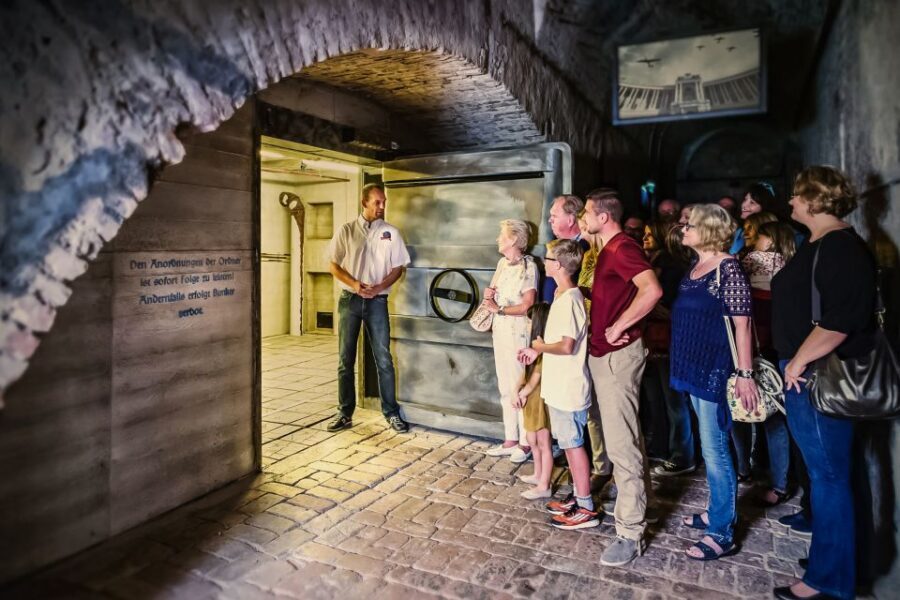
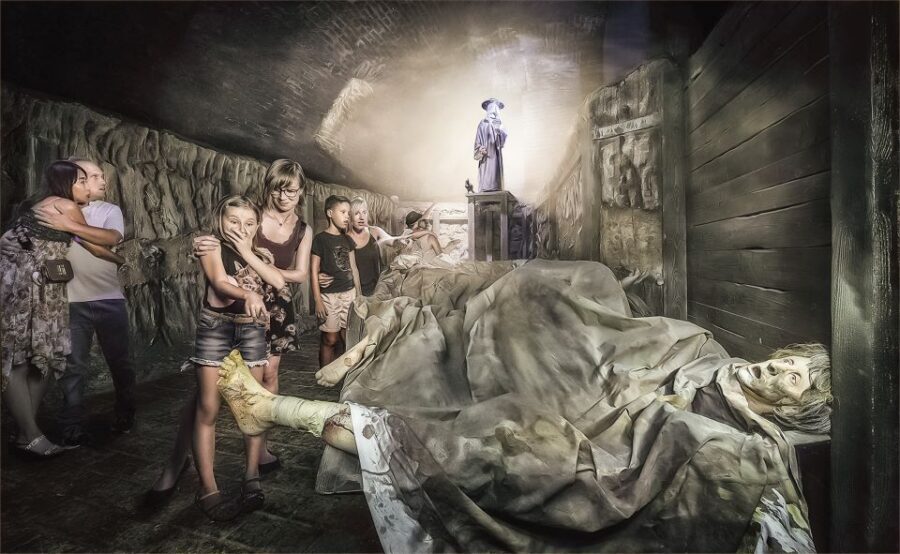
Then comes the section with real tension: Enemy Aircraft! Here, you’re meant to feel like World War II is raging around you and you find yourself inside a bomb shelter.
This segment is emotionally heavier than the earlier court-and-palace material. It’s also one of the clearest examples of how the attraction uses technology for storytelling, not just for spectacle. The sound, staging, and scenario cues are there to put you in the mindset of fear and urgency.
You should expect it to be intense enough that some younger kids might need a quick morale check afterward. On the other hand, for curious kids who want to understand what wartime life meant, it can be a memorable way to connect history to real human experiences.
I’d treat this as the “middle climax” of the journey. After this, the tone shifts again into relief and recovery.
Chancellor Figl and the battered remnants: the postwar payoff
Right after the WWII material, the experience moves into a postwar moment framed as In Austria is free! You listen to a moving speech by Chancellor Figl within the battered remnants of Vienna, and you’re meant to feel the sense of relief from citizens.
This is a key part of the emotional structure. The attraction doesn’t end on destruction—it pivots to rebuilding and identity. For a visitor, it helps explain why Vienna’s story isn’t just about grand courts and music halls; it also includes survival and recovery.
It’s also where you’ll likely appreciate the title theme: “time travel” isn’t only about changing eras on a screen. It’s about how Vienna changes mood, politics, and daily life from one period to the next.
If you like history that ends with meaning (not just tragedy), this segment is one of the strongest parts of the hour.
The finale: flying over Vienna and a virtual horse-drawn ride
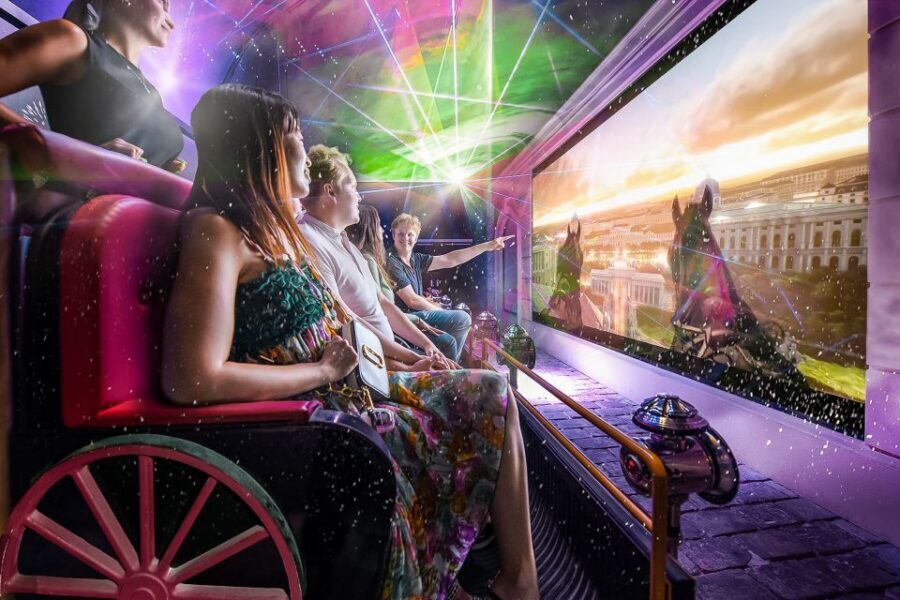
The journey closes with a “big view” finish. You get a simulated flying over the roofs of Vienna moment, and the tour ends with a virtual horse-drawn carriage flight over present-day Vienna.
This ending is useful because it turns the history you just absorbed into something you can use outside the attraction. Once you see Vienna from above in the staged finale, your walking route starts making more sense.
It also gives the whole experience a satisfying arc: past danger, then postwar relief, then forward motion into the city you’re actually visiting today.
For families, the finale is a great decompression moment. You go out remembering the story but also excited for what you’ll see next on the streets.
Price and value: does $27 for 1 hour make sense?
At $27 per person for one hour, you’re paying for more than “a show.” You’re getting an entry ticket plus a multilingual audio guide, and the ticket bundles multiple technology-heavy segments: 5D/4D cinema effects and VR.
Here’s how I think about value:
- If you were to buy separate tickets for multiple special effects productions, you’d likely spend more than a single packaged hour.
- This tour covers a lot of eras quickly, which is perfect when your days are limited.
- The format reduces reading pressure. You can keep up even if you’re not a history specialist.
I’d call it fair value for families and first-timers. It’s also a good “get your bearings fast” stop if Vienna is new to you and you want a big-picture timeline before you pick specific neighborhoods for deeper walks.
Who this tour fits best (and who should plan a different option)
This is a strong match for:
- Families with kids who like interactive tech and staged storytelling
- People who want an organized overview of Vienna’s timeline without doing a full museum crawl
- Anyone who enjoys seeing history presented through sound, effects, and story scenes
It’s a poor match if you have mobility impairments or need wheelchair access. The attraction states there is no elevator and that the route has about 50 steps. It also notes that wheelchair users aren’t allowed due to legal building regulations, with the alternative being Sisi’s Amazing Journey across from the Time Travel site.
Also note the rules:
- Pets are not allowed
- Video recording is not allowed
If you plan around those limits, the experience runs smoothly. If not, you might have avoidable frustrations.
Tips so you get the most from this 60-minute show
To maximize your enjoyment, treat it like a “first day learning tool,” not a random break. Plan to do it early so the names and periods stick when you later pass the real locations.
A few practical tips:
- Wear comfortable shoes. You’ll climb stairs.
- Keep your day flexible enough that you’re not rushing. The experience’s last admission is at 19:00, and you’ll want time to check in.
- Come ready to follow a timeline. The attraction works best when you accept that it’s fast-moving by design.
- If you care about photos and video, skip it here. Video recording isn’t permitted, and that’s part of how the experience stays controlled.
And if you’re picky about films, remember the 5D cinema is a highlight but it’s part of an hour, so your expectations should be “short and punchy,” not “long and slow.”
Should you book Vienna Time Travel and Magic?
Book it if you want a fun, tech-forward way to connect Vienna’s history to what you’ll see outdoors. At $27 and one hour, it’s a practical use of time, especially for families and first-timers who need a clear timeline more than a deep academic lecture.
Skip it (or pick the alternate) if stairs are a problem for you. The lack of elevator access and the step-heavy route are major constraints, and wheelchair users are directed elsewhere.
If your goal is to walk away with names, eras, and emotional moments—Roman origins, Habsburg court life, WWII fear, then postwar relief—this is one of the easiest “all-in-one” ways to do it from the center of Vienna.
FAQ
How long is the Vienna Time Travel and Magic tour?
The experience lasts 1 hour.
What does it cost?
The price is $27 per person.
Where do I meet for the tour?
The meeting point is Habsburgergasse 10A, 1010 Vienna.
What’s included with the ticket?
Your ticket includes entry to the attraction and a multilingual audio guide.
What public transport is closest?
You can reach the attraction via the underground on U1 (Stephansplatz) or U3 (Herrengasse).
Is video recording allowed?
No. Video recording is not allowed.
Are pets allowed?
No. Pets are not allowed.
Is there an elevator?
No. There is no elevator.
Is the attraction wheelchair accessible?
No. The route has two levels with about 50 steps, and wheelchair users are not accepted due to building regulations. The operator points wheelchair users to a second attraction across from Time Travel: Sisi’s Amazing Journey.
When is the last admission, and is cancellation free?
Last admission is at 19:00, so you should arrive on time. There is free cancellation up to 24 hours in advance for a full refund.