REVIEW · VIENNA
Palais Lobkowitz Audio Guide Tour
Book on GetYourGuide →Operated by Kunsthistorisches Museum · Bookable on GetYourGuide
Palais Lobkowitz feels like Vienna’s art world in one focused stop. You get a self-guided walk through a historic city palace with serious baroque drama, plus a standout art moment tied to Klimt. I especially like the way the tour spotlights Gustav Klimt’s well-known painting Nuda Veritas, then connects it to what you’re seeing in the room.
Another strong reason to go is the Beethoven angle. The tour’s focus on the Eroica Hall, named for Beethoven’s celebrated Eroica Symphony (performed there for the very first time), gives you a better sense of why this palace isn’t just pretty—it’s musically important. One possible drawback: since it’s an audio guide experience, you’ll want to be comfortable with learning on your own and moving at your pace.
In This Review
- Key highlights you’ll actually care about
- Palais Lobkowitz: a Vienna city palace built for close-up looking
- The 7-day window: how to plan your visit without feeling rushed
- Baroque architecture: what to look for when the wow factor is immediate
- Klimt’s Nuda Veritas: meaning and symbolism with your own pace
- Eroica Hall and Beethoven: why the first performance detail matters
- Café im Lobkowitz: plan a breather so the art sticks
- Price and value: is $20 per person worth it?
- Who this Palais Lobkowitz audio tour suits best
- Should you book this audio guide tour at Palais Lobkowitz?
- FAQ
- Where is the Palais Lobkowitz audio guide tour located?
- How much does the tour cost?
- How long is the experience valid?
- What languages are available for the audio guide?
- What’s included in the $20 ticket?
- Is the tour wheelchair accessible?
- Can I cancel for a full refund?
- Does the listing offer flexible payment options?
Key highlights you’ll actually care about
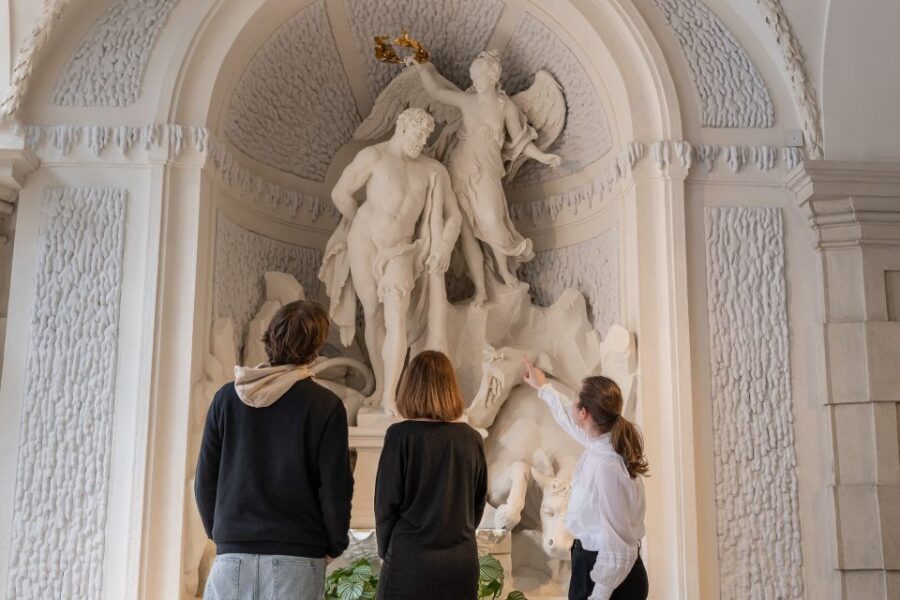
- Baroque architecture from the moment you enter: the building is the show, and the guide helps you notice it.
- Gustav Klimt’s Nuda Veritas: you’ll be pointed to this key Jugendstil work and its meaning and symbolism.
- Beethoven in the Eroica Hall: the tour explains why the hall matters through the Eroica Symphony.
- Eroica Hall history and musicological significance: the guide adds context rather than treating it like a random name.
- New Café im Lobkowitz: a built-in pause so you don’t have to rush out right after the art.
- English and German audio: you can choose the language that matches your comfort level.
Palais Lobkowitz: a Vienna city palace built for close-up looking
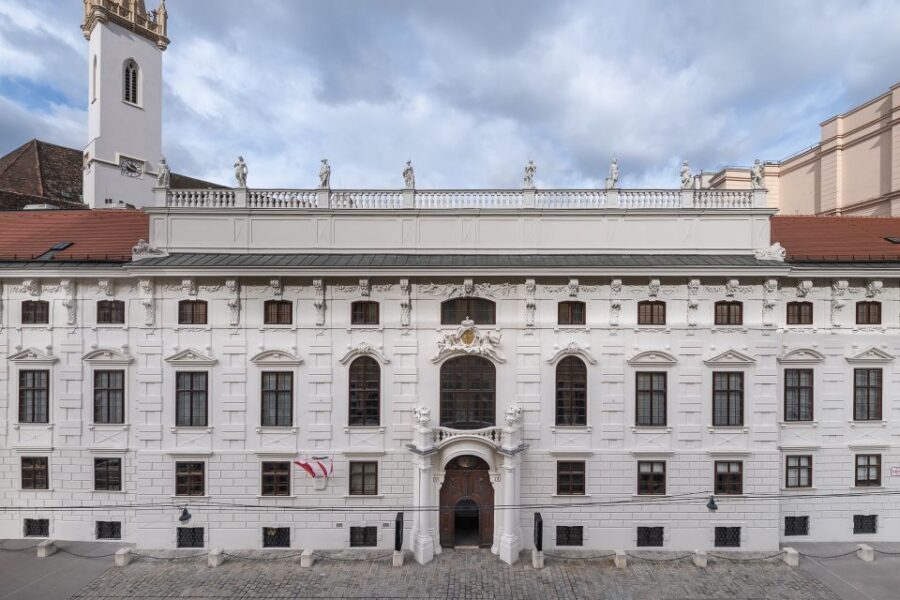
Palais Lobkowitz is the kind of destination that rewards slow walking and careful noticing. You’re not just touring a museum room by room. This is a palace experience—designed spaces, ornate surfaces, and the specific atmosphere of a Viennese private residence that has been opened to visitors.
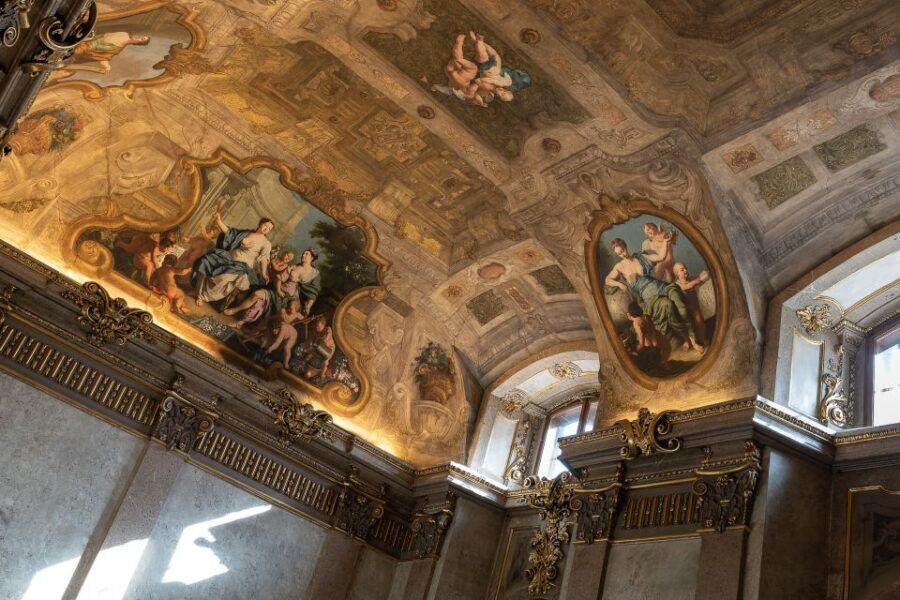
What I like most is that the tour treats the palace as more than a backdrop. The opulence of the baroque architecture hits you right away when you step inside. The audio guide doesn’t just say the walls are old and impressive. It’s meant to help you see what’s in front of you, so you get value even if you’re not an architecture expert.
And yes, the art highlights matter. Klimt’s Nuda Veritas is a major draw, but the best part is how it fits into the palace setting. You’re not dealing with a standalone painting behind glass in a generic gallery. You’re in the context that makes Viennese art history feel real: the building itself, the styling, and the way the tour links symbolism to place.
If you’re building a Vienna plan and you want one stop that mixes architecture and big-name culture without turning into a marathon, this is a strong choice.
You can also read our reviews of more guided tours in Vienna
The 7-day window: how to plan your visit without feeling rushed
This is an audio guide tour with entry included, priced at $20 per person. It’s valid for 7 days, and you should check availability for starting times. That matters because it gives you flexibility. Vienna tours can feel like a strict schedule city. A 7-day validity window lets you pick a moment that works with your day—especially if you’re juggling other museum visits.
Since it’s an audio guide tour, you’ll also want to think about your own style of touring. If you like to pause, rewind mentally, and spend extra time where you feel pulled in, audio is perfect. If you need a strict, timed group experience with constant pacing, you might find self-guided learning a bit less structured.
One detail I appreciate: the audio guide is offered in English and German. That’s useful because even if you choose English, you can still switch if something feels clearer in German. The tour is also run by the Kunsthistorisches Museum, so you’re not walking into a random side attraction. It’s tied to a major cultural institution, and it shows in the focus on major artworks and rooms.
In practice, I’d plan this for a day when you want a break from long lines or when you want something “high quality per hour.” Palais Lobkowitz can fit nicely between bigger, more exhausting museum blocks.
Baroque architecture: what to look for when the wow factor is immediate
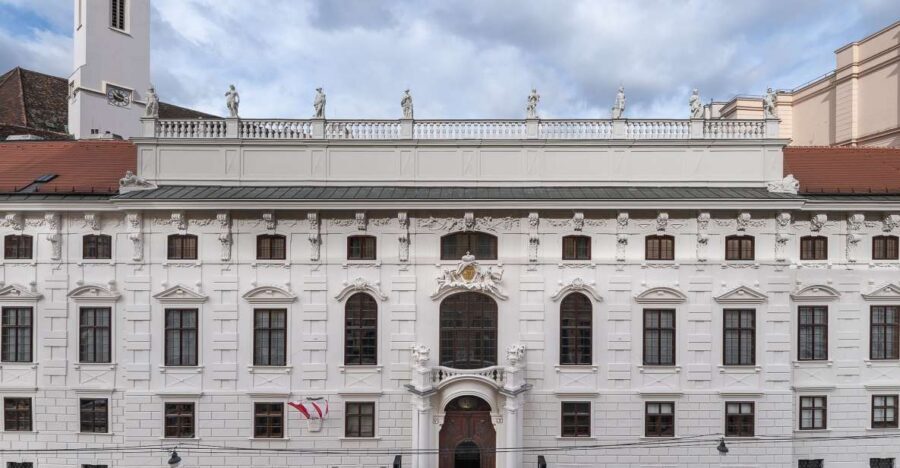
The tour’s first big promise is simple: you get a stunning visual experience from the moment you step into the building. Baroque architecture can be overwhelming if you’ve seen it only in photos. In person, it becomes physical—light bouncing off ornament, lines pulling your eye, and details you’d miss at speed.
The audio guide helps you slow down without forcing you. Instead of just roaming, you’ll have a guide voice steering you toward what matters in each space. Think of it as a pair of sensible glasses for your attention.
Here’s a practical way to use the experience:
- Spend a minute at each major room looking broadly first, then switch to small details.
- Don’t worry if you don’t know the terminology. Let the guide focus your eyes on what it’s describing.
- If you’re the type to take photos, do it after you’ve listened to the segment about that space. You’ll take better pictures because you’ll know what you’re capturing.
This is also where the palace setting boosts the tour. A baroque palace isn’t the same as a baroque church. You feel the difference in scale, use, and intimacy. That’s why this kind of palace tour can feel more personal than a large public building.
If you like Vienna for its layers—imperial style, art movements, and music history—this architecture section does real work. It sets the mood so the art stops feel like part of one story.
Klimt’s Nuda Veritas: meaning and symbolism with your own pace
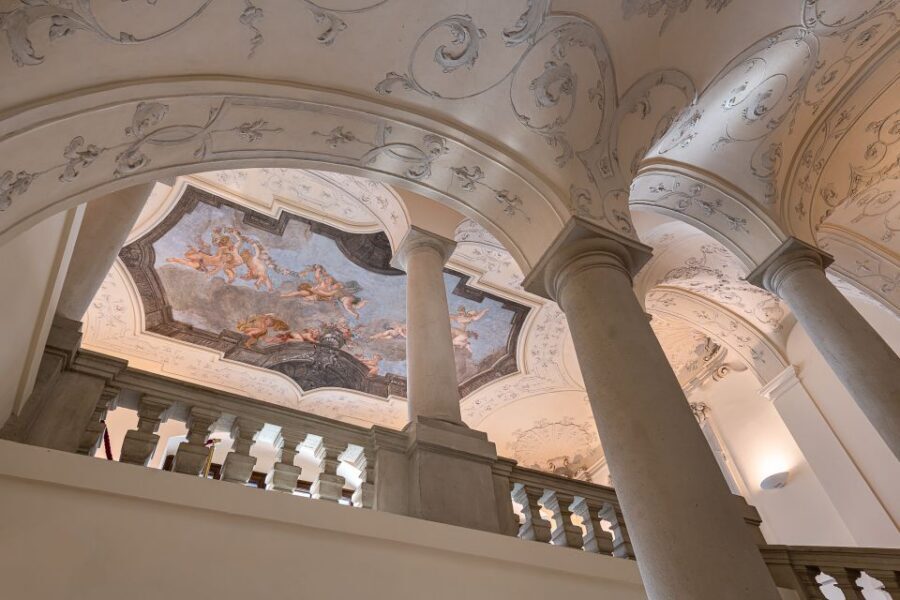
Gustav Klimt’s Nuda Veritas is one of the best-known works connected to this tour, and it’s a genuine centerpiece. The guide specifically calls it out as a Jugendstil painting, and it doesn’t just list facts. It’s designed to help you understand the meaning and symbolism.
Now, I’m not going to pretend you’ll suddenly decode every symbol on the spot just because a voice tells you what it means. But that’s the value here: the audio guide gives you a framework so you can look again with new eyes.
When you reach the Nuda Veritas stop, I’d treat it like this:
- Listen first while you’re standing close enough to actually see the image.
- After the segment finishes, take 30 to 60 seconds to re-look without the audio.
- Then, if you want, start the audio again for the specific explanation you found most interesting.
That back-and-forth is where the painting turns from “pretty” into “I get why this mattered.”
Also, the tour’s emphasis on a palace setting matters. Klimt doesn’t feel like a random art-museum name here. He feels like part of a Viennese room where style, taste, and ideas lived side by side.
If you’re a Klimt fan, this is the kind of tour that makes the visit feel intentional. If you’re not, it still works because the guide’s focus on symbolism gives you something to engage with besides just the surface beauty.
Eroica Hall and Beethoven: why the first performance detail matters
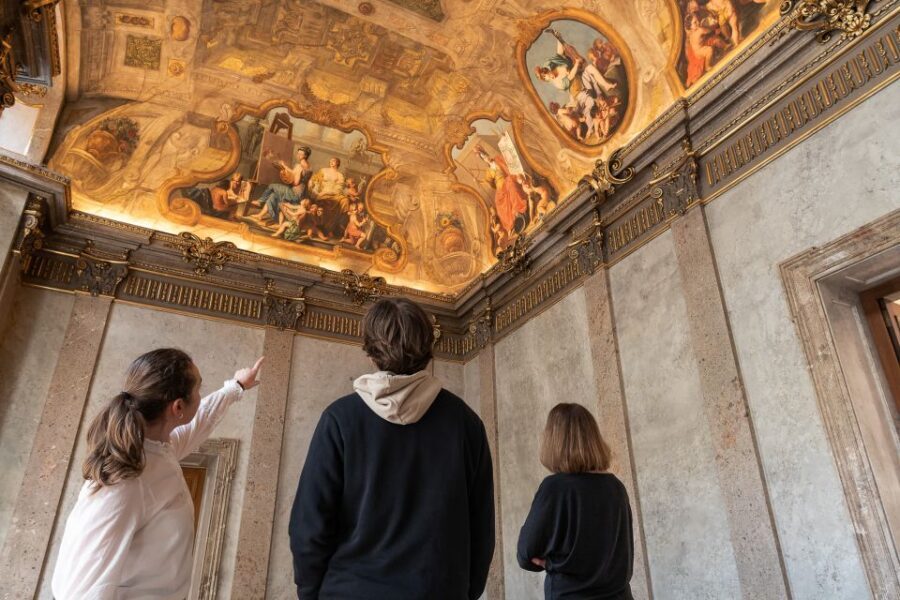
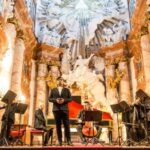
One of the tour’s standout lessons is Beethoven in the Eroica Hall. The hall is named after Beethoven’s famous Eroica Symphony, and the guide explains that the symphony was performed there for the very first time. That specific detail changes the way you look at the room.
Without context, a hall is just a room. With the context, it becomes a historical container. You’re not only seeing architecture. You’re connecting a space to a moment in music history. The audio guide also covers the musicological significance of the Eroica Symphony, which is exactly the sort of thing that turns a name into real understanding.
Practical tip: when you’re in the Eroica Hall area, resist multitasking. Don’t use this moment to send messages or hurry past to the next photo spot. The hall part of the tour is where your listening pays off most, because the guide is built around the link between music and place.
If you’re a classical music fan, you’ll probably feel this as “yes, I get why people care.” If you’re not, you can still come away with a feeling for the building’s importance in Vienna’s cultural life.
Either way, this section makes Palais Lobkowitz more than a visual stop. It becomes a “sound-and-place” experience, guided by audio explanations rather than long lectures.
You can also read our reviews of more tours and experiences in Vienna




Café im Lobkowitz: plan a breather so the art sticks
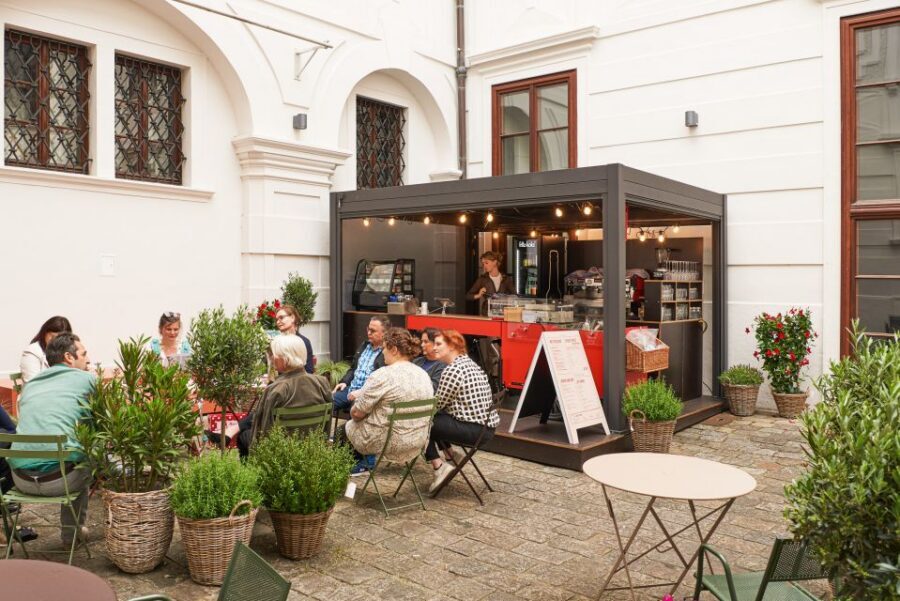
You finish with a chance to relax in the Café im Lobkowitz. The tour info calls it new, and even without knowing the exact menu details, a café break is often what makes palace visits feel satisfying instead of rushed.
This is a smart move because architecture and art can be mentally tiring. After you’ve focused on baroque details, then locked in on Klimt’s symbolism, and then listened to Beethoven’s hall context, you’ll want a pause that isn’t another museum room.
Use the café time strategically:
- Sit for a few minutes and let the tour segments settle in.
- If you’re traveling with someone who doesn’t want museums for hours, this is where you can negotiate a shorter outing.
- If you’ve been taking notes on your phone, review them here while it’s still fresh.
It’s also a nice end to a one-price, one-ticket experience. You don’t feel like you have to bolt the second you’re done with the final room.
Price and value: is $20 per person worth it?
At about $20 per person, the big value is that you’re paying for both entry and the audio guide. That matters because it’s not just a lecture you can get elsewhere. You’re buying access to Palais Lobkowitz plus the built-in explanations that make the experience more than “walk around and look.”
The 7-day validity window adds more value than you might think. Vienna schedules rarely cooperate. Being able to match your visit to your day is part of good travel value.
Also, the language options are practical. English and German audio are included, so you don’t have to squeeze your day around a specific tour language or feel stuck if you’re traveling with mixed fluency.
What you should weigh is your personal learning style. If you love self-paced experiences and can sit with audio for art context, you’ll likely feel you got your money’s worth quickly. If you want a highly interactive, live guided format, you might prefer a different type of tour. Still, for many visitors, audio guide tours are the sweet spot: informative, flexible, and focused.
Who this Palais Lobkowitz audio tour suits best
I’d recommend Palais Lobkowitz to you if you want:
- A Vienna palace visit that mixes baroque architecture with major art and music context.
- A self-guided format where you can spend extra time where you care most.
- A stop that isn’t a full-day commitment, but still feels culturally meaningful.
It’s also a good choice if you’re traveling with someone who likes different things. One person can focus on Klimt’s Nuda Veritas and symbolism. Another can zero in on Beethoven and the Eroica Hall first-performance detail. The audio guide is designed to support both interests in the same route.
The tour is listed as wheelchair accessible, which is a key practical point for many visitors. If mobility is a concern for you, it’s worth choosing places that explicitly support accessibility rather than forcing you to guess.
Should you book this audio guide tour at Palais Lobkowitz?
Book it if you like palace settings, want Klimt and Beethoven in one visit, and enjoy learning at your own pace through an audio guide. The combination of baroque architecture, Klimt’s Nuda Veritas (with meaning and symbolism explained), and the Eroica Hall connection to Beethoven’s Eroica Symphony makes the $20 price feel straightforward rather than inflated.
Skip it—or swap to a different style—if you only enjoy live narration, or if you find audio tours hard to concentrate on. Audio works best when you give it attention and don’t rush.
If you’re building a smart Vienna itinerary and want one stop that feels intimate, artsy, and genuinely tied to big cultural names, Palais Lobkowitz is a strong pick.
FAQ
Where is the Palais Lobkowitz audio guide tour located?
It’s in Vienna, Austria, at Palais Lobkowitz.
How much does the tour cost?
The price is $20 per person.
How long is the experience valid?
The offer is valid for 7 days, and you should check availability to see starting times.
What languages are available for the audio guide?
The audio guide is included in German and English.
What’s included in the $20 ticket?
Your ticket includes the audio guide tour, plus an entry ticket to Palais Lobkowitz Vienna.
Is the tour wheelchair accessible?
Yes, the tour is wheelchair accessible.
Can I cancel for a full refund?
Yes. You can cancel up to 24 hours in advance for a full refund.
Does the listing offer flexible payment options?
Yes. You can reserve now and pay later, keeping your travel plans flexible.