REVIEW · VIENNA
Vienna Walking Tour with Audioguide on Your Smartphone
Book on Viator →Operated by TouringBee · Bookable on Viator
A phone-led walk can feel oddly freeing. This Vienna tour strings 29 historian audio stops into an easy route around the center, with an offline map to keep you moving.
I especially like the self-paced format and the chance to linger over details, like cathedral carvings and café culture, without waiting for a group.
Two things I really like: the offline route map with landmark icons makes navigation practical, and the stories are built around what you’re actually looking at.
One possible drawback: a self-guided app tour depends on your phone and GPS, and some people find the app direction-to-next-stop experience uneven. If your phone GPS is moody, plan to use the on-screen map and be ready to slow down.
In This Review
- Key things that make this Vienna smartphone tour work
- Price and what you’re really paying for
- The walking route: timing, distance, and pacing reality
- How the app tour works in real life (and what to do first)
- Stop-by-stop: what you’ll see and what’s worth extra time
- St. Stephen’s Cathedral (Stephansdom)
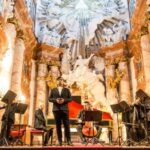
- Church of the Teutonic Order
- Colonna della Peste (Pestsäule)
- Peterskirche
- Café Demel
- Michaelerplatz
- Emperor Joseph II Monument (Josefsplatz)
- Donnerbrunnen
- Imperial Crypt (Habsburgs underground)
- Memorial Against War and Fascism
- Albertina Gallery
- Vienna State Opera
- Mozart Monument (Burggarten Park)
- Maria Theresien Square
- Hofburg Palace
- Monument to Empress Elisabeth (Sisi)
- Vienna City Hall (Rathaus)
- University of Vienna
- Beethoven’s House
- Café Central
- Collalto Palace
- Vermahlungsbrunnen (Marriage Fountain)
- Ankeruhr Clock
- The best parts (and why they matter to you)
- Common hiccups to plan for before you trust the GPS
- Who this tour is for (and who should skip it)
- Should you book this Vienna smartphone audio walking tour?
Key things that make this Vienna smartphone tour work
- Offline map + route line help you find each stop without a live guide
- 29 narrated recordings cover major landmarks plus smaller context points
- Flexible pacing means you can pause for photos or coffee and keep going later
- Café stops are included so the walk doesn’t feel like only monuments
- Headphones are required, so bring your own and charge your battery
Price and what you’re really paying for
At $8.40 per person, this is priced like an intro tool, not a guided replacement. The big value is that you’re buying narration plus a working route plan, delivered through an iPhone/Android app with offline GPS navigation.
Also key: the tour is self-guided. That’s cheaper than hiring a human guide, but it means you’ll do the timing. For me, that trade-off makes sense when you want freedom and you’re comfortable using your phone outdoors.
One more value point: you get 1 year access to the audio in your chosen language. So if you get tired on day one or the weather turns, you can spread the route out instead of treating it like a one-shot deal.
You can also read our reviews of more walking tours in Vienna

The walking route: timing, distance, and pacing reality
The itinerary is listed around 2 hours 30 minutes, but plan for more. Based on the way the route is described in practice, it’s roughly a 7 km walk to complete the full circuit, with many stops designed for short visits.
Here’s how to make it feel good: treat each stop as a “scan and choose.” Look for the feature the narration highlights, then decide if you want extra time inside or nearby. If your legs are ready for only part of it, skip ahead using the app map and come back later.
The tour starts and ends at Stephansplatz (Stephansplatz, 1010 Wien), which is handy because it’s a central hub. And since it’s near public transportation, you can bail out without feeling like you failed at sightseeing.
How the app tour works in real life (and what to do first)
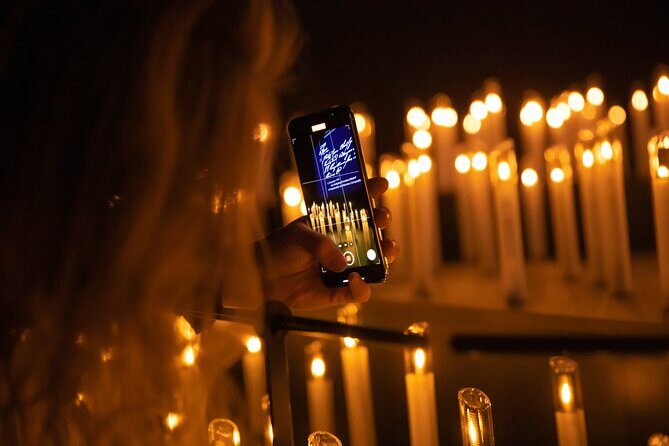
This is not a guided group walk. You download the audio guide app, activate your purchase, and follow the route on the mobile map. There’s no human guide, so your success depends on setup.
Before you start, do these three things:
1) Download the tour and use the map screen so you’re not fighting connection outdoors.
2) Bring your own headphones (they’re not included).
3) Turn on GPS so the map can show your position on the route line.
If you’ve used other audio apps before, you’ll probably get the hang fast. But if your GPS drifts around corners (it happens), slow down at junctions and use the on-screen indicator rather than trying to follow directions that aren’t spoken between stops.
Stop-by-stop: what you’ll see and what’s worth extra time
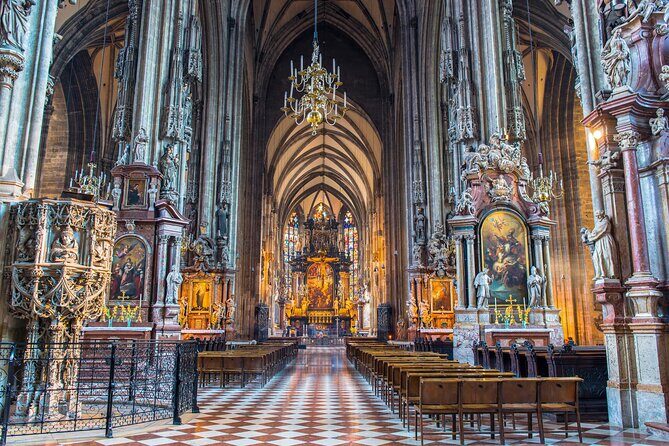
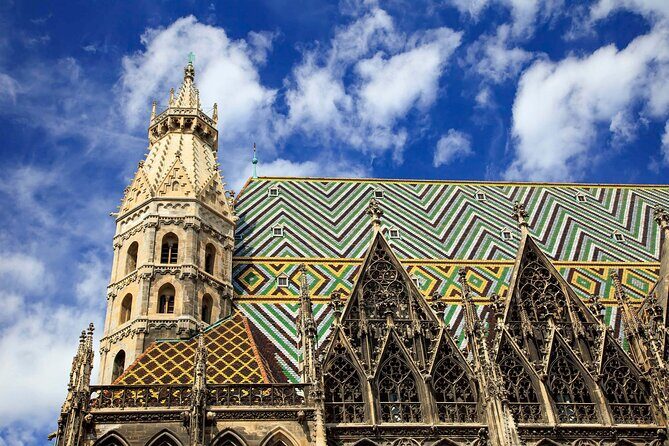
St. Stephen’s Cathedral (Stephansdom)
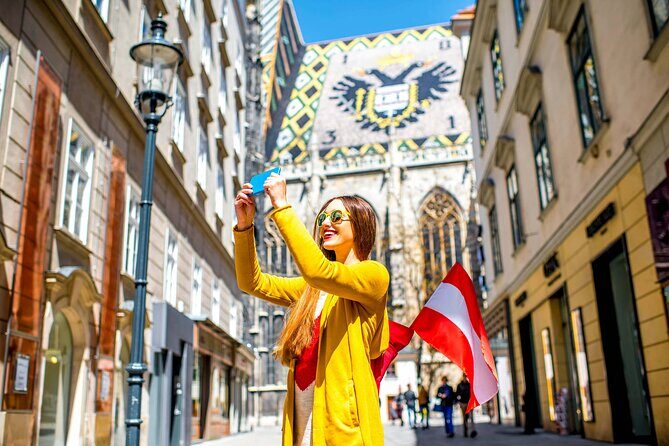
This is Vienna’s Gothic headline act. Look up at the soaring spires and the detailed stonework on the façade, then step inside for big interior drama like the ornate High Altar.
If you want the best views, the narration points you to the South Tower climb, plus the cathedral’s catacombs. That’s the kind of “optional upgrade” that turns a quick stop into a highlight—just remember entrance rules can vary, and the tour doesn’t include tickets.
You can also read our reviews of more tours and experiences in Vienna




Church of the Teutonic Order
Next you’ll hit a Baroque surprise tied to the Teutonic Order story. The key here is the architecture and ornament inside, including fresco-like artwork and carved details.
This is a good stop when you want something calmer. It’s also a nice contrast after the cathedral’s scale.
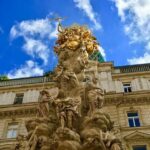
Colonna della Peste (Pestsäule)
The Plague Column is one of those Vienna landmarks that’s easier to appreciate when you understand what it represents. Expect Baroque sculpture details that tell survival and gratitude as much as they show off craft.
Take a minute to look at the figures rather than rushing past. The column’s power is in the message wrapped in stone.
Peterskirche
St. Peter’s Church is another Baroque stop where the big visual is the dome and the interior artwork. If you like ceilings and fresco work, this is one of the more satisfying churches on the route.
If you’re also interested in concerts, the narration calls out the chance to attend classical music in this setting. (If you want a concert, check scheduling once you’re in Vienna, since the tour itself doesn’t include access.)
Café Demel
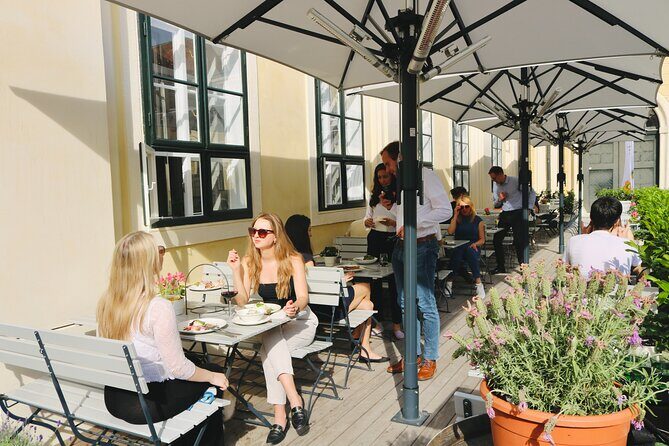
Now you trade church bells for pastry steam. Café Demel, established in 1786, is built for a proper coffee break—chandeliers, marble tables, and plenty of cake culture.
The narration nudges you toward Sachertorte, a classic Viennese choice. Even if you don’t do that specific cake, you’ll leave refreshed instead of just hungry.
Michaelerplatz
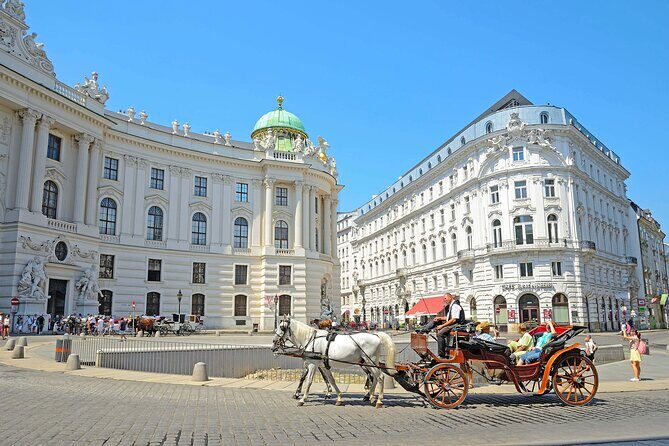
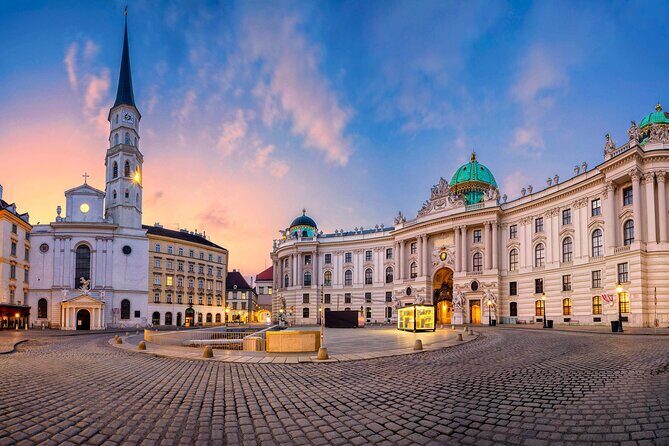
Michaelerplatz is a square that connects imperial looks with a hint of archaeology. You’ll see Hofburg Palace nearby, plus the Michaelerkirche, and the narration also points to ruins under the square area.
This is an easy stop to keep short. If the weather is good, linger outside and then move on quickly.
Emperor Joseph II Monument (Josefsplatz)
Joseph II gets a bronze tribute in this public space tied to Hofburg views. The storytelling focuses on his Enlightenment-style reforms, which gives the statue more meaning than a simple photo backdrop.
It’s a good “reset” point—big enough to spot instantly, not so time-intensive that it breaks your rhythm.
Donnerbrunnen
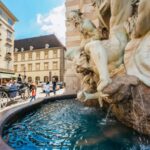
Vienna’s fountains can be more storybook than splashy. The Donnerbrunnen is described as a fountain with mythological sculpture scenes, set in the Neuer Markt area.
If you like architecture and symbolism, pause here. It’s also a nice place to catch your breath before the route swings back toward the more famous imperial sites.
Imperial Crypt (Habsburgs underground)
This stop shifts tone. You’ll go underground to learn about Habsburg final resting places, with opulent tombs and detailed artwork.
Because entrance tickets aren’t included, treat this as a “plan ahead” interior. If you want it, build time for it and check what’s needed once you arrive.
Memorial Against War and Fascism
This memorial is the route’s moral checkpoint. The sculpture is described as a shattered column, meant to represent destruction tied to war.
If you want a balanced day, this is where it happens. Spend a minute thinking, then move on—don’t turn it into a doom spiral.
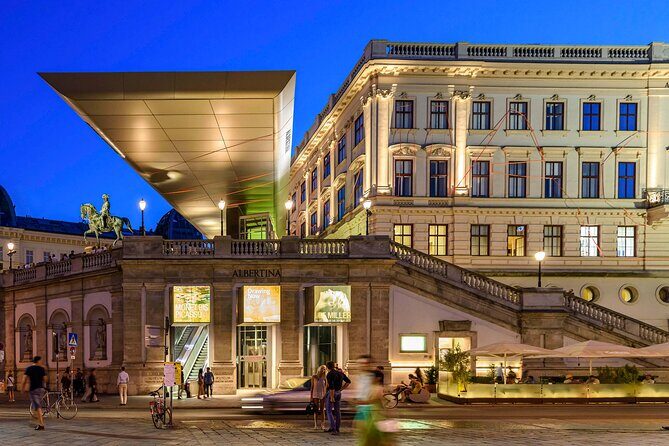
Albertina Gallery
Albertina is a major art stop in central Vienna. The narration highlights the collection range from Renaissance to contemporary, and it names artists like Dürer, Monet, and Picasso.
If you want to go inside and not just read the exterior from the street, you’ll need to handle any museum tickets separately. The audio makes this stop feel more purposeful even if you only do a quick look.
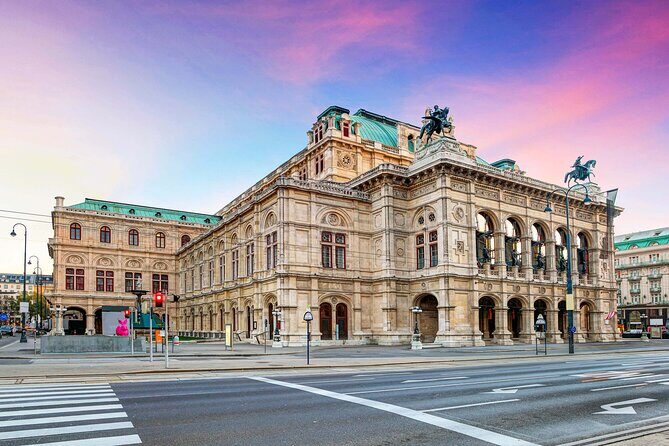
Vienna State Opera
The Opera is a “you know it when you see it” building. Expect grand architecture and opulent interiors, with world-class performances referenced by the narration.
For most people, this stop is about atmosphere and maybe timing your visit to something on the schedule. The audio helps you look with more context, even if you don’t catch a performance.
Mozart Monument (Burggarten Park)
The Mozart Monument is a bronze statue set by the gardens. The narration frames it as a tribute to his legacy, and the setting makes it a pleasant pause.
Do this one slowly if you’re also into strolling. It’s not just a statue stop—it’s a tiny change of pace.
Maria Theresien Square
This wide plaza centers on Empress Maria Theresa. You’ll get the statue framed as a symbol of her influence, plus the square’s mix of historic buildings and open walking space.
It’s an ideal spot to regroup because it’s open and legible compared with tight church lanes.
Hofburg Palace
Hofburg is the big imperial complex, and the narration points you to the types of experiences inside. You’ll hear about areas like the Sisi Museum and Imperial Apartments, plus the Spanish Riding School and the National Library.
Again, interiors typically mean ticket planning since entrance fees aren’t included. Even a quick exterior-to-courtyard walk around Hofburg gives you a sense of Vienna’s power geography.
Monument to Empress Elisabeth (Sisi)
In Volksgarten, the Elisabeth monument gives you a softer, more human scale after the palace grandeur. The narration describes it as a tribute to her grace and presence.
This is a nice one if you like royal stories that focus on personality, not just politics.
Vienna City Hall (Rathaus)
Vienna City Hall is Gothic Revival with towering spires and an ornate façade. The narration also calls out the Rathausmann statue as a symbol of civic pride.
If your feet are starting to complain, this stop is still worth it because it’s quick to appreciate from outside. It’s also a great landmark for finding your place on the route.
University of Vienna
The University of Vienna is presented as an academic institution dating back to 1365. The narration also points you toward the Main Building and the University Library as parts you can focus on.
If you like old institutions, this is a satisfying change from the palace-and-church cycle.
Beethoven’s House
This is a music-history stop with a clear timeline: Beethoven lived here from 1804 to 1815. The narration frames the museum-style experience around his life and work, including original manuscripts and personal items.
If you want the full indoor visit, plan for ticket logistics on the day. Even just stepping into the area after hearing the timeline can make Beethoven feel less abstract.
Café Central
Café Central is another “pause on purpose” stop. The narration describes it as a historic café since 1876, tied to where intellectuals and artists once gathered.
It’s a great spot to review what you saw so far and pick your pace for the last stretch. Order something small, sit down, and let Vienna go quiet for ten minutes.
Collalto Palace
Collalto Palace is positioned as a Baroque stop with 17th-century roots. The narration emphasizes its architecture and interior details.
This one is most satisfying if you enjoy ornate interiors and want to see a palace that’s not only about being famous. If you can’t go inside, treat it as a look-and-learn moment from the street.
Vermahlungsbrunnen (Marriage Fountain)
The Marriage Fountain is described as Baroque and symbolic: it portrays the union of two rivers. You’ll find it in the courtyard connected with Schönbrunn Palace, and the narration frames it as romantic and serene.
Even if you keep it short, the symbolic theme makes it more than a pretty photo. It’s a nice change from statues and grand buildings.
Ankeruhr Clock
The Ankeruhr is the route’s quirky machine. The narration describes it as an Art Nouveau clock with whimsical figures that you can see every hour.
If you’re timing it right, this is a fun way to punctuate the walk. Even if you’re early or late, the clock itself is a memorable Vienna detail.
The best parts (and why they matter to you)
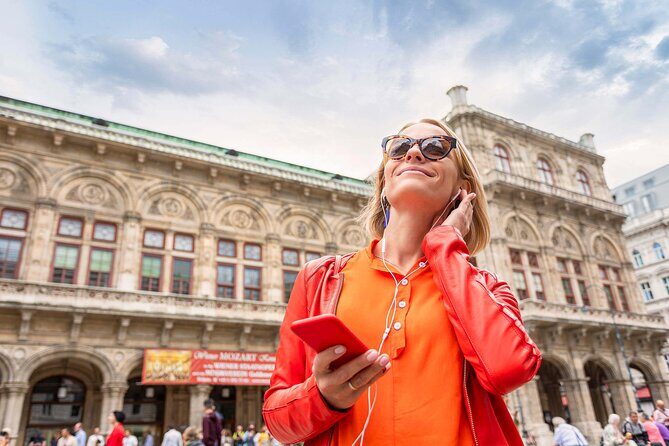
This tour’s strongest feature is that it turns sightseeing into a sequence you can control. With the offline map and landmark icons, you’re not constantly checking directions in a panic, which makes the day feel calmer.
I also like that the narration doesn’t just name places. It tells you what to look for—cathedral spires, plague-column sculpture, mythological fountain figures—so your photos come out more meaningful than random “I was there” shots.
Finally, the café timing is practical. You can’t maintain a 7 km walk on monuments alone. The built-in break stops keep the route from feeling like a nonstop sprint.
Common hiccups to plan for before you trust the GPS
A self-guided route can be wonderful or annoying depending on your phone. Some people report needing to restart the app or that the tour didn’t clearly recognize where they were.
Here’s how to reduce those problems:
- Start with GPS on, and give it a moment before you begin walking.
- Use the app map often, especially at intersections.
- If you lose the next stop, don’t wander in circles; check the route line and your position dot.
- Keep your battery topped up. Long outdoor walks eat power.
If you’re the type who hates apps mid-walk, consider this a sign to bring a backup plan—public transport nearby makes that easier here.
Who this tour is for (and who should skip it)
This is ideal for you if you want an audio-led orientation to central Vienna without a big group pace. It’s also a good fit if you’re the type to stop for photos, duck into a café, then move on when you’re ready.
It’s less ideal if you depend on perfect step-by-step directions and you hate getting your bearings from a phone screen. Because there’s no human guide, you’ll be solving little navigation puzzles yourself.
Also, if you have knee or mobility issues, don’t treat the route like a single session. The design supports pausing and continuing—many people stretch it across more than one day.
Should you book this Vienna smartphone audio walking tour?
I think you should book it if you want a low-cost way to cover a lot of central Vienna with narration and an offline map. At $8.40, it’s a strong value when you’re comfortable walking around and using your phone outdoors.
Skip it if you expect a fully guided experience with clear, spoken-to-the-next-door instructions at every step. Also skip it if you don’t want to bring headphones or you know your GPS tends to drift badly.
If you’re on the fence, my advice is simple: charge your phone, download everything ahead, and plan the day around breaks. Get your bearings at Stephansplatz, then let the stories guide your looking—not the other way around.