REVIEW · VIENNA
Vienna: History Highlight Walking Tour
Book on GetYourGuide →Operated by Viennatour Herbert Stojaspal · Bookable on GetYourGuide
Vienna has a way of telling stories. In just 2 hours, you’ll get the why behind the big buildings, from Roman Vienna to St. Stephen’s Cathedral, with a live guide who makes the place feel personal.
I really loved the small-group feel and the pace. You’re not herded past sights. You’re given context—why a roof symbol matters, what a square is named for, and how power shaped the streets you’re walking.
One thing to consider: this is still a walking tour. It’s not suitable for people with mobility impairments, and kids must be at least 12. Add in the no-large-bags rule, and plan light.
In This Review
- Key Things You’ll Notice on This Vienna History Walk
- Vienna’s Imperial Core Makes 2 Hours Feel Like More
- Starting at Loos Haus: Where the Walk Begins
- Michaelerplatz Excavations: Roman Vienna and Why It Matters
- Hofburg Palace and the 555,000 m² Grounds You Walk Past
- Imperial Treasury and the National Library’s Symbols
- Albertina Museum: Art Meets a World of Power
- Monument Against War and Fascism: The Shift That Feels Real
- St. Michael’s Church and the Habsburg Wedding Story
- State Opera, the Hotel Sacher, and the Carinthian Gate Theatre
- Neuer Markt’s Providentia Fountain and Small Details That Punch Above Their Weight
- Imperial Crypt: Habsburg Burial Rituals and What You’ll Remember
- St. Stephen’s Cathedral: WWII Damage and the Myths You’ll Question
- Price, Time, and Value at $33 for a 2-Hour History Walk
- What It’s Like in Real Life: Pace, Group Size, and the Guide Style
- Who Should Book This Vienna Tour (and Who Should Skip It)
- Should You Book This Vienna History Highlight Walking Tour?
- FAQ
- How long is the Vienna History Highlight Walking Tour?
- What is the price per person?
- What’s included in the tour price?
- Are entrance fees included?
- Where do I meet the guide?
- Where does the tour end?
- What languages are available?
- Does the tour run in bad weather?
- Is it a small-group experience?
- Are video or audio recordings allowed?
- Is it suitable for kids and people with mobility impairments?
Key Things You’ll Notice on This Vienna History Walk
Herbert’s humor plus real detail**: The guide style is funny, quick, and full of story-driven history.
Imperial sights tied together: Hofburg, Heldenplatz, the Imperial Treasury, and the Imperial Crypt connect into one clear thread.
Art and memory in the same route: You’ll see Albertina and then shift to World War II reminders.
Architecture explained as you see it: Styles, symbols, and façade meanings get translated into plain language.
Built for a first-time day: You’ll leave knowing what to visit next and what to skip.
Vienna’s Imperial Core Makes 2 Hours Feel Like More
If you’ve ever looked at Vienna’s palaces and thought, I know I should care but I don’t, this tour solves that. You get a guided path through the power center of the Habsburg world, with just enough human detail to turn stone into people.
I like that it starts with fundamentals. You begin with Roman Vienna and a question about why a castle was built here. That one idea makes the rest of the architecture click, because it explains how the city grew into its role as an imperial stage.
The mood also shifts in the best way. It’s not only grand and ornate. You’ll hit darker moments too, including World War II memory linked to the sites you pass.
You can also read our reviews of more walking tours in Vienna

Starting at Loos Haus: Where the Walk Begins
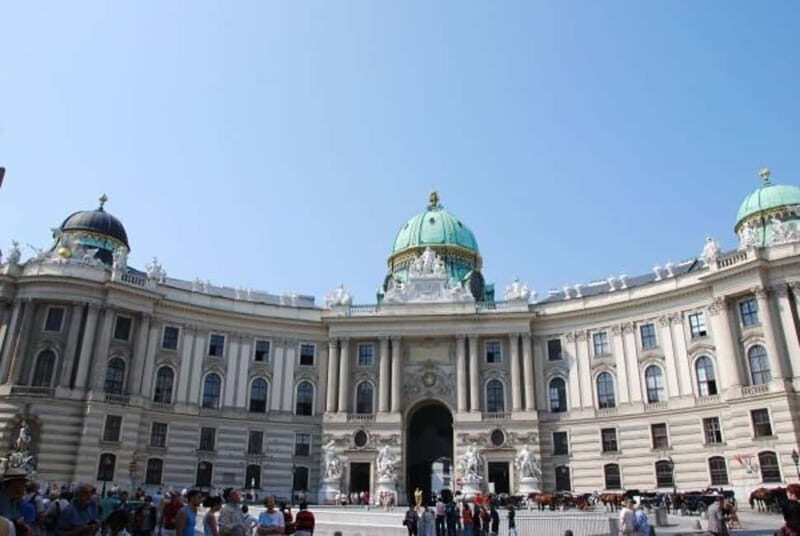
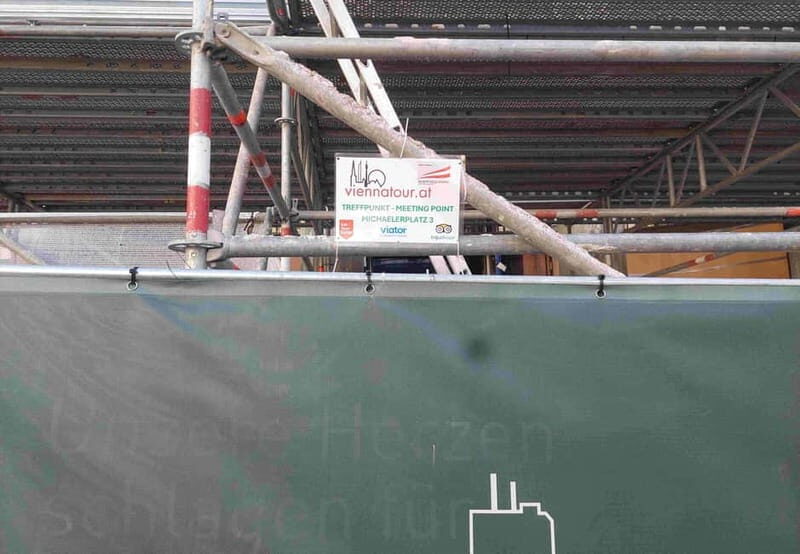
You meet in front of Loos Haus at Michaelerplatz 3, near the U3 metro station at Herrengasse (about a 3-minute walk). This is a good start point for orientation, because you’re already in the inner-city layer where Vienna’s “old” and “official” meet.
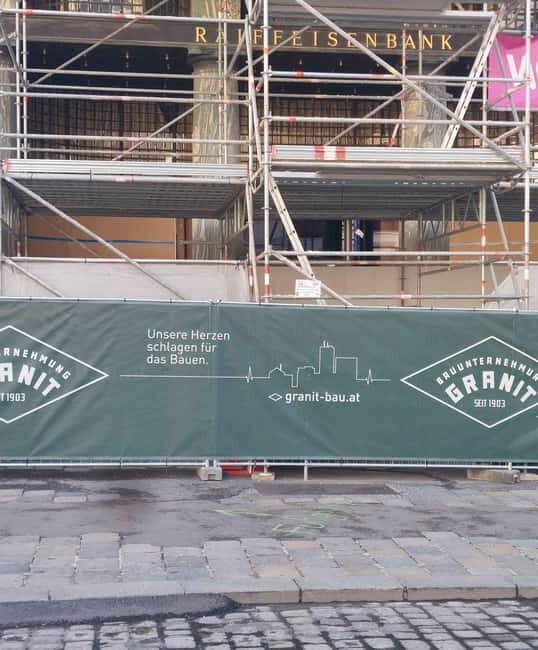
Look for Loos Haus between Kohlmarkt and Herrengasse. You’ll also spot the Raiffeisenbank name on the facade, which makes it easier to line up with the group.
Since the tour is only 2 hours and is done in small group format, the start time matters. Arrive a few minutes early so you don’t feel rushed when the guide begins.
Michaelerplatz Excavations: Roman Vienna and Why It Matters
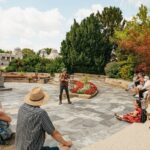
The walk begins with the Michaelerplatz Excavations. This is the part that helps you stop seeing Vienna as just buildings and start seeing it as layers. Roman Vienna isn’t presented as a random fact. It’s used as a setup: how early decisions shaped where later power would anchor itself.
From there, the guide connects the big question in plain terms: why a castle was built here. That answer becomes your mental map. When you later see Hofburg power and Heldenplatz spectacle, you’ll recognize it as the continuation of a centuries-long choice about location and control.
Hofburg Palace and the 555,000 m² Grounds You Walk Past
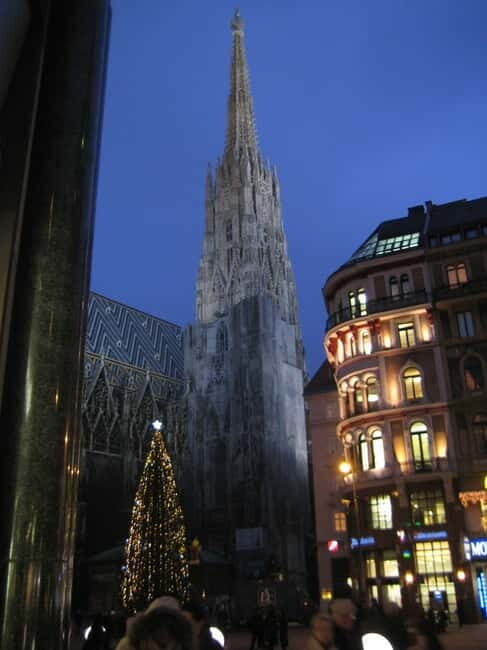
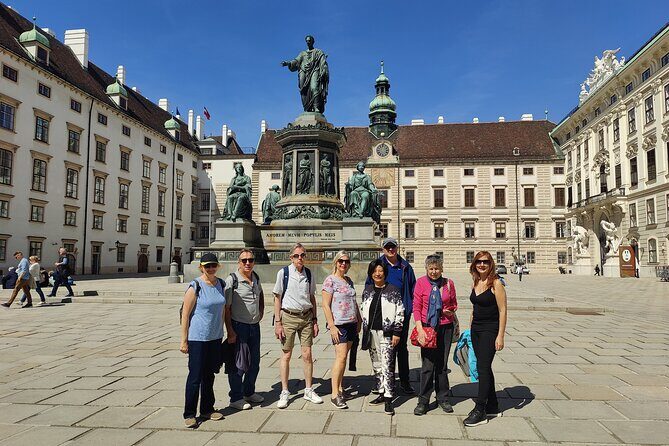
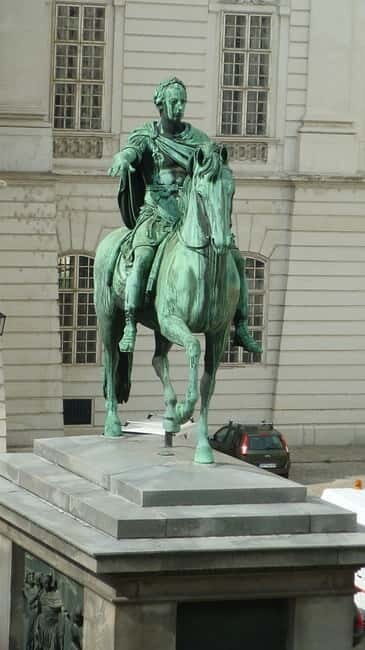
Next up: Hofburg Palace and the surrounding story of how the court shaped Vienna. You’ll hear about the Hofburg’s significance, including how enormous the grounds are—555,000 m². That number does more than impress. It explains why the imperial presence feels so inescapable in this part of town.
Then the tour moves you into Heldenplatz, the home of big imperial theatre. The guide talks about the size of Heroes’ Square and what hides behind the facades. That’s key. Vienna often looks like it’s built only for beauty, but here you learn how façades were also messaging.
If you like architecture but hate lectures, this is a good fit. The guide ties buildings to rulers and decisions, so you’re not just staring at stone. You’re reading it.
Imperial Treasury and the National Library’s Symbols
One of the best things about this tour is that it doesn’t treat famous institutions like trophy stops. It explains what they were for and why you should care.
At the Imperial Treasury (Imperial Treasury, Vienna), you’ll get the reasoning for visiting. The focus stays on meaning: how imperial collections and ceremonial objects shaped the idea of authority. Even if you don’t enter every interior space, you’ll understand what the place represents when you see it.
Then comes a highlight for anyone who likes details: the Austrian National Library with its state room. You’ll learn what the symbol on the roof means and why the square is named after Emperor Joseph II. Those are the kinds of facts you usually miss if you simply wander.
If you’re the type who loves snapping photos but also wants the story behind them, you’re in the right lane. This stop gives you both.
You can also read our reviews of more historical tours in Vienna


Albertina Museum: Art Meets a World of Power
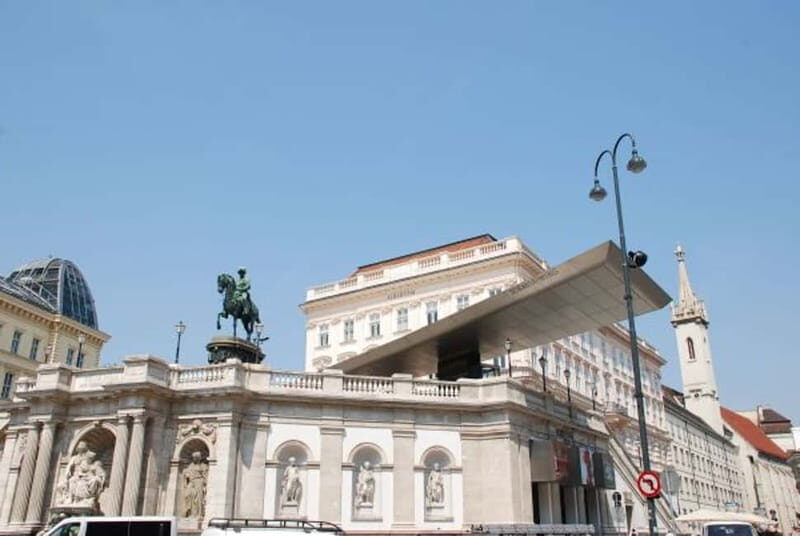
The route continues to the Albertina, described as home to the largest graphical collection in the world. That’s a huge claim, but the tour approach is practical: you’ll connect Albertina to Vienna’s culture of display and collecting—why art sits at the center of an empire’s self-image.
What I liked here is the balance. You’re not pushed to become an art historian in 30 minutes. You get enough background so you understand the role of the collection, and you can decide later whether you want to go deeper on your own.
Monument Against War and Fascism: The Shift That Feels Real
After the art and imperial culture, the tour turns toward the consequences of the 20th century. You’ll pass the Monument Against War and Fascism, and the guide confronts the horrors of World War II.
This section matters because Vienna can sometimes feel like a postcard of elegance. The tour keeps things honest. It reminds you that this city’s beauty and its tragedies are tied together.
If you want a history tour that doesn’t skip the hard parts, you’ll appreciate this pivot.
St. Michael’s Church and the Habsburg Wedding Story
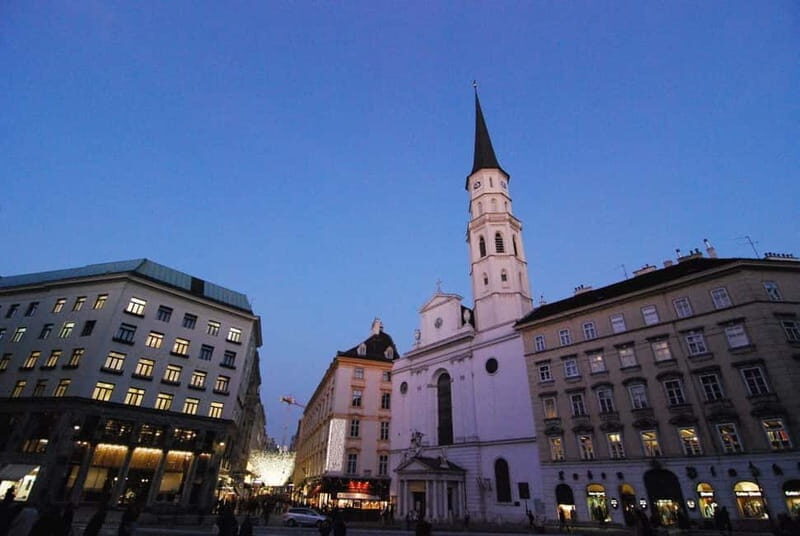
You’ll also learn about St. Michael’s Church, described as Vienna’s third oldest church and known for a combination of three different architectural styles. It’s one of those places where the guide’s storytelling makes you look up instead of drifting along.
This stop is built around a very specific angle: it’s the church where all Habsburg weddings were held. The tour also shares details like the church being closed on Sundays and public holidays, and even a surprising point about certain weddings where the groom was not present.
That’s what I think makes the tour stand out. It’s not generic royalty trivia. It shows how rituals worked and how strict the system could be.
State Opera, the Hotel Sacher, and the Carinthian Gate Theatre
As you continue, you’ll stop near the State Opera and hear why the Hotel Sacher now stands where the Carinthian Gate Theatre used to be.
This part is useful even if you don’t plan to do a theatre museum. Vienna is full of locations that have changed names and functions. The tour gives you a way to understand what you’re looking at today, not just what used to be there.
Neuer Markt’s Providentia Fountain and Small Details That Punch Above Their Weight
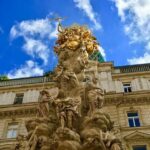
You’ll hear anecdotes tied to the Providentia Fountain at Neuer Markt. These are the kinds of details that make a walking tour feel like a local’s shortcut through the city.
When a fountain comes with a story, you stop seeing it as street decoration. You start seeing it as civic messaging—Vienna’s habit of mixing art, faith, and public meaning in one spot.
Imperial Crypt: Habsburg Burial Rituals and What You’ll Remember
The tour reaches the Imperial Crypt, where you’ll learn about the Habsburg burial ritual. This isn’t presented as spooky for the sake of it. It’s explained as part of how dynasties maintained power and continuity.
If you’ve ever wondered why royal history feels so ceremonial, this is where it becomes obvious. Funerary practice wasn’t only grief. It was politics, tradition, and legitimacy in stone.
St. Stephen’s Cathedral: WWII Damage and the Myths You’ll Question
The walk ends at St. Stephen’s Cathedral, the landmark that anchors Vienna’s center. You’ll hear about its partial destruction during World War II, and you’ll get a reminder that not everything you learn in school is fully accurate in the details.
This is a strong ending point because it’s both emotional and practical. Emotional, because the city’s past shows up in the church’s scars. Practical, because St. Stephen’s is where you’ll naturally base yourself for the rest of your day.
Price, Time, and Value at $33 for a 2-Hour History Walk
At $33 per person for a 2-hour guided walk, the value is really in what you get for that time: orientation plus interpretation. Many first-time visitors spend hours bouncing between sights without knowing the through-line. This tour gives you the through-line fast.
The other value point is that the tour is guided by a local (English or German) and delivered in a small group. You also get something that doesn’t show up in a ticket price: the guide’s habit of answering questions and offering practical advice about what else to do in Vienna.
Just know what’s not included: entrance fees. If an interior stop requires a ticket, you’ll pay separately. Still, the tour gives you enough context that even exterior viewing feels productive.
What It’s Like in Real Life: Pace, Group Size, and the Guide Style
From the way this tour is described and from the guide experiences people highlight, it tends to feel like a tight, high-energy conversation on foot. Guides named Herbert and Wolfgang are both mentioned as standout. Herbert, in particular, comes up often for being kind, personable, and funny, with a talent for making architectural and historical connections land.
Another repeated theme: the tour feels fast. People say it can feel like less than two hours because the guide keeps the story moving and the details meaningful. Some guides even use visuals on an iPad to show how buildings looked in different periods, which helps you understand changes rather than just hear about them.
Who Should Book This Vienna Tour (and Who Should Skip It)
You’ll enjoy this most if you:
- are in Vienna for a short stay and want the big picture early
- like history but want it explained through real people, not dates
- want architecture to come with meaning, symbols, and context
- appreciate a guide who adds humor and answers questions
You might want to skip it if:
- you need step-free accommodations or struggle with longer walking (it’s not suitable for mobility impairments)
- you’re traveling with kids under 12 (not suitable)
- you want a purely self-guided visit where you can wander without stopping
Also, plan to travel light. Large bags or luggage aren’t allowed, and video/audio recording isn’t permitted.
Should You Book This Vienna History Highlight Walking Tour?
If you want a smart first-day plan, I’d book it. This is the kind of tour that gives you a framework: Roman Vienna leads to castle logic, which leads to Hofburg and Heldenplatz, then to libraries and art, and finally to the wartime truths tied to places like St. Stephen’s.
It’s also good value for the format. $33 for 2 hours with a live guide is exactly what you want when you’re trying to get your bearings fast and then spend the rest of your time choosing sights with confidence.
Book it if you like guided storytelling and hate feeling lost in a beautiful city. Skip it if mobility is an issue or if you don’t want to follow a structured route.
FAQ
How long is the Vienna History Highlight Walking Tour?
It runs for 2 hours.
What is the price per person?
The price is $33 per person.
What’s included in the tour price?
A local tour guide is included.
Are entrance fees included?
No. Entrance fees are not included.
Where do I meet the guide?
Meet in front of Loos Haus, Michaelerplatz 3, 1010 Vienna (near the U3 metro station Herrengasse).
Where does the tour end?
It ends back near the meeting area, and drop-off is listed at Stephansplatz 8A (1010 Wien).
What languages are available?
The live guide is available in English and German.
Does the tour run in bad weather?
Yes. It takes place in all weather conditions.
Is it a small-group experience?
Yes. The tour is conducted in a small group.
Are video or audio recordings allowed?
No. Video recording and audio recording are not allowed.
Is it suitable for kids and people with mobility impairments?
It’s not suitable for children under 12 and not suitable for people with mobility impairments.