REVIEW · VIENNA
Vienna Private Bike tour
Book on Viator →Operated by Velopold Vienna · Bookable on Viator
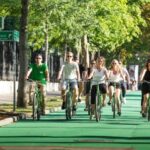
Two wheels, big Vienna, no long waits. This 3-hour private bike tour threads together Prater, the Danube Canal, and classic center-city sights with quick stops so you get your bearings fast. I like that Velopold Vienna handles the bike and a bottle of water at the start, and that the route mixes postcard stops with photo-friendly neighborhood scenes. The one caution: most sights are brief photo-and-story stops, so it is not built for deep museum time.
Guides here seem to bring personality, not just facts. Names like Jeremy (and JR) show up with praise for customization, while Horst and Lothar are credited with making the historical context easy and fun to follow.
It runs in English, uses a mobile ticket, and stays close to public transport at the start point on Obermüllnerstraße 11. Since it is private, you get only your group, but you should still dress for weather because the tour needs good conditions.
In This Review
- Key highlights before you book
- A 3-hour route that gives you Vienna bearings fast
- Starting at Velopold Vienna: bikes, water, and the tone of the day
- Prater and Urania: amusement-park Vienna plus the Danube edge
- Michaelerplatz to Wiener Staatsoper: old buildings and music stories
- Danube Canal murals to Hundertwasserhaus: art you can ride past
- Karlskirche and Stephansplatz: churches that slow your photos down
- Naturhistorisches and Kunsthistorisches museums: major facades, short stops
- Rathaus, Burggarten, and Judenplatz: politics, gardens, and memory
- Price and value: is $216.04 per person worth it?
- Tickets, timing, and what to expect at each stop
- Weather matters for a smooth ride
- Who this Vienna private bike tour fits best
- Should you book this tour?
- FAQ
- How long is the Vienna Private Bike tour?
- Where does the tour start?
- Do I get a bike and water?
- Is this tour private, and is it offered in English?
- Are tickets included for the main sights?
- What happens if the weather is poor or I need to cancel?
Key highlights before you book
- Private group pacing with short, efficient stops that keep the ride moving
- Velopold Vienna meets you ready with bikes and a bottle of water
- Danube Canal graffiti-and-art visuals plus a quick science/observatory stop nearby
- Classic center-city photo stops from Michaelerplatz to Stephansplatz
- Many major facades without long ticket lines (most entries are not included)
- Strong guide reputation tied to storytelling and humor (Jeremy, Horst, Lothar appear in feedback)
A 3-hour route that gives you Vienna bearings fast
This is the kind of Vienna tour that helps you feel oriented in a single afternoon. You spend a lot of time rolling through the city, then you hit a sequence of stops where your guide explains what you are seeing and you get a few minutes for photos.
The stop plan is tight: each location is around 5 minutes. That is perfect if you want a broad overview and you like learning while you move. It is less ideal if you are hoping to spend a full hour in a museum or linger for long. Think of it as a “see it, place it, remember it” tour.
Since it is private, you also avoid the awkward moments that happen in larger group rides, where half the people are stuck taking photos and the other half cannot hear the explanation. Here, your group stays together, and the guide can shape the stops around your interests as long as the overall route stays on track.
You can also read our reviews of more cycling tours in Vienna
Starting at Velopold Vienna: bikes, water, and the tone of the day
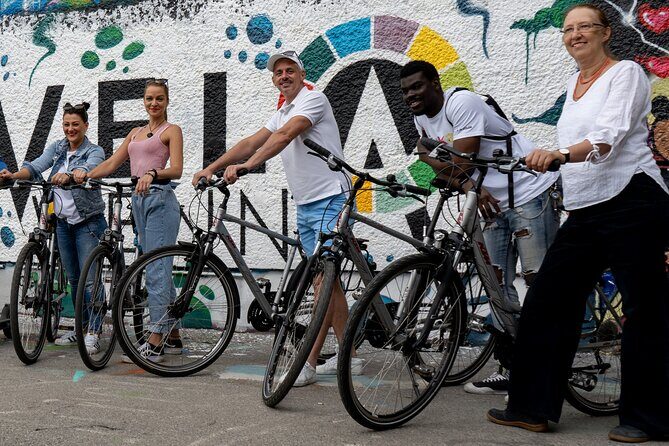
Your meeting point is Obermüllnerstraße 11, 1020 Wien. At the start, Velopold Vienna gives everyone the bike and a bottle of water. That small detail matters more than you might think, because it cuts the “stand around waiting” time and gets you rolling quickly.
Also, having the bike setup handled for you is a practical win in Vienna. You are not dealing with bike logistics while trying to find your way to the first sight. If you are the type who likes to arrive, get the essentials, and then start exploring, this format fits.
One more small practical note: the tour is offered in English and uses a mobile ticket. Bring your phone with the ticket ready, and plan on using it as your “show it at the start” ticket rather than hunting for paper.
Prater and Urania: amusement-park Vienna plus the Danube edge
Prater is stop number two, with a short window built in for pictures and explanations of the Ferris wheel, the amusement park, and the Kaiserallee. This is a good way to understand Vienna’s leisure side without committing your day to a full theme-park schedule.
It also helps that Prater is a visual setting. Even in a quick stop, you can spot the big landmark feel of the area, and your guide can connect it to how Vienna relaxes, not just how it performs. The admission at Prater is listed as free, which suggests you do not need to buy entry for that brief moment of exploring.
Then you move to Urania Sternwarte. It is located right by the Danube Canal, and you get a quick introduction to the place. The admission is not included here, so this stop is more about orientation and seeing where it sits in the city than about paying to enter anything.
If you like combining “wow, that is a cool building” with a bit of context, this stretch works well. You get the Danube Canal environment, then Urania’s science-and-observation vibe, all without turning the ride into a long detour.
Michaelerplatz to Wiener Staatsoper: old buildings and music stories
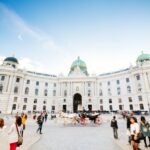
Michaelerplatz is another fast but meaningful stop. It is described as known as the city center, and the guide focuses on beautiful old buildings and what they represent. For me, this is where a bike tour shines: you are close enough to the architecture to actually see details, but you are not stuck standing in traffic or navigating complicated transit lines.
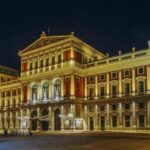
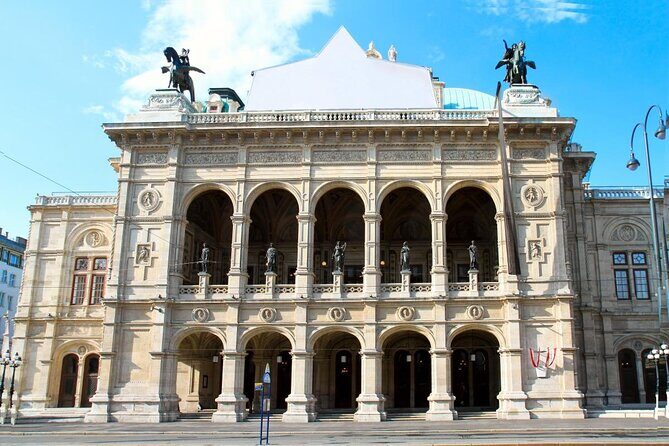
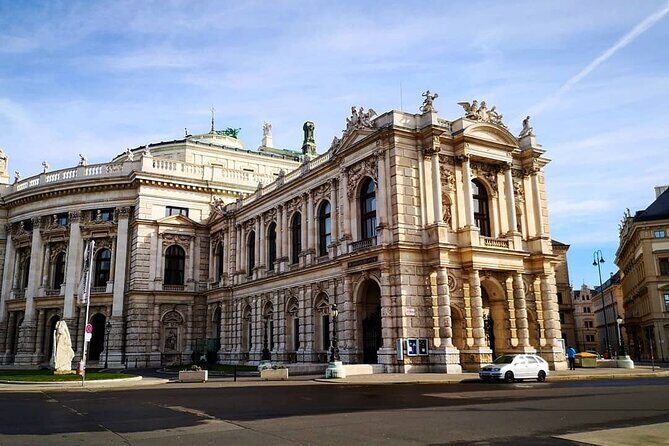
From there, you head to Wiener Staatsoper. You do not get an included ticket here, but you do get a story-based stop about the history of music in Austria. Even if you never step inside, learning the musical context while you are standing near such a famous venue helps the city click into place.
Short stops like these are also a smart strategy if you are doing other plans later. You get the cultural reference points now, then you can choose later whether you want to add a show, a guided inside visit, or simply revisit on your own.
Danube Canal murals to Hundertwasserhaus: art you can ride past
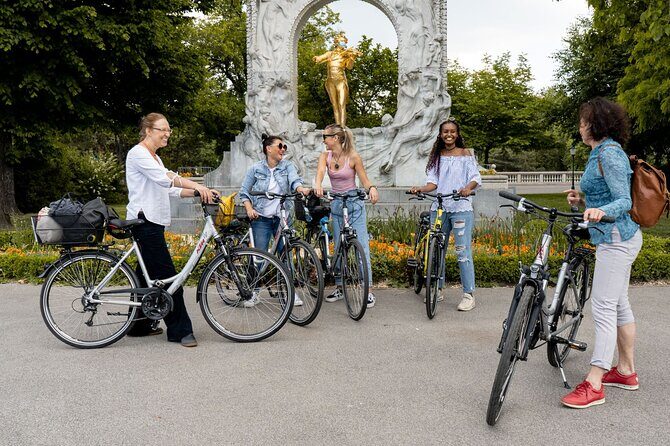
The Danube Canal segment is one of the most visually modern parts of the route. You drive along the canal and get to enjoy graffiti works of art, plus time for photos and explanation of the area. This is the “Vienna is not just palaces” reality check, and it is perfect for travelers who want at least one stop that feels a little edgy and alive.
Admission is listed as free here, which means you are not paying to access the canal-view parts of the experience. It is about the ride, the views, and the guide’s framing.
Next up is Hundertwasserhaus. The stop is brief, and you receive information about the Austrian artist Hundertwasser. Even without ticket entry, this is the kind of place where a quick stop still works, because the building is designed to be memorable. You get the meaning behind the visual style, not just a photo and a walk away.
If you are a design-focused traveler, you will probably love this pairing: mural-and-canal art plus Hundertwasser’s signature aesthetic. It keeps the tour from feeling like only one era of Vienna.
You can also read our reviews of more private tours in Vienna

Karlskirche and Stephansplatz: churches that slow your photos down
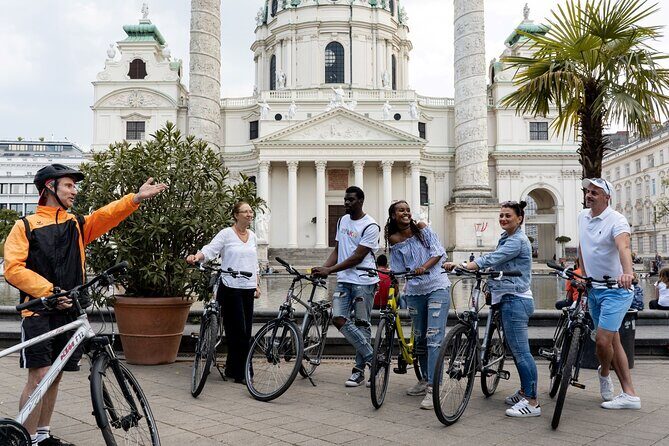
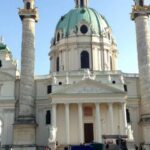
Karlskirche is stop eight, with a short stop at the church where the guide explains its history and how it was created. There are no admission details listed as included for this stop, so expect an outside-focused visit and a short time to take photos.
Then you move to Stephansplatz, one of Vienna’s most visited places. Here, you have the chance to go inside and take photos, and your guide provides knowledge as you stand there. Admission is not included for this stop, so if you want the full inside time, you will want to be ready for any entry costs that apply.
This is a useful section for understanding Vienna’s center. You get the grandeur of religious architecture and the feeling of the main square without the hassle of spending all day navigating separate museum plans. The 5-minute timing is tight, but because Stephansplatz is so central and photogenic, it usually still delivers.
Practical tip for this part: wear shoes that feel stable. Vienna squares are busy, and you might be moving across stone surfaces quickly while staying near the group.
Naturhistorisches and Kunsthistorisches museums: major facades, short stops
The route includes both Naturhistorisches Museum Wien and Kunsthistorisches Museum Vienna. Each gets time for pictures and some information from the guide.
Neither stop lists admission as included, so treat these as “see the scale and learn the context” stops rather than a promise of museum floors and galleries. You are likely to appreciate them most if you already plan to return later or if you enjoy architecture and urban design as part of sightseeing.
Still, it is valuable to have both on the same bike loop. They sit in a way that makes sense geographically, and getting the pair together helps you understand Vienna’s “big institutions” feel. You can look at the facades and remember the guide’s explanations, then decide on your own whether to go inside when you have more time.
Rathaus, Burggarten, and Judenplatz: politics, gardens, and memory
Rathaus is a short photo-and-information stop. You get some details from the guide and time to take pictures, but the plan does not include long entry time.
Then you get to Burggarten. The stop includes time to go inside, enjoy the view, and learn about the place. Admission here is listed as free, which is a good bonus if you are trying to keep costs predictable while still getting a payoff beyond street views.
Finally, Judenplatz Holocaust Memorial is stop fourteen. It is a short stop where you learn a little about the history of the Holocaust. Admission is listed as free, and this is one of the more serious, reflective moments on the route.
What I like about placing this memorial stop late in the tour is that it gives your brain a different kind of sightseeing focus. Earlier you have architecture, art, and major landmarks. Here, you leave with a deeper context for the city’s past, not just its scenery.
Price and value: is $216.04 per person worth it?
The price is $216.04 per person for about 3 hours. That can sound steep at first glance, until you factor in what you are actually paying for:
- A private experience means your group gets the guide’s time without sharing attention with a larger crowd.
- The tour is also doing the heavy lifting of bike rental and start coordination at Velopold Vienna, with bikes and a bottle of water included at the meeting point.
- You are covering a lot of ground, including Prater, the Danube Canal area, and multiple major center-city landmarks in a short time window.
Where the value gets tricky is on admissions. Only specific stops are listed with admission free or included (for example, the starting point includes an admission ticket, Prater and several other stops are free, while many major sights list admission not included). If you end up paying entry fees on multiple stops, your total day cost can rise.
That said, the structure still makes sense for many travelers. If you want a fast overview, want an organized ride, and prefer a guide to interpret what you are seeing, this price can feel fair. If you are the type who wants to spend hours inside major sights, you might get more value by pairing this with fewer paid entries afterward, or by doing other museums on your own schedule.
Tickets, timing, and what to expect at each stop
Because the stops are mostly short, your tour day will feel like a sequence of “arrive, listen, look, photo, roll.” That is not a flaw. It is the whole design.
Here is a practical way to think about admission costs based on the route info:
- Included/free entries: the meeting point includes an admission ticket; Prater is marked free; Burggarten and Judenplatz are marked free.
- Not included: places like Urania Sternwarte, Wiener Staatsoper, Hundertwasserhaus (as a stop), Karlskirche, Stephansplatz, and the two big museums are marked as not included.
So, you can expect to do some outside viewing and learning at several stops, and you may pay separately if you choose to go inside where that option exists (Stephansplatz is specifically described as an opportunity to go inside).
Timing-wise, you should build in that you will be moving quickly between sights. If you are prone to getting rushed in busy areas, plan to treat the bike time as the main “get the city understanding” chunk, not as a leisurely stroll pace.
What to pack is not spelled out in the tour details, but for a 3-hour bike ride in Vienna, the usual smart move applies: comfortable layers and a small bag you can keep close. Also, you get water at the start, but you might still want to keep an eye on your own hydration during the ride.
Weather matters for a smooth ride
The tour requires good weather. If conditions are poor, you get offered a different date or a full refund. That is a big deal in a city where rain can change your plans fast.
If you are booking for a limited window, aim for a day where you have flexibility. If your schedule is fixed, consider how you would handle the backup date offer.
Who this Vienna private bike tour fits best
This tour is a strong match if you:
- Want to see a lot of Vienna in one compact afternoon
- Prefer bike-based city touring over hopping transit between stops
- Like guides who mix history with storytelling and humor (names like Horst, Jeremy/JR, and Lothar show up for that kind of delivery)
- Are comfortable with shorter sight stops and prefer to return later for deeper visits if needed
It is less ideal if you:
- Need long museum sessions built into the plan
- Are sensitive to moving around busy squares quickly
- Want a fully ticketed “everything inside” itinerary, since many stops list admission as not included
Should you book this tour?
Yes, if your goal is fast orientation plus a guided route that hits Vienna’s main visual anchors: Prater, the Danube Canal area, major squares, standout churches, and the memorial at Judenplatz. The private format and the bikes handled from the start add real convenience value, and the stop sequence is designed to keep you moving while still learning.
If your top priority is long indoor time at specific museums or venues, you will likely feel constrained by the short stop format. In that case, treat this as the “lay of the land” day and plan extra time elsewhere.
For couples and small groups, it can be a smart use of money because you get the guide’s attention and a lot of coverage without the friction of larger tours.
FAQ
How long is the Vienna Private Bike tour?
It lasts about 3 hours.
Where does the tour start?
The meeting point is Obermüllnerstraße 11, 1020 Wien, Austria. It ends back at the meeting point.
Do I get a bike and water?
Yes. At the meeting point, everyone gets a bike and a bottle of water for the tour.
Is this tour private, and is it offered in English?
Yes, it is private, meaning only your group participates. It is offered in English.
Are tickets included for the main sights?
Some stops are free or included (like the meeting point and Prater, plus Burggarten and the Judenplatz Holocaust Memorial). Many other major stops list admission as not included, so you should expect to pay separately if you want to enter.
What happens if the weather is poor or I need to cancel?
The experience requires good weather. If it is canceled due to poor weather, you’ll be offered a different date or a full refund. You can cancel up to 24 hours in advance for a full refund.