REVIEW · VIENNA
Fall in Love with Vienna Tour- the best of Vienna on foot!
Book on Viator →Bookable on Viator
Vienna can feel huge. This tour turns it into a walkable story. You’ll cover major landmarks on foot, from the Mozarthaus area to the Vienna Opera, with a guide who helps you make sense of what you’re seeing and what’s worth your time later.
What I like most is the mix of big-ticket icons and human-scale details. You get palace-and-plague history at stops like the Hofburg and the Pestsäule, and you also hit Vienna’s everyday rituals like coffee houses and pastry culture. The one thing to watch: it’s packed. With about 20+ quick stops in three hours, it’s not a slow museum day, and the pace can feel intense if you want lots of sit-down time everywhere.
In This Review
- Key Points to Know Before You Walk
- A 3-Hour Vienna Walk That Actually Helps You Plan
- Route Basics: Where You Start and Where You Finish
- Stop-by-Stop Highlights (and What Each One Really Gives You)
- Mozarthaus Vienna: Mozart as Your Opening Key
- Wafer and Candy Time Near St. Stephen
- Stephansdom: Why Vienna’s Cathedral Became a Symbol
- Pestsäule (Colonna Della Peste): A Baroque Reply to Plague
- Peterskirche: Big Church Feel, Art-Gallery Inside
- Coffee Culture at Julius Meinl: Vienna’s Daily Ritual
- St. Michael’s Church: Old Roots (12th Century)
- The Hofburg: Habsburg Life in One Place
- Sisi Museum: Elisabeth’s Story in Focus
- Heldenplatz: Heroes Square and Palace Scale
- Volksgarten and the “Garden of 1000 Roses”
- Pallas-Athene-Brunnen: Meaning Behind the Sculpture
- Rathaus and the City Hall Christmas Market
- Burgtheater: Maria Theresa’s Royal Theater
- Café Landtmann: A Freud Favorite
- Beethoven Pasqualatihaus: The Composer’s Residence as Museum
- Schottenkirche: 13th Century Church and Monastery
- Palais Ferstel: Architecture + Passages for a Slow Moment
- Café Central and Demel: The Two-Temple Coffee Stop
- Spanish Riding School: Maximilian’s Tradition and the Horses
- Augustinerkirche: Hearts of Emperors and Empresses
- Albertinaplatz: Winter Palace Edge and Jewish Memorial
- Hotel Sacher and the Official Chocolate Story
- Wiener Staatsoper: The Opera Finish
- Group Size, Pace, and How to Get the Most From It
- Coffee, Cake, and the Vienna Food Logic You’ll Actually Use
- Music, Palaces, and Churches: The Themes That Connect Everything
- What’s the One Thing You Might Want to Do Differently?
- Should You Book This Vienna Walking Tour?
Key Points to Know Before You Walk
- Small group size (max 18): easier questions, more personal pace than big bus crowds
- Photo-friendly guiding: your guide can take pictures for you at the sights
- Coffee stop with a breather: an extra 30 minutes in a traditional coffee house from January to November
- History plus practical tips: you’ll get local recommendations for what to do next
- A smart first-day route: designed to give you bearings across the historic center
- Outdoor-heavy sightseeing: expect some cobblestones, so good walking shoes help
A 3-Hour Vienna Walk That Actually Helps You Plan
This tour is built for people who land in Vienna with limited time and a big to-do list. In three hours, you get a backbone route: music connections, imperial power, religious landmarks, and the street-level stuff that makes Vienna feel like Vienna (coffee, pastries, and the city’s special way of treating daily life like culture).
The value here isn’t just that you see famous places. It’s that you learn what to notice. Standing in front of the Stephansdom isn’t just sightseeing. You understand why the cathedral matters in the city’s long timeline, and you start recognizing the themes that repeat around Vienna: Catholic history, Habsburg branding, and the city’s obsession with music.
And yes, you’ll walk. Expect roughly 5–10 minute stops again and again, so you’re constantly moving, constantly orienting yourself, and constantly deciding what you want to revisit later.
You can also read our reviews of more tours and experiences in Vienna.
Route Basics: Where You Start and Where You Finish
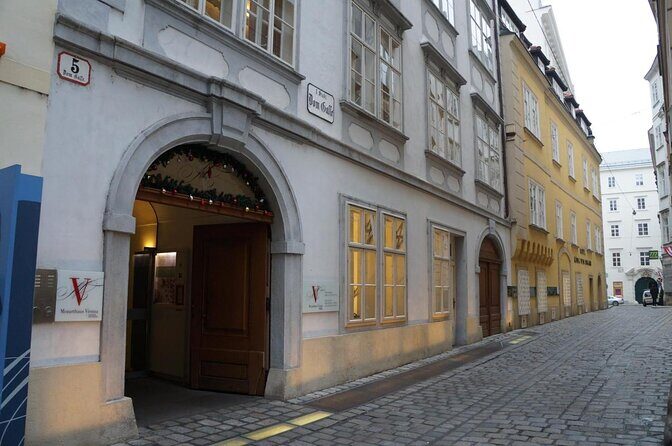
The tour starts at Mozarthaus Vienna (Wien Museum Mozart apartment), Domgasse 5, in the city center. That’s a great way to begin because Mozart is a natural entry point for Vienna: music, fame, and the way the city turned creativity into identity.
You finish at Vienna’s Opera area, at Herbert-von-Karajan-Platz (in front of the Opera). That ending point is practical. It’s central, easy to re-connect to public transit, and it puts you near several walkable evening options.
One more helpful detail: you’re given a Vienna city map plus a printed information package. For a short city break, printed notes are gold. You can mark places as you think of them, without draining your phone battery while you’re trying to find the next street.
Stop-by-Stop Highlights (and What Each One Really Gives You)
Mozarthaus Vienna: Mozart as Your Opening Key
You begin near a long-time residence tied to Mozart. This stop works as more than a quick photo moment. It sets a tone: Vienna isn’t only about palaces and emperors. It’s also about composers and the everyday proximity of great music to real neighborhoods.
If you’re the type who likes music history, this is a smooth start. And if you want a concert while you’re there, the guide can help you ask about ticket options in top venues in the city.
Wafer and Candy Time Near St. Stephen
Right after the Mozart start, you get a sweet break in spirit—at a central wafer spot near St. Stephen’s. It’s quick, but it’s fun because Vienna isn’t only museums. It’s snacks you can carry, flavors you can sample, and little stops that make the walk feel like a real day in town.
This is also a good point to stock up on something small before the walking gets heavier.

Stephansdom: Why Vienna’s Cathedral Became a Symbol
The cathedral of Saint Stephen dates back to the 11th century. On a fast tour, you don’t “cover” everything, but you do get the essentials: where it fits into Vienna’s story and why it remains one of the city’s anchor landmarks.
Practical tip: keep your eyes up and around. Even if you only spend a minute here, your guide helps you see the features that people photograph for good reason.
Pestsäule (Colonna Della Peste): A Baroque Reply to Plague
This is a high baroque memorial ordered by Emperor Leopold II as a gratitude-to-God response during the plague epidemic. It’s the kind of monument that becomes clearer once you know what it’s reacting to.
If you like history that explains the “why” behind a building, this stop is one of the better ones. It shows how religion, politics, and crisis can leave visible marks in the city center.
Peterskirche: Big Church Feel, Art-Gallery Inside
Peterskirche is described as a Roman Catholic church with an art-gallery vibe inside, rebuilt after the original structure was destroyed in the 16th century. Even from the outside, the story matters, because it explains why the architecture feels so distinctly “done up.”
If you pass churches only for their exteriors, this one is worth paying attention to—especially because the tour sets you up to understand what you’re looking at.
Coffee Culture at Julius Meinl: Vienna’s Daily Ritual
Next comes coffee culture, with a stop at Julius Meinl on Kohlmarkt street. Vienna has a reputation for coffee houses, but this is the moment where the tour explains how that culture took hold and why coffee became part of the city’s identity.
One of the strengths of this route is that it mixes serious landmarks with everyday ones. That’s how you stop seeing Vienna as just “historic stuff” and start seeing it as lived-in tradition.
St. Michael’s Church: Old Roots (12th Century)
You also pass St. Michael’s, which dates back from the 12th century. It’s a stop that works well on a walking itinerary because it gives you depth without demanding you sit through a long visit.
If you’ve ever felt overwhelmed by Vienna’s number of churches, this kind of quick context helps.
The Hofburg: Habsburg Life in One Place
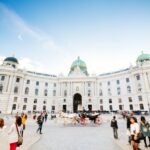
The Hofburg is the imperial heart, and the guide explains where notable figures lived (including Elisabeth, Franz, and Maria-Theresa). You hear what the palace started as, how life worked for people employed there, and the general rhythm of a 700-year ruling era.
This is where the tour earns its “first time in Vienna” reputation. The Hofburg can be overwhelming if you stroll in without context. With a guide, it becomes understandable as a system: power, family, work, and public image all tangled together.
Sisi Museum: Elisabeth’s Story in Focus
Connected to the Emperor’s Apartments, the Sisi Museum is devoted to Empress Elisabeth. This is framed as legend and story, brought alive through the guide’s storytelling style.
If you love historical personalities, this is a strong payoff stop. It turns a name you’ve heard into something you can picture.
Heldenplatz: Heroes Square and Palace Scale
At Heldenplatz, the focus is on the square’s role as an entrance to the Winter Palace and its surrounding museums, plus the scale of the big palace interior spaces like the grand ball room.
Even if you don’t go inside, Heldenplatz helps you understand how the city designed its public power.
Volksgarten and the “Garden of 1000 Roses”
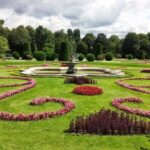
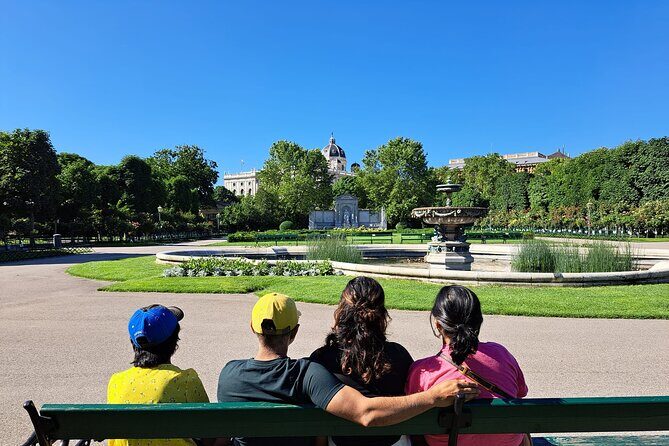
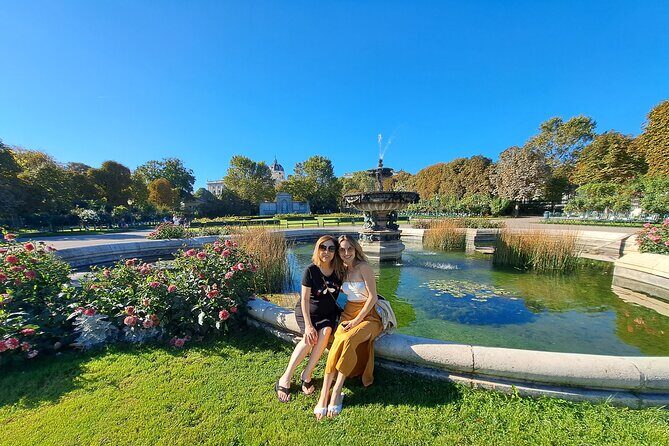
Volksgarten, created in 1821, is one of the best-preserved inner-city parks. It’s also known as the Garden of the 1000 roses. The guide also points out a Greek-style temple in the People’s garden, tied to Habsburg emperors’ historical affection for Greece.
This stop is a nice mental reset from architecture. It also helps you see Vienna as a city that blends monuments with outdoor breathing space.
Pallas-Athene-Brunnen: Meaning Behind the Sculpture
The fountain of Palace Athena sits in front of the Austrian Parliament. You learn what goddess Athens holds and what the imagery is meant to represent.
This is one of those details that makes a fountain feel like a lesson, not just a photo spot. You’ll likely spot more symbolism around the Ring afterward.
Rathaus and the City Hall Christmas Market
The tour also presents Vienna’s city hall, with its new-gothic architecture, and mentions how it hosts events throughout the year, including the largest Christmas market in Vienna.
This stop is useful even if you’re not traveling in December. It gives you a framework for when Vienna “shows off,” so you can plan your next trip around the season.
Burgtheater: Maria Theresa’s Royal Theater
At Burgtheater, you get context for its 17th-century origins under Empress Maria Theresa. It’s a reminder that Vienna’s culture wasn’t only “high art in palaces.” It also meant performance staged for the public sphere.
Café Landtmann: A Freud Favorite
The tour stops at Café Landtmann, known as Sigmund Freud’s favorite coffee house. This is coffee history with a personality.
If you enjoy the idea that big thinkers took breaks like everyone else, this is a fun stop. It also helps you choose where to sit later, when your legs need a rest.
Beethoven Pasqualatihaus: The Composer’s Residence as Museum
You pass Beethoven Pasqualatihaus, one of Beethoven’s residences later turned into a museum. Even as a pass-by, it gives you a thread to follow if you’re planning a deeper dive into music sites later.
Schottenkirche: 13th Century Church and Monastery
Schottenkirche (13th century) includes a monastery and museum. The stop ties into early church history in Vienna and gives you a quick visual payoff.
If you want to remember one “religious building with a backstory” from the walk, this is a strong candidate.
Palais Ferstel: Architecture + Passages for a Slow Moment
You pass Palais Ferstel, known for beautiful architecture and the fact that you can walk through a passageway to admire details and a fountain.
This stop works because it’s not only exterior viewing. It encourages you to slow down for a moment and look at the building like a lived-in city space.
Café Central and Demel: The Two-Temple Coffee Stop
You’ll stop near or at:
- Café Central, described as the most famous coffee house in a historic palais
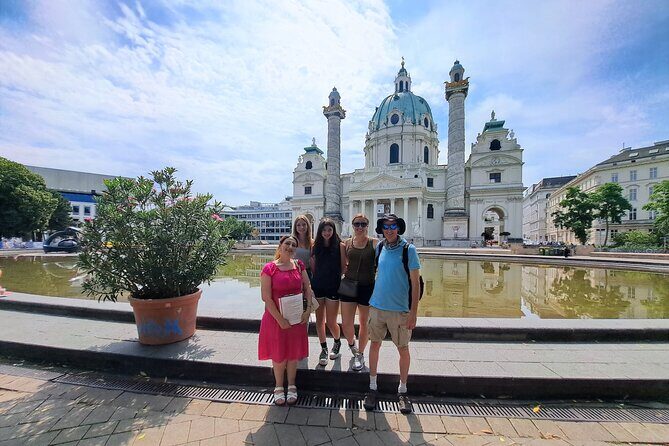
- Demel, a favorite cake shop of Empress Elisabeth, with standout chocolates, pancakes, and cakes
These are great for planning your own food timeline. After this tour, you’ll know which places feel like a “yes, do it today” versus a “save it for a quiet morning.”
Also, the tour’s extra coffee break (January–November) is built in, so you won’t just be walking and standing at every landmark.
Spanish Riding School: Maximilian’s Tradition and the Horses
The Spanish Riding School stop is about tradition that goes back to Emperor Maximilian and the importance of military presence, plus the school’s long training for exceptional horses.
This is one of those stops that adds depth beyond what most people see. It turns the building and horses into a story about identity, discipline, and continuity.
Augustinerkirche: Hearts of Emperors and Empresses
At Augustinerkirche, you learn about a small chapel with 50 hearts of Austrian emperors and empresses, kept since the 17th century.
This stop is brief, but it’s memorable. If you want something slightly unusual (in the best way), this is it.
Albertinaplatz: Winter Palace Edge and Jewish Memorial
Finally, you reach Albertinaplatz, tied to the Winter Palace area, the Albertina museum region, and a memorial for Vienna’s Jewish community. You also have the central tourist information office nearby, which is handy for grabbing more ideas after the walk.
Hotel Sacher and the Official Chocolate Story
You pass Hotel Sacher, described as the birthplace of the Sacher cake and the place to taste the original. Even if you don’t buy a slice immediately, this stop gives you a clear “where to go for the real thing” answer.
Wiener Staatsoper: The Opera Finish
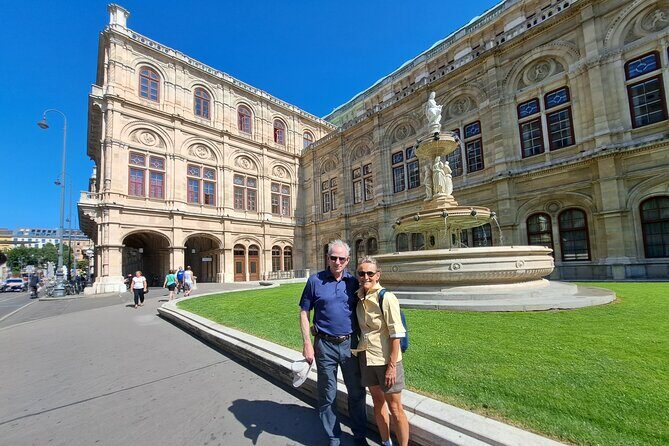
You end at Vienna’s Opera house, built in 1869 and on Ring street. Even if opera isn’t your thing, it’s a powerful ending: big, elegant, and unmistakably Vienna.
And because you finish here, you can turn the evening into something simple—dinner nearby, a late stroll on the Ring, or just people-watching outside a landmark everyone recognizes.
Group Size, Pace, and How to Get the Most From It
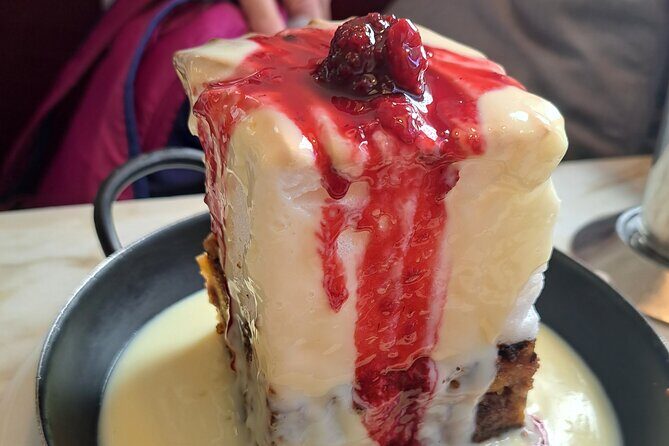
This is a maximum of 18 people, which usually means you’re not shouting over each other. Still, Vienna’s center gets crowded. If you’re sensitive to noise, choose a quieter departure time when possible and wear earbuds only when appropriate (your guide needs to be heard).
The pace is also worth understanding. Most stops are short, often five minutes. That makes the tour excellent for orientation, but it also means you’ll want a plan after the walk. Think: pick one or two things to revisit deeply—one museum, one church, one café—and let the rest be what you now recognize.
You also get help with practical decisions during the route. The tour is designed for first-timers and limited-time visitors, so you leave with suggestions for museums, venues, and coffee stops.
Coffee, Cake, and the Vienna Food Logic You’ll Actually Use
Vienna’s food culture is not only about famous pastries. It’s about where the culture happens: coffee houses that feel like social rooms.
This tour nudges you into that mindset in a smart order:
- Start with coffee culture context
- See where famous regulars like Freud liked to sit
- Taste your way through the idea of Vienna’s sweet identity (including Sacher)
The extra coffee break is a big deal because it turns the tour from a series of photos into a real break in the middle of walking. From January to November, you get that added 30-minute stop at a traditional coffee house.
Practical note: even when entrance fees aren’t included, food and coffee are a great value anchor. You can budget for one or two treats and still feel like you did something special.
Music, Palaces, and Churches: The Themes That Connect Everything
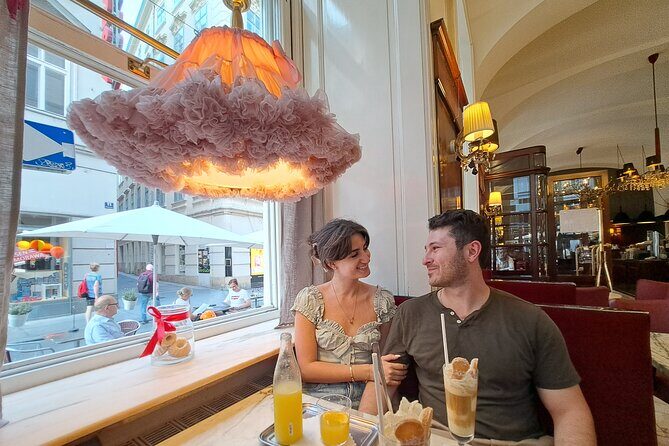
After a walk like this, what sticks isn’t just one building. It’s the way themes connect:
- Mozart and Beethoven anchor Vienna as a music city
- Hofburg and the Habsburg story frame why Vienna became the center of power
- Baroque churches and plague memorials show how religion shaped public space
- Coffee houses and pastry stops show how culture kept moving in daily life
This tour does well at giving you a “map in your head,” so later, when you’re reading signs or browsing museums, you understand what your time is likely to focus on.
What’s the One Thing You Might Want to Do Differently?
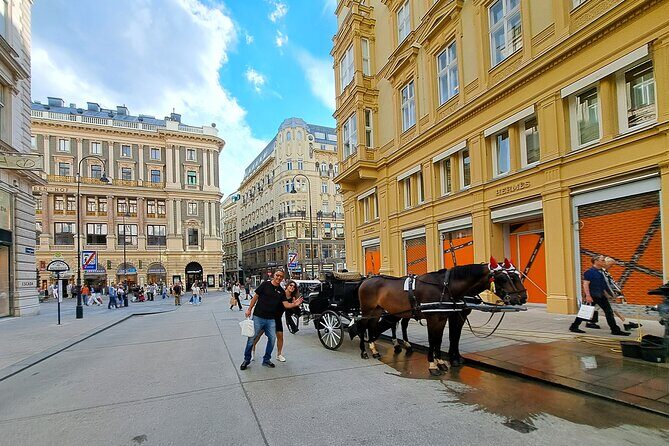
If you hate being rushed, you might find the short stop times challenging. Three hours with many sights is perfect for orientation. It’s less ideal for travelers who want long indoor visits at every stop.
Also, cobblestones can be uneven, so bring solid walking shoes. One review-style detail you should trust: the walk is described as an easy walking pace with no big hills, but street surfaces still deserve attention.
Should You Book This Vienna Walking Tour?
Book it if you want:
- A clear first-day overview of Vienna’s core sights
- A route that ends at the Opera and sets up your evening
- Help choosing what to revisit after you’ve seen the big picture
- Coffee culture, palace history, and music connections in one compact walk
Consider skipping (or pairing it with a slower day) if:
- You want lots of time inside museums during the same outing
- You struggle with a fast-moving schedule and frequent short stops
For many people, this tour hits the sweet spot: good bearings, smart context, and a walk that helps you fall in love with Vienna in a practical way.