REVIEW · VIENNA
“The Third Man” Film Location Tour
Book on GetYourGuide →Operated by Vienna Walks & Talks · Bookable on GetYourGuide
Walk Vienna like Harry Lime. This Third Man film location tour puts you on the original streets behind the dark post-war classic, with guides using supporting visuals to connect scenes to real corners. I especially like the way the tour explains the movie from conception to completion, not just a list of stops.
What I really enjoy is how the walk turns into a story about Vienna itself: post-war Vienna with ruined neighborhoods, allied forces, the black market, and spies from east and west. You’ll feel the city as more than a backdrop, and the guide’s movie talk stays tied to what you can actually see in front of you.
One consideration: the tour does not include a visit to the sewer system, and you’re still on cobblestones in the old center. If you’re planning tight timing or you’re not great on uneven pavement, give yourself a little extra buffer.
In This Review
- Key things I’d prioritize on this tour
- Following Harry Lime Through Vienna’s Inner Streets
- Meeting at U4 Stadtpark: Your Starting Point and First Impressions
- The Film’s Backstory: From Orson Welles to Carol Reed
- War Ruins, Occupied Vienna, and the Feeling of a Spy City
- Seeing Film Locations in Real Life Streets (Without the Myths)
- The Sewers, the Prater, and What You Should Plan Separately
- Price and Time: Is $30 for Two Hours Good Value?
- Who Should Book This Tour (and Who Might Skip It)
- Should You Book the Third Man Film Location Tour?
- FAQ
- How long is the Third Man Film Location Tour?
- Where do I meet for the tour?
- What does the tour cost?
- What languages are available with the live guide?
- Does the tour include a visit to the sewer system?
- What’s the weather plan?
Key things I’d prioritize on this tour
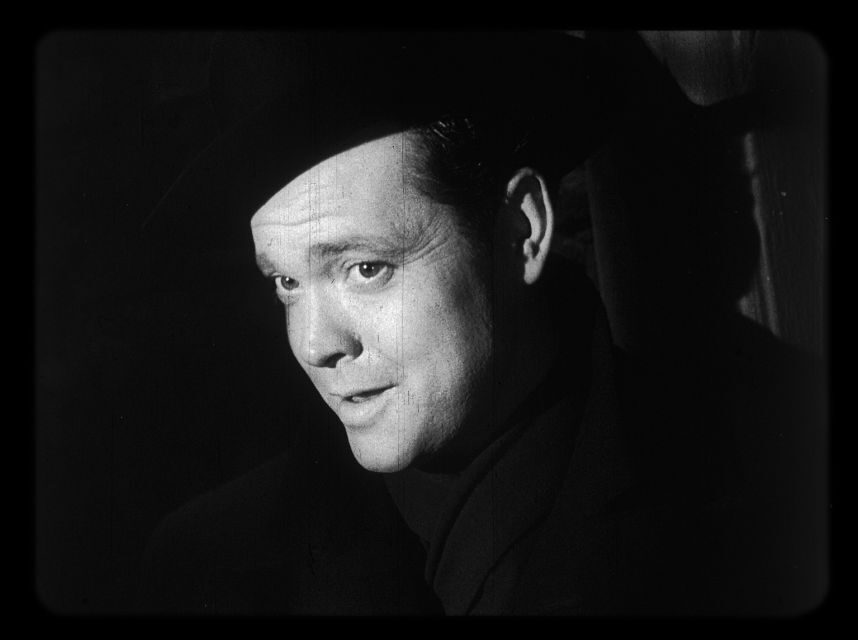
- State-certified guidance: You’re led by a certified guide who connects film craft with city history.
- Movie from script to screen: Expect the story of how the project came together, not only filming-site trivia.
- Post-war context on foot: War damage, occupations, black-market realities, and Cold War tension are part of the walk.
- Old-town walking route: The route focuses on central Vienna, largely in the historic core south of Stephansplatz.
- Film tricks you can spot: You’ll pick up terms and techniques like the Dutch Tilt and learn why they matter.
- No sewer visit: You’ll hear about it, but you won’t go down into the system.
Following Harry Lime Through Vienna’s Inner Streets
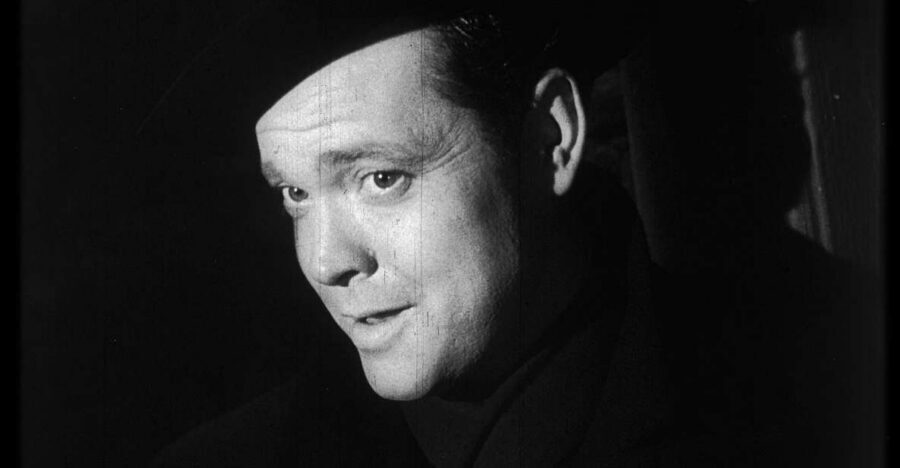
This tour works because it treats film as a way to read the city. Instead of moving from museum to museum, you walk the kind of streets where shadows feel believable, especially when the guide keeps tying what you see to what the camera wanted. The heart of the experience is the classic story of Harry Lime and the way director Carol Reed shaped Graham Greene’s screenplay into a film that still feels like Vienna.
You’re not only chasing movie locations. You’re learning how international forces and politics shaped what happened in the city after WWII, including the atmosphere of occupation and secrecy. That matters because The Third Man isn’t just a mystery plot. It’s also a snapshot of a divided city, where rumors and risk sit right next to everyday life.
I also like that it’s built for people who enjoy stories. The tour’s structure follows the film’s creation and places it on the map as you go, with illustrated pictures helping you connect scenes to corners you can stand in. It’s a smart approach: you don’t have to guess what the guide means, and you don’t need a film projector in your pocket.
You can also read our reviews of more tours and experiences in Vienna.

Meeting at U4 Stadtpark: Your Starting Point and First Impressions
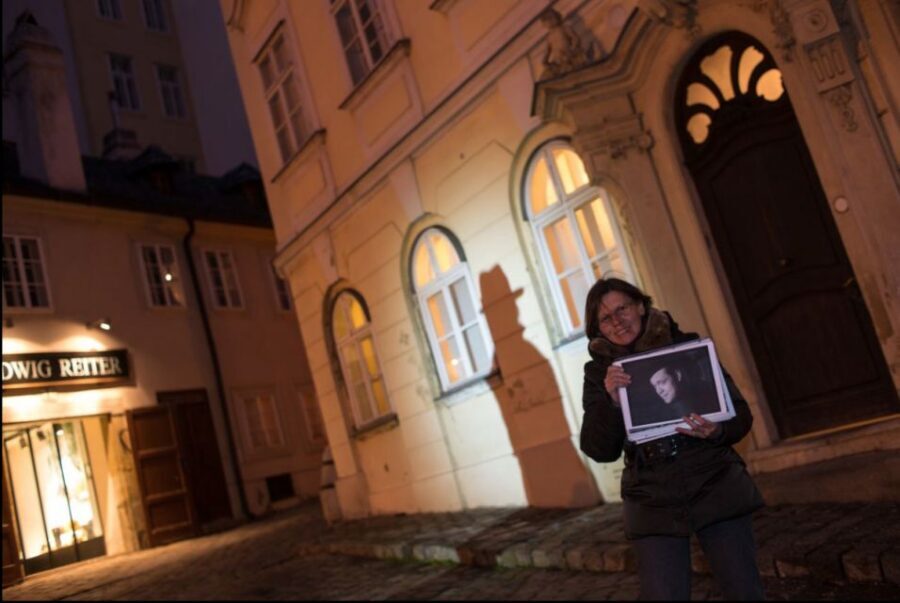
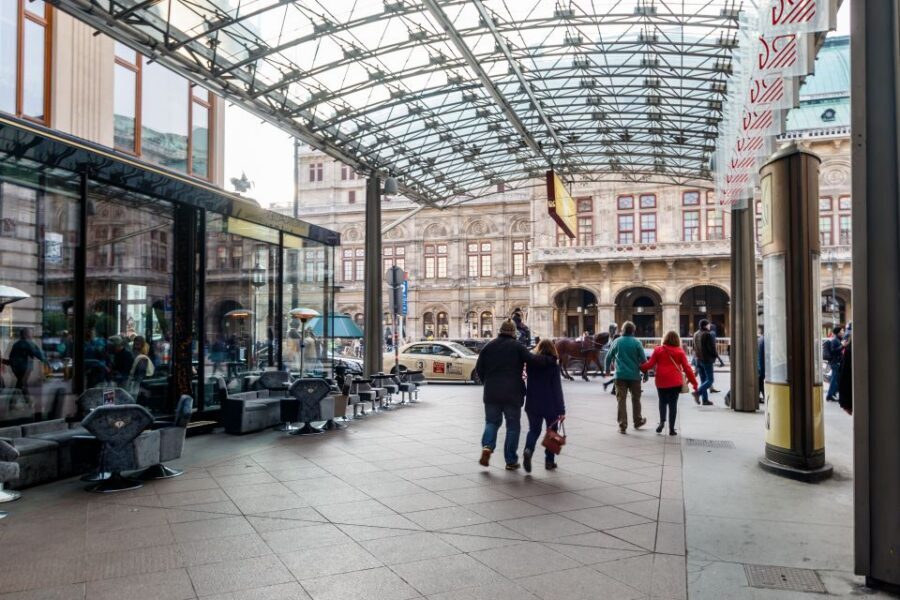
You start at U4 Station Stadtpark, exit Johannesgasse, in Vienna. That’s a convenient launch pad for getting into the historic core quickly, and it sets you up for an easy transition from modern transit to older streets.
In the first stretch, the tour typically builds context fast. Expect a quick framing of the film, the key character dynamics, and what the production was trying to achieve visually and emotionally. Then the guide begins linking those ideas to specific “you are here” points across Vienna’s old center.
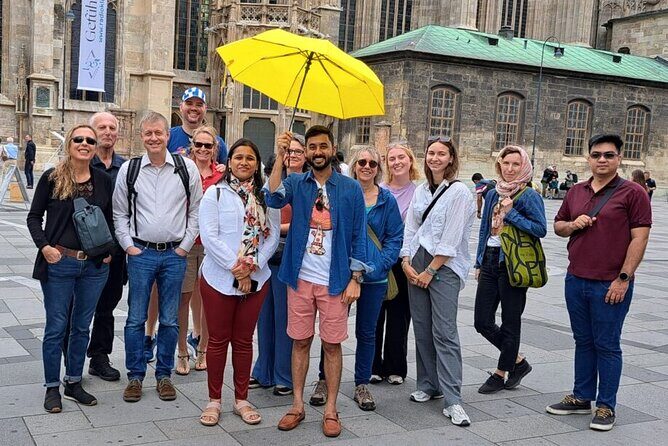
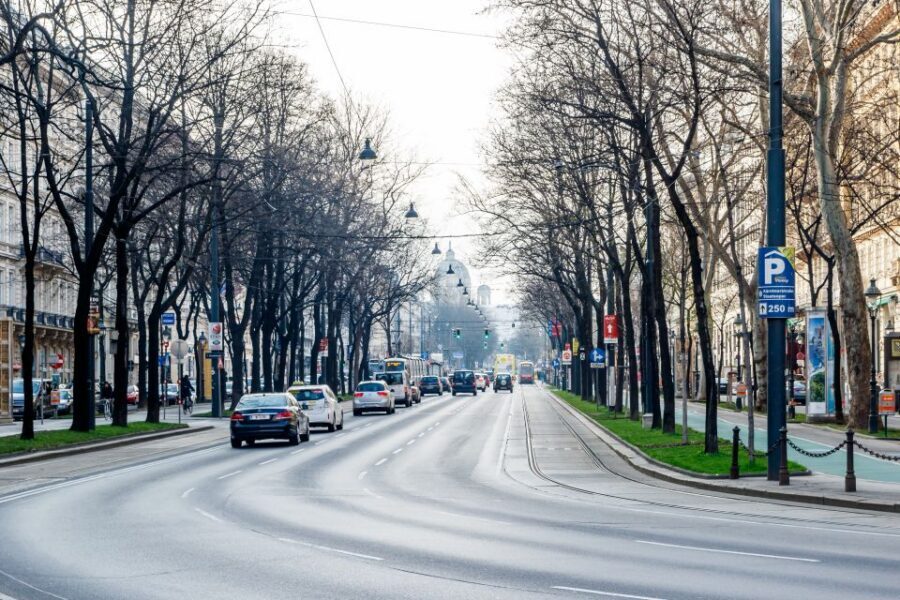
This is also where the walking style becomes clear. The route is in the inner city, with plenty of old cobbles and narrow ways that make it feel like you’re tracing a path the film crew could have taken. It’s not a long-distance trek, but you will be outside the whole time, so plan for rain or shine.
One practical tip: if you want the best experience, watch the film before you go (or at least refresh your memory of it). Even without that, you’ll still leave with a stronger sense of post-war Vienna, but the movie details land faster when you already know the story beats.
The Film’s Backstory: From Orson Welles to Carol Reed
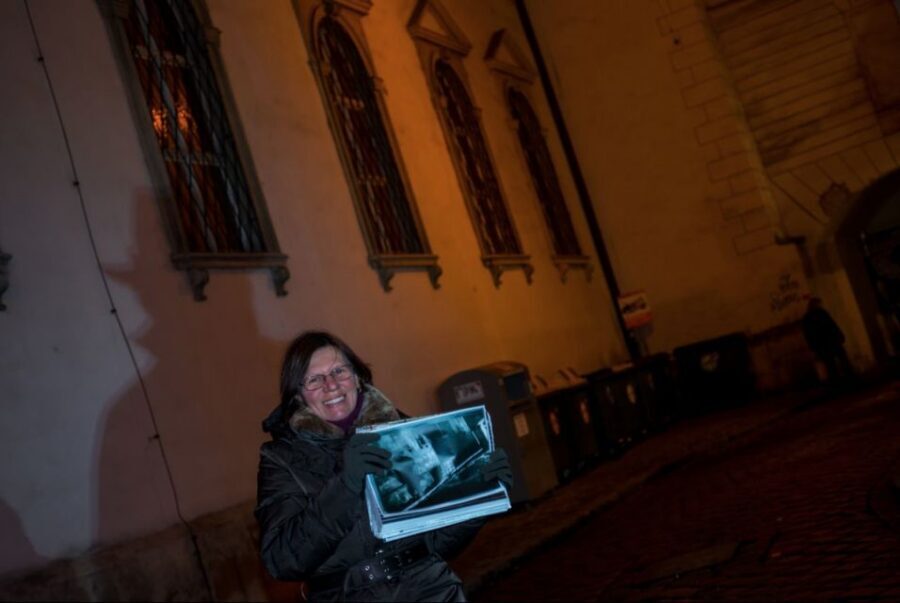
A standout part of this tour is how it explains the movie itself as a working project, from conception through completion. The Third Man began as Graham Greene’s screenplay, and director Carol Reed turned it into an artistic depiction of post-war Vienna. You’ll hear how the film’s international genesis fed the atmosphere, and how the production choices matched the world the story claims to live in.
Orson Welles shows up as part of the behind-the-scenes intrigue. You’ll learn about attempts to disrupt or undermine the project, which adds a layer of reality to the film’s themes of trust, deception, and shifting power. That’s one reason the tour feels lively: it doesn’t talk like a textbook. It treats the making of the film like a thriller you can walk through.
You’ll also get language and technique that helps you read the movie. One example that comes up often in this kind of filming-location storytelling is the Dutch Tilt, a visual trick that makes scenes feel tilted toward danger. When you understand the technique, you start noticing how the city’s angles and street geometry support the mood.
If you love cinema history, this is the part that keeps you engaged between stops. And if you’re more into urban history, it still works because the guide uses film craft as a bridge to explain what the city looked like during occupation.
War Ruins, Occupied Vienna, and the Feeling of a Spy City
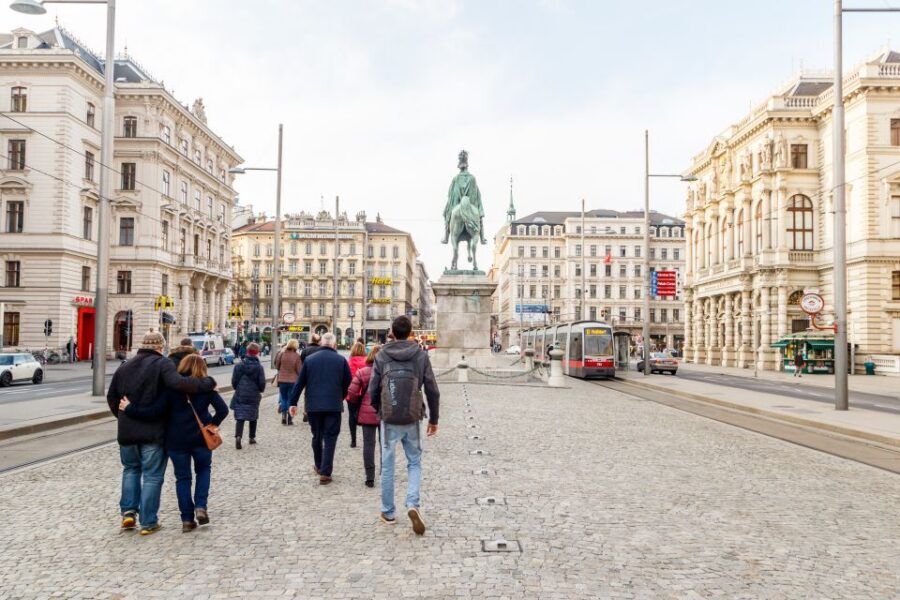
The tour’s most distinctive theme is the other Vienna. This isn’t the postcard version. It’s war ruins, allied forces, and the everyday tension of a divided city.
As you walk through the historic center, the guide keeps translating movie atmosphere into real historical conditions. You’ll hear about black-market survival and how occupation shaped behavior, which helps explain why so many scenes feel morally gray. Spies from east and west aren’t just a plot point here. They connect to the real paranoia that came with post-war power struggles.
This is valuable for you because it stops the tour from becoming mere sightseeing. You start to understand why filming locations mattered beyond aesthetics. A street isn’t just a street when the story is about control—who watches whom, where goods move, and how quickly danger can shift sides.
It also makes the walk more than two hours of trivia. You come away with a stronger mental map of Vienna as a Cold War city in transition, right when the continent was being reshaped. That’s the kind of context that makes the film feel even more grounded when you watch it again later.
Seeing Film Locations in Real Life Streets (Without the Myths)
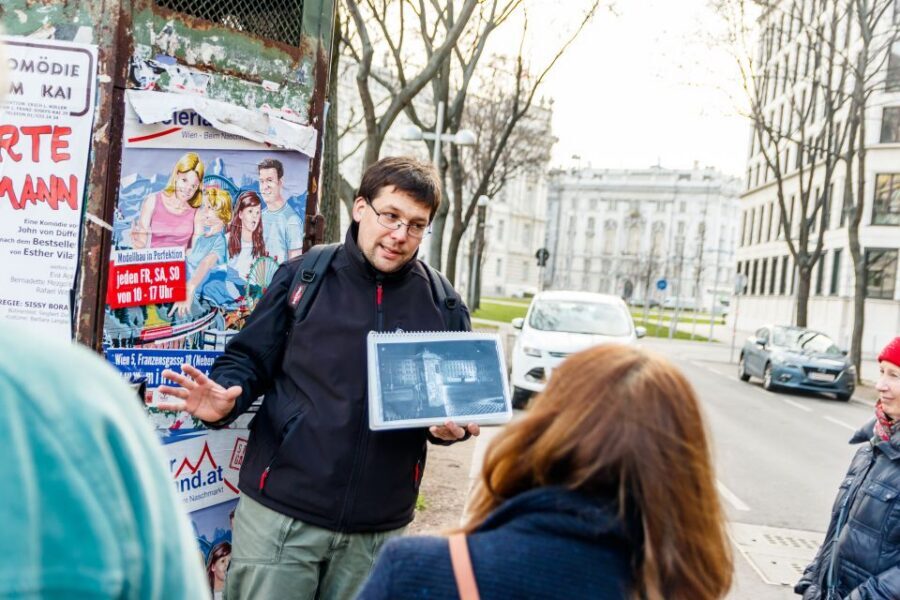
The Third Man location magic works because many of the filming streets still exist. So the tour doesn’t just point and move on. You’re encouraged to compare what you see on screen with what’s still here—or what’s been altered over decades.
Expect the guide to use illustrated pictures at points along the route to help you line up scenes with street corners. That matters because the movie’s framing is selective. A skyline angle in the film can make a location look different from how it feels on foot. When you get the context, you understand how cinema uses perspective to create mood.
You’ll also learn about film myths and what was faked. A major one: the tour does not include a sewer system visit, and discussions about the sewers are treated as part of the production story rather than as an underground attraction. That keeps expectations realistic and keeps the tour focused on the streets that are actually part of Vienna’s old center experience.
Here’s the practical benefit for you: you’ll leave with a toolkit for noticing film-making choices in any city. You’ll see why directors pick certain angles, how light and street width affect tension, and how small shifts in position change the mood of a scene.




The Sewers, the Prater, and What You Should Plan Separately
The tour’s scope has clear boundaries. It does not include a visit to the sewer system. Also, some major sights tied to Vienna pop culture—like the Prater wheel and a cemetery stop associated with the film-adjacent route—are not included in the time window.
So if you’re hoping for a full “everything The Third Man” day, you’ll want to plan extra time. A good approach is to treat this tour as your cinema-and-Cold-War walking backbone, then add a second activity afterward for the rest of your Vienna wish list.
That might sound like a drawback, but it actually protects the quality of the experience. You’re not getting rushed off to far-flung stops, and you stay in the center where the film’s mood fits best. It’s also easier on your schedule: you can pair this with other inner-city sights without turning the day into constant transit.
One more thing: because it runs rain or shine, don’t count on perfect weather to make the walk pleasant. Bring what you need for wet streets and keep your shoes supportive for uneven cobblestones.
Price and Time: Is $30 for Two Hours Good Value?
At $30 per person for a 2-hour guided walk, you’re paying for one thing above all: a specialized guide who connects film locations to historical reality. That’s not the same as a generic “Vienna old town” tour where movies show up briefly, if at all.
What makes this value feel real is the content density. You’re not just told where to stand; you’re taught why the streets, ruins, occupation backdrop, and production decisions mattered. The guide covers the film’s origin and making, then carries that story into what Vienna looked like right after the war.
Also, the meeting point in the inner area makes it easier to slot into a day. You’re not forced into a half-day commitment with lots of transit time. And since you’re out on foot, it’s the kind of experience that turns into something you remember when you’re walking around on your own later.
If you have limited time in Vienna and you care about film, Cold War history, or just getting a smarter take on the city, this is a strong use of your hours.
Who Should Book This Tour (and Who Might Skip It)
This is a great fit if you’re:
- a film fan who likes seeing movies explained through real places
- interested in post-WWII Vienna and the Cold War atmosphere
- the kind of traveler who enjoys walking with a narrative instead of checking off landmarks
You don’t strictly need to have memorized every scene to enjoy it. If you’re new to The Third Man, you’ll still get a solid city-historic walk. But your experience will likely click faster if you’ve seen the film once before.
If you’re expecting a theme park style attraction underground or a long list of major far-away landmarks, adjust your expectations. This tour is a focused old-town experience. It’s built for storytelling, not box-checking.
Finally, if you’re very sensitive to uneven pavement or you’re traveling with tight mobility limits, keep the cobblestone reality in mind. It’s central Vienna, so the surfaces can be challenging.
Should You Book the Third Man Film Location Tour?
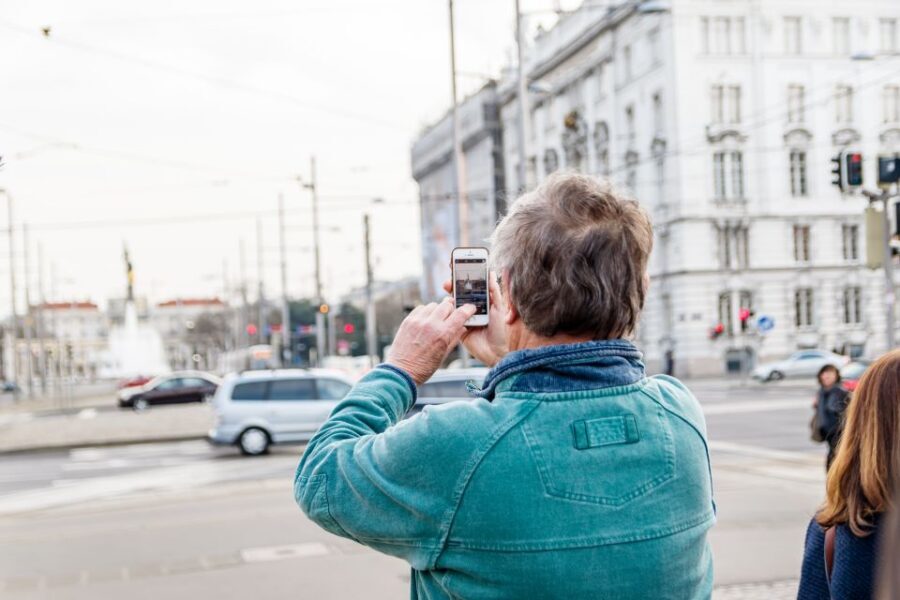
Yes, if you want Vienna with a storyline attached. This tour is one of the better ways to connect a famous film to the real mechanics of a city in a tense historical moment. You’ll walk through the inner streets where the mood makes sense, and you’ll learn how the film’s creation ties into the city’s occupation-era reality.
Book it if you like guided walks that explain context, not just locations. The guide-led focus on the film’s making, plus the post-war political and social backdrop, is the reason the experience feels more satisfying than a quick movie-themed stroll.
Skip it only if you mainly want a checklist of top sights and you don’t care about film history or post-war Vienna context. In that case, you’ll likely feel like you’re walking with a niche theme instead of a broad sightseeing plan.
FAQ
How long is the Third Man Film Location Tour?
The tour lasts 2 hours.
Where do I meet for the tour?
Meet at U4 Station Stadtpark, exit Johannesgasse, Vienna.
What does the tour cost?
It costs $30 per person.
What languages are available with the live guide?
The live tour guide offers German and English.
Does the tour include a visit to the sewer system?
No. The tour does not include a visit to the sewer system.
What’s the weather plan?
The tour runs rain or shine.