REVIEW · VIENNA
Vienna: City Center Guided Walking Tour
Book on GetYourGuide →Operated by Schärf Baltikum Reisen e.U · Bookable on GetYourGuide
Vienna’s imperial sights make your feet earn it. This small-group city-center walk ties together palaces, music history, and coffee-house culture in one tight loop, with a licensed local guide and headsets so you don’t miss the details. I especially like how the route moves from major monuments to quieter garden corners, so it feels more like a guided walk than a museum stampede.
Two things I really enjoyed: the chance to see Hofburg Palace and the Spanish Riding School area through clear stories, and the built-in focus on Vienna’s food-and-drink legends, including where people associate with the Sacher torte. One thing to keep in mind: it’s about 150 minutes of moderate walking, and it’s not suitable for people with mobility impairments.
In This Review
- Key highlights worth showing up for
- Starting at Maria-Theresien-Platz: how the tour sets you up
- Ring Road to Volksgarten roses: Vienna’s center, on foot
- Hofburg and Burggarten: where the Habsburg story lives
- Augustinerkirche and imperial weddings: religion, power, and drama
- Spanish Riding School and Lipizzaner heritage: elegance on display
- Beethoven’s Eroica connection: State Opera area and Lobkowitz Palace
- Coffee-house culture and Hotel Sacher: the sweet end of empire
- Ending near St. Stephen’s Cathedral: what to do after
- Price and value: why $74 can make sense
- Pace, comfort, and weather: the part you should plan for
- Who this walking tour is best for
- Should you book this Vienna City Center Guided Walking Tour?
- FAQ
- How long is the Vienna city center guided walking tour?
- What is the meeting point for the tour?
- What nearby public transportation can I use?
- What’s included in the price?
- Are entrance fees included?
- What language is the tour conducted in?
- Is the tour offered in all weather?
- How big is the group?
- Are luggage or large bags allowed?
- Is the tour suitable for people with mobility impairments?
Key highlights worth showing up for
- Small group (up to 15) plus headsets, which makes a 2.5-hour walk actually listenable
- Ring Road sights and a structured path that helps first-time visitors get their bearings fast
- Hofburg and Burggarten stops that explain how the Habsburgs shaped daily life
- Augustinerkirche stories, including the connection to Napoleon and Princess Marie Louise
- Spanish Riding School area viewing tied to Lipizzaner heritage
- Hotel Sacher and Graben for the city’s sweet side and classic shopping street energy
Starting at Maria-Theresien-Platz: how the tour sets you up
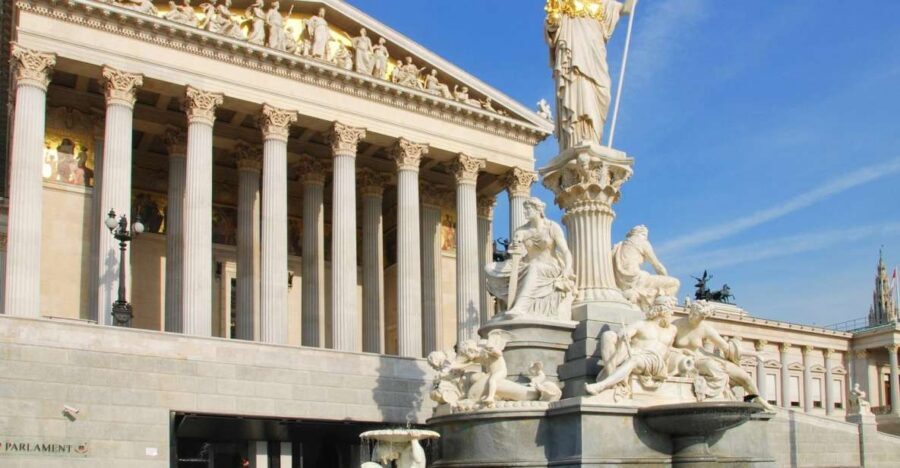
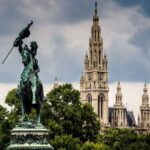
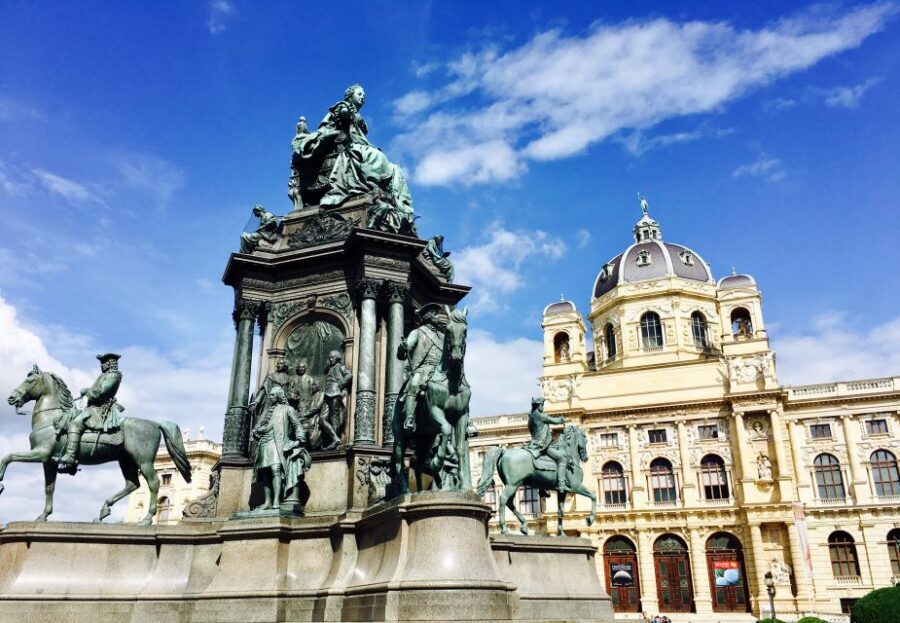
The tour begins at Maria-Theresien-Platz, right by the statue of Empress Maria Theresa. It’s between the Kunsthistorisches Museum and the Naturhistorisches Museum, and your guide will be holding a green sign that says Vienna City Walking Tour.
This start matters. Maria-Theresien-Platz sits at the right edge of the inner-city center, so you get a smart first look at where things connect. If you’re arriving by public transport, the nearest metro is U3 at Station Volkstheater. Tram stops around Burgring (D, 1, 2, and 71) are also close, which is handy if you’re hopping around Vienna on the fly.
Before you go, pack light. Luggage or large bags aren’t allowed, and unaccompanied minors aren’t permitted. Wear shoes you can walk in for a solid stretch, because this is a city-center route with no “sit down and wait” moments.
You can also read our reviews of more walking tours in Vienna

Ring Road to Volksgarten roses: Vienna’s center, on foot
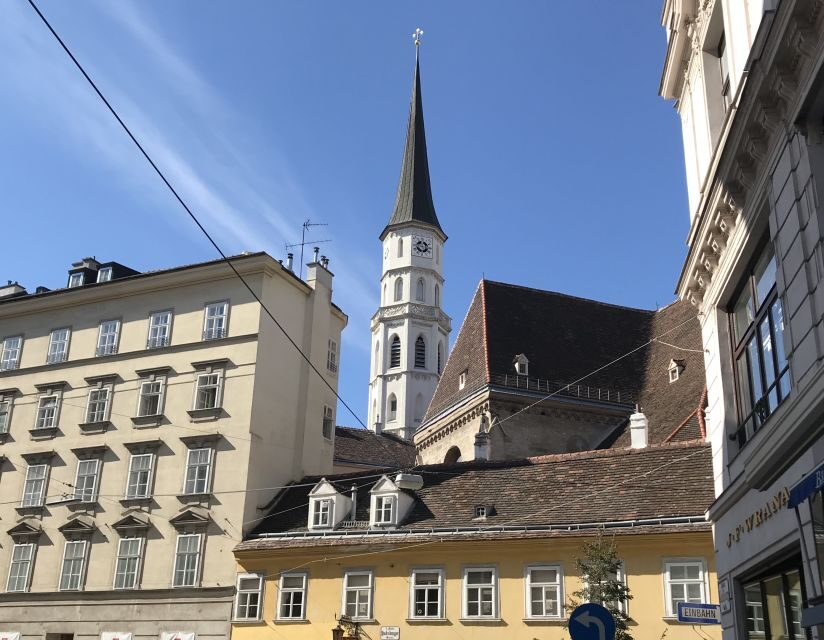
After meeting the guide, you head out toward the Ring Road—the great loop that frames much of Vienna’s most famous imperial-era scenery. This is one of those places where the city feels planned and theatrical at the same time. From the street level, you can actually see how Vienna’s power and style sit side by side.
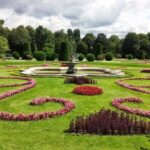
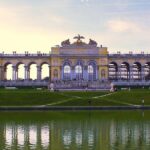
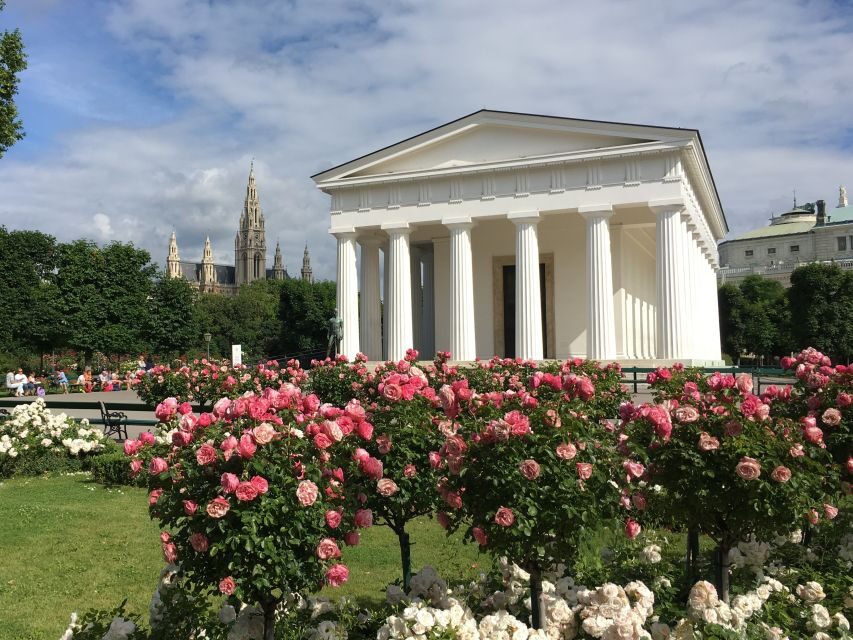
Then comes Volksgarten, with its rose garden. Even if you’re not there in peak bloom, it’s a good change of pace: green space right in the middle of all that stone and ceremony. The tone shifts again as you continue toward Heroes Square, which brings you back to the monuments and grand public space feeling Vienna does so well.
The practical value here is simple. You’re not just collecting photos. You’re building a mental map: where the gardens interrupt the grand avenues, and where the major imperial buildings line up as you walk.
Hofburg and Burggarten: where the Habsburg story lives
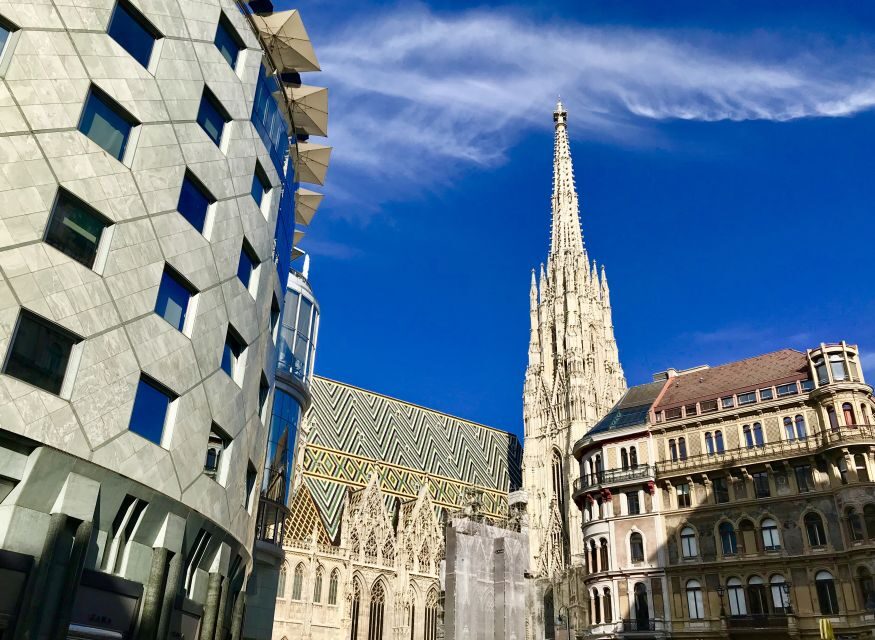
Next you’ll admire the imperial residence area of Hofburg Palace, where the Habsburg family ruled. Hofburg isn’t just one building. It’s a whole complex that helped define the rhythm of court life, power, and ceremony for centuries. Having a local guide keep the story straight helps a lot, because the palace area can feel overwhelming if you’re reading it solo.
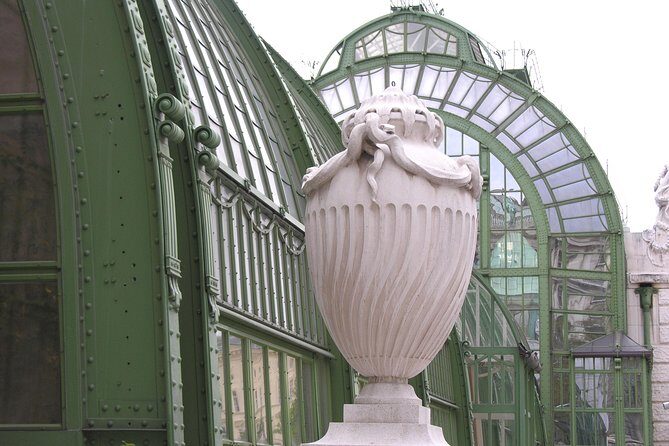
From there, the tour moves into the Burggarten area. You’ll hear stories about the Habsburgs and see the emperor’s private garden, plus the former butterfly house. This is a smart contrast to the big monuments: less spectacle, more atmosphere. It’s the kind of stop that makes Vienna feel human, even with all the imperial weight in the room.
One nice thing about this part of the route is that it doesn’t treat every stop like the same type of photo op. You get palace power, then private garden calm, and then back out toward the next historic anchor.
Augustinerkirche and imperial weddings: religion, power, and drama
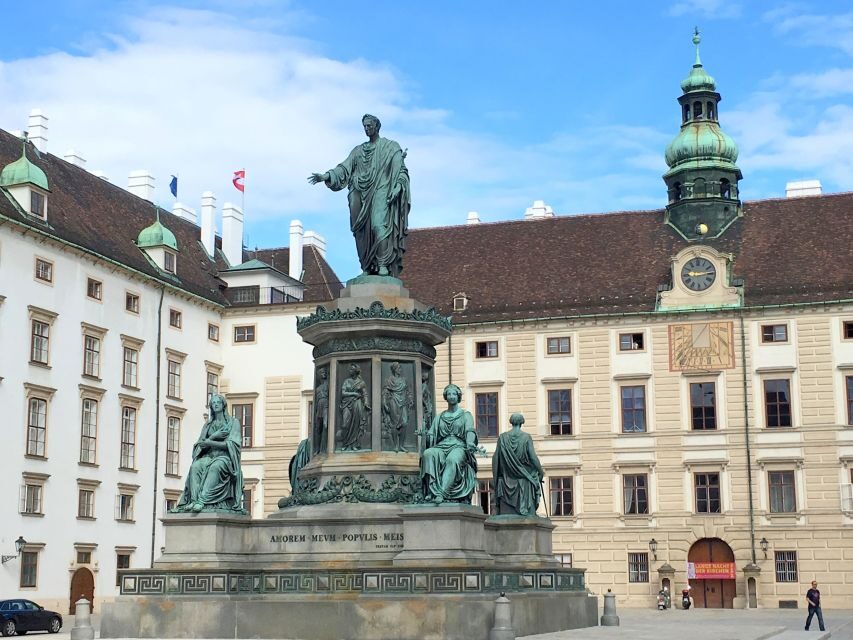
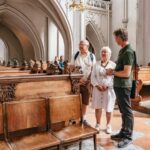
The tour continues to the Augustinerkirche, where many imperial weddings took place. This church stop is a good reminder that imperial history wasn’t just about uniforms and buildings. It was also about alliances, marriages, and ceremonies that shaped politics.
It also includes a major historical connection: Napoleon married Princess Marie Louise here. Even if you don’t know the whole story of that period, you’ll leave with a clearer sense of why this church mattered to European power plays.
The main consideration here is timing and pace. You’re moving through the center on a schedule, so you might not get long to linger at the precise spot that catches your eye most. If you want extra time for photos, position yourself early when your guide calls the best angles.
Spanish Riding School and Lipizzaner heritage: elegance on display
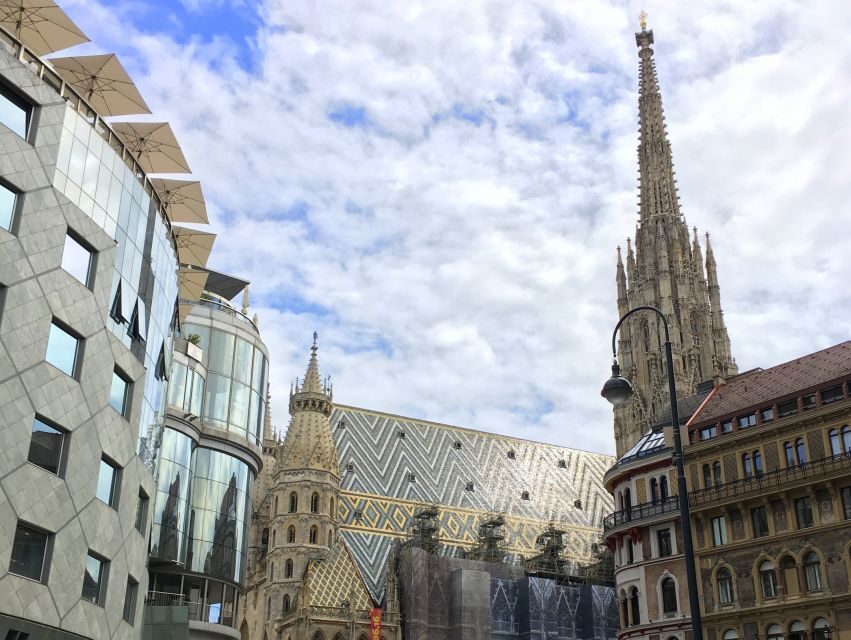
One of the best-known stops is the Spanish Riding School area, home to the Lipizzaner horses. You’ll see where that legendary tradition lives, and you’ll get context tied to the imperial image Vienna built around riding, discipline, and style.
This is a great stop if you’re curious about how “Vienna elegance” isn’t just architecture. It’s also performance culture, training, and heritage.
A quick reality check: you’re viewing the area as part of a walk, not automatically getting full access to everything inside. Entrance fees aren’t included on this tour, so if you’re aiming to go into specific venues, plan for that separately.
You can also read our reviews of more guided tours in Vienna

Beethoven’s Eroica connection: State Opera area and Lobkowitz Palace
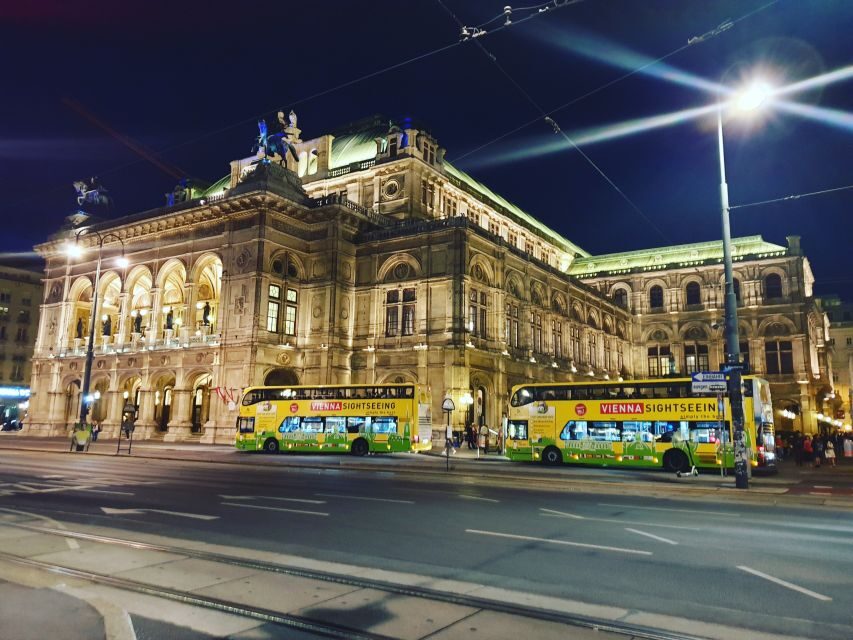
Next you’ll see the Vienna State Opera House and Lobkowitz Palace, where Beethoven first conducted his Eroica symphony. This is one of those history beats that lands because it connects a global composer to a specific Vienna location.
The effect is better than just hearing a trivia fact. It gives your ears and your eyes something to hold onto: the grandeur of the opera area and the real-world place where something major in music history got its first performance life.
Again, the tour doesn’t promise entry into every building. But even from the sidewalk perspective, it’s a useful way to orient yourself if you plan to return later for a concert, a guided visit, or simply to compare what you see with what you heard about.
Coffee-house culture and Hotel Sacher: the sweet end of empire
Vienna isn’t complete without coffee-house time, and this tour builds that in. You’ll pass legendary coffee houses, including Hotel Sacher, where the famous sacher torte is still served.
This is more than a dessert detour. It’s a window into how Vienna’s social life works. Coffee houses are places where people slow down, talk, and linger. Even if you don’t stop for a slice, passing by these sites gives you a sense of where that culture comes from and why it matters.
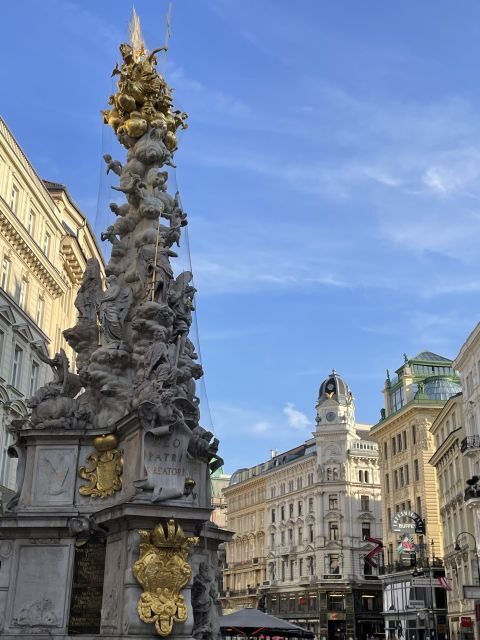
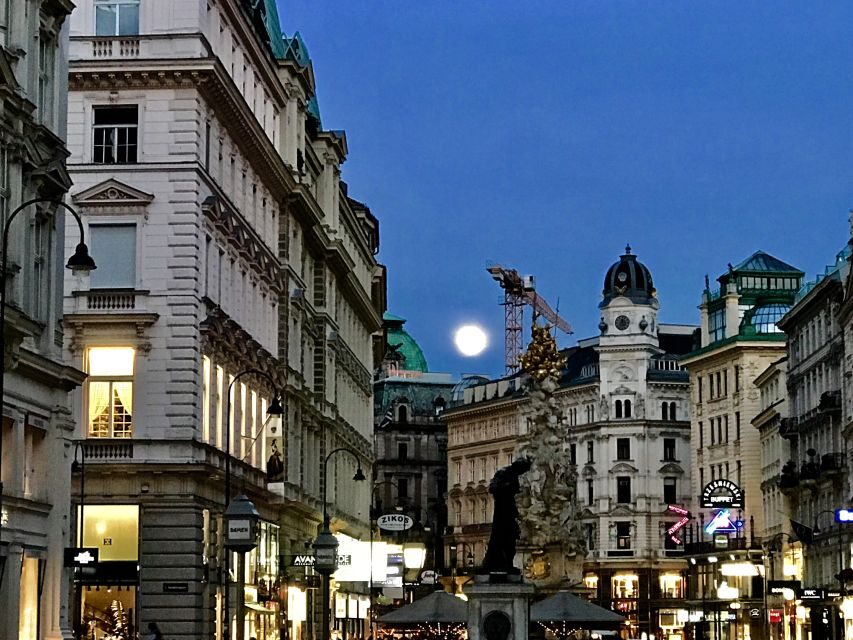
The tour also heads to Graben, an elegant shopping street. It’s a good transition from history to present-day Vienna. You’ll feel the city shift from “imperial past” to “today’s streets,” and that makes it easier to decide what to do next after the walk ends.
Ending near St. Stephen’s Cathedral: what to do after
The tour ends next to St. Stephen’s Cathedral. This is a smart finish because it’s one of the strongest landmarks in the center and a convenient place to branch out from.
If you want to keep the day going, think of the tour as your orientation phase. You now know the imperial ring-and-palace zone, the church anchor points, the opera-area corridor, and the coffee-house/shopping direction. From there, you can pick a second act: more walking, a sit-down coffee, or adding one paid attraction you specifically care about.
Price and value: why $74 can make sense
At $74 per person for about 150 minutes, this isn’t a “cheap and cheerful” throwaway. But it is priced like a guided experience that gives you real coverage in the city center.
Here’s the value math I’d use:
- You’re paying for a licensed local guide who connects the dots between buildings and events.
- You’re getting headsets, which is a big deal in a walking tour. It reduces the frustration of crowd noise and wind cutting off the explanation.
- You’re seeing a stack of major locations in a tight loop: Hofburg Palace area, Burggarten, Augustinerkirche, Spanish Riding School area, State Opera area, Hotel Sacher area, Graben, and finally St. Stephen’s Cathedral.
Entrance fees are not included, so if you plan to go inside multiple sites, you’ll want to budget separately. If your goal is an orientation tour plus strong stories at street level, the guide-led format can be worth every euro.
If you’re the type who likes architecture, music history, or imperial-era connections, this price starts to feel reasonable fast. If you only want broad photo stops and you don’t care about the stories, you might prefer free self-guided walking. But for first-timers who want structure, this is a practical way to start.
Pace, comfort, and weather: the part you should plan for
This is a small-group tour of no more than 15 people, and it involves a moderate amount of walking. That group size helps. You don’t get swallowed by crowds, and you can hear explanations through the headsets without constantly turning into traffic or weaving through strangers.
The tour takes place in every weather condition. Dress appropriately. In winter, it can be colder than expected among tall buildings in the city, so don’t assume “it’s sunny, so I’m fine.” Plan for wind and temperature swings.
The guide approach can also matter in how comfortable you feel day to day. In past experiences, guides like Dace have balanced history with humor and kept the mood light, and Alex has been careful about practical comfort like staying in shade and helping the group refill water bottles. Even if your guide differs, you’ll want to follow their lead on breaks and shade cues.
Who this walking tour is best for
This tour is a strong fit if you:
- Are visiting Vienna for the first time and want a clear city-center orientation
- Like palace and imperial stories tied to specific places
- Want both architecture and culture, including music history and coffee-house stops
- Prefer a small group with headsets over wandering alone with a map
It’s not the right fit if you have mobility impairments, because it isn’t suitable for that. Also, it has rules around luggage and unaccompanied minors, so plan accordingly.
Should you book this Vienna City Center Guided Walking Tour?
I think this is worth booking if you want a guided “Vienna starter pack” with real context. You get major landmarks, a smooth arc through the imperial core, and story-driven stops that make names like Hofburg, Augustinerkirche, and Lobkowitz Palace mean something. The headsets and small-group size help a lot, especially if you’re trying to stay attentive while walking.
Skip it if you hate walking, need full accessibility support, or only want to chase interiors and ticketed attractions. In that case, you might do better with a different kind of tour that focuses on fewer sites, longer dwell time, or specific museum entrances.
If you’re trying to decide between scrambling on your own and getting a structured introduction, this is the kind of guided walk that helps your whole trip click into place.
FAQ
How long is the Vienna city center guided walking tour?
The tour lasts 150 minutes, which is about 2.5 hours.
What is the meeting point for the tour?
Meet your guide by the statue of Empress Maria Theresa on Maria-Theresien-Platz, on the side facing away from the statue. Your guide holds a green Vienna City Walking Tour sign.
What nearby public transportation can I use?
The nearest metro station is Station Volkstheater (line U3). The nearest tram stops are Burgring (numbers D, 1, 2, and 71).
What’s included in the price?
The tour includes a licensed local guide and headsets to hear the tour guide clearly.
Are entrance fees included?
No. Entrance fees are not included.
What language is the tour conducted in?
The live tour guide speaks English.
Is the tour offered in all weather?
Yes, the tour takes place in every weather condition, so you’ll want to dress appropriately.
How big is the group?
This is a small group tour with no more than 15 people.
Are luggage or large bags allowed?
No. Luggage or large bags are not allowed.
Is the tour suitable for people with mobility impairments?
No, the tour is not suitable for people with mobility impairments.