REVIEW · VIENNA
Vienna: Mozart and Strauss Concert at Schönbrunn
Book on GetYourGuide →Operated by Palace Concerts Schoenbrunn · Bookable on GetYourGuide
Mozart sounds different under Schönbrunn’s glass-and-stone roof. I love the UNESCO Schönbrunn setting and the tight 105-minute format, with hall doors at 8:00 p.m. and music starting at 8:30. You get a classic Vienna mix: a Mozart program paired with Johann Strauss, plus a soprano and a baritone.
I also like how the VIP upgrade is built around convenience: VIP priority entry to the hall and bar, along with a welcome drink and a free coat check. One drawback to consider: the extra VIP perks don’t automatically mean better music or better sound—if you’re cost-sensitive, you may prefer standard seating.
In This Review
- Quick highlights you’ll care about
- Why the Orangerie at Schönbrunn fits Mozart and Strauss
- The 8:00 to 10:15 evening plan (and how to use it)
- What you actually hear: Mozart, Strauss, and operatic singing
- Seating and VIP: when the upgrade is worth it
- Getting to Schönbrunn at night: metro, taxis, parking
- Meeting point clarity: where you should go first
- Intermission breaks: bar and Orangery garden
- The small details that shape the night
- Who should book this Mozart and Strauss concert?
- Should you book the Mozart and Strauss concert at Schönbrunn?
- FAQ
- How long is the concert?
- What time does the concert start?
- Where do I meet for the concert?
- Is transportation included in the price?
- What’s included with VIP tickets?
- Can I visit the Orangery garden during intermission?
- When can I pick up my ticket?
Quick highlights you’ll care about
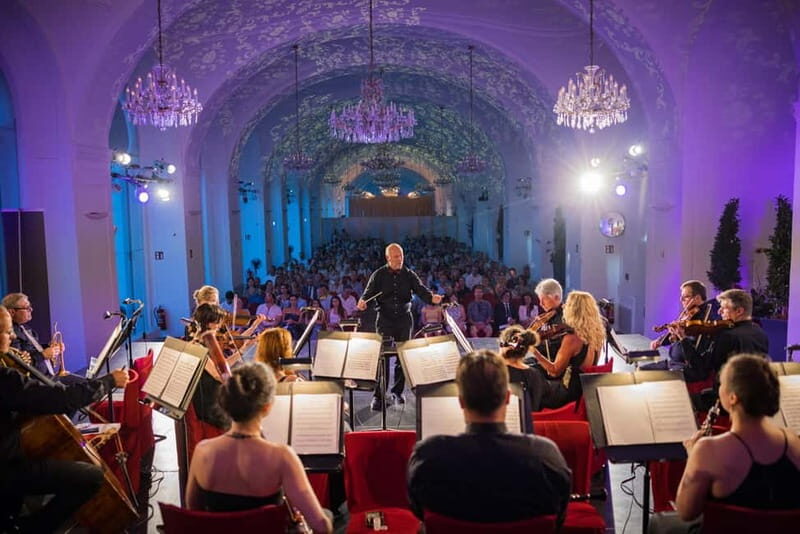
- Orangerie Schönbrunn concert hall: classical music in the palace complex at a UNESCO site
- Two opera voices (soprano + baritone): not just instrumentals, but sung pieces too
- Mozart and Johann Strauss focus: familiar hits plus the kind of variety you want on a first Vienna night
- VIP priority flow: skip the line to the hall and concert bar, plus drinks and sparkling wine
- Intermission options: bar, and the Orangery garden during warmer seasons
- Simple timing: admission at 8:00, start at 8:30, end around 10:15
Why the Orangerie at Schönbrunn fits Mozart and Strauss
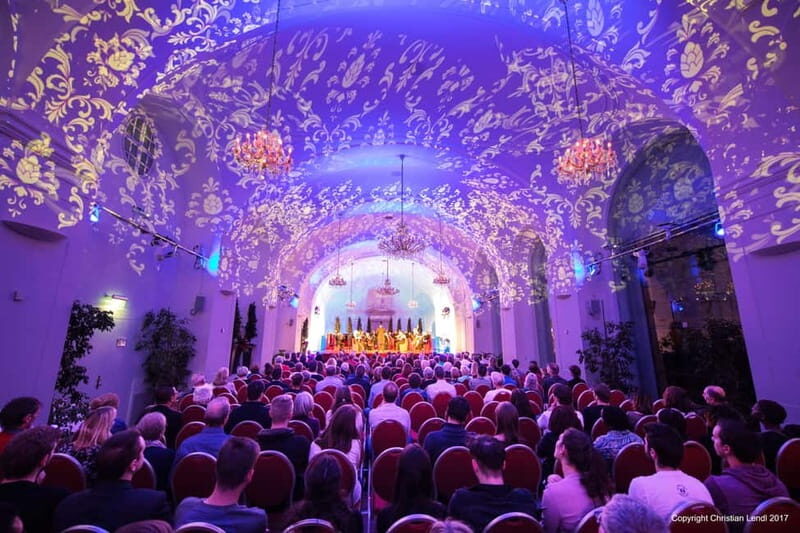
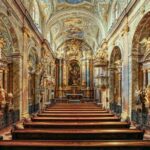
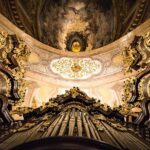
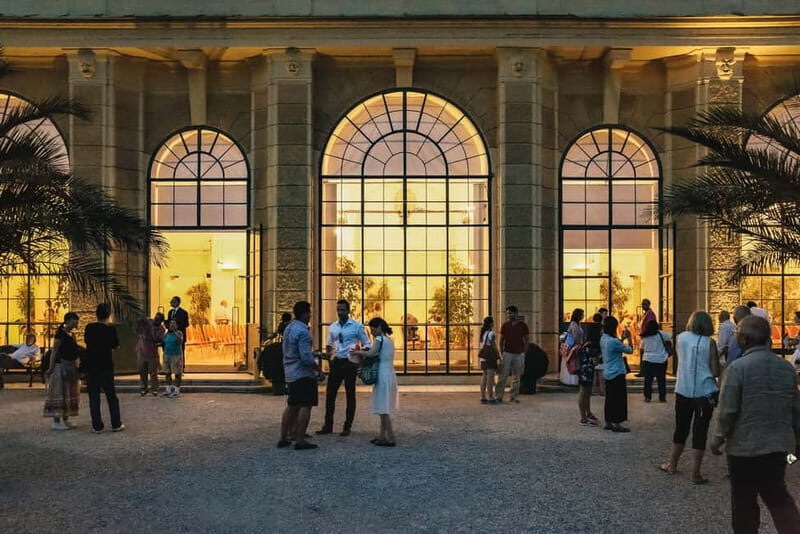
Vienna does palaces well, but Schönbrunn adds a special twist: you’re not just looking at an impressive building, you’re sitting inside a space designed to host music in a palace setting. The concert takes place in the Orangerie within the Schönbrunn Palace area, a UNESCO World Heritage site. That matters because the room is part of the story. It’s the kind of place where the music feels connected to the city’s courtly tradition, not like a random night out.
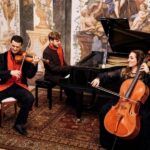
This specific program theme also helps. You’re hearing W.A. Mozart and Johann Strauss, paired in one evening. That’s smart if you want an easy introduction to Vienna’s sound—Mozart is all structure and elegance, while Strauss is more dance-ready and immediately likable. The inclusion of a soprano and baritone gives you the full spectrum: instrumentals plus operatic-style singing, with stage presence that keeps the evening lively.
If you have ever worried that classical concerts will feel too formal or too long, this format is designed to be approachable. It runs about 105 minutes, with intermission. That’s long enough to feel like a real event, but short enough that you don’t end your day feeling wrung out.
You can also read our reviews of more tours and experiences in Vienna


The 8:00 to 10:15 evening plan (and how to use it)
Timing is one of the hidden strengths of this concert. Here’s the rhythm:
- 8:00 p.m.: admission to the concert hall
- 8:30 p.m.: the concert starts
- 10:15 p.m. (approx.): the concert ends
That schedule makes planning simple. If you arrive around the 8:00 opening, you can settle in, find your seat in a relaxed way, and avoid the stress of rushing in right before the first notes.
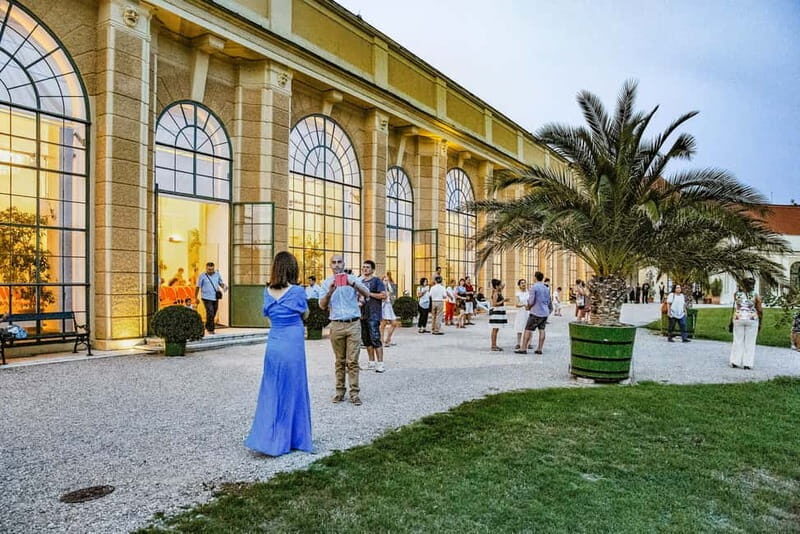
You also have a chance to get oriented before music begins. The concert’s meeting point is at the entrance to the Orangerie, to the left of the grand entrance to Schönbrunn Palace. When you’re in an area with major sights, this kind of clear reference point helps you avoid circling.
One practical tip: intermission is your window for a break. The bar is available, and in warmer seasons you can also visit the Orangery garden. If your day in Vienna has been heavy on walking (palaces do add up), intermission is where you reset—bathroom, a drink, and a slow look around.
Finally, note that the evening has multiple possible venue setups on selected dates. Some performances take place in other rooms in the palace area (like the Great Gallery or White-Gold Room) or other concert halls in Vienna. You don’t need to guess—just double-check your exact date once you book.
What you actually hear: Mozart, Strauss, and operatic singing
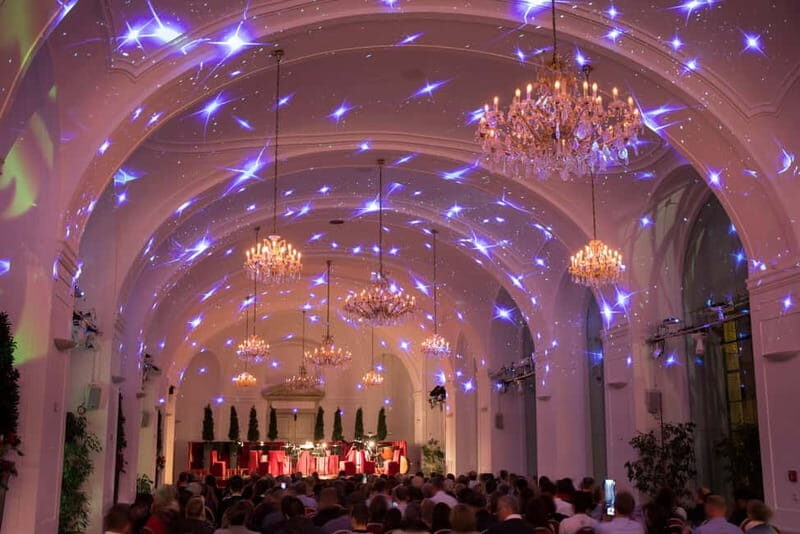
This concert is built around a pairing: Mozart and Johann Strauss. That combo is not random—it’s one of the most effective ways to show how wide Vienna can feel in a single night.
Mozart tends to reward attentive listening. Even if you don’t call yourself a classical fan, you can usually catch the phrasing, the balance, and the feeling of control in the music. The Vienna sound you hear in this kind of setting often comes across as refined rather than loud—more about elegance than volume.
Strauss, on the other hand, is where the evening often becomes instantly human. The music feels ready to move. You’ll likely recognize pieces like The Blue Danube Waltz, and even if you don’t know the title, the rhythm tends to pull people in.
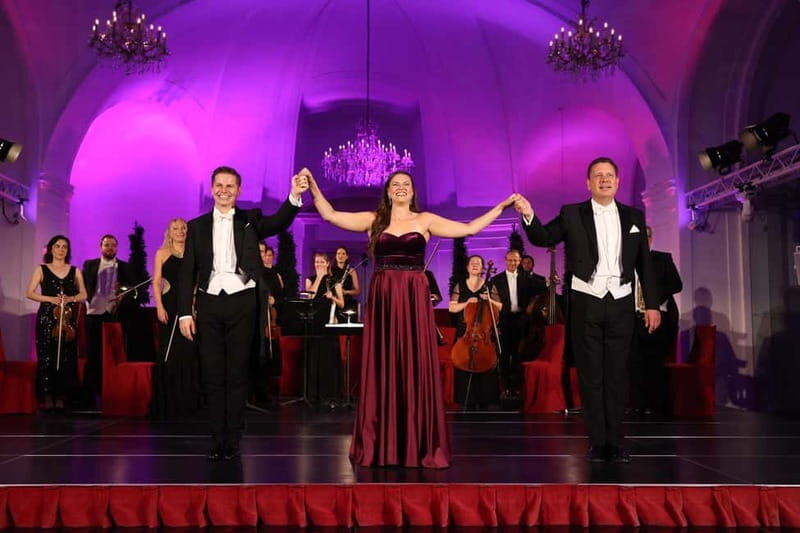
Then the opera singers add a different layer. A soprano and a baritone bring the emotional sweep that pure orchestral music sometimes leaves for you to supply. The result is a concert that works for two types of people:
- First-timers who want melody and voice
- Music lovers who want a classic orchestral program with real performance energy
The conductor and performers also bring an entertaining edge. Even when you’re not following every musical detail, the show’s pacing and communication help it land. That’s a big deal if you’re bringing teens or family members who might not choose a concert like this on their own.
Seating and VIP: when the upgrade is worth it
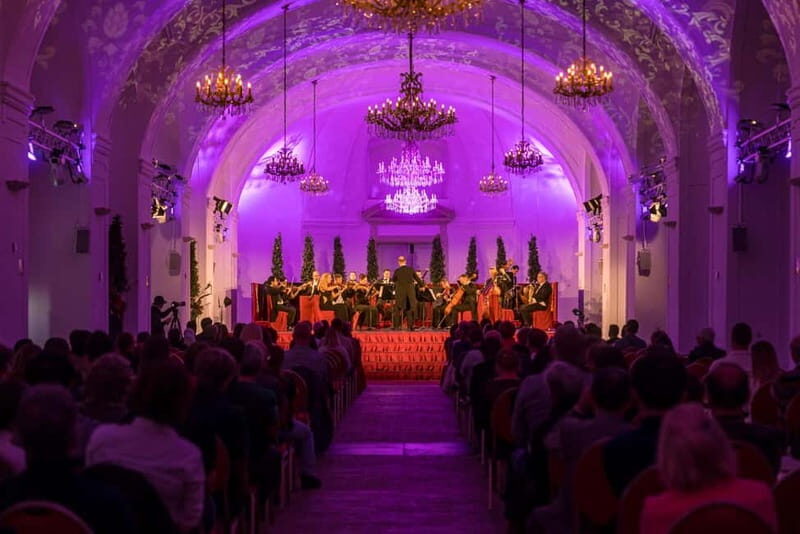
The standard ticket already gives you free choice of seating within your seating category. That means you don’t just get whatever random row is left—you can pick a spot that fits what you care about most: being closer to the orchestra, better sightlines, or just your preferred row height.
VIP is where the value becomes more situational. VIP ticket holders get:
- Priority access to the concert hall and the concert bar
- A welcome drink before the concert
- Free coat check (cloakroom)
- Front-row seating
- A personalized VIP program booklet
- A glass of sparkling wine
The practical benefit here is time and comfort. When you arrive, priority entry can save you from the most annoying part of many popular attractions: waiting. And the free cloakroom matters if you’re traveling with a jacket.
But here’s the balanced reality. VIP can feel like a “nice evening upgrade” more than a “dramatically better concert” unless being close to the orchestra is your main goal. Some people feel it’s worth paying for the front rows and drink perks. Others find the music experience is so strong that they’d rather spend less and sit well within the normal seating categories.
My take: if you care about sightlines—especially if you want to watch the conductor and musicians closely—VIP makes sense. If you just want the best chance of hearing Mozart and Strauss in a legendary room, standard seating can be the better value.
Getting to Schönbrunn at night: metro, taxis, parking
Location is great, but late-evening logistics matter. You have a few options:
- Metro: take U4 and get off at Schönbrunn station
- Taxis: available in front of the venue at night
- Parking: available in front of the Orangerie until midnight for an additional fee
If you’re staying central, the metro option is usually the easiest way to avoid traffic stress. If you’re traveling as a couple or with luggage and want less walking, a taxi can be the low-friction choice.
Also, plan for the fact that the concert ends around 10:15 p.m. That’s late enough that you’ll want to already know your route back. Don’t assume you’ll figure it out at the last minute.


Meeting point clarity: where you should go first
A lot of Vienna activities fail due to one thing: people show up at the right neighborhood and still spend 10 minutes searching.
Here, you’ll meet at the entrance to the Orangerie, to the left of the grand entrance to Schönbrunn Palace. When you arrive, orient yourself to the main palace entrance first, then look left for the Orangerie entrance.
This is also why I recommend arriving with a little buffer. Even if you’re an efficient traveler, the palace area can be confusing at night when everything looks important and the lighting changes the scale.
Intermission breaks: bar and Orangery garden
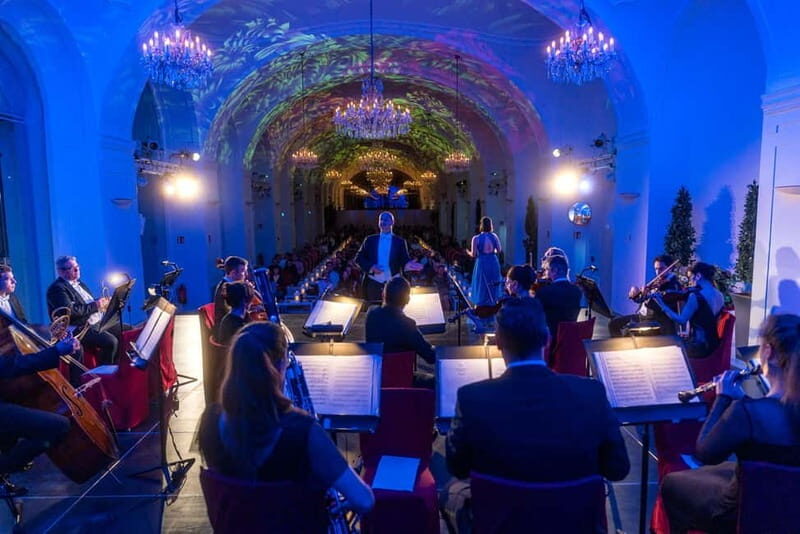
Intermission is where you choose your pace.
- You can visit the bar during the break.
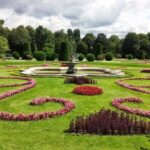
- In warmer seasons, the Orangery garden is open, so you can step outside and cool down your ears after the first half.
This matters more than it sounds. After you sit through orchestral dynamics for a while, your body appreciates a short reset. Plus, stepping into the garden area can give you a different perspective of the palace grounds, even if it’s only for a few minutes.
One more note: food and drinks aren’t included in the base ticket price. So budget for drinks at the bar if that’s part of your evening plan. VIP includes specific drinks like a welcome drink and sparkling wine, which is another way VIP can reduce the guesswork.
The small details that shape the night
A concert like this lives or dies on comfort. Here are the details that can affect how much you enjoy the evening:
Coat check and jackets
Cloakroom access is free for VIP ticket holders. For non-VIP tickets there’s a fee of €1. If you’re visiting in cool months or you’ll be walking around Vienna before the show, paying a little for cloakroom comfort is worth it.
Programs
You’ll have a program, and the VIP version includes a personalized booklet. If you’re someone who wants the full context of what you’re hearing, the program adds value. If you’re cost-sensitive, you can still enjoy the music without obsessing over printed details.
Recording rules
At least one person found that recording wasn’t allowed. I can’t promise the exact policy for every night, so be ready to keep your phone away unless you see permission.
Audience energy
A lot of the enjoyment comes from the room and the interaction style. The conductor and performers often keep things engaging. That can be great for first-timers, since it helps translate the performance into something you can follow even if you don’t read music.
Who should book this Mozart and Strauss concert?
This is a strong choice if:
- You want an easy Vienna “night highlight” that feels special without needing deep music knowledge
- You like the idea of pairing famous composers in one evening
- You want opera voice (soprano + baritone) alongside an orchestra
- You’re traveling with people who might not all love classical music, but still enjoy performance energy
It’s also a good fit for couples. A palace concert is romantic without requiring dinner reservations or a dress-up night (even if looking good never hurts).
If you’re a hardcore classical concertgoer, you’ll still likely enjoy the program and setting. Just know VIP is mainly a comfort and closeness upgrade, not a guarantee of a totally different musical experience.
Should you book the Mozart and Strauss concert at Schönbrunn?
Yes, if you want a high-payoff evening where the setting does real work for the music. The Orangerie Schönbrunn location gives you a UNESCO palace atmosphere, and the program pairing (Mozart plus Johann Strauss) is a smart way to get Vienna’s sound in one sitting—especially with the soprano and baritone adding vocal drama.
Book standard seating if you want the best price for a great show and you’re happy choosing a good row in your category. Upgrade to VIP if front-row sightlines and smoother arrival matter to you, and if you’ll actually use the included drinks and free coat check.
If your schedule is tight, this still works well because the evening is compact: start at 8:30 and you’ll be done before midnight.
FAQ
How long is the concert?
The concert lasts about 105 minutes.
What time does the concert start?
Admission to the concert hall is at 8:00 p.m., and the concert starts at 8:30 p.m. It ends at about 10:15 p.m.
Where do I meet for the concert?
Meet at the entrance to the Orangerie, to the left of the grand entrance to Schönbrunn Palace. The activity ends back at the meeting point.
Is transportation included in the price?
No. Transportation and parking fees are not included.
What’s included with VIP tickets?
VIP includes priority access to the concert hall and concert bar, free coat check, a welcome drink, seats in the front rows, a personalized VIP program booklet, and a glass of sparkling wine.
Can I visit the Orangery garden during intermission?
Yes. During intermission you can visit the bar, and the Orangery garden is open during warmer seasons.
When can I pick up my ticket?
Tickets can be collected from 10:00 a.m. to 6:30 p.m. at the Orangery Schönbrunn, and from 7:00 p.m. to 8:30 p.m. at the box office of the concert venue.