REVIEW · VIENNA
Vienna: Imperial Carriage Museum in Schönbrunn Palace Ticket
Book on GetYourGuide →Operated by Kunsthistorisches Museum · Bookable on GetYourGuide
Vienna’s carriages tell stories you can almost hear rolling. In the Imperial Carriage Museum at Schönbrunn Palace, you’ll face court travel as real objects: imperial coaches, personal heirlooms, and a guided path through Empress Elisabeth’s world. I love how the collection makes big-name history feel physical, not abstract. I also like the way the Sisi Trail focuses on the person, not just the throne. One drawback to plan for: you’ll need a printed voucher, and if you forget, you could lose time finding a place to print and exchange it.
The highlight is the Baroque imperial coach, but the museum doesn’t stop there. You can move from state-level showpieces to practical traveling coaches and even children’s carriages connected with Habsburg princes and princesses. My only caution is that this is a museum experience: if you’re expecting a full guided commentary, you’ll need to bring your own guide since a guided tour isn’t included.
In This Review
- Key Things You’ll Notice Right Away
- Imperial Carriage Museum at Schönbrunn: What Makes Carriages a Great Vienna Stop
- Maria Theresia, Napoleon, and Franz Joseph Coaches: The Famous Names You Can Actually See
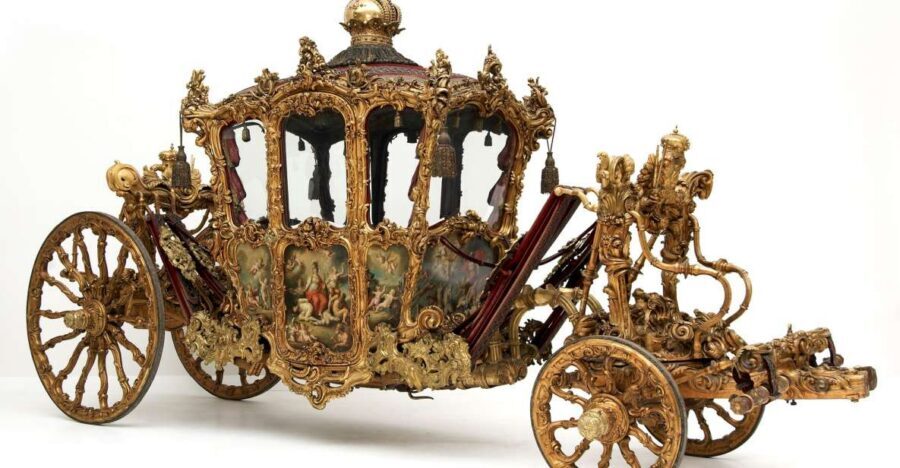
- The Baroque Imperial Coach: Why the Main Centerpiece Feels Like the Museum’s Heart
- The Sisi Trail at Schönbrunn: Elisabeth’s Carriages and Personal Mementos
- More Than Royal Showpieces: State Coaches, Traveling Comfort, and Children’s Carriages
- Audio Guide: When It’s Worth It and What to Expect
- Price and Value: Is $14 Worth It for a One-Day Museum Ticket?
- How to Plan Your Day at Schönbrunn Without Losing Time
- Should You Book This Imperial Carriage Museum Ticket?
- FAQ
- How long is the Imperial Carriage Museum ticket valid?
- Where is the Imperial Carriage Museum?
- Is a guided tour included?
- Is the audio guide included with the ticket?
- Do I need to bring anything to enter?
- What is the cancellation policy?
Key Things You’ll Notice Right Away
- Maria Theresia, Napoleon, Franz Joseph coaches that turn rulers into visible, touchable details of power and ceremony
- The Baroque imperial coach, treated as the centerpiece rather than a side exhibit
- The Sisi Trail with Empress Elisabeth’s carriages plus personal items like her only extant saddle
- Original dresses and a riding chapel, which shift the focus from spectacle to daily ritual
- Comfortable traveling coaches alongside ornate state carriages, so you see the full range of court mobility
Imperial Carriage Museum at Schönbrunn: What Makes Carriages a Great Vienna Stop
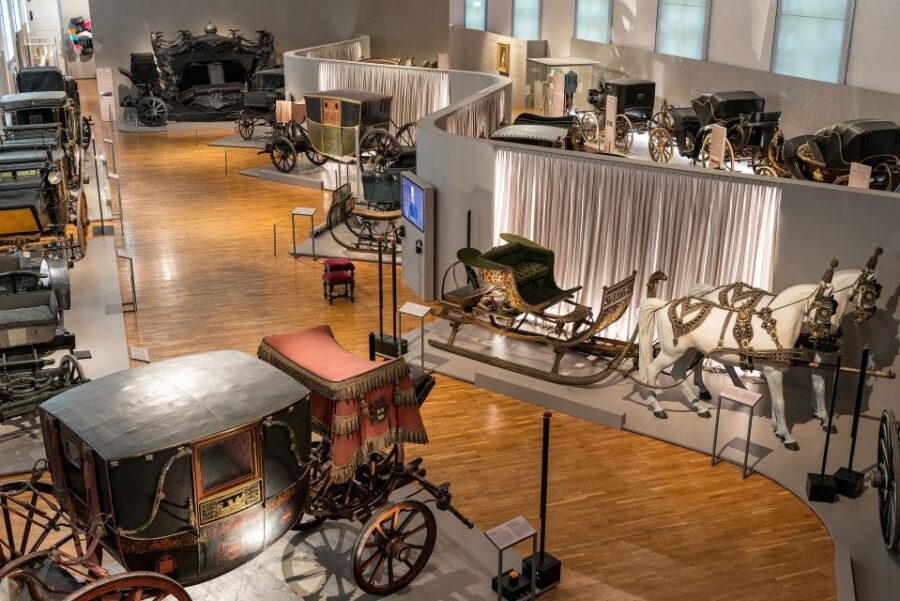
This ticket is short on time but big on imagination. You’re not looking at replicas or “models” of travel. You’re looking at carriages tied to famous people and court life, kept in a setting you already associate with royal theater: Schönbrunn Palace.
And here’s the part I really enjoy: carriages force you to slow down. History in books can feel flat. In a museum, you can see the scale, craftsmanship, and purpose. You start asking practical questions like: What did it mean to travel like this? How did comfort work? How did style function as status?
This museum also fits well into a Vienna day because it’s concentrated. You’re paying for a defined experience in one place, with exhibits that naturally pull you along—from grand state vehicles to Elisabeth’s more personal possessions through the Sisi Trail.
You can also read our reviews of more tours and experiences in Vienna


Maria Theresia, Napoleon, and Franz Joseph Coaches: The Famous Names You Can Actually See
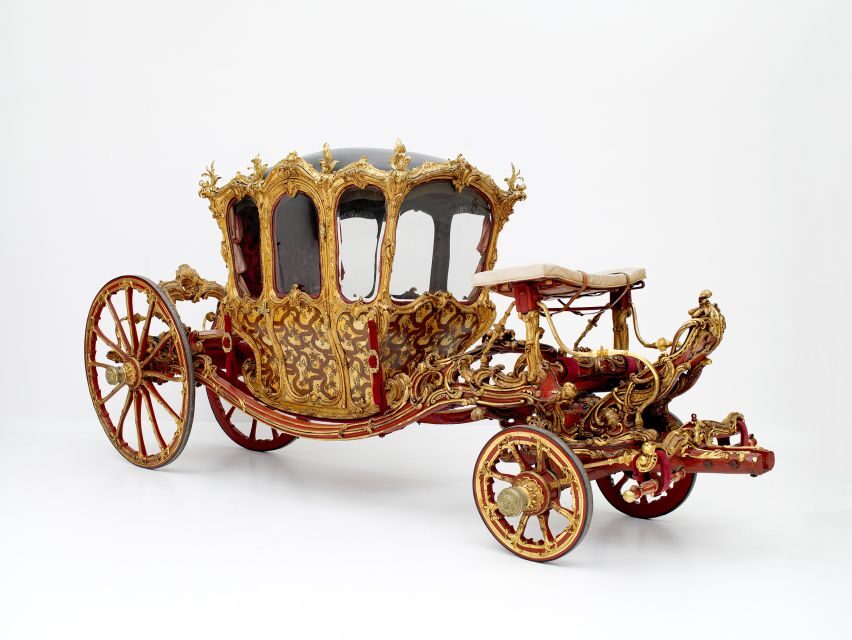
The exhibition focuses on rulers whose identities are tied to movement, ceremony, and public image. You’ll see imperial carriages associated with Maria Theresia, Napoleon, and Franz Joseph, and that lineup shapes the whole feel of the museum.
Maria Theresia’s presence anchors the Habsburg world. Her carriage isn’t just a vehicle; it’s a symbol of a court that used pageantry to reinforce authority. When you stand in front of these coach displays, you get a sense of how rulers projected stability—especially when they weren’t just going places, but representing the state while going there.
Then you move into the Napoleon connection. Even if you’re less of a Napoleonic-history person, you’ll likely find this contrast compelling. Napoleon is often framed through campaigns and politics. Here, you can reframe him through the physical language of power: what kind of travel matched a ruler’s image?
Finally, the Franz Joseph material brings you into later imperial era vibes. This is where the museum becomes more than “famous names on plaques.” It’s a visual way to track how court travel kept changing while still staying rooted in tradition and ceremony.
The value for you: if you like history that you can point at, this is a win. You’re not only reading about rulers; you’re encountering objects that helped shape how people were seen.
The Baroque Imperial Coach: Why the Main Centerpiece Feels Like the Museum’s Heart
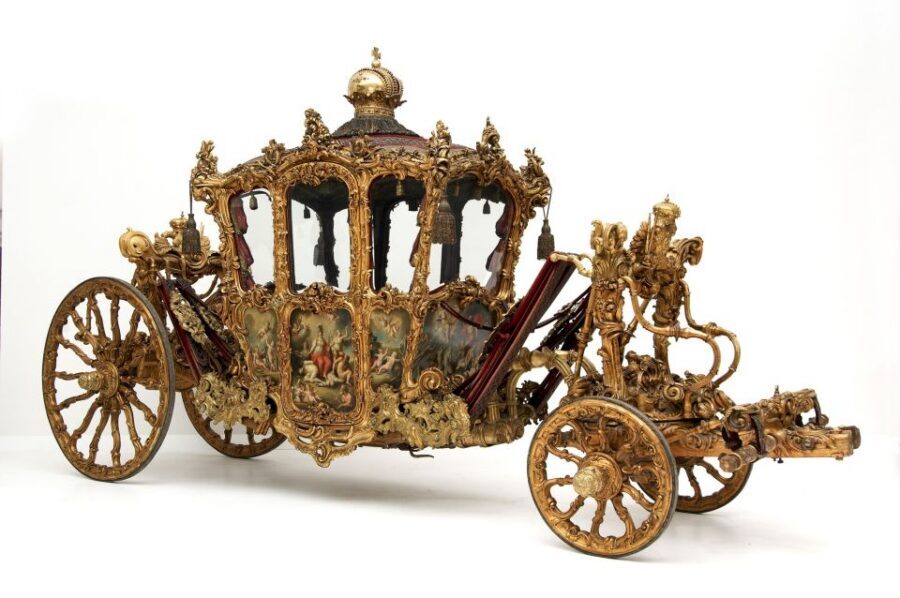
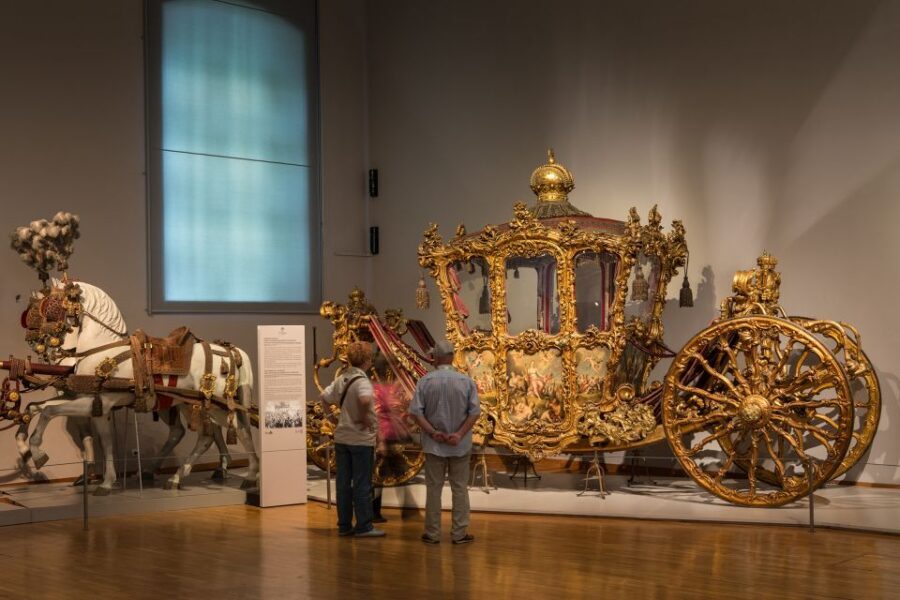
The museum’s top highlight is the Baroque imperial coach. That matters because Baroque style isn’t just decorative. It’s about drama, curve, and presence. In carriages, that drama turns into something you can sense immediately: the sense that this was built for an audience.
When an exhibition labels a centerpiece as a key moment, I treat it like the anchor of the visit. Here, you’ll want to spend time in front of it instead of rushing past. Look for how the vehicle reads as both status object and working transport. Court travel wasn’t only about arriving. The journey itself was part of the show.
What I like most is that the museum balances extravagance with variety. After the Baroque coach, it’s easier to appreciate how different carriages served different needs—state occasions versus everyday court travel, or ceremonial display versus comfort for longer distances.
If you’re the type who thinks art and furniture are just background, this is a good place to recalibrate. Carriage design is “applied design.” It’s style built for function, and that makes it more interesting than you might expect.
The Sisi Trail at Schönbrunn: Elisabeth’s Carriages and Personal Mementos
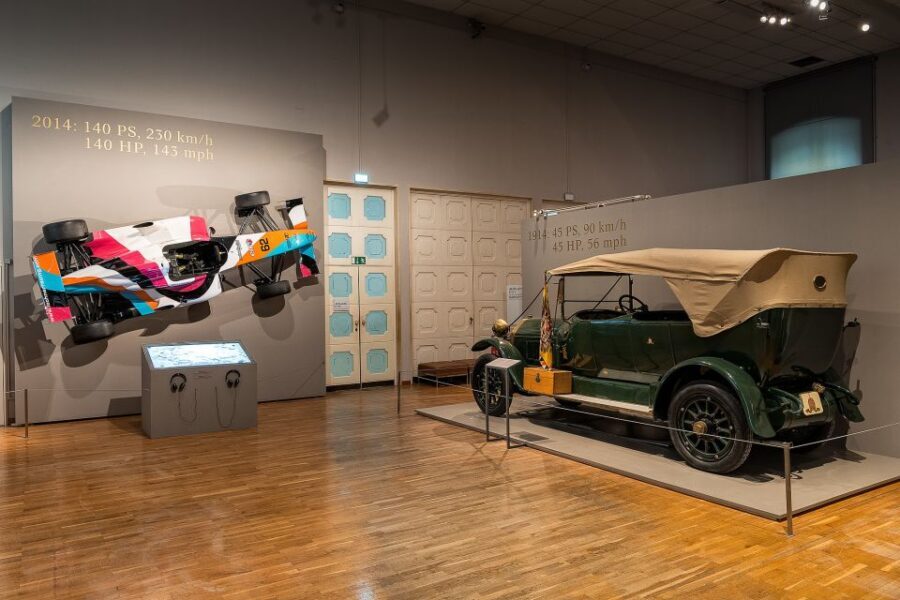
If you only picked one part of the museum, pick the Sisi Trail. This route doesn’t just show more carriages. It’s designed to connect Empress Elisabeth—often known for her distinct image—with her travel life and personal routines.
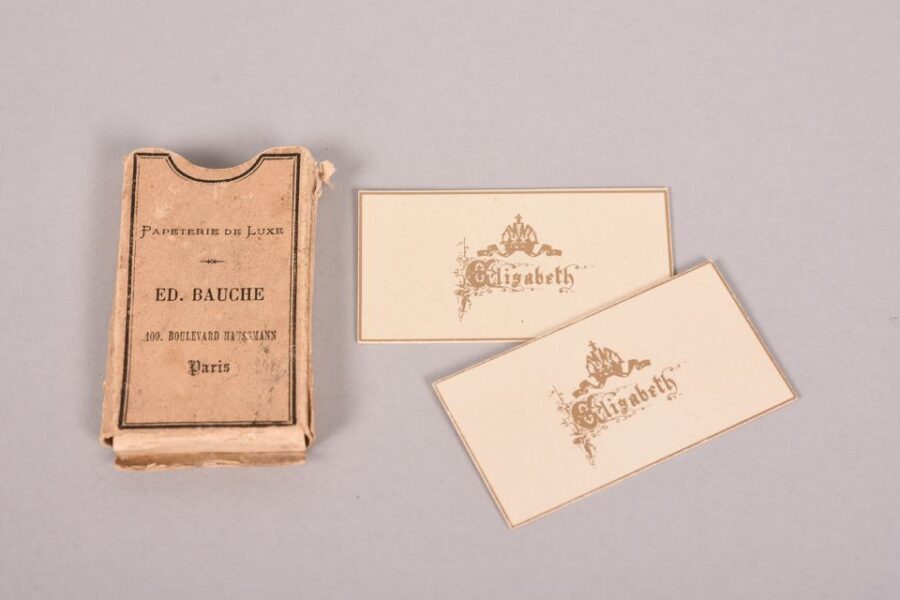
The trail includes not only the Empress’s carriages, but also personal mementos and objects that feel almost private. One of the standout mentions is her only extant saddle. That’s the kind of detail that changes how you see the exhibits. It’s not an item someone wanted to display for show; it’s something tied to riding and movement as part of her identity.
You’ll also encounter her riding chapel (another detail that gives you a new angle on court life). It suggests how Elisabeth’s world wasn’t confined to palace rooms. She had structured practice, rituals, and spaces devoted to her interests.
And then there are the original sumptuous dresses. Seeing dresses in this context helps you understand that fashion wasn’t only an aesthetic choice. In the court environment, clothing worked as identity and presentation. By the time you reach these pieces through the Sisi Trail approach, the museum starts to feel like a guided storytelling path through her life rather than a row of vehicles.
Practical tip: if you care most about the Elisabeth angle, plan your time so you don’t treat the Sisi Trail as an afterthought. Give it enough time to actually absorb the personal items, not just glance at them between bigger exhibits.
More Than Royal Showpieces: State Coaches, Traveling Comfort, and Children’s Carriages
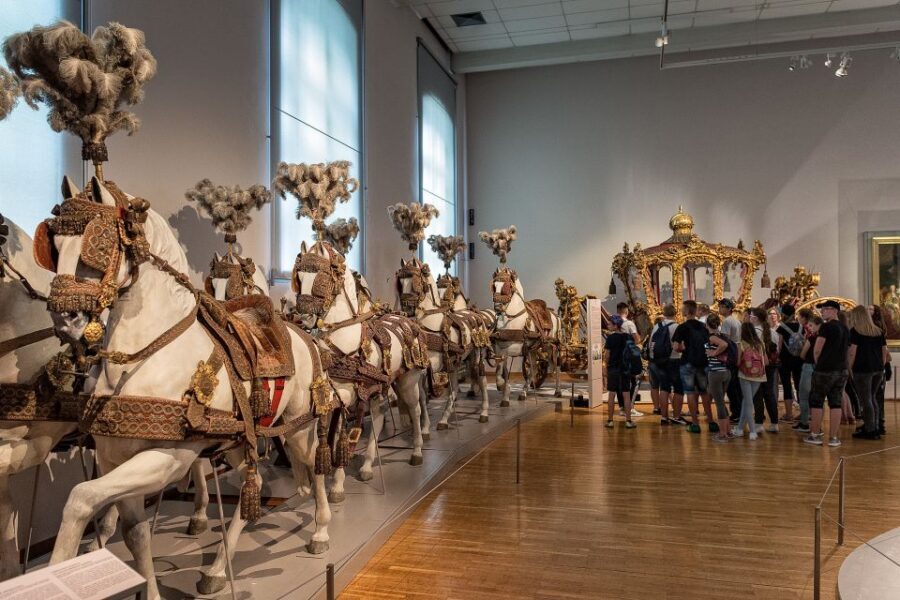
The museum intentionally includes several categories of carriages. That variety helps you understand what “imperial travel” meant across different situations.
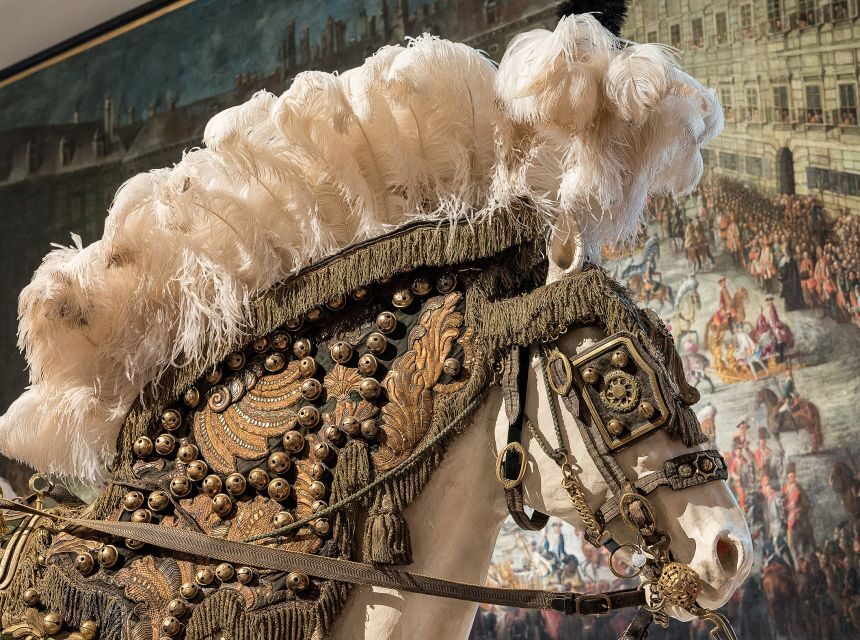
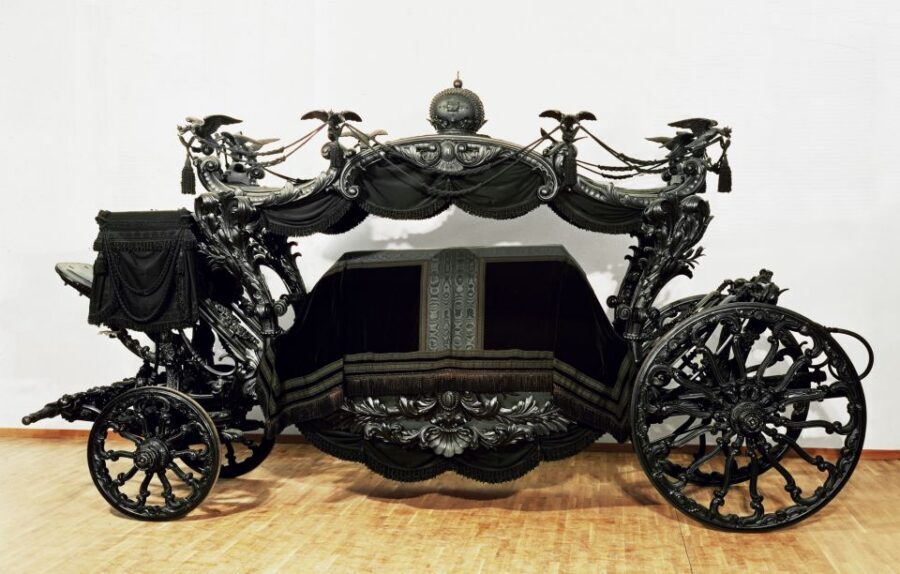
There are exquisite state carriages for official moments. These tend to scream ceremony, the kind of vehicles used when appearances mattered most and the carriage itself acted like a stage.
Then there are comfortable traveling coaches. This is the section that helps you picture logistics. Court travel wasn’t only about perfect presentation; people also needed comfort for longer stretches and different conditions. Seeing comfortable coaches alongside ornate state pieces makes the collection feel more realistic.
One of the nicer surprises for many visitors is the children’s carriages connected with Habsburg princes and princesses. These displays make the museum feel less untouchable. The royal world becomes more human-scale, even though the vehicles are still impressive. If you’re traveling with kids or you simply like variety, this part prevents the museum from feeling like pure grandeur.
You can also read our reviews of more museum experiences in Vienna




Audio Guide: When It’s Worth It and What to Expect
The ticket includes entrance fees, and an audio guide is included only if you book that option. If you’re curious about context while you’re standing in front of objects, the audio guide can be a smart use of your time.
A verified review specifically praised the Italian audio guide as concise and functional, which suggests the format is designed to help you without dragging on. In a museum like this—where you might want to pause, look closely, then move on—short, practical audio commentary can really work.
How I’d use it: don’t treat it like a must-listen script. Use it to get your bearings fast—then let your eyes do the rest. If you enjoy design details, craftsmanship, and how things are arranged, you’ll likely find the audio guide helps you notice what to look for.
Price and Value: Is $14 Worth It for a One-Day Museum Ticket?
At about $14 per person, this is a value-friendly option in central Vienna, especially since the experience is concentrated and lasts around a day. You’re paying for:
- Entrance to the Imperial Carriage Museum
- Option-based audio guide (only if you book it)
- A structured route experience, including the Sisi Trail focus
What makes it feel worth it isn’t the price tag—it’s the object-based payoff. You’re paying to see a collection tied to major figures, and you’re not limited to one or two vehicles. The museum includes multiple carriage categories: imperial, state, traveling, and children’s.
The best value angle for you: if you like museums but hate vague ones, this is clearer. You know what you’re coming for (carriages tied to specific people). The Sisi Trail is another strong “why,” because it gives the museum a narrative spine around Elisabeth rather than just repeating a theme of luxury.
Just keep one thing in mind: the ticket requires a printed voucher. If you’re tight on time or hate last-minute logistics, that can quietly become the real cost—time, stress, or both.
How to Plan Your Day at Schönbrunn Without Losing Time
The meeting point is the Imperial Carriage Museum in Schönbrunn Palace. With a one-day duration, you’ll want to treat this as a main stop, not a quick detour.
Here’s how I’d structure it so the visit feels smooth:
- Arrive with your planned time window so you can browse without rushing.
- If you’re using the audio guide, decide ahead of time whether you’ll keep it on for the main gallery or just for the Sisi Trail.
- Don’t let the Baroque imperial coach swallow your whole day. Spend your focus there, then move through state and traveling coaches.
- Save dedicated time for the Sisi Trail so you can actually process the personal objects like the only extant saddle and the riding chapel.
Also, a small but important note for group situations: the free-ticket rule for tour guides depends on group size. Only one tour guide per group (when booked with the voucher option) gets a free entrance ticket if the group is at least 10 people. If your group is under 10, additional guides or accompanying persons count as paying members. And state certified guides have free entrance. If you’re traveling with a group and using a guide, check this early so it doesn’t become a headache at the door.
Finally, printing your voucher is the one logistics item I’d take seriously. One negative experience described losing a morning hunting for a place to print and then exchange the ticket. My advice is simple: print before you head out, even if you think you’ll find a workaround.
Should You Book This Imperial Carriage Museum Ticket?
I think you should book if you want a focused museum in Vienna where the “star” is tangible history: real carriages tied to Maria Theresia, Napoleon, and Franz Joseph, plus a route that zooms in on Empress Elisabeth through the Sisi Trail. It’s also a great choice if you enjoy design and craftsmanship and you like the idea of learning through objects instead of long lectures.
Skip it (or at least lower your expectations) if you’re hoping for a full guided tour experience, because guided touring isn’t included and the museum experience is built around self-guided exploration with optional audio support.
One last tie-breaker: if printed-voucher logistics would stress you out, plan for that up front. When you get that right, the visit is exactly the kind of ticket that feels satisfying—short on time, strong on payoff, and full of those “wait, that’s real?” moments that make Vienna museum days worth it.
FAQ
How long is the Imperial Carriage Museum ticket valid?
The ticket is valid for 1 day.
Where is the Imperial Carriage Museum?
The meeting point is the Imperial Carriage Museum in Schönbrunn Palace.
Is a guided tour included?
No. A guided tour is not included, but you can bring your own guide.
Is the audio guide included with the ticket?
The audio guide is included only if you book that option.
Do I need to bring anything to enter?
Yes, a printed voucher is required.
What is the cancellation policy?
You can cancel up to 24 hours in advance for a full refund.