REVIEW · VIENNA
Semi-Private Tour: Central Europe &Balkans from Vienna to Athens
Book on Viator →Operated by Choose Balkans · Bookable on Viator
Twenty-one days can feel like a marathon. This one stays organized, with a small-group pace and a real guide guiding you through ten countries’ highlights. I also like how the route jumps between Danube cities and the Western Balkans, so you keep getting a new feel every few hours.
The food and drink focus in Albania is a big reason to book. You get wine tasting, local olive oil and liquor, and a hands-on castle cooking lesson experience around Kruja. The only real drawback to plan for is the pace: you’ll walk quite a bit, including uneven terrain, and lunch/dinner/drinks are on your own budget.
In This Review
- Key things to know before you go
- What semi-private really buys you across ten countries
- Price and logistics: what $7,315.17 covers (and what it doesn’t)
- Vienna to Rust to Bratislava: Danube elegance with wine-country views
- Budapest plus Gyor: grand architecture and a very practical night out
- Subotica, Novi Sad, and Sremski Karlovci: Austro-Hungarian echoes and wine-cellar time
- Belgrade, Zvornik, Sarajevo, Mostar: fortresses, war scars, and two UNESCO old bridges
- Kotor and Budva: the Adriatic old town feel, plus a lesson in changing access
- Shkoder, Prizren, Gjakova, Decan: Ottoman-era architecture and Kosovo’s cultural centerlines
- Albania’s food and drink focus: agrotourism, Kruja’s castle lesson, and Tirana without the tourist traps
- Ohrid, St Naum, Berat, and Gjirokaster: lakeside calm and stone-city detail
- Ioannina and Meteora: Byzantine and Ottoman echoes to a sunset you’ll remember
- Should you book this Vienna to Athens semi-private tour?
- FAQ
- FAQ
- How many people are on this semi-private tour?
- Where does the tour start and when?
- What’s included in the price?
- What meals are included?
- Does the tour end in Athens only?
- Is the itinerary physically demanding?
Key things to know before you go
- Small group of max 10 means more time with your guide, not just photo stops.
- Hassle-free pickup and drop-off reduces stress at both ends of the trip.
- Wine and food moments are more than a tasting table, especially around Albania.
- UNESCO stops are built into the route, from the Adriatic coast to the lakes and monasteries.
- Plenty of guided highlights, but a few sights are marked as not included, so expect small add-ons.
What semi-private really buys you across ten countries
This tour is set up for comfort and attention, not chaos. With a maximum of 10 people, the group stays easy to manage. That matters when you’re moving from city to city and switching countries along the way.
You’re also not doing this on your own logistics. You get private transport and a professional tour leader. The schedule is structured enough that you’ll see major sights, but flexible enough that you can have short free-time blocks in places like Rust, Bratislava, and Budva.
One practical note: the tour is long—about 21 days—so you’re not just popping between attractions. You should go in with moderate stamina. The itinerary even flags walking on uneven terrain in Sarajevo, so good shoes are not optional.
You can also read our reviews of more private tours in Vienna

Price and logistics: what $7,315.17 covers (and what it doesn’t)
This price is not “budget travel,” but it includes a lot of the expensive parts: private transport, the tour leader, hotel drop-off in Athens, and in one version of the ending, a ferry transfer to Corfu. Most major site entries you’ll visit are included, plus tourist taxes. You also get 20 breakfasts.
What’s not included is equally important. Lunches, dinners, drinks, and snacks are on you, along with souvenirs and personal spending. A few items in the day-by-day plan are also shown as not included, so I’d plan a buffer even if the big attractions are covered.
Finally, your cost calculation depends on room occupancy in 3-star hotel accommodation, so your per-person value will change based on how you’re sharing rooms. If you can split costs with a friend or travel partner, the value usually feels much stronger.
Vienna to Rust to Bratislava: Danube elegance with wine-country views
You start in Vienna with hotel pickup. That first transfer does a lot for you mentally; you’re not scrambling on day one. From there, the journey quickly turns south toward Rust in Austria’s wine country.
In Rust, you get the classic Burgenland feel: vineyards on hills, views toward Lake Neusiedl (a UNESCO area), and time to walk the well-preserved old town. This is also where the tour’s flavor comes through—time to enjoy a meal and sample local wines while the scenery does its job.
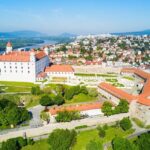
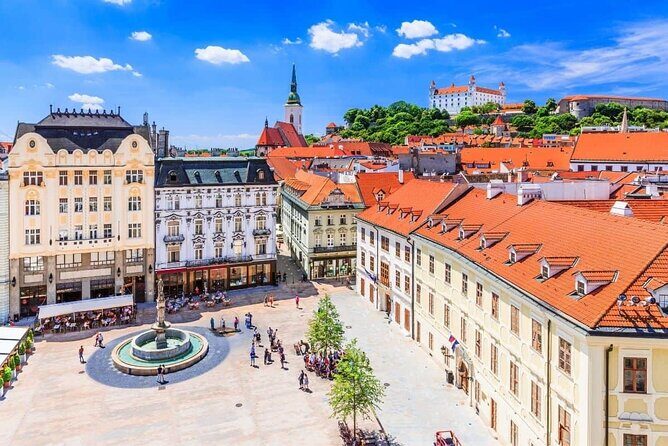
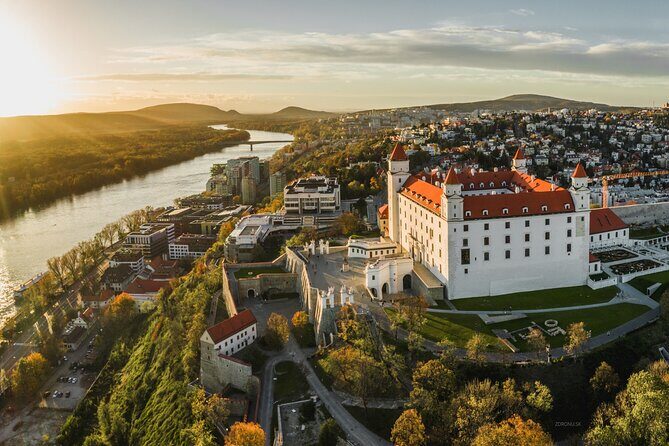
Next comes Bratislava, a city that often gets overlooked compared with Vienna and Budapest. You’ll see the medieval old town hall area, then Michael’s Gate, and you’ll climb up to Bratislava Castle, where the big payoff is the panoramic view over the city. Even the free cafe time is part of the culture here, since Bratislava coffee has its own reputation.
The main practical consideration in this stretch is pacing. You’ll move each day, so use your free time intentionally—don’t waste the first afternoons of the trip sleeping off jet lag.
Budapest plus Gyor: grand architecture and a very practical night out
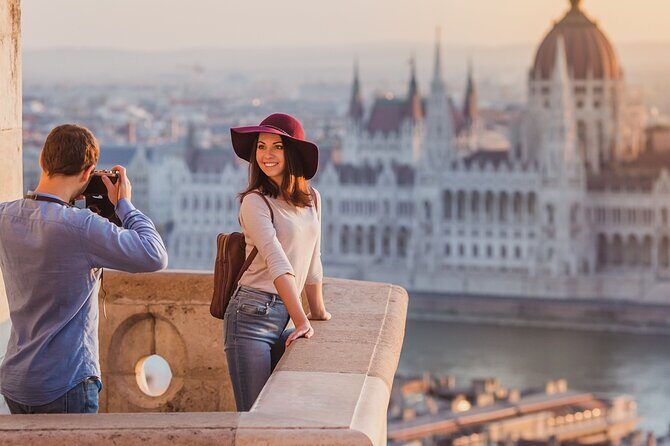
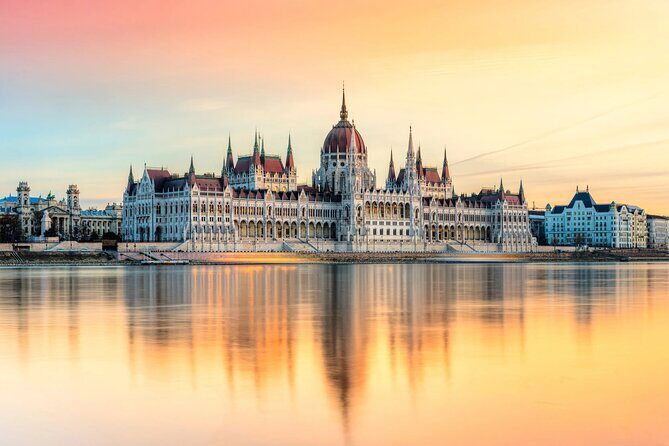
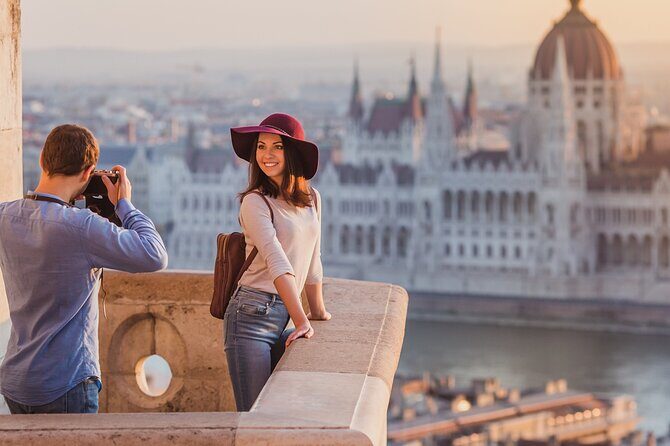
Budapest is where the tour leans into famous architecture. You’ll pass major landmarks along the way, including the Saint Stephen’s Basilica, and you’ll get time to stroll through major boulevards. The city is split by the Danube into Buda and Pest, and it helps to see both sides in one plan.
One of the best parts is that the route balances top sights with open time. You’ll take in major photo-and-structure moments around the Parliament area, Heroes’ Square, and Fisherman’s Bastion. Then you get an evening free to explore on your own. That’s smart here, because Budapest at night is more about atmosphere than checklists.
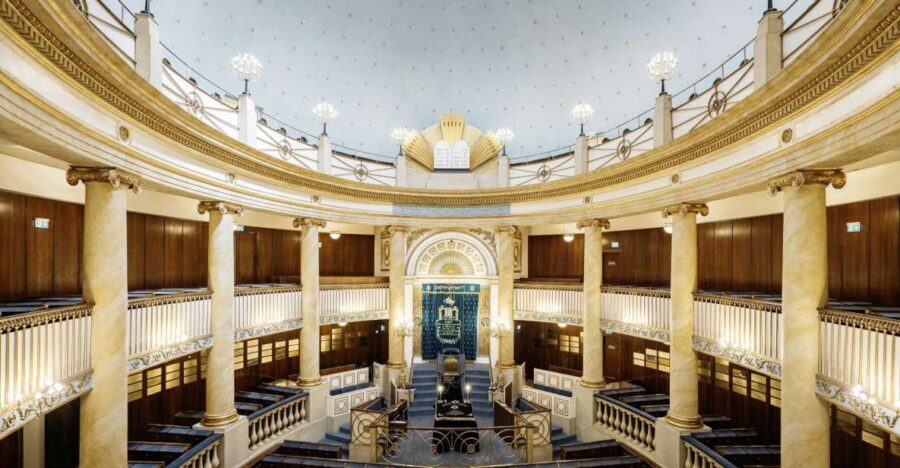
Before Budapest, there’s a stop in Gyor in Hungary, the “City of Rivers.” You’ll get a walk through baroque architecture and central streets, plus views from key buildings like the Town Hall tower. There’s also a synagogue visit and time along a pedestrian street packed with cafes and shops.
I like this grouping because it gives you variety: Vienna-style polish, then Danube grandeur, then smaller-city character before you hit the bigger Balkan cities later.
Subotica, Novi Sad, and Sremski Karlovci: Austro-Hungarian echoes and wine-cellar time
After Budapest, the tour heads into Serbia with a stop in Subotica. This city has a different vibe from the big capitals. The center isn’t dominated by one big church; instead it’s organized around the City Hall and open public space. You’ll also get time to see the Cathedral of St. Teresa of Avila and the synagogue.
Next is Novi Sad, known as a cultural center in northern Serbia. The highlight here is Petrovaradin Fortress, often called the Gibraltar on the Danube. The walking through old-town streets and pedestrian areas gives you a feel for how history and daily life overlap.
Then comes Sremski Karlovci, a wine-production center. This is where the itinerary turns into a slower, more sensory day. You’ll visit the town’s wine tradition and cellars, and you’ll have free time to taste regional specialties with vineyard views. There’s even a local legend tied to the Four Lions fountain in the city center, which is a fun way to add story to a tasting stop.
The drawback to watch for in this segment is timing around wine. If you’re sensitive to alcohol or just want to pace yourself, plan water breaks during tastings. In a multi-country trip, feeling fine tomorrow matters more than pushing through today.

Belgrade, Zvornik, Sarajevo, Mostar: fortresses, war scars, and two UNESCO old bridges
Belgrade is a strong city-start in Serbia. You visit Belgrade Fortress and Kalemegdan Park, and the confluence views over the Sava and Danube are the kind of scene that stays with you. Inside the fortress area, you’ll see the Pobednik monument, then continue through Knez Mihailova toward Republic Square.
After Belgrade, the route moves toward Bosnia and Herzegovina, with a stop in Zvornik on the Drina River. This portion is lighter—more of a lunch-and-wander break than a full museum day. It’s a good reset before Sarajevo’s heavier themes.
Sarajevo is one of the most meaningful stops on the tour. The walking can be rough, and the day includes visible reminders of the Yugoslav War, like bullet holes and cannon marks. You’ll also explore Ottoman and Austro-Hungarian parts of the city, plus markets and bazaars with lots of daily energy. The Latin Bridge stop connects the city to a key moment in World War I history.
Then comes Mostar, including the Old Bridge (Stari Most), part of UNESCO. You’ll also wander the Old Bazaar area with cobbled lanes and lively commerce. It’s one of those places where old architecture and modern life blend in a way that’s easy to feel as you walk.
Practical tip: Sarajevo and Mostar are emotional and physical. Don’t schedule extra long side trips after these days. Keep your energy for the next viewpoints and long drives.
Kotor and Budva: the Adriatic old town feel, plus a lesson in changing access
Kotor in Montenegro is one of the itinerary’s standout UNESCO settings. The old town is a maze of narrow, cobblestone streets. The street layout was designed to confuse intruders in the past, and now it gives you that winding, medieval-feeling stroll.
You’ll visit Saint Luke’s church, which is significant for locals. Then you’ll have afternoon time to explore on your own. This is a good day to go slow—Kotor isn’t about ticking boxes; it’s about absorbing the shapes, textures, and small plaques that mark old building dates.
Budva comes next, and it splits into Old Budva and New Budva. The tour focuses on the historical core: churches, medieval splendors, and the old streets. You’ll also stop near Sveti Stefan for a coastal viewpoint photo—access to the island itself isn’t available because it’s now an exclusive resort, so manage expectations and enjoy the scenery from the shore.
Shkoder, Prizren, Gjakova, Decan: Ottoman-era architecture and Kosovo’s cultural centerlines
Shkoder (Albania) is where the route shifts into the Balkans’ feel in a big way. You’ll see the setting near Lake Skadar, and you’ll visit Rozafa Castle for views where lake and rivers meet toward the Adriatic. The city also has Venetian-influenced architecture, so you get a different style than many Ottoman-heavy stops.
Then you continue to Prizren, often described as Kosovo’s cultural capital. You’ll see Sinan Pasha Mosque, known for its ornate arabesque patterns. After that, the fortress viewpoint gives you a panorama over the old town and its river running through the center area.
You’ll also spend time in the broader Prizren area with free afternoon time, which is useful because Prizren is the kind of place you explore by wandering. If you like markets and old lanes, you’ll enjoy this day.
Next comes Gjakova with its reconstructed bazaar area, plus Decan Monastery. Decan is a UNESCO site connected to frescoes and the ongoing presence of Orthodox monks making organic food such as cheeses. That combination—art history plus active religious life—adds weight beyond the sightseeing.
One consideration: Kosovo days can involve more walking inside sites and uneven streets. Stay hydrated, and keep your bag light for the fortress and bazaar segments.
Albania’s food and drink focus: agrotourism, Kruja’s castle lesson, and Tirana without the tourist traps
This is where the tour’s title starts to feel real in your mouth. In the Albania portion, you get direct contact with local food culture instead of just quick tastings.
A key day includes Mrizi i Zanave (Restorant Agroturizëm), an agrotourism farm that preserves and processes regional bio products. You’ll tour the farm and learn how it supported jobs for hundreds of people. You’ll also get time to have a traditional lunch there or buy fresh produce products.
Then you move into Prizren-area wine culture and Rahovec Valley viticulture, known for grape cultivation stretching back thousands of years. The tour mentions an annual wine festival in September, which hints at why this region stays food-focused even outside peak season.
Kruja is next, and it’s the historic resistance city linked to Albanian struggles against Ottoman expansion. You’ll walk the Medieval Old Bazaar for souvenirs and crafts, then climb toward Kruja Castle. The castle visit includes hidden paths used by locals to move unnoticed during times of siege. You’ll also have free time for lunch and shopping.
Most importantly for food lovers, this is where the itinerary’s hands-on side lands: the cooking lesson at Kruja Castle, paired with tastings of local wine, olive oil, and liquor. This isn’t just watching someone cook. It’s the kind of experience that makes dinner later taste more meaningful.
Tirana finishes the Albania focus in a smart way. You’ll meet a local companion and skip tourist traps to find real neighborhoods for byrek, Albanian coffee, and dessert stops. The plan includes Tregu Çam for byrek-style breakfast, the Çam bazaar for shopping and bargaining, plus the New Bazaar for a traditional lunch featuring qofte and freshly baked bread, with options for vegetarians. You’ll also taste Albanian raki as part of the day’s food theme.
To balance all the food with context, there’s also Bunk’Art 2, a museum housed in the former nuclear bunker once used during Enver Hoxha’s leadership era. It’s an unusual ending that helps the whole trip feel grounded in lived history.
Ohrid, St Naum, Berat, and Gjirokaster: lakeside calm and stone-city detail
After Albania, you shift into North Macedonia and then back into southern Albania again.
Struga gives you a quick scenic pause by the Drini River source area, with a drink stop that feels like a reset before Ohrid. Ohrid is then full UNESCO energy: you’ll see key churches and religious landmarks, including the viewpoint area at the church of St. John, plus St. Nicholas and Halveti Hayati Tekke. The tour also references the city’s reputation for 365 Orthodox churches, one per day of the year.
St Naum is a standout because it’s tied to the source of the Crni Drim River and sits within a protected national park area. The monastery complex and the spring water setting make this one of the most peaceful days on the route.
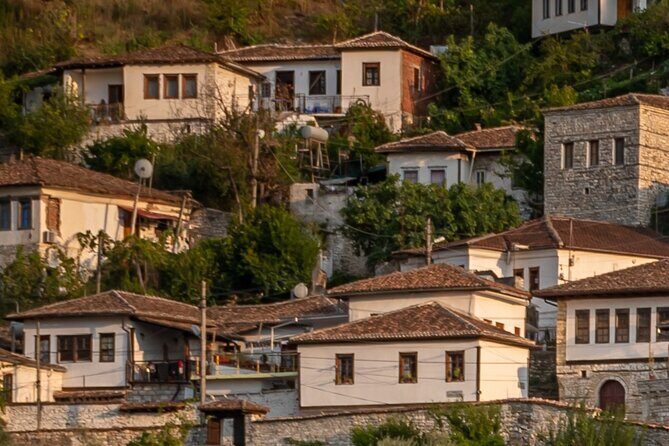
Back in Albania, Berat is the “1001 windows” city, also UNESCO. The day focuses on narrow stone streets and old houses that stack visually as you walk up the slopes. You’ll also hear how residents still live inside the castle walls, which keeps the place from feeling like a frozen museum.
Then comes Gjirokaster, also UNESCO, known as the Stone City. You’ll explore the old town feel with fortress-like houses and then visit Skenduli House for an authentic look at how homes were laid out. You’ll also have time in the bazaar area before the castle visit.
Practical advice: these towns reward slow movement. If you rush through the streets, you’ll miss the point. Build in time to stop, look up, and take photos from angles that show the steep layering.
Ioannina and Meteora: Byzantine and Ottoman echoes to a sunset you’ll remember
The final stretch moves into Greece with Ioannina first. You’ll wander the old town’s cobbled streets and see architecture shaped by Byzantine and Ottoman eras. There’s time for cafes and traditional Greek cuisine, plus a castle visit that includes narrow streets inside the fortress walls.
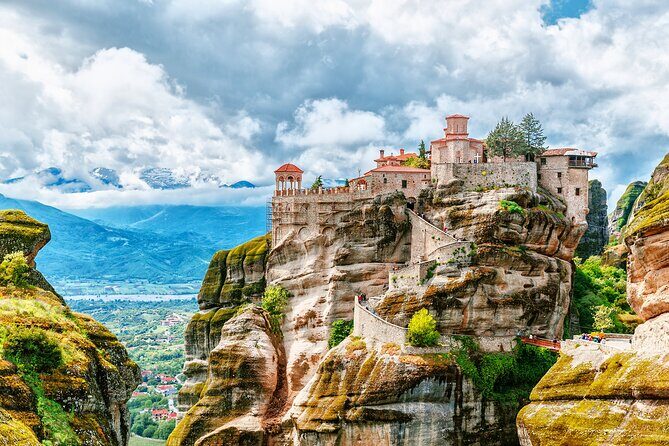
Then you head to Meteora, another UNESCO highlight. The monasteries sit on dramatic rock formations, built in the 14th and 15th centuries. The itinerary emphasizes sunset timing, which is smart because this is the one sight that looks different from every angle as the light changes.
At the end of the journey, you either get dropped off in Athens or you continue to Corfu via an included ferry transfer from Igoumenitsa port. Either way, you get a final day that closes with major “wow” energy rather than another long administrative-feeling schedule.
Should you book this Vienna to Athens semi-private tour?
I’d book it if you want structure, comfort, and real cultural depth without having to plan every train or ticket. The value makes sense because you’re paying for private transport, a professional guide, most key admissions, and hotel drop-offs, plus 20 breakfasts. You also get the kind of food and drink experiences in Albania that don’t feel like a side quest.
I’d hesitate if you’re sensitive to long travel days or lots of walking. The route includes uneven terrain in places like Sarajevo and covers a huge geographic area, so you need to like being on the move. And since lunch/dinner/drinks aren’t included, you should budget for food beyond breakfast.
FAQ
FAQ
How many people are on this semi-private tour?
The group is limited to a maximum of 10 travelers.
Where does the tour start and when?
The tour starts in Vienna, Austria, with a start time of 11:00 am. Pickup is offered from your hotel in Vienna.
What’s included in the price?
Included are private transport, a professional tour leader, hotel drop-off in Athens (or port drop-off in Igoumenitsa with ferry tickets to Corfu), entry tickets for visited sites, tourist taxes, and breakfast (20). The plan also includes international car insurance, road taxes, and petrol.
What meals are included?
Breakfast is included for 20 days. Lunches, dinners, drinks, and snacks are not included.
Does the tour end in Athens only?
The final day includes an option to end in Athens with hotel drop-off, or to end with a ferry transfer from Igoumenitsa to Corfu (with ferry tickets included).
Is the itinerary physically demanding?
It calls for moderate physical fitness. The tour includes walking on uneven terrain in Sarajevo, so comfortable shoes and a steady pace help.