REVIEW · VIENNA
Sigmund Freud Museum Ticket
Book on GetYourGuide →Operated by Sigmund Freud Museum · Bookable on GetYourGuide
Freud’s home still feels like a live lab. With a ticket to the Sigmund Freud Museum at Berggasse 19, you walk through the private rooms where psychoanalysis took shape, and you follow the same entrance Freud and his patients used. One practical note: the museum can get warm, so plan for comfort if you’re sensitive to heat.
What I like most is the mix of the personal and the professional. You don’t just read about theories; you hear Sigmund and Anna Freud’s actual voices in audio recordings, then connect that to film material and the family side of the story.
In This Review
- Key things to know before you go
- Why this ticket feels worth the €U.S. $18 price in Vienna
- A smart arrival plan for a calm, readable visit
- Walking in like a patient: the historic entrance and mezzanine
- Freud at work: practice spaces, rare publications, and 1930s film
- The AR moment: using your phone for Freud’s Couch
- The house becomes a memorial: the staircase and the foyer exile gallery
- Freud’s office plus conceptual art: Hidden Thoughts of a Visual Nature
- Time needed: how long to plan and how to pace your day
- Family-friendly perks without killing the mood
- Where to end: shop and café with Viennese treats
- Should you book the Sigmund Freud Museum ticket?
- FAQ
- Where is the Sigmund Freud Museum located?
- How much is the Sigmund Freud Museum ticket?
- How long is the ticket valid for?
- Where do I present my ticket voucher?
- Does the ticket include skip-the-line entry?
- Are there restrictions on photography?
- Is the museum wheelchair accessible?
- Is free cancellation available?
- Is there an AR experience?
- Is there a café or shop inside?
Key things to know before you go
- Historic entrance and steps: You come in the way patients did, then climb to the mezzanine where the family lived.
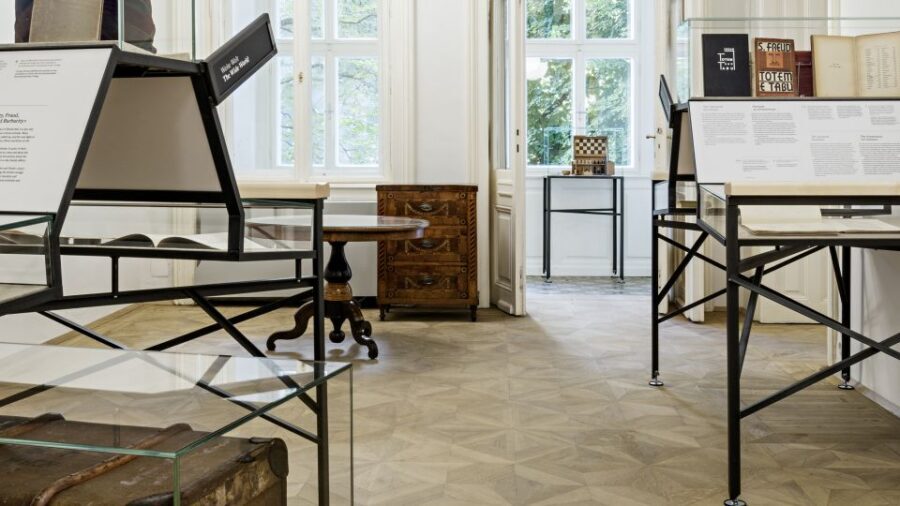
- Freud’s practice details: Rooms tied to work, plus rare prints and first editions that show how his ideas formed.
- Voices, not just text: Audio recordings bring Sigmund and Anna Freud into the experience.
- Freud’s Couch AR: Use your phone to launch the AR experience right where the famous couch used to sit.
- Nazi-era context inside the same house: A newly built staircase and a foyer gallery cover the horror after Freud’s expulsion.
- Conceptual art in Freud’s office: A permanent exhibition in his office setting connects psychology with contemporary visual thought.
Why this ticket feels worth the €U.S. $18 price in Vienna
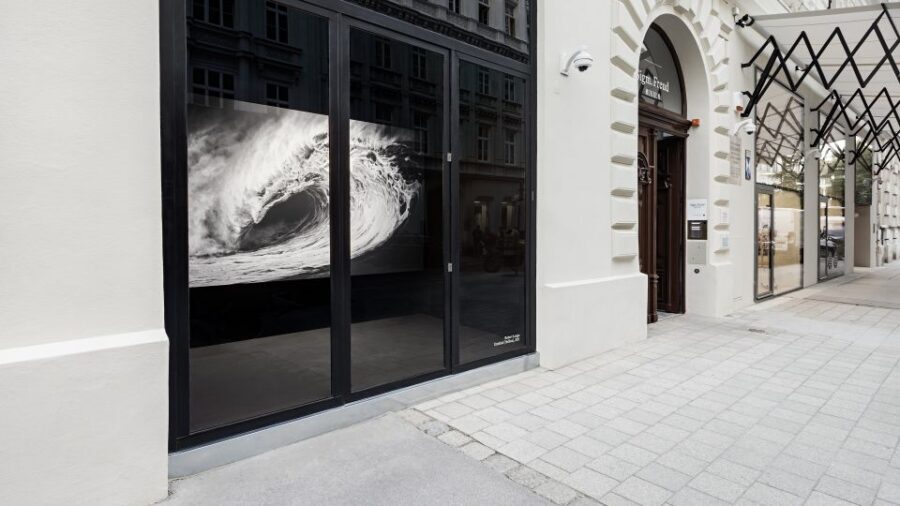
At $18 per person for a one-day visit, this museum prices itself like a “real museum day,” not a quick stop. You’re not paying only for a famous name. You’re paying to enter an address—Berggasse 19—that shaped both a scientific movement and a family life, right up to the tragedy of the Nazi era.
The value comes from how many modes of storytelling you get in one place:
- Original materials (prints, rare publications, and film material)
- Audio recordings with the voices of Sigmund and Anna Freud
- On-site, phone-based AR for Freud’s Couch
- A strong “where were they then” timeline, including what happened after Freud was forced out
And yes, there’s a practical perk: you present your voucher at the main entrance and can skip the ticket line, which matters in a city where museums can stretch your schedule.
You can also read our reviews of more tours and experiences in Vienna

A smart arrival plan for a calm, readable visit
This is a museum where the order matters—mostly because so much of the experience relies on you noticing room details. The ticket is valid for a 1-day visit, with starting times you can check for availability. If you want the least stress, I’d pick an earlier slot so you can read at an easy pace and still enjoy the audio parts without feeling rushed.
Also, keep expectations realistic. The museum encourages you to move through several floors and zones, including heavier content tied to persecution and exile. That’s not a “power through it in 45 minutes” kind of stop.
What to bring:
- A charged smartphone for the AR feature (Freud’s Couch)
- Light layers and water for when the interior runs warm
- A habit of slowing down in the office and the darker-history sections
One more rule: flash photography isn’t allowed. So plan on normal light, no camera flash moments.
Walking in like a patient: the historic entrance and mezzanine
Your visit starts at the main entrance of the museum. The museum’s layout leans hard into place-making: you’re meant to feel the building first, then the ideas.
You’ll take the historic steps to reach the mezzanine area, where the Freuds lived. This part is simple but powerful. You’re not viewing Freud behind glass. You’re moving through the same kind of domestic-to-work transition that shaped his daily life for years.
What stands out here is how the museum uses the apartment structure to explain two careers at once:
- Freud as a working physician and thinker
- Freud as a husband, father, and person living in a changing Vienna
If you like museums that let you “see the flow” of a life—morning to work to family—you’ll feel at home in these rooms. If you prefer fully guided, fast-paced tours, you may want to pace yourself with breaks, because the museum rewards attention.
Freud at work: practice spaces, rare publications, and 1930s film
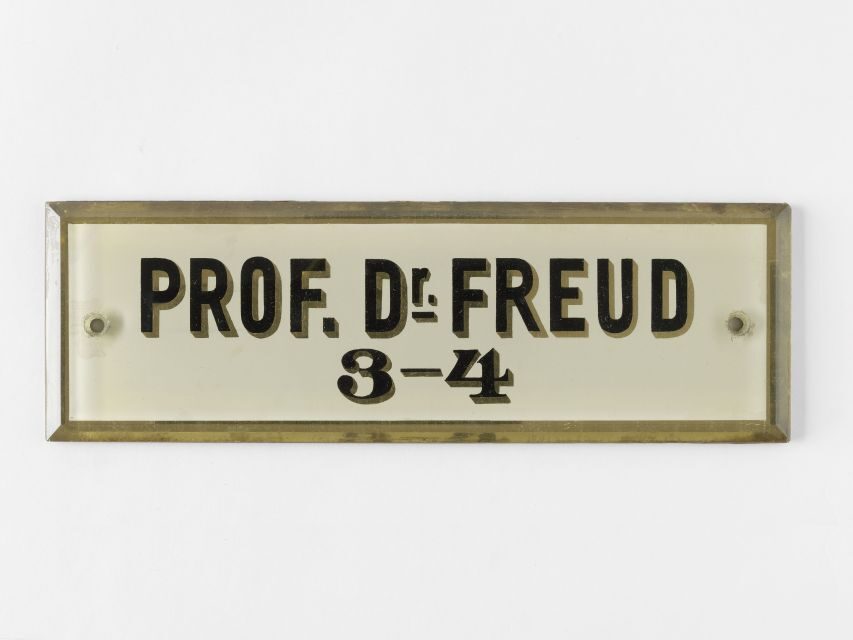
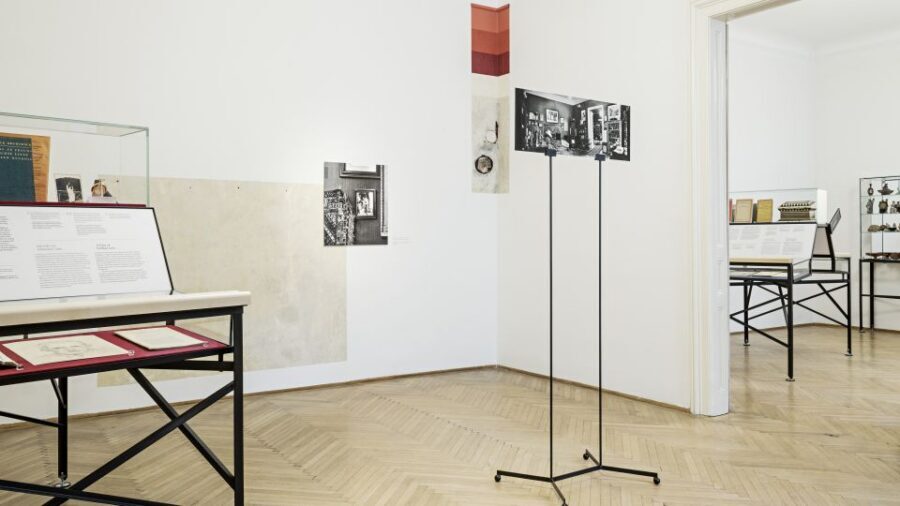
Once you’re oriented, the museum shifts from location to evidence. The exhibits highlight the professional stations of Freud’s work and biographical facets that connect his theories to real life.
You can expect:
- Descriptions and displays tied to his practice and the creation of psychoanalysis
- Rare first editions, offprints, and presentation copies that show you how his ideas were packaged and shared
- Special printings and materials that help you see the writing process, not just the final theory
- Unique film material from the 1930s, which adds a human, visual layer to everything you’re reading
Here’s the angle I think you’ll appreciate: this museum doesn’t only teach psychoanalysis as a set of concepts. It gives you the “how did he get there” story through artifacts and the room context. That makes it easier to understand why Freud mattered to people beyond the academic world.
You’ll also encounter the museum’s audio approach. When Sigmund and Anna Freud’s voices come through, it changes the tone immediately. Instead of distant history, you get a feeling of presence.
The AR moment: using your phone for Freud’s Couch
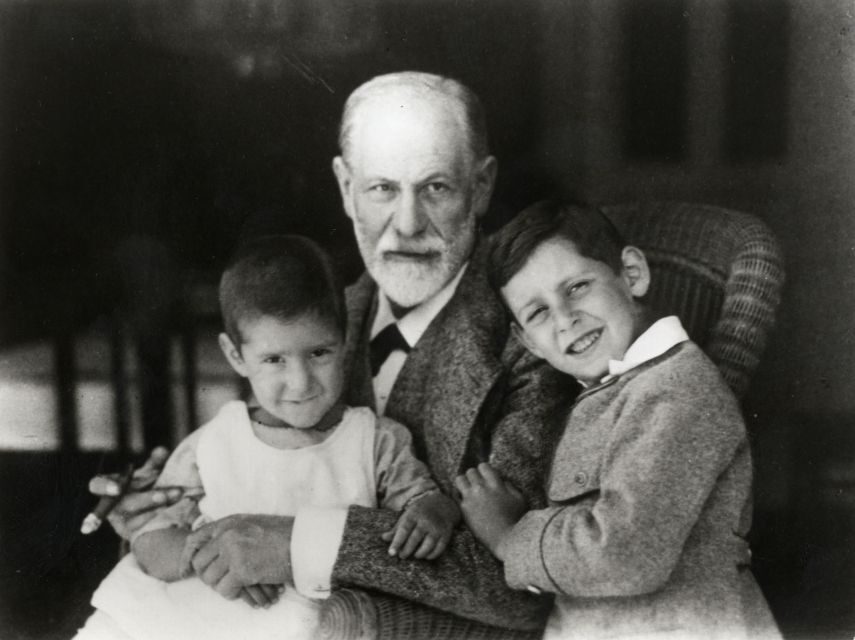
One of the most fun, modern touches is the AR installation called Freud’s Couch. You use your phone to start the experience, and the key detail is that it’s connected to where the famous furniture sat.
So you’re doing something like:
- Stand in the spot tied to the couch’s former location
- Launch the AR on your phone
- Follow what the installation shows you in relation to the room
A small but important consideration: some people expect to see famous furniture physically in place, and may find that the experience is more about the AR reconstruction and placement than about a literal, furniture-in-the-room display. The museum’s approach is still worth it, but it helps to go in knowing it’s tech-assisted, not a museum-dollhouse replica.
If you like interactive museum tools, this is one of the parts that keeps the day from feeling purely academic.
You can also read our reviews of more museum experiences in Vienna





The house becomes a memorial: the staircase and the foyer exile gallery
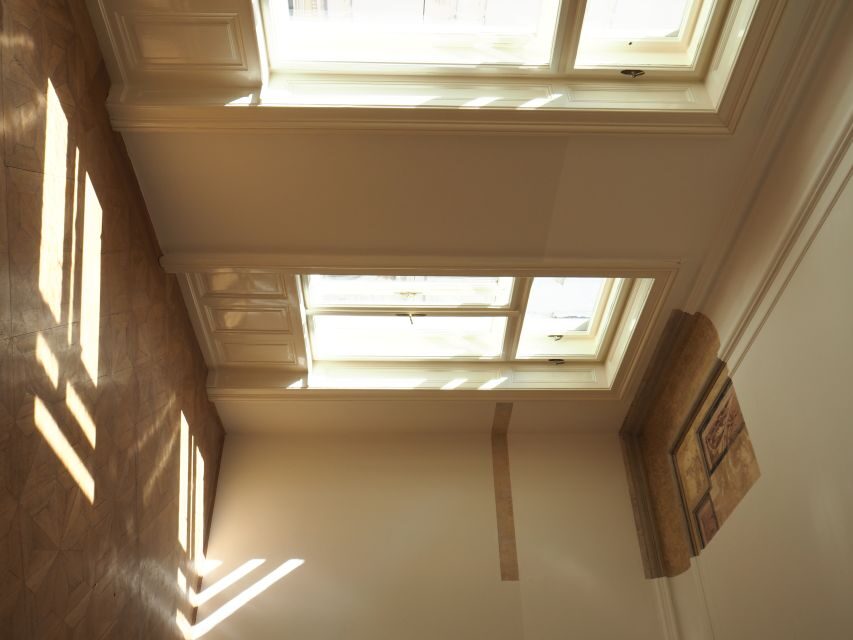
The museum doesn’t shy away from the history that follows Freud’s expulsion. This is where the tone turns heavier, and it’s handled through movement and space.
A newly built staircase connects all floors. As you climb and descend, you get the house’s history and the lives of the occupants, including the period after Freud was driven out. The museum depicts the time fraught with Nazi violence—when Jews were collected at Berggasse 19.
Then, in a separate zone of the foyer gallery, the museum focuses on Freud’s flight into exile in London with his closest family:
- The story includes his brother Alexander
- It also addresses the fate of Freud’s sisters Rosa, Marie, Pauline, and Adolfine
- And it covers their murder in Nazi extermination camps
This part matters even if you’re only casually interested in psychoanalysis. It turns “a famous thinker’s home” into “a record of real harm done in the real places people lived.” It also prevents the museum from becoming a pure nostalgia stop.
If you’re emotionally sensitive, plan a mental pause. Read slowly. Take breaks between rooms. This isn’t a place where you’ll benefit from rushing.
Freud’s office plus conceptual art: Hidden Thoughts of a Visual Nature
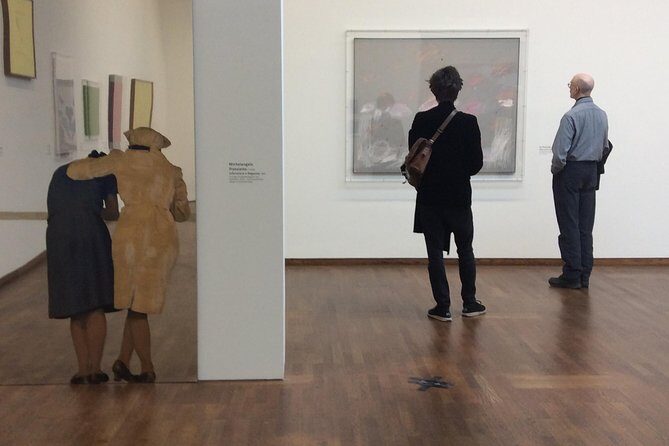
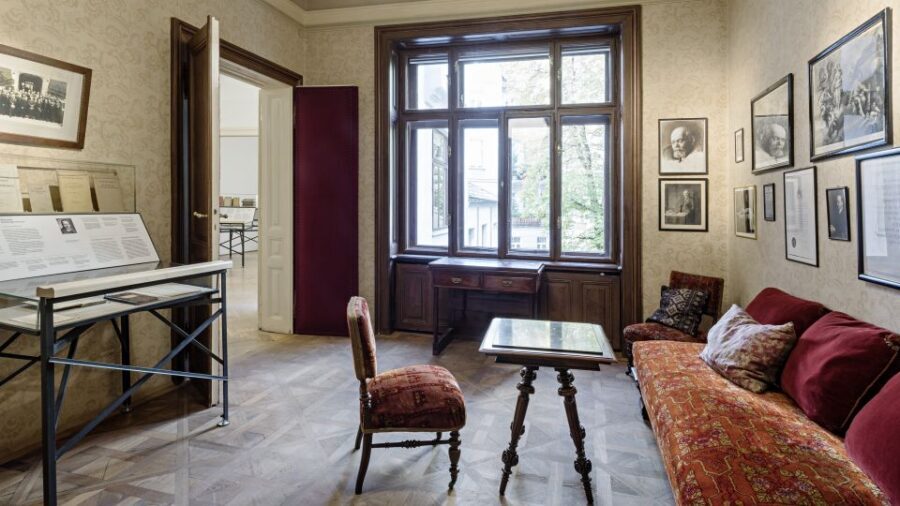
After the more difficult historical sections, the museum brings you to Freud’s former office. Here you’ll see a permanent exhibition called Hidden Thoughts of a Visual Nature.
What I like about this setup is that it avoids turning the office into a shrine with only one kind of display. Instead, it connects psychoanalytic thinking with visual interpretation through works of conceptual art, including pieces by:
- John Baldessari
- Joseph Kosuth
- Susan Hiller
- Franz West
- Haim Steinbach
- and others from the museum’s collection
It’s an unusual pairing, but it makes sense in context. Freud’s work trained people to look for meaning under the surface. Seeing conceptual art in that space helps you experience that idea as perception rather than just theory.
If you’re a fan of contemporary art, you’ll probably enjoy this “two disciplines, one room” contrast. If contemporary art isn’t your thing, the exhibit still functions as a mood shift and a way to reset your brain before you head to the shop and café.
Time needed: how long to plan and how to pace your day
The ticket is for a one-day visit, but your actual time will vary based on how you read and how much you linger in audio and film sections.
From the way people describe their visits, you might spend:
- Around 1.5 hours for a straightforward circuit
- Closer to 3 hours if you read thoroughly and slow down in multiple rooms
Here’s what to adjust based on your pace:
- If you read everything, especially in the historical areas, plan extra time.
- If you’re short on time, prioritize: mezzanine rooms → audio and film moments → Freud’s Couch AR → staircase/foyer history → office exhibit.
- Don’t treat signage like a guarantee of strict chronology. The museum is engaging, but you may find it doesn’t always guide you in a single linear path. That can be annoying if you want a timeline flow, but it can also help if you prefer wandering based on themes.
Lighting can be a factor too. Some rooms feel dimmer than you’d expect for detailed reading. Bring patience for close-up captions and artifacts.
Family-friendly perks without killing the mood
This museum can work for families in a smart way, because it offers playful attention-getters alongside serious content. You might find puzzle elements in rooms, like sticker hunts tied to Freud’s dog—great for younger kids who need a job while adults read.
There’s also a board game in the shop that people often consider buying. Even if you skip it, the fact that the museum carries interactive, off-the-wall items means you leave with something to talk about on the walk back to your hotel.
Just remember: depending on your time slot, you may encounter children and noise. If you’re sensitive to that, aim for earlier hours and plan for quieter reading breaks.
Where to end: shop and café with Viennese treats
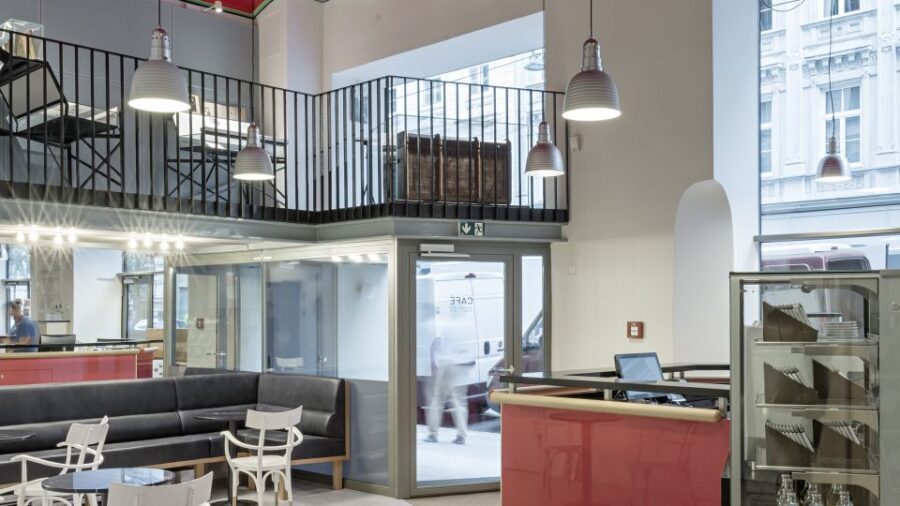
After the exhibitions, you’ll reach the museum’s shop and café. This is more than a tourist add-on. It’s a chance to turn your visit into a souvenir you’ll actually use.
You can browse:
- books and gift selections
- and then take a break with an original Viennese coffee and cake
If coffee isn’t your thing, you can also choose Viennese wine. Either way, it gives your brain a reset after the dense mix of psychoanalysis, family life, and Nazi-era history.
Should you book the Sigmund Freud Museum ticket?
Book it if you want more than a name on a postcard. This museum is especially good for you if you like:
- history tied to a real place
- museum experiences that combine objects, audio, and interactive tech
- the human side of major thinkers, including how families and ideas collide
Skip it (or rethink timing) if you:
- need bright, easy-to-read rooms at all times
- can’t handle emotionally heavy historical material
- prefer strictly chronological, step-by-step storytelling with minimal wandering
FAQ
Where is the Sigmund Freud Museum located?
The museum is at Berggasse 19, Vienna.
How much is the Sigmund Freud Museum ticket?
The price is $18 per person.
How long is the ticket valid for?
The ticket is valid for 1 day.
Where do I present my ticket voucher?
Present your voucher at the main entrance of the Sigmund Freud Museum.
Does the ticket include skip-the-line entry?
Yes, it includes skip the ticket line.
Are there restrictions on photography?
Flash photography is not allowed.
Is the museum wheelchair accessible?
Yes, it is wheelchair accessible.
Is free cancellation available?
Yes. You can cancel up to 24 hours in advance for a full refund.
Is there an AR experience?
Yes. There is an AR installation called Freud’s Couch that you start using your phone.
Is there a café or shop inside?
Yes. The visit ends at the museum’s shop and café, with options including Viennese coffee with cake or Viennese wine.