REVIEW · VIENNA
Private tour of historical Vienna with Jan
Book on Viator →Operated by Jan Kepinski · Bookable on Viator
One walk can make Vienna feel instantly legible. This private tour with Jan links major Habsburg sites and old-town streets into a story you can actually follow. I like how it’s paced for real sightseeing, not herded motion, while still hitting the big hitters.
Two things I’d put at the top: you get a state-licensed guide (Jan) who tells the “why” behind what you see, and the route is built around iconic power-and-spirit stops like the Hofburg courtyards and St. Stephen’s Cathedral. For a first trip, it also helps you build a mental map that makes the rest of your days easier.
One consideration: it’s a walking tour through central sights, so comfortable shoes matter more than style. If you’re trying to fit in lots of back-to-back tickets right after, you may need to keep your schedule a little flexible.
In This Review
- Key points to know before you go
- Stephansplatz start: a guided walk that sets your Vienna bearings
- Hofburg courtyards and Habsburg stories in the heart of power
- Hero’s Square, Maria Theresia, and Vienna’s museum district wow
- Sluka coffee break: taking Vienna seriously, one cake at a time
- St. Stephen’s Cathedral and a less-visited baroque church moment
- Stadtpark, Graben shopping, and finishing at Naschmarkt
- Price and value: is $432.53 per group worth it?
- Who should book this and who should skip it?
- Should you book Historical Vienna with Jan?
- FAQ
- How long is the Private tour of historical Vienna with Jan?
- What is the group size for this private tour?
- Where does the tour start and end?
- Is pickup offered?
- What language is the tour in?
- Are admission tickets included or free?
- Is the tour mobile-ticket compatible?
- What is the cancellation window?
- Are service animals allowed?
Key points to know before you go
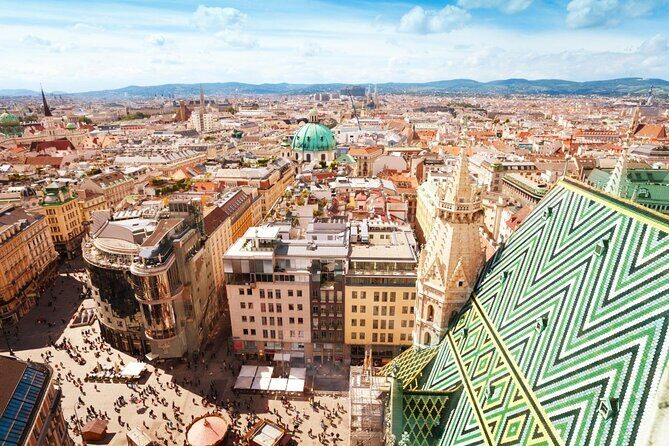
- Private group up to 10 means you won’t get stuck in the back or lose your chance to ask questions
- Hofburg courtyards route focuses on the story of the Habsburg dynasty without big-chunk museum overload
- Photo-friendly imperial squares like Heldenplatz help you see Vienna’s grand scale fast
- Coffee-house break at Conditorei Sluka adds a proper taste of Vienna, not just more stone viewing
- St. Stephen’s plus a less-visited baroque church gives you variety without feeling scattered
- Ends at Naschmarkt so you can walk straight into an easy dinner plan
Stephansplatz start: a guided walk that sets your Vienna bearings
The tour begins at Stephansplatz, right at the heart of Vienna’s old town, and the flow is designed to help you understand how the city grew—politically, spiritually, and culturally. You’ll start with the Historic Center of Vienna, where you get a guided sense of what you’re looking at and how the pieces connect. It’s the kind of orientation that makes you later recognize streets, buildings, and squares without needing constant phone maps.
You can also expect practical help woven into the walking rhythm. In the accounts I’m drawing from, Jan often points out good ways to move around, and that matters in Vienna where neighborhoods feel close but can take time to navigate. If you want a tour that gives you both history and street smarts, this is the setup.
A small but real value: pickup is offered, and you’ll have a mobile ticket. That can save you some first-day stress when you’re still figuring out transit and meeting points. The whole outing runs about 2–3 hours, so it’s long enough to feel like a proper introduction, but not so long that it eats your entire day.
One more practical note: most sights listed are admission-ticket free for the time spent at each stop. That doesn’t mean every building is open to the public for free, but it does suggest the tour is structured to work well without turning into a ticket-queue marathon.
You can also read our reviews of more private tours in Vienna


Hofburg courtyards and Habsburg stories in the heart of power
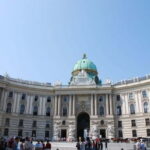
Next you’ll move to the Hofburg, the former grand palace of Austria’s rulers. What I like about this stop is the framing: the palace isn’t treated like one single monument. You’re led through the logic of it being a patchwork of wings and buildings from different periods, created by different rulers. That perspective makes the Hofburg feel less like “a big palace” and more like a timeline you can walk through.
Instead of just staring at walls, the focus here is on the outer courtyards and the story of the Habsburg dynasty—a key thread in Austrian heritage. If you want to understand why Vienna feels so official and imperial, this is where that feeling starts. You also get a sense of how power was displayed, not only in grand interiors, but in the spaces people could access and the rhythms of daily movement.
The Hofburg stop is about 30 minutes, which is a sweet spot. You get enough time to grasp the big idea without burning your legs on a never-ending palace complex. It’s also a good transition into the more monumental public-squared drama coming next.
If you’re traveling with kids or a mixed-age group, this courtyards approach tends to work well because it’s structured, not labyrinthine. And if you’re the type who likes asking questions, a private guide is where that pays off.
Hero’s Square, Maria Theresia, and Vienna’s museum district wow
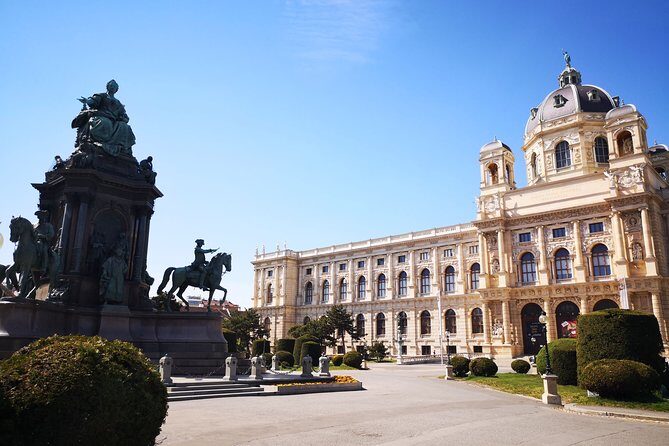
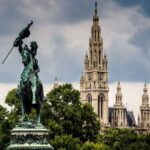
After the Hofburg, you’ll hit Heldenplatz—the Hero’s Square. This is one of those places where Vienna’s historic architecture feels instantly grand. You’ll also hear stories about the heroes of the Austrian Empire, and that storytelling angle helps you look at the statues and facades with context instead of just decoration.
Then comes Maria Theresien Square, with the twin museum buildings flanking the memorial. The history here isn’t presented as dry dates. You’re guided toward why Maria Theresia mattered, including the idea of long, enlightened modernization and what that meant for the centralized state and the growth of a new middle class of bureaucrats. That’s a useful lens if you later visit museums and want to connect art and architecture to the social changes that shaped them.
Two practical reasons this segment is worth your time:
1) It’s where Vienna’s “big picture” story becomes visible in stone and symmetry.
2) The stops are short—about 15 minutes each—so you keep energy for the more hands-on sights later.
Photo tip, no fuss: bring your phone charger plan. Squares and facades tempt you into extra pictures. The route is designed to move you along, so try not to get stuck at one corner too long.
Sluka coffee break: taking Vienna seriously, one cake at a time
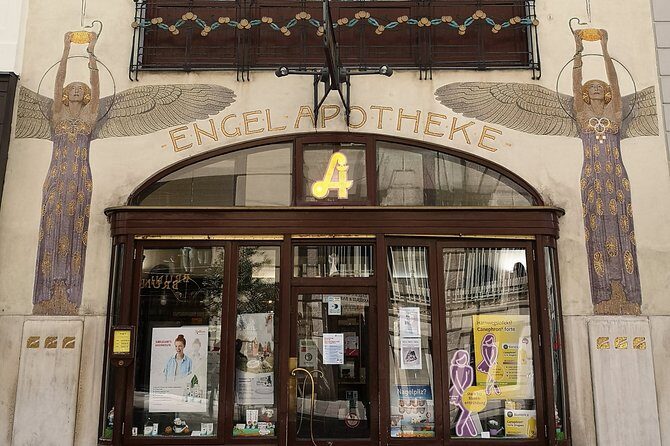
About mid-tour, you’ll stop at Conditorei SLUKA for a 30-minute break. This is one of the smartest pieces of the itinerary because it matches how Vienna people actually live: sightseeing is important, but so is the ritual of coffee and cake.
The tour sets you up in a traditional Viennese coffee house with a beautiful Art Nouveau interior. Even if you’re not an architecture nerd, you’ll feel the atmosphere right away. And if you are one, you’ll appreciate the timing: you’re seeing grand architecture and imperial power all morning, then you switch gears to a softer, human-scale experience.
There’s also a strong pattern in the accounts you shared: Jan doesn’t just point you at a cafe. He helps you make the break enjoyable—sometimes with choices that work for families and with suggestions about what to try. One example from the provided feedback includes sampling cakes and coffee in the spirit of classic Viennese stops, and it can also mean you get a moment to sit down without rushing.
If you’re worried about dietary needs: the tour data doesn’t spell out options, so you might want to check with the cafe staff on-site. But the structure—an actual pause—means you won’t end up snack-starved on the next leg.
St. Stephen’s Cathedral and a less-visited baroque church moment
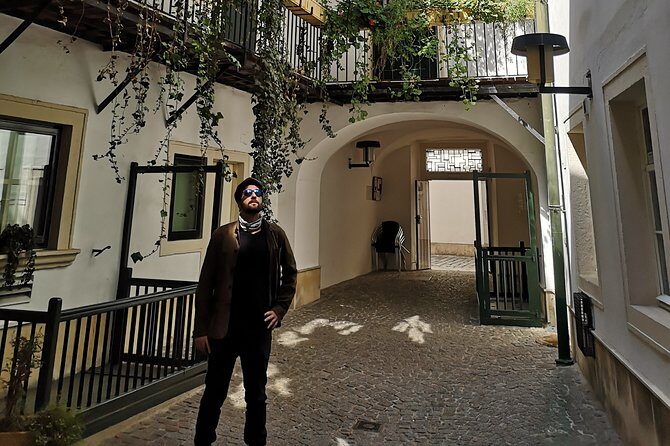
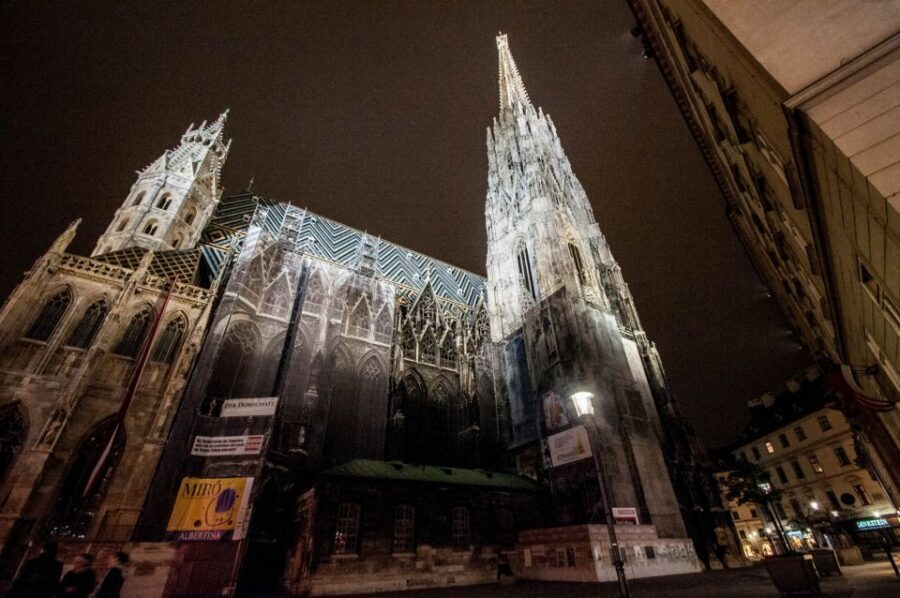
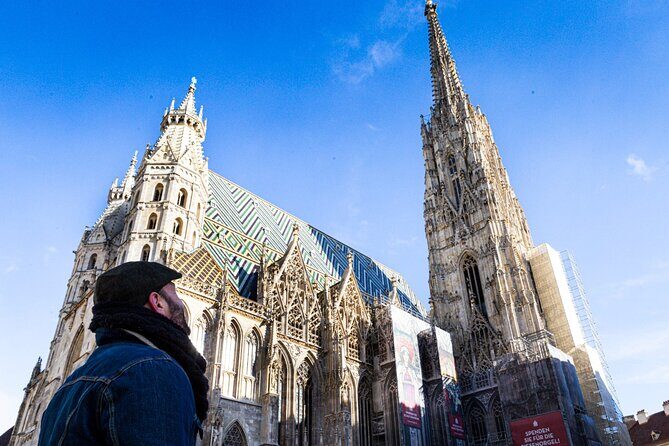
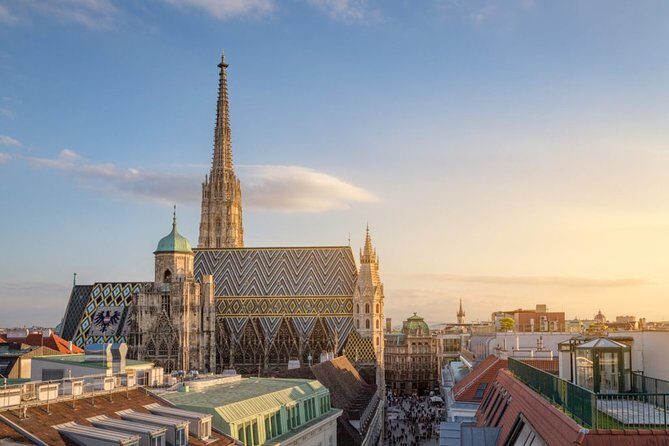
Then it’s back into stone, starting with St. Stephen’s Cathedral. The tour frames it as the spiritual and geographical heart of Vienna, and you’ll get a quick but meaningful walkthrough of how its construction spans decades and different styles. That matters because St. Stephen’s isn’t a single-era postcard. It’s a long project, shaped by time—and you can see that in the mix of design influences.
You’ll also hear about post-war reconstruction and the idea of positive cooperation, reflecting a society coming together after war. That theme—repair, rebuilding, shared effort—does a lot to change how you look at the cathedral. It becomes less about “this is old” and more about “this endured.”
Next is a real contrast stop: the Church of the Jesuits. This is described as one of the finest but least visited baroque churches in Vienna. If you’ve been in big-name churches all day, this kind of side stop can feel like a relief. The point is baroque flamboyance—extra detail, extra drama, and a sense that art served religion with full theatrical confidence.
Timing is tight but fair: St. Stephen’s gets about 10 minutes, and the Jesuit church another 10 minutes. That’s enough to set your eyes on the key features without turning it into a stop-and-go endurance test. The advantage of the private format is that Jan can steer you toward what to notice, which reduces that “wandering alone while the guide talks” feeling.
You can also read our reviews of more historical tours in Vienna

Stadtpark, Graben shopping, and finishing at Naschmarkt
To cool down after all the major monuments, you’ll head to Stadtpark, along the southern part of the Ringstrasse boulevard. The park honors painters, musicians, and politicians of Vienna’s golden age, so it’s more than a green break. You’re still connecting people to place, only now in a softer setting.
This portion also makes practical sense: the streets around the old town can feel tight. Stadtpark gives you space to breathe and reset your legs. Expect about 15 minutes here, which is perfect for a quick pause and a few photos without losing momentum.
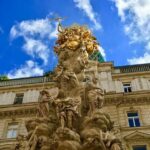
Then comes the shopping streets: Graben and Kohlmarkt. This is where Vienna shows its high-end, polished side, with luxurious brands and coffee houses lining the route. The tour also points out the Baroque plague column on Graben, built to commemorate survival after a devastating plague at the end of the 17th century. That’s a great example of how Vienna’s beauty often comes with a dark historical reason behind it.
Short and sweet: about 10 minutes for this stretch means you get the core experience without turning your afternoon into retail therapy. If shopping isn’t your thing, you can still appreciate the architecture and the memorial story.
Finally, the tour ends at Naschmarkt, Vienna’s famous open-air food market. That’s a smart finish because it solves the hardest first-day question: where do we eat? You’re dropped right at a lively, convenient spot where you can keep exploring at your own pace.
Price and value: is $432.53 per group worth it?
At $432.53 per group (up to 10) for about 2–3 hours, the price works like this: you’re paying for a private, guided route with multiple major stops and a guided coffee break—not just a walking map.
If you’re traveling with 2–6 people, this often becomes a strong value compared to booking separate tours or trying to piece together multiple paid experiences. The admission listed for key segments is free in the itinerary details you provided, which helps you avoid surprise costs. And because the group size is capped at your own party, you’re less likely to feel like you’re paying for time you don’t get to use.
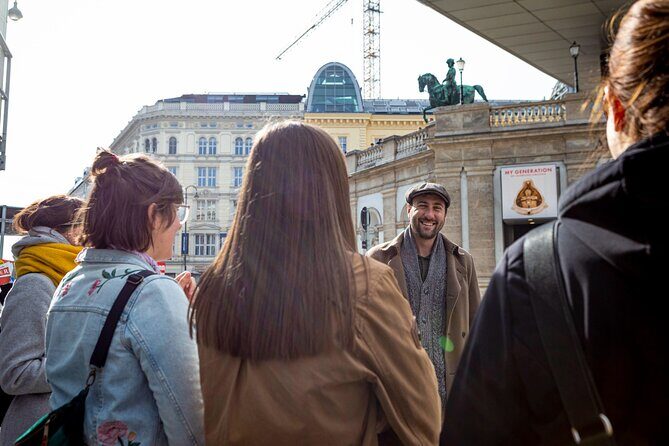
The bigger value is harder to price: Jan’s style, from the feedback you shared, is story-first. He connects architecture to cause-and-effect and can answer questions on the spot. In plain terms, that turns “I saw buildings” into “I understand what I saw,” which pays off long after the tour ends.
Who should book this and who should skip it?
This tour is a great fit if you:
- want a first-day orientation to Vienna’s historic core
- like history tied to places you can see (Habsburg power, church influence, city growth)
- prefer a private format where you can ask questions and adjust
- want a structured break for coffee at Conditorei SLUKA
You might skip it if you:
- hate walking and want a fully vehicle-based day (this is still a walking route)
- are only interested in one single attraction and don’t care about the connective tissue between sites
- want a deep museum ticket day rather than a guided “best-of streets and monuments” introduction
Also, if you’re traveling with kids or a mixed group, the pace and cafe stop can be a big help.
Should you book Historical Vienna with Jan?
Yes, if you want a smart first introduction to Vienna that balances grand monuments with real-world breaks. The route makes sense: old-town orientation, Hofburg, imperial squares, coffee, then cathedral and baroque, followed by a relaxing park and a classic shopping-and-memorial walk, ending at Naschmarkt.
If you’re deciding between a big-group bus tour and a private walk, this is the better bet for most people. You get more control, more Q&A time, and a guide who seems to care about making the history readable—not just recited.
FAQ
How long is the Private tour of historical Vienna with Jan?
The tour runs about 2 to 3 hours.
What is the group size for this private tour?
It’s a private experience for your group, with pricing listed for up to 10 people.
Where does the tour start and end?
It starts at Stephansplatz, 1010 Wien, Austria and ends at Naschmarkt, 1060 Wien, Austria.
Is pickup offered?
Yes, pickup is offered.
What language is the tour in?
The tour is offered in English.
Are admission tickets included or free?
The itinerary shows admission ticket free for the listed stops, and the tour is guided during the time at each location.
Is the tour mobile-ticket compatible?
Yes, a mobile ticket is offered.
What is the cancellation window?
You can cancel up to 24 hours in advance for a full refund.
Are service animals allowed?
Yes, service animals are allowed.