REVIEW · VIENNA
Highlights of Vienna in a Historical & Cultural 3h Walking Tour
Book on Viator →Bookable on Viator
Vienna gets better when you learn the stories behind stone. This 3-hour walk ties Mozart, the Habsburgs, and everyday city life into one efficient route. You’ll start at Mozarthaus and finish at the Vienna State Opera, passing the kind of stops that make Vienna feel oddly personal.
Two things I really like: the small group size (up to 18) and the fact that you’re given practical pointers, not just dates. I also like the built-in coffee-house break—it keeps the walk from feeling like a nonstop sprint through monuments.
One consideration: time is short at each highlight, so you’ll mainly see and learn, not linger for long museum visits. If you want deep interiors, you’ll need to plan one or two extra stops after the tour.
In This Review
- Key highlights worth your attention
- A smart route: small group, big Vienna highlights in 3 hours
- Mozarthaus Vienna and St Stephen’s Cathedral: the music-and-medieval combo
- Coffee culture on the move: Demel, Julius Meinl, and Freyung Passage
- Rathaus, Parliament, and the opera corridor of power
- Hofburg and the Winter Palace story: how Habsburgs shaped daily Vienna
- Spanish Riding School stables: tradition you can actually see
- The Vienna State Opera finish: leaving with a plan, not just photos
- Practical tips for making this tour feel worth it
- Should you book this Mozart, Habsburgs, and highlights walking tour?
- FAQ
- How long is the Vienna highlights walking tour?
- Where does the tour start and where does it end?
- Is the tour in English?
- What is the group size?
- Is a coffee break included?
- Are museum entrance fees included?
- What kind of walking fitness level is expected?
- Is there free cancellation?
Key highlights worth your attention
- Mozart first stop at Mozarthaus Vienna, setting the tone for the whole walk
- St Stephen’s Cathedral for medieval architecture and long-running Vienna importance
- Coffee culture stops including Julius Meinl Am Graben and a break tied to a traditional coffee house
- Habsburg power stops at the Hofburg, Winter Palace area, and key landmarks around it
- Spanish Riding School stable visit to see the famous horses up close
- Grand finale energy ending by the Vienna State Opera
A smart route: small group, big Vienna highlights in 3 hours
This is a 3-hour walking tour built for first-time direction and context. You’re not stuck on a bus, and you’re not trying to cover the city by sheer willpower either. With a group capped at 18 (and commonly small enough for questions), you get the best of both worlds: major sights plus time to ask, without feeling lost in a crowd.
The pacing also matters. Each stop is brief—often around 5 to 20 minutes—so the route works like a guided timeline. You’ll understand why these places matter, which makes it way easier to choose what to do next in Vienna.
And you’ll have tools to keep going after you finish: a printed Vienna information package and a city map. That is handy when you want to follow your guide’s suggestions later, especially for coffee and cake.
You can also read our reviews of more walking tours in Vienna
Mozarthaus Vienna and St Stephen’s Cathedral: the music-and-medieval combo
You start at Mozarthaus Vienna (Mozart’s apartment site in the city), where you’ll connect Mozart to real locations instead of just hearing names and years. This opening matters because it anchors the rest of the tour. Vienna’s “big” story isn’t only Habsburg politics; it’s also the way the arts grew inside the city’s power structure.
The Mozarthaus stop is listed with free admission, so you’re not just standing outside. It’s the type of start that helps you walk into the next stops with better context, like why people gathered, why patronage mattered, and why Vienna became a magnet for composers.
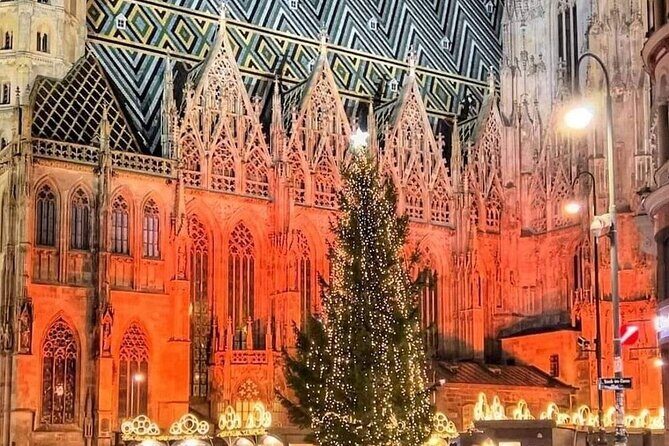
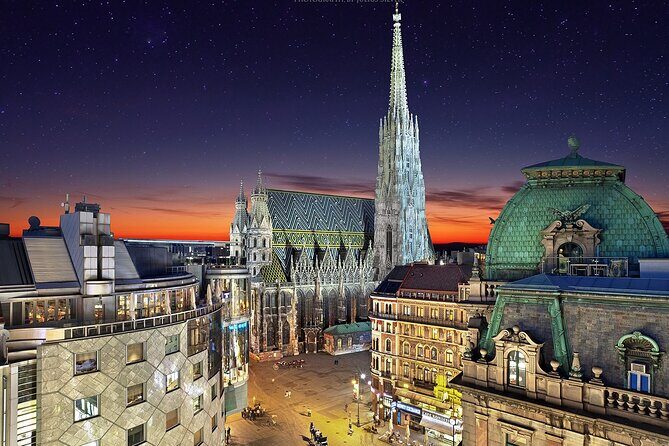
Then you head to St Stephen’s Cathedral. This stop is all about medieval architecture and the cathedral’s long role in Vienna. In practical terms, it’s one of those landmarks you’ll see again and again later on your own, so learning what you’re looking at early makes future sightseeing faster and more satisfying.
A short note on expectations: your time at each stop is limited. So treat these early minutes as your orientation. If you want more interior time at St Stephen’s or deeper museum exploration at Mozarthaus, plan those for a different moment.
Coffee culture on the move: Demel, Julius Meinl, and Freyung Passage
One thing I love about Vienna is how food shows up in history, not just in modern menus. This tour builds that idea into the route with several quick-but-meaningful stops.
Julius Meinl Am Graben is a big one for that. You’ll learn how Vienna’s long coffee culture started—over 300 years—then you walk away understanding why coffee houses became social hubs, not just caffeine stops. It’s the kind of lesson that makes you notice details when you later sit down in a café.
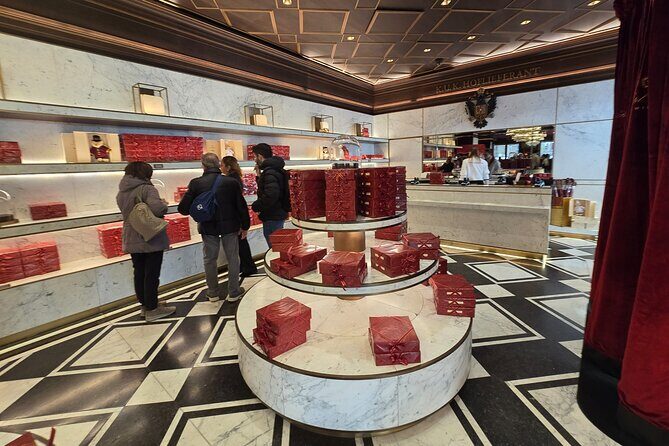
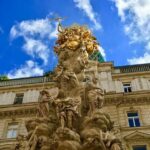
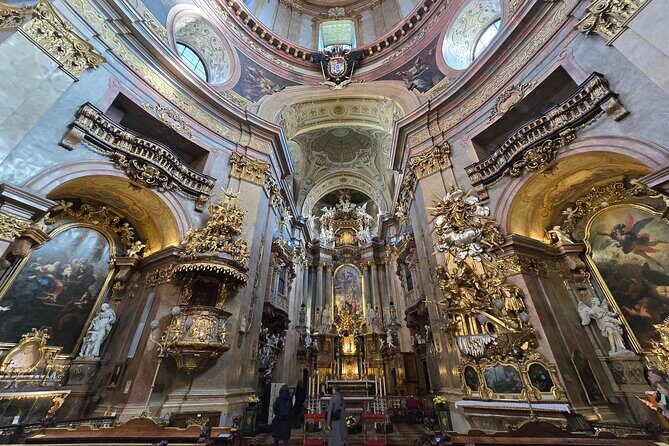
You also stop in the historic center area near the Saint Peter’s church and a plague column, plus a moment around Demel cake shop. Even if you don’t buy anything, you’ll come away with a sharper sense of how Vienna’s central streets link daily life, religion, and public memory.
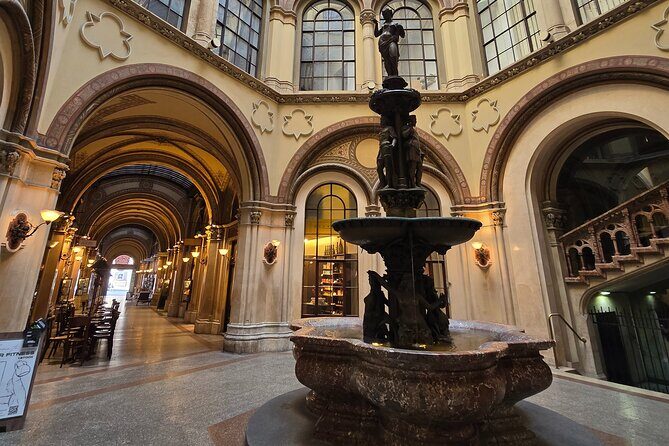
Freyung Passage is another fun stop: it’s described as one of the most beautiful passages in the historic center. And it’s where you get pointed toward Café Central, one of those addresses you can build an itinerary around. If you’re the kind of traveler who wants one “perfect pastry and coffee” break, these stops help you pick where to spend it.
Rathaus, Parliament, and the opera corridor of power
As you move deeper into the city’s core, the tour shifts gears toward governing power and public architecture. The route includes the Austrian Parliament building and Vienna’s City Hall area (Rathaus).
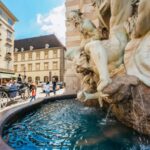
At the Austrian Parliament, you’ll see Greek-style design and the Pallas Athene Fountain out front. This is a good moment to pause and look up, because the building details are part of the lesson. You’ll also get a sense of how Vienna projects authority through classical forms—especially important if you’re used to cities that signal power through castles or fortresses.
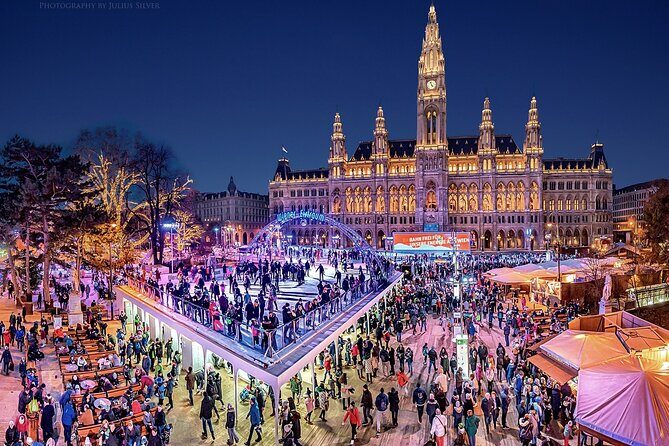
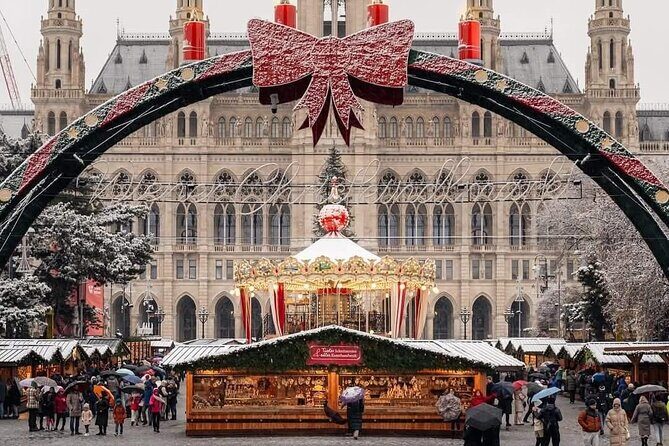
Then comes Rathaus, with its gothic architecture. In winter, this area often feels like Vienna in postcard mode. Even when you’re not there in the holiday season, Rathaus is still one of the best places to understand the scale of the city’s public spaces. This is also a natural spot for a snack or warm drink, because the surroundings encourage stopping and people-watching.
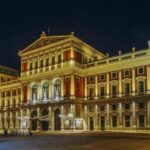
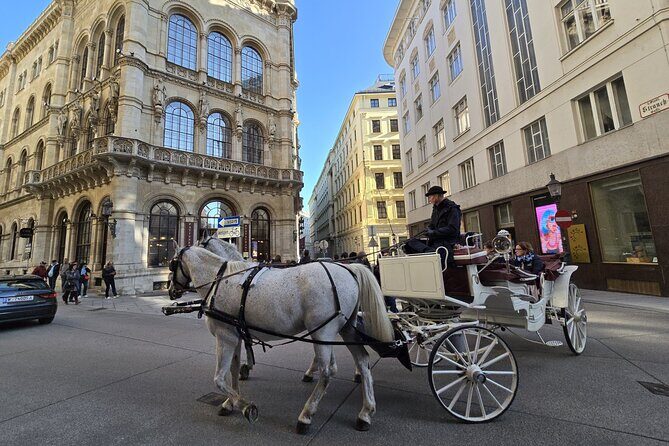
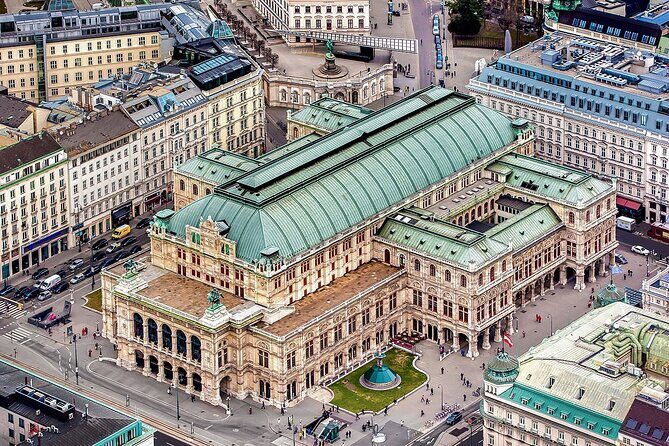
And then the route points you toward the finale: Vienna State Opera. You’ll admire the building and learn why an emperor was disappointed when he saw it, plus the consequences of that rough criticism. That story angle gives the opera building a pulse. It’s not just a pretty façade; it’s a site where taste, politics, and reputation collided.
Timing tip: if you care about photos, plan for the reality of crowds. Opera-area streets can be busy, and your time there is short. I’d rather have you take 5 good pictures than rush for 25 average ones.
Hofburg and the Winter Palace story: how Habsburgs shaped daily Vienna
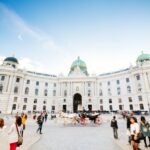
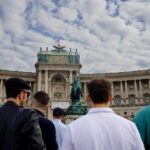
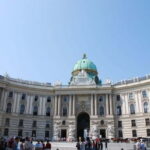
The Hofburg stop is where the tour’s big theme clicks: Habsburg influence isn’t only museums and empires; it shaped the physical layout of Vienna. You visit the Winter Palace and residence area dating back to the 13th century, then connect it to major emperors and empresses.
This is the part of the tour that helps you understand why Vienna feels so “ordered” in the center. Power structures left architectural fingerprints. Even if you don’t memorize names, you’ll walk away with a map in your head: the Habsburgs were always close, and their presence shaped what and where people built.
There’s also a stop connected to the nearby museum zone—Kunsthistorisches Museum Vienna—where your guide explains what you can find across 18 museums in and around the winter palace area. That’s smart for planning. Instead of you wandering into museum overload and losing an afternoon, you get a simple framework for choosing what matches your interests.
Practical drawback here: the tour gives you orientation, not a full museum day. So if you’re a “show me the paintings” traveler, you’ll want a second plan. Think of this stop as a promise that you’ll come back with better questions.
You can also read our reviews of more historical tours in Vienna

Spanish Riding School stables: tradition you can actually see
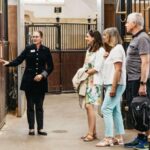
One of the most satisfying moments on the route is the Spanish Riding School stable visit. The tour emphasizes tradition dating to the 15th century and gives you time to see the horses.
Even with limited time, this kind of stop is worth it because it changes how you imagine the Spanish Riding School. It’s not an abstract tradition anymore; it’s living animals in a historic setting. If you like watching craftsmanship, discipline, and tradition, this is your moment.
You also get a useful comparison in your head: in the same walk you see opera grandeur and parliamentary architecture, then you get horses and stables. Vienna’s culture is not only buildings—it’s also ritual and practice.
If you’re traveling with kids, this stop is often a win because it breaks the pattern of “look at stone, listen to stories.” It gives your feet a different kind of reward.
The Vienna State Opera finish: leaving with a plan, not just photos
The tour ends at the Vienna State Opera, which is a great finish line. It’s central, recognizable, and it naturally tees up what you might do next: opera-adjacent streets, easy transit, and a sense that you’ve reached the most iconic part of the city center.
I like finishing at a place with strong options. If you feel energized, you can keep exploring on foot. If you feel tired, you’re still close to good choices for sitting down—coffee, cake, and dinner plans.
Also, because the walk includes a printed information package and a map, you’re not walking away only with memories. You have a starting point for your next moves.
Practical tips for making this tour feel worth it
Here’s how I’d set yourself up to get the most value from this kind of route.
- Wear shoes you can trust for an old-city surface. This is a walking tour with multiple short stops.
- Bring layers. Even when the sights are indoors-adjacent, the time between stops adds up fast in Vienna’s weather.
- Use your questions. This is a smaller group format designed for interaction, and you’ll get more out of the guide’s stories if you ask what you want to understand next.
- Treat the tour as orientation plus recommendations. The itinerary is packed, and that’s the point. Plan one or two deeper experiences afterward based on what you’re interested in.
About price and value: $66.37 for about 3 hours isn’t a bargain, but it’s not “splurge pricing” either for Vienna. You’re paying for a live guide, a medium-to-small group size that supports questions, plus the coffee-house break, map, and printed package. If you’re comparing it to DIY sightseeing, the value comes from saving time and getting context fast.
Should you book this Mozart, Habsburgs, and highlights walking tour?
Book it if you want a high-impact first look at Vienna—Mozart, Habsburg power, major landmarks, plus coffee culture and a Spanish Riding School horse-stable moment. It’s also a good choice early in your trip, because it helps you decide what to do next without guessing.
Skip it (or plan carefully) if you know you want long museum stays or extended interior time. This route is built for short, story-driven stops, not for sitting in galleries for hours.
If you do book it, I’d recommend showing up ready to walk, asking questions, and using the coffee and landmark moments as anchors for your own next-day itinerary. That’s when this tour turns from a nice overview into a trip-planning advantage.
FAQ
How long is the Vienna highlights walking tour?
It runs for about 3 hours.
Where does the tour start and where does it end?
It starts at Mozarthaus (Mozart apartment), Domgasse 5, 1010 Wien, and ends in front of the Vienna State Opera, Opernring 2, 1010 Wien.
Is the tour in English?
Yes, it is offered in English.
What is the group size?
It is a medium size group with 4 to 18 people, with a maximum of 18 travelers.
Is a coffee break included?
Yes. The tour includes an extra 30-minute break in a traditional Viennese coffee house.
Are museum entrance fees included?
Entrance fees to museums are listed as not included. However, some specific stops on the route are marked with admission ticket free.
What kind of walking fitness level is expected?
The tour recommends travelers have a moderate physical fitness level.
Is there free cancellation?
Yes. Free cancellation is available up to 24 hours in advance for a full refund.