REVIEW · VIENNA
Vienna: Johann Strauss 200th birthday anniversary exhibition
Book on GetYourGuide →Operated by Kunsthistorisches Museum · Bookable on GetYourGuide
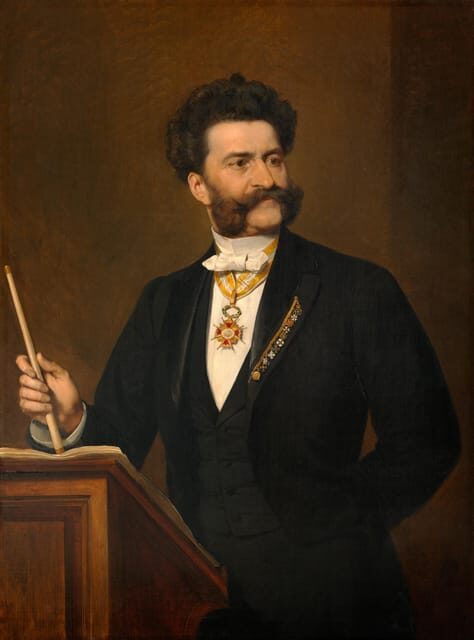
Strauss in Vienna, with the score in hand. This Johann Strauss 200th birthday exhibition at the Theatermuseum is a focused way to experience the waltz king’s world in the very rooms of Palais Lobkowitz. I especially like seeing the original score of Die Fledermaus and then following how the music life connects to the objects, performances, and stories on display. One possible hiccup: if you pay attention to the sound-and-screen parts, the music examples aren’t synchronized with the films, and that can be annoying.
For me, the value is clear: the ticket is priced reasonably at $18 and covers both the Theater Museum admission and the anniversary exhibition in one go. I’d plan it as a calm, one-day stop—no rush—because there’s a lot to take in about his dance and concert music, plus his music-theater works and the people around him.
In This Review
- Quick take: what makes this Strauss anniversary exhibit special
- Palais Lobkowitz Theater Museum: the setting you feel right away
- What you’ll see: Strauss’ life story told through artifacts and themes
- Following the “world tour” idea, all the way to Boston
- The Die Fledermaus original score: the must-see moment
- How the sounds and media work in the show (and a snag to watch for)
- Original performance objects and historical/political context
- An easy one-day plan: how long to give it
- Price and value: what $18 gets you (and what it doesn’t)
- Who should book this Johann Strauss exhibition?
- Should you book it? My practical verdict
- FAQ
- How much is the Johann Strauss 200th birthday anniversary exhibition in Vienna?
- Where is the exhibition located?
- How long is the ticket valid?
- What does the ticket include?
- Is an audio guide included?
- What can I expect to see?
- Are films part of the experience?
- Can I cancel for a refund?
- Is there a reserve and pay later option?
- Is the venue wheelchair accessible?
Quick take: what makes this Strauss anniversary exhibit special
- Original Die Fledermaus score: You don’t just hear about the music. You see it in a primary form.
- Palais Lobkowitz setting: The Theatermuseum’s home base adds weight to the whole Strauss era vibe.
- “Life + music + context” approach: It connects the man, the relationships, and the historical/political setting.
- Music examples that actually play: The exhibit is built to let you get carried away by the sounds.
- Russia and a world tour angle: There’s a thread from personal relationships to international fame, including Boston.
Palais Lobkowitz Theater Museum: the setting you feel right away
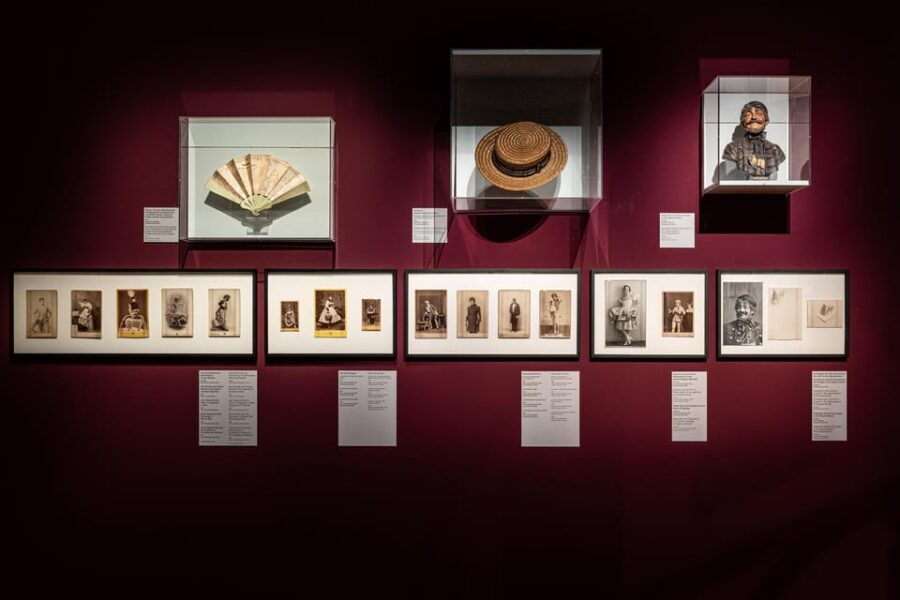
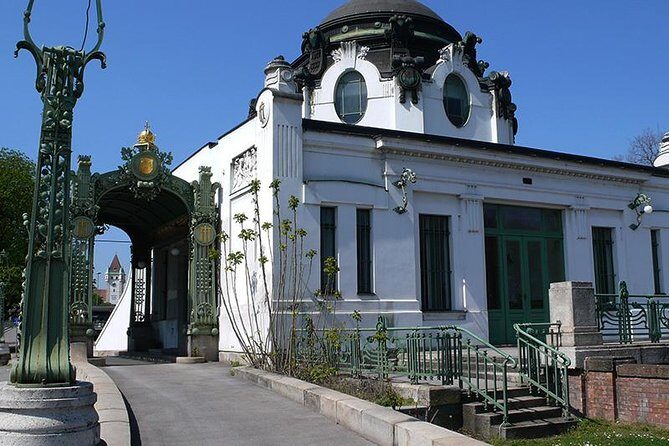
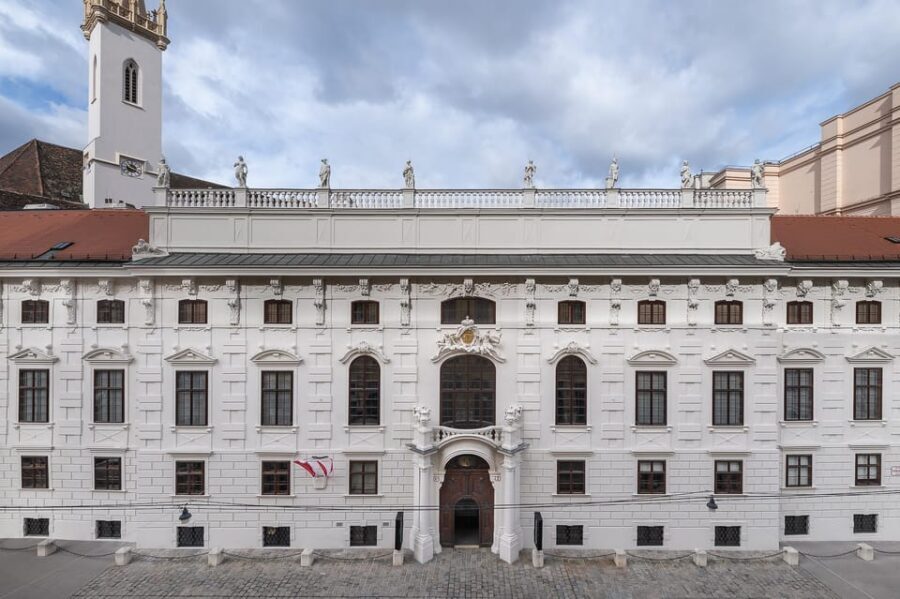
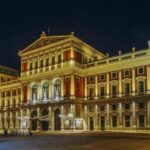
I love starting with the location. The Theatermuseum sits in Palais Lobkowitz, and that matters more than you’d think. A waltz-era composer is not just about notes on paper. It’s about the rooms, the atmosphere, and the sense that performance culture was a real daily thing in Vienna.
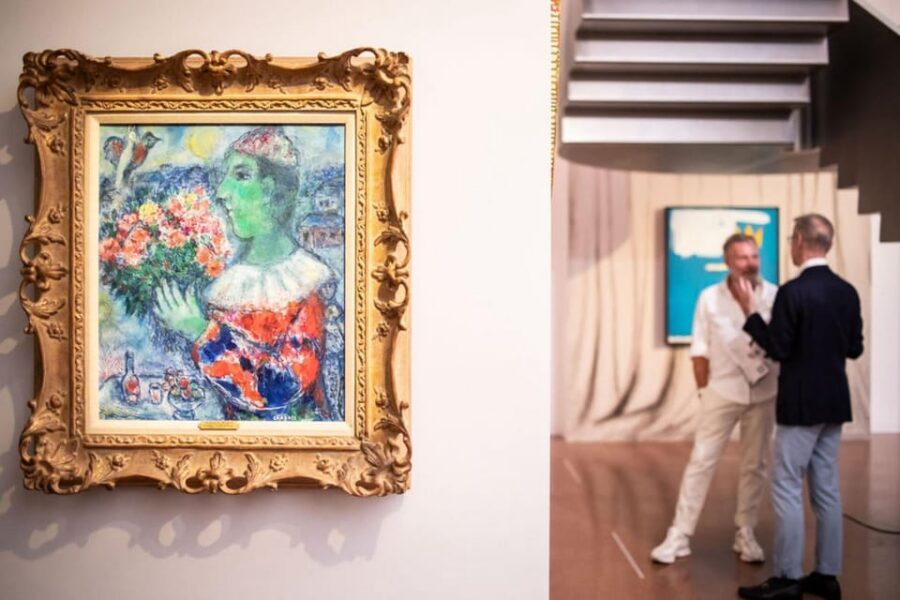
Even if you’re not a die-hard Strauss fan, the museum framework helps. You’re not wandering a generic gallery. You’re walking into a theater-focused space where the objects and music are presented with performance in mind—dance and concert music, plus the music-theater side that made Strauss more than a one-note brand.
The exhibit also ties in multiple perspectives. It’s a joint exhibition involving the Theatermuseum and the Vienna Library in City Hall, so you get both a museum-performance lens and a storytelling/records lens.
You can also read our reviews of more museum experiences in Vienna


What you’ll see: Strauss’ life story told through artifacts and themes
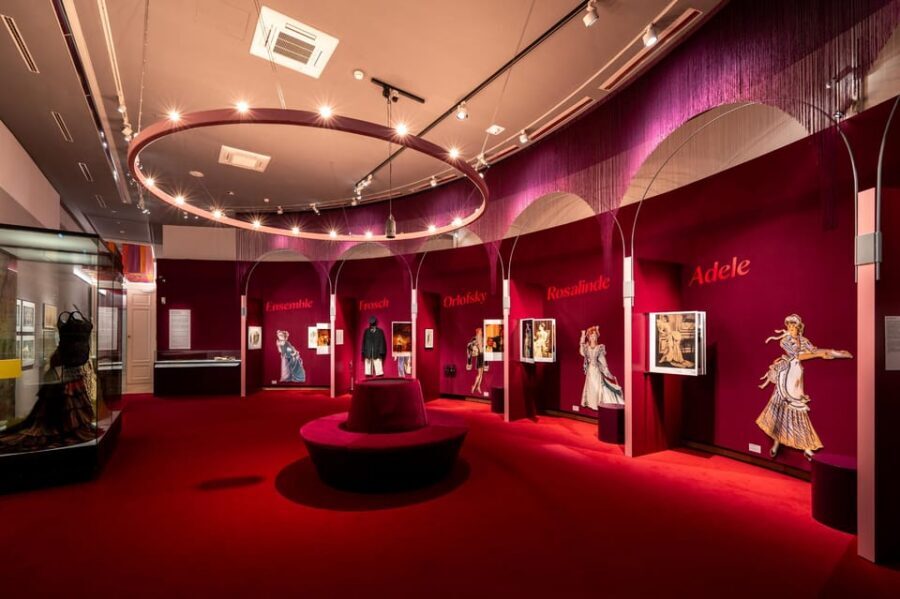
This exhibition is built like a guided narrative, even if you’re walking through at your own pace. The heart of the show is the life and work of Johann Strauss Sohn—presented as an eventful, sometimes grueling story, not just a list of famous pieces.
Here are the main themes you should expect to run into:
- Family and early influences: The exhibit looks at relationships with parents and brothers, framing how his musical path formed.
- Marriages and love affairs: The display covers his three wives and love affairs in Russia. That adds a human layer to the music you might already know.
- Artistic production and popularity: You’ll see how his dance and concert music became popular far beyond Vienna.
- Music theater works: The show doesn’t treat him only as the waltz king. It also pays attention to works written for the stage.
The big “why this matters” for you: you’ll stop thinking of Strauss as a name on programs and start seeing him as a working composer living inside a specific time. The objects and contexts help you understand how performance culture, politics, and public taste shaped what got written and what got remembered.
Following the “world tour” idea, all the way to Boston
One highlight is the world-tour angle, including Strauss’ connection to Boston. I like this part because it reminds you that Vienna didn’t just export classical music—it exported a lifestyle.
It’s also a smart way to keep the exhibit from feeling too local or too nostalgic. If you’re coming from outside Austria, this section can help you connect Strauss’ fame to the broader story of how European music circulated internationally. You can stand in front of the original objects from performances and exhibits and feel the scale: Strauss wasn’t only a city composer. He was a cultural export.
And for you, that means the exhibit can be more than a museum lesson. It becomes a way to picture how music traveled, got performed, and turned into shared memory far from home.
The Die Fledermaus original score: the must-see moment
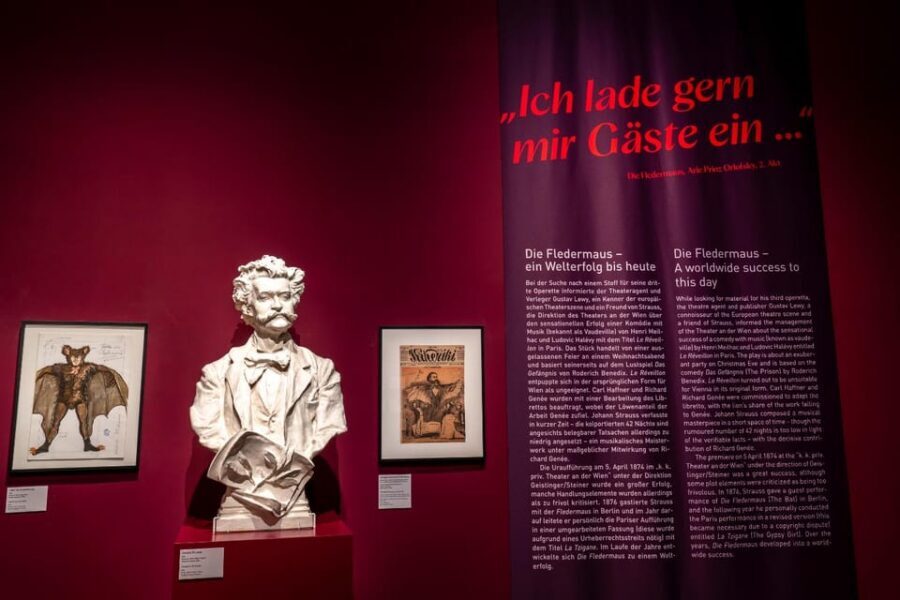
If you like original materials, this is the moment you’ll circle. The exhibition includes the original score of Die Fledermaus—a big deal in any music show.
Seeing an original score does two things at once:
- It slows you down. You notice the structure and the handwriting/notation decisions that you’d never catch if you only hear recordings.
- It makes the music feel real in a physical way. Strauss didn’t compose in a vacuum. The work existed as something meant to be performed, rehearsed, and staged.
This is also one of the reasons the exhibit earns its high marks. The combination of strong presentation plus clear music examples tends to land well. If you’ve ever wished a museum would let you see the “engine” behind the music, this is where the exhibition gives it to you.
How the sounds and media work in the show (and a snag to watch for)
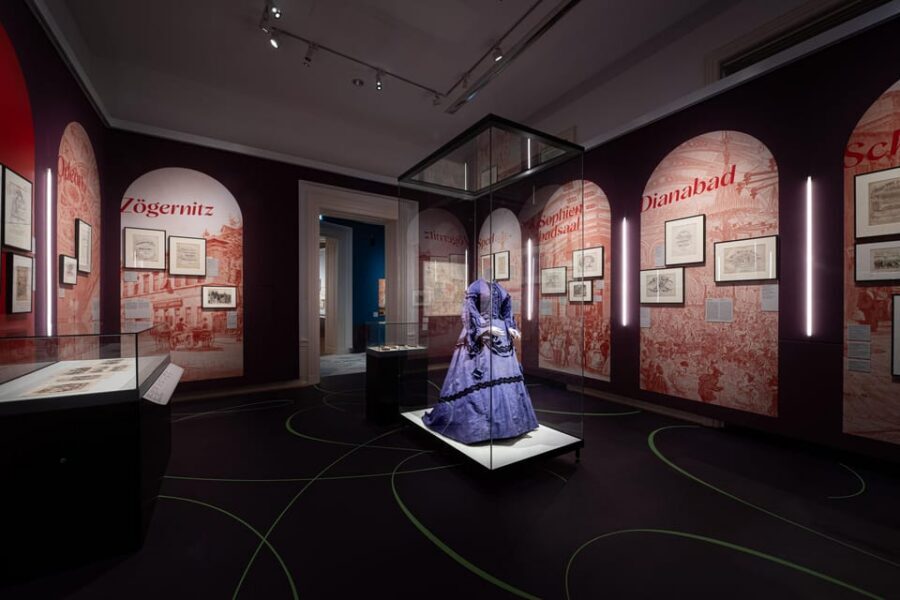
The exhibit is designed so you can let the lively sounds of Strauss carry you through the rooms. That’s a real win for many people, especially if you’re not trying to study musical theory on vacation.
But there’s one drawback worth flagging from experience: the music examples are not synchronized with the films. That means you might spot a mismatch between what you’re seeing and what you’re hearing, and that can break the spell for a few minutes.
What I’d do if that bothers you: stay flexible and treat the films as separate “visual moments,” not as perfectly timed accompaniment. Focus on the objects plus the music examples, and you’ll get most of the value without getting stuck on the timing issue.

Original performance objects and historical/political context
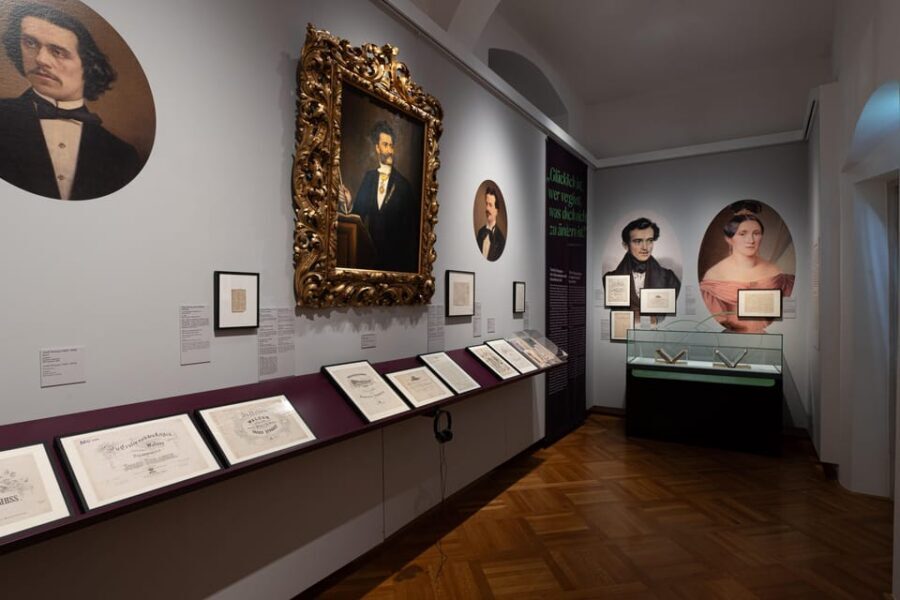
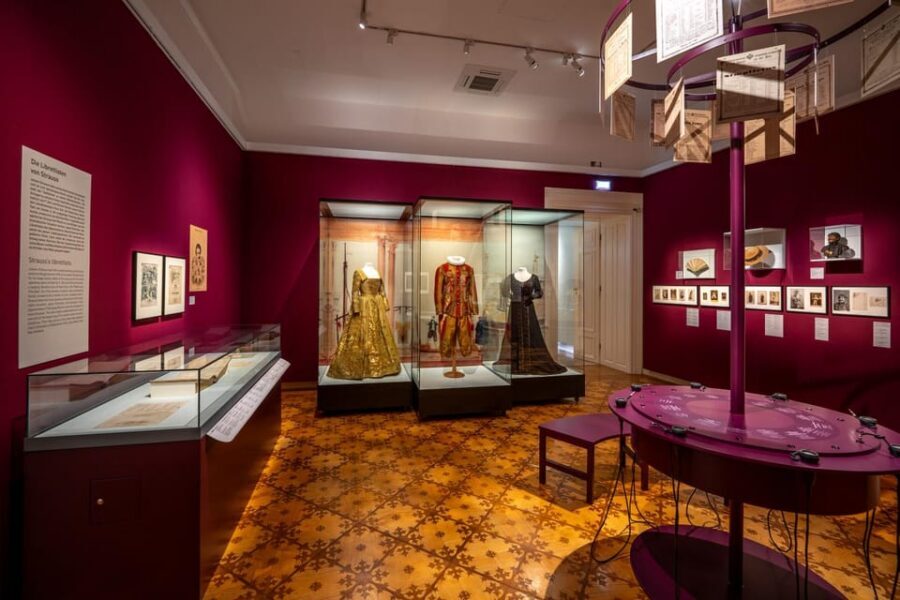
The exhibition doesn’t rely only on text. Original objects from performances and exhibits from Strauss’ written legacy help illustrate historical and political contexts of the time.
This part is important for you because it keeps the show from turning into pure celebration. Strauss’ music didn’t float above the world. It lived inside public life—inside institutions, audiences, and cultural conditions that shaped what could be staged and how it was received.
So as you move through, you’ll likely notice the museum doing something practical: it connects the “what” (the works) with the “where/when” (the world around them). For some visitors, that makes Strauss feel more understandable. For others, it can turn a simple enjoyment into a deeper appreciation of why the pieces hit the public the way they did.
An easy one-day plan: how long to give it
The activity is valid for 1 day, and you’ll need to check availability to see starting times. Since no exact schedule is given here, I’d treat this as a flexible stop that you can fit into any day you’re already planning around the Theater Museum area.
How I’d pace it:
- Start by allowing time to read the exhibition’s life-and-context sections.
- Then slow down at the standout moments—especially the original Die Fledermaus score.
- Finally, spend extra time where music examples play, since those are part of the “experience,” not just a background feature.
If you’re the type who likes to read every caption, plan on more time. If you skim, you can still get the main storyline and highlights without feeling lost.
Price and value: what $18 gets you (and what it doesn’t)
At $18 per person, this is priced for a straightforward museum visit: you pay for the Theater Museum admission in Palais Lobkowitz and the Johann Strauss anniversary exhibition.
That’s a good value structure because it’s not only a ticket to a single room. You get the museum entry plus the special exhibit in the same package.
Two cost-related notes:
- An audio guide is not included. If you rely on audio support to get through exhibits, you’ll want to check on-site options or bring your own alternative (notes, a phone translator app, or just your reading eyes).
- Since the ticket is tied to a one-day window and starting times, you’ll get the best value by booking for a time slot that matches your day plan.
Who should book this Johann Strauss exhibition?
I’d point this exhibit toward three types of visitors:
- You love Strauss already and want to see an original score plus performance artifacts in a serious museum setting.
- You’re Vienna-curious and want to experience the city through its most famous dance-and-stage composer, not just through buildings and viewpoints.
- You like music + storytelling—the show connects his life, relationships, and the historical/political context to his artistic output.
If you only want a quick background “soundtrack” and you dislike any multimedia that might not line up perfectly, this is still worthwhile, but you should expect that one part of the show has a synchronization mismatch between music and films.
Should you book it? My practical verdict
I think this is an easy yes if you care about Strauss beyond casual listening. The big draws for me are the setting at Palais Lobkowitz, the original Die Fledermaus score, and the way the exhibit links music, life details, and context instead of treating it as a single-note celebration.
Book it if you want:
- Strong music examples with a museum setting
- Original performance-related objects
- A clear storyline about Strauss’ relationships and career themes
Skip or reconsider only if you’re sensitive to multimedia timing problems and you want perfect synchronization between videos and music. Otherwise, this is the kind of ticket that turns a single afternoon in Vienna into a focused, memorable Strauss moment.
FAQ
How much is the Johann Strauss 200th birthday anniversary exhibition in Vienna?
The ticket price is $18 per person.
Where is the exhibition located?
It’s at the Theater Museum in Palais Lobkowitz in Vienna.
How long is the ticket valid?
The ticket is valid for 1 day. You’ll need to check availability to see starting times.
What does the ticket include?
The ticket includes admission to the Theater Museum in Palais Lobkowitz and a visit to the Johann Strauss anniversary exhibition.
Is an audio guide included?
No. An audio guide is not included.
What can I expect to see?
You can expect impressive objects celebrating Johann Strauss, the original score of Die Fledermaus, music examples, and themes including his world tour to Boston. The exhibition also covers relationships with parents, brothers, three wives, and love affairs in Russia.
Are films part of the experience?
Yes, the exhibition includes films as part of the presentation, and the music examples are not synchronized with those films.
Can I cancel for a refund?
Yes. Free cancellation is offered up to 24 hours in advance for a full refund.
Is there a reserve and pay later option?
Yes. You can reserve now and pay later.
Is the venue wheelchair accessible?
Yes, it is wheelchair accessible.