REVIEW · VIENNA
Vienna: Heidi Horten Collection Museum Entry Ticket
Book on GetYourGuide →Operated by Heidi Horten Collection · Bookable on GetYourGuide
Modern art in Vienna can be weird. In a good way. The Heidi Horten Collection puts Modern and Pop Art right in the historic center, and the building itself works like an exhibit—architecture, rooms, and outdoor space all doing the talking. I especially like how the ticket includes a free Smartify audio guide, so you can go at your own pace without booking a tour.
Two standouts for me: first, the permanent exhibition KLIMT ⇄ WARHOL. Modern Masterpieces pairs artists across time in a way that makes the connections feel real. Second, the museum’s Tea Room on the first floor turns a quick break into a slow moment, with a cabinet-of-curiosities vibe.
One thing to plan around: you cannot bring luggage or large bags, and there are clear rules like no flash and no umbrellas. If you arrive with a heavy daypack, factor in time to store what you can before you start.
In This Review
- Key points to know before you go
- Entering the Heidi Horten Collection in Vienna’s historic center
- Sculpture garden first: a calm start before the art
- The museum building as art: architecture you should actually notice
- Tea Room on the first floor: a cabinet-of-curiosities break
- KLIMT ⇄ WARHOL: modern masterpieces and why the pairing hits
- The art roll call: 20th-century names in one focused walk
- Use the free Smartify audio guide without turning it into homework
- Temporary exhibition Die Linie / The Line (through March 8, 2026)
- Price and value: what €16 (or €12) gets you
- Practical rules that can trip you up
- Who this ticket suits best (and who might want something else)
- Should you book the Heidi Horten Collection entry ticket?
- FAQ
- How long is the museum ticket valid?
- What’s included with the entry ticket?
- Is the audio guide available in English?
- Do I need to book a guided tour to see the exhibitions?
- Where do I go to validate my ticket?
- What are the restrictions on bags, pets, and photos?
- Which temporary exhibition can I see with this ticket?
- Is the museum wheelchair accessible?
- Can I get a refund if I change my plans?
Key points to know before you go
- Total-work-of-art architecture: the museum building and displays are part of the show, not just a container.
- KLIMT ⇄ WARHOL pairing: modern masters are staged so you can spot ideas moving across decades.
- Tea Room detour: a classicist room of treasures and handicrafts gives you a visual breather.
- Sculpture garden in front: start outside, in a former Habsburg city palace setting.
- Temporary show through March 2026: Die Linie / The Line follows the line as an art tool from around 1900 to today.
- Phone ticket check: make sure your ticket QR code is readable at the turnstile.
Entering the Heidi Horten Collection in Vienna’s historic center
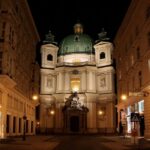
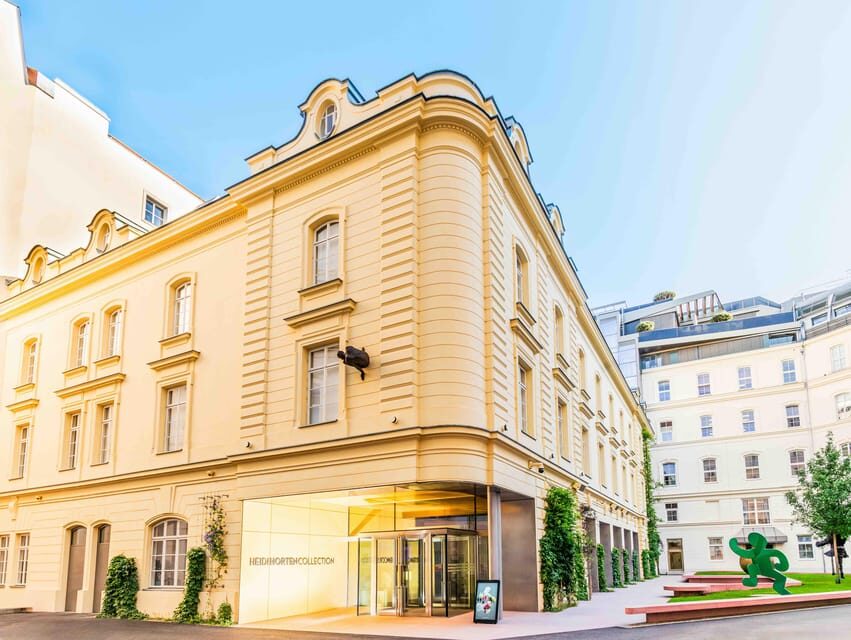
This is the kind of museum where you start learning the moment you arrive. The Heidi Horten Collection sits in Vienna’s historic heart, and the approach helps set the tone: you’re not just walking into a room full of paintings. You’re stepping into a carefully designed environment where the outside space and the interior both matter.
Before you even validate your ticket, you’ll want to look toward the sculpture garden. It’s directly in front of the museum, and it’s linked to a former Habsburg city palace. That context is useful. It makes the modern art feel less like an interruption and more like the next chapter of the same address.
Then you go to the turnstile to validate your ticket. The experience is designed for easy entry, so you’re not waiting around in line if you have your ticket ready.
You can also read our reviews of more tours and experiences in Vienna
Sculpture garden first: a calm start before the art
I like starting in the garden because it sets your body tempo. Before you face big names and dense exhibitions, you get light, air, and outdoor sculpture to reset your eyes.
The garden is more than a nice photo spot. It’s placed where you can mentally separate your visit into two moods: outdoors (air and movement) and indoors (stillness and close looking). If you have limited time, this is a smart first stop because it also helps you get your bearings for where the main rooms will feel familiar.
If you’re a fan of Vienna’s layers—old power, later tastes, then modern reinvention—this garden is the bridge. You’re coming from a former imperial setting and heading into 20th-century art thinking.
The museum building as art: architecture you should actually notice
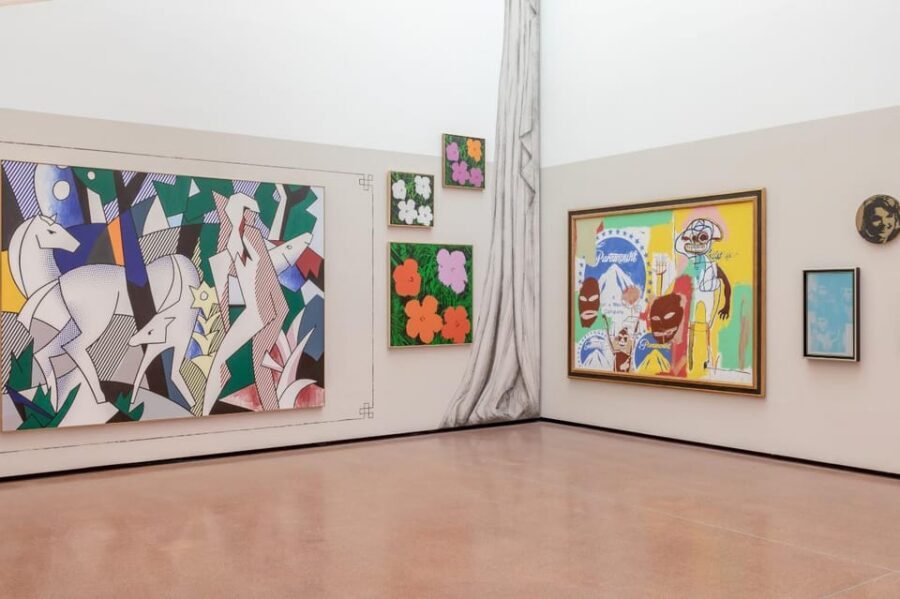
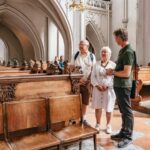
At this museum, the walls and layout are part of the show. The collection’s setting is described as a spectacular architecture that turns the building into a total work of art. Translation: don’t rush past hallways, stair transitions, and display openings like they’re just routes.
Spend a few minutes looking up and around. You’ll see how the museum tries to control light, sightlines, and visitor flow. That matters because art like this doesn’t sit best in a hurried walk-through. The building gives you pauses without you needing to force them.
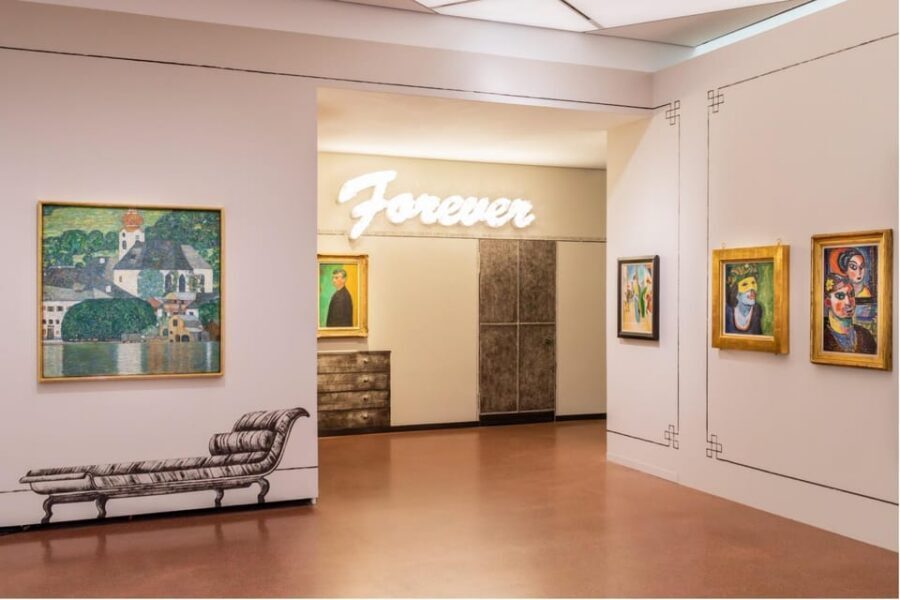
Also, pay attention to where major exhibitions are staged. The display for KLIMT ⇄ WARHOL was designed by the Austrian artist Markus Schinwald, and knowing that changes how you view the arrangement. You start seeing the curatorial choices as part of the experience, not just the labels.
Tea Room on the first floor: a cabinet-of-curiosities break
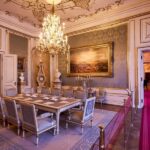
One of the most practical reasons I love this museum is the Tea Room. It’s on the first floor, and it’s designed by Markus Schinwald and Hans Kupelwieser as a blend of parlour and cabinet of curiosities.
What makes it worth your time is the content: it presents treasures and valuable handicrafts from three centuries. That means you’re not just taking a seat and then mentally rebooting. You’re shifting to a different kind of visual language—objects, craftsmanship, and historical collecting—right before you return to modern and contemporary works.
If you’re visiting with legs that get tired, this room is also a nice “reset” point. You can slow down for a moment, then go back into the main galleries with fresher attention.
KLIMT ⇄ WARHOL: modern masterpieces and why the pairing hits
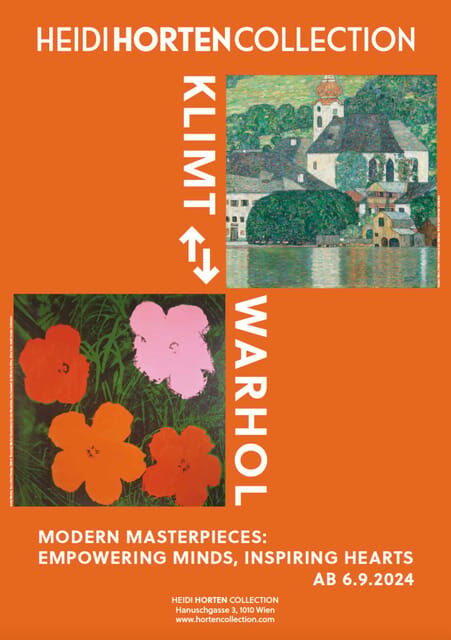
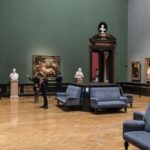
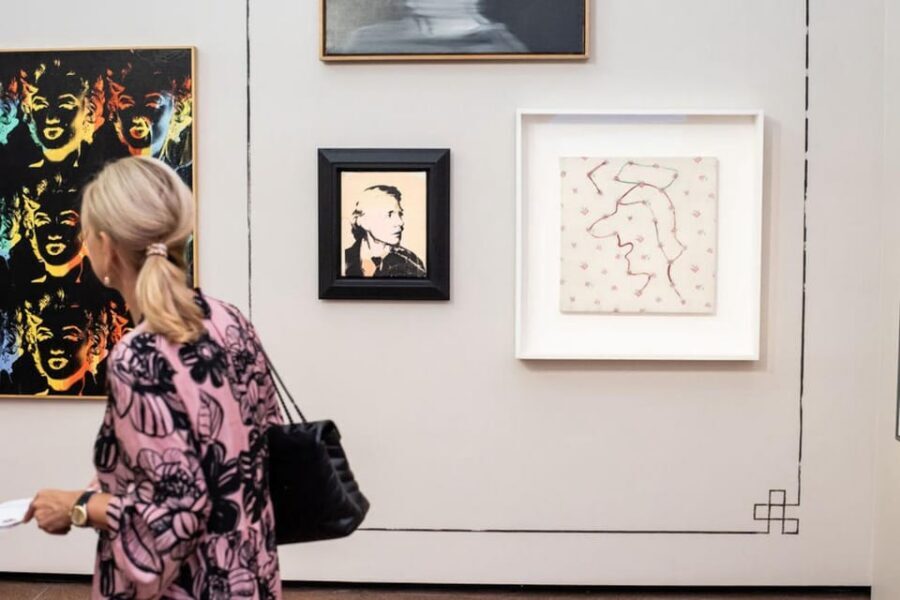
The permanent exhibition KLIMT ⇄ WARHOL. Modern Masterpieces is the heart of the visit. It focuses on icons of modern and contemporary art, bringing together paintings, drawings, and sculptures that connect across styles and decades.
The smart move here is to treat it like a conversation, not a checklist. When artists like Gustav Klimt and Andy Warhol sit in the same narrative space, you start noticing how image-making changes while the power of images stays similar.
Another big reason this exhibition lands: the way it’s architecturally and creatively designed. Since the display was created by Markus Schinwald, you’ll likely feel that everything is arranged with intention—where you stand, what you see next, and how quickly you move between themes.
Take time on the works that seem to pull you off the path. If you find yourself stuck for a minute, that’s a good sign. These displays are built to encourage close looking, not just a quick sweep.
You can also read our reviews of more museum experiences in Vienna



The art roll call: 20th-century names in one focused walk
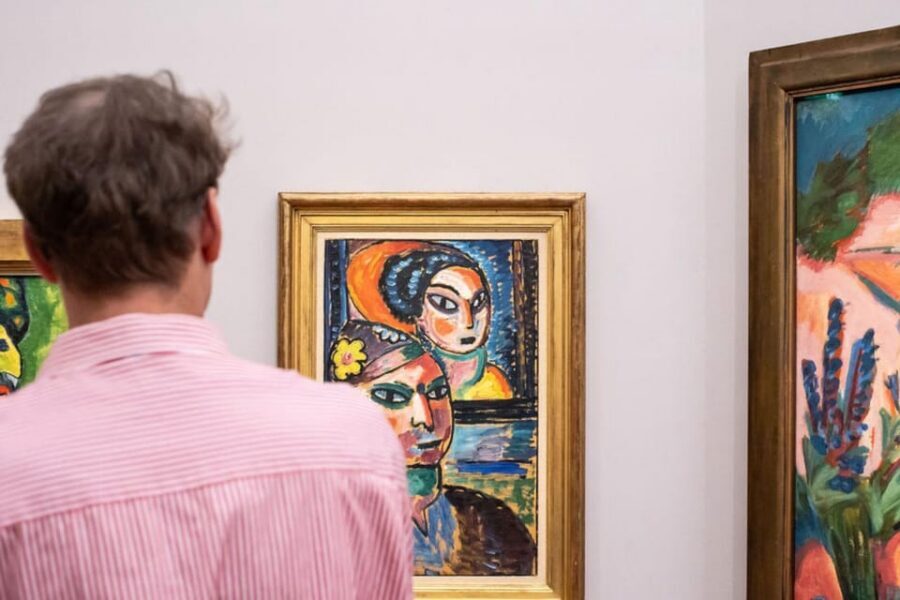
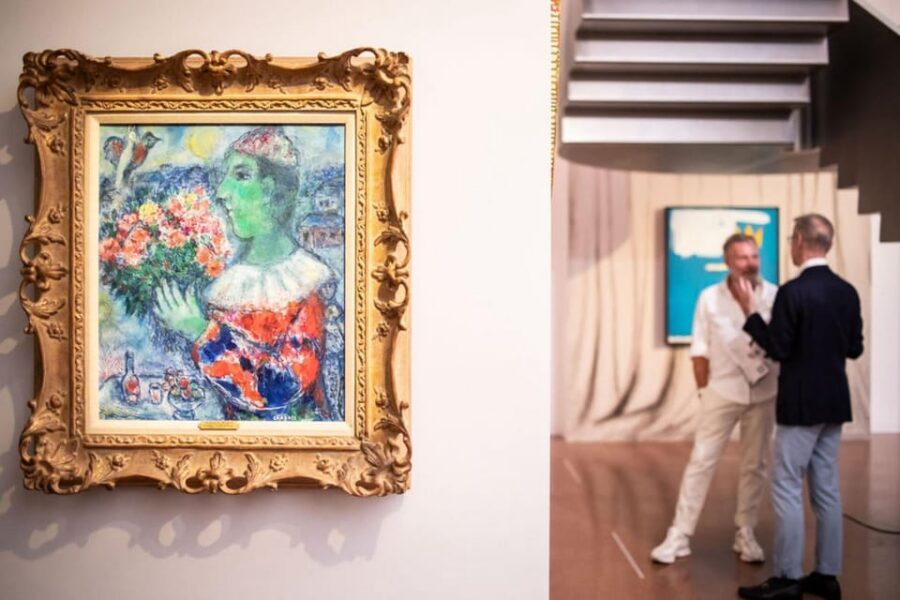
Even if you don’t know every artist, the museum gives you an easy way to spot major currents in 20th-century art. You can see works by artists including Francis Bacon, Georg Baselitz, Jean-Michel Basquiat, Marc Chagall, Kees van Dongen, Lyonel Feininger, Lucio Fontana, Keith Haring, Damien Hirst, Ernst Ludwig Kirchner, Paul Klee, Yves Klein, Pablo Picasso, Robert Rauschenberg, Gerhard Richter, Mark Rothko, Andy Warhol, and many others.
Seeing that range in one place is the value. You’re not making separate museum trips to cover every corner of modern art history. Instead, you get a condensed view of how styles collide: expression, abstraction, pop image language, and experiments with form.
Practical tip: pick a few artists you already love, then use the audio guide to connect them to works you’re less familiar with. You’ll get more out of the visit without feeling forced to become an overnight art historian.
Use the free Smartify audio guide without turning it into homework
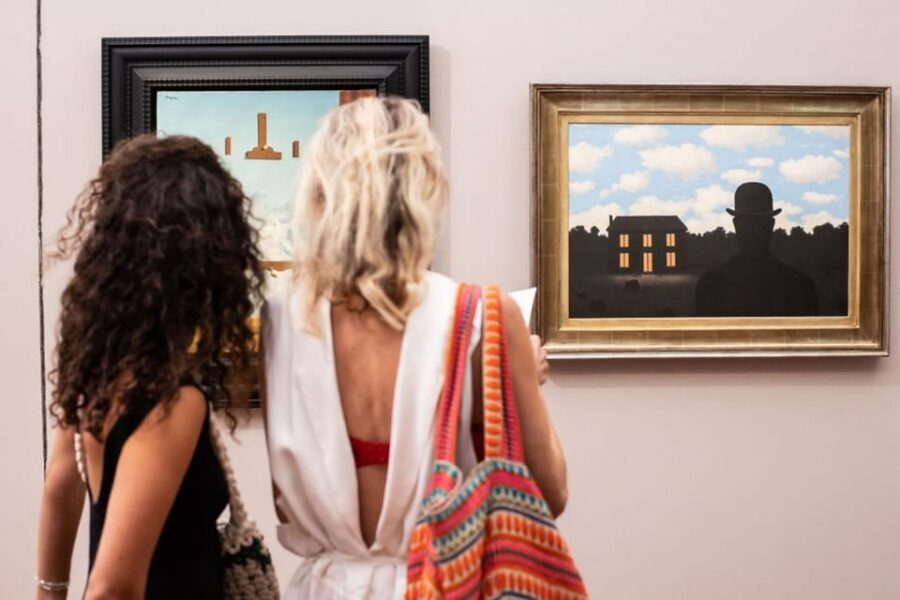
Good news: the ticket includes a free Smartify audio guide in English or German. You don’t need to book a guide, and you can choose how much you want to learn on-site.
I like this format because it helps you avoid the two extremes: either reading every label like a detective, or skipping all context and feeling lost. The audio guide is described as informative and entertaining, so it’s set up to help you follow the exhibition themes while keeping your pace.
If your phone battery tends to die during museums, charge before you go and download anything needed ahead of time. Also, because your ticket is validated at the turnstile, make sure your screen brightness is enough for the code to scan quickly.
And yes, there’s also the option of a private guided tour or a creative workshop in the museum studio, but those aren’t included with the entry ticket.
Temporary exhibition Die Linie / The Line (through March 8, 2026)
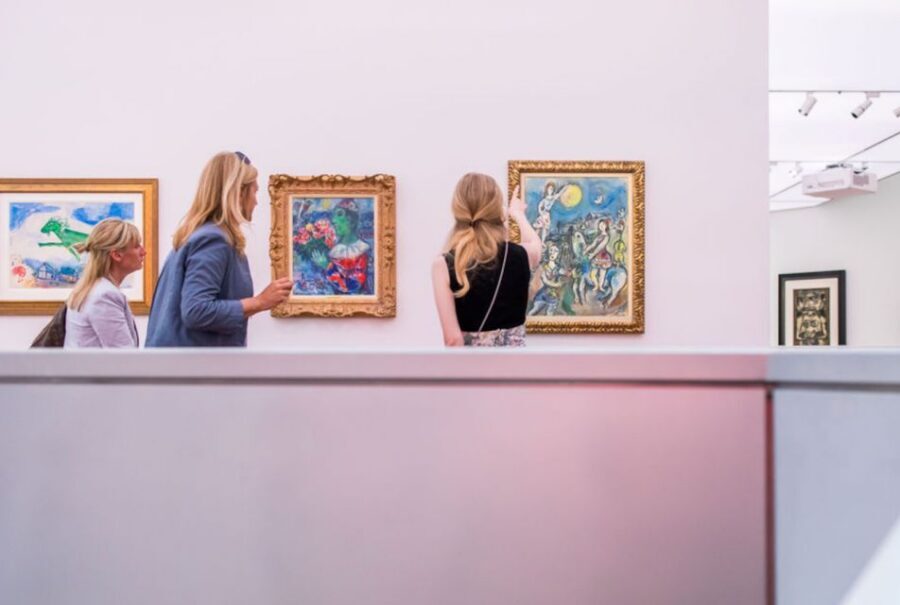
Don’t skip the temporary show. The Heidi Horten Collection also hosts Die Linie / The Line, running until March 8, 2026, and it’s dedicated to the line as a fundamental element of art.
What I like about this theme is that it’s simple to understand and hard to get bored of. A line shows up everywhere: in drawing, in structure, in handwriting-like gestures, in ways artists build meaning without relying on color alone.
The exhibition is described as taking you on a discovery journey from Vienna around 1900, through the art world of the 1960s, to today. That time span is useful because it lets you compare how one basic tool can become different strategies in different eras.
The works bring together international artists from Europe, Africa, Asia, and North and South America. You can see names including Paul Klee, Lucio Fontana, Roy Lichtenstein, Egon Schiele, Jackson Pollock, Agnes Martin, Andy Warhol, Chiharu Shiota, and many others.
If you’re the type who wants one clear thread for your visit, this temporary exhibition is a strong choice. It gives your brain a framework for noticing similarities and differences across the main modern art hallways.
Price and value: what €16 (or €12) gets you
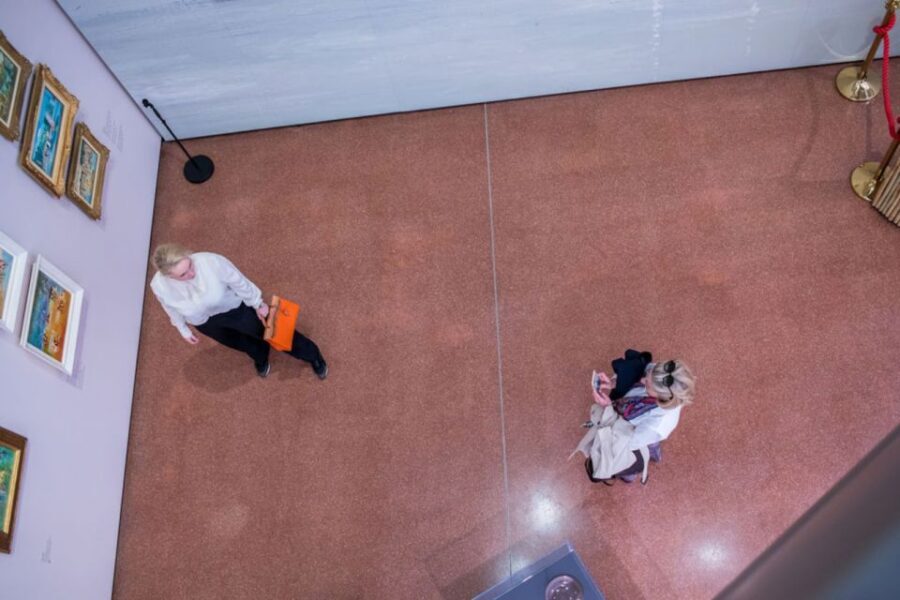
The entry ticket is priced around $18 per person, and the museum notes a discounted price of EUR 16, reduced to EUR 12 from March 9 to March 26, 2026 when only one floor is accessible.
To judge value, look at what’s included: you get admission plus a free audio guide. You’re also not just paying to see art—you’re paying to experience the museum building, the sculpture garden setting, and the Tea Room. In a city where many museum visits cost a lot and still require extra planning, this is a pretty direct deal.
Also, the “one floor accessible” detail matters for planning. It doesn’t mean the experience is worthless, but it does mean you should expect fewer spaces than in a normal visit window. If you’re traveling in that specific March 9–26 period, plan your time around the floor that’s open and focus on the main permanent and temporary exhibitions that are available.
Practical rules that can trip you up
This is where you save time and avoid annoyance. The museum lists a few “no’s” that are common in modern art spaces but still worth stating:
- No luggage or large bags
- No pets (assistance dogs allowed)
- No flash photography
- No umbrellas
If you’re carrying a bag that feels borderline “large,” err on the side of leaving it out or minimizing what you bring. It’ll make your entry smoother and keeps you from having to deal with storage decisions at the last minute.
Also, one small real-world tip: the museum validates tickets at a turnstile, and one booking review noted the ticket on a phone wasn’t readable. That’s a reminder to bring your ticket up to full brightness and keep your QR code easy to scan.
For timing, the ticket is valid for one day, and you check availability for starting times. In other words, treat this as a flexible museum slot rather than a timed guided tour.
Who this ticket suits best (and who might want something else)
This entry ticket is ideal if you want modern art plus design, without committing to a full guided tour. If you like art but also like context—how a museum shapes your attention—this fits well.
It’s also good for you if you travel solo, prefer self-guided time, and want a free audio guide instead of paying for extra narration. And if you want both permanent and temporary exhibitions in the same visit, you get that without added ticketing.
Consider a different setup if you need a lot of hand-holding from staff. While guided tours and creative workshops exist, they’re not included with this entry ticket, so you’ll have to rely on the audio guide and your own pace.
Should you book the Heidi Horten Collection entry ticket?
Yes, you should book this ticket if you want a high-impact modern art visit in Vienna with strong built-in value: the museum experience includes architecture, a sculpture garden start, the Tea Room, the permanent KLIMT ⇄ WARHOL show, and the temporary line-focused exhibition through March 8, 2026, all with a free Smartify audio guide.
Skip it only if you know you strongly dislike modern art or you rely on bringing large bags and don’t want to deal with the museum’s restrictions. Otherwise, this is a smart choice for one day in Vienna—especially if you want your stop to feel intentional, not rushed.
FAQ
How long is the museum ticket valid?
The ticket is valid for 1 day.
What’s included with the entry ticket?
You get entry to the Heidi Horten Collection and a free Smartify audio guide on your mobile phone.
Is the audio guide available in English?
Yes. The audio guide is available in English and German.
Do I need to book a guided tour to see the exhibitions?
No. A guided tour is not included with this ticket, but you can still explore the permanent exhibition and temporary exhibition on your own using the audio guide.
Where do I go to validate my ticket?
Go directly to the museum turnstile to validate your ticket.
What are the restrictions on bags, pets, and photos?
Luggage or large bags are not allowed. Pets are not allowed (assistance dogs are allowed). Flash photography is not allowed. Umbrellas are not allowed.
Which temporary exhibition can I see with this ticket?
You can see Die Linie / The Line, running until March 8, 2026.
Is the museum wheelchair accessible?
Yes, the museum is wheelchair accessible.
Can I get a refund if I change my plans?
Yes. Free cancellation is offered up to 24 hours in advance for a full refund.