REVIEW · VIENNA
The unknown Vienna City- a guided walking tour in 3 hours
Book on GetYourGuide →Operated by Guide from Vienna - RAXI Tours · Bookable on GetYourGuide
Vienna’s monsters start in real alleys. This Unknown Vienna tour uses the first district as its stage, sending you down off-the-beaten lanes where architecture, legends, and little-known corners feel linked together. In a short 3-hour window, you get a guided path that reaches the medieval Hofburg area without turning it into a typical checklist.
What I really like is the way the guide ties place to story. I love the focus on “how Vienna tells its own history,” from musicians and patrons of music and architecture to the city’s shifting religious and political eras, all while you’re walking past the actual stones. You’ll also appreciate the small-group feel, limited to 10 people, which makes it easier to ask questions and get answers instead of shouting over a crowd.
One consideration: this is a walking tour and it’s not suitable for wheelchair users, so wear supportive shoes and expect uneven old-street surfaces. Also, the tour prohibits recording the guide’s explanations, so bring your notebook (or just your memory muscle).
In This Review
- Key things to know before you go
- Vienna’s first district, told like a legend (not a lecture)
- Starting at Stubentor: the Dr. Karl Lueger monument meetup
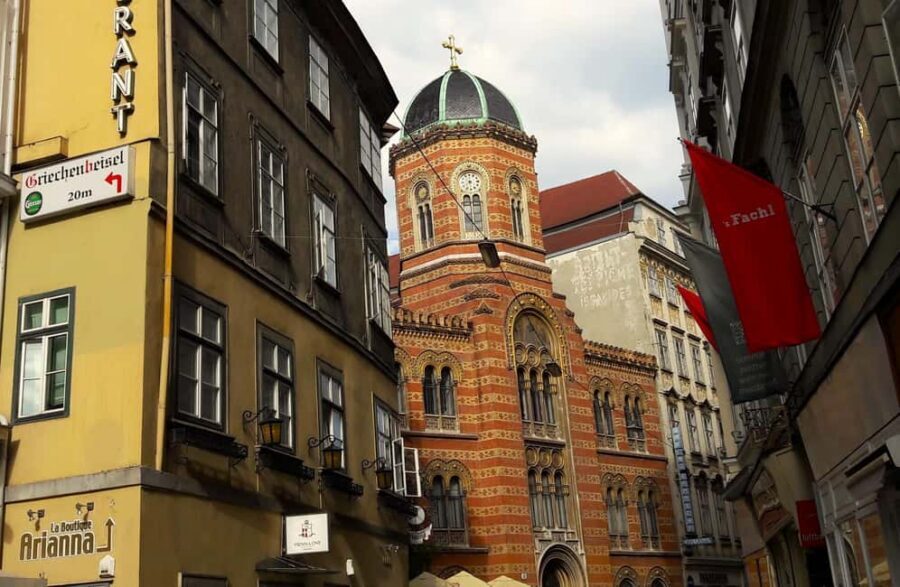
- Greek Quarter wandering: Lugeck, Augustine, and basilisk lore
- Mozart’s concert-hall connection at Deutscher Orden Haus
- The medieval Hofburg you might miss on your own
- Gothic to Art Nouveau to modern: architecture as a timeline
- Re-catholization traces: history written into buildings
- Mark Twain, courtyards, and the kind of Vienna you can’t plan
- How long is enough: the 3-hour pace that works
- Languages, group size, and what that means for your experience
- Price and value: is $63 worth 3 hours in Vienna?
- Who should book, and who might skip this one
- Should you book Unknown Vienna with RAXI Tours?
- FAQ
- How long is the Unknown Vienna guided walking tour?
- Where does the tour start?
- Where does the tour end?
- How much does it cost?
- What languages are available?
- Is the group large?
- Can I cancel for a full refund?
- Can I reserve now and pay later?
- Is the tour suitable for wheelchair users?
- Are recordings allowed during the tour?
- Do I need to prepare anything before the tour?
Key things to know before you go
- First district focus: You’ll concentrate on Vienna’s core while still avoiding the most obvious tourist routes.
- Legend-driven stops: Monster tales connect to real buildings and neighborhoods, including the Legend of Lugeck, Augustine, and Basilisks.
- Deutscher Orden Haus and Mozart’s world: Expect a stop tied to Mozart’s concert-hall connections.
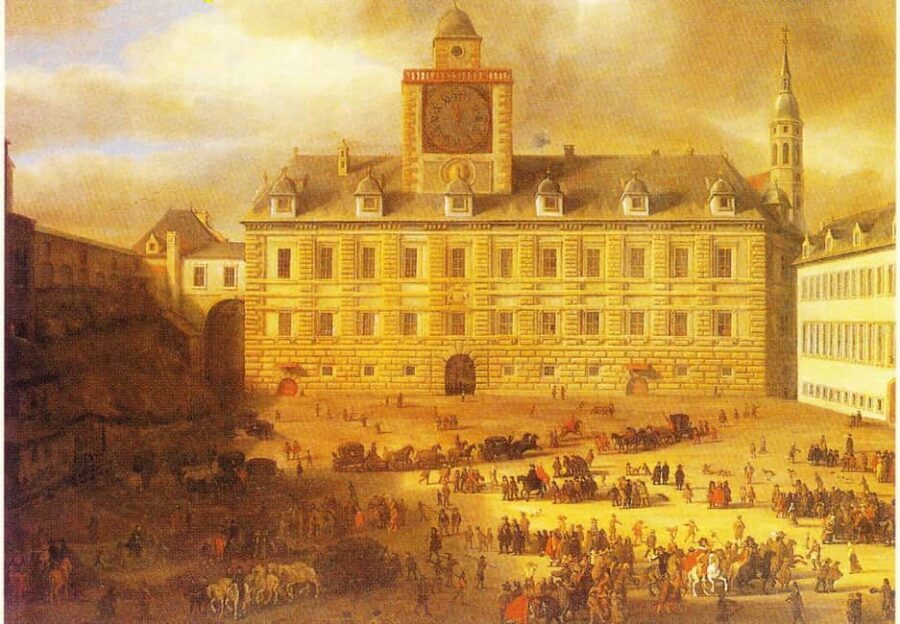
- A Hofburg that feels less touristy: You’ll be guided toward a medieval layer under modern surroundings.
- Re-catholization traces: You’ll hear how religious shifts left architectural marks.
- Small group size (up to 10): Easier pacing, better Q&A, and more personalized attention.
Vienna’s first district, told like a legend (not a lecture)
This tour is built for people who like their cities with characters. Instead of only dating buildings, you’ll hear why certain stories mattered to people living in Vienna, and how myths, monsters, and local lore became a way of explaining big historical change.
You’re walking through the first district, from the Greek Quarter area toward the Hofburg, so you’re close to the landmarks you already know—but you’re also shown the routes that don’t fit neatly into the usual postcard circuits. That’s the big value here: you get variety in a short time without feeling like you’re speed-running Vienna.
You can also read our reviews of more walking tours in Vienna


Starting at Stubentor: the Dr. Karl Lueger monument meetup
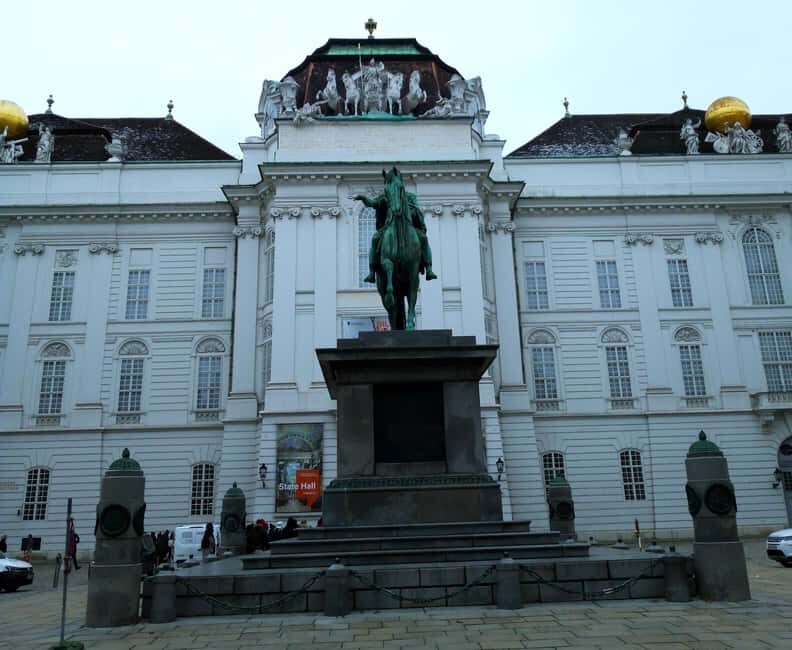
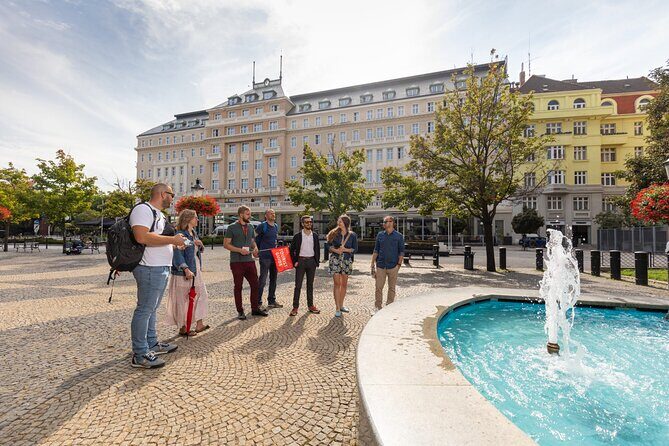
You’ll meet near the Dr. Karl Lueger monument by the Stubentor subway station area. It’s a practical starting point because it’s easy to reach before you start walking deeper into the historic core.
This is also a good moment to settle in for what this tour does best. The guide sets the tone right away with a mix of atmosphere and context, so by the time you reach the medieval streets and courtyards, you’re not just looking—you’re listening for the story behind what you’re seeing.
If you’re picky about pacing, this matters: the tour runs for about 3 hours, so you’ll want to arrive with a bit of energy. The activity itself recommends eating something before you start.
Greek Quarter wandering: Lugeck, Augustine, and basilisk lore
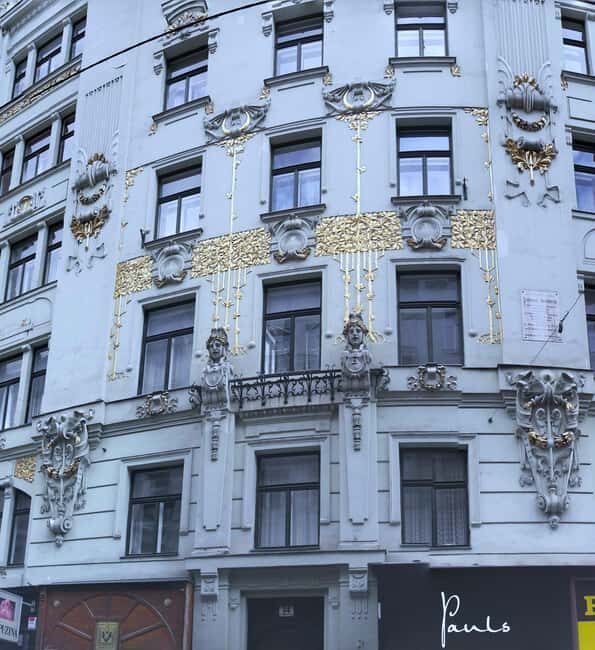
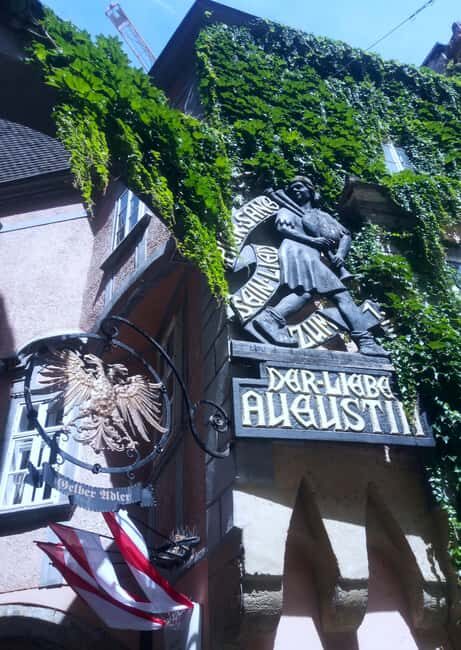
One of the strongest parts of this experience is how the guide uses legends as a map. You’ll hear the Legend of Lugeck, the Legend of Augustine, and stories connected to basilisks—monster tales that sound fun at first, then start making sense as cultural references tied to places in the city.
As you move through winding, lesser-known streets, the stories help you notice details you might otherwise walk right past. You’ll be paying attention to the feel of courtyards, corners, and facades—small spatial clues that explain why a legend could belong to one street and not another.
A small practical note: the legends theme is real here. If you want nonstop dates, you may find you need a second stop afterward for extra historical specifics. Still, the payoff is that the city becomes easier to remember because the stories give your brain something to hold onto.
Mozart’s concert-hall connection at Deutscher Orden Haus
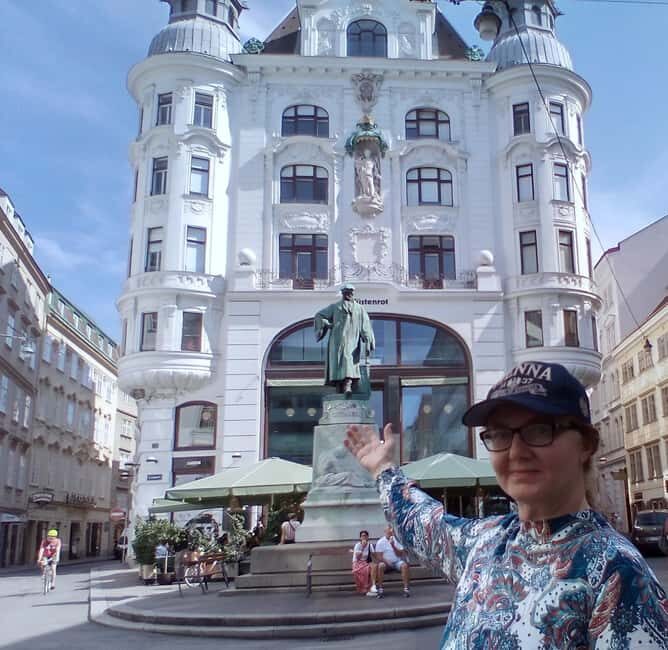
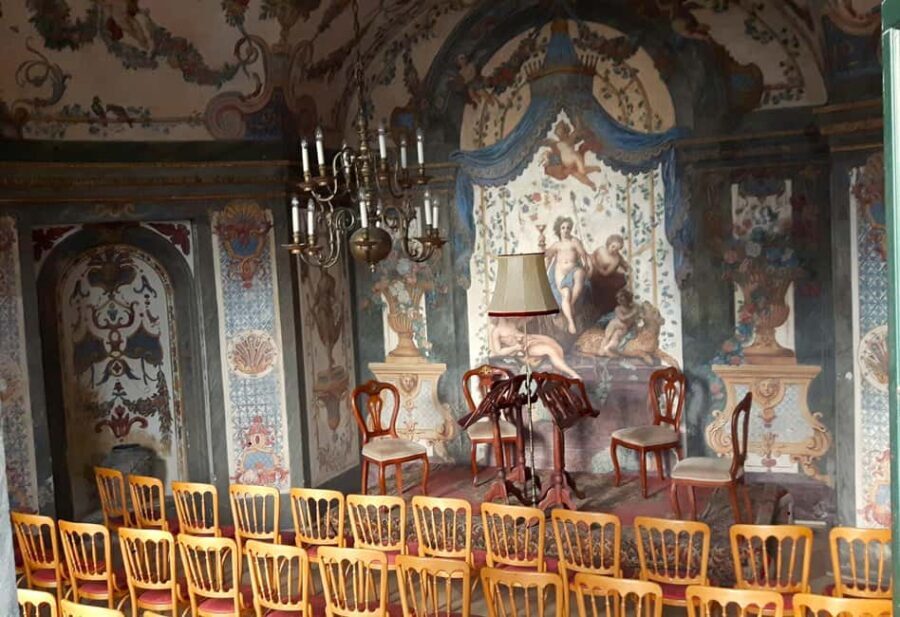
Another highlight is the stop connected to Mozart’s concert-hall world at the Deutscher Orden Haus. The value isn’t only that Mozart is involved—it’s that the tour uses music and patrons of music and architecture as a lens for what you’re seeing.
When you hear how musicians and their supporters shaped Vienna’s public and artistic life, the buildings start to feel like parts of a bigger system. You’re not just seeing impressive architecture; you’re learning how people in different centuries wanted Vienna to look, sound, and symbolize its status.
This also works well for mixed interests. If you came for architecture but also like culture, this is one of the places where both tracks meet.
The medieval Hofburg you might miss on your own
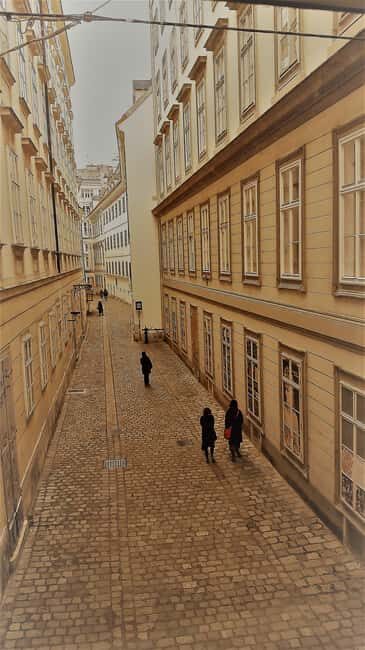
You’ll spend time on the unknown medieval Hofburg, and that phrase matters. Even if you’ve seen photos of the Hofburg complex, it can feel like a single big attraction. This tour reframes it by focusing on older architectural layers and the way medieval structures sit close to newer buildings.
That’s the “how” behind the tour’s off-the-beaten promise. You’re guided to notice the transitions—Gothic to Renaissance to Baroque eras, and then later waves up through modern additions. Even without a museum ticket, you get a sense of how Vienna changed its look over centuries.
If you enjoy “place reading,” you’ll like this part a lot. Seeing the city’s older bones while you’re still in motion is one of the easiest ways to learn, because you keep connecting the story to what’s directly around you.
You can also read our reviews of more guided tours in Vienna



Gothic to Art Nouveau to modern: architecture as a timeline
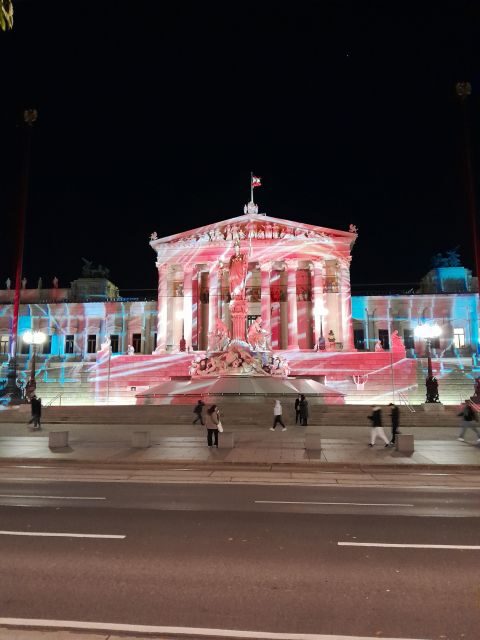
The tour is consciously architectural. You’ll pass through traces from the Middle Ages onward, with stops that connect Gothic, Renaissance, and Baroque styles to later eras like Art Nouveau and then to beautiful modern buildings.
The benefit for you is quick clarity. Vienna can feel overwhelming because there’s no single style. Here, the walking route acts like a moving timeline, and the guide helps you understand what you’re looking at without requiring specialist jargon.
In a small group, this kind of architectural attention also works better. You can ask questions as you see something specific, instead of waiting until the end when you’ve already moved on.
Re-catholization traces: history written into buildings
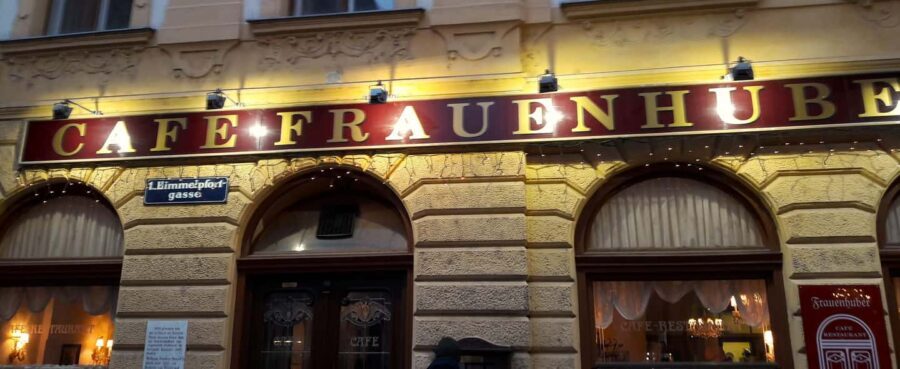
One of the tour’s most interesting themes is the architectural traces of the re-catholization of the Viennese. You don’t just get told that religious changes happened—you get help spotting how those shifts show up in the city’s structure and layout.
This is where the legends-to-architecture link starts to feel practical. Religion, politics, and identity shifts don’t only live in textbooks. In Vienna, they show up in what gets built, preserved, and emphasized across centuries.
You’ll also hear a broader sweep of Vienna’s ups and downs across a long timeline, including the Ottoman Wars era and the end of the Habsburg Monarchy. The tour frames these larger moments in a way that ties back to the streets you’re standing on.
Mark Twain, courtyards, and the kind of Vienna you can’t plan
From the way the tour is described, it clearly isn’t only churches and official buildings. You’ll hear stories connected to musicians and patrons, but you may also get stops tied to literature—such as Mark Twain’s residence—and other local folk legends.
This is one of those “only possible with a guide” advantages. It’s hard to predict where these story-linked places sit, and even harder to know what to look for when you arrive. The guide’s job is to turn random-looking corners into meaningful stops.
You can also expect alleyways and courtyards. Those quieter spaces are where Vienna often feels most intimate, and where the architecture details can be easier to notice. It’s also the part of the tour that makes the 3 hours feel like more than just sightseeing.
How long is enough: the 3-hour pace that works
Three hours is a sweet spot for this kind of walking tour. Long enough to cover a real stretch—Greek Quarter to Hofburg—and short enough that you’re not exhausted by the time you reach the most important areas.
Still, don’t underestimate walking time. You’re moving through older streets, and the tour isn’t built for wheelchair users. You’ll be happiest if you wear comfortable shoes and keep water in mind, especially on warmer days.
Also remember the “no recording” rule. If you like to capture every explanation for later, plan to use notes instead. Bring a small notebook or rely on your phone only for personal photos—just don’t record the guide’s talk.
Languages, group size, and what that means for your experience
The guide offers live tours in English, Italian, and German, with a small group capped at 10 participants. That size matters because it changes the whole experience: the guide can slow down for questions, and you won’t feel like you’re getting rushed past the good parts.
There’s also a practical wrinkle in rare cases: the tour may run in two languages depending on booking circumstances. The details indicate you can’t see which languages are already booked when you browse options. If you want to know the likely language mix at short notice, you can email [email protected] to ask.
From the overall feel of the experience, the guide’s responsiveness is a core strength. If you’re the type who asks why a legend matters or how a building style shifted, you’ll benefit from the Q&A-friendly pacing.
Price and value: is $63 worth 3 hours in Vienna?
At $63 per person for a 3-hour guided walk, the value depends on what you want out of Vienna. If you only want major sights from the outside, you could do that with free wandering. But this tour sells something different: context you can’t easily get on your own in the same time window.
Here’s where the price starts to make sense:
- Small group (up to 10): you’re paying for quality interaction, not just movement across town.
- Focused storytelling: legends like Lugeck, Augustine, and basilisk lore make the route memorable.
- Architecture through multiple eras: you’re given a guided style-and-history thread.
- Targeted stops: including the Deutscher Orden Haus connection and attention to the medieval Hofburg.
If you love architecture and don’t mind a story-driven approach, $63 for 3 hours can feel like a fair deal. If you prefer a pure facts-only walking tour with no legends, you might find the emphasis isn’t exactly your style—though you’ll still come away with more street-level understanding than you’d get from a casual stroll.
Who should book, and who might skip this one
This is a great pick if you want:
- A walking tour that stays in the first district but avoids the most obvious paths
- A guide-led mix of architecture and stories
- Monster legends and cultural lore used as a way to understand the city
It may be less ideal if you:
- Need accessibility support (it’s not suitable for wheelchair users)
- Want nonstop historical dates and little to no storytelling
- Plan to record the guide’s explanations (recording is prohibited)
Should you book Unknown Vienna with RAXI Tours?
I’d book it if you like Vienna best when it feels lived-in—when a city’s myths and buildings talk to each other. The combination of legends (Lugeck, Augustine, basilisk lore), architectural focus from medieval to modern, and stops tied to Mozart and the Hofburg makes this tour a strong “second layer” to any first-time visit.
If your itinerary is tight and you want one guided walk that makes the first district feel readable, this delivers. Just go in with comfortable shoes, an appetite for stories, and the willingness to look closely at details you’d normally miss.
FAQ
How long is the Unknown Vienna guided walking tour?
The tour lasts 3 hours.
Where does the tour start?
You meet around the Dr. Karl Lueger monument near the Stubentor subway station.
Where does the tour end?
The end is listed as In der Burg 1, and the activity description also states that it ends back at the meeting point. Check your confirmation message for the exact end instructions.
How much does it cost?
The price is listed as $63 per person.
What languages are available?
The live tour guide offers English, Italian, and German.
Is the group large?
No, it’s a small group limited to 10 participants.
Can I cancel for a full refund?
Yes. Free cancellation is available up to 24 hours in advance for a full refund.
Can I reserve now and pay later?
Yes, it offers a reserve now and pay later option (pay nothing today).
Is the tour suitable for wheelchair users?
No, it is not suitable for wheelchair users.
Are recordings allowed during the tour?
No. Any recording of the guide’s explanations is strictly prohibited.
Do I need to prepare anything before the tour?
It’s recommended that you eat something before you start and wear comfortable shoes for walking.