REVIEW · VIENNA
Italian VIENNA
Book on Viator →Operated by Mario Casalone - MarioViennaGuide · Bookable on Viator
Italian Vienna has a secret agenda: it lets you see familiar landmarks through Italian eyes. Following the artists and architects behind Vienna’s Baroque look turns a basic stroll into a story you can actually track. You’ll hear music, sermons, and the ambitions of preachers, adventurers, and military leaders, all tied back to how Italian art and ideas shaped the city.
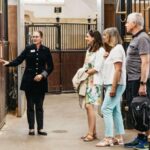
Two things I really liked are how smoothly it connects big names with the street-level details you can still picture. And I especially enjoyed Mario Casalone – MarioViennaGuide as a guide: his explanations feel organized, his tone is friendly, and he’s good at keeping the mood light even when the topic is centuries old.
One thing to consider: this is a walking experience with outdoor time, and it requires good weather. If conditions are bad, expect a different date or a full refund offer, so don’t plan this as your one fixed option no matter what the forecast says.
In This Review
- Key highlights at a glance
- Why Italian Vienna works so well in 2.5 hours
- Where the walk starts: Wiener Minoritenkirche to get the theme instantly
- Stop 1: Minoritenkirche, the Italian community church
- Stop 2: Hofburg and the apartments of Francesco Giuseppe and Sissi
- Finishing at Stephansplatz: St Stephen’s Square as the closing beat
- What you’ll actually hear: Mario’s storytelling style and pacing
- Price and value: what $33.20 buys you (and what it doesn’t)
- Logistics you’ll care about before you go
- Weather and timing: plan for a quick shift, not a disaster
- Who this tour suits best (and who might pass)
- Should you book Italian Vienna with Mario?
- FAQ
- What is the duration of the Italian Vienna tour?
- How much does the tour cost?
- Where does the tour start?
- Where does the tour end?
- What are the main stops on the itinerary?
- Is admission free for the listed stops?
- How do I get the ticket?
- How large is the group?
- What happens if the weather is poor?
- Is it refundable if I cancel?
- Is it suitable for most people?
Key highlights at a glance
- Minoritenkirche as the start point: Vienna’s Italian community church sets the theme fast
- The Hofburg link to Italian influence: Habsburg power viewed through Baroque-era artistry
- Free entry stops: both main stops listed here are free to enter
- Stays focused and walkable: about 2 hours 30 minutes, end near St Stephen’s
- Small group feel: maximum 30 people, so the pace stays human
- Story-first guiding: you get facts plus the human side of history
Why Italian Vienna works so well in 2.5 hours
Vienna can feel like a museum you’re meant to visit quietly. This tour flips that. You walk through the city center while the guide explains why the Baroque image, the architecture, and even the artistic mindset didn’t grow in a vacuum.
What makes this version of Vienna fun is the premise: you’re not just looking at buildings. You’re learning who made the look possible, why it traveled, and how Italian styles landed in Austrian hands. For you, that means every stop becomes a clue, not a random photo spot.
You can also read our reviews of more tours and experiences in Vienna.

Where the walk starts: Wiener Minoritenkirche to get the theme instantly
You’ll start at Wiener Minoritenkirche at Minoritenplatz 2A, 1010 Wien. This matters because the tour’s whole promise is an Italian thread running through Vienna, and the beginning is already a signal.
If you like arriving and not guessing what’s going to happen next, this helps. You’re placed at a real connection point: this church is described as the church of the Italian community in Vienna. That gives the tour a clear “why” before you even move.
Stop 1: Minoritenkirche, the Italian community church
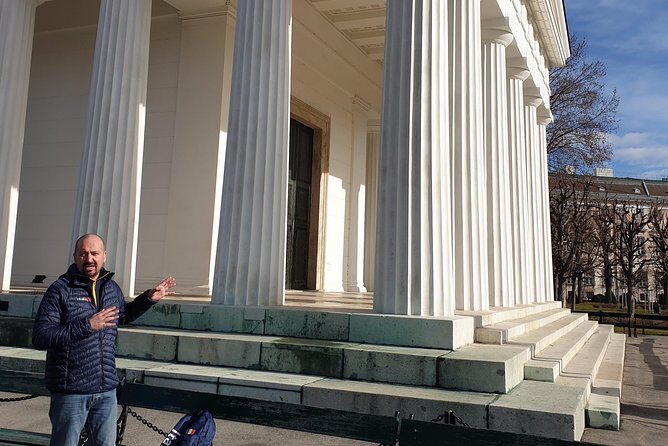
At the first stop, Minoritenkirche, you’ll spend about 15 minutes. Admission is free, so you’re not paying just to stand in front of a door and hope for the best.
This is a smart opening stop because it reframes what Vienna usually means to first-time visitors. The city is famous for its imperial era and classical composers, sure. But starting with a church tied to the Italian community pushes you to notice cultural links that don’t show up on the simplest itineraries.
The time here is short by design. You get the foundation—what this place represents—and then you move on with your brain already primed. If you’ve ever toured with guides who throw too many dates at you at once, you’ll likely appreciate a start that feels like an orientation, not a lecture.
Stop 2: Hofburg and the apartments of Francesco Giuseppe and Sissi
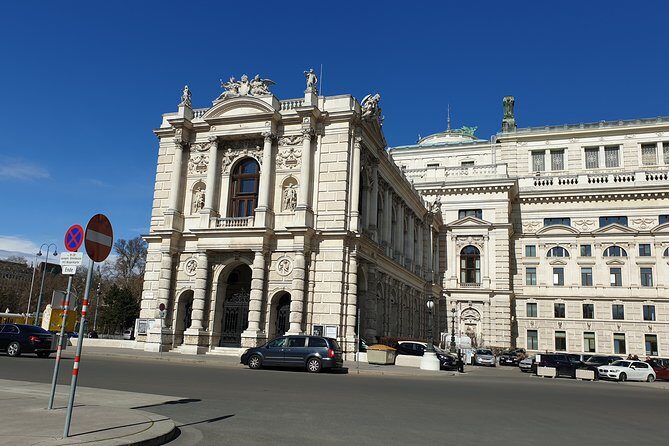
Next you head to the Hofburg, again about 15 minutes, and again with free entry. This isn’t just the biggest imperial name in Vienna. It’s the tour’s turning point from “Italian presence” to “Italian influence in imperial Vienna.”
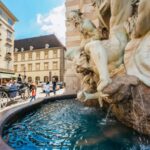
The Hofburg is described as the imperial palace of the Habsburg family, and the stops mentions the apartments of Francesco Giuseppe and Sissi. Even if you’ve seen photos of the Hofburg before, this angle changes what you look for. The architecture and the court world aren’t presented only as Austrian power—they’re treated as a stage where Italian artistry and Baroque style helped define the look.
A practical note: 15 minutes is not long. So I’d treat this stop like a guided highlight moment. Listen closely for the “why this matters” parts, and don’t worry if you can’t memorize every architectural detail. This tour is built for understanding the relationship between styles, not for going full depth inside rooms.
Finishing at Stephansplatz: St Stephen’s Square as the closing beat
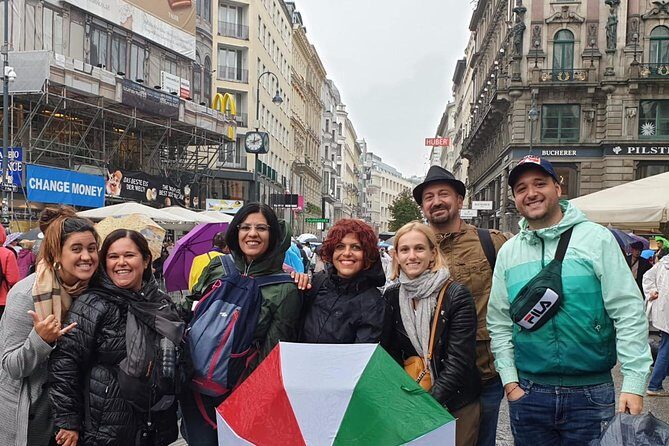
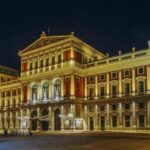
The tour ends at Stephansplatz, in the cathedral square of St. Stephen, the cathedral of Vienna. That end point is a good choice for most people because it’s central and recognizable.
St Stephen’s is one of those places where, if you’ve only seen it from far away, you might think you already get the story. But ending here after the Hofburg changes the lens. You’ll likely notice the city’s layers as connected, not separate chapters: the imperial world, the religious world, and the artistic world—plus the Italian thread tying them together.
Also, ending at a major square helps you continue your day easily. You won’t be stranded at some quiet corner where you need a plan to get home.


What you’ll actually hear: Mario’s storytelling style and pacing
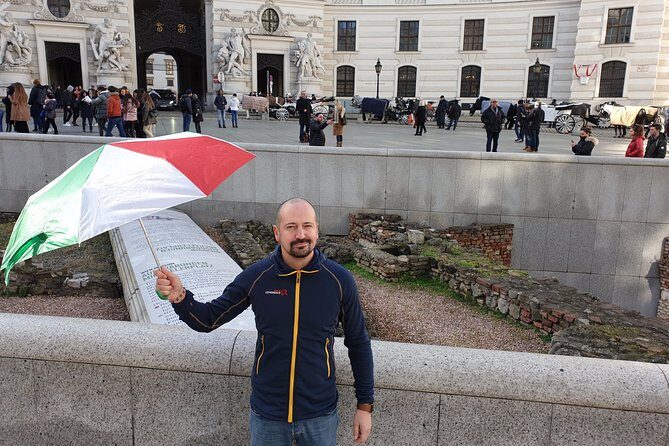
The experience is built around interpretation, not just trivia. Mario’s style comes through clearly in the way he mixes history with stories that feel like everyday life in older centuries. That’s a big deal for you if you don’t want a tour that turns into a stopwatch of facts.
Across the feedback you provided, one theme shows up repeatedly: Mario connects the Italian influence to real creators—artists, architects, and builders—and he does it with energy. You’re not just being told that Italy influenced Vienna. You’re learning how the influence shows up in the city’s look and what that meant for the people shaping it.
Another strong point is patience with questions. That matters more than people think. If you’re the type who asks why something looks a certain way, or you want a bit more context on Sissi or Francesco Giuseppe, a guide who can answer without rushing you makes the whole tour feel smoother.
And yes, expect the tour to move fast enough to feel lively but not so fast that you miss the point. One review notes that 2 hours 30 minutes can pass without you noticing the time. That’s usually a sign the pacing and explanations are doing their job.
Price and value: what $33.20 buys you (and what it doesn’t)
The price is $33.20 per person for about 2 hours 30 minutes, and the tour uses a mobile ticket. You should think of this as paying for guided interpretation, not for paid admissions.
Here’s the value logic: the itinerary includes two stops where admission is listed as free—Minoritenkirche and the Hofburg. So you’re not buying extra entry fees through the tour cost. You’re paying for the guide’s ability to connect the dots: Italian community context at the first stop, Habsburg power and its visual language at the second, and then a strong ending at Stephansplatz.
Is it worth it? If you’re the kind of visitor who likes architecture plus cultural context, I’d say yes. If you mostly want independent time with no listening involved, you may feel the price better spent on a self-guided walk. But for many first-timers, this price lands in a sweet spot: short enough to fit a tight schedule, structured enough to give you meaning.
Logistics you’ll care about before you go
This is a walking tour with near public transportation. That’s helpful because you’re starting at Minoritenplatz and ending at Stephansplatz, both in the core area. You should be able to plan it easily around other sights.
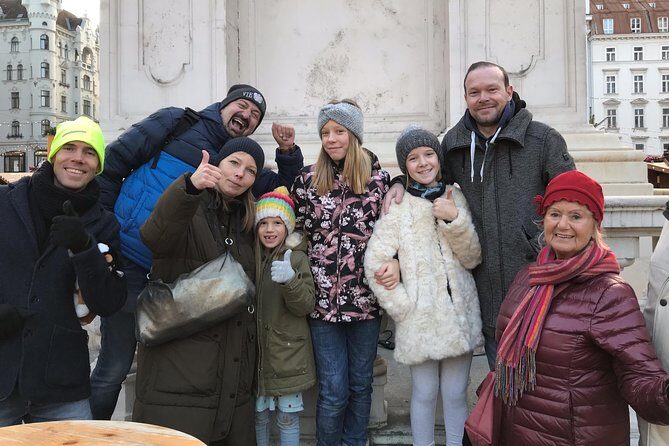
The group size is capped at 30 travelers. That usually means you’re not squeezed into a huge crowd, and questions are more likely to land smoothly.
The tour also notes that confirmation is received at the time of booking. If you like clarity before the day arrives, that reduces stress. And the description says most people can participate, which suggests the walk isn’t meant to be a huge endurance challenge.
Weather and timing: plan for a quick shift, not a disaster
This experience requires good weather. That doesn’t mean you’re stuck if it’s just cloudy, but it does mean the operator may reschedule if conditions are poor. If you’re traveling in a season known for sudden weather changes, keep one flexible block in your schedule.
As for timing, it’s listed as about 2 hours 30 minutes. So you can fit it between a morning museum habit and an afternoon meal-and-wander plan. But since it’s only one continuous walk, try not to stack it with something that requires absolute punctuality right after.
Who this tour suits best (and who might pass)
This is a great fit if you:
- love architecture and art connections and want a guided lens
- want a shorter tour that still tells a coherent story
- like learning how Italian Baroque-era styles influenced Vienna’s look
- enjoy a guide who mixes history with relatable anecdotes
You might pass if you:
- want a museum-style visit with lots of indoor time (this is timed and walkable)
- prefer entirely independent exploration without any guide interpretation
- have limited ability to do outdoor walking for extended stretches
If you’ve already visited the Hofburg on your own, don’t assume you’ll feel like you’re repeating the same experience. This tour is framed around “Italian Vienna,” so it aims to change how you see familiar spaces.
Should you book Italian Vienna with Mario?
Book it if you want a smart way to understand Vienna’s Baroque image without getting lost in a list of names. I like that it starts with the Italian community connection at Minoritenkirche, then moves to the Hofburg and ends at Stephansplatz so your final impression isn’t just one building—it’s a whole city’s story.
If you’re traveling with someone who only cares about famous landmarks, this guide style can still work because the architecture and the court story are both mainstream. The difference is that you’ll get extra meaning behind what you’re seeing.
If the weather looks rough and your schedule is rigid, keep the flexibility in mind. But when conditions are decent, this tour is an efficient, enjoyable way to make Vienna feel less like a postcard and more like a living cultural mix.
FAQ
What is the duration of the Italian Vienna tour?
It runs for about 2 hours 30 minutes.
How much does the tour cost?
The price is $33.20 per person.
Where does the tour start?
The tour starts at Wiener Minoritenkirche, Minoritenplatz 2A, 1010 Wien, Austria.
Where does the tour end?
The tour ends at Stephansplatz in the cathedral square of St. Stephen, the cathedral of Vienna.
What are the main stops on the itinerary?
The itinerary includes Minoritenkirche and the Hofburg.
Is admission free for the listed stops?
Minoritenkirche and the Hofburg are both listed as having free admission.
How do I get the ticket?
This experience uses a mobile ticket.
How large is the group?
The tour has a maximum of 30 travelers.
What happens if the weather is poor?
This experience requires good weather. If it’s canceled due to poor weather, you’ll be offered a different date or a full refund.
Is it refundable if I cancel?
Yes. Free cancellation is available up to 24 hours in advance for a full refund.
Is it suitable for most people?
The tour states that most travelers can participate.