REVIEW · VIENNA
The best of Vienna on foot
Book on GetYourGuide →Operated by Mario Vienna Guide · Bookable on GetYourGuide
Vienna clicks on a 2.5-hour walk. This city-center route strings together St. Stephen’s Cathedral and the Hofburg area with stories that make the monuments feel less like postcards and more like real places. I like how it helps you get your bearings fast when you arrive.
I also appreciate the pace and the guide format: you’re not just watching buildings, you’re stopping for context, asking questions, and taking photos without feeling rushed. In Italian-guided groups, names like Raffaele and Mara come up for being prepared and keeping the walk from turning into a lecture, even in rough weather.
One possible drawback: the tour is in Italian, so if you don’t understand the language, the details and jokes won’t land the same way.
In This Review
- Key highlights worth knowing before you go
- Why this Vienna walking tour feels like the right first move
- Starting at the Maria-Theresa Memorial: meeting point and first impressions
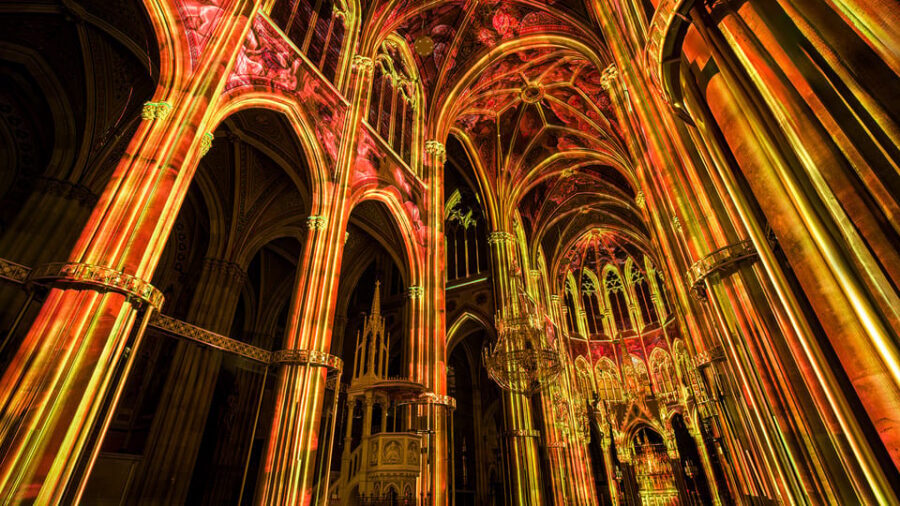
- St. Stephen’s Cathedral and the Hofburg: the city’s “main stage” walk
- Capuchin Crypt: where the Habsburg story becomes personal
- Albertina and the Vienna State Opera: culture with camera-friendly stops
- Heldenplatz and the Plague Column: learning the meaning behind famous stops
- Mid-walk essentials: questions, photo breaks, and practical Vienna tips
- Price and value: is $40 worth 150 minutes in Vienna?
- Who should book this tour (and who might want a different option)
- Should you book The best of Vienna on foot?
- FAQ
- How long is the walking tour?
- Where do I meet the guide?
- Where does the tour end?
- What language is the live guide?
- What’s included in the ticket price?
- Are food and drinks included?
- What sights will I see during the tour?
- Is the tour canceled if it rains?
- What items are not allowed on the tour?
- Can I cancel and get a refund?
Key highlights worth knowing before you go
- Maria Theresia Memorial start: your walk begins at a clear, easy-to-find focal point.
- St. Stephen’s Cathedral to the finish: the route is planned as a proper, walkable loop through the center.
- Capuchin Crypt (Habsburg burial place): you’ll see the dynastic side of Vienna, not just the pretty façades.
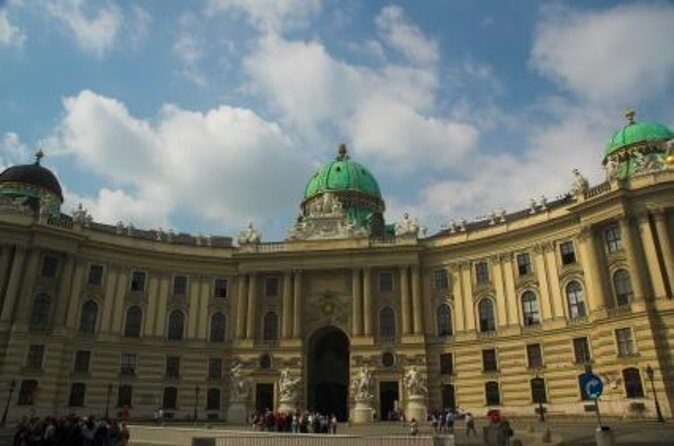
- Hofburg, Franz Josef, and Empress Sissi: the imperial palace area is built into the flow of stops.
- Albertina and Vienna State Opera: culture landmarks land on your route, with time to photograph.
- More than 10 sights in 150 minutes: you get a lot of structure without spending the whole day in a museum.
Why this Vienna walking tour feels like the right first move
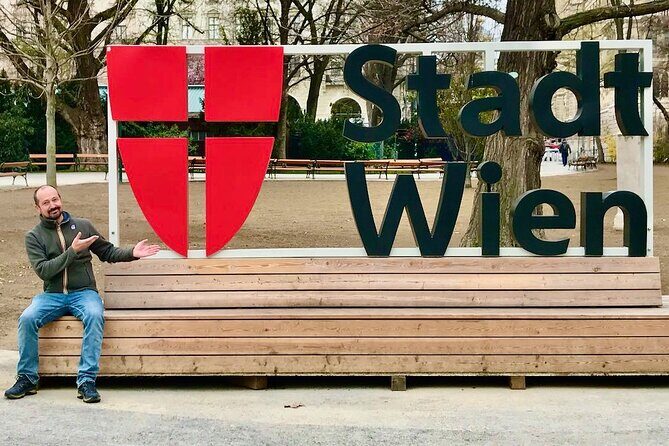
If Vienna is your first stop on a trip, a guided walk like this is a smart way to orient yourself. In about 2.5 hours, you’ll cover the city-center sights people keep coming back to, and the guide’s job is to connect them into a readable story. You’ll see major monuments, yes, but more importantly, you’ll learn what ties them together.
I like tours that do more than point. This one focuses on history and the reasons behind the big landmarks, plus it touches popular culture and how Vienna’s residents shape the city’s daily vibe. That mix matters because Vienna isn’t just royal architecture. It’s also ordinary life layered under those grand buildings.
The best part for practical travelers: you finish with a mental map you can use the rest of your trip. Afterward, it’s easier to decide where to wander on your own, what’s worth revisiting, and what to treat as “seen that, next.”
You can also read our reviews of more tours and experiences in Vienna.

Starting at the Maria-Theresa Memorial: meeting point and first impressions
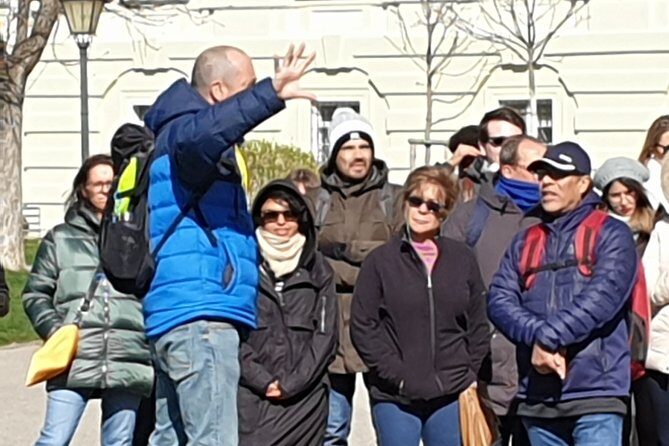
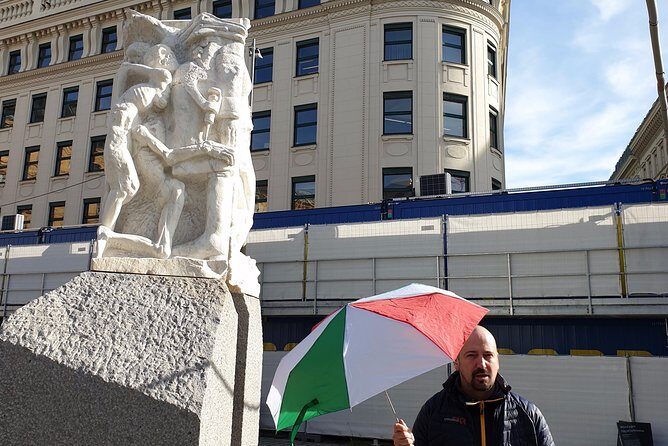
Your tour starts at the Maria-Theresa Memorial, at the fountain of Maria Theresia in the square. You’ll look for an Italian-colored umbrella (red, white, green). This is one of those small details that can save time. If you show up a few minutes early, you’ll usually have an easy moment to spot the umbrella and settle your group.
Starting at Maria Theresia works well because it immediately places you in the center of Vienna’s story. From the first minutes, the tour is set up to show how the city’s key power centers, churches, and imperial sites relate to each other.
Because it runs rain or shine, I’d dress for outside time right from the start. Even if your route is mostly easy walking, Vienna weather can change fast—wind off historic stone buildings is real. Bring a light layer you can keep on even when you stop for photos.
St. Stephen’s Cathedral and the Hofburg: the city’s “main stage” walk
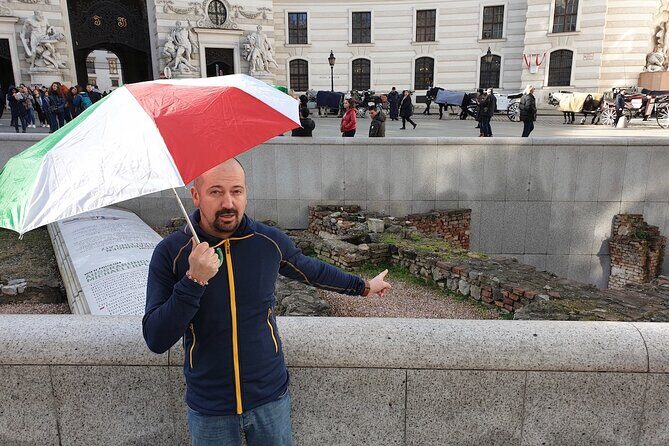
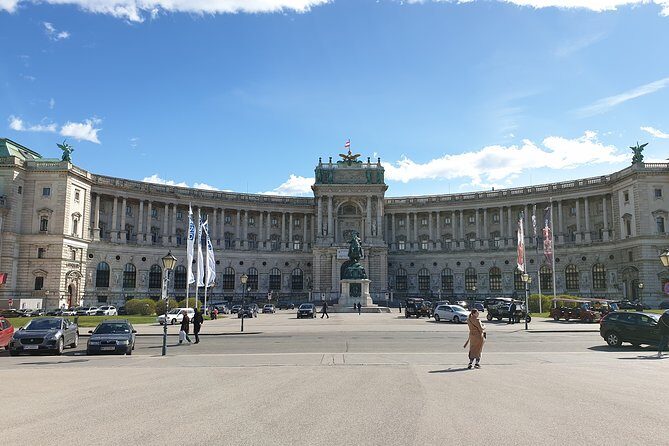
The tour is anchored by St. Stephen’s Cathedral, with the walk beginning near Maria Theresia and then continuing through the center toward the Cathedral area. You’ll also pass the Hofburg, Vienna’s imperial palace complex and a key stop connected to Franz Josef and Empress Sissi.
What makes these landmarks work as a pair is that they sit in the emotional center of the city: religion and rule, faith and power. Even when you’re not a history specialist, you can usually feel why these places matter. The guide helps you connect names to buildings and buildings to the city’s identity.
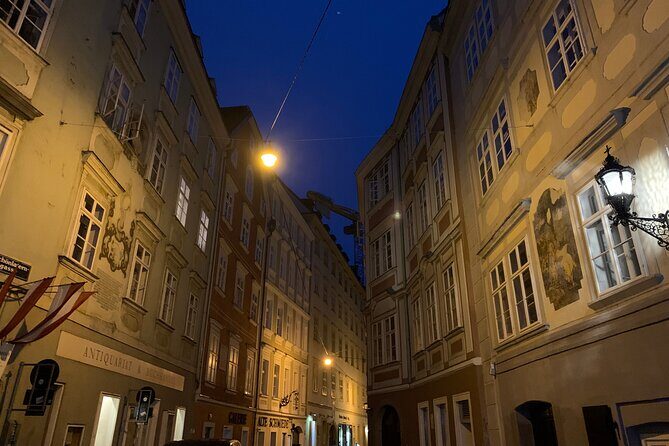
You also get time to admire baroque-style façades and take photographs. That’s not just “pose and go.” It’s timed so you can actually look up, frame the architecture, and get a photo before the next move.
One practical note: the tour is listed as wheelchair accessible, but it’s also marked as not suitable for people with mobility impairments. That combination is worth flagging. If you need step-free routes, you’ll want to check with the operator before booking so you’re not surprised on the day.
Capuchin Crypt: where the Habsburg story becomes personal
One of the stops I’d call the “wait, wow” moment is the Capuchin Crypt, described as the burial place of the Habsburg monarchs. This is where the tone of the tour shifts from grand exteriors to the human reality underneath them.
Even without getting lost in dates, a place like the Capuchin Crypt gives context for why Vienna became so closely tied to the Habsburg family. You’ll understand the dynastic thread that runs through other sites you see later, including the Hofburg area. It’s a useful way to make sense of why people still care about these monuments.
If you’re the type who likes history you can picture, this stop is a strong payoff. And since the tour continues afterward into the more public spaces, the contrast helps you remember both.
Albertina and the Vienna State Opera: culture with camera-friendly stops
As you move through the center, you’ll pass Albertina and the Vienna State Opera. These are classic Vienna anchors—places people talk about even when they don’t have tickets or museum plans.
I like that the tour doesn’t treat culture as an add-on. It places culture landmarks inside the walk itself, so you’re not forced to choose between “cathedral day” and “arts day.” You get both in one outing.
The tour also explicitly mentions time to take a perfect photo, which matters most at buildings like these. If you’ve ever tried to photograph a grand opera house while juggling a map and crowd flow, you’ll appreciate having the guide manage the timing for you.
You’ll also hear about Vienna’s popular culture and what the residents care about. That’s helpful if you want to go beyond royal wallpaper and understand what locals do with the city.



Heldenplatz and the Plague Column: learning the meaning behind famous stops
Next come major public-space landmarks, including Heldenplatz and the Plague Column. These stops are important because they show Vienna isn’t just about private imperial life. It’s also about public memory—how the city marks events, honors people, and records what happened.
Even if you’re not personally invested in every historic reference, learning why a square or column sits where it does changes how you experience it. You start reading Vienna like a living document: layers built over time, with monuments acting like footnotes.
Heldenplatz is also a great pause point in the route. Big open spaces help you reset your legs, take in the scale, and then continue with the story.
As for the Plague Column, I like that it’s included in a “best of Vienna” walk. Vienna’s identity isn’t only triumph and glamour. The guide helps you understand why even the more solemn monuments belong in a first-time overview.
Mid-walk essentials: questions, photo breaks, and practical Vienna tips
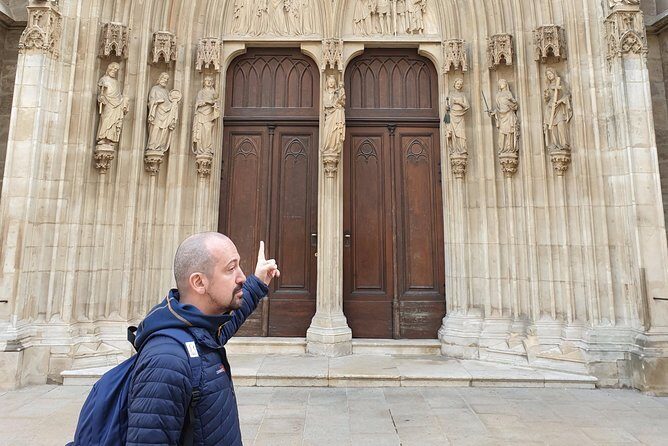
This tour isn’t just sight names. You get a certified official tour guide, with time to ask questions, plus structured stops to photograph important buildings. Those elements sound small, but they matter because they turn a walk into something you can actually use.
The guide’s focus includes practical advice for your stay in Vienna—tips on restaurant visits, cultural life, and public transport. That’s where a guided city walk can beat a self-guided stroll, especially if you’re short on time or arriving jet-lagged.
Here’s how you can make the most of that Q&A: ask about what you care about most, not what everyone else asks. If you love classical music, ask where to look for cultural events. If you want simple meals that feel Viennese, ask where locals go and what to order. If your goal is efficient movement around town, ask what lines or routes make your day easier.
Also, a reminder of the on-the-day rules: audio recording isn’t allowed, and you should plan to travel light. Luggage or large bags are not allowed, and pets aren’t allowed. If you’re coming from a train station with a big suitcase, you may need to store it first.
And if you’re wondering about refreshments: food and drinks aren’t included. The tour is a walking overview, not a meal. If you want a treat along the way, plan for it separately.
Price and value: is $40 worth 150 minutes in Vienna?
For about $40 per person and 150 minutes, you’re buying three things: a timed route through the center, an official guide who connects stops into a story, and built-in photo moments plus time for questions.
If you tried to do the same coverage alone, you’d still spend time studying maps, figuring out what each place means, and deciding where to pause. Here, those choices are already made for you. You’re also saving decision fatigue. That can be worth a lot on a first day.
Is it a bargain? It’s priced like a serious guided city walk, not a throwaway overview. For many visitors, the value is that you finish with a coherent mental map and smarter next steps. And because it includes the guide service plus official guidance, you’re not left cobbling together a fragmented experience.
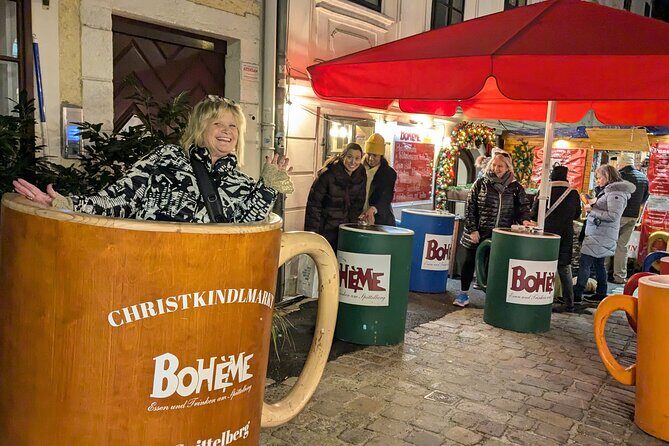
In one of the tour experiences described from earlier groups, there was even mention of a stop for punch via a group request. That’s not something you should count on every time, but it highlights the practical reality of the tour: the guide can respond to what your group is asking for.
Who should book this tour (and who might want a different option)
This tour is a great fit if:
- You want a structured introduction to Vienna’s city center in one go.
- You like history that’s tied to visible landmarks like St. Stephen’s Cathedral, the Hofburg, and the Capuchin Crypt.
- You enjoy walking tours and want a guide to explain the “why,” not just the “what.”
- You want tips you can use immediately for food, culture, and public transport.
You might want to think twice if:
- You don’t speak Italian, since the live guide language is Italian.
- You need extensive mobility support. Even though it’s listed as wheelchair accessible, it’s also labeled as not suitable for people with mobility impairments.
- You plan to bring large luggage or you rely on audio recording. Those aren’t allowed.
Also consider timing. Since the tour runs rain or shine, it’s not “cancel if it looks bad.” It’s designed to keep going unless there’s an environmental disaster.
Should you book The best of Vienna on foot?
If you’re arriving in Vienna and you want a first-day outing that makes the rest of your trip easier, I’d say yes. The route covers the big hitters in a logical flow, and you get more than sightseeing labels: you get stories, time for questions, and practical advice for where to go next.
Book it if you’re comfortable walking for a bit in winter or changeable weather, and you’re okay with the tour being in Italian. If you’re not, you’ll still see the monuments, but the real value—how the guide connects them—will be harder to access.
In short: for a first-time overview of Vienna’s center, this is a solid, efficient choice.
FAQ
How long is the walking tour?
It lasts about 150 minutes.
Where do I meet the guide?
Meet at the fountain of Maria Theresia in the square. Look for an Italian-colored umbrella (red, white, green).
Where does the tour end?
The walk finishes at St. Stephen’s Cathedral.
What language is the live guide?
The live tour guide speaks Italian.
What’s included in the ticket price?
You get a certified official tour guide, the chance to ask questions, and time to take a good photo.
Are food and drinks included?
No. Food and drinks are not included.
What sights will I see during the tour?
You’ll pass major city-center landmarks including St. Stephen’s Cathedral, the Hofburg, the Capuchin Crypt, Albertina, Vienna State Opera, Heldenplatz, and the Plague Column.
Is the tour canceled if it rains?
The tour takes place rain or shine. It’s only canceled in the event of an environmental disaster.
What items are not allowed on the tour?
Audio recording isn’t allowed. You also can’t bring luggage or large bags, and pets are not allowed.
Can I cancel and get a refund?
Yes. You can cancel up to 24 hours in advance for a full refund.