REVIEW · VIENNA
Vienna: Mythos Mozart Experience
Book on GetYourGuide →Operated by Mythos Mozart · Bookable on GetYourGuide
In Vienna, the Mythos Mozart Experience turns Mozart’s last-year story into interactive multimedia you can see, hear, and move through. It starts in the REQUIEM – MOZART’S DEATH room, where the air feels hushed thanks to 1,500 candles and cinematic sound.
I also love the hands-on part in the Little Night Music room, where you can play different instruments from around the world. The main thing to consider: the whole visit is only about 1 hour, so if you want a long, detailed lecture on Mozart’s life, this format may feel a bit short.
In This Review
- Mythos Mozart: the highlights you’ll remember
- Mythos Mozart in Vienna: what you’re really paying for
- REQUIEM – MOZART’S DEATH: 1,500 candles and the mood shift
- VIENNA 1791: 360° panoramas, rooftops, and the house where it happened
- Little Night Music: the fun part where you can actually play
- Sky & Roofgarden: add real Vienna views after the show
- How the one-hour pace feels in real life
- Price and value: is $27 a fair trade?
- Logistics that make the visit easier (and smoother)
- Who should book Mythos Mozart, and who might skip it
- Bottom line: should you book?
- FAQ
- How long is the Mythos Mozart Experience?
- Where do I exchange my ticket?
- Do I need to book a time slot in advance?
- What language is the experience hosted in?
- Is it wheelchair accessible?
- Is food included with the ticket?
- What should I bring?
- Are pets allowed?
- What is the cancellation policy?
Mythos Mozart: the highlights you’ll remember
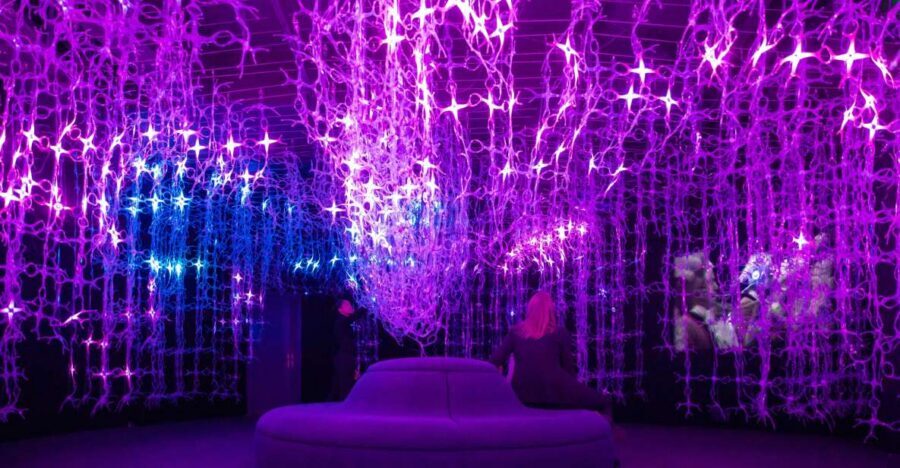
- REQUIEM – MOZART’S DEATH (1,500 candles): a dramatic, almost stage-like start to the journey
- Little Night Music: try instruments from different cultures, not just watch a screen
- VIENNA 1791 panoramic views: 360° looks at Mozart-era streets and rooftops
- Sky & Roofgarden access: real skyline views over Karlskirche, the ferris wheel, and St. Stephen’s
- English host and flexible pacing: you’re guided by the exhibit, not lectured to
- A final AI-styled room: a modern visual twist some people find especially striking
Mythos Mozart in Vienna: what you’re really paying for
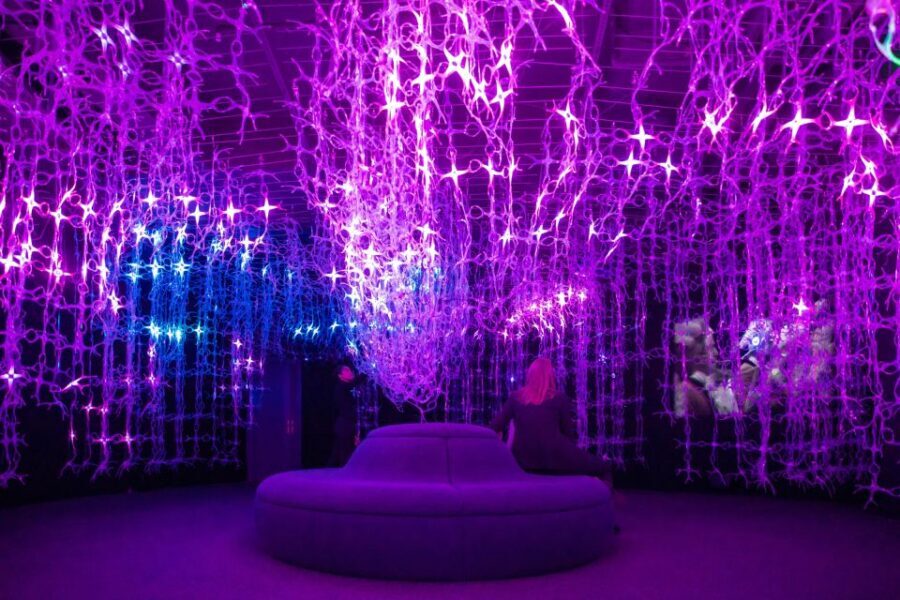
The Mythos Mozart Experience is not a traditional museum. You’re buying time inside a curated sequence of rooms built around Mozart’s music, his final year in Vienna, and the feel of the city around 1791. At $27 per person for about an hour, it’s priced like an attraction, not a museum ticket with hours of reading.
What makes it a smart deal for many people is the balance: you get visuals that do more than illustrate, plus music that does the heavy lifting. If you’re traveling with someone who doesn’t want a heavy concert program or a long documentary, this still gives them something to react to.
The best way to think of it: you’re getting a guided experience made of sound, light, and “look here, play this, watch that.” You can enjoy it even if you don’t know your Mozart from your Beethoven.
You can also read our reviews of more tours and experiences in Vienna.

REQUIEM – MOZART’S DEATH: 1,500 candles and the mood shift
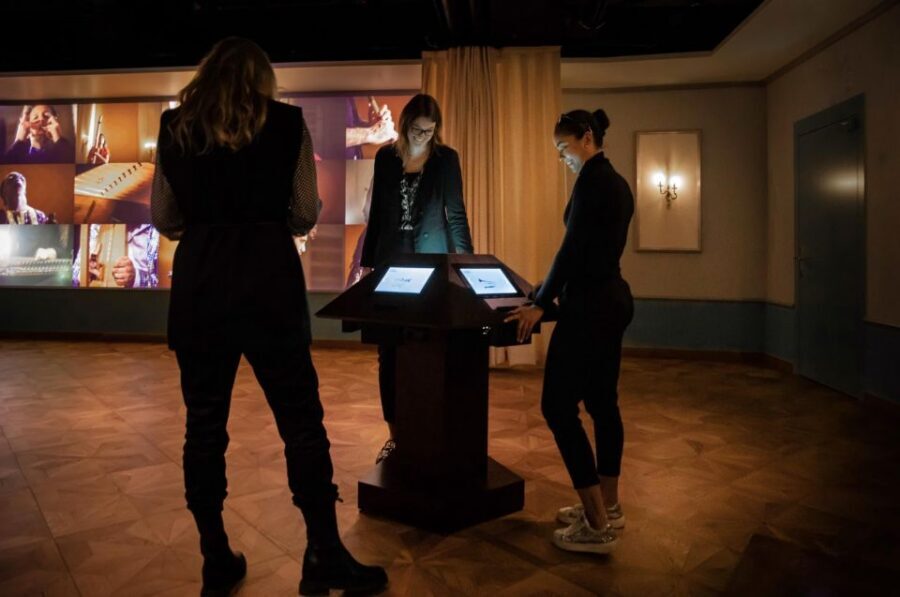
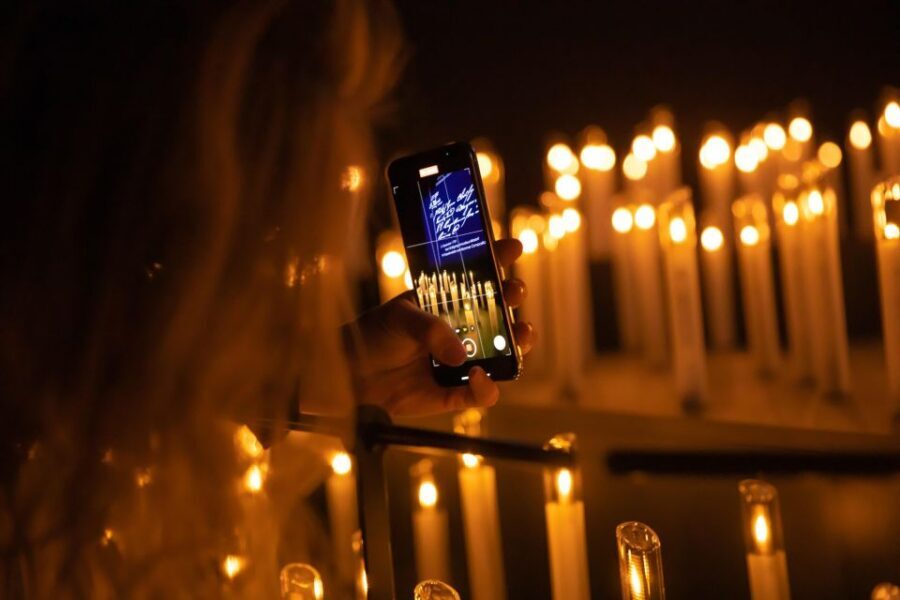
The experience kicks off in the REQUIEM – MOZART’S DEATH room, and yes, the candle count is a big deal—1,500 candles arranged to create atmosphere fast. This is where the show makes its first point: Mozart can feel intimate and weighty, even when presented through screens and lighting design.
The setup also helps you adjust quickly. You don’t need to study music history first. The room leans into emotion first, then connects you to context after you’re already feeling something.
A practical note: candlelit rooms can feel cooler than the rest of the building. Bring a light layer if you run cold, especially in winter or on an evening when Vienna can get sharp.
VIENNA 1791: 360° panoramas, rooftops, and the house where it happened
After the candle room, you move into VIENNA 1791 – MOZART’S CITY. This is where the exhibit shifts from mood to place.
You get 360° panoramic views designed around Mozart-era Vienna, with scenes that let you look around the streets and architecture from different angles. You also get playful, virtual perspective moments—like climbing over roofs in a balloon and then landing in front of the house where Mozart died in 1791.
This section works well because it gives you geography. Vienna can feel big and hard to “place” when you’re walking around without a mental map. The exhibit helps you build one, so later, when you’re outside and you see real buildings, the story feels less random.
If you don’t love visual effects, this is still the part that can make the experience feel more “Vienna-specific” than generic. You leave with images you can compare to what you’ll see on the street.
Little Night Music: the fun part where you can actually play
One of the most memorable strengths of Mythos Mozart is the Little Night Music room. This is the interactive stop built for curiosity.
Instead of only listening, you can play different instruments from around the world. That matters because it changes the vibe from passive to hands-on. You get to feel how sound can be shaped by instrument family, not just by orchestration in a recording.
Even if you’re not “musical,” this part helps you understand Mozart’s world as a living one. The room turns the idea of classical music into something physical and playful, which is why the exhibit earns its praise from people who expected to prefer only the visuals.
It’s also a nice reset after the heavier feel of the REQUIEM room. You’ll come out lighter, and more likely to enjoy the final stages.
Sky & Roofgarden: add real Vienna views after the show
Your ticket includes access that helps you cap the experience with actual city views. Through the Sky & Roofgarden area, you can look over the First District and spot landmarks like Karlskirche, the ferris wheel, and St. Stephen’s Cathedral.
This is a smart add-on for two reasons. First, it gives you a breather after the darker rooms. Second, it turns the “Vienna you saw in screens” into something you can re-find in real life.
If you’re visiting on a cloudy day, these views can still be satisfying because the points of reference are clear. Even in bad weather, St. Stephen’s and the surrounding rooftops tend to anchor your mental map.





How the one-hour pace feels in real life
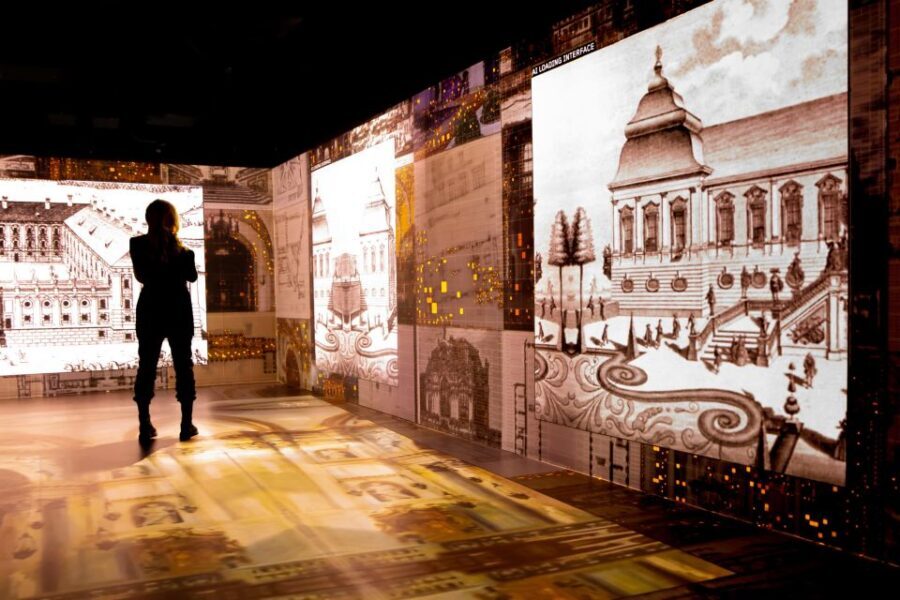
The official duration is about 1 hour, which is short enough that you won’t feel trapped. But it also means you need to go in with a plan for how you’ll experience each room.
Here’s what to do so it doesn’t feel rushed:
- Give the candle room your full attention first. That opening tone is part of the magic.
- When you reach the instrument area, don’t speed past. Try things for a minute or two longer than you think you need.
- In the 360° room, pause and look around. The point is not only the visuals but learning where you are in the scene.
One more reality check: the exhibit is primarily audio-visual. Some people want more human narration and more explanation of what they’re seeing. If you’re the type who needs subtitles, translations, or a constant guide telling you the meaning behind each scene, you might find the experience slightly “show-first.”
That said, many visitors end up enjoying it because it’s paced for understanding without homework.
Price and value: is $27 a fair trade?
At $27 per person, Mythos Mozart sits in that tricky middle zone: not budget, not premium concert ticket. The value depends on what you want from Vienna.
If you enjoy:
- multimedia art,
- classical music in a “modern presentation,” and
- attractions that are fun even without deep knowledge,
then the price feels fair. The exhibit is designed to work for first-timers who don’t want to read walls of text.
If you’re a hardcore Mozart fan hoping for deep dives into compositions, letters, and years-by-years detail, it may feel like you’re getting a strong visual overview rather than a full biography. A couple of people specifically wished for more explanation and more focus on music and life rather than mostly visuals.
My advice: treat the ticket like an evening entertainment option that also helps you understand Mozart’s Vienna. For that, $27 can be money well spent.
Logistics that make the visit easier (and smoother)
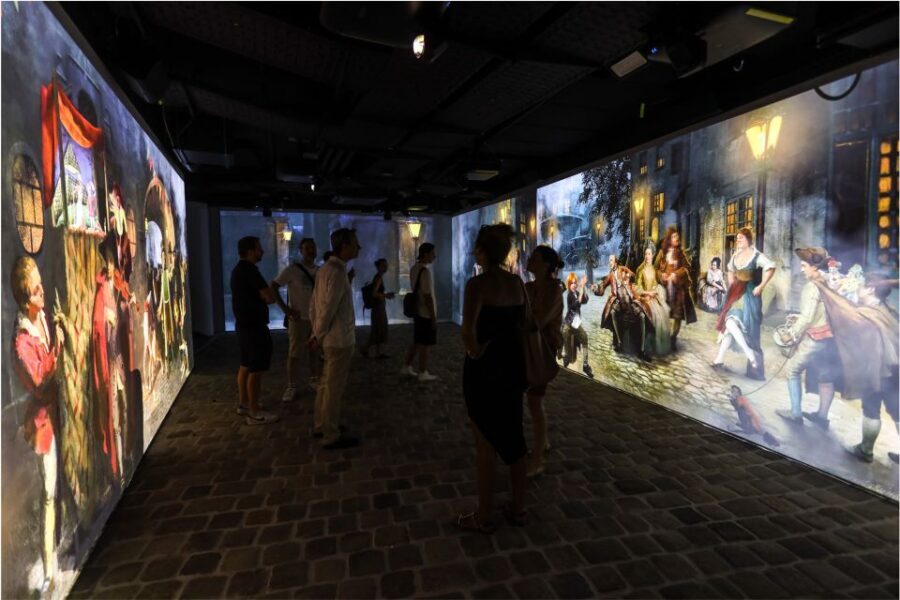
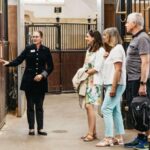
The meeting point is straightforward: you exchange your ticket at the Mythos Mozart Welcome Desk. The show runs with scheduled time slots, so plan to arrive with a little buffer.
You should report up to 15 minutes before your start time. If you miss that window, don’t panic automatically—some guests have been able to rework timing when delays happen. Still, the safest move is early.
Bring an ID (passport or ID card). If you’re eligible for student pricing, have your student card ready. Food and drinks are not included, though you can buy them at the Sky Café & Restaurant, which also has a roof terrace and panoramic views.
Also note the house rules: pets aren’t allowed. That one matters if you’re traveling with a service animal—only then you should check what applies, but pets in general are off-limits.
And yes, it’s wheelchair accessible, which is a big help in a city where many attractions are not.
Who should book Mythos Mozart, and who might skip it
This is a great fit if you want a one-hour activity that:
- works in bad weather,
- introduces Mozart without requiring a music background,
- mixes visuals with music in a way that feels like storytelling.
It’s also a good pick if you’re traveling with a mixed group—someone who loves classical music and someone who just wants something beautiful and different after dinner.
You might consider skipping or choosing something else if you:
- want a long guided talk with deep, factual commentary,
- dislike AI-styled visuals in modern art installations,
- need a more traditional museum format with lots of quiet reading.
Bottom line: should you book?
Book Mythos Mozart if you want a compact, modern, Vienna-specific Mozart experience. It’s one hour, it’s easy to fit into your schedule, and the candle room plus the instrument area give you those “I’ll remember this” moments.
Skip it if you’re only interested in detailed scholarly explanations or you dislike attractions that lean heavily on multimedia and design. In that case, you’ll likely prefer a concert or a traditional museum approach.
If you’re unsure, think of it like this: you’re not learning Mozart through books. You’re learning the mood, the city, and the sound—then topping it off with real rooftop views.
FAQ
How long is the Mythos Mozart Experience?
The experience lasts about 1 hour.
Where do I exchange my ticket?
Exchange your ticket at the Mythos Mozart Welcome Desk.
Do I need to book a time slot in advance?
You should book a time slot for your visit in advance, and arrive up to 15 minutes before your start time. Spontaneous visits may be possible depending on occupancy.
What language is the experience hosted in?
The host or greeter is in English.
Is it wheelchair accessible?
Yes, it’s wheelchair accessible.
Is food included with the ticket?
No. Food and drinks are not included, but you can purchase them at the Sky Café & Restaurant.
What should I bring?
Bring a passport or ID card. The information also notes bringing a student card.
Are pets allowed?
No, pets are not allowed.
What is the cancellation policy?
You can cancel up to 24 hours in advance for a full refund.