REVIEW · VIENNA
Vienna: Private Walking Tour
Book on GetYourGuide →Operated by Austria Tours & Travel · Bookable on GetYourGuide
Mozart’s Vienna still feels close up. This private walking tour is great because I like how it connects Mozart and Beethoven to the streets you actually walk, and I love how it brings coffeehouse culture into the story so Sacher torte feels less like a souvenir and more like a tradition. One catch: food and drinks are not included, so you’ll want a plan for a sweet stop after the walk.
You’ll see major showpieces on foot, including the Ringstrasse area and heavyweight landmarks like St. Stephen’s Cathedral, the Vienna State Opera, Heldenplatz, and the Hofburg Imperial Palace. The pace is built for getting your bearings fast, with a timeline that runs from the city’s early roots through the Habsburg era and into classical music.
The tour also seems to live or die by the guide, and the quality looks consistent. Guides such as Lisa and Catherine stand out for engaging storytelling, while Long is praised for enthusiasm and even continuing past the scheduled time when it works for the group, and Marko is noted for being responsive to what you want to see.
In This Review
- Key reasons this private Vienna walk works
- A 2.5-hour route that keeps Vienna from feeling like a blur
- Where you meet in 1010 Vienna, and how the pickup actually helps
- From Celts and Romans to the Habsburg era: the timeline that makes the buildings click
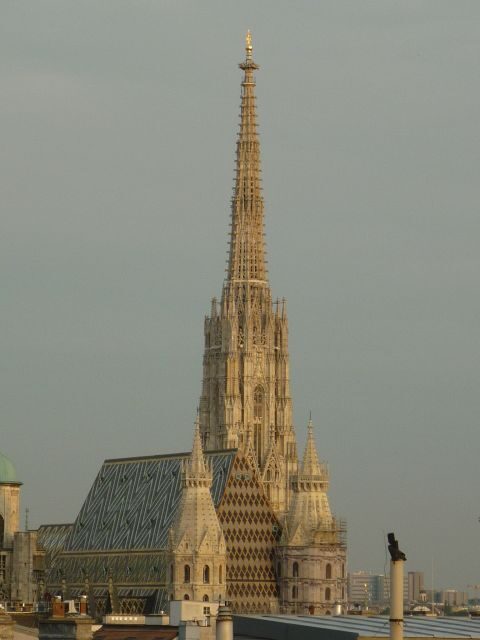
- St. Stephen’s Cathedral: the landmark that anchors the whole old-city story
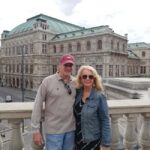
- Vienna State Opera and the grand boulevard mood of Ringstrasse
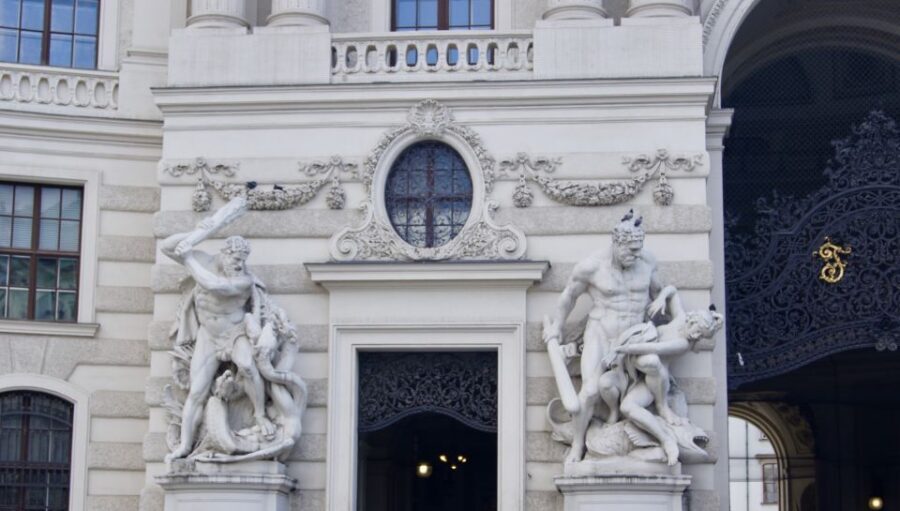
- Heldenplatz and Hofburg: where empire stories get specific
- The Graben and the Plague Column: everyday streets with serious meaning
- Burggarten and Volksgarten: a breath of green with the right kind of framing
- Mozart footsteps, Beethoven presence, and the practical music context
- Coffeehouse culture and Sacher torte: how to order after the tour
- Price and value: when $530 per group makes sense
- How accessible is this walk, really?
- Who this private Vienna walking tour is best for
- Should you book this private Vienna walking tour?
- FAQ
- How long is the Vienna private walking tour?
- Where does the tour start and end?
- Is hotel pickup and drop-off included?
- Is this tour really private, and what group size is it for?
- What languages are the guides available in?
- What’s included in the price?
- Are food and drinks included?
- Is the tour wheelchair and stroller accessible?
- Final word: who should book now
Key reasons this private Vienna walk works
- Mozart-meets-Monday-streets storytelling across real Vienna landmarks
- Ringstrasse architecture explained in a walkable order, not random snapshots
- Habsburg focus at Heldenplatz and Hofburg so the power stories make sense
- Coffeehouse culture plus Sacher torte context to help you order with confidence
- Guide energy that adapts to your interests, including examples like Lisa, Catherine, Long, and Marko
- Wheelchair and stroller accessible route, designed for easier movement
A 2.5-hour route that keeps Vienna from feeling like a blur
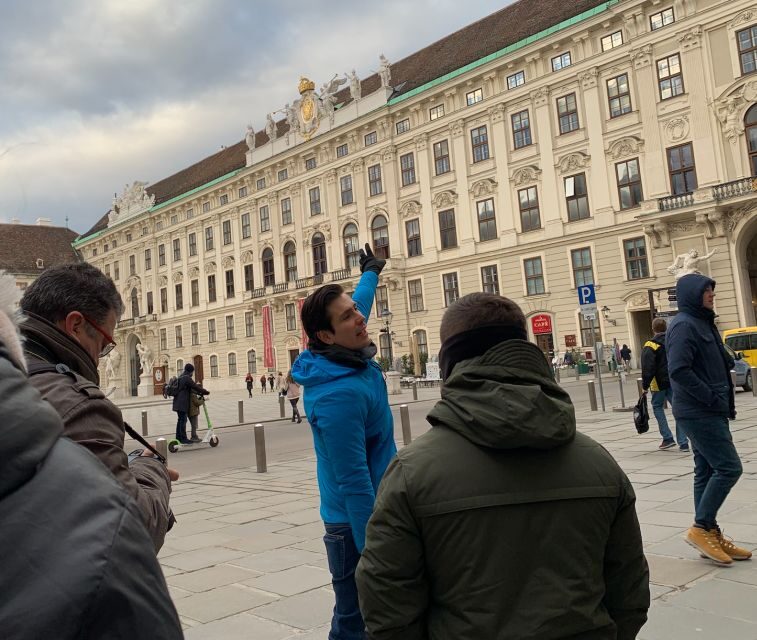
Vienna has a way of overwhelming first-time visitors. Between palaces, churches, grand boulevards, and a seemingly endless parade of statues, it’s easy to lose the thread. This tour’s sweet spot is that it’s long enough to build a story, but short enough that you’re not stuck sightseeing all day.
At 150 minutes, you’ll move at a comfortable walking pace with a private guide who can steer the conversation. And because it’s a private group with pickup and drop-off, you’re not relying on a meet-up scrum or figuring out the easiest way to start in the inner city.
You can also read our reviews of more walking tours in Vienna

Where you meet in 1010 Vienna, and how the pickup actually helps
This experience is designed around an easy start point in 1010 Vienna. Your guide will be waiting either in your hotel lobby if you’re in the inner city, or at the pre-determined meeting spot: Helmut Zilk Platz.
Why I think that matters: in a city where streets can be easy to read only if you’re already oriented, a clean pickup reduces stress. You also avoid losing time at the beginning, which is the exact moment you need to be fresh and paying attention.
The tour finishes back in 1010 Vienna, which helps too. You’re not ending on the other side of town wondering how to get dinner.
From Celts and Romans to the Habsburg era: the timeline that makes the buildings click
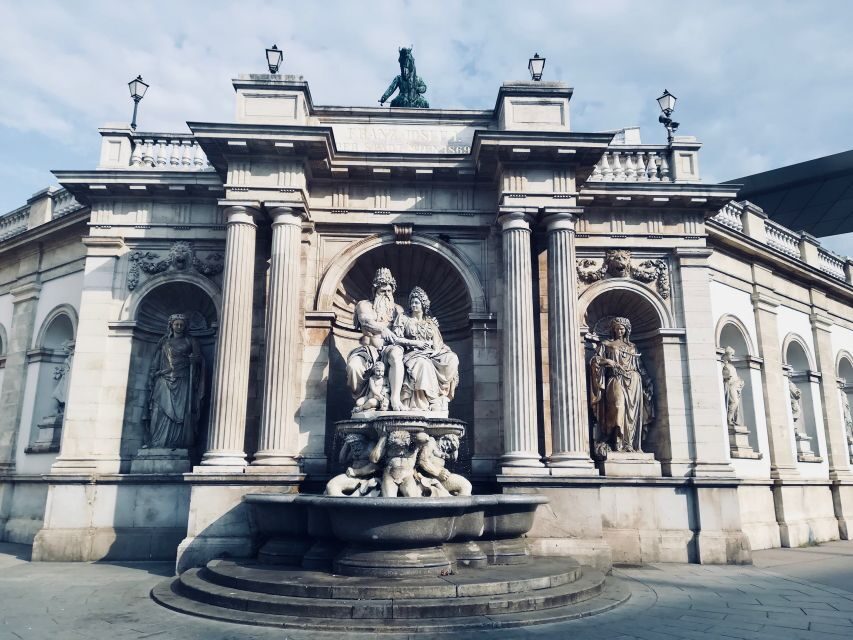
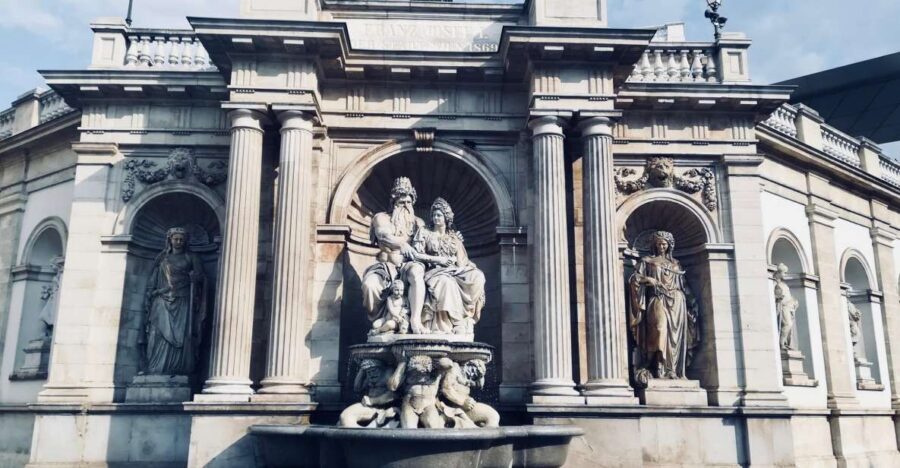
One of the best parts of a walking tour is when it turns landmarks into something you can explain. Here, the guide starts with Vienna’s early roots, moving through the city’s older layers—Celts and Romans—before landing in the eras that shaped the skyline you see today.
Then the Habsburgs take center stage. You’ll hear about the lives of different members of this powerful royal house, and how their influence shaped both the grand palaces and the public spaces you’re walking past.
This kind of big-picture framing is practical. When you understand who held power and why, you stop viewing Vienna as a set of pretty facades and start seeing it as a city built to project authority, faith, and culture.
St. Stephen’s Cathedral: the landmark that anchors the whole old-city story
St. Stephen’s Cathedral is one of those places that you can’t unsee once you’ve clocked it. On this walk, it works as an anchor point for the older parts of Vienna and the religious confidence that shows up throughout central Europe.
Your guide uses it as more than a photo stop. You’ll connect what you’re seeing to the city’s evolution—how Vienna developed into a cultural center and why certain kinds of buildings mattered so much to the people in charge.
A small practical tip: even if you’ve seen cathedral exteriors before, pay attention to the details your guide points out. The value here isn’t checking a box. It’s understanding what the landmark signals about the city’s identity.
Vienna State Opera and the grand boulevard mood of Ringstrasse
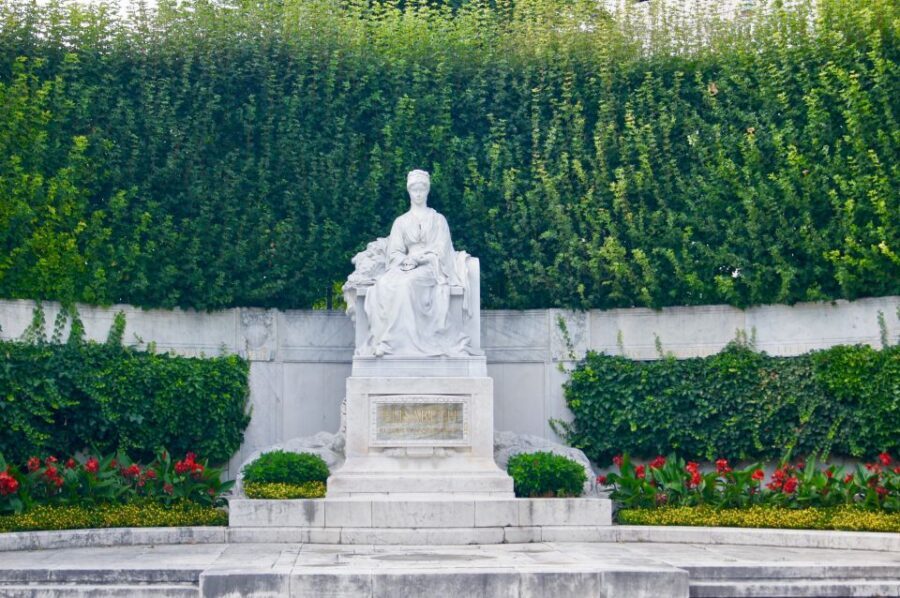
If Vienna has a “page-turning” section in this tour, it’s the shift into the Ringstrasse world. You’ll see the kind of grand, organized urban planning that became a statement of modernity and status.
Then you’ll visit the Vienna State Opera area, where the city’s classical tradition becomes visible in architecture and setting. Hearing about composers alongside these spaces makes a difference, because it helps you understand Vienna’s music reputation as something rooted in institutions, patrons, and public taste—not just legendary names.
And yes, you’ll still get the impressive views. But the goal isn’t sightseeing in silence. It’s learning how the city’s love of music was supported by the system around it.
You can also read our reviews of more private tours in Vienna




Heldenplatz and Hofburg: where empire stories get specific
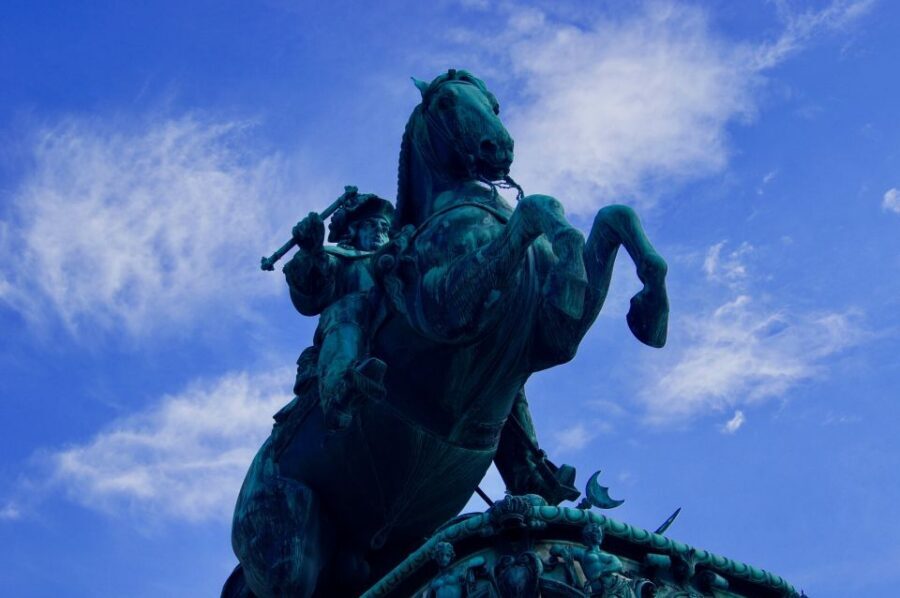
Heldenplatz and the Hofburg Imperial Palace are the kind of stops that can feel like “big royal stuff” unless someone gives you the thread. This tour does.
You’ll hear about the Habsburg family’s roles and the way their legacy played out in public spaces. Heldenplatz becomes a stage for understanding how rulers presented themselves to the city, while the Hofburg lets you connect the dots between power, residence, and ceremony.
What I like about this part: it helps you switch from general impressions to concrete context. You’re not just looking at impressive buildings; you’re learning why Vienna chose this scale and symbolism.
The Graben and the Plague Column: everyday streets with serious meaning
Vienna’s center isn’t only about palaces. The Graben is the kind of street that makes the city feel walkable and human, even when the architecture is monumental.
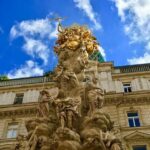
This tour also includes the Plague Column. That’s a reminder that major historical forces weren’t abstract. Public health crises, belief systems, and survival all shaped how cities behaved and what they erected.
Then you add the Jewish Square to the mix. It gives the tour a broader view of Vienna as a community with different cultural and religious lives rubbing shoulders across centuries.
If you’re the type who loves context, this section is where the story stops being one-dimensional. You get social depth, not only royal spectacle.
Burggarten and Volksgarten: a breath of green with the right kind of framing
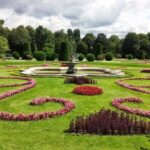
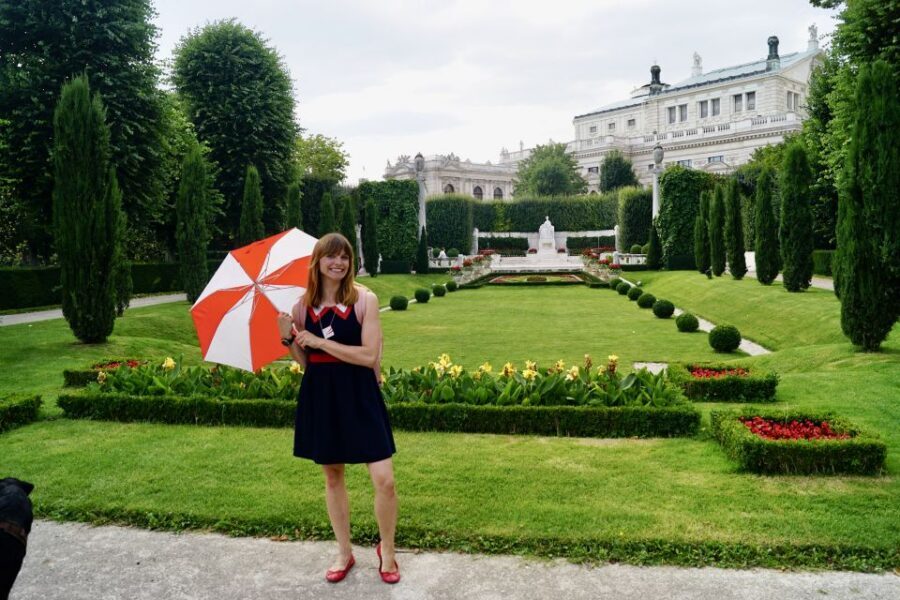
After the big monuments, Burggarten and Volksgarten are smart inclusions. They give you a change of pace, and they help you understand how Vienna’s elite life and public spaces overlap.
These garden stops also work as mental resets. When you’ve been absorbing palace and music references, your brain needs a quieter visual environment. Gardens do that, but your guide keeps it from turning into generic sightseeing by tying the green spaces back to the broader narrative.
For many people, this is where you’ll enjoy the walk most: less pressure, more atmosphere.
Mozart footsteps, Beethoven presence, and the practical music context
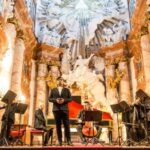
The tour’s theme is clear: walk in the footsteps of Wolfgang Amadeus Mozart. But it’s not only Mozart sightseeing. You’ll also hear about Ludwig van Beethoven, too, so the tour gives you more than one composer name.
What matters here is how music becomes geography. You learn why these composers belong to Vienna’s identity and what kind of environment helped classical music thrive and stay central.
For me, that’s one of the highest-value elements of a short walking tour. If you already like classical music, you leave with a deeper sense of place. If you’re not a diehard fan, you still walk away understanding why people care.
Coffeehouse culture and Sacher torte: how to order after the tour
Vienna coffeehouses are a whole world, and this tour treats them like part of the city’s culture—not just a tourist detour. You’ll learn about the tradition and what makes it distinct, and you’ll hear about famous Sacher torte so you understand why it shows up on so many menus.
Since food and drinks aren’t included, you won’t get stuck making decisions while you’re on the move. Instead, the tour sets you up for the next step: choose a coffeehouse or dessert stop on your own terms.
My advice: use what the guide tells you to order with confidence. You’ll likely know what you’re tasting and why it’s famous, instead of just picking whatever looks sweet.
Price and value: when $530 per group makes sense
This tour costs $530 per group, up to 20 people, and it runs 150 minutes. That pricing model is the key to value: you’re paying for a private guide and pickup, not a per-person ticket.
So who gets the best deal? People traveling with a few friends or family members. The more people you have in your private group, the more the price spreads out.
If you’re just two people, it may feel pricey compared to a standard group tour. But the private format is also what you’re buying: a guide who can focus on what you care about, and a route built around major sights without wasting time.
How accessible is this walk, really?
The tour is wheelchair accessible and stroller accessible, which is a huge plus for families or anyone with mobility needs. Since it includes hotel pickup and drop-off, you’re also less likely to run into awkward start-stop situations.
That said, this is still a walking tour through an old European city. Wear comfortable shoes and be ready for the fact that outdoor walking is part of the experience, even when the route is designed to be accessible.
Who this private Vienna walking tour is best for
Book this if you want a focused, story-driven intro to central Vienna. It’s especially good for:
- First-timers who want a coherent overview fast
- Classical music fans who care about Mozart and Beethoven beyond posters
- Families or small groups who value a private guide and easy pickup
- Anyone who likes “why this place exists” explanations, not only what it looks like
If you’re looking for long indoor museum time, this is probably not the right fit by itself. This is more about making sense of Vienna through walking, architecture, and cultural context.
Should you book this private Vienna walking tour?
If you’re excited by Mozart, the Habsburgs, and Vienna coffeehouse culture, I’d say yes. The big advantage is the way it turns major sights—St. Stephen’s Cathedral, Ringstrasse views, the Opera area, Heldenplatz, Hofburg, the Graben, Plague Column, Jewish Square, and the garden stops—into one continuous story you can remember.
The main reason to pause is practical: food and drinks aren’t included, so you’ll need to plan your own stop for coffee and Sacher torte afterward. Also, if you’re traveling as a solo traveler or just a couple, the private-group price may be higher per person than you’d like.
If you can match the tour to your group size and you want a guided walk that actually explains what you’re seeing, this one is a strong choice.
FAQ
How long is the Vienna private walking tour?
It lasts 150 minutes, which is about 2.5 hours.
Where does the tour start and end?
The tour starts at 1010 and finishes back in 1010 Vienna, Austria.
Is hotel pickup and drop-off included?
Yes. Hotel pickup and drop-off are included. If your hotel is in the inner city, the guide meets you in the lobby; otherwise, you meet at Helmut Zilk Platz.
Is this tour really private, and what group size is it for?
This is a private group tour. The price is listed per group up to 20 people.
What languages are the guides available in?
The guide is available in English and German.
What’s included in the price?
Included are the private guided tour plus hotel pickup and drop-off.
Are food and drinks included?
No. Food and drinks are not included.
Is the tour wheelchair and stroller accessible?
Yes. The tour is wheelchair accessible and stroller accessible.
Final word: who should book now
If your goal is a smart first pass through Vienna’s most famous spots with clear context tied to Mozart, Beethoven, the Habsburg era, and coffeehouse culture, this private walking tour is worth your time. I’d book it if you want a guide-led story you can carry into the rest of your trip, not just a checklist of landmarks.