REVIEW · VIENNA
Vienna: Highlights Walking Tour with a Local Guide
Book on GetYourGuide →Operated by Guydeez Tours · Bookable on GetYourGuide
Vienna’s best highlights fit in three hours. I love how the route treats Maria-Theresien-Platz like a storybook set, and then slows down for the Romanesque St. Michael’s Church. One thing to consider: if you’re booking for Spanish, double-check that a Spanish-speaking guide is actually available, because cancellations have happened when none could be arranged.
This tour is run by Guydeez Tours and costs $38 for a guided, on-foot highlights sweep. With a 4.5 rating from 36 reviews, the standouts in the feedback are the guides’ delivery—people named Hugo, Ge, Gulam, and Nathalie show up repeatedly for humour, clear explanations, and helping you make practical plans after the walk.
In This Review
- Key Things You’ll Notice on This Vienna Highlights Walk
- Starting at Babenbergerstraße 9: why this tour is a smart first Vienna step
- Neue Burg and the Hofburg area: imperial scale without the overwhelm
- A quick Danube photo stop: small break, big perspective
- Burgtor: reading a victory monument in plain sight
- Ringstrasse: from medieval fortifications to a boulevard of power
- Maria-Theresien-Platz: twin museum facades and the Empress at center stage
- Kunsthistorisches Museum: palatial outside, guided inside (or at least guided relevance)
- Heldenplatz and St. Michael’s Church: the end that feels old and human
- Guide quality: why names you see in feedback matter
- Should you book this Vienna Highlights Walking Tour?
- FAQ
- How long is the Vienna highlights walking tour?
- How much does the tour cost?
- Where do I meet the guide?
- Is the tour wheelchair accessible?
- What languages are available for the live guide?
- Is there a private group option?
- Which major sights are included?
- What is the tour cancellation policy?
- Is reserve & pay later available?
- What if my preferred language is not available?
Key Things You’ll Notice on This Vienna Highlights Walk
- Maria-Theresien-Platz: Twin museum facades and the central statue of Empress Maria Theresa
- Ringstrasse boulevard: Fortifications replaced by architectural showpieces like City Hall, Parliament, Burgtheater, and Vienna State University
- Burgtor arch: A commemorative gateway tied to Vienna and its allies defeating Napoleon
- Kunsthistorisches Museum: A palatial stop focused on royal art and grand museum architecture
- Heldenplatz finishing area: A historic open space that leads naturally into the final church moment
- St. Michael’s Church: One of Vienna’s oldest churches, with Romanesque character you can actually see up close
Starting at Babenbergerstraße 9: why this tour is a smart first Vienna step
The meeting point is Babenbergerstraße 9, and that matters more than you might think. You start in a part of central Vienna that makes it easy to stitch together the big names—Hofburg-area buildings, the major museum square, and the Ringstrasse landmarks—without doing a half-day of back-and-forth transit.
The pacing is also built for orientation. At each main stop, you get a guided look plus time for photos and walking. This is great if you want to get your bearings fast and understand how Vienna’s power shifted from medieval walls to imperial boulevards and grand public buildings.
The $38 price feels fair for a 3-hour, guide-led route that links multiple major sights. What you’re really paying for is the connective tissue: why these buildings look the way they do, and what political or cultural story Vienna wanted them to tell.
You can also read our reviews of more walking tours in Vienna
Neue Burg and the Hofburg area: imperial scale without the overwhelm
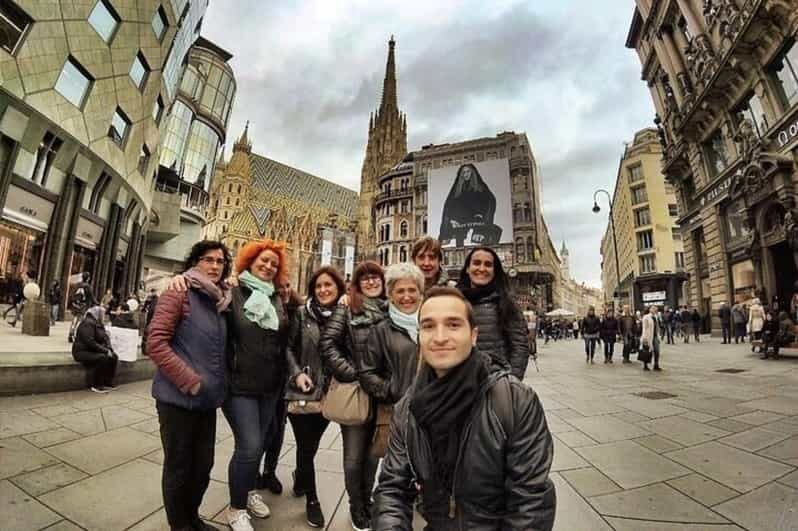
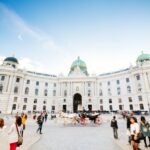
The tour kicks off at Neue Burg, part of the Wiener Hofburg, with a photo stop and a guided look. This is the kind of start that helps you recalibrate your expectations: you’re not just seeing Vienna’s postcard buildings, you’re learning how the city’s imperial identity is concentrated in one dense zone.
Why I like this approach: Hofburg sights can feel like a blur if you wander on your own. With a guide, you get a sense of how the imperial complex relates to the rest of the route—especially later when you reach Ringstrasse, where Vienna basically updated its image from fortress-minded to grand-city confident.
Practical consideration: the tour is only three hours. If you love interiors and could spend ages inside palaces or museums, this is still useful as a guided sampler—but plan to return later for deeper time.
A quick Danube photo stop: small break, big perspective
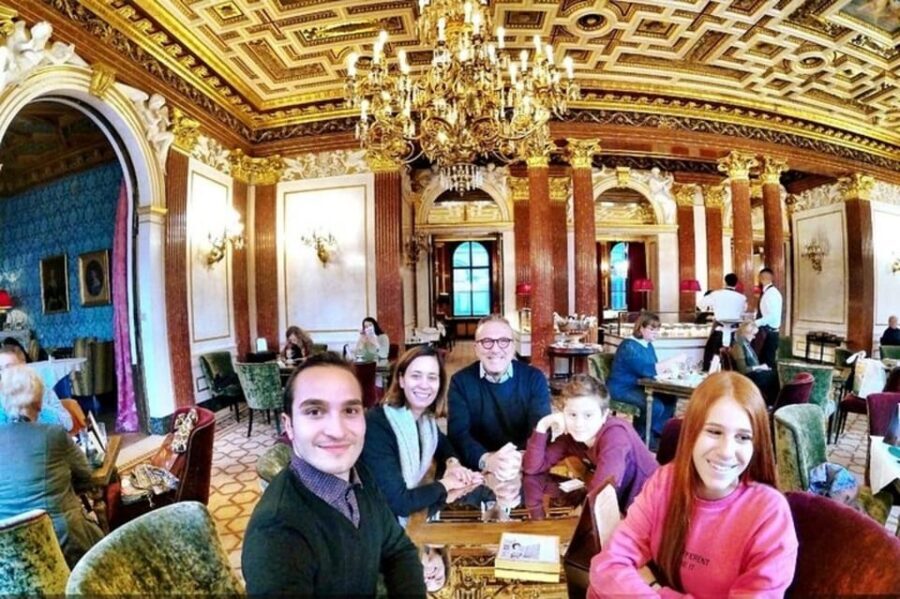
You’ll also have a Danube photo stop with guided time and walking. This isn’t billed as a long riverside detour, but it’s a helpful change of pace. A river gives you a sense of geography, and it also helps you understand why Vienna’s growth and major routes developed the way they did.
If you’re the type who likes photos with context, this short stop adds value without eating your time. If you’re hoping for a long scenic walk by the water, you’ll likely want a separate outing.
Burgtor: reading a victory monument in plain sight
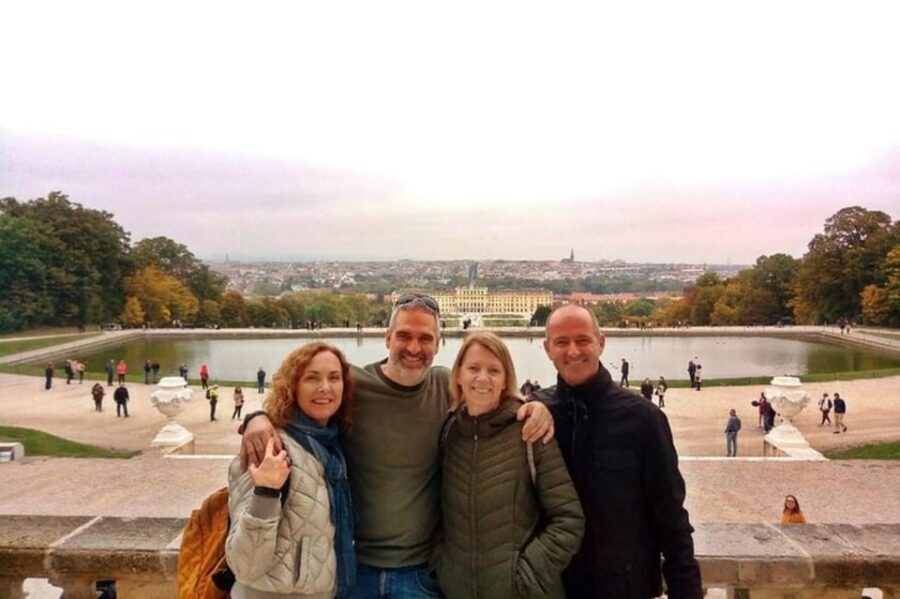
Next up is Burgtor, the arch connected with Vienna and its allies defeating Napoleon. It’s one of those sights that works best when you know what you’re looking at. A guide can point out the commemorative purpose and how this entrance fits into Vienna’s broader identity—both defensive and ceremonial, depending on the era.
A good thing about including Burgtor before you move deeper into the grand boulevard zone: it helps the architectural language click. You’re moving from older symbolism into the Ringstrasse’s more polished statement style.
If you’re thinking about photos, consider pausing for a second round after the group moves on. The arch sits in an area where light can change quickly, and that can make a difference if you care about sharper shots.
Ringstrasse: from medieval fortifications to a boulevard of power
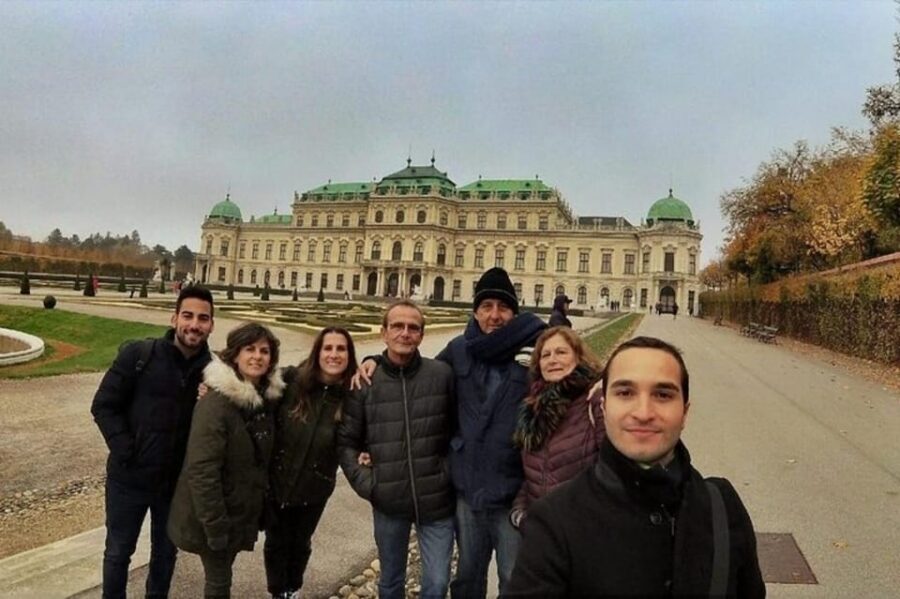
Ringstrasse is where the tour earns its keep. The path follows the line where medieval fortifications once stood, then explains how that defensive ring became a grand boulevard lined with architectural masterpieces.
The route highlights major buildings along the way, including:
- Vienna City Hall
- Parliament
- Burgtheater
- Vienna State University
What I like about doing Ringstrasse as a guided walk (instead of a grab-it-yourself route) is the sequencing. When you hear how the boulevard evolved, the buildings don’t feel random. They feel like chapters. You start noticing details because you understand the intention behind the styles.
A practical note: this part is busy by nature. Even with a guide, you’ll want comfortable shoes and a willingness to slow down at corners. The tour’s rhythm is geared to foot traffic and photo stops, not to long, independent wandering.
You can also read our reviews of more guided tours in Vienna
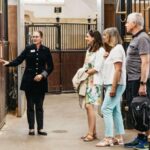
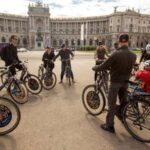
Maria-Theresien-Platz: twin museum facades and the Empress at center stage
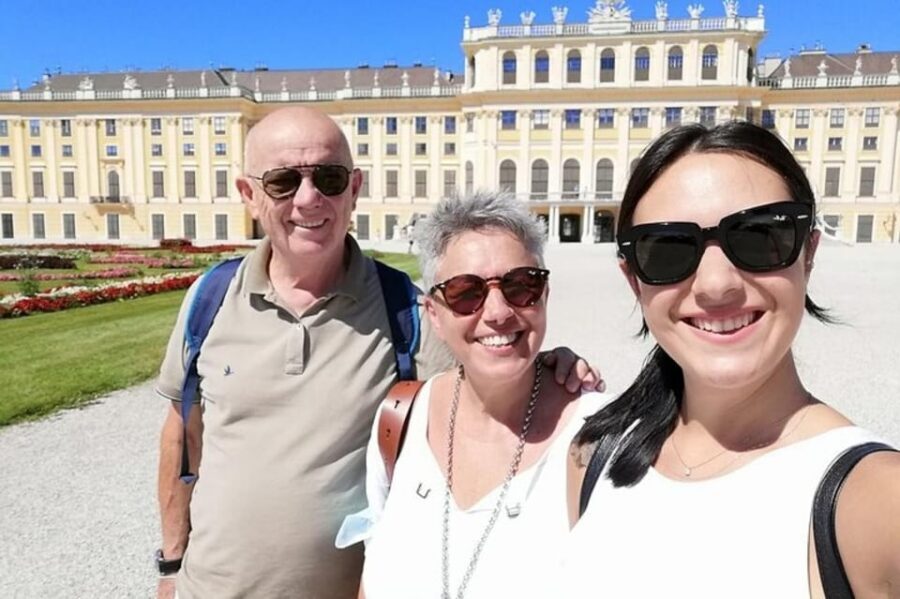
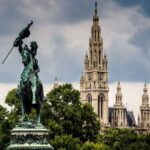
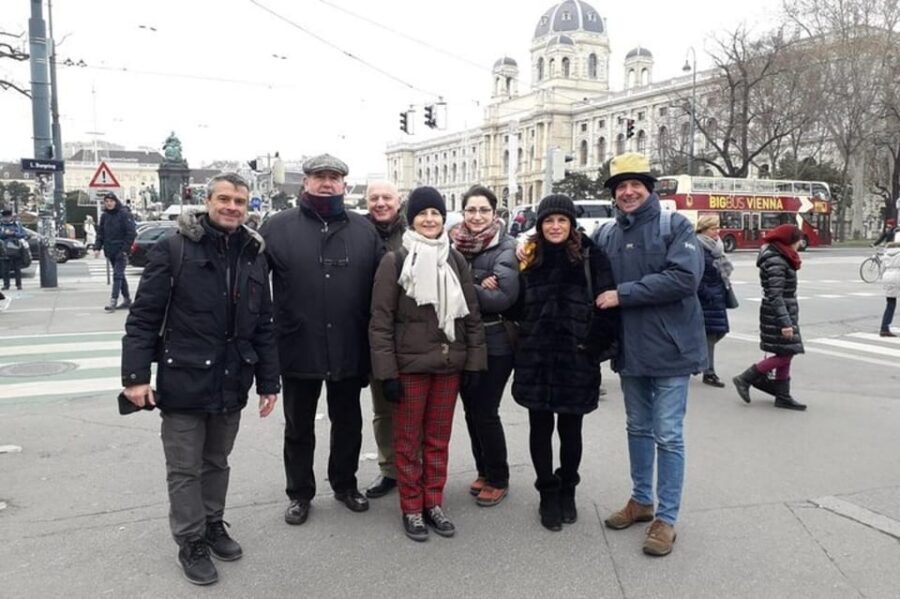
At Maria-Theresien-Platz, you get the classic Vienna museum square moment. The Natural History Museum and the Art History Museum face you like sentinels, flanking the statue of Empress Maria Theresa.
This stop is more than a picture opportunity. It’s the kind of place where Vienna’s ideas about learning, art, and public life are built into the architecture. If you’ve ever wondered why the city’s cultural institutions feel so “official,” this square is the explanation in stone.
A guide also helps you orient your eye across the facades. Instead of just seeing big buildings, you start noticing how symmetry, placement, and scale are used to create authority without needing words.
Tip for your own timing: if you plan to return to one museum later, pay attention during the walk to which facade details pull you in more. The tour is a highlight pass, but it can point you to where you’ll want a longer visit.
Kunsthistorisches Museum: palatial outside, guided inside (or at least guided relevance)
The tour includes Kunsthistorisches Museum, described with a focus on the royal artistry housed within a palatial façade. Expect guided time that connects the building’s grandeur to what you’d encounter inside.
Even when a museum stop is short, the benefit is huge: you get the why before the what. Museums can feel like a collection if you arrive cold. A guide helps you frame your expectations so your later museum time is more satisfying.
One drawback to keep in mind: with only three hours total, museum time is necessarily limited. This walk is ideal for getting your bearings and choosing what to prioritize later. It’s not built to replace a full museum day.
Heldenplatz and St. Michael’s Church: the end that feels old and human
Your tour ends at Heldenplatz, then you finish with St. Michael’s Church, one of Vienna’s oldest churches with Romanesque character.
This closing pairing is smart. Heldenplatz gives you an open, historic space where the city’s long timeline is obvious even without going deep into every monument. Then St. Michael’s shifts the feeling: from civic grandeur to older spiritual architecture you can actually slow down for.
This is also where the tour can pleasantly surprise you. Romanesque churches don’t always look flashy from across the street, but once you’re close, you start seeing the texture and solidity of the design. A guided stop helps you read those small-but-important features.
If you’re tired by the end of the walk, plan to rest your feet right after St. Michael’s. This is a good point to grab a snack nearby because you’ll have earned it.
Guide quality: why names you see in feedback matter
The difference between a good highlights walk and a forgettable one is the guide. The feedback points to guides who keep things moving without losing context, and who can explain in a way that sticks.
In particular, names like Hugo, Ge, Gulam, and Nathalie show up with consistent praise for humour, clarity, and answering questions. Some even share practical ideas for cafes and restaurants, which is a big deal because Vienna is best when you pair architecture with a good meal plan.
Still, here’s the caution I’d give you: the tour runs in English, French, and Spanish, but language availability can make or break the experience. If you’re booking in Spanish, don’t just assume it will happen; choose the option that matches your comfort level and plan a backup.
Should you book this Vienna Highlights Walking Tour?
Book it if you want:
- A 3-hour orientation to Vienna’s biggest architectural zones
- An easy way to connect Maria-Theresien-Platz, Ringstrasse, Burgtor, Kunsthistorisches Museum, and the St. Michael’s Church finale
- A guide who can answer questions and add meaning to what you’re seeing
Skip it (or treat it as a sampler) if:
- You want long, deep time inside major museums or palaces
- Your schedule is tight and you can’t handle a pace that includes photo stops and guided time rather than free roaming
FAQ
How long is the Vienna highlights walking tour?
The tour duration is 3 hours.
How much does the tour cost?
The price is $38 per person.
Where do I meet the guide?
Meet your guide at Babenbergerstraße 9.
Is the tour wheelchair accessible?
Yes, the tour is wheelchair accessible.
What languages are available for the live guide?
The live tour guide is available in English, French, and Spanish.
Is there a private group option?
Yes, a private group is available.
Which major sights are included?
The tour includes Maria-Theresien-Platz, Burgtor, Kunsthistorisches Museum, and ends at Heldenplatz with a visit to St. Michael’s Church, along with stops around the Hofburg and along Ringstrasse.
What is the tour cancellation policy?
There is free cancellation up to 24 hours in advance for a full refund.
Is reserve & pay later available?
Yes, you can reserve now & pay later.
What if my preferred language is not available?
The guide language options are English, French, and Spanish, but there have been cancellations when Spanish-speaking guides could not be arranged. If language is critical, double-check availability when booking or consider an alternative language option.
If you want, tell me your travel month and your preferred language, and I’ll help you map which Vienna sights make the best follow-up after this walk.