REVIEW · VIENNA
Skip the Line:Imperial Carriage Museum by Schönbrunn Kaiserliche Wagenburg Wien
Book on Viator →Operated by Kunsthistorisches Museum Wien · Bookable on Viator
Royal carriages feel like time machines.
This museum visit is interesting because you’re not looking at history in theory, you’re walking past the actual vehicles tied to Austria’s rulers and celebrations. Near Schönbrunn Palace, the Imperial Carriage Museum turns that grand setting into something specific and personal: carriage after carriage, each with a story and details that make court life tangible.
I especially love the Sisi Trail, which tracks Empress Elisabeth from marriage to her tragic end through carriages and original objects. I also like the variety of vehicles, from big ceremonial coaches to the children’s carriages, so it’s not just one style of royalty. You’ll want to allow time to read at your own pace, because the museum is easy to rush and can feel tight in the galleries.
One drawback to consider: the halls can be narrow, and if you’re close to the group flow, you might not get the best view of every carriage or audio moment. Timing matters, and going when it’s calmer helps you actually enjoy the small details.
In This Review
- Key things to know before you go
- Kaiserliche Wagenburg Wien: Royal carriages with real stories
- What you actually see near Schönbrunn Palace
- The Sisi Trail: Elisabeth’s life told through vehicles
- How long it takes: 45 minutes on paper vs real pace
- Audio guide experience: self-guided with structure
- Group size and crowd feel: what to watch for
- Tickets and mobile entry: less friction, more sightseeing
- Price and value: does $14.48 make sense?
- Who should book this carriage museum ticket
- Should you book the Skip-the-Line Imperial Carriage Museum near Schönbrunn?
- FAQ
- How long is the Imperial Carriage Museum visit?
- What’s included with the ticket price?
- Do I get a live guide?
- Is there an audio guide?
- What are the opening hours?
- Can I use a mobile ticket?
- What’s the group size limit?
- Where is it located?
- Is there free cancellation?
Key things to know before you go
- Sisi Trail runs through the main gallery with themed stops tied to Elisabeth’s life
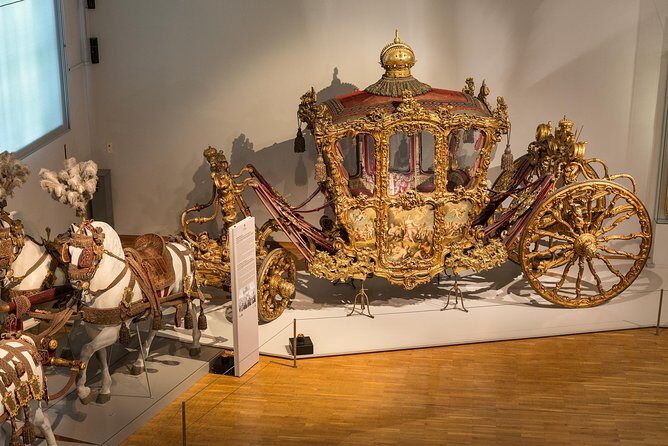
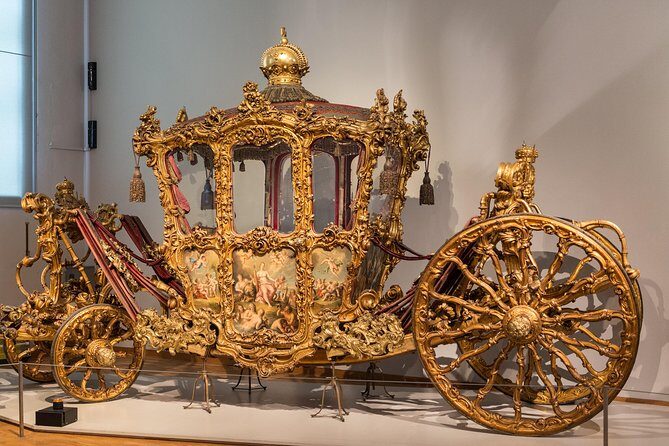
- Imperial Coach is the headline for anyone who wants baroque drama on wheels
- Audio guide style learning as you walk, with plenty to pause and read
- Narrow hallways mean smart timing helps if you want space to look closely
- Small group size (max 10) can make the experience feel less crowded
- Mobile ticket entry keeps things smooth once you’re at the museum
Kaiserliche Wagenburg Wien: Royal carriages with real stories
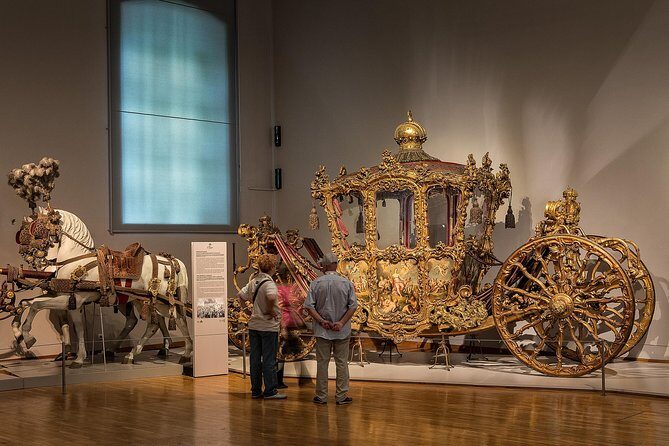
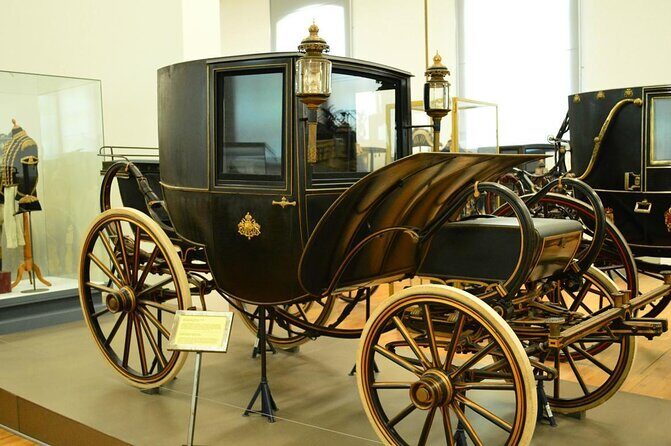
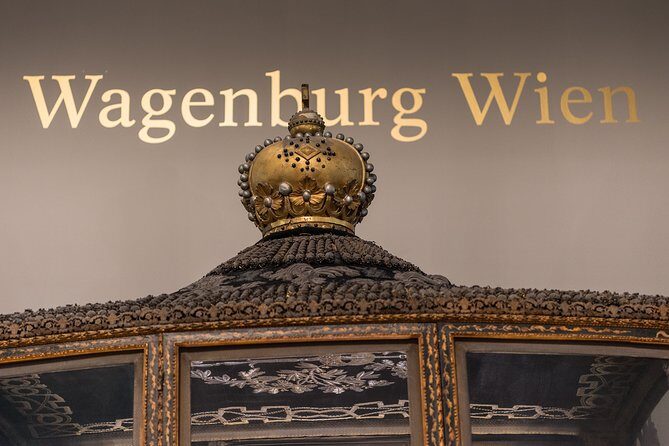
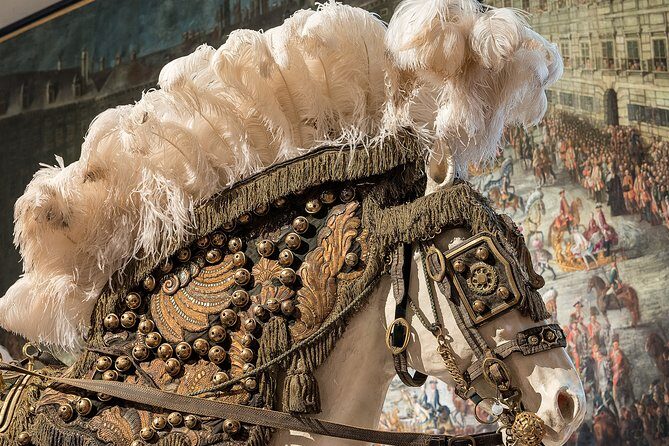
Vienna loves to impress you with palaces. This is a different kind of wow. At the Kaiserliche Wagenburg Wien (Imperial Carriage Museum), you’re stepping into court life through the objects rulers actually used—coaches for weddings, coronations, public appearances, and even the final journey. It’s the kind of history that feels practical: you can picture the route, the ceremony, and the politics in how a carriage was made and decorated.
The setting helps. You’re visiting near Schönbrunn Palace, so the museum fits naturally into a wider Schönbrunn half-day. Instead of being another indoor stop, it gives you a focused counterpoint to the palace: the palace shows power in architecture; the carriages show power in movement, comfort, and display.
Price-wise, this is one of the more reasonable ticketed museum experiences you can add to your Vienna plan. At $14.48 per person, you’re not paying for a long guided program—you’re paying for admission plus an audio-style way to interpret what you’re seeing. If you’re a history buff, or even just someone who likes craftsmanship, that’s strong value.
You can also read our reviews of more museum experiences in Vienna


What you actually see near Schönbrunn Palace
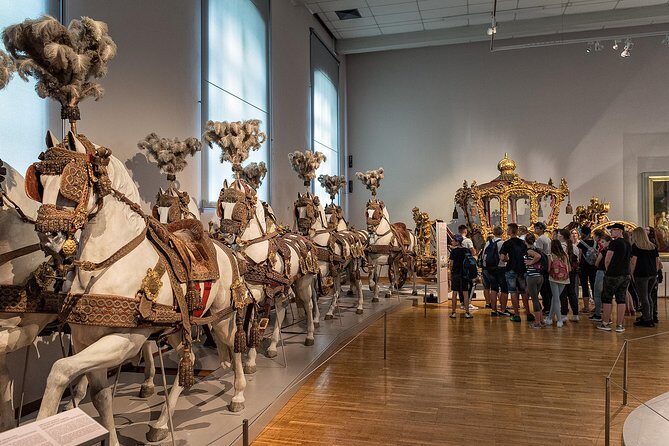
You’re looking at Austria’s imperial transportation world as a set of artifacts. The museum presentation is built around the idea that a carriage is a biography: who used it, when it mattered, and what the design signaled.
Here are the types of items you’ll encounter:
- State carriages for official appearances
- Traveling coaches built for comfort and long days
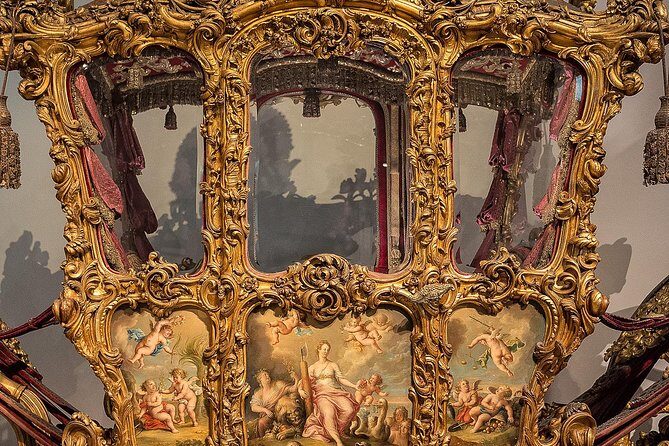
- The baroque Imperial Coach, often the emotional center of the collection
- Carriages linked to Habsburg children—an unexpected but charming side of court culture
The real benefit for you is variety. You’re not just scanning ornaments. You’re comparing how different carriages were built for different roles—ceremony versus travel, public display versus family life.
Also, the museum is designed for walking. It’s not a show where everything happens at one point. You move through galleries with explanations so the story builds as you go.
The Sisi Trail: Elisabeth’s life told through vehicles
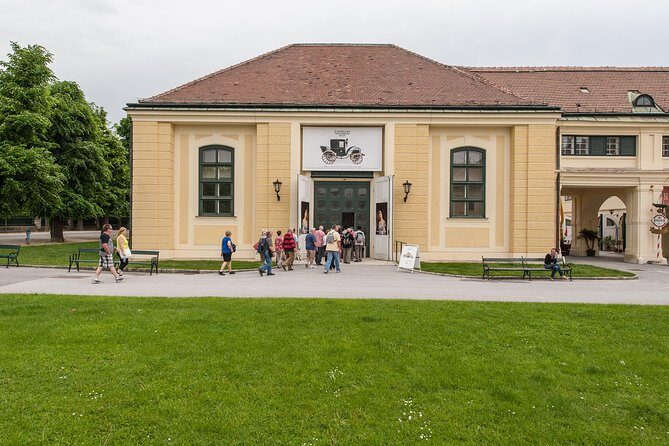
If you want one reason to prioritize this museum, it’s the Sisi Trail. Since 2008, visitors can follow this route through the main gallery, connecting Empress Elisabeth’s life stages to specific carriages and objects.
This trail doesn’t stay generic. It highlights distinct moments, including:
- The coach she used as an imperial bride
- Carriages connected to her children
- The golden Imperial Coach linked to her coronation as Queen of Hungary
- The carriage she got out of only minutes before her assassination in Geneva
- A black hearse associated with her final journey
That last detail can hit hard. It’s not a shock reveal; it’s handled as a historical object. But seeing a funeral carriage alongside coronation symbolism makes you understand how public identity followed Elisabeth all the way to the end.
You’ll also see accompanying visual materials—portraits and paintings—plus original items that help anchor the story. For example, the museum displays a famous sumptuous black robe with an extended train designed for Elisabeth around 1885 by Fanny Scheiner. Even if you aren’t a Sisi superfan, the design detail gives you a sense of what “iconic court style” actually looked like.
Two other things to watch for if you like the hands-on side of history:
- The museum shows the only extant saddle used by Elisabeth
- It includes a reconstructed “riding chapel” with portraits of her favorite horses
These details are valuable because they shift the focus from decorative power to personal habits and identity—what she did, not just who she represented.
How long it takes: 45 minutes on paper vs real pace
The experience is listed at about 45 minutes, which sounds perfect for a tight schedule. But in practice, a museum like this can stretch depending on how you like to travel.
If you move quickly and focus on major labels, you can likely do it within your time window. Still, many people find they enjoy spending longer—especially if you pause for audio points, want photos, or like reading the small background context next to each carriage. Giving yourself 60–90 minutes is a safer bet if you want to feel satisfied, not rushed.
A smart way to handle time:
- Start with the Imperial Coach to set the mental standard for scale and craftsmanship
- Then follow the Sisi Trail logic rather than bouncing randomly
- Save the most personal objects (like Elisabeth’s saddle and robe) for when you slow down near the end
This approach matters because the museum story flows best when you don’t treat it like a checklist.
Audio guide experience: self-guided with structure
This ticket includes entry and supports learning while you walk via an audio guide. That style is great for you if you like autonomy. You don’t need to track a group leader’s pace. You can stop when a detail grabs your attention, then move on without feeling left behind.
At the same time, the audio format can be a help when the halls feel narrow. Because you aren’t relying on a live guide speaking in a crowded corridor, you can adjust volume and timing to match the space around you.
One note: if you’re traveling with others who want to keep moving fast, you may need to negotiate stops. The audio guide works best when you take at least a few minutes to actually look at the objects rather than standing in front of them for five seconds.
You can also read our reviews of more tours and experiences in Vienna






Group size and crowd feel: what to watch for
This experience caps at 10 travelers, which is a big plus for an indoor museum. Smaller groups usually mean fewer bodies moving at once, and that can turn narrow hallways from stressful to manageable.
Still, crowd pressure can build at peak times. If you want the best viewing conditions, plan for the late afternoon window. A calm time helps you see craftsmanship, not just silhouettes in a corridor.
I’d also note a practical consideration: some galleries can feel tight, so if you’re tall, wear glasses with bulky frames, or carry a backpack, be ready for close-quarter movement. Taking turns stepping aside to let others pass makes the experience smoother for everyone.
Tickets and mobile entry: less friction, more sightseeing
You get a mobile ticket, and confirmation is received at booking time. That’s useful in Vienna, where you don’t want to waste energy hunting for a paper printout.
Also, this is an entry ticket experience, not a full guided tour with transfers. That means you control the rest of your day. If you’re pairing this with Schönbrunn Palace, you can build a natural route: palace gardens or palace interior first, then walk over to the carriages while the area is still part of your movement plan.
Photos were allowed in the museum experience context you’ll read about, which helps if you like to remember specific carriage details. If you plan to photograph, it’s smart to do it when you have space to angle your shot without blocking others.
Price and value: does $14.48 make sense?
At $14.48 per person, you’re paying for:
- Admission to the Imperial Carriage Museum near Schönbrunn
- A guided interpretation approach through an audio guide
- The chance to see rare, historically significant royal transportation items
If your goal is only to get a quick taste, you might feel the time is limited. But if you care about craftsmanship and context—even a little—this is a solid value for Vienna. A well-presented museum ticket like this can turn your morning or afternoon into a standout moment without requiring a long tour commitment.
It’s also good value compared with experiences that charge more for live guiding. Here, you have a self-paced audio experience that still gives you structure. You can slow down where you want and skip where you don’t.
Who should book this carriage museum ticket
This works best if you match at least one of these profiles:
- You’re a history buff who likes material culture—objects tied to specific moments
- You enjoy Vienna’s royal layer, but you want something more tangible than portraits alone
- You like audioguides and self-guided walking through curated spaces
- You’re traveling with mixed ages and want variety, including Habsburg children’s carriages
It can be less ideal if you strongly prefer wide-open museums where you can linger without close quarters. Narrow halls mean you need patience and a willingness to share space.
Should you book the Skip-the-Line Imperial Carriage Museum near Schönbrunn?
Yes, I’d book this if you’re planning Schönbrunn anyway and want one focused ticket that feels worth your time. The combination of rare carriages, a clear interpretive route through the Sisi Trail, and an audio guide makes it a strong use of a half-day slot.
Skip it only if your schedule is extremely tight and you’re certain you won’t spend time reading or listening. Also, if you hate narrow indoor galleries or dislike moving with any group flow at all, plan your arrival time carefully so you’re not fighting congestion.
Bottom line: for the price, this is one of the most direct ways to understand imperial life in Vienna—through the vehicles that carried it.
FAQ
How long is the Imperial Carriage Museum visit?
It’s listed at about 45 minutes.
What’s included with the ticket price?
The ticket includes admission to the Imperial Carriage Museum.
Do I get a live guide?
No. A guide is not included. You can come with a private tour guide if you want.
Is there an audio guide?
Yes. The museum experience includes learning as you walk around with an audio guide.
What are the opening hours?
From 01/01/2026 to 02/28/2026, and from 03/01/2026 to 12/31/2026, it’s open daily from 10:00 AM to 4:00 PM.
Can I use a mobile ticket?
Yes. This experience offers a mobile ticket.
What’s the group size limit?
The maximum group size is 10 travelers.
Where is it located?
It’s in Vienna, Austria, near Schönbrunn Palace.
Is there free cancellation?
Yes. You can cancel up to 24 hours in advance for a full refund.