REVIEW · VIENNA
Private Introduction to Vienna Walking Tour
Book on Viator →Operated by Insight Cities · Bookable on Viator
Vienna makes more sense at walking pace. This private 3-hour history walk threads together imperial power, church art, and everyday streets so you leave with real orientation. You start near the Hofburg and work your way through classic sights like Stephansdom, then out toward the Ringstrasse idea and the Museums Quartier area.
What I like most is the private historian guide. In the real world, that means you can ask questions and keep the pace right for your group, and it shows in how guides like Katarina, Selin, Billjana, and Else receive such high marks for storytelling and attention to detail.
One practical consideration: it’s still a 3-hour walking tour, and food and drinks aren’t included unless specified, so plan water and a snack break if you need one.
In This Review
- Key things you’ll notice on this Vienna walk
- Why a private 3-hour walk works in Vienna
- Starting at Michaelerplatz: Hofburg and the Loos House contrast
- Kohlmarkt and the Graben: shopping streets with real history underfoot
- Habsburg tripartite burials: entrails, hearts, and urns
- From 12th-century walls to Ringstrasse thinking
- Schwarzenbergplatz, a Russian memorial, and the Belvedere detour
- Karlsplatz, the Secession dome, and Naschmarkt
- Museums Quartier and Maria Theresien Platz: mapping modern Austria
- Price and value: $566.25 per group up to 10
- Who this tour suits (and who might want a different format)
- Should you book this private Vienna orientation walk?
- FAQ
- How long is the Vienna private introduction walking tour?
- Is this tour private, and what group size does it allow?
- What language is the tour offered in?
- Where do we meet if we don’t arrange hotel pickup?
- What’s included in the price?
- Can I cancel for a full refund?
Key things you’ll notice on this Vienna walk
- Private guide for your group’s pace, not a mass-rush schedule
- Habsburg tripartite burials explained in three different churches
- Old city walls to Ringstrasse context, so you understand why Vienna looks the way it does
- Landmark-to-landmark flow from Hofburg to Stephansdom and on to the museum district
- Great orientation value: you end up placed correctly for the rest of your trip
Why a private 3-hour walk works in Vienna
Vienna can feel like a museum spread across neighborhoods. A short, focused private walk is a smart way to stitch the city together in your head. You cover enough of the center to understand the major axes of power and design, but you’re not stuck for a full day.
This tour is also built for explanation, not just sightseeing. An historian guide is there to connect the dots between architecture and politics—why a building exists, what kind of power it represented, and how the city’s story shifted over time. That’s the difference between looking at facades and actually understanding what you’re seeing.
Because it’s private (up to 10 people per group), your guide can keep the rhythm comfortable. The feedback about the pace is consistent: you see a lot, but you don’t feel shoved forward.
You can also read our reviews of more walking tours in Vienna

Starting at Michaelerplatz: Hofburg and the Loos House contrast
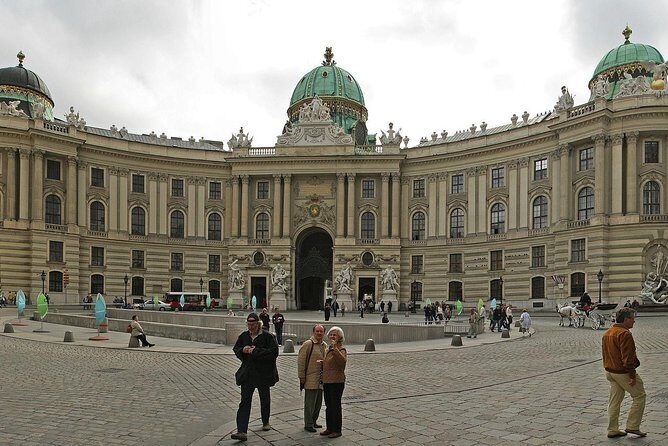
Your walk begins at Michaelerplatz, dominated by the Hofburg area, the seat of imperial power tied to the Habsburgs since the 13th century. This is a great opening move because it anchors you in the story’s “engine room.” Instead of starting with a random church, you start with the power base.
From there, you take in a visual contrast that makes Vienna so interesting. You’ll pass the Loos House, designed by Adolf Loos (1870–1933). It’s a different kind of architectural language from the imperial context—perfect for understanding how Vienna didn’t just preserve the past, it argued with it. You’ll also get your first sense of how streets and squares channel the flow of daily life through monumental sites.
What this part gives you: context and direction. By the time you leave the Hofburg zone, you’ll know how to read the city’s layout with fewer blank spots.
Possible drawback: if you’re expecting only famous monuments, this opening may feel like setup. The payoff is that everything later makes more sense.
Kohlmarkt and the Graben: shopping streets with real history underfoot
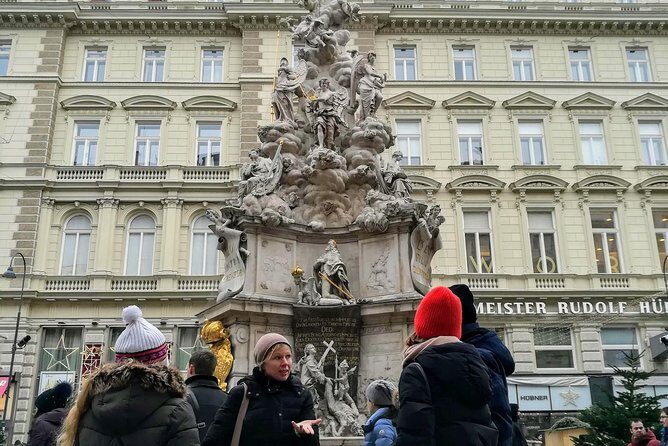
After the palace square, the route runs down Kohlmarkt and the Graben. These are known today as shopping streets, but they’re also packed with layers from earlier centuries. That mix is exactly where Vienna wins.
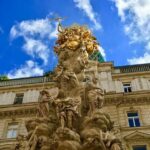
On this stretch, you’ll see varied architectural styles and major landmarks like a plague column and a baroque church. The Graben is also where Stephansdom comes into view, and your guide’s narration helps you notice things you would otherwise miss—how the city’s religious and civic life tied together around major public spaces.
Stephansdom (St. Stephen’s Cathedral) becomes more than a photo stop here. It acts like a focal point in the overall story of Habsburg identity and Vienna’s long relationship with religion, art, and state power.
A practical tip: wear comfortable shoes. This part of the walk is straightforward, but you’re still stacking street time. Vienna’s center is walk-friendly, but 3 hours is real time on your feet.
Habsburg tripartite burials: entrails, hearts, and urns
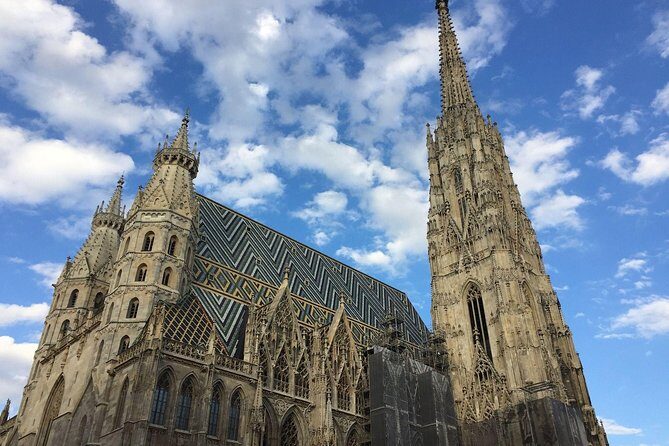
This tour has a standout theme: the Habsburgs’ tripartite burial practice. In plain terms, their remains were divided into different parts, each placed in a specific religious site. That sounds odd until you see how it worked as a message—power expressed through symbolism and geography.
The stops you’ll connect are:
- St. Stephen’s Cathedral, where the final resting place includes the imperial entrails.
- Capuchin Church, nearby, known for centuries of sarcophagi of Vienna’s rulers.
- St. Augustine’s Church, holding silver urns containing the hearts of the Habsburgs.
Having three different church environments matters. You get more than one view of the same family story—you get three different ways Vienna framed authority through religion and ritual.
Why this is valuable: it turns “cathedrals you pass” into a coherent story you’ll remember. This is the kind of detail that makes your later museum visits click into place.
From 12th-century walls to Ringstrasse thinking
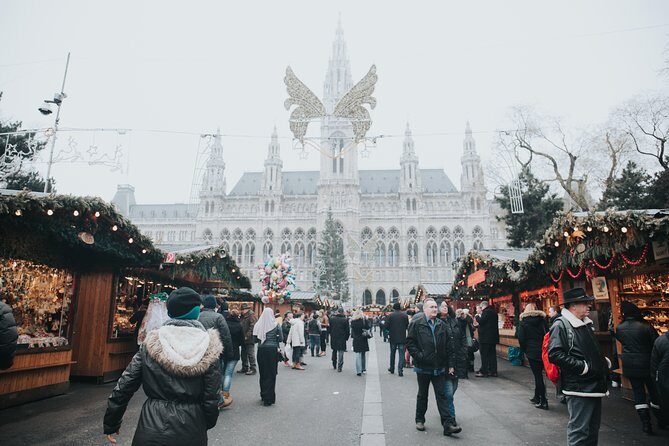
Next, you’ll examine remnants of the old city walls from the 12th century. This is a subtle stop, but it’s a key one because it explains the shift from medieval defense to modern urban design.
You’ll learn how those walls protected Vienna during the Ottoman sieges in 1529 and 1683. Then the story pivots: the walls were eventually torn down to make way for the grand circular boulevard of the Ringstrasse—often described as Vienna’s answer to Paris’s grand boulevards.
That change isn’t just urban planning trivia. It’s a window into how the city rebranded itself. The Ringstrasse era is Vienna presenting itself as modern and confident, not just surviving.
What you’ll notice in your head after this: where the city’s “old defensive mindset” ends and where its “monumental showpiece” style begins.
You can also read our reviews of more private tours in Vienna





Schwarzenbergplatz, a Russian memorial, and the Belvedere detour
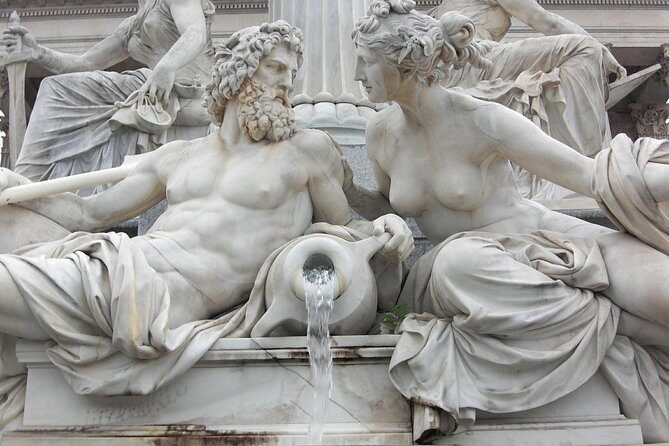
As you head toward Schwarzenbergplatz, you’ll see a massive fountain and a memorial honoring Russian soldiers who died liberating Vienna from the Nazis. It’s not the kind of memorial you ignore—your guide’s framing helps you understand why it lives in the center of diplomatic Vienna.
Schwarzenbergplatz is also tied to embassies, so you’re in an area where international relations feel physical. That’s a helpful contrast after palace and church stops. Vienna isn’t only old courts; it’s also modern diplomacy in action.
There’s also a quick detour to Belvedere Palace. Even if you don’t go deep inside, the presence of the palace on the route reinforces the city’s identity as a place where art, power, and design were consistently linked.
The balance here: you get a serious historical thread without losing momentum.
Karlsplatz, the Secession dome, and Naschmarkt

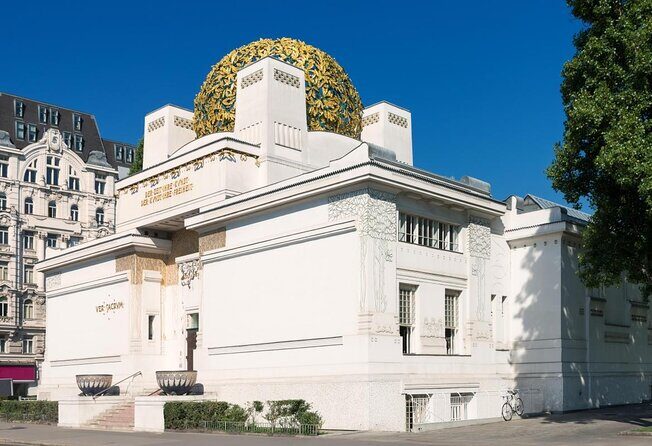
Then the walk turns back toward Karlsplatz for a view of the gold-domed Secession building. This is one of those Vienna moments where your eye catches the form, and your brain then asks why it looks the way it does. With the guide explaining the context, it stops being just a striking shape.
After that, you’ll reach Naschmarkt, one of the city’s well-known market areas. This is where the tour gives you a practical, everyday slice of Vienna after the heavier history stops. Even without an extended food break, seeing the market gives you a sense of where locals actually spend time.
Why this works: it prevents the tour from turning into pure monument fatigue. You’ve been in “big story” mode; Naschmarkt brings you back to human-scale city life.
Museums Quartier and Maria Theresien Platz: mapping modern Austria
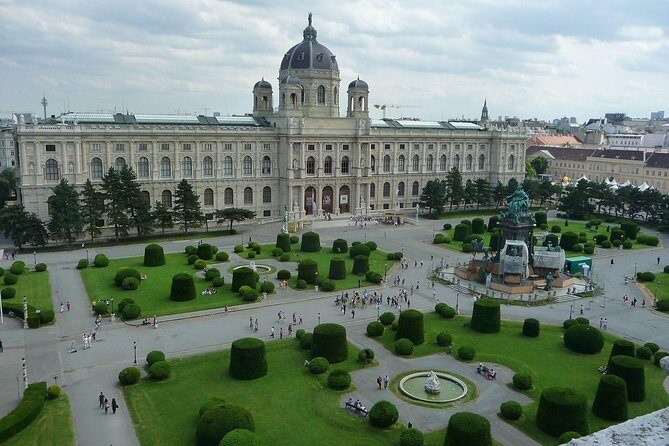
Near the end, you’ll weave through Museums Quartier and Maria Theresien Platz, where you’ll see Vienna’s largest concentration of museums. This isn’t just a location drop—it’s a chance to understand what Austria’s capital values today.
Your guide also discusses present-day cultural, political, and economic orientations of Austria and Vienna. That part matters because it keeps the tour from being trapped in the past. The city’s older story explains the architecture, but your last section helps you connect that architecture to modern identity.
This is also a smart ending point for planning. If you want museums next, you’ll already be oriented. If you want coffee and a slower afternoon, you’re in the right neighborhood for it.
Price and value: $566.25 per group up to 10
Let’s be honest: $566.25 per group is not cheap if you’re traveling solo or as a couple. But you’re paying for something that usually costs more when you add it up: a private guide who can slow down, answer questions, and tailor the pacing to your group.
The value improves fast if you’re sharing the cost with family or friends. Since the group size can be up to 10, this price structure can work like a small private outing rather than an individual ticket price multiplied.
Think of it this way: you’re buying time with an historian guide plus a tightly managed route through major sites. If you’d otherwise spend hours piecing together a self-guided walk, this gives you a cleaner first-morning or first-day foundation.
Who this tour suits (and who might want a different format)
This tour is a strong match if you:
- Want a first-day orientation that connects the city’s major landmarks
- Enjoy architecture and church symbolism, not just big-name monuments
- Appreciate a guide who tells stories with pace and clarity
- Travel with kids or a mixed-age group and want the walking time kept comfortable
It may be less ideal if you:
- Want lots of sit-down time with no walking
- Expect food included in the ticket (it’s not included unless specified)
The reviews also highlight that kids and younger adults can really enjoy the storytelling when the guide shapes it to the group—names like Selin, Biljana, and Else come up for exactly that.
Should you book this private Vienna orientation walk?
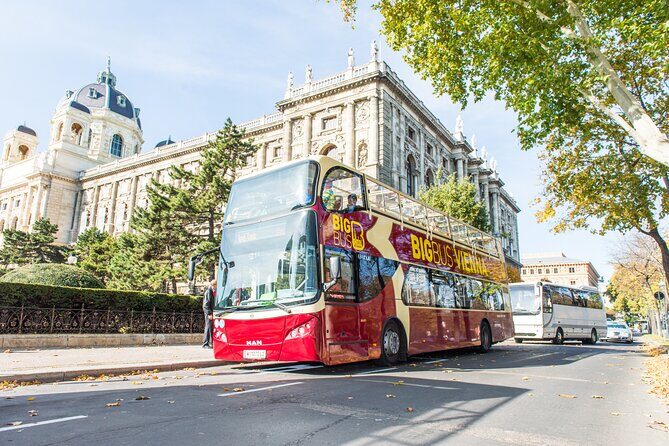
If you’re trying to decide between a quick highlights bus tour and a deeper walking experience, I’d lean toward this. The best reason is the structure: imperial power at Michaelerplatz, major public churches like Stephansdom, then the Habsburg burial story told across three specific sites, and finally the city’s modern cultural emphasis around Museums Quartier.
Book it if you want a confident sense of where things are and why they matter—fast. Pass or consider alternatives if you’re traveling with limited walking tolerance or you want food and breaks built into the price.
Bottom line: it’s a smart way to get your bearings fast, with a private guide who keeps the pace right and the details meaningful.
FAQ
How long is the Vienna private introduction walking tour?
It’s about 3 hours.
Is this tour private, and what group size does it allow?
Yes, it’s private. Only your group participates, and the price is listed per group with up to 10 people.
What language is the tour offered in?
The tour is offered in English.
Where do we meet if we don’t arrange hotel pickup?
If hotel pickup isn’t arranged, meet your guide 15 minutes before the start time at Cafe Hawelka, Dorotheergasse 6.
What’s included in the price?
You get a 3-hour private guided walk with an historian guide. Food and drinks are not included unless specified.
Can I cancel for a full refund?
Yes. There’s free cancellation, and you can cancel up to 24 hours in advance for a full refund.