REVIEW · VIENNA
Exciting history tour and discovery of Vienna’s secrets
Book on Viator →Operated by Secrets, exciting history, food and music of Vienna · Bookable on Viator
Vienna has layers, and this walk reads them. I like the hassle-free side most: key stops include entrance tickets so you are not hunting for small fees every ten minutes. I also like that it’s a true private group setup, so the guide can answer your questions without rushing you.
You’ll get a smart run through Vienna’s big cultural drivers. One stand-out for me is the way the tour treats the Spanish Riding School as living heritage, not a postcard. If you hate walking or you need step-free access, treat this as a watch-out, since several stops are in older buildings and the tour is not suitable for visually impaired guests.
Guides such as Walter and David come through in the reviews for a reason: the stories feel connected to how Vienna works today, not just facts thrown at you. You’ll start at Graben 32 and end back there, and you’ll be on the move for about 2 to 8 hours depending on how you pace it.
In This Review
- Key things that make this Vienna tour worth your time
- Where this tour starts (and how it feels once you’re moving)
- Stephansdom: Gothic south side, medieval frescoes, and the cathedral’s backstory
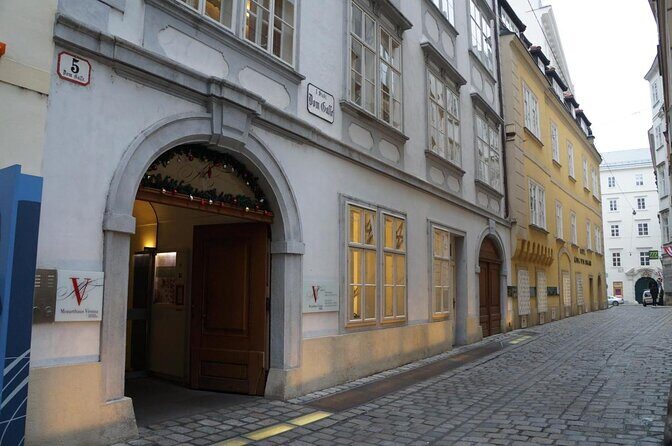
- Mozarthaus Vienna: a composer route through music halls, opera, and Vienna’s stagecraft
- Spanish Riding School: UNESCO heritage, Lipizzan stables, and baroque streets afterward
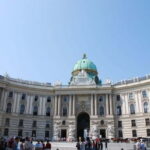
- Hofburg Palace: Heroes’ Square, Sisi’s wedding church, and the National Library moment
- Ringstrasse: reading Vienna’s public buildings like a story
- Scottish Convent, Volksgarten roses, and a quick shift in mood
- Greek Orthodox Cathedral: oriental architecture as a cultural contrast
- Belvedere gardens and Klimt: a view-first approach to the art
- If you want more: Schönbrunn Gardens as a half-day add-on
- Price and value: what $118.82 buys you in real terms
- Pace, comfort, and who should plan this day
- Should you book this Vienna history and secrets tour?
- FAQ
- How long is the Vienna tour?
- What does the tour cost per person?
- Does the tour include entrance tickets?
- Is the tour private?
- Is pickup available?
- Where does the tour start and end?
- What language is the tour offered in?
- What happens if the weather is bad?
Key things that make this Vienna tour worth your time
- Entrance tickets are included for many major sights, keeping the experience smooth and predictable.
- A composer-and-imperial storyline, linking Mozart, Beethoven, and the world of the Habsburgs.
- Spanish Riding School access to the stables and a film, plus a walk through old-town baroque streets.
- Hofburg Palace stops that include Sisi’s wedding church and the National Library.
- Ringstrasse architecture walk that helps you read Vienna’s grand public buildings like a map.
- Belvedere Palace gardens with Klimt context, so you see more than the postcard painting.
Where this tour starts (and how it feels once you’re moving)
The tour starts at Graben 32 in the city center (then you finish back at the same meeting point). That’s handy: you do not have to re-plan your day around a second drop-off.
Expect a rhythm of short visits followed by walking between viewpoints. Some stops are quick—think around 8 to 20 minutes—while the palace-focused parts are longer. The total duration can run from about 2 to 8 hours, so the key is to treat it like a guided city primer: you’re meant to leave with better bearings, not just check boxes.
Pickup may be offered, but private transportation is not included. So plan on walking and using nearby public transit connections if you’re coming from farther out. Also, coffee or tea is not included, so if you know you’ll need a mid-walk break, build one in yourself.
You can also read our reviews of more historical tours in Vienna

Stephansdom: Gothic south side, medieval frescoes, and the cathedral’s backstory
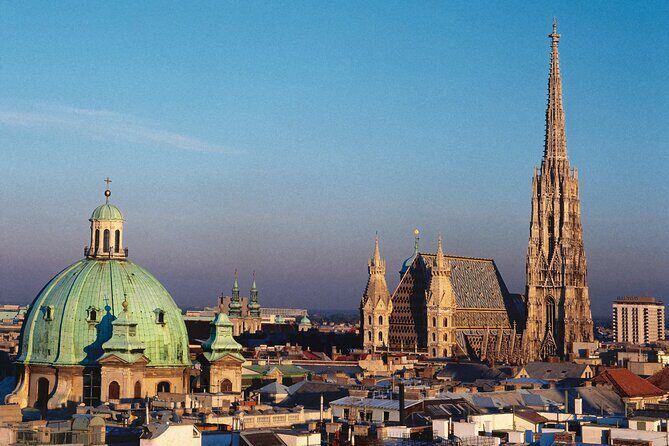
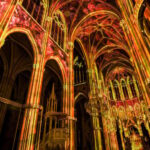
Stephansdom is the kind of landmark where first-timers usually only skim the obvious angles. This tour pushes past that. You get to see the ancient back of the cathedral, plus the Gothic south side and the famous tall tower story that ties to medieval Vienna’s ambitions.
What makes this stop work is the mix: medieval details plus baroque and later layers inside. You also get explanations about the interior that help you understand what you’re actually looking at, not just that it’s old and impressive. If you like buildings with visible “eras” (not just one style), you’ll appreciate how the guide connects the dots.
Practical note: this is a cathedral visit, so be ready for the usual amount of standing, looking up, and moving through the interior spaces at a pace set by your guide.
Mozarthaus Vienna: a composer route through music halls, opera, and Vienna’s stagecraft
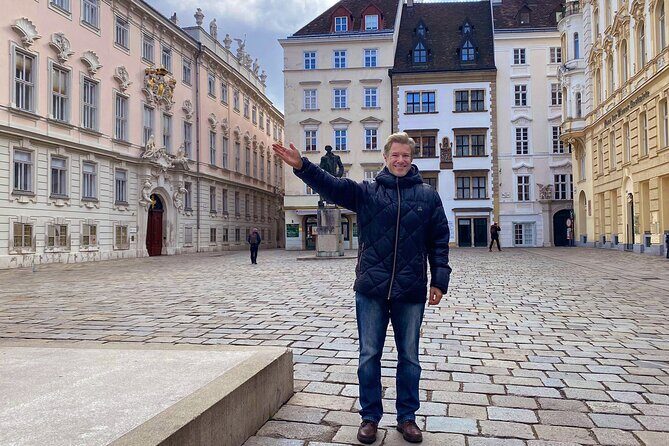
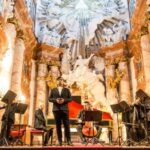
The Mozart-focused stop is not just a single house moment. It’s framed as a whole capital-of-classical-music story—starting with the Mozart House, then branching outward to key composer names like Beethoven, Brahms, and Schubert.
You also get pointers about Vienna’s performance world: the State Opera and important concert halls come up in the conversation. The result is useful even if you’re not planning to buy a concert ticket. You start recognizing Vienna’s musical geography—where the city performs its identity, and how those institutions became part of daily life.
This is a great segment if you want your sightseeing to feel anchored in people, not only architecture.
Spanish Riding School: UNESCO heritage, Lipizzan stables, and baroque streets afterward
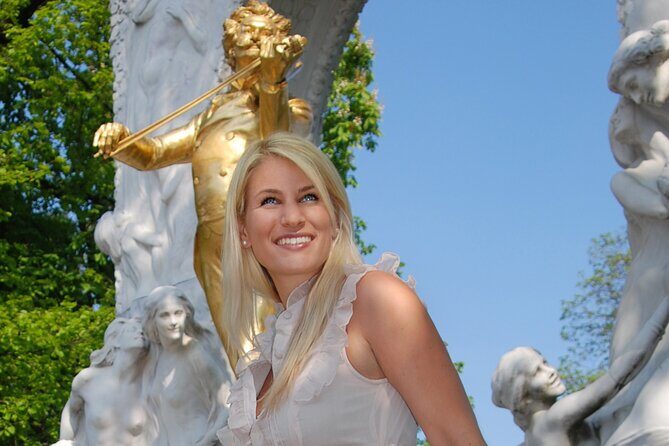
At the Spanish Riding School, the focus stays on the tradition itself. You see the baroque riding school and it’s treated as a UNESC0 world heritage site, which adds weight beyond the visitor photos.
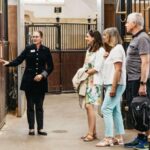
You’ll visit the white Lipizzan stallions in their stables, watch a film about the baroque riding arena, and then transition into the surrounding old-town atmosphere. After the stables, you walk through baroque streets and explore original shop displays from the monarchy-era world—plus baroque churches along the way.
If you love horses and performance culture, this stop hits harder than a typical landmark stop. It’s also a nice contrast point: you go from the grandeur of Vienna’s music and power into something calmer and more ritual-based.
Time is short here (around 10 minutes), so if you want longer interaction, treat this as the introduction and plan to expand later on your own.
Hofburg Palace: Heroes’ Square, Sisi’s wedding church, and the National Library moment
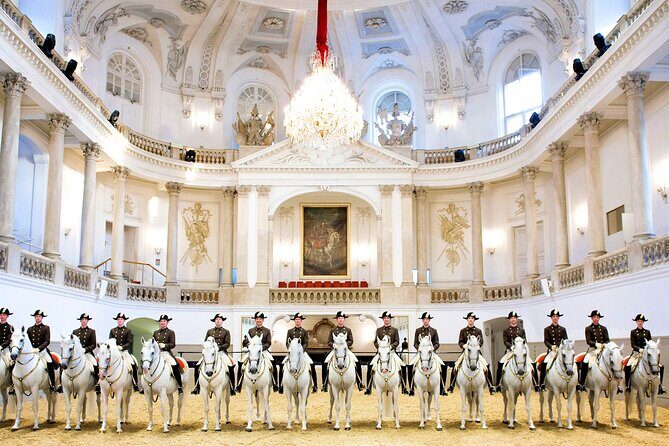
The Hofburg Palace stop is built for people who want Vienna’s royal core, not just a quick palace exterior.
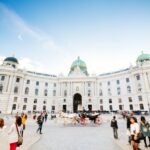
You start around Heroes’ Square and its equestrian monuments, then move into the courtyard and get a sense of how the space carries medieval and later identities. There’s even a story thread tied to King Richard the Lionheart and imprisonment in Austria—details like that make courtyards feel less like empty stone.
From there, you see the palace from a beautiful side at Michaelerplatz and hear about what’s considered the first modern building in the world. That’s the kind of line that can sound dramatic until the guide explains the setting enough for it to click.
Then come the “this is why people come” stops:
- The National Library, considered one of the most beautiful in the world
- The church where Empress Sisi got married
- The heart of the imperial family, framed through what you can actually see
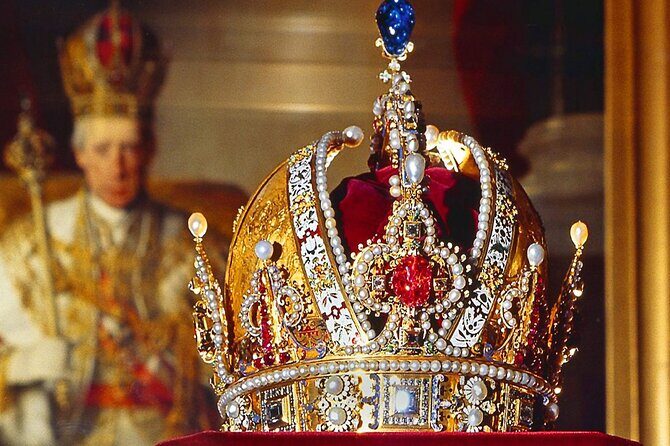
You also get a visit to the Albertina and time in the palace gardens. This is one of the strongest stops in terms of payoff because it ties together power, ritual, and art in a way that feels coherent.

Ringstrasse: reading Vienna’s public buildings like a story
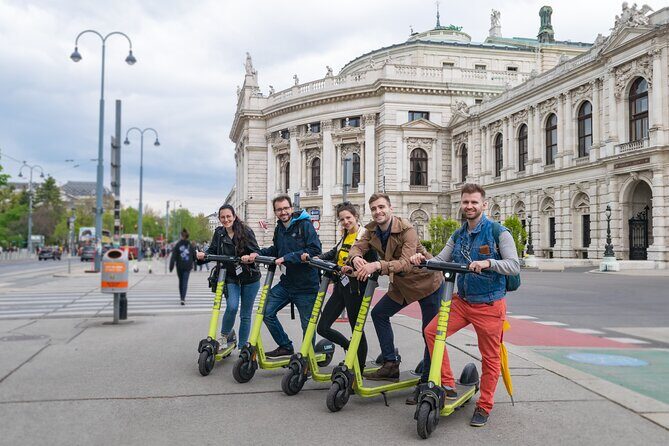
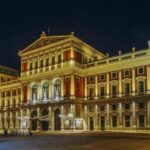
Ringstrasse is where Vienna flexes its civic identity. This segment is a guided walking loop along the boulevard’s grand buildings—museums, cathedrals, parliament, town hall, university, gardens, and palaces.
The value here is interpretation. Without context, Ringstrasse can feel like a long line of impressive facades. With the guide, it becomes a map of what Vienna chose to build for public life: education, government, worship, and culture all lined up along the ring.
It’s also a good stretch for photos and “pause and point” moments, because you’re outdoors and the guide can show you the visual logic.
Scottish Convent, Volksgarten roses, and a quick shift in mood
Not every Vienna tour includes this kind of variety. After the big palace-and-boulevard energy, you get a quieter stop at Museum Schottenstift.
You enter the Scottish Convent and see the green courtyard, then move to a Rococo church with depictions of the history of Vienna. The guide adds stories about the first monks, which helps you understand why religious institutions mattered to the city’s early rhythm.
Then you head to Volksgarten, described as the most beautiful rose garden in Central Europe. You’ll see monuments related to Empress Elisabeth, poets, and temples, with baroque ornaments and a focus on the way nature and design meet. Even if you’re not a “gardens person,” this makes the tour feel less like a museum marathon.
Greek Orthodox Cathedral: oriental architecture as a cultural contrast
The stop at the Rumanisch-Orthodoxe Kirche in Wien brings a change of visual tone. You enter the Greek Orthodox Cathedral of the Greek Orthodox Bishop of Vienna, and the architecture is described as having an oriental feel.
This is a useful counterbalance. Vienna can sometimes feel like it’s only one religious and cultural storyline. Here, you’re reminded that the city has multiple identities in the same geographic space, and the guide explains enough to make the differences feel readable rather than random.
Belvedere gardens and Klimt: a view-first approach to the art
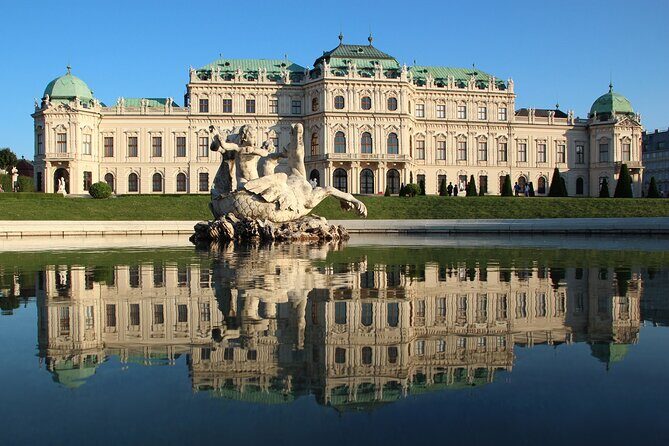
Belvedere starts outside, with a walk through old town sections—past Karls Church, squares, and gardens—on the way to the palace gardens. You meet Prince Eugen in the route as a historical anchor, and the guide uses that to frame why the palace matters.
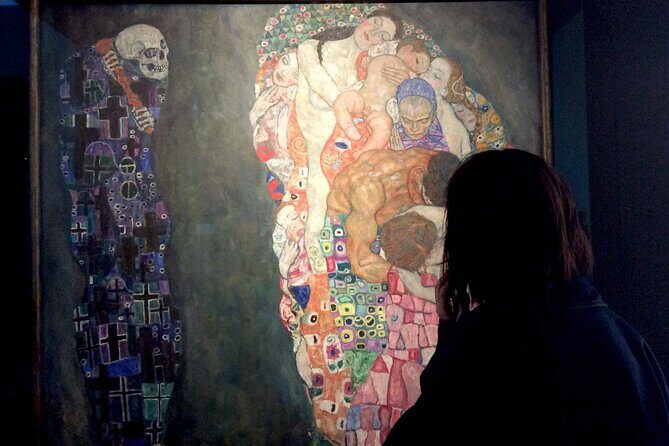
Then you reach Belvedere Palace, where you have the chance to admire Gustav Klimt’s world-famous paintings. The trick is that you don’t see Klimt in isolation. You see the setting—palace gardens and the designed approach to the art—so it feels like the artwork lives inside a bigger environment.
Time here is brief (about a minute is listed for this segment), but the garden walk and the context can make that quick visit more meaningful than it sounds.
If you want more: Schönbrunn Gardens as a half-day add-on
If the tour schedule leaves you wanting one more major palace garden moment, Schönbrunn is the obvious upgrade.
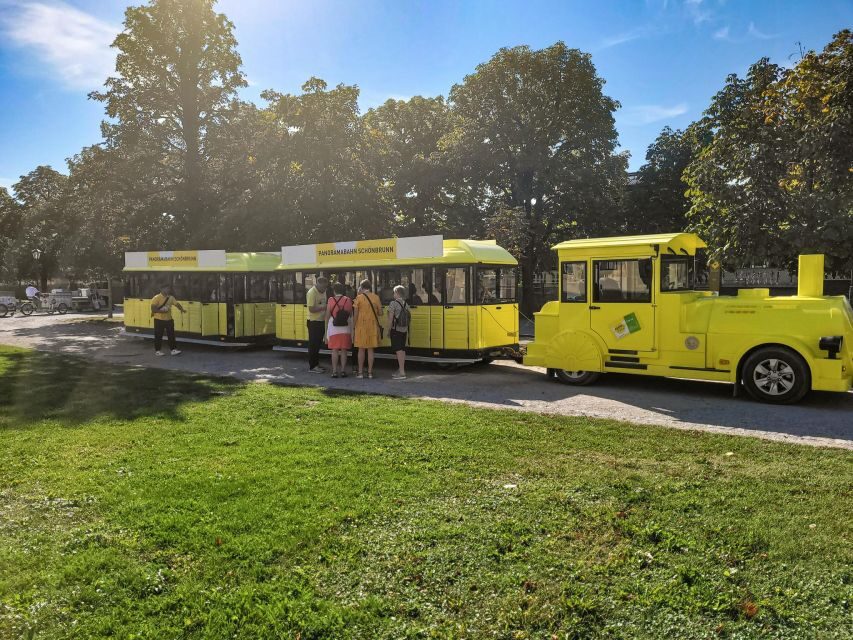
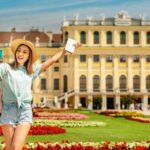
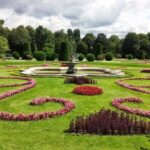
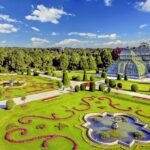
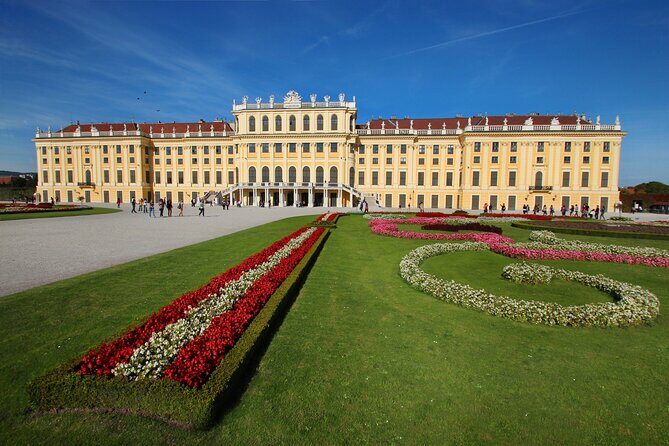
There’s an option for a 1/2 day tour (5 hours for 180 Euro) or a separate 2-hour Schönbrunn tour (80 Euro). You’d see the Baroque Gardens of Schönbrunn with colorful floral ornaments, fountains, secrets, and monuments. You can also include the royal family’s baroque palace, historic imperial carriages, the palm house, and even the oldest zoo in the world.
At the highest point, you visit the Gloriette Pavilion and drink coffee with Viennese cake while taking in city views. If you’re interested in doing this add-on, you can reach out via [email protected].
Price and value: what $118.82 buys you in real terms
At $118.82 per person, this tour is priced for a mix of guided time plus practical savings.
The best value lever is that attraction entrance tickets are included for many stops. You still do the walking, and you pay for your own coffee or tea, but you avoid the common annoyance of paying small fees at multiple points. That matters more than it sounds on a city day when you’re also trying to stay oriented.
You also get something harder to price: a private guide for your group. That usually means your questions shape the pace. If you’re the type who asks why Vienna developed the way it did—through music institutions, imperial power, and civic planning—this format makes it easier to get answers without feeling awkward.
Pace, comfort, and who should plan this day
This is best for people who enjoy a guided walking format and want a coherent “Vienna in layers” story. You’re seeing cathedrals, music-related sites, royal spaces, civic architecture, gardens, and a church with distinct cultural architecture.
It may not suit everyone. The experience is not suitable for deaf and mute people and not suitable for visually impaired people, and it requires good weather. Also, because it runs long enough to include multiple short stops, comfortable shoes are non-negotiable.
If you hate structured time—like you prefer freedom to roam—this might feel too planned. If you like a plan that still leaves room to ask questions, it’s a strong fit.
Should you book this Vienna history and secrets tour?
Yes, if your goal is to leave Vienna with better context. This is not only about seeing famous places. It’s about understanding how composer life, imperial power, and city design connect, so the next time you pass a grand building or music venue, you’ll know what you’re looking at.
I’d book it if:
- you want a private guide who can answer your questions in real time
- you like combining big landmarks with smaller contrast stops (convent courtyard, rose garden, Orthodox cathedral)
- you want entrance fees handled for major sights so your day stays smooth
I’d think twice if:
- you’re very limited on walking or need step-free access
- you prefer open-ended exploring with no guided structure
- you want a heavy concentration on just one area (like only palaces or only museums)
If you want a single guided day that helps Vienna click, this one is a solid choice.
FAQ
How long is the Vienna tour?
The duration is listed as approximately 2 to 8 hours, and the total duration includes travel time.
What does the tour cost per person?
The price is $118.82 per person.
Does the tour include entrance tickets?
Many attraction entrance tickets are included. Some stops also have admission listed as free or included, depending on the location.
Is the tour private?
Yes. This is a private tour/activity, and only your group participates.
Is pickup available?
Pickup is offered, but private transportation is not included.
Where does the tour start and end?
It starts at Graben 32, 1010 Wien, Austria, and ends back at the meeting point.
What language is the tour offered in?
The tour is offered in English.
What happens if the weather is bad?
The experience requires good weather. If it’s canceled due to poor weather, you’ll be offered a different date or a full refund.