REVIEW · VIENNA
Vienna Private Walking Tour including State Opera
Book on GetYourGuide →Operated by Travmonde OÜ · Bookable on GetYourGuide
Vienna’s history comes with music in the background. This private 3-hour walk strings together Roman Vienna, Habsburg rule, and the city’s classical backbone, with a first stop at the State Opera.
I especially like that you’re not just looking at famous buildings from the sidewalk—you get a real guided introduction to what makes Vienna tick, including the opera-house story (dating back to the 1860s as the Vienna Court Opera). The route also gives you a clear timeline, from old empires to the birth of the Second Republic.
One thing to plan for: the State Opera visit can be more limited than you might hope, and at least one run focused only on the lobby. If you’re expecting a full-on, inside-the-house guided experience, I’d confirm what’s included with your operator before you go.
In This Review
- Key highlights worth your attention
- A 3-hour private walk that links Roman Vienna to the Opera House
- Meeting at Stephansplatz: you start right in the thick of it
- State Opera House visit: what you’ll see, and what to confirm
- Habsburg power landmarks: Mozart Monument, Hofburg area, and Michaelerkirche
- Roman ruins and medieval threads: Graben, Peterskirche, and old walls
- Stephansplatz and Stephansdom: the skyline moment that lands the story
- The big empire stories: Holy Roman, Austro-Hungarian, and the Second Republic
- Music on the same streets: Mozart, Haydn, Beethoven, Strauss, Brahms, Mahler
- Price and value: $323 per group, and when private makes sense
- What to wear and how to pace yourself
- Who this tour is best for
- Should you book this Vienna private walking tour including the State Opera?
- FAQ
- How long is the Vienna Private Walking Tour including State Opera?
- Where does the tour meet?
- Is the State Opera visit included?
- What is the price and group size?
- What languages are offered?
- Is this a private tour?
- What should I bring?
- Is the tour suitable for people with mobility impairments?
- Can I reserve now and pay later?
- Is cancellation free?
Key highlights worth your attention
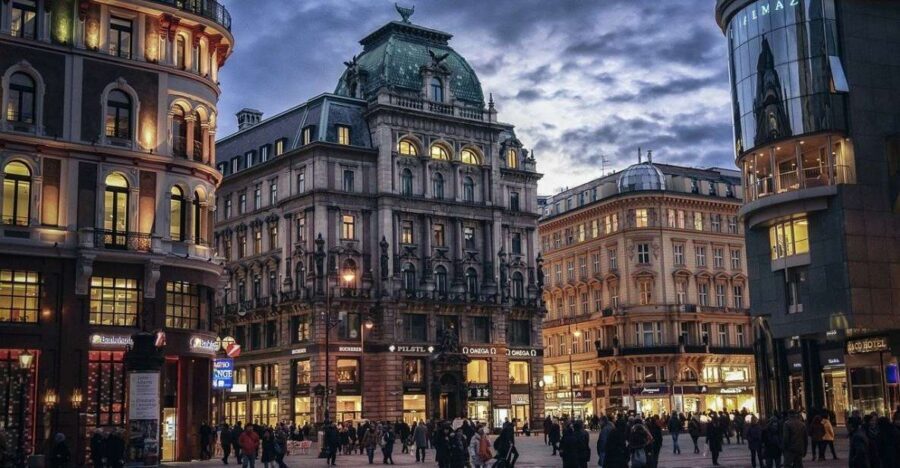
- State Opera as the anchor stop: you start at the building and learn why it matters
- A Habsburg timeline you can walk: Roman Vindobona to imperial Vienna to 20th-century turning points
- Big landmarks in compact form: Mozart Monument, Hofburg area, Michaelerkirche, and Stephansplatz/Stephansdom
- Classical-music context on the street: composers tied to the same storylines as the empire
- Good fit for first-timers: you’ll leave with your bearings fast and a mental map of Vienna’s center
A 3-hour private walk that links Roman Vienna to the Opera House
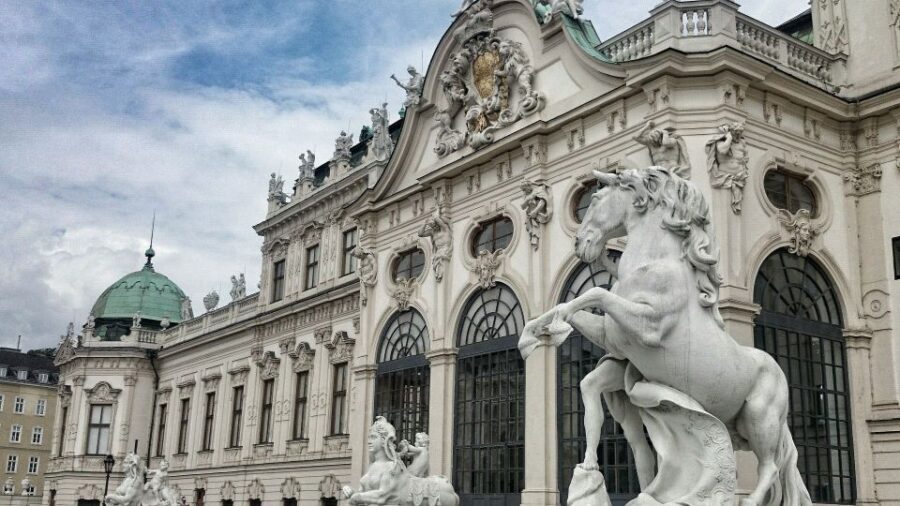
This tour is built for people who like their sightseeing with context. In just three hours, you cover a tight loop of the historic center while your guide connects the dots—Roman Vienna, the Holy Roman Empire era, Austro-Hungarian power, and the political shifts after the world wars.
It’s also a nice format if you’re traveling as a small group. The price is set per group (up to 15), so it can work out well when you have multiple people who want the same direction and pace.
You can also read our reviews of more walking tours in Vienna

Meeting at Stephansplatz: you start right in the thick of it
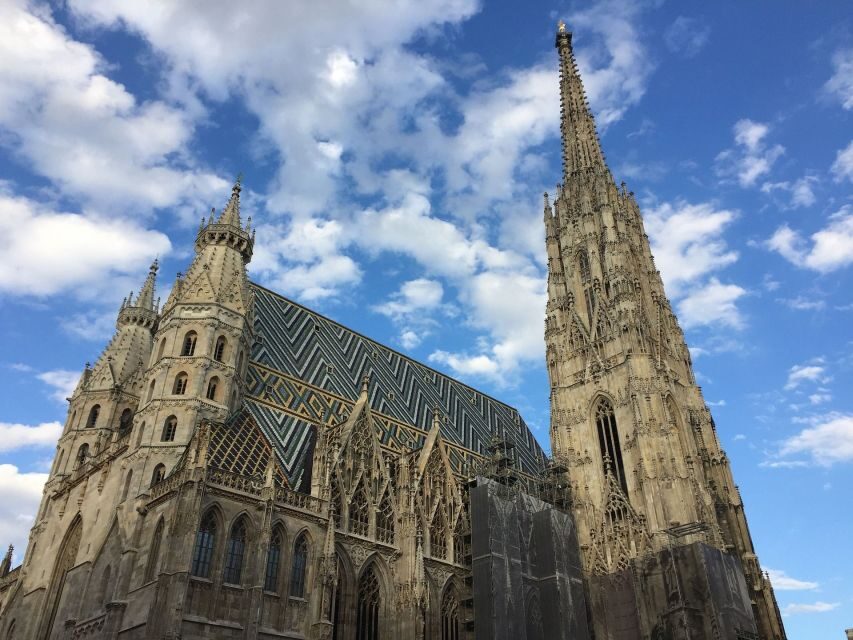
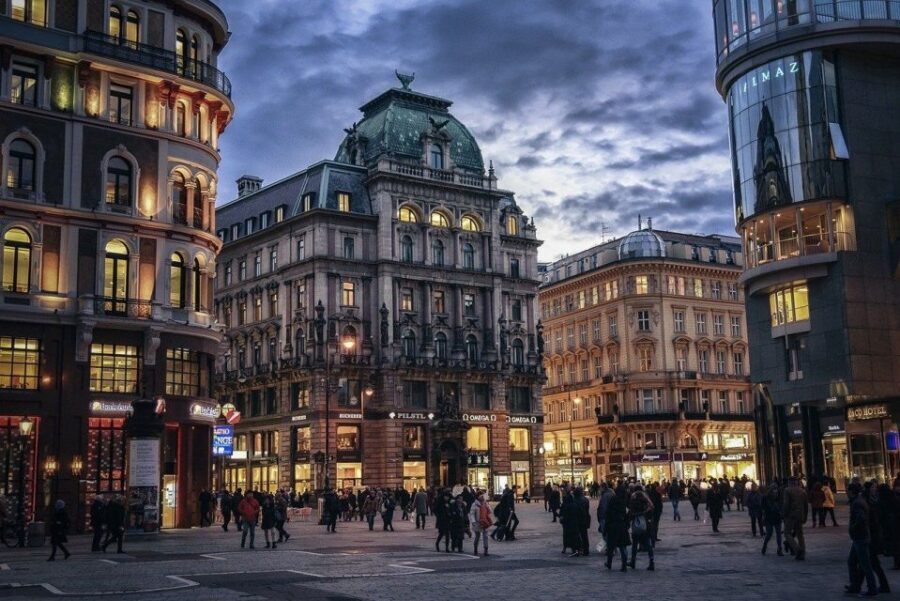
You meet at Stephansplatz 8A, 1010 Wien. From the start, you’re already in one of Vienna’s strongest “you are in the center of it” locations, where the buildings feel like they’ve been in conversation for centuries.
This is a smart place to begin because the tour naturally grows outward. You don’t start at a random square and hope everything works out—you start where the city’s identity is on full display, then follow your guide through the layers.
State Opera House visit: what you’ll see, and what to confirm
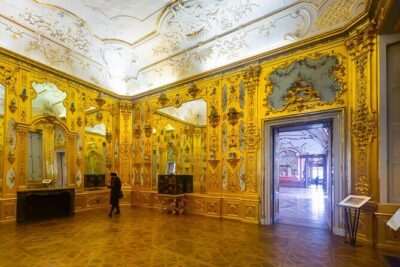
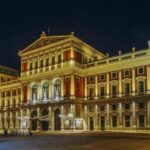
The tour begins at the Vienna State Opera House, a landmark with a deep paper trail. It traces back to the 1860s when it was called the Vienna Court Opera, and later the name changed again in 1920 as the early Austrian Republic took shape.
You’ll learn how this house became a centerpiece for major works—titles like La Traviata, La Clemenza di Tito, and Verdi’s Don Carlo show up in the context. You may also hear about legendary musical leadership tied to the stage, including names such as Gustav Mahler, Herbert von Karajan, and Claudio Abbado.
Here’s the practical part. Even though the tour includes a State Opera visit, entrances and access aren’t guaranteed to be the same as a full interior theater tour with every feature. One experience I reviewed described it as mostly a lobby visit, and another pointed out that opera access may require extra arrangement or separate payment.
My advice: if opera interiors are the main reason you booked, ask directly what’s included at the time you’re going. This keeps expectations realistic and prevents the classic Vienna disappointment of arriving ready for one type of visit and getting another.
Habsburg power landmarks: Mozart Monument, Hofburg area, and Michaelerkirche
After the opera-house introduction, you move into the imperial core. One of the tour’s strengths is how it uses location as a study tool: you see the Hofburg area and the facades around it, then your guide ties that scenery to the machinery of power behind it.
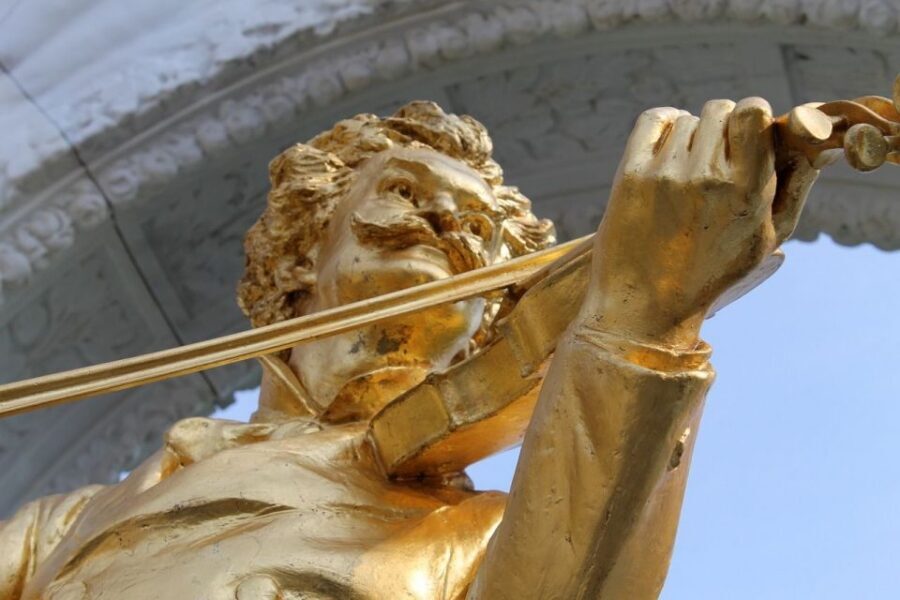
You’ll pass by or reference the Mozart Monument, a quick visual cue that Vienna’s identity isn’t just political. It’s cultural, too—always switching between portraits of emperors and composers.
Then you reach the Michaelertor gate and the Michaelerkirche (St. Michael’s Church). This church is described as the official church for the emperors for years, so it works as more than “pretty architecture.” It’s a reminder that religion, ceremony, and authority were tightly linked in imperial life.
Roman ruins and medieval threads: Graben, Peterskirche, and old walls
Vienna’s old center doesn’t feel like a museum that stays behind glass—it feels layered, like the city keeps building over earlier versions of itself. In this walk, you’ll encounter that layering in a few different ways.
In the area around Stephansplatz, you’ll hear about ancient Roman ruins and also older medieval walls. The route description includes remnants connected to the former Burg Theatre, which helps explain how entertainment and governance shared space and resources over time.
You’ll also look at Graben Street (Der Graben). It’s connected to the Roman Empire timeline and—according to the tour framing—Richard Lionheart used this area to enter the city. Even if you don’t treat that detail as the final word on every medieval legend, it gives you a story spine that makes the city easier to remember.
And later you’ll reach Peterskirche (St. Peter’s Church), noted as a site that has existed since the 4th century. That kind of timescale changes your view of Vienna fast. One hour in, you stop thinking of “old” as a vibe and start thinking of it as a continuous timeline.
You can also read our reviews of more private tours in Vienna



Stephansplatz and Stephansdom: the skyline moment that lands the story
The tour ends near Stephansplatz, with Stephansdom (Vienna Cathedral) as the standout. The cathedral is described as a major Roman-Gothic masterpiece, and it’s also one of the taller churches in the world.
What I like about this part of the walk is that it doesn’t just treat Stephansdom like a photo stop. Your guide uses it as a final anchor—an architectural statement that sits at the crossroads of medieval faith, imperial prestige, and modern city identity.
If you love cathedrals, you’ll likely want extra time to watch how people move through the square. The building dominates your frame, but the square shows how Vienna actually lives.
The big empire stories: Holy Roman, Austro-Hungarian, and the Second Republic
One of the tour’s selling points is its historical sweep. You’re not stuck in one era. Instead, you’re walked through how Vienna shifts from Roman roots (Vindobona) into the orbit of major European power structures.
You’ll hear about the Holy Roman Empire and then the Austro-Hungarian Empire, which is key to understanding why Vienna produced both artistic greatness and political complexity. This tour also connects the story to the world wars and the birth of the Second Republic, which helps modern Austria make sense.
Just note this: at least one guide had a history-to-politics tone that went off the rails for one group. If respectful, history-first storytelling matters most to you, pay attention to the guide’s approach early on, and speak up if you feel the conversation drifting away from what you came for.
Music on the same streets: Mozart, Haydn, Beethoven, Strauss, Brahms, Mahler
Vienna’s classical-music reputation can feel like a poster slogan until you tie it to real places. This tour does that job by listing major composers in the context of the city’s eras and institutions.
You’ll hear names such as Mozart, Haydn, Beethoven, Schubert, Johann Strauss (father and son), Brahms, and Gustav Mahler. That’s not just name-dropping. It frames Vienna as a place where music wasn’t a side hobby—it was part of the city’s public identity.
And the opera-house connection matters. Starting at the State Opera helps you understand why these composers belong in the same breath as emperors and churches. Vienna’s music grew alongside the structures that funded, celebrated, and regulated culture.
Price and value: $323 per group, and when private makes sense
At $323 per group (up to 15) for a 3-hour private walk, value depends on who’s in your group and what you want out of Vienna.
If you’re traveling as just a couple, you may feel the cost more than big families or friend groups, because the price doesn’t scale the way per-person tours often do. But you do get a live guide and a route built around major landmarks, plus the State Opera stop.
Where it tends to make sense is when you want flexibility and a single direction. You’ll be better off here than doing a “hop on hop off” approach if you like coherent storytelling: Roman roots, imperial power, cathedral finale, and music context all tied together.
What to wear and how to pace yourself
Bring comfortable shoes. The tour is a walking experience through uneven, historic streets. Even if it’s not described as extreme hiking, you’ll still want footwear that supports you for multiple blocks and square stops.
Also, the tour is marked as not suitable for people with mobility impairments. If you fall into that category, plan a different Vienna plan that matches your pace and access needs.
Finally, give yourself a mindset for “timing reality.” One experience I saw included a time change from 11:00 to 14:00 based on opera operations. You don’t need to panic, but you should keep the rest of your day flexible enough to absorb that kind of shift.
Who this tour is best for
You’ll likely love this tour if:
- you want a guided timeline of Vienna’s key eras
- you’re interested in the Habsburg story and how it shaped the city
- you want opera and classical music context without buying a separate music-heavy day
- you prefer a private group and like moving at your group’s pace
You might look elsewhere if:
- you’re expecting a guaranteed, full interior guided opera-house tour experience every time
- you need maximum time inside venues rather than a route-based walk
Should you book this Vienna private walking tour including the State Opera?
If your goal is to get your bearings in Vienna’s center while learning how Roman, imperial, and 20th-century stories connect—and you’re excited about opera as a cultural centerpiece—this is a strong booking. The route hits the key landmarks you’ll keep seeing in photos: Stephansdom, the Hofburg area, Michaelerkirche, Graben, and the State Opera.
My one caution is about expectations inside the opera. Because the State Opera stop is listed as a visit and entrance details aren’t included, confirm what access looks like for your date. If you do that, you’ll get the best version of this experience: a calm, guided walk that turns Vienna’s sights into a story you can remember.
FAQ
How long is the Vienna Private Walking Tour including State Opera?
It lasts 3 hours.
Where does the tour meet?
The meeting point is Stephansplatz 8A, 1010 Wien, Austria.
Is the State Opera visit included?
Yes, the tour includes a visit to the State Opera. Entrance fees are not included.
What is the price and group size?
The price is $323 per group for up to 15 people.
What languages are offered?
The live guide speaks English and German.
Is this a private tour?
Yes, it’s a private group tour.
What should I bring?
Wear comfortable shoes.
Is the tour suitable for people with mobility impairments?
No, it’s not suitable for people with mobility impairments.
Can I reserve now and pay later?
Yes, it offers reserve now & pay later.
Is cancellation free?
You can cancel up to 24 hours in advance for a full refund.