REVIEW · VIENNA
Vienna: Private Guided Walking Tour
Book on GetYourGuide →Operated by Viennatour Herbert Stojaspal · Bookable on GetYourGuide
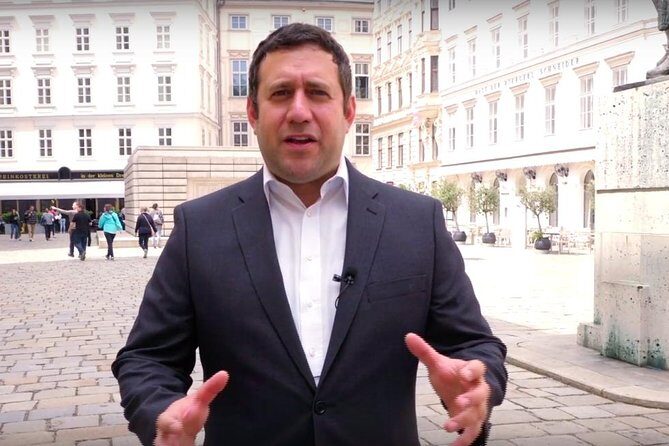
Vienna makes more sense when you walk it. This private guided walking tour threads together major sights like Hofburg, Heldenplatz, and the Imperial Crypt with the kind of local context that turns monuments into stories. One thing I like right away: you’re not stuck in a crowd—your group stays small (up to 10), and you can help shape the pace and priorities as you go. Another reason I’m a fan: the tour leans into architecture and culture, with lively moments from the guide (including Herbert Stojaspal starting with a historic photo linked to an area that used to be a brothel).
The main drawback to plan for is simple: this is real walking (about 2 to 4 hours) in all weather, and it’s not suitable for people with mobility impairments. If you’re hoping for a super theatrical style, you may find the tone more straightforward and information-first than dramatic.
In This Review
- Why a Private Vienna Walk Feels Different Than Big Tours
- Where You Start: Stephansplatz and the Route Shape
- Graben to Kohlmarkt: Pestsäule, Old Streets, and Royal-Era Energy
- Michaelerplatz Excavations and St. Michael’s Church Interior
- The Spanish Riding School and Hofburg: Sisi, Power, and Palace Life
- Heldenplatz and Josefsplatz: Heroes and Josef II in the Square
- Albertina, the Monument Against War and Fascism, and Opera-Side Stories
- Hotel Sacher, Neuer Markt, and the Imperial Crypt’s Dark Theater
- St. Stephen’s Cathedral, Jesuit Baroque, and Vienna’s Roman and Jewish Threads
- How Figlmüller, Demel, and Blutgasse Fit the Story
- Pacing, What You Can Choose, and Why Timing Matters
- Practical Details That Affect Your Experience
- Who This Tour Fits Best (and Who It Won’t)
- Should You Book This Private Guided Walking Tour?
- FAQ
- How long is the Vienna Private Guided Walking Tour?
- Is this tour private?
- What’s the group size limit?
- What language is the tour offered in?
- Where do we meet?
- What stops and sights are included?
- Are entrance fees included in the price?
- Can I take photos inside buildings?
- Does the tour run in bad weather?
- Is this tour suitable for people with mobility impairments?
Why a Private Vienna Walk Feels Different Than Big Tours
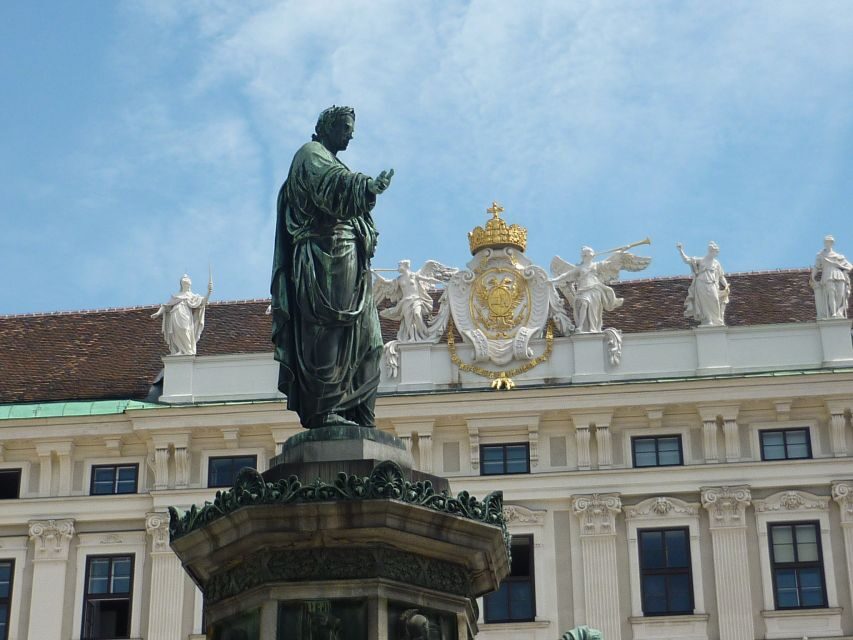
This kind of tour works because it’s built around your group. With a private setup for up to 10 people, you get quick back-and-forth questions, and you can pause when something catches your eye—whether that’s a façade detail, a sculpture, or a name you recognize from Vienna’s past.
I also like that it’s not just postcard stops. You’re guided through the center in a way that connects places: Roman and medieval traces, Habsburg power, cultural landmarks like the State Opera and the Albertina, and burial history at Neuer Markt. It’s the difference between seeing Vienna as a list and understanding it as a city with layered lives.
And yes, it’s priced per group (starting at $270 for up to 10). That can be expensive for one person, but it’s often good value if you’re traveling as a small circle—family, friends, colleagues—where the cost divides naturally.
Where You Start: Stephansplatz and the Route Shape
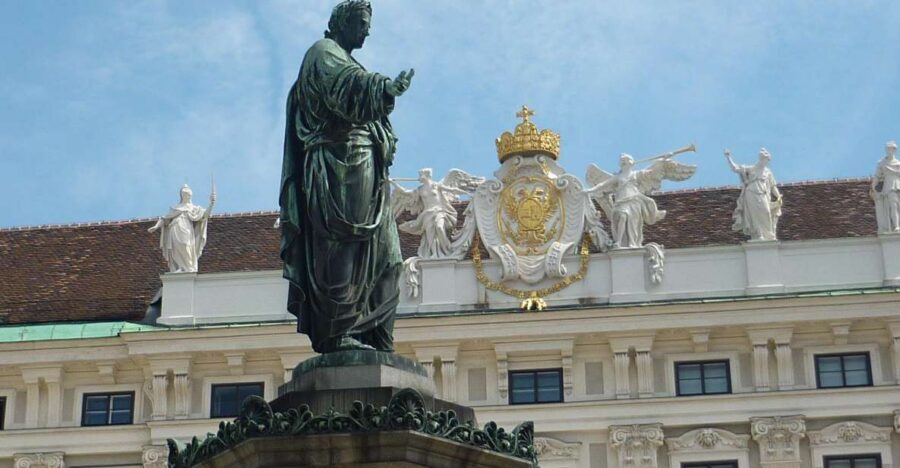
Most people begin at Stephansplatz (near Stephans square). If your hotel is in ZIP code 1010, pickup can be arranged; otherwise you meet on St. Stephen’s square next to the Lindt Chocolate Store area. From there, the walk naturally flows through major central streets and squares—so you’re not zigzagging blindly across Vienna.
The route is designed for a tight time window (2 to 4 hours). You’ll make multiple photo stops, but it’s still a walking tour, not a bus tour. You should plan for surfaces that can be uneven in older areas, and you’ll want weather-appropriate clothing because the tour runs in all conditions.
One practical note: photography inside isn’t allowed, and audio recording isn’t permitted. You can still take pictures outside, so bring your camera for street-level views and façades.
You can also read our reviews of more walking tours in Vienna
Graben to Kohlmarkt: Pestsäule, Old Streets, and Royal-Era Energy
The walk kicks off in the St. Stephen’s neighborhood and then moves through Graben, one of Vienna’s classic central streets. This is where you start picking up the city’s rhythm: monumental buildings close to everyday life, wide promenades paired with sharp side streets.
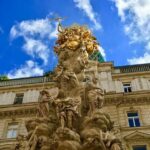
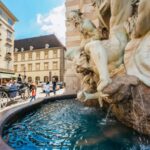
A highlight here is the Pestsäule on the Graben. It’s the kind of landmark that looks like just another monument until your guide explains what it means and why it sits right on the path. You also get the feeling of how this area works as a connector between political center, church power, and city commerce.
Then you head toward Kohlmarkt, a refined shopping street right near the Hofburg orbit. This stretch matters because it shows a Vienna that isn’t only palaces. It’s a place where everyday movement runs alongside imperial architecture.
If you like walking routes where the guide points out what to notice—street design, symbols, and who these places were for—this section is a great setup.
Michaelerplatz Excavations and St. Michael’s Church Interior
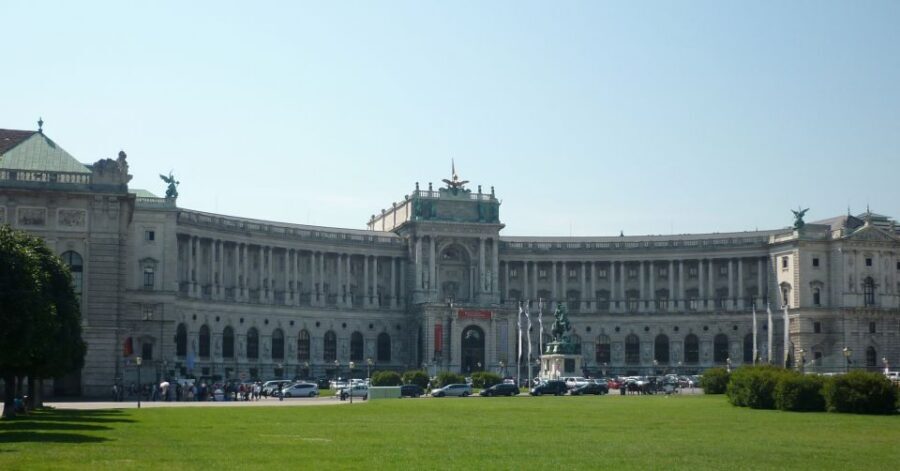
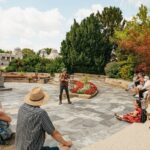
At Michaelerplatz, the tour shifts from “pretty square” to “time machine.” You’ll stop for the excavations—Roman and medieval remnants—right in the middle of the city’s modern visual flow. Seeing archaeological traces in a place you can otherwise treat like a simple intersection makes the past feel tangible.
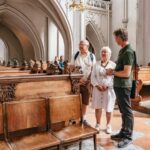
From there, you can also see St. Michael’s Church and, importantly, you get the chance to view the interior. The contrast is striking: outside, you’re reading the city’s imperial skyline; inside, you’re experiencing the way Vienna’s religious life shaped its architecture and art.
This stop is especially good if you’re the type who likes context before photos. The guide helps you understand what you’re looking at, not just where it is.
The Spanish Riding School and Hofburg: Sisi, Power, and Palace Life
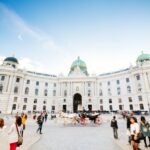
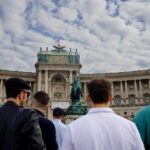
Vienna’s best-known “everyone knows this” landmark in this area is the Hofburg Palace—and the tour uses it effectively. You’ll stroll through the palace zone with specific stories, including Empress Sisi. That matters because Sisi isn’t just a name in a museum label here. The guide ties her era to the spaces you’re standing in, so you grasp the human side of imperial settings.
You’ll also pass the Spanish Riding School area. Even if you don’t go inside, it’s a perfect anchor stop: it helps you connect court culture, tradition, and the way Vienna brands itself through discipline and ceremony.
One thing I appreciate about this part of the tour: it’s not only about beauty. It’s about how power was displayed and how people lived with that power nearby. If you enjoy the intersection of art, authority, and daily street life, this is a strong stretch.
Heldenplatz and Josefsplatz: Heroes and Josef II in the Square
Next, the route leans into political storytelling through two key public spaces: Heldenplatz and Josefsplatz.
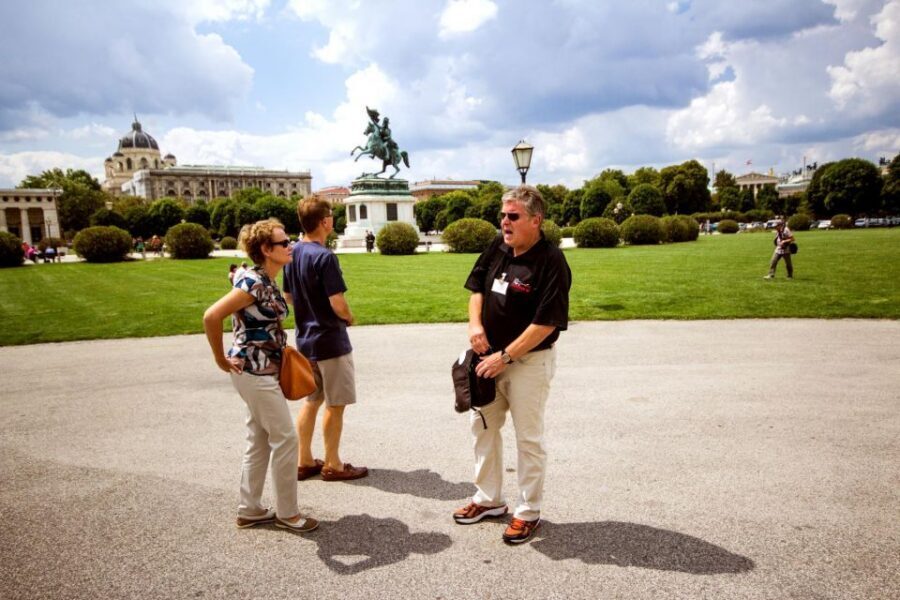
At Heldenplatz, the guide sets up the idea of Austrian heroes and public memory. These squares are designed for visibility and symbolism. You feel that when you’re standing in the open space, framed by major buildings.
Then you move to Josefsplatz, where the focus shifts to Josef II. You’ll also learn how this broader area connects to institutions like the National Library, the Augustinian Church, and the Habsburg story line that runs through so much of central Vienna. Even without entering every building, the way the tour links the nearby landmarks makes the whole district easier to understand.
If you’re the kind of person who wants Vienna to make sense in your head—names, eras, motivations—this is where it starts clicking.
You can also read our reviews of more guided tours in Vienna

Albertina, the Monument Against War and Fascism, and Opera-Side Stories
At the Albertina, you’ll get the kind of detail that makes a major museum feel less abstract: it’s home to what’s described as the largest graphic collection in the world. That’s the kind of fact that turns a quick pass into a meaningful stop.
You’ll also see the Monument Against War and Fascism. This is one of those moments where Vienna stops being only ornate and becomes reflective. It’s a reminder that “cultural center” doesn’t mean “only beautiful.” The city also remembers—publicly.
As you move through the broader opera-area orbit, you’ll hear a story about the architect of the State Opera and why he committed suicide. The tour doesn’t treat the State Opera as just a façade; it gives it a human backstory connected to the pressures around major projects and public expectation.
If you like seeing how tragedy, art, and architecture intersect, this segment is worth your attention.
Hotel Sacher, Neuer Markt, and the Imperial Crypt’s Dark Theater
This is where the tour gets genuinely fun—and a little eerie.
At Hotel Sacher, you’ll hear how Sachertorte was invented and also where a prior building stood on the hotel’s grounds. This matters because Vienna loves to attach famous food and famous names to physical locations. You’re not only tasting history in your head—you’re matching it to streets and addresses.
Then you head toward Neuer Markt, where the tour covers Habsburg burial rituals tied to the Imperial Crypt. Expect a story-driven stop that explains the strange elements of those burial traditions. It’s one of the most memorable parts of central Vienna because it’s architecture with a purpose that’s hard to forget.
And yes, there’s also the Mozart connection: you’ll learn where Mozart died—another example of how Vienna’s famous figures are pinned to specific city points.
If you prefer tours that treat Vienna as a living story, not a photo slideshow, this “dark-to-food-to-facts” stretch is a standout.
St. Stephen’s Cathedral, Jesuit Baroque, and Vienna’s Roman and Jewish Threads
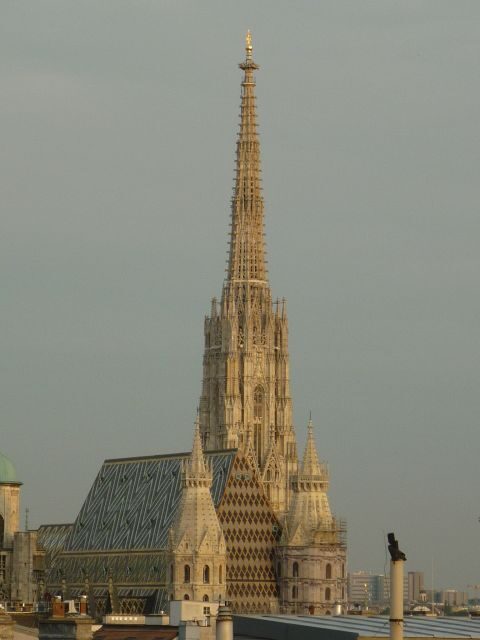
You’ll work back into the broader religious and historic layers around St. Stephen’s Cathedral and nearby areas. The tour includes legends connected to St. Stephen’s, which gives this landmark an extra layer beyond the obvious.
The route also covers older and less obvious historic corners, including:
- the Greek quarter
- the old university district
- the baroque church of the Jesuits
- St. Rupert’s Church, described as Vienna’s oldest church
- the story of Romans and Jews in Vienna
Even if you don’t know those topics now, this segment helps you learn how Vienna’s identity formed through long, overlapping eras. That’s the real payoff of a guided walk like this: you’re not collecting random facts. You’re getting a sense of how communities, religions, and power centers shaped the streets you’re walking on today.
How Figlmüller, Demel, and Blutgasse Fit the Story
Vienna tourism can become so palace-heavy it forgets that people actually live here. This tour keeps one foot in street life through food stops and neighborhood texture.
You’ll hear about Figlmüller and the famous Wiener Schnitzel, and the tour also ties in Demel pastry shop around Kohlmarkt. It’s not only about where to eat. It’s how Vienna turns craft and ingredients into culture.
Then there’s Blutgasse, where you’ll experience how residents used to live—and how they live today. This kind of side-street stop is valuable because it interrupts the “only monuments” pattern and helps you imagine daily life between the big sights.
Pacing, What You Can Choose, and Why Timing Matters
One smart feature: you can choose which highlights you want to emphasize. That means if your group is more interested in imperial sites like the Hofburg and crypt, you can lean that way. If your group cares more about cathedrals, museum landmarks, and older churches, the guide can shift the focus.
The duration options are 2 to 4 hours, and the exact starting times depend on availability. That range is useful. If you’re only in Vienna for a short visit, 2 hours can cover the essential center. If you want time to ask questions and absorb details without rushing, 3 to 4 hours will feel more relaxed.
Also, keep in mind the tour is guided in English or German and is run as an all-weather walk. If rain is heavy, expect slower photo breaks and more standing under awnings.
Practical Details That Affect Your Experience
Before you go, plan around the rules and what the tour does and does not include:
- You get a state licensed local tour guide, either in English or German.
- Entrance fees are not included, so don’t assume you’ll be walking into paid interiors.
- Photography inside isn’t allowed, and audio recording isn’t permitted.
- Smoking is not allowed, and luggage or large bags aren’t allowed.
- Skateboards and skates aren’t allowed, so keep it simple with what you carry.
What to bring is straightforward: weather-appropriate clothing, plus comfortable walking shoes. If you’re bringing a small bag, keep it light. This tour is about movement and close street-level viewing.
Who This Tour Fits Best (and Who It Won’t)
This private walk is a great match if you want:
- a small group experience instead of a big herd
- stories connected to Hofburg, Heldenplatz, Josefsplatz, the Albertina, and the Imperial Crypt
- a guide who mixes architecture with real characters (Sisi, Josef II) and city lore
- a route that balances monuments with street-level context like Blutgasse
It’s less ideal if you:
- need accessibility support for mobility impairments (the tour is not suitable)
- want lots of indoor time or photography inside (those are restricted)
- prefer a very casual “walk and wander” style with no structure (this is more informative and guided)
Should You Book This Private Guided Walking Tour?
I’d book it if your group wants Vienna’s center explained clearly, with a mix of major landmarks and the human stories tied to them. The private format is the biggest reason—it keeps the experience flexible, and it makes the walk feel like a real conversation rather than a timed factory line.
Skip it if walking for 2 to 4 hours in all weather is a problem for your group, or if you need mobility support. Also, if your top priority is spending lots of time inside multiple paid sites, you’ll want to plan separate entrance tickets for those interests.
If you’re coming to Vienna to understand how the city thinks and remembers—then this guided walk is a strong way to start.
FAQ
How long is the Vienna Private Guided Walking Tour?
The tour lasts 2 to 4 hours, depending on the time slot you book.
Is this tour private?
Yes. It’s a private group tour.
What’s the group size limit?
The price is set per group up to 10 people.
What language is the tour offered in?
The guide offers the tour in English or German.
Where do we meet?
The meeting point is on St. Stephen’s square near Stephansplatz. If your hotel is within ZIP-code zone 1010, hotel pickup may be available.
What stops and sights are included?
You’ll see areas such as Michaelerplatz excavations, St. Michael’s Church (interior), the Hofburg Palace, Heldenplatz, Josefsplatz, the Albertina, the State Opera area, and the Imperial Crypt, among other central sights.
Are entrance fees included in the price?
No. Entrance fees are not included.
Can I take photos inside buildings?
No. Photography inside is not allowed.
Does the tour run in bad weather?
Yes. The tour takes place in all weather conditions.
Is this tour suitable for people with mobility impairments?
No. It’s not suitable for people with mobility impairments.