REVIEW · VIENNA
Walking Tour Vienna
Book on Viator →Operated by Prime Tours Vienna · Bookable on Viator
Downhill scooters in Vienna sounded like a dare, not a plan. This small-group tour pairs classic central-stroll orientation with high-speed Prater-to-hillside views that you just can’t get on foot.
I especially love the way the day balances easy sightseeing with real motion. You get a guided look at the core sights around Hofburg and Heldenplatz, then you’re off by air-conditioned minivan to the Prater and the Vienna University area for scooter practice before the downhill runs.
One drawback to consider: the city-part is shorter than a pure architecture tour. If you want minute, building-by-building detail all day, you might feel the guide leans more into stories and viewpoints than constant architectural stop-and-go.
In This Review
- Key Highlights Worth Marking in Your Head
- How This Vienna Tour Mixes Historic Orientation With Scooter Reality
- Quick Historic Stops: Hofburg Pass-By and Heldenplatz Monuments
- The Prater Transfer: Minivan Comfort Before the Big Views
- Cross Scooter 101 at the Prater: Practice Turns Fear Into Control
- Vienna University Campus: A Different Side of the City From Two Wheels
- Kahlenberg Downhill: Klosterneuburg Monastery and Panoramic Payoff
- The Second and Third Downhill Runs: Exelberg Vine Slopes
- Ending Back in Central Vienna: Drop-Off Near Stephansdome
- Price and What You’re Actually Paying For (It’s Not Just a Walk)
- Weather, Comfort, and the Reality of Cold Riding
- Who This Tour Fits Best (And Who Might Be Less Happy)
- Should You Book This Vienna Cross-Scooter + City Orientation Tour?
- FAQ
- How long is the Walking Tour Vienna experience?
- What does the tour include for the downhill scooter part?
- Is the tour offered in English?
- Where does the tour meet and end?
- Do I need to pay tips?
- Can children join?
Key Highlights Worth Marking in Your Head
- Prater start + practice ride: you rehearse safely before the faster downhill segments
- Cross scooter thrill: non-motorized scooters can hit up to 64 kph (39 mph)
- Kahlenberg views and Klosterneuburg Monastery: scenic hilltop stop with big panoramas
- Exelberg downhill through urban vineyards: leafy slopes and winding roads
- Small group feel: max 40 people for more personal attention
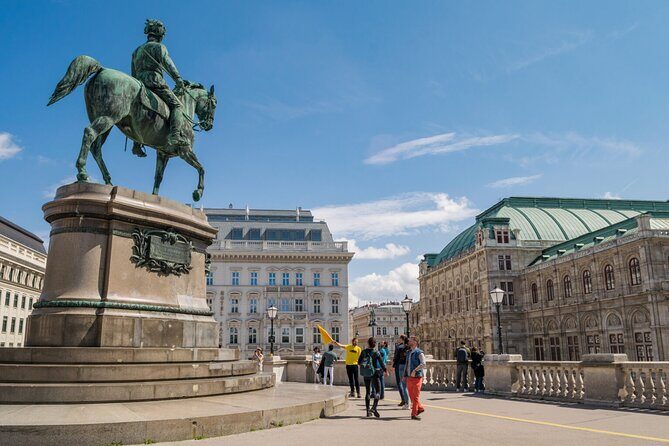
- Two quick historic core stops: Hofburg passes and Heldenplatz monuments for orientation
How This Vienna Tour Mixes Historic Orientation With Scooter Reality
Vienna can feel “too pretty,” if you let it. This experience keeps you moving and looking outward, not just standing still with a phone camera.
I like that you get an organized sense of where things sit: the day begins near the old center, covers famous landmarks like the Hofburg area and Heldenplatz, then transitions into a very different Vienna—parks, university buildings, and wooded hills with downhill roads. It’s a smart way to get your bearings fast and still feel like you did something active.
The best part is that the pace is built into the activity. You start with a short stroll through the Prater and you practice on the scooters before you go full speed down the slopes. That structure matters, especially if you’re not an adrenaline junkie but still want the fun.
You can also read our reviews of more walking tours in Vienna


Quick Historic Stops: Hofburg Pass-By and Heldenplatz Monuments
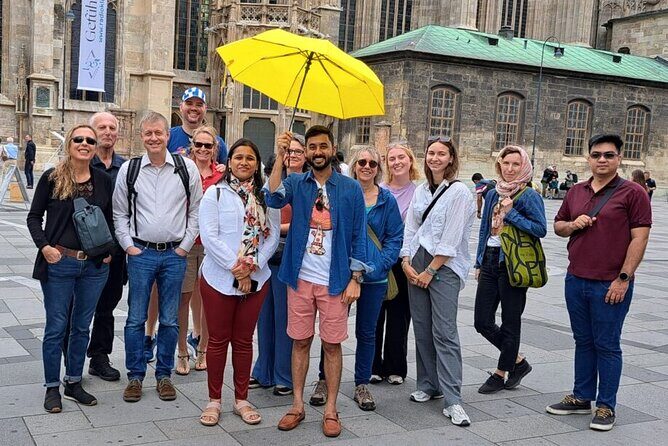
The tour’s city orientation is designed as quick hits. You pass by the Hofburg while your guide shares stories—great for learning who mattered and why Vienna looked the way it did. You don’t lose an hour in one place, which is important on a day that also includes gear, transport, and downhill riding.
Then you move to Heldenplatz. This square is all monuments and symbolism, and the guide connects what you see to the larger history of the area. You also get a sense of spacing—where key buildings sit relative to each other—so later, when you’re exploring on your own, you’ll understand the layout without needing a map every five minutes.
My practical tip: dress for short stops too. Even though the riding day is the headline, these early segments set your mental map. If the weather is cold, you’ll still be fine, just keep layers on so you can stay comfortable and pay attention.
The Prater Transfer: Minivan Comfort Before the Big Views
After meeting in central Vienna, you head out by air-conditioned minivan. That matters more than it sounds. Vienna can be efficient but spread out, and the road time keeps the whole plan from turning into a long cold walk.
When you arrive at the Prater area, you get a short stroll first. This is where the route sets expectations: the famous giant ferris wheel is part of the scene, and you’re in the right mindset for the activity ahead. If you’ve never ridden a cross scooter, this initial moment also helps you understand the environment—open space, paths, and where the practice run fits.
I like that the schedule is organized, not chaotic. Even though the day includes multiple riding sections, it doesn’t feel like you’re constantly waiting around for the next thing.
Cross Scooter 101 at the Prater: Practice Turns Fear Into Control
Here’s the deal: the downhill scooter part is the main event, but it starts with a practice ride. You collect your downhill cross scooter, you get a helmet, and you do a practice loop through the Prater and the campus area of the Vienna University of Economics and Business.
That practice segment is the difference between a thrill ride and a stressful scramble. It lets you learn steering and braking habits before you hit the faster slopes. It’s also the moment where your guide can help you adjust quickly so the whole group can ride safely.
You might not notice it until later, but this is a big value point. Tours that jump straight to speed often feel risky. This one slows you down first—so when you do speed up, it feels more like controlled fun than a test.
Speed note: the downhill runs can reach up to 39 miles per hour (64 kph). You’ll also slow down for sharp bends, and that’s exactly what makes it feel both exciting and manageable. It’s serious enough to be a real thrill, not a toy ride.
Vienna University Campus: A Different Side of the City From Two Wheels
Between practice and the bigger downhill runs, you pass through the area around the Vienna University of Economics and Business. It’s known for being visually distinctive, and even if you’re not a student, it gives you a change of scenery from classic palace-and-church Vienna.
This segment works because it’s not just sightseeing. It’s transitional time: you’re still riding, still learning, and still getting to see how the city changes around you. It also gives your brain something new to look at while your hands and feet settle into the scooter rhythm.
If you like architecture or urban design, you may wish you had more time here. Still, the payoff is that you’re not stuck watching while everyone else gets ready. You’re part of the movement.



Kahlenberg Downhill: Klosterneuburg Monastery and Panoramic Payoff
When it’s time to go faster, you head for Kahlenberg, a wooded hill north of the city. This is where Vienna’s “from above” angle becomes real. You get a view and you get that country-air feeling while you’re still close to the city.
Along the way, you can see the Klosterneuburg Monastery. Then you ride down roads that coil around the slopes. These turns are what make the experience feel like actual downhill riding and not just transportation.
The guide’s role is especially important here, because sharp bends demand attention. You’ll slow to negotiate the curves, and that’s a skill component—your speed is tied to your control. It’s exhilarating, but it’s also a reason to listen carefully and follow instructions.
Practical advice: wear gloves if you have them. The day involves riding at speed and steering through curves. Even if you’re comfortable on a scooter, gloves can make the ride feel more secure.
The Second and Third Downhill Runs: Exelberg Vine Slopes
After the main Kahlenberg segment, you continue with two other downhill rides. One includes the Exelberg area, where hillside slopes are coated in urban vineyards.
This part changes the mood. Kahlenberg gives you wooded-hill depth and big city panorama moments; Exelberg adds texture—leafy vineyard slopes and a sense of Vienna as a place that grows along the edges. The roads still snake and drop, but the scenery is different enough that it doesn’t feel repetitive.
You end up cruising through gorgeous scenery on steep, winding roads. The key is that you’re not doing one giant descent and then waiting. The tour keeps the downhill theme going in sections, which helps maintain energy and keeps you engaged.
Ending Back in Central Vienna: Drop-Off Near Stephansdome
At the end, you return to central Vienna and your experience ends with a drop-off at the start point or at the nearest subway station. The walk back to St. Stephen’s Cathedral is close—just a short 1–2 minute walk from the tour ending area.
That last detail matters because it reduces “what now?” stress. You’ve seen enough to feel oriented, you’ve done the active part, and then you’re dropped near one of the city’s most useful landmarks for continuing your own exploration.
I also like that the day ends without making you scramble for transit afterward. It’s a clean off-ramp into a typical Vienna evening plan.
Price and What You’re Actually Paying For (It’s Not Just a Walk)
At $22.83 per person for about 2 hours, this isn’t a high-cost private thrill package. It’s also not a long, wandering walking tour.
So what are you paying for? A big chunk of the price supports the parts that cost time and coordination:
- air-conditioned transport to Prater and the hills
- helmets and the scooter setup
- guide-led timing for practice and multiple downhill runs
- a small-group structure with a maximum of 40 travelers
- an English-language guide and a route that blends city landmarks with active sections
That’s why it can feel like a good value even if you’re picky. You’re not only checking boxes in the center; you’re getting an experience that includes controlled speed and views from outside the core.
One heads-up from the vibe: the guide may talk about tipping expectations. Tips are listed as not necessary, but more than welcome. If you’re coming in with the mindset of a purely free walking tour, adjust your expectations: this one is clearly paid, and your guide’s effort is part of that.
Weather, Comfort, and the Reality of Cold Riding
This tour operates in all weather conditions. So dress like you mean it. Even on a day that’s active, you’ll have time standing while the group gathers, gets gear, and listens.
There’s also a simple comfort factor that can make or break the day: cold. If the temperature is low, you’ll want layers, and you’ll likely be happier if you wear something wind-resistant. One of the reviews mentioned it was very cold, and the tour still ran—so plan for that.
Good rule: treat it like an outdoor sports day, not a museum visit.
Who This Tour Fits Best (And Who Might Be Less Happy)
This experience is a great match if you want:
- a fast orientation to central Vienna
- a guide who tells stories tied to what you’re seeing
- an active day that includes a real thrill component
- a small group setting where questions are easy to ask
In particular, guides like Michael have been noted for giving a strong orientation and making the time fly, with helpful answers and recommendations for the rest of your trip. Another guide, Katharina, has been described as interesting and making the whole 2 hours feel quick.
This may not be ideal if you mainly care about detailed architectural facts at every stop. One common complaint is that the guide can focus more on regional story than on constant commentary about specific building details. If that’s your top priority, you might prefer a longer, pure history or architecture walking tour.
Should You Book This Vienna Cross-Scooter + City Orientation Tour?
I’d book it if you want a mix of city understanding and outdoor thrill. The format is efficient: a couple of classic central landmarks give you context, and the scooters deliver the “wow” factor that you can’t recreate with self-guided wandering.
I’d skip it if you’re sensitive to speed, cold conditions, or you want very detailed building-by-building commentary throughout the entire day. Also, if you’re expecting a slow, casual stroll with lots of time to stop for photos, the schedule is tighter by design.
If you’re flexible, comfortable riding a scooter, and you want your first Vienna day to end with actual stories (not just selfies), this is a strong pick.
FAQ
How long is the Walking Tour Vienna experience?
It runs for about 2 hours.
What does the tour include for the downhill scooter part?
You collect a downhill cross scooter, receive a helmet, and start with a practice ride before the faster downhill runs.
Is the tour offered in English?
Yes, it is offered in English.
Where does the tour meet and end?
You meet at Helmut-Zilk-Platz, Albertinapl. 2-3, 1010 Wien. The tour ends near St. Stephen’s Cathedral (Stephansplatz 3, 1010 Wien), with a 1–2 minute walk.
Do I need to pay tips?
Tips are not necessary, but they are welcome.
Can children join?
Children must be accompanied by an adult.