REVIEW · VIENNA
Vienna: 2-Hour Historical Crimes Guided Walking Tour
Book on GetYourGuide →Operated by Prime Tours · Bookable on GetYourGuide
Vienna has a talent for telling stories with a straight face. This 2-hour Historical Crimes walk turns famous landmarks into crime-scene backdrops. I like the pairing of Palais Bathory and the Bloody Countess legend with the darker side of St. Stephen’s Cathedral, and I also like that the guide keeps it lively and informative. One drawback to weigh: this tour stays in the German language, so you’ll want to feel comfortable following along.
You’ll meet your guide near the memorial against war and fascism on Helmut Zilk Square, and yes, the yellow umbrella is part of the plan. Expect a rain-or-shine walk built around more than ten locations, with a theme of crimes tied to Viennese historical nobles. If you have heart issues, back problems, or are pregnant, the activity isn’t suitable, so it’s smart to choose something else.
In This Review
- Key things I’d lock in before you go
- Meeting at Helmut Zilk Square and walking into a crime story
- Palais Bathory: where the Bloody Countess story takes center stage
- St. Stephen’s Cathedral: medieval crypts with a sinister past
- Himmelpfortgasse in the first district and Vienna’s bloody corners
- Over ten locations: why the guide matters more than any single stop
- Price and value: is $45 worth a 2-hour historical crimes walk?
- Weather, shoes, and the simple stuff that makes the tour smoother
- Who should book this tour, and who should skip it
- Should you book Vienna: 2-Hour Historical Crimes Guided Walking Tour?
- FAQ
- How long is the Vienna Historical Crimes Guided Walking Tour?
- What does it cost?
- Where do I meet the guide?
- Is the tour in German or English?
- What’s included in the price?
- Is there food or drink included?
- What should I bring?
- Does the tour run in bad weather?
- Is it suitable for wheelchair users?
Key things I’d lock in before you go
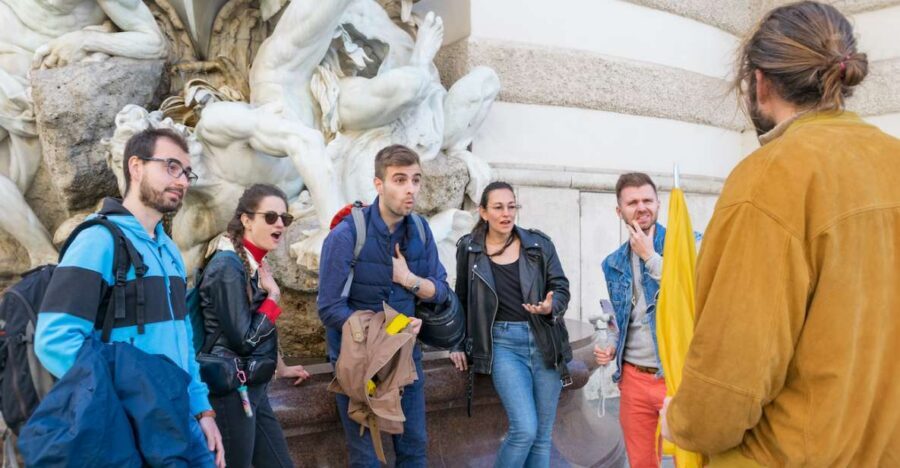
- Palais Bathory and Elizabeth Bathory: you’ll focus on the Bloody Countess story as you pass the site
- St. Stephen’s Cathedral after-hours vibe: medieval crypts and tombs framed as having a sinister past
- Himmelpfortgasse in the first district: a targeted stop tied to bloody history
- Over ten locations, one clear theme: the guide connects sites into a crime-style narrative
- Professional live guidance in German: you get the story directly from a guide, not from an app
- No food included: bring water and plan to snack before or after
Meeting at Helmut Zilk Square and walking into a crime story
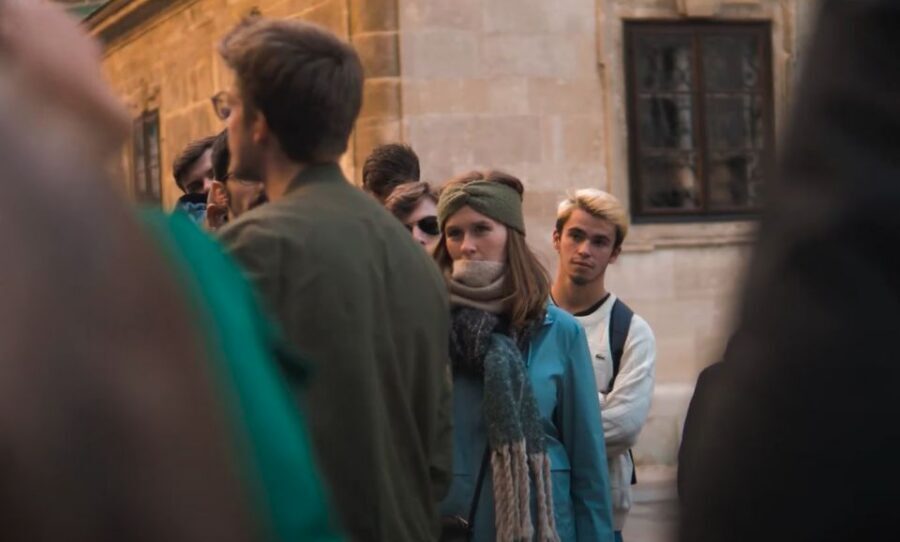
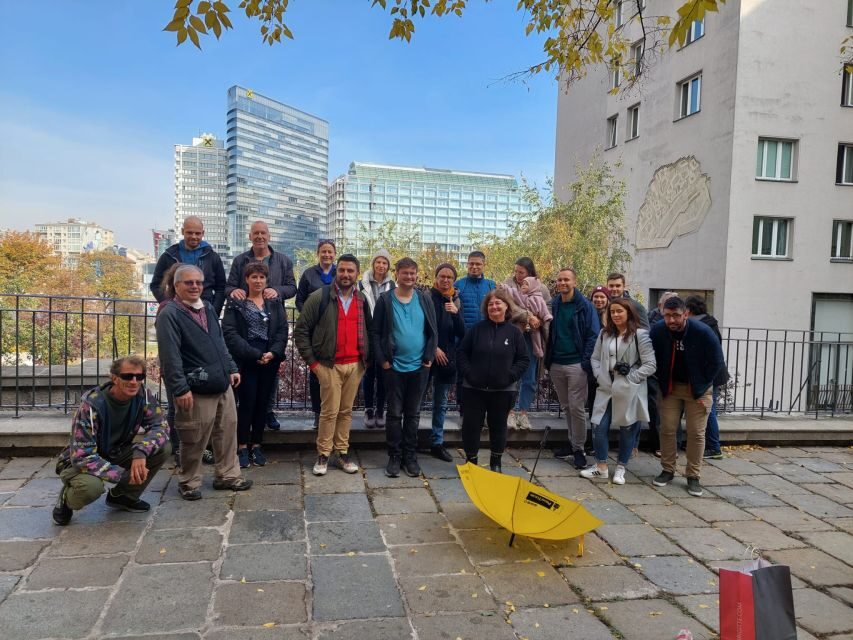
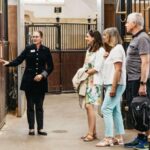
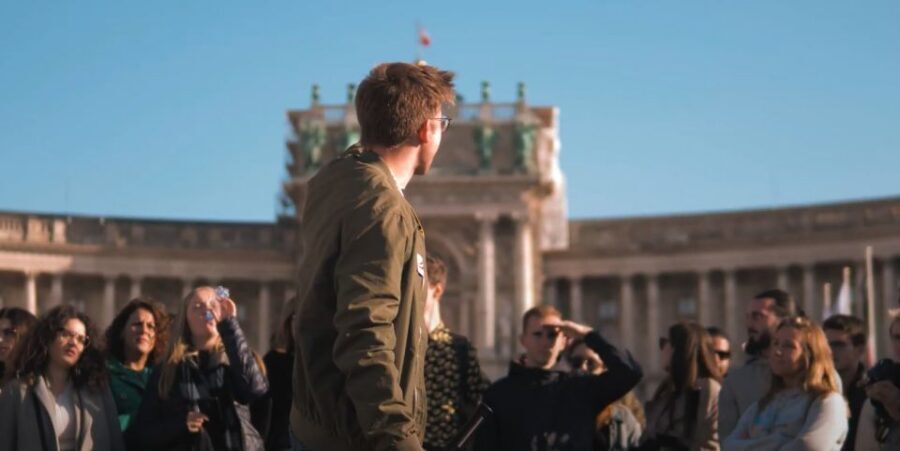
This tour is built like a short theatrical walk: you start at Helmut Zilk Square, at the memorial against war and fascism, and look for your guide with a yellow umbrella. That matters more than it sounds. In Vienna, meeting points can be easy to miss when you’re juggling streets, tram lines, and crowds, so having a visible marker helps you get moving fast.
Once you’re with the group, the pace is designed for story-telling. It’s a 2-hour experience, not a full-day marathon, so you’ll cover plenty of ground without feeling dragged from one stop to the next. Also, it’s rain or shine. Bring closed-toe shoes and a reusable water bottle, because a soggy walk still makes you work a little.
One more practical note: this is a German-language tour. If your German is basic, you might still enjoy the visual sightseeing, but you’ll miss parts of the narration. If you really want the “crime” angle to land, choose this only if you can follow German in real time.
You can also read our reviews of more walking tours in Vienna


Palais Bathory: where the Bloody Countess story takes center stage
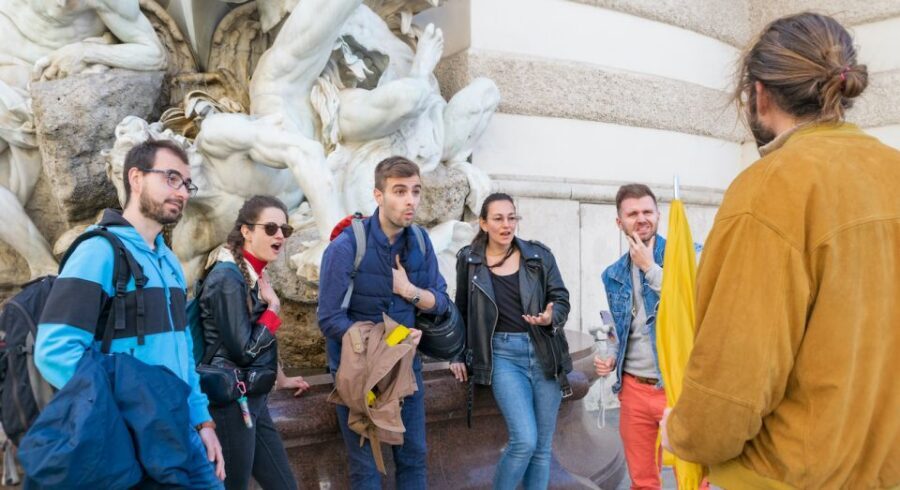
The first big anchor is Palais Bathory, the home linked to Elizabeth Bathory. The tour focuses on her name and the legend that gave her the title Bloody Countess, with the story centered on the claim that she bathed in the blood of virgins.
Now, here’s what you should take from this stop: the tour isn’t trying to be a textbook. It uses a famous, infamous figure to explain why certain Vienna sites still carry a dark reputation. When you stand near the palace, you’re not just “seeing an old building.” You’re learning how that building became part of a crime narrative that has followed the city.
Even if you’ve heard the legend before, the value is in how the guide frames it while you’re walking the surrounding streets and monuments. You’ll also get a sense of how “high-society” locations and power can get tangled with terrible actions in the way history gets remembered.
A small consideration: this topic is graphic in the way it’s described. If you don’t want to hear explicit details about crimes, this may not be your vibe.
St. Stephen’s Cathedral: medieval crypts with a sinister past
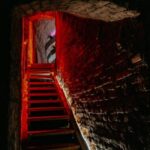
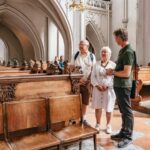
Then the tour turns toward St. Stephen’s Cathedral, and the mood shifts in a very effective way. This is Vienna’s best-known cathedral, so you might think you already know what it’s about. But here the focus is on the medieval crypts and tombs, described as hiding a sinister past.
This stop is valuable because it shows how a landmark used for worship, concerts, and tourism can also carry darker associations in how people tell its story. In a regular visit, you might admire architecture or browse sights. On this tour, you’re asked to look at the cathedral as a place connected to death, secrecy, and burial—then to connect those themes to the broader “historical crimes” route.
One of the nicest parts of this kind of guided approach is that you learn what to notice. When a guide has the story well organized, you’re not left guessing why certain areas matter. You start making connections between the cathedral’s past role and the kind of secrets that survive in a building for centuries.
Practical tip: cathedral areas can mean uneven stone and stair-like changes. You’ll be on your feet for the walking tour, so closed-toe shoes aren’t optional.
Himmelpfortgasse in the first district and Vienna’s bloody corners
After St. Stephen’s, you continue to Himmelpfortgasse in Vienna’s first district, described as a street known for bloody history. This is where the tour does something smart: it brings the dark theme out of the landmark context and into the everyday street fabric of central Vienna.
You’ll likely feel the contrast. One moment, you’re at a major cathedral. The next, you’re turning a corner and walking through a street associated with the city’s darker legends. That shift is why the route works. It’s not only about one famous building; it’s about how stories attach themselves to multiple places close together.
Even though the tour doesn’t list every detail of what happened on that street in the summary info, it gives you a focused lens: crime and consequence, remembered through names, locations, and the way locals repeat certain stories. Walking gives you that “this is where it happened” feeling, which is hard to get from museum plaques alone.
Over ten locations: why the guide matters more than any single stop
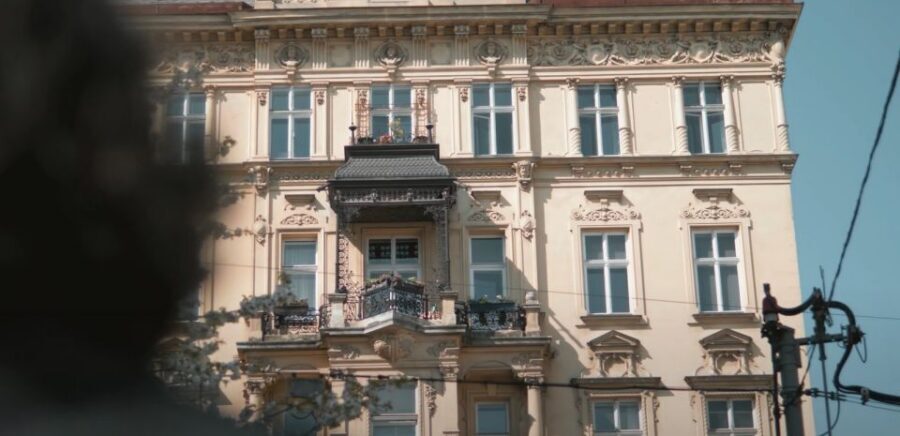
The headline promise is dark history behind over ten locations. That’s a big deal because it changes the tour from one-off spooky sightseeing into something more structured.
Here’s what you should expect from the storytelling style based on the tour’s focus:
- You’ll pass historical monuments and learn the spooky secrets connected to them
- The guide ties the sites back to crimes connected to historical nobles, not random urban legends
- The route is designed so each stop supports the next, like chapters in a short crime book
That structure is exactly where the value sits for a short 2-hour tour. You’re not paying for “more stops for the sake of it.” You’re paying for a professional guide to connect dots you’d likely miss on your own.
Also, there’s a big theme in the booking feedback: the guide’s knowledge lands even for people who live in Vienna. One comment praised how the guide shared extra useful info that locals could appreciate. That’s a strong sign that you’re getting more than memorized patter. You’re getting someone who can answer the implied question: why should you care about these buildings and stories in the first place?
Language note again: it’s German. The better the guide, the more you’ll want to understand every sentence.
You can also read our reviews of more guided tours in Vienna



Price and value: is $45 worth a 2-hour historical crimes walk?
At $45 per person for 2 hours, this is positioned as a focused, guided experience rather than an all-day sightseeing package. The included item is simple: a professional guide. No food or drink is included, so you should treat this as a story-walk you pair with a meal before or after.
So what makes the price feel fair?
- You’re paying for live interpretation of real, important places, including Palais Bathory and St. Stephen’s Cathedral
- You get a themed walk that moves through multiple locations, not just one monument photo-op
- The guide’s job is to keep the story coherent, which is hard to replicate with casual self-guided wandering
Where the value might not be for everyone:
- If you can’t follow German, you’ll likely feel the content drop from “story” to “background noise.”
- If you’re someone who dislikes crime-themed narratives or explicit descriptions tied to the legend, you might spend two hours more uncomfortable than interested.
Weather, shoes, and the simple stuff that makes the tour smoother
This tour runs rain or shine. That means you should think like a local for one day: water, layers, and footwear that won’t betray you on slick stone.
Bring:
- Water and a reusable water bottle
- Weather-appropriate clothing
- Closed-toe shoes
If you’re the type who plans around comfort, also consider bringing a small umbrella if you prefer controlling your own weather. Your guide has a yellow umbrella, but that doesn’t protect everyone equally from sideways rain.
The tour is also listed as wheelchair accessible. At the same time, it’s not suitable for certain health situations (pregnancy, back problems, heart problems). If you’re deciding between “accessible” and “comfortable,” trust your body and choose carefully. A tour can be reachable while still being physically demanding.
Who should book this tour, and who should skip it
This experience fits best if you like:
- Guided walking in central Vienna that connects sites into one theme
- Stories that go beyond art and architecture and into crime and scandal
- Short tours where the guide does the heavy lifting of explaining what matters
It’s likely not ideal if you:
- Need English-language guidance (the tour is German)
- Prefer light, purely historical sightseeing with no crime focus
- Have the health constraints listed as not suitable: pregnant women, people with back problems, people with heart problems
If you’re on the fence, my advice is to treat this as a “dark storytelling walk,” not a standard cathedral tour.
Should you book Vienna: 2-Hour Historical Crimes Guided Walking Tour?
If you want Vienna in a darker, more story-driven way, I think this tour is a good buy. The combination of Palais Bathory, the Bloody Countess angle, and St. Stephen’s Cathedral’s crypt-and-tomb theme gives you three strong anchors in just two hours. Add in the stop at Himmelpfortgasse and the promise of over ten locations, and you get a route that feels like a guided narrative rather than scattered sightseeing.
Book it if you can follow German and you’re comfortable with crime-themed storytelling. Skip it if explicit crime details bother you, or if the health constraints apply. If that box fits, this is the kind of walk that turns familiar streets into places you’ll remember for the stories tied to them.
FAQ
How long is the Vienna Historical Crimes Guided Walking Tour?
The tour lasts 2 hours.
What does it cost?
It costs $45 per person.
Where do I meet the guide?
Meet near the memorial against war and fascism on Helmut Zilk Square. Your guide will have a yellow umbrella.
Is the tour in German or English?
The live tour guide language is German.
What’s included in the price?
The professional guide is included.
Is there food or drink included?
No. Food and drink are not included.
What should I bring?
Bring water, weather-appropriate clothing, and closed-toe shoes. A reusable water bottle is also recommended.
Does the tour run in bad weather?
Yes. It runs rain or shine.
Is it suitable for wheelchair users?
The tour is listed as wheelchair accessible. However, it is not suitable for pregnant women, people with back problems, or people with heart problems.