REVIEW · VIENNA
Private World War II Walking Tour in Vienna
Book on Viator →Operated by Austria Tours and Travel · Bookable on Viator
Vienna’s WWII story is on every corner. This private walking tour uses a state-certified guide to connect Vienna’s streets to the events before, during, and after World War II, with clear stops at key sites like Heldenplatz and the Jewish Square. I especially like how the tour is designed for real questions—guides are praised for English, humor, and the way they explain what you’re seeing in plain terms.
You also get to move at your own pace, since it’s truly private and can be tailored to your interests. One thing to consider: this is a serious, heavy subject, so if you prefer light sightseeing, the emotional tone may be more than you want.
In This Review
- Key highlights you’ll care about
- A WWII Lens on Vienna’s Old Town
- Private Tour, Up to 15 People, and a Pace You Can Control
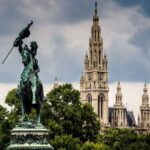
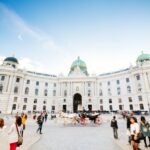
- Heldenplatz: Where Power Was Put on Display
- Jewish Square: Remembering What the City Tried to Erase
- The Gothic Cathedral Stop and St. Stephen’s Cathedral Finish
- Karl Lueger Monument: When City Pride Meets Political Reality
- Before, During, and After WWII: What Your Guide Should Connect
- How Long It Takes and What the Walking Feels Like
- Price and Value: $451.79 Per Group (Up to 15)
- Getting There: Start at Helmut-Zilk-Platz, Finish at Stephansplatz
- Who This Tour Suits Best
- Should You Book This WWII Walking Tour in Vienna?
- FAQ
- How long is the Private World War II Walking Tour in Vienna?
- What’s the group size for this private tour?
- What language is the tour offered in?
- Where does the tour start and end?
- Is hotel pickup available?
- Is the tour accessible and suitable for most people?
- What is the cancellation policy?
Key highlights you’ll care about
- Private, just your group: up to 15 people, with time for questions.
- WWII focus across the inner city: not just one monument, but a connected route.
- Heldenplatz and Jewish Square stops: major landmarks tied to the city’s WWII story.
- Multiple guide styles, consistently strong: guides like Lisa, Hernando, Nando, Marco, Reinhard, and Christopher are repeatedly praised.
- Ends at St. Stephen’s Cathedral: an easy way to roll straight into classic Vienna after.
A WWII Lens on Vienna’s Old Town
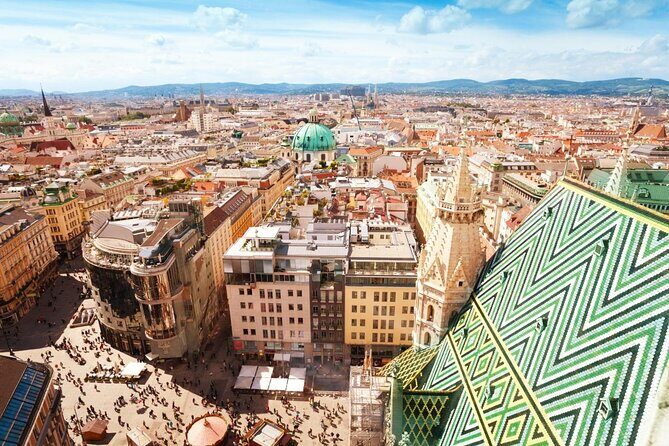
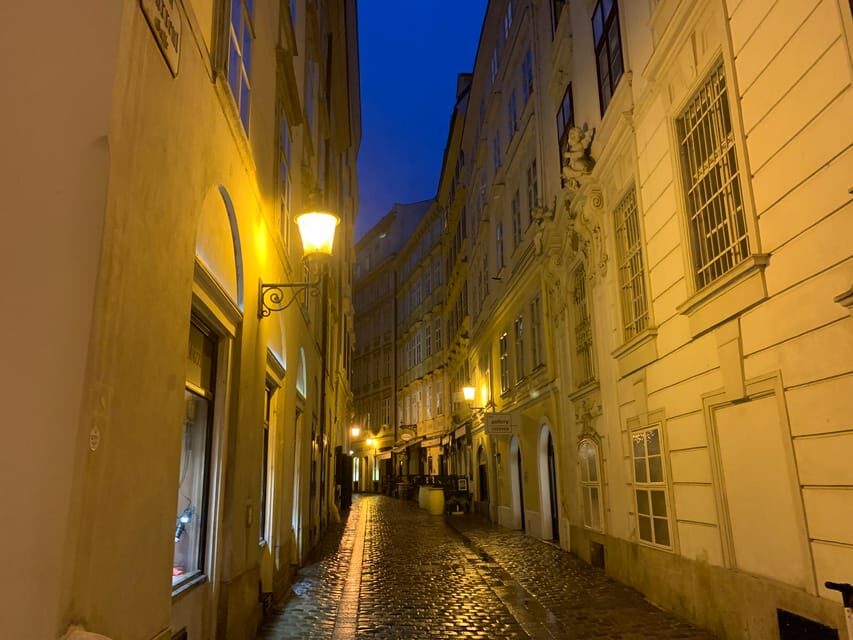
If you like history you can walk through, this tour fits the bill. Vienna looks calm today, but the inner city still carries traces of the 1930s and 1940s—politics, propaganda, persecution, and the aftermath. The guide’s job is to help you read those traces without turning the walk into a lecture that beats you into submission.
The tour is built around a simple idea: Vienna didn’t just witness WWII from the sidelines. It was part of the story—where power was displayed, where lives were changed, and where memory now lives in stone, street layout, and public monuments. You’ll get that through a route that stays in the inner city and keeps returning to cause-and-effect.
What I like about this approach is that it’s not only about famous names. You’ll also hear about how the Nazi party rose and what daily life looked like in Vienna around those years—then the story moves to what came after. It’s history with context, aimed at helping you understand why the city remembers what it remembers.
You can also read our reviews of more walking tours in Vienna
Private Tour, Up to 15 People, and a Pace You Can Control
This is a private walking tour, meaning only your group participates. The price is set per group (up to 15), so your cost per person drops fast if you’re traveling with others. It’s also the type of format that works well when you don’t want to feel rushed or stuck listening to someone else’s interests.
The guide can customize the itinerary to your interests and pace. That matters more than it sounds, especially on a WWII route where people often have very different questions—some want political details, others want how persecution is reflected in specific places, and others just want the story to make sense in chronological order.
Guides on this tour line are repeatedly praised for being friendly and engaging, with strong English and an easy tone. I’m also seeing a pattern: the best sessions are the ones where the guide stays responsive—so you can ask follow-ups instead of nodding along and hoping it connects later.
Heldenplatz: Where Power Was Put on Display
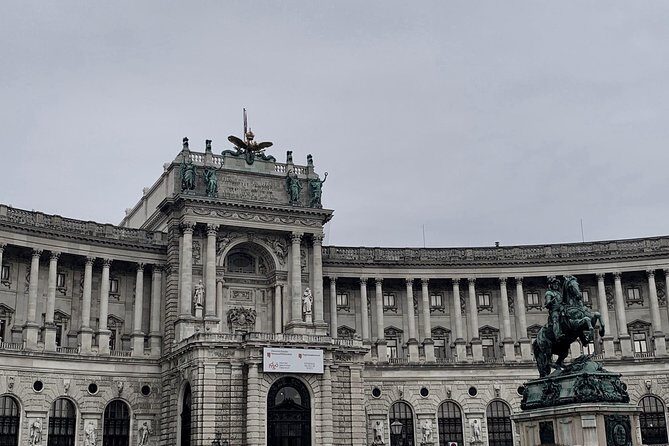
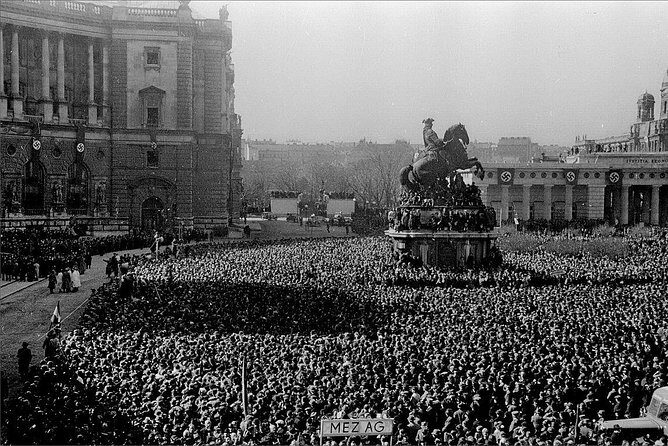
Heldenplatz is a big-name stop for a reason. It’s the kind of place where you can feel how public space can be used for spectacle—political messaging built into the geometry of a square. The guide helps you connect the site to Vienna’s WWII story and the atmosphere that supported the rise of the Nazi party.
Here’s what to pay attention to while you’re standing there: how the space funnels people, how monuments and buildings frame visibility, and how a place designed for gatherings can also become a stage. Even if you know the broad history, this is where your brain starts linking street-level reality with what you’ve read.
A practical tip: plan to slow down here. This isn’t a quick photo stop. Give yourself a moment to listen, then look around again once the guide points out what to notice. That second glance often turns the location from scenery into evidence.
Jewish Square: Remembering What the City Tried to Erase
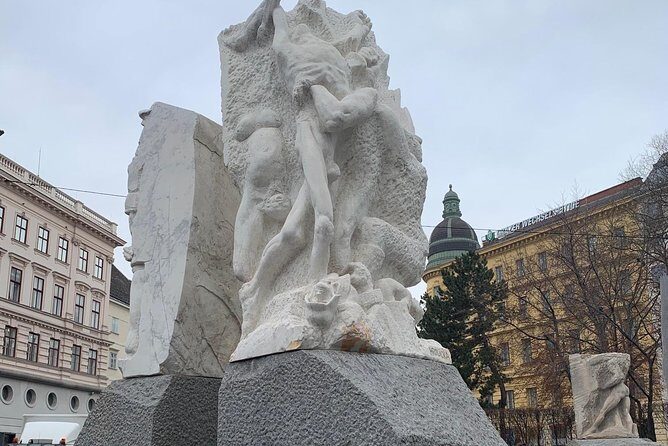
The route continues to Jewish Square, another stop that changes the mood. This is where the tour turns from political mechanics into the human impact—what happens to communities when a regime decides who belongs and who doesn’t.
You’ll get historical context tied to the WWII period, and the guide’s goal is to explain the significance of what you’re looking at. The best part of this type of stop is that you can’t treat it as abstract. It’s a specific place in the city—so the story feels grounded instead of floating in time.
One thing I appreciate in the guide approach is that the tone is described as graceful and humble. That matters on emotionally heavy routes, because the point isn’t shock value. It’s understanding, respect, and clarity—so you leave with comprehension, not just discomfort.
The Gothic Cathedral Stop and St. Stephen’s Cathedral Finish
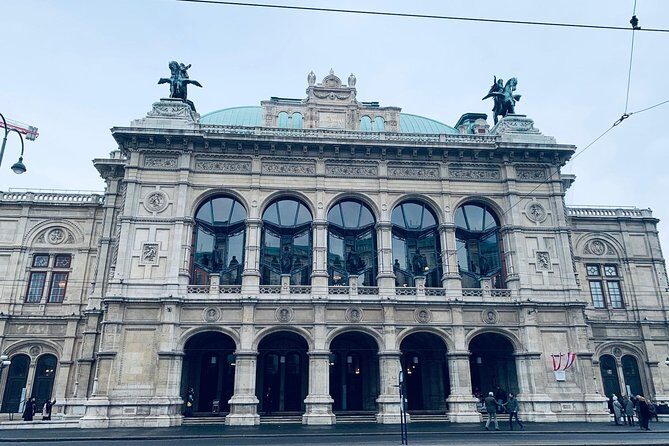
Between the Jewish Square area and the cathedral zone, the guide keeps you oriented in the inner-city layout—helping you see how Vienna’s landmarks sit in the same map as the WWII narrative. Then you reach a Gothic cathedral in the heart of the inner city.
And yes, you’ll end at St. Stephen’s Cathedral (Stephansplatz 3). This is a smart way to structure the day: you start the walk in a WWII-focused frame, then you finish at one of Vienna’s most recognizable landmarks. It gives you an easy bridge from solemn history to the city’s everyday identity.
What you should do here: don’t rush to the next attraction right away. Take a minute to reflect on how religions, institutions, and civic life coexist with political upheaval. Even without getting into any one institution’s details, it helps you see that WWII wasn’t only about armies—it was about society, power, and public belief.
If you’re planning afterward, this is also a very convenient end point for wandering. Stephansplatz makes it easy to grab a coffee, continue exploring, or pick up a self-guided loop.
You can also read our reviews of more private tours in Vienna




Karl Lueger Monument: When City Pride Meets Political Reality
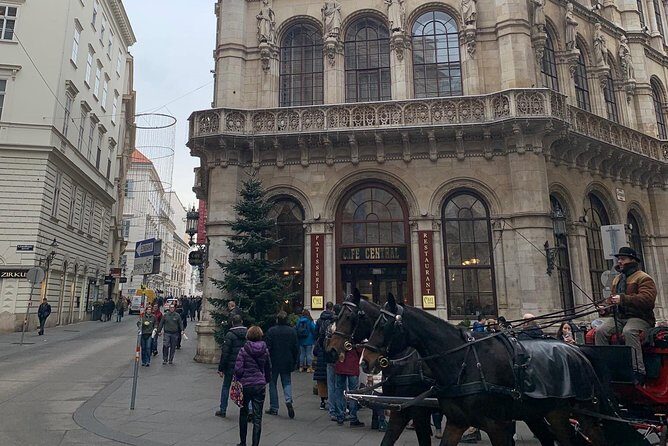
The final landmark stop listed is the Karl Lueger Monument. This is the kind of place where monuments can look like straightforward history—until a guide explains why they are controversial and what they represent in a wider political context.
The value of a stop like this is that it encourages you to think about how public memory gets built. Monuments aren’t neutral; they’re decisions made by someone about what deserves visibility. On a WWII route, that idea is especially important, because regimes often shape what future generations remember.
Take your time with this one. Spend a minute reading what the monument presents, then listen to how the guide connects it to the broader story of Vienna and the era. When you’re done, you’ll likely view public statues differently—not with paranoia, but with clearer eyes.
Before, During, and After WWII: What Your Guide Should Connect
The route isn’t limited to named stops. Early on, the guide walks you through the inner city and explains Vienna before, during, and after WWII. That chronological backbone is where you get real value, because it turns scattered facts into a story line.
You’ll also learn about Adolf Hitler’s life and the rise of the Nazi party, but in a Vienna-specific frame. That’s the key: learning names matters less if you can’t place them into the city’s physical and social reality. A strong guide makes the map do the teaching.
Another plus is the Q-and-A energy. Many guides in the group are praised for answering lots of questions and handling back-and-forth without making you feel like you’re slowing things down. For history enthusiasts, that’s a big deal.
And for people new to the subject, it helps too. If you’re unsure where to start, a guide who can explain things in plain terms reduces the mental workload. You’re not decoding history while also managing your feet.
How Long It Takes and What the Walking Feels Like
The tour runs about 2 hours 30 minutes. In practice, expect that the conversation and the stop-by-stop explanations can stretch the feel of the time, especially if your group is asking questions. One review notes the walk lasted close to three hours without tiring them, which suggests the guiding style tends to keep things moving while still giving the sites proper attention.
This is also a walking tour focused on the inner city, so wear comfortable shoes. Even if you’re in good shape, you’ll appreciate not treating this as a light stroll.
Weather is also a reality in Vienna. If rain hits, bring a light umbrella or rain jacket and plan to keep going—this route can be done even in less-than-perfect conditions, and the guides have experience staying flexible.
Price and Value: $451.79 Per Group (Up to 15)
At $451.79 per group for a private tour that fits up to 15 people, the value depends on how many you split it with. Here’s the simple math: if you’re a full group of 15, that’s roughly $30 per person. If you’re just two, it’s closer to $226 per person—so it’s best when you’re traveling with family or friends.
That said, private doesn’t just mean privacy. It means you’re paying for a guide who can:
- tailor the pacing,
- follow your curiosity with questions,
- and keep the story tied to the actual route you’re walking.
If you’re in Vienna for a short stay and want to make the most of your time, this format can be a good investment. It’s also often a smart choice for history-minded travelers who don’t want to deal with a crowded group where your questions never land.
Getting There: Start at Helmut-Zilk-Platz, Finish at Stephansplatz
The start point is Helmut-Zilk-Platz (Albertinapl. 2–3, 1010 Wien), and the tour ends at St. Stephen’s Cathedral (Stephansplatz 3, 1010 Wien). That end point is excellent for continuing your day without backtracking.
Pickup is offered if your hotel is in the inner city. If not, the provider contacts you ahead of time with the exact meeting location. It’s also near public transportation, so even if you’re not getting pickup, you should be able to reach the starting point without major hassle.
You’ll receive confirmation at booking, and the tour uses a mobile ticket. That’s useful because you can keep everything in one place and show it when you meet your guide.
Who This Tour Suits Best
This tour is a strong fit for you if you want WWII context tied to real locations, not just museum-style facts. It also works well if you like asking questions and getting straight answers—guides here are repeatedly praised for engaging, humor, and clarity in English.
It’s also a good choice for groups, since the pricing works best when you split the per-group cost. Families can do it too, especially if you want one guide to help make the city’s WWII story understandable at your own pace.
If you’re sensitive to dark history, plan your expectations. This is not light comedy sightseeing. But if you approach it with respect and curiosity, you’ll likely find it meaningful rather than overwhelming.
Should You Book This WWII Walking Tour in Vienna?
Book it if you want Vienna’s WWII story connected to specific places, with a guide who can answer questions and adjust to your pace. The pairing of major sites like Heldenplatz and Jewish Square, plus the monument stop and the cathedral finish, gives you a route that feels like a coherent walk—not random stops.
Skip it only if you’d rather avoid heavy historical themes or you prefer a self-guided pace with no planned route. Otherwise, this is one of those tours that helps you leave the city understanding not just what happened, but why these streets still matter.
FAQ
How long is the Private World War II Walking Tour in Vienna?
It lasts about 2 hours 30 minutes.
What’s the group size for this private tour?
It’s a private experience, and the group size can be up to 15 people.
What language is the tour offered in?
The tour is offered in English.
Where does the tour start and end?
It starts at Helmut-Zilk-Platz (Albertinapl. 2–3, 1010 Wien) and ends at St. Stephen’s Cathedral (Stephansplatz 3, 1010 Wien).
Is hotel pickup available?
Yes, pickup is offered if your hotel is located in the inner city. Otherwise, the provider contacts you prior to the tour with the exact meeting location.
Is the tour accessible and suitable for most people?
The experience notes that most travelers can participate, and it is near public transportation. Service animals are allowed.
What is the cancellation policy?
You can cancel up to 24 hours in advance for a full refund. If you cancel less than 24 hours before the start time, the amount paid is not refunded.