REVIEW · VIENNA
Introducing Vienna Walking Tour: The Capital of the Habsburgs
Book on Viator →Operated by Viennatour - Herbert Stojaspal · Bookable on Viator
Vienna has a talent for stacking centuries. This 2-hour walking tour threads you through the Habsburg world, from imperial palaces to war memory, with a clear route and an easy ending at Stephansplatz. It’s the kind of walk that helps you understand what you’re seeing fast, without turning Vienna into a homework assignment.
I especially like the small group size (max 15), which keeps the pace human and makes it easier to ask questions as you move. I also like the guide-led flow: you get orientation around major landmarks like the Hofburg area and St. Stephen’s Cathedral, plus stories that connect what’s carved in stone to the politics behind it.
One thing to consider: it’s not recommended for younger children, and the walk is better when you can handle a steady pace for about two hours and a fair amount of standing around to look closely.
In This Review
- Key things to know before you go
- A Habsburg shortcut on foot: what the 2 hours really gives you
- Starting at Michaelerplatz: St. Michael’s church and the city’s layers
- White stallions and imperial symbolism: how the route adds character
- Hofburg from the inside out: the Habsburg residence explained clearly
- Hero Square and Austrian government: history without the dry lectures
- Holy Lance and Holy Roman Empire crown: the objects that stop you mid-walk
- Joseph’s Square, Maria Theresia, and the secrets of reign
- Albert and Maria Christina’s residence: drawing collections with global reach
- Monument Against War and Fascism: a respectful stop, not a skip
- Opera ticket tip at the right moment: 3 euros and the daily decision
- Finishing at St. Stephen’s and Lindt Stephansplatz: end on a high note
- Who this tour suits best (and who should skip it)
- Guides and style: Herbert Stojaspal, plus the Dorothea factor
- Price and value: why $35.07 can make sense in Vienna
- Quick practical tips before you show up
- Should you book Introducing Vienna Walking Tour: The Capital of the Habsburgs?
- FAQ
- How long is the Vienna Walking Tour?
- What’s the group size limit?
- Where does the tour start and end?
- Is the tour offered in English?
- What’s included in the price?
- Does it operate in bad weather?
Key things to know before you go
- Max 15 people: a true small-group feel, not a crowded shuffle through the center
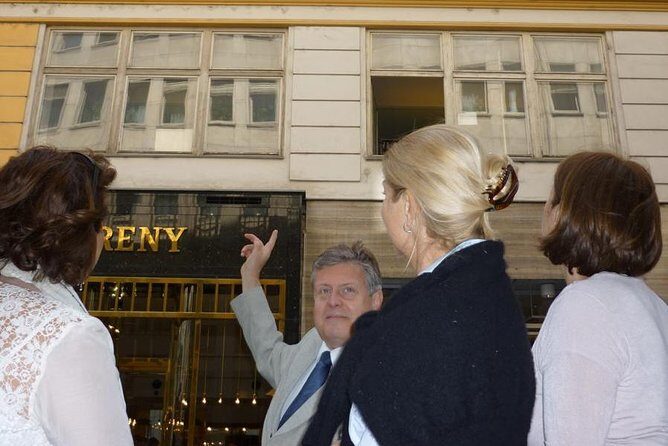
- Certified English-speaking guide: you get a guided storyline, not just a route
- Hofburg-and-beyond focus: imperial power, government references, and a few “how is this real” objects
- War memory stop: the walk includes the Monument Against War and Fascism to remember victims of conflict
- Easy ending at Lindt: you finish at Lindt Chocolate Boutique near Stephansplatz
- Flexible in weather: it runs in all weather conditions, so bring layers
A Habsburg shortcut on foot: what the 2 hours really gives you
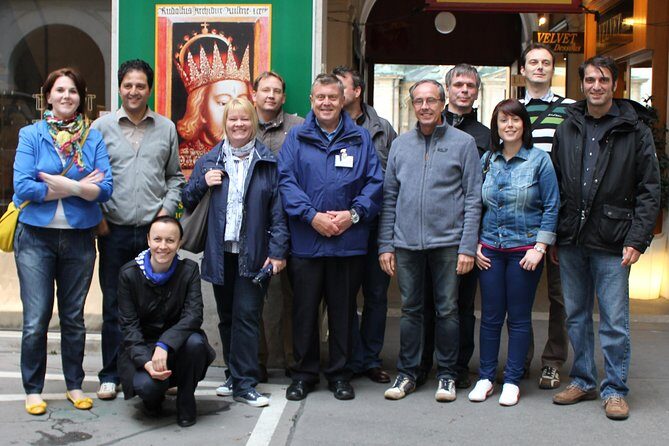
This tour is built for the first day energy. You start at Michaelerplatz (right by the historic core) and you end near St. Stephen’s Cathedral at Stephansplatz, so your route lands you where most people want to be anyway. The timing works well if you have museum days coming next, because the walk gives you names, context, and a sense of direction.
The value here is not that you see every major site in Vienna. It’s that you see a meaningful slice of the city’s power center in a way that’s easy to follow. In roughly two hours, you’re guided past places tied to the Habsburg dynasty, then you move into political and cultural context around Austria and Europe.
Group size matters. With up to 15 people, you don’t feel like a ticket number. That’s a real advantage in a city where the streets are narrow and the best views are often at specific corners.
You can also read our reviews of more walking tours in Vienna

Starting at Michaelerplatz: St. Michael’s church and the city’s layers
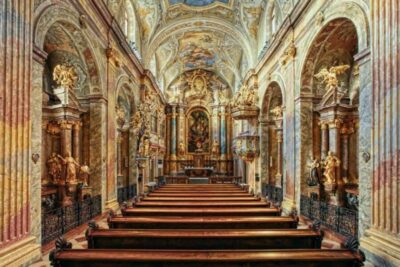
You begin at Michaelerplatz 3 (1010 Vienna), a practical start point that’s close to central transport links. From there, the tour points you toward St. Michael’s church and the Roman and medieval ruins in the surrounding area. This is a strong opener because it reminds you Vienna isn’t just one era. It’s a timeline where newer buildings cover older ones, and the city keeps reusing space.
I like this start because it sets expectations. If you’ve ever felt overwhelmed by Vienna’s scale, this kind of layered start helps your brain file information into place. You’re walking, looking, and listening at the same time, which makes the city feel less like a blur of architecture.
You should expect a mix of sight-reading and story-reading. Some stops are about what you can see; others are about what those buildings meant when they were new.
White stallions and imperial symbolism: how the route adds character
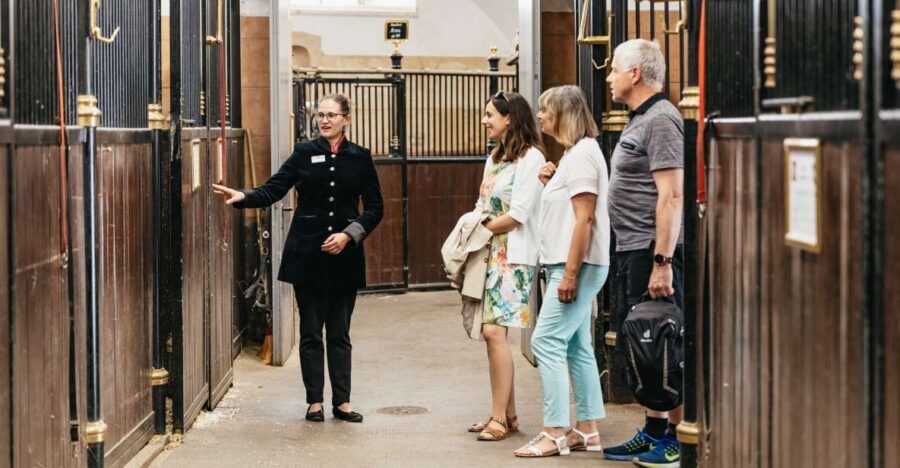
One of the more distinctive moments on this walk is when the guide gives detailed information about the white stallions. Even if you don’t plan a separate riding-school visit, it’s a fun and very Viennese detail to fold into your first day.
This is the tour’s style in miniature: small, specific topics that make the city feel personal. Instead of just saying Hofburg was important, you get little sparks of meaning—objects, roles, and traditions that connect imperial life to the city’s physical landmarks.
If you enjoy stories that go beyond what’s on a plaque, you’ll probably like this part.
Hofburg from the inside out: the Habsburg residence explained clearly
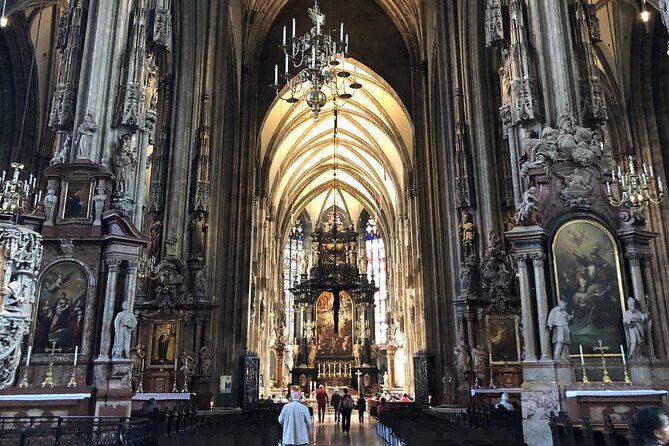
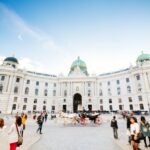
The itinerary moves from the early layers into the heart of Habsburg rule. From the 12th century, the residence of the Habsburg dynasty anchors the walk. That’s a huge span of time, so the guide’s job here is to make it digestible.
You pass the Hofburg Imperial Palace area and learn how the sites you’re seeing connect to who held power and how that power worked. This matters because Vienna’s imperial buildings can look similar at first glance. A good guide helps you notice the differences and, more importantly, helps you understand why those differences mattered.
If you’re planning to see museums later, this section helps you choose what to prioritize. It’s easier to decide what’s worth your time after you know which parts of the empire shaped the city’s identity.
Hero Square and Austrian government: history without the dry lectures
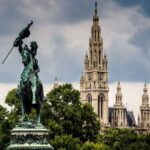
One stop focuses on why it’s called Hero Square, and it links that story to how the Austrian government system works. The goal is not to turn you into a political science student. It’s to give you a way to connect street names, monuments, and civic spaces to real institutions.
This is where the tour becomes especially useful for planning. Once you understand which areas functioned as political centers, you’ll have an easier time recognizing why certain public spaces are positioned the way they are.
If you like learning by walking—seeing the building, hearing the context, and immediately connecting it to the larger city—you’ll probably find this part satisfying.



Holy Lance and Holy Roman Empire crown: the objects that stop you mid-walk
The tour includes some truly eye-catching “how is this still here?” references, including the Holy Lance—described as a lance with Jesus pierced—and the crown of the Holy Roman Empire. You also hear the Europe-wide angle, not just Vienna’s local storyline.
This isn’t about testing whether you think these relics are sacred. It’s about understanding how symbols move history. Vienna’s power center built its authority partly through belief, ritual, and the idea of legitimacy. When you hear what these objects were thought to represent, the architecture you’re passing starts to feel less decorative and more ideological.
It’s also a good reality check for first-timers: Vienna doesn’t treat history as a museum-only topic. It treats it as something that shaped how people lived.
Joseph’s Square, Maria Theresia, and the secrets of reign
From there, the walk goes into Joseph’s square and the secrets of Maria Theresia’s reign. This is a strong mid-walk section because Maria Theresia is one of those names that keeps popping up across Vienna, yet many visitors don’t understand what her reign changed in practical terms.
The guide’s approach here helps you connect the dots between rulers and the spaces they influenced. When you later see statues, palaces, or civic buildings, you’ll have a mental label ready: this is tied to power, reforms, or public image.
Albert and Maria Christina’s residence: drawing collections with global reach
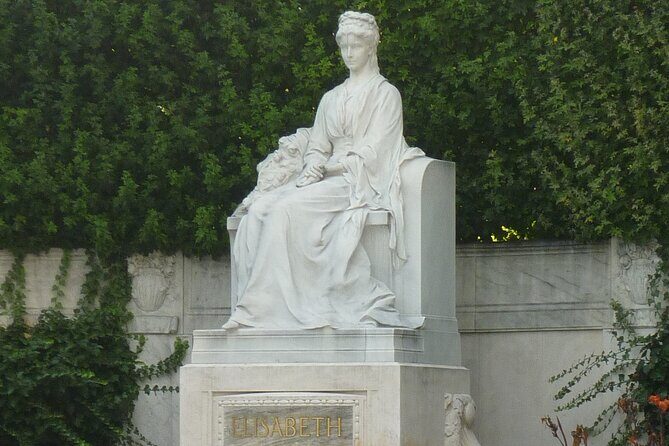
Another stop highlights the residence of Albert and Maria Christina. The tour points out that this is where the largest drawing collections worldwide are hosted today. That detail is useful even if you don’t plan to book a museum visit right now, because it tells you where to look if you’re a fan of art and paper-based works.
For practical travelers, it also helps you spot a reason to return. Some city walks end at pretty buildings and leave you with facts. This one gives you a specific thread that can guide your next choice: if drawings are your thing, this is a Vienna highlight worth tracking down.
Monument Against War and Fascism: a respectful stop, not a skip
The tour includes the Monument Against War and Fascism, presented as a reminder of the victims of war, including those under Nazi rule in Austria. This stop shifts the mood, which is a good thing on a city walk. Vienna’s story is not only about grandeur and empire. It also includes the trauma and consequences that followed.
If you’re sensitive to weighty memorials, you’ll want to pace yourself here. But if you appreciate honest history, this is one of the stops that makes the tour feel more real and less like a curated postcard route.
Opera ticket tip at the right moment: 3 euros and the daily decision
One of the most practical bits comes near the center: a note about opera tickets, including that in Vienna the offerings change daily and the cheapest tickets can be around 3 euros. This is exactly the kind of information that helps you plan on the fly.
Opera can feel intimidating—when to go, what to do, what costs what. A reminder that low-cost options exist can turn opera from a maybe into a plan.
Finishing at St. Stephen’s and Lindt Stephansplatz: end on a high note
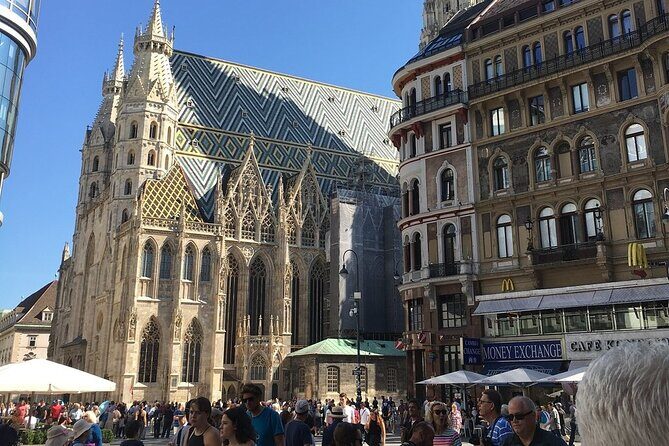
The tour rounds out at Vienna’s center with St. Stephen’s Cathedral. From there, you finish at Lindt Chocolate Boutique at Stephansplatz 8A. It’s a smart ending for two reasons: you land near a major landmark, and you get a fun, low-stress reward without needing to hunt for something open or convenient.
St. Stephen’s is one of those places where your eyes want to linger. Finishing the walk here makes it easy to keep exploring after the tour with a clear goal: take in the cathedral area, then decide what to do next based on what you’re curious about.
If you like pairing a guided intro with free time, this ending fits the pattern well.
Who this tour suits best (and who should skip it)
This is a great fit if you:
- want a first-day orientation around major Habsburg-linked landmarks
- like history with specific names (Habsburg, Maria Theresia, Joseph) rather than vague timelines
- prefer a small group where you can actually ask questions
- value practical hints that help with planning, like the opera ticket tip
You might want to skip or choose something else if you:
- are traveling with younger children (the tour is not recommended for younger kids)
- dislike structured walking routes with multiple standing points
- want only light, casual sightseeing with no memorial or political content
Guides and style: Herbert Stojaspal, plus the Dorothea factor
The experience is led by certified tourist guides connected with Viennatour. Herbert Stojaspal is named in many accounts as funny, friendly, and very engaged with history—so expect storytelling that feels alive rather than read-off-a-script. Dorothea also appears as an excellent guide in at least one account, with a focus on being informative and paced well.
The common thread is pacing and Q&A. You’re not rushed, and the guide is set up to answer questions. That helps the tour feel like it’s about your understanding, not just the guide hitting a checklist.
Price and value: why $35.07 can make sense in Vienna
At $35.07 per person for about two hours, this tour isn’t the cheapest option in the city. It is, however, a strong value when you consider what you get: a certified guide, an English-speaking format, a small group up to 15 people, and a route that hits the kind of landmarks you’d otherwise spend extra time trying to connect on your own.
Vienna can be expensive. A guided orientation tour like this can save you time and missteps. If you’ve already booked a couple museum entries, this walk helps you make smarter follow-up choices because you’ll understand what you’re seeing and why it mattered.
The chocolate shop finish also adds a small built-in perk at the end. It’s not a substitute for dinner plans, but it’s a nice way to keep the mood positive after the history heavy lifting.
Quick practical tips before you show up
- Wear shoes with good grip. Vienna’s center is walkable, but the streets and edges add up fast.
- Dress in layers. The tour runs in all weather conditions, and mornings can feel sharp.
- Bring a question or two. The format works best when you ask, not when you just listen.
- If you’re aiming for St. Stephen’s after the walk, plan extra time so you can linger without worrying about rushing.
Should you book Introducing Vienna Walking Tour: The Capital of the Habsburgs?
Yes, if you want a tight, guided introduction to Vienna’s imperial spine and the city’s major landmarks near the center. This is especially worth it for first-timers and for anyone who likes history that connects architecture to real people and real events, including the memorial stop.
I’d book it early in your trip—ideally on day one—so the route gives you bearings for the rest of your stay. If you’re traveling with younger children, or you prefer a more relaxed pace with fewer story stops, you may want to look at a lighter option instead.
If you do book, I’d do it with the expectation that this is a guided walk with meaning, not just sightseeing. That’s where the value lives.
FAQ
How long is the Vienna Walking Tour?
It runs for about 2 hours.
What’s the group size limit?
The tour has a maximum of 15 travelers.
Where does the tour start and end?
It starts at Michaelerplatz 3, 1010 Wien, Austria, and ends at Lindt Chocolate Boutique, Stephansplatz 8A, 1010 Wien, near Stephansplatz.
Is the tour offered in English?
Yes, the tour is offered in English.
What’s included in the price?
The price includes a professional certified tourist guide.
Does it operate in bad weather?
It operates in all weather conditions.