REVIEW · VIENNA
Vienna: Underground WWII Bunker Ticket and Guided Tour
Book on GetYourGuide →Operated by mal anders gmbh · Bookable on GetYourGuide
Vienna’s WWII shelter feels shockingly close. This guided 90-minute visit takes you from the Museum of Liberation 1945–1955 down into a well-preserved air-raid shelter, where you’ll also get a candlelit atmosphere that makes the space feel lived-in, not staged.
Two things I really like about this experience are the chance to see historical objects up close and the way the guide ties the room to real civilian life. The one consideration: it’s underground and not barrier-free, so wear solid shoes and expect a space that’s not designed for mobility limits.
In This Review
- Key things to look forward to
- Vienna’s WWII shelter: what you’re really paying for
- Price and duration: is $35 good value?
- Meeting point at the Museum of Liberation 1945–1955 (and how not to waste time)
- The guided descent: stepping into a non-public shelter
- Inside the shelter: artifacts, layout, and that candlelit mood
- The guide’s stories: from bombing raids to politics and reconstruction
- What the 90 minutes feels like on the ground
- Practical tips: shoes, no cameras, and rainy-day reality
- Who should book this bunker tour in Vienna?
- Should you book the Vienna underground WWII bunker tour?
- FAQ
- How long is the guided bunker tour?
- What does the tour cost?
- Where do I meet the guide?
- Is the tour in German or English?
- Are cameras allowed inside the shelter?
- Does the tour run in bad weather?
- Is the tour barrier-free or wheelchair accessible?
- Is food or drinks included?
- Is there a cancellation option?
- Who is the tour not suitable for?
Key things to look forward to
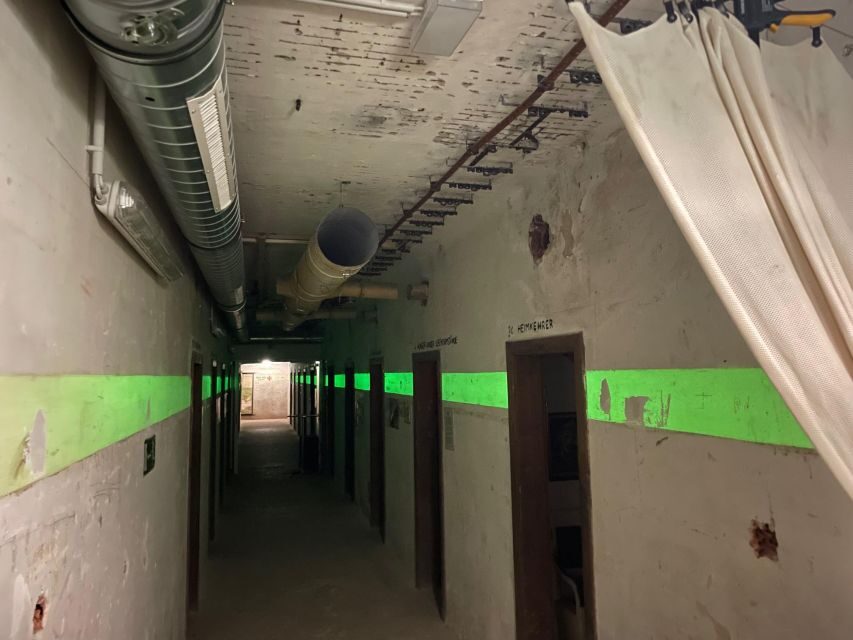
- A non-public, former WWII air-raid shelter you reach by going underground at a discreet location
- Skip-the-line entry using a separate entrance at the Museum of Liberation 1945–1955
- Candlelit setting that helps you picture what nights in the shelter may have felt like
- Artifacts and shelter architecture that turn broad WWII facts into something physical
- German-language live guide who explains what you’re seeing and connects it to events in Vienna
- A 90-minute format that’s long enough for real context, but short enough to stay focused
Vienna’s WWII shelter: what you’re really paying for
This tour isn’t about flashy special effects. It’s about going into a real air-raid shelter—well preserved—and letting the layout do the teaching. When you’re underground, you automatically start thinking in practical terms: where would you stand, how would you breathe, where would you store what you brought with you, and how long could you sit it out?
That’s the value here. You get a guided walk through an environment that’s hard to understand from a museum display alone. And you’re also getting the human side—what civilians did to seek safety during allied bombing raids, and how those experiences fit into Austria’s wartime and postwar reality.
You can also read our reviews of more tours and experiences in Vienna


Price and duration: is $35 good value?
At $35 per person for 90 minutes, this falls into the “serious content” category—not a quick photo stop. You’re not only paying for access to the underground space; you’re also paying for a live guide and the museum entry tied to the start of the experience.
Also, the tour has a clear structure: meet at the Museum of Liberation 1945–1955, then descend into the shelter and follow the guide’s path through the space. That’s important because underground tours can easily turn chaotic if the guide has a messy flow. When the explanation is tight, the whole 90 minutes clicks into place.
You should know one limitation upfront: food and drinks aren’t included. So plan to eat beforehand (or after). You’ll want your energy for the walking and the time spent listening.
Meeting point at the Museum of Liberation 1945–1955 (and how not to waste time)
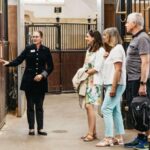
Your starting point is in front of the entrance to the Museum of liberation of Vienna 1945–1955. The tour also mentions a separate entrance for skipping the line, which is a big quality-of-life upgrade in a place that can get busy.
One practical tip: the shelter entrance area can be a little tricky to spot. I’d treat this like a small navigation test—arrive a few minutes early, give yourself time to confirm where the guide is meeting the group, and avoid showing up right on the minute. You’ll be happier once you’re underground, especially because you won’t want to scramble around in awkward foot traffic while everyone else is moving.
The guided descent: stepping into a non-public shelter
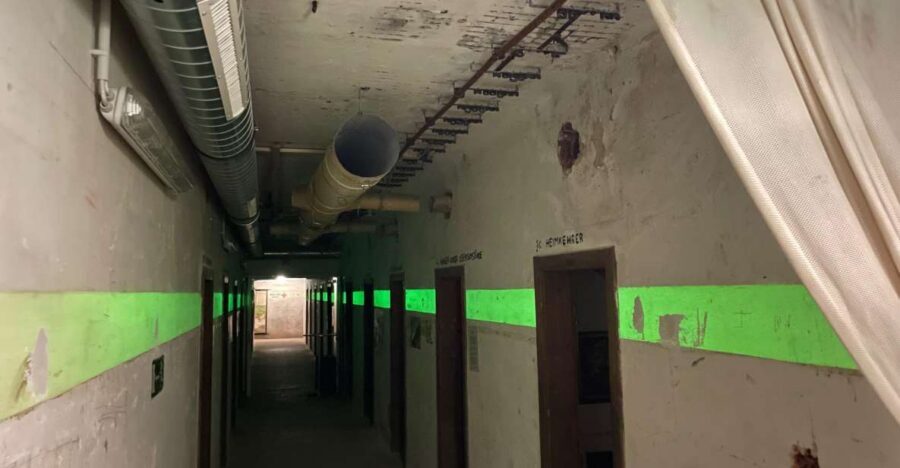
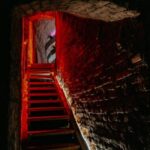
After you meet the guide, you’ll head down into a WWII air-raid shelter. A key detail is that this location isn’t generally public—so you’re not just repeating the most obvious tourist route. The experience is described as an undisclosed, clandestine spot from the Second World War, which helps explain why the tour feels more “real” than a generic bunker set.
As you go underground, look at the space in layers:
- Architecture first: where the walls channel you, how the room is shaped, and what parts feel intentionally designed for sheltering.
- Survival logic next: places that make sense for sitting, waiting, or keeping belongings.
- Context last: how the guide’s stories explain what civilians were dealing with during bombing raids and the bigger political situation around them.
Even if you’re not a history nerd, your brain naturally starts mapping the room for safety. That mental exercise is part of the point.
Inside the shelter: artifacts, layout, and that candlelit mood
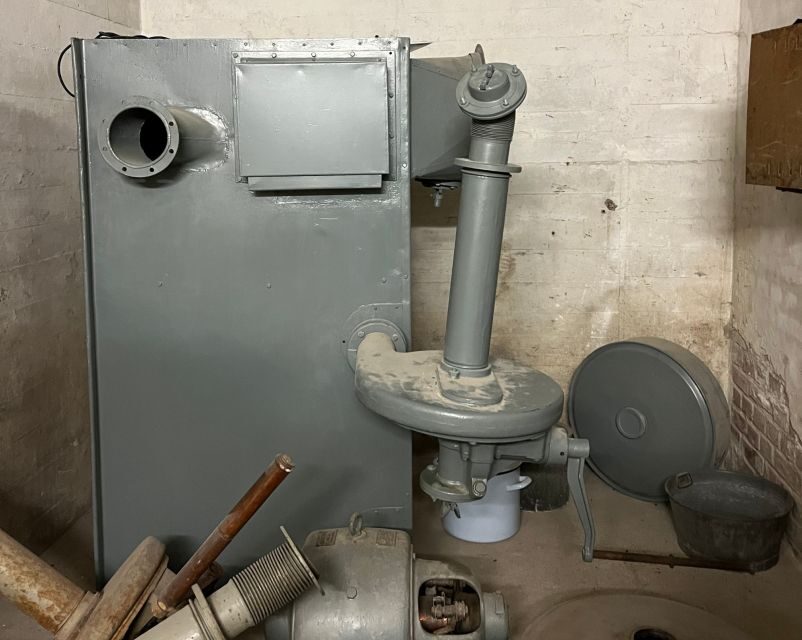
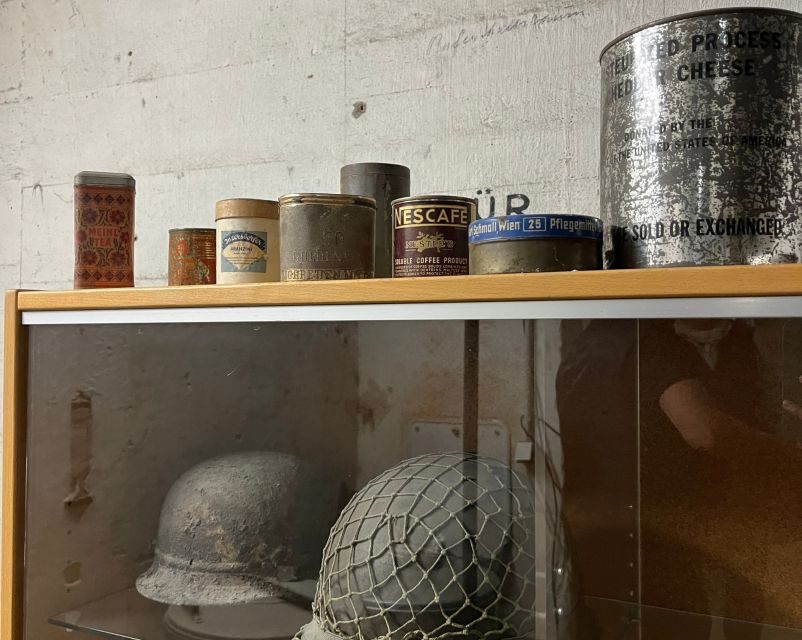
The core “wow” of this tour is seeing preserved objects and elements connected to shelter life. The highlights call out historical artifacts and well-preserved shelter details, and the reviews add something extra: an atmosphere created with candle lighting.
That candlelit touch matters more than it sounds. Bunkers are dark spaces, and lighting changes how you interpret everything. It affects your sense of time, your awareness of sound, and the way the room feels when you’re standing where people once waited for danger to pass.
What you can realistically do during the tour:
- Read the room, not just the signs. The guide’s job is to point out the architecture and explain why it mattered.
- Notice what’s preserved. Even small details help you imagine how people stored things, moved around, or coped with fear and uncertainty.
- Stay present. This is a listening experience. If you spend the whole time scanning for your phone, you’ll miss the narrative that gives the artifacts meaning.
There’s also an important rule: cameras aren’t allowed. That means the tour is about seeing with your eyes, not curating a feed. If you rely on photos to remember experiences, you’ll need a different strategy—like mentally noting key objects and sections as you go.
You can also read our reviews of more guided tours in Vienna



The guide’s stories: from bombing raids to politics and reconstruction
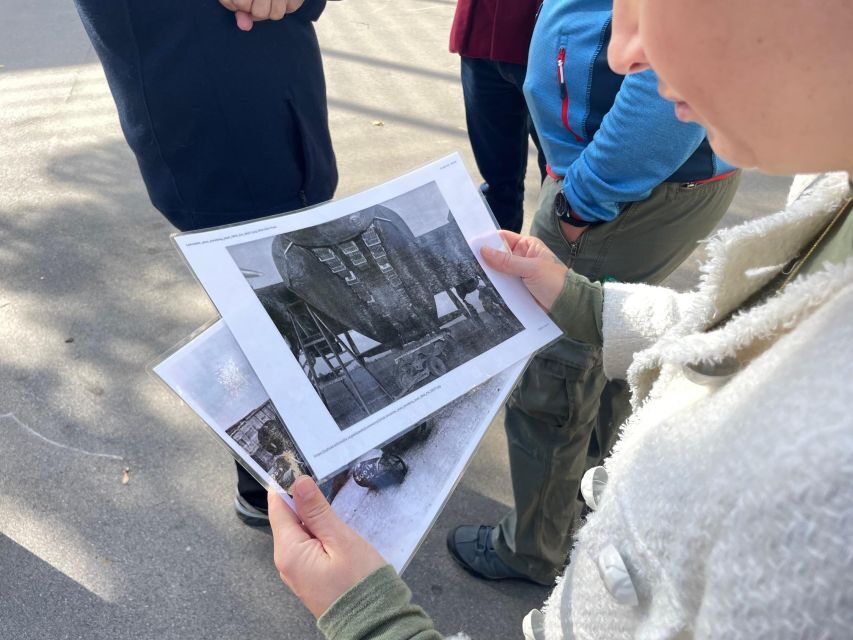
This tour is guided by a German-speaking live guide, and the most praised aspect is how the guide explains what you’re seeing. Some guides are especially good at keeping a clear storyline: pointing to a feature, then connecting it to what civilians experienced in Vienna.
You’ll hear authentic anecdotes and learn how the shelter fits into the broader picture, including:
- the effects of annexation
- the challenges of reconstruction
- how political and social events shaped daily life during WWII and afterward
This is where the tour becomes more than atmospheric. The shelter is the setting, but the guide provides the connective tissue between physical space and historical events. If you care about how governments and society affect ordinary lives, this is likely to feel meaningful.
One more practical note: a bunker tour lives or dies by pacing. The tour can be very well structured—or less so—depending on the guide’s explanation style. If you’re someone who needs a tight chronology to stay engaged, arrive with that mindset and be ready to focus on the guide’s references to what you’re seeing in the room.
What the 90 minutes feels like on the ground
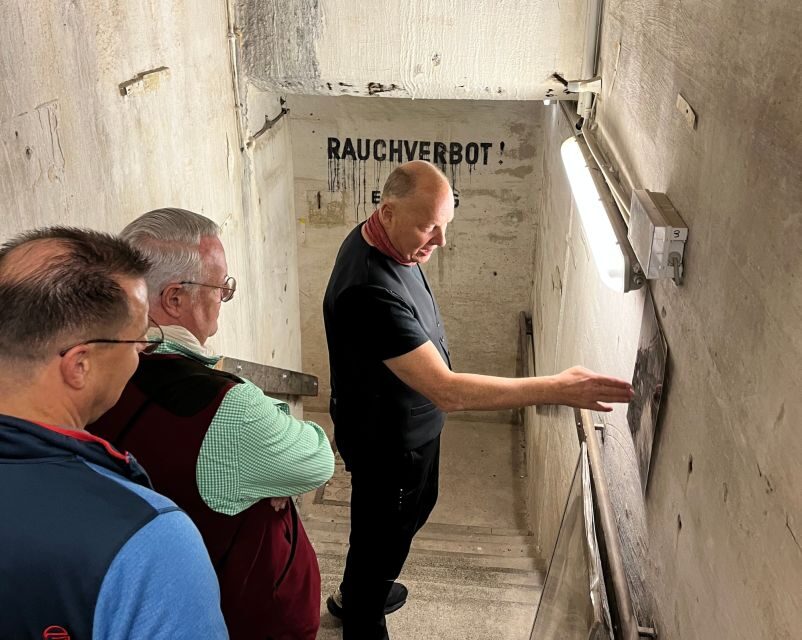
Ninety minutes sounds short until you’re underground. You’re walking, listening, and absorbing a space that isn’t designed for sightseeing. Expect it to feel more “intense” than an outdoor city walk because every part of the environment is visually limited—and the guide is trying to keep you oriented without overwhelming you.
A good pacing pattern for tours like this is:
- Orientation in the shelter space
- Guided observation of artifacts and key architectural features
- Storytelling that connects those features to daily life and the wider historical context
- Finishing moments that tie the experience back to Vienna’s wartime and postwar story
When the guide is strong, you leave with a clearer mental map of the shelter and a better sense of what civilians were facing. When the pacing is weaker, you might still enjoy the space but feel less anchored in the narrative.
Practical tips: shoes, no cameras, and rainy-day reality
Bring comfortable shoes. Seriously—this isn’t a tour for slippery soles or stiff, uncomfortable footwear. Underground paths can be uneven, and you’ll be on your feet while listening.
A few other rules you’ll want to remember:
- Cameras are not allowed.
- The tour runs rain or shine.
- It’s not barrier-free.
If you want the experience to feel smooth, come prepared for the physical side: wear shoes you can trust, keep your hands free, and plan your day so you’re not rushing right before the tour. And since you can’t take photos, you may want to use your phone only for things like checking the route to the meeting point.
Who should book this bunker tour in Vienna?
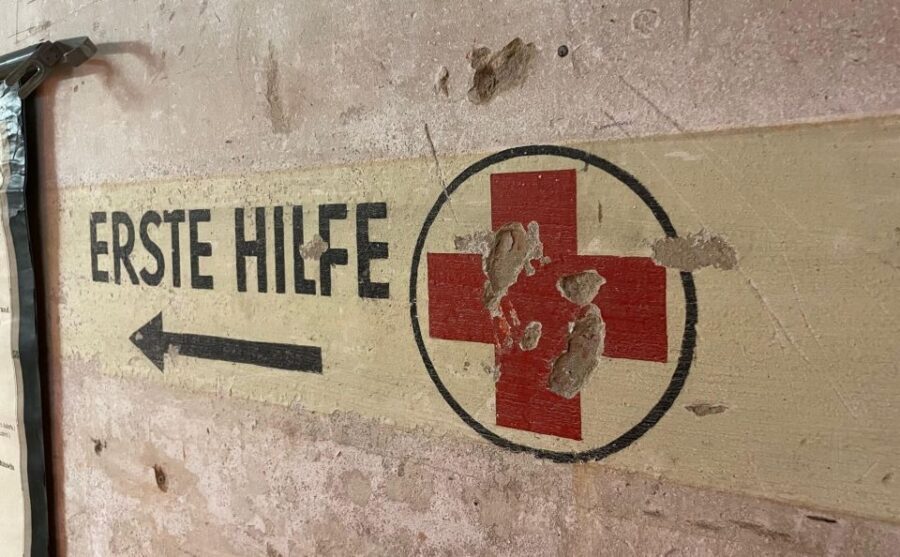
This tour fits best if you want a tangible, lived-in view of WWII in Austria. You’ll likely enjoy it if:
- you like museums, but want something more spatial than a display case
- you’re interested in how civilians handled bombing raids
- you care about how wartime events connect to postwar reconstruction and politics
- you enjoy guided storytelling and can follow explanations in German
It’s less ideal if you:
- need wheelchair access or barrier-free conditions (the tour is explicitly not barrier-free)
- have trouble moving on uneven underground footing
- are looking for a self-guided experience (it’s a guided tour with German narration)
It’s also not suitable for people over 95 years, so keep that in mind when planning.
Should you book the Vienna underground WWII bunker tour?
I’d book it if you want more than “general WWII facts.” This is a guided way to stand inside the kind of space civilians used for safety during allied bombing raids, and then understand how Vienna’s political and social situation shaped daily life before and after the war. The candlelit atmosphere and preserved artifacts help you feel the setting without turning it into a performance.
Don’t book it if you’re likely to struggle with underground movement or if you strongly prefer tours where you can film and photograph freely. Also, because it’s German-speaking, make sure you’re comfortable following a German guide—otherwise the story may not land the way you want.
If you match those priorities, this is a solid use of a morning or afternoon in Vienna: compact, focused, and genuinely different from the usual street-level sightseeing.
FAQ
How long is the guided bunker tour?
The duration is 90 minutes.
What does the tour cost?
The price is listed as $35 per person.
Where do I meet the guide?
Meet your guide in front of the entrance to the Museum of liberation of Vienna 1945–1955.
Is the tour in German or English?
The tour guide is German-speaking (German).
Are cameras allowed inside the shelter?
No, cameras are not allowed.
Does the tour run in bad weather?
Yes, it takes place rain or shine.
Is the tour barrier-free or wheelchair accessible?
No. The tour is not barrier-free and isn’t suitable for people with mobility impairments.
Is food or drinks included?
No. Food and drinks are not included.
Is there a cancellation option?
Yes. Free cancellation is available up to 24 hours in advance for a full refund.
Who is the tour not suitable for?
It isn’t suitable for people with mobility impairments and people over 95 years.