REVIEW · VIENNA
An Introduction to Vienna Walking Tour
Book on GetYourGuide →Operated by insightcities.com · Bookable on GetYourGuide
Three hours, and Vienna’s art story clicks. This walk links Vienna’s layered past to the reasons Berlin became Europe’s post-1989 art magnet, with expert, research-minded guides leading the way. I like how it’s not a random gallery checklist; it’s a guided explanation of the ideas, economics, and timing that shaped what you see on the street.
I also love that the tour trades big monuments for what’s happening right now: you’ll move from Mitte around Auguststraße to the “gallery mile” along Potsdamer Straße, where small spaces sit beside established names. If your idea of art travel is people, places, and context, you’ll get a lot from this route.
One drawback to plan for: it’s a walking tour with a subway transfer, so it’s not suitable for mobility impairments and it’s better when you’re comfortable on your feet.
In This Review
- Key points you’ll care about
- From Café Hawelka to Auguststraße: a smart start before you walk
- Kunst Werke and the Auguststraße vibe: contemporary art with context
- The subway hop to Potsdamer Straße: where Berlin’s 1989 story lands
- The gallery mile on Potsdamer Straße: your street-level art lesson
- Galleries you may see: Esther Schipper, Plan B, Klosterfelde and more
- The guide experience: experts who keep it human
- How long it takes, what you should wear, and how to stay comfortable
- Price and value: is $176 for 3 hours fair?
- Who should book this Vienna gallery walk
- Should you book this tour?
- FAQ
- How long is the Vienna walking tour?
- What does it cost?
- Where do I meet for the tour?
- Is the tour guided in English?
- What kind of guides lead this tour?
- What should I bring?
- Is video recording allowed?
- Is the tour suitable for people with mobility impairments?
- What will the tour focus on?
- Can I cancel or change plans?
Key points you’ll care about
- Start at Café Hawelka in a Vienna art hangout with a long cultural reputation
- Auguststraße to Potsdamer Straße connects two neighborhoods with a clear art-history storyline
- Berlin after 1989 explained in plain language, including the role of rents and open space
- You visit a concentrated gallery stretch with around 30 galleries and art project spaces nearby
- Big names and small courtyards both count, from Esther Schipper to Plan B and Klosterfelde
From Café Hawelka to Auguststraße: a smart start before you walk
You meet at Café Hawelka (Dorotheergasse 6, 1010 Wien), a historic family cafe that’s been welcoming Vienna’s artistic community since 1945. That matters because the tour isn’t just about buildings and dates. It starts in a place that feels lived-in by culture, so the whole day has a human scale.
From there, the walk begins in Mitte, on or around Auguststraße, where contemporary art institutions and smaller venues share the same streets. You’ll get an overview of how Vienna’s history connects to later artistic shifts across Europe, instead of treating art like it exists in a vacuum.
This is also where the guides set expectations. They’re not only presenting facts; they’re teaching you how to look. In the best moments, you’ll notice what makes each neighborhood tick: the small-scale spaces, the way galleries tuck into courtyards, and the contrast between major institutions and experimental initiatives.
You can also read our reviews of more walking tours in Vienna

Kunst Werke and the Auguststraße vibe: contemporary art with context
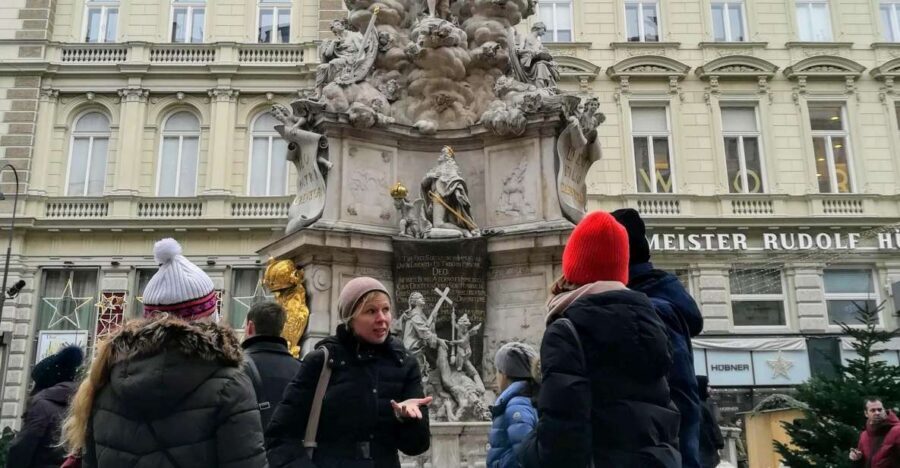
Early on, you’ll pass major contemporary stops in Mitte, including Kunst Werke, a contemporary art institution founded in the early 1990s. I like this kind of starting point because it anchors the tour in the present while still explaining how the past shaped the conditions for today’s art scene.
The guide approach is clear from the start: you’re in the hands of someone with serious credentials. All guides are described as professors, doctoral students, historians, journalists, art critics, or published authors, and that shows in how they pace the story. Instead of dumping terms, they explain what’s happening and why it matters.
Depending on what’s showing, you’ll also visit intimate galleries. That’s important. Big-name museums can teach art history; galleries can teach art momentum—how artists and curators respond to the moment they’re working in. You’ll get a sense of how exhibitions, artists, and spaces fit together like a working system.
A small practical note: wear shoes you trust. The tour is designed for moving efficiently on foot, and that makes the neighborhood feel more legible as you go.
The subway hop to Potsdamer Straße: where Berlin’s 1989 story lands
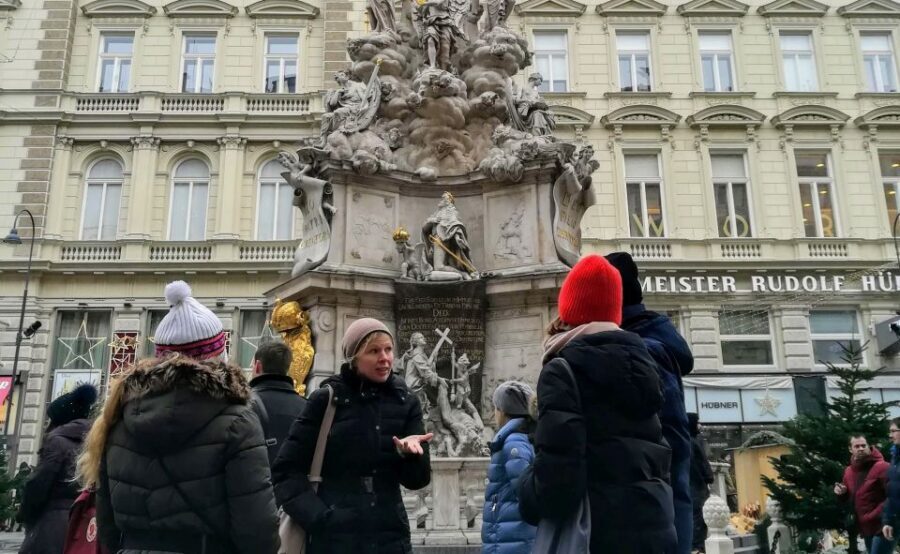
After the early section in Mitte, you take the subway to Potsdamer Straße. That transfer isn’t just convenience; it reinforces the tour’s core idea: after the fall of the Berlin Wall in 1989, Berlin became a magnet for artists, galleries, and ambitious projects—and those forces ripple outward into how you understand the broader art map of the region.
Your guide explains why Berlin took off. The tour points to a mix of practical and cultural factors, including more affordable rents, a kind of semi-liberal atmosphere, and open spaces that allowed experimentation. I appreciate how this isn’t framed as one single cause. It’s framed as conditions stacking up at the right time.
And once you reach Potsdamer Straße, the explanation turns into something you can see. The “gallery mile” here is real in the way density creates energy: you’re walking through a stretch where roughly 30 galleries and art project spaces are scattered through an area that still feels a bit unpolished. That combination—nearby galleries plus an everyday street feel—is exactly why this kind of guided walk works better than a museum-only day.
The gallery mile on Potsdamer Straße: your street-level art lesson
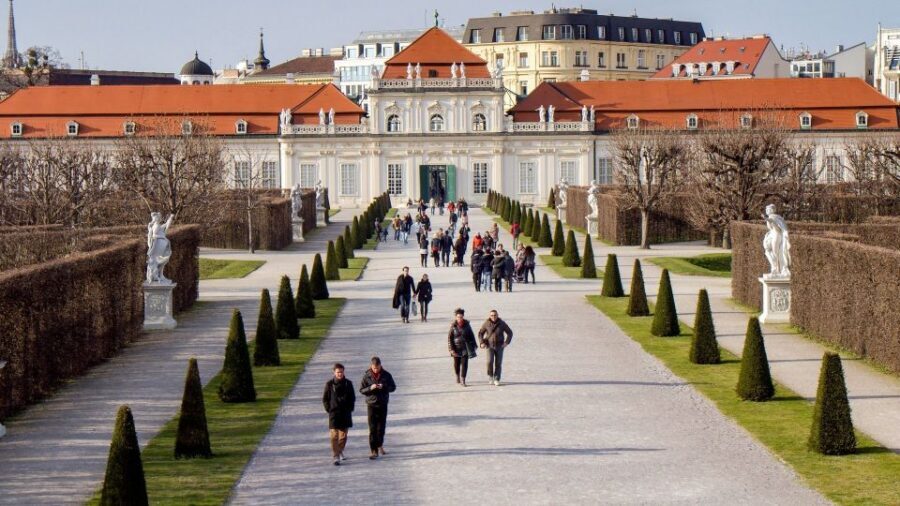
This is the heart of the experience: the tour focuses on a concentrated stretch along Potsdamer Straße that has picked up serious momentum in the last five years, as many gallerists moved south from Mitte near the Neue Nationalgalerie. When you walk it with a guide, you start noticing a pattern: spaces aren’t only there to sell art; they’re there to take risks, test ideas, and build audiences.
As you move along, you’ll hear how the gallery scene formed and why it keeps expanding. That explanation is what makes the stroll feel more than sightseeing. You’re not just passing storefronts. You’re learning what those storefronts represent in the art world’s real-life economy.
One practical benefit: the guide keeps your pacing tied to the story. You’ll spend time at stops that fit the theme—how galleries relate to the neighborhood, how artists get visibility, and why certain spaces flourish even when they don’t look like traditional culture buildings from the street.
I also like that the tour includes a range of venue types. You might see well-known galleries, but you’ll also hear about smaller private initiatives tucked into basements, obscure courtyards, or less obvious corners. That’s where you get the sense of a living scene rather than a curated shopping strip.
Galleries you may see: Esther Schipper, Plan B, Klosterfelde and more
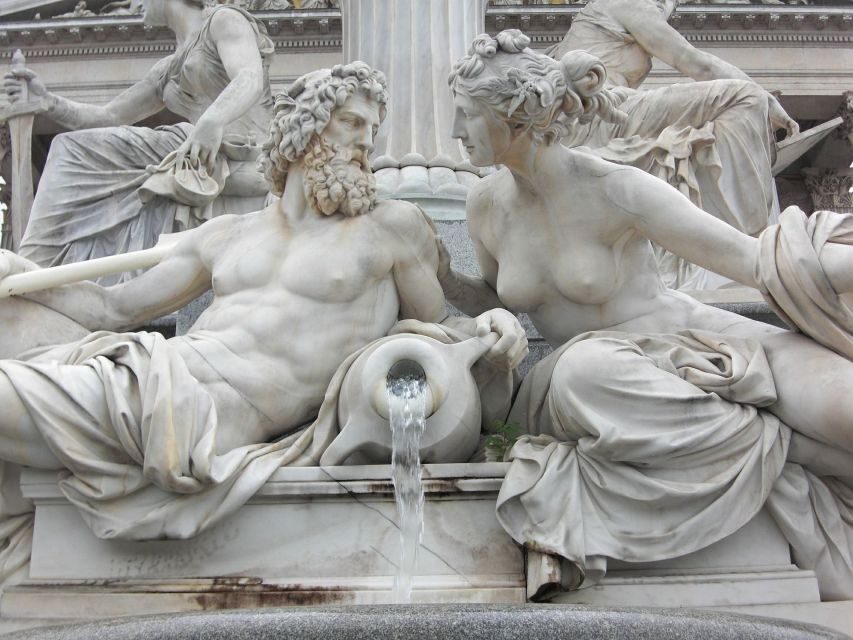
The tour highlights notable galleries along the Potsdamer Straße stretch, including names like Esther Schipper, Plan B, Klosterfelde, and others. You may also encounter additional stops such as Isabella Bortolozzi, Gitti Nourbakhsch, Guido Baudach, Arndt, and Tanya Leighton. The exact mix depends on what’s current in the spaces at the time you go.
I like that your guide doesn’t treat these names as trophies. Instead, you’ll hear what makes each space relevant to the bigger story: how gallery identities connect to artists’ careers, how different rooms support different kinds of projects, and why a neighborhood can become a magnet when enough players agree—quietly or not—that the place is worth building in.
The standout skill here is synthesis. A guide is doing the job that’s hard to do alone: connecting economics and politics to actual streets and actual rooms where art is shown. For example, guides explain the chain of events after 1989 in ways that make sense when you’re standing in front of a gallery door.
If you’re hoping for art-world insider talk, this is where you’ll feel it most. One review notes guides like Katarina, Elsa, and Katerina were engaging, with guides able to bring politics, art, history, economics, and social details into the conversation without turning it into a lecture.



The guide experience: experts who keep it human
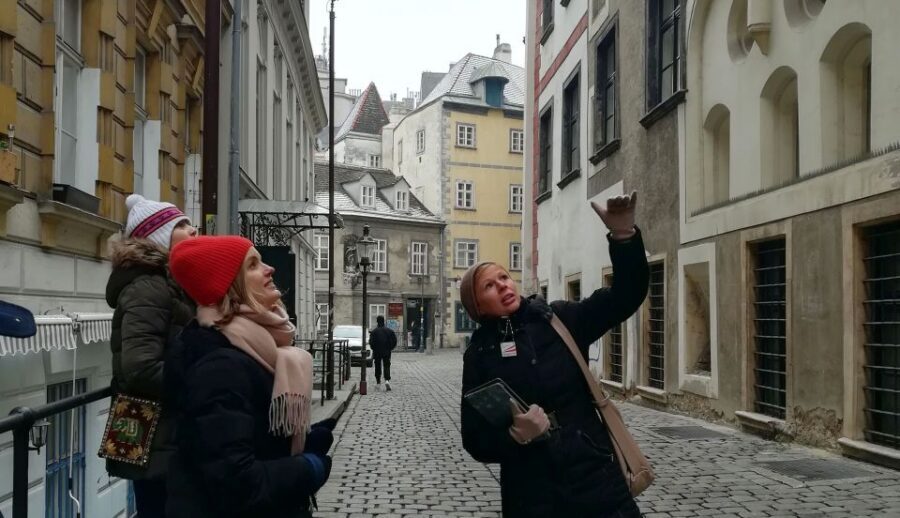
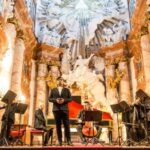
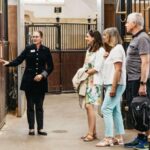
You’ll be with a live English-speaking guide, and the credentials are unusually clear: professors, doctoral students, historians, journalists, art critics, or published authors. That matters because you’re buying more than a route. You’re buying interpretation.
In the reviews, guides such as Katarina and Elsa are praised for making the time fly and for staying interesting throughout the full three hours. People also mention that the guide answers questions well and keeps the conversation flowing, which is a big deal on an art tour where you’ll want to connect what you see to what you’re learning.
One person even describes a private-tour variation that included a stop with city views at the dragonfly terrace. I can’t promise every group will get that exact extra moment, but it does show the tour can flex when the guide sees an opportunity to add atmosphere and viewpoint.
How long it takes, what you should wear, and how to stay comfortable
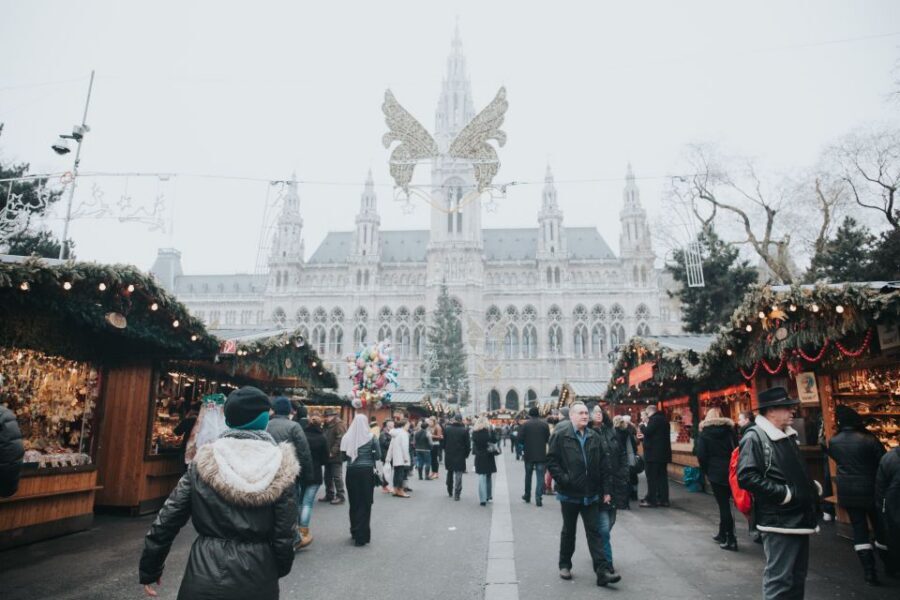
The tour runs 3 hours. It’s built as a walking experience with a subway transfer, so plan for steady walking and short stops. Comfortable shoes are the main requirement, and I agree with that. Even when you’re not walking long distances, you’ll cover enough ground that stiff shoes start to feel like a tax.
Also remember you’re moving through active neighborhoods and gallery spaces. You’ll get more out of the day if you travel light and keep your attention on the street-level details the guide points out.
One rule to note: video recording is not allowed. If you like snapping photos for later, just be sure you’re following the on-the-spot instructions from the guide once you’re in the galleries.
Price and value: is $176 for 3 hours fair?
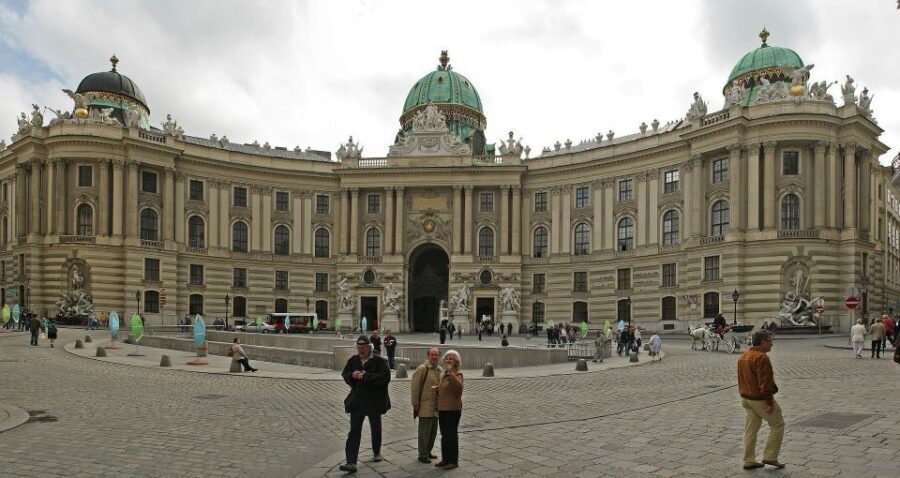
At $176 per person for a three-hour guided walk, this is not a “cheap and cheerful” activity. The question isn’t whether it’s expensive on paper. The question is what you’re buying.
Here’s what makes the price feel more reasonable for many people:
- You’re getting an expert guide with deep context, not just directions.
- The tour covers an entire art geography on foot—Mitte to Potsdamer Straße—so you’re not piecing together multiple separate visits.
- You get explanation for what you’re seeing, especially the why behind Berlin’s post-1989 rise as an art magnet.
There is a real consideration, though. One review includes disappointment about value for the cost, suggesting some expectations weren’t met. That often comes down to a simple mismatch: if you want lots of time sitting in big spaces or a museum-style deep dive, you may feel the pacing is too “walk and talk.”
For me, the value lands best if you like context and you want an efficient first pass through how the gallery scene works, where you can then go back on your own for the places you liked most.
Who should book this Vienna gallery walk
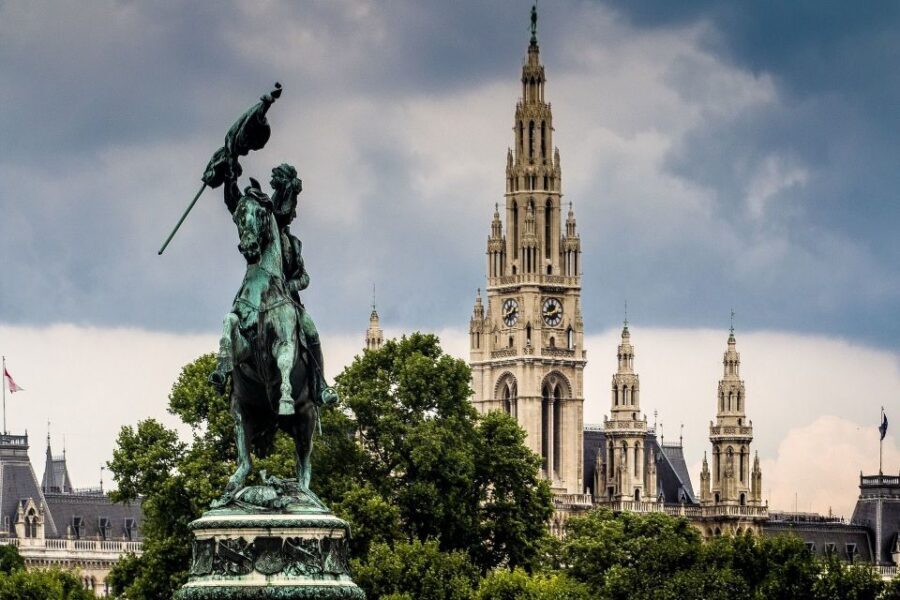
This tour is a great match if you:
- Want a clear story about how Berlin’s 1989 shift helped shape the wider European art world
- Like contemporary art and also enjoy the politics and economics behind it
- Enjoy walking as a way to learn, not just to get from point A to point B
- Want a first-orientation day that helps you choose where to spend time afterward
It’s less suitable if you have mobility limits, since the experience is not built for wheelchairs or similar needs.
If you’re new to Vienna, it also works well as an early-day activity because it gives you a framework. After that, you’ll recognize patterns when you see galleries on your own.
Should you book this tour?
Yes—if your ideal city day mixes art + context and you’re happy with a walking-and-transit format. The combination of a strong guide, the Auguststraße start, and the Potsdamer Straße “gallery mile” makes this one of the more useful ways to understand the contemporary scene in Vienna’s orbit.
Skip it (or adjust expectations) if you’re looking for long indoor museum time, or if you need an accessibility-friendly route. Also be ready for galleries to vary day to day based on current shows, meaning your exact mix of venues may not look identical to someone else’s.
If you want to get oriented fast—while learning why the streets look the way they do—this is a solid bet.
FAQ
How long is the Vienna walking tour?
The tour lasts 3 hours.
What does it cost?
The price is $176 per person.
Where do I meet for the tour?
Meet at Café Hawelka, Dorotheergasse 6, 1010 Wien.
Is the tour guided in English?
Yes, the live tour guide speaks English.
What kind of guides lead this tour?
All guides are professors, doctoral students, historians, journalists, art critics, or published authors.
What should I bring?
Bring comfortable shoes for walking.
Is video recording allowed?
No, video recording is not allowed.
Is the tour suitable for people with mobility impairments?
No, it’s not suitable for people with mobility impairments.
What will the tour focus on?
You’ll explore the reasons Berlin became an artistic magnet after the fall of the Berlin Wall in 1989 and discover the gallery mile along Potsdamer Straße, including well-known galleries.
Can I cancel or change plans?
Free cancellation is available up to 24 hours in advance for a full refund. You can also reserve now and pay later.