REVIEW · VIENNA
Vienna’s Highlights in two hours (two options)
Book on GetYourGuide →Operated by Guide from Vienna - RAXI Tours · Bookable on GetYourGuide
A few streets in Vienna carry stories you won’t find on the main postcard route. This 2-hour private walk through the Greek Quarter mixes 13th-century roots with 19th-century Art Nouveau, plus legends like Augustin and the basilisk. I like that the route stays easy on your feet, and I really like how the guide ties each corner to why the place mattered. One thing to consider: you’ll want comfortable shoes and patience for a rain-or-shine street stroll, since this is not an underground tour.
You get a silent guide setup with headsets, so you can focus on the buildings and hear the story clearly without shouting over traffic. The walk is designed as a historical “storyboard” around Fleischmarkt, Griechengasse, Schönlaterngasse, and Lugeck—areas that feel intimate and a bit mysterious, even though they sit in the historic center. If you come for major museum-style rooms, this format may feel lighter; if you come for atmosphere, street-level history, and legends that connect to real architecture, you’ll get your money’s worth.
In This Review
- Key highlights I’d prioritize
- Why Vienna’s Greek Quarter is the real plot twist
- Meeting at Stubentor: simple start, clear expectations
- Headsets and a private format: why it feels less chaotic
- Stop by stop: what you’ll actually see and why it matters
- Fleischmarkt: Art Nouveau facades with a printing-house backstory
- Griechengasse: the Danube border era you can feel in the streets
- Schönlaterngasse and Lugeck: legends meet official history
- The oldest residential tower: where the Middle Ages stayed close
- The big value: you’ll learn how to read the streets
- Price and value: what $24 buys you in 2 hours
- Who this tour suits best (and who should skip it)
- Should you book this 2-hour Vienna walk?
- FAQ
- How long is the tour?
- Is this tour private?
- Do I need to speak loud to hear the guide?
- What languages are available?
- Where do we meet, and where does it end?
- Is pickup included?
- Is this an underground tour?
- Will the tour run in bad weather?
- What should I wear or prepare for?
- Can I record the guide’s explanations?
- Is the tour wheelchair-friendly?
Key highlights I’d prioritize
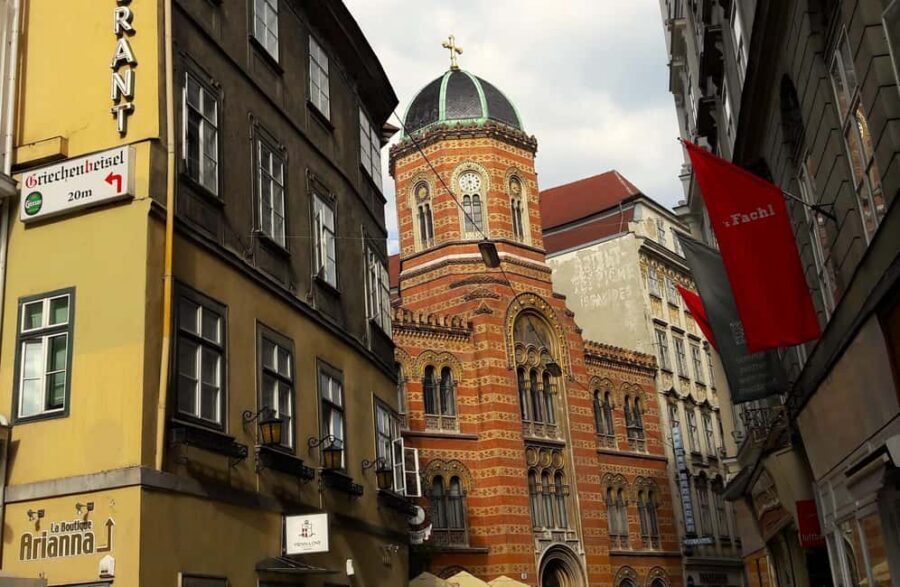
- Greek Quarter legends: Augustin’s hope during the plague and the saga of the basilisk
- Old Art Nouveau you can spot fast at Fleischmarkt, with context you can reuse later
- Street-scale history from the Danube border era in Griechengasse
- Printing press stories near Lugeck, linked to the early Habsburg monarchy
- The oldest residential tower in Vienna, right in the middle of the route
Why Vienna’s Greek Quarter is the real plot twist
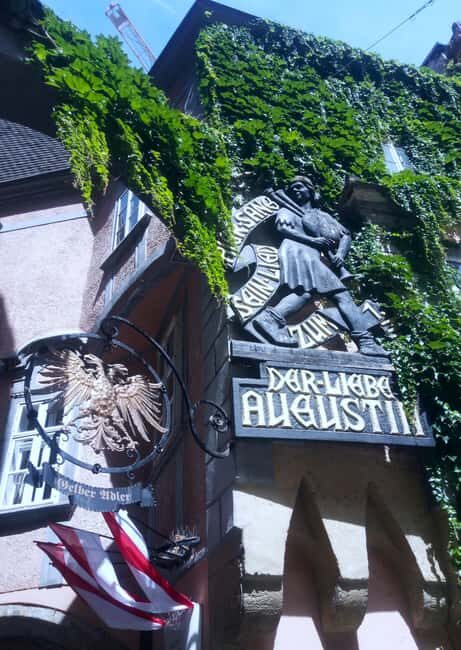
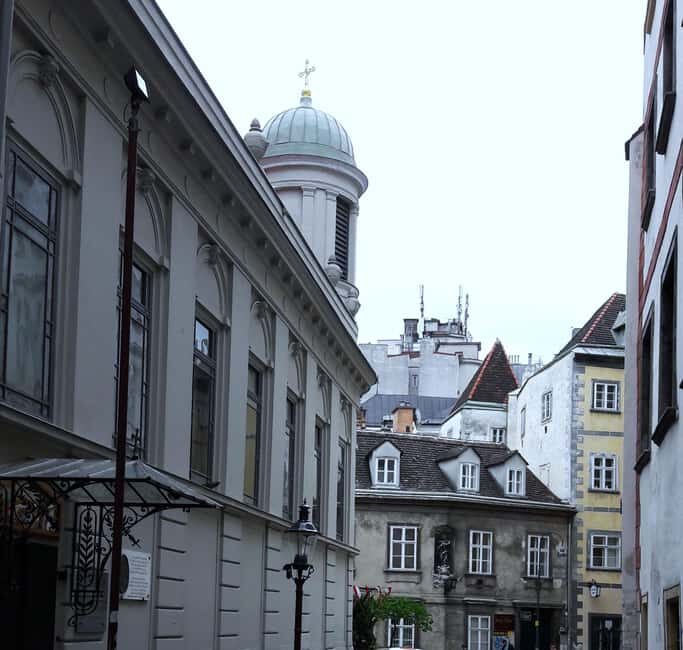
The Greek Quarter isn’t famous the way the big cathedral areas are. That’s exactly why I like it. You’re walking through a part of the first district where Greek life, printing, and medieval science show up in everyday architecture and legends.
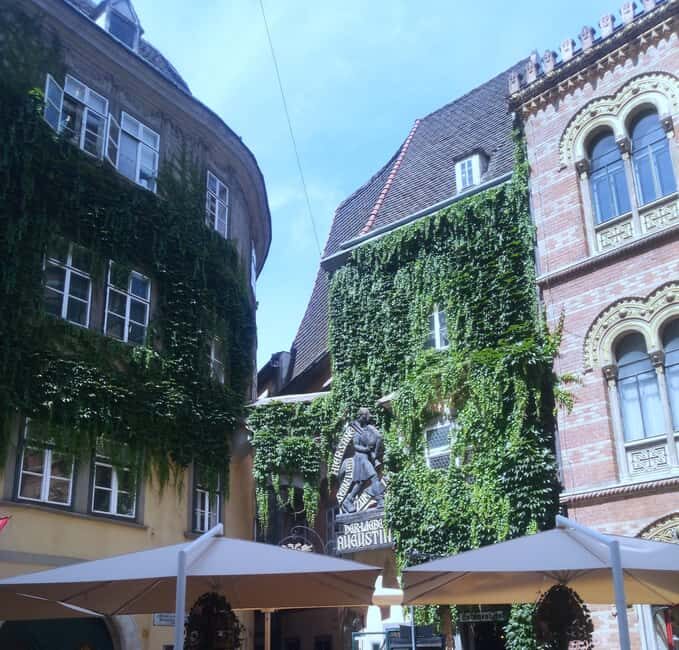
The story starts with hope. Augustin is tied to this neighborhood as a figure who brought hope to survive the plague, and the area also connects to the road toward Greek independence. It’s the kind of history that doesn’t live in a single monument—you have to see how the pieces fit across streets.
Then there’s the “brains and crafts” layer. This neighborhood is linked to very early book printing in Vienna. You also hear about legends tied to alchemists and scientists from the Middle Ages—exactly the sort of material that makes a guided walk feel like a live story instead of a history lecture.
And Vienna’s music shows up too. The area is described as a place where well-known musicians made music, supported by patrons who lived nearby and donated significant money. So you get more than architecture: you get social context for who lived here and what they funded.
You can also read our reviews of more tours and experiences in Vienna


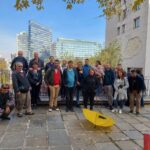
Meeting at Stubentor: simple start, clear expectations
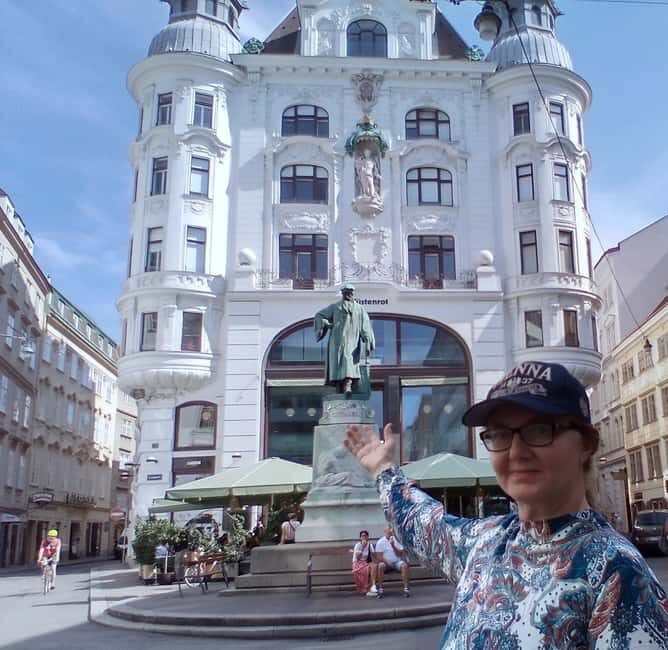
Your tour starts around the Dr. Karl Lueger monument near the subway station Stubentor. That’s helpful because it places you where you can orient quickly, even if you’re arriving from other parts of Vienna.
Pickup is optional, and it’s done with public transport (no car or bus). If you want pickup, you’ll meet in the lobby of your hotel or at an agreed public transport station. The important practical bit: you’re not dealing with a long transfer day; you’re stepping into the neighborhood and walking the story.
The tour is also built to be low-stress. The route is easy and you won’t do long, strenuous walking. It’s rain or shine, which means bring something light for wet weather. And because it’s not an underground tour, you don’t have to worry about stairs or enclosed spaces.
Headsets and a private format: why it feels less chaotic
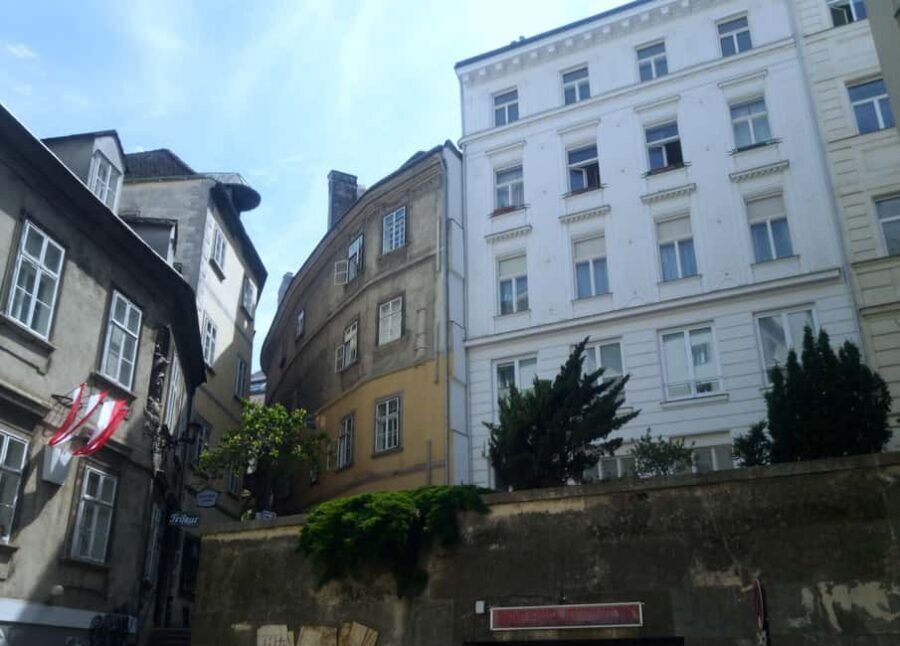
This is a private tour, and it uses silent guidance with headsets. The point isn’t just audio clarity (though that’s a big plus). It also changes your whole experience: you can hear the guide clearly while your eyes stay on facades, corners, and details.
One practical benefit: if you have questions, you’re more likely to get a direct answer instead of waiting for a group to catch up. That matters on a legend-heavy route, where it’s easy to get curious about how a story connects to a specific building or street.
Also, you’ll want to follow the rules about recording. Any recording of the guide’s explanations is strictly prohibited due to copyright. Phones are fine for photos of the scenery, but keep the audio/video off during the talk.
Stop by stop: what you’ll actually see and why it matters
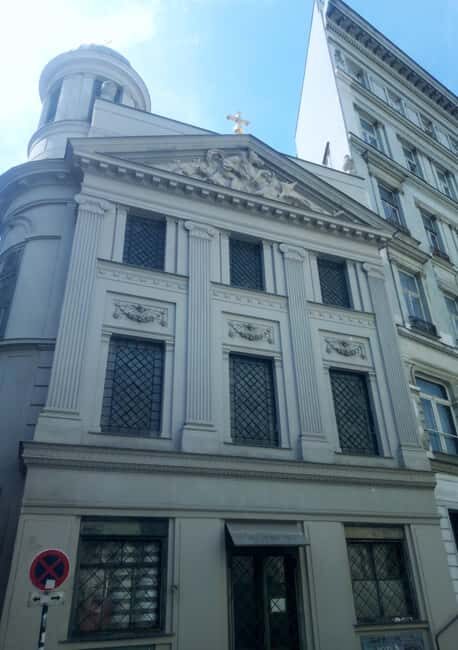
Even though the walking segments are short, each named street adds a different piece to the puzzle. Here’s how the route comes together.
Fleischmarkt: Art Nouveau facades with a printing-house backstory
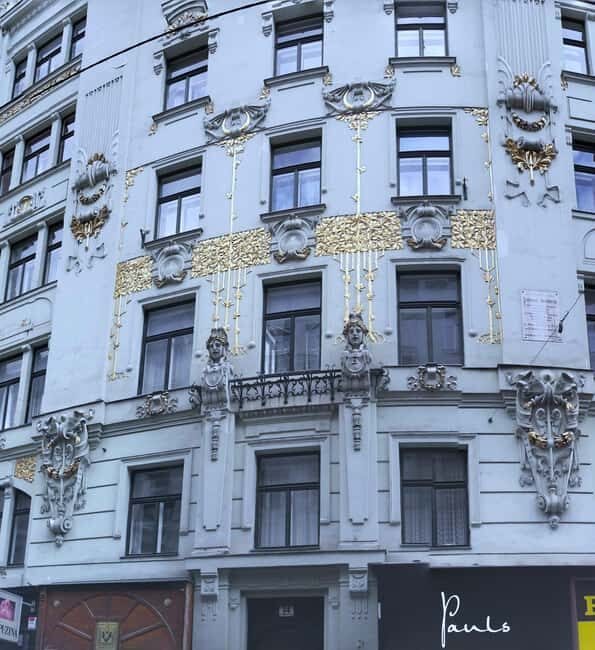
At Fleischmarkt, you’ll admire Art Nouveau buildings that are mostly unknown to tourists. That doesn’t just mean the buildings are pretty—it means you’ll learn what to look for. The guide connects these facades to the neighborhood’s early printing life and to the legends that grew around people who read, wrote, copied, and traded knowledge.
If you’ve ever walked past an ornate facade and wondered what it’s actually saying, this part helps. You’ll learn to spot the “why,” not just the “wow.”



Griechengasse: the Danube border era you can feel in the streets
Next up is Griechengasse, where the story shifts. The street is described as amazing because of its history as a border area on the Danube. That border history matters because it explains the mix of cultures and the movement of people and ideas.
When a neighborhood is a border zone, you get trade, paperwork, disputes, and alliances. That’s the backdrop for why printing and intellectual life could take root here, and why later legends would have something real to stick to.
If you like history that explains behavior—why people ended up where they did—this is the section that delivers.
Schönlaterngasse and Lugeck: legends meet official history
Schönlaterngasse is where legends get a stronger voice. Then Lugeck brings a more factual anchor: it connects the history of Vienna’s printing press with historical facts from the beginning of the Habsburg monarchy.
In other words, it’s not just myth floating around old stones. The route keeps crossing between legend and documented historical turning points, so the stories feel grounded. And Lugeck is also tied to exciting legends—so you get the best of both: the imagination, plus the timeline.
If your brain likes to organize information, you’ll probably enjoy how Lugeck acts like the route’s “plot hinge.”
The oldest residential tower: where the Middle Ages stayed close
One of the major architectural anchors of the walk is the oldest residential tower in Vienna, located in this area. Even if you’ve seen other historic towers around the city, this one changes the scale of the story. It’s not just a defensive structure or a grand monument; it’s residential, meaning ordinary life would have been happening nearby for generations.
Tie that into the legends—Augustin’s hope, plague survival, alchemists and medieval science—and the neighborhood starts to feel less like a theme and more like an actual timeline you can walk through.
The big value: you’ll learn how to read the streets
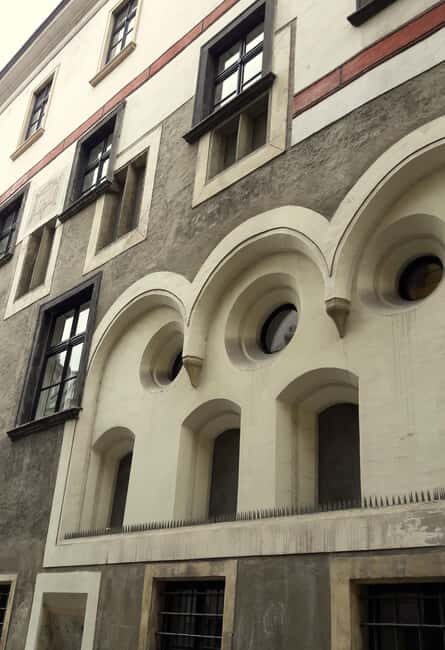
I like that this tour doesn’t stop at “look at that building.” It trains you to notice patterns you can carry with you after the 2 hours are over.
You’ll learn:
- which facades in the Fleischmarkt area matter and why
- how the streets relate to early printing in Vienna
- how Danube-border history connects to why Greek life had a foothold here
- how legends like Augustin and the basilisk are tied to real places in the route
- how the Habsburg-era printing story shows up near Lugeck
And here’s a practical bonus from the experience: at the end, the guide provides a map of the historic center of Vienna with illustrations of key buildings. That’s useful because it turns the walk into a repeatable “self-guided” tool for the rest of your Vienna days—especially if you plan to wander afterward.
Price and value: what $24 buys you in 2 hours
At $24 per person for a 2-hour private walk, the value is all about focus. You’re paying for a tight radius in the first district with a guide who explains why places matter—Greek quarter legends, printing press connections, and architecture you’re unlikely to find explained elsewhere in such a short time.
For some travelers, that might be less about quantity and more about quality of context. If you’ve already seen the major headline sites and want something that feels different, $24 is a reasonable ticket for that kind of street-level storytelling.
The one trade-off: since the route is built around legends and lesser-known architecture, it won’t feel like a “greatest hits” tour. If you mainly want landmark panoramas and big monument photo stops, you may want a different kind of outing.
Who this tour suits best (and who should skip it)
Best fit if you:
- love architecture with explanations (not just photos)
- enjoy legends tied to specific locations
- want a short, low-effort way to understand a neighborhood that many people miss
- like hearing how printing, politics, and culture connected in real streets
Skip or consider something else if you:
- need wheelchair-accessible routes (this one is not suitable for wheelchair users)
- prefer deep indoor museum time rather than an outdoor street walk
- expect an underground experience (this is not underground)
Should you book this 2-hour Vienna walk?
If you want Vienna that feels personal and slightly mysterious—Greek-quarter legends, Art Nouveau you can point to, and printing-history stories tied to the Habsburg era—this is a smart booking. The private setup, headset audio, and easy pacing make it practical even when you’re tired from other sightseeing.
My advice: book it if your schedule can spare 2 hours in the historic center and you’re curious about the side of Vienna that connects folklore, books, and buildings. Skip it only if you’re aiming strictly for the most famous monuments.
FAQ
How long is the tour?
The tour lasts 2 hours.
Is this tour private?
Yes. This is your private tour.
Do I need to speak loud to hear the guide?
No. The tour uses a silent guide setup with headsets so you can hear clearly.
What languages are available?
The live guide is available in Italian, German, and English.
Where do we meet, and where does it end?
You meet around the Dr. Karl Lueger monument near the subway station Stubentor. It ends back at the meeting point area, and the itinerary lists drop-off locations at Lugeck 6 and Parlament Österreich.
Is pickup included?
Pickup is optional. The tour uses public transport, and pickup can be arranged to meet you in the hotel lobby or at an agreed public transport station.
Is this an underground tour?
No. It is not an underground tour.
Will the tour run in bad weather?
Yes. It takes place rain or shine.
What should I wear or prepare for?
Wear comfortable shoes for a short street walk. It’s described as easy and not strenuous, but it’s still outdoors.
Can I record the guide’s explanations?
No. Any recording of the guide’s explanations is strictly prohibited.
Is the tour wheelchair-friendly?
No. It is not suitable for wheelchair users.