REVIEW · VIENNA
Vienna: Johann Strauss – Immersive Audiovisual Experience Ticket
Book on GetYourGuide →Operated by Johann Strauss - New Dimensions · Bookable on GetYourGuide
Vienna’s waltz history feels like a game. At Johann Strauss Museum – New Dimensions, you get a guided, hands-on multimedia story with location-based 3D sound and interactive rooms that keep your attention. I especially like the chance to make your own waltz on the composing machine, but there’s one key drawback: everything is delivered through headphones, and the experience is not suitable for people with motion sickness.
This is a good match for short-attention spans, too. The full visit runs about 75 minutes, and the format is built around moving through different audio- and animation-led stations instead of passively staring at glass cases. You’ll also have a friendly human at the entrance to help you get set up in German or English.
Before you go, just plan around ticket timing. Your selected day and time matters for timeslot tickets, and you’ll want to arrive with enough buffer to get your headphones working smoothly before your session starts.
In This Review
- Key highlights worth knowing before you buy
- What this Johann Strauss Museum experience is really like
- Price and value for $28 for 75 minutes
- Arrival: getting set up at Johann Strauss Museum – New Dimensions
- The headphones and the real magic: location-based 3D sound
- Walking through the interactive Strauss exhibitions
- The composing machine: make a waltz you can take home
- Photo booth as Johann Strauss and the souvenir shop
- Timing, pacing, and how to make your 75 minutes count
- Who should book this (and who should skip it)
- Tips for a smooth, low-stress visit
- Should you book the Johann Strauss – New Dimensions ticket?
- FAQ
- How long is the Johann Strauss – New Dimensions experience?
- What time should I arrive?
- Where does the experience start and end?
- What is included with the ticket?
- What languages are available for the audio guide?
- What do I do at the composing machine?
- Is there a photo booth?
- Is the museum wheelchair accessible?
- Is it suitable for people with motion sickness?
- What are the opening hours?
Key highlights worth knowing before you buy
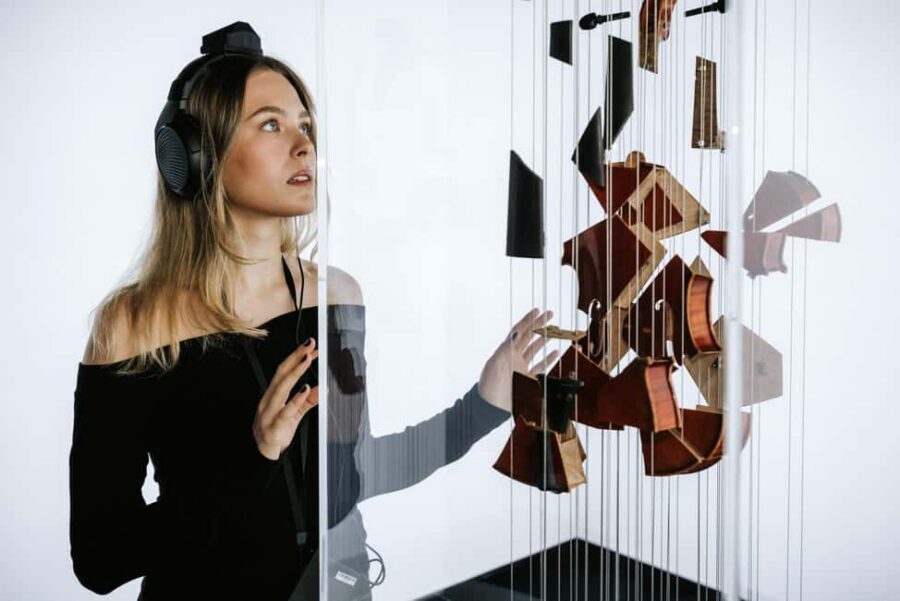
- Location-based 3D sound: the audio guide uses real-time tracking so sound changes as you move
- Interactive Strauss story: multimedia stations with animations and hands-on elements about his life and music
- Compose your own waltz: the composing machine creates a personalized sheet of music you can take home
- Photo booth as Johann Strauss: get your picture taken and printed on the spot for souvenirs
- A headphones-forward experience: it’s effective, but bring patience if you don’t like wearing large headsets
What this Johann Strauss Museum experience is really like
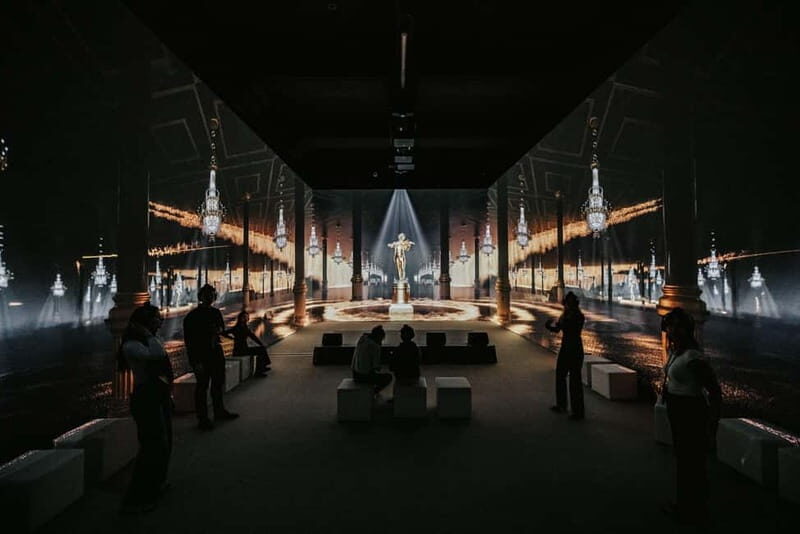
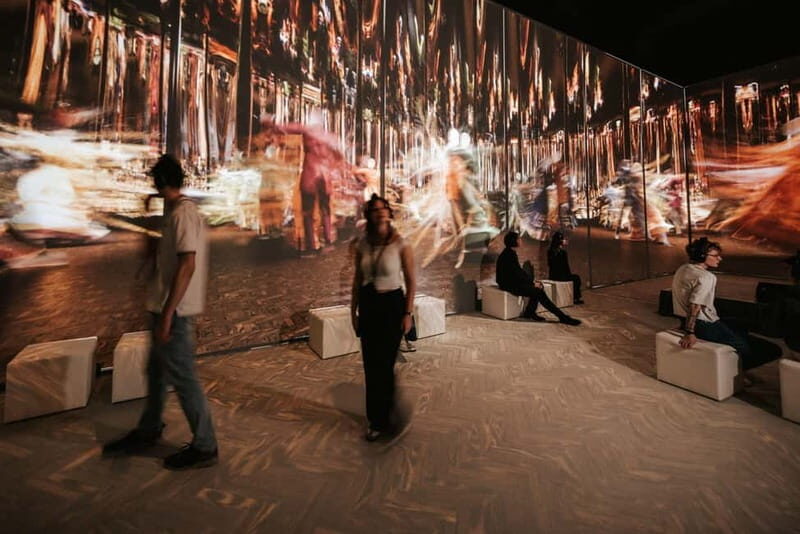
This isn’t a quiet, sit-and-read museum visit. It’s closer to a guided, music-shaped walk through Johann Strauss’s world. You follow a timed path through interactive exhibitions, audiovisual scenarios, and multimedia stations, all supported by an audio guide system you wear as headphones.
The big idea is simple: music and stories land better when you can move, react, and play along. That’s why the museum leans into both technology and physical interaction. If you’ve ever bounced off traditional museums because you lose the thread, you’ll probably appreciate the constant “next thing” energy here.
The museum also markets Strauss as the first pop star in history, and it treats the waltz king theme like a star-making narrative. The focus stays on his life and music, not random facts. You’ll feel like you’re learning about a performer, not just studying a composer.
And yes, there’s a “do something” element. Composing your own waltz and taking home the printed sheet music is the kind of memory-maker that turns a one-time ticket into a keepsake.
You can also read our reviews of more tours and experiences in Vienna

Price and value for $28 for 75 minutes
At about $28 per person for roughly 75 minutes, this is priced like a modern ticketed attraction rather than a low-cost museum stop. The value is in what’s included:
- Admission to the Johann Strauss Museum – New Dimensions
- Headphones as your audio guide
- Use of the unique composing machine
- Access to the souvenir shop with the photo booth
So you’re not only paying for entry. You’re also paying for the “active” parts: the location-tracked audio and the take-home outputs (your waltz sheet and your printed Strauss photo). Those are usually the items that justify the price in places like this, because they change the experience from viewing to participating.
Compared with many classical-music attractions, this one is more about access and play. You don’t need a musical background. You just need to be willing to wear a headset and follow along for about an hour.
Arrival: getting set up at Johann Strauss Museum – New Dimensions
Plan to meet at Johann Strauss Museum – New Dimensions, where the experience starts and ends. You’ll need to stick to your selected day and time if you booked a timeslot ticket.
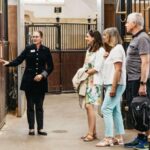
When you arrive, expect staff help at the entrance. One of the most praised things about the visit is how kind and supportive the entrance team is when you’re figuring out the equipment. That matters more than it sounds. These experiences live or die by audio setup. If your headphones are wrong, you’ll lose the plot fast.
Language support is also built in. Hosts/greeters speak German and English, and your audio guide is available in multiple languages, including Chinese, English, French, German, Italian, Japanese, Korean, and Spanish. So even if you’re not traveling with a fluent German speaker, you should be able to understand what’s happening.
The headphones and the real magic: location-based 3D sound
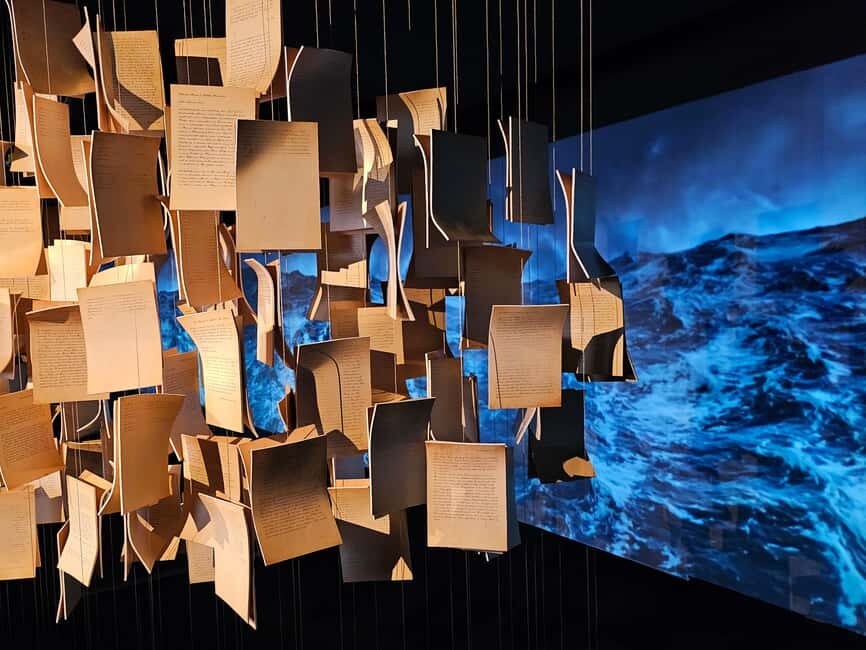
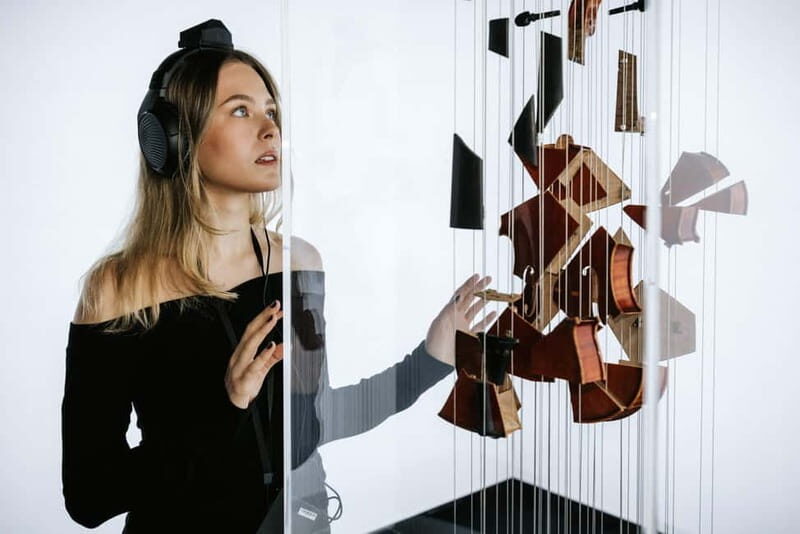
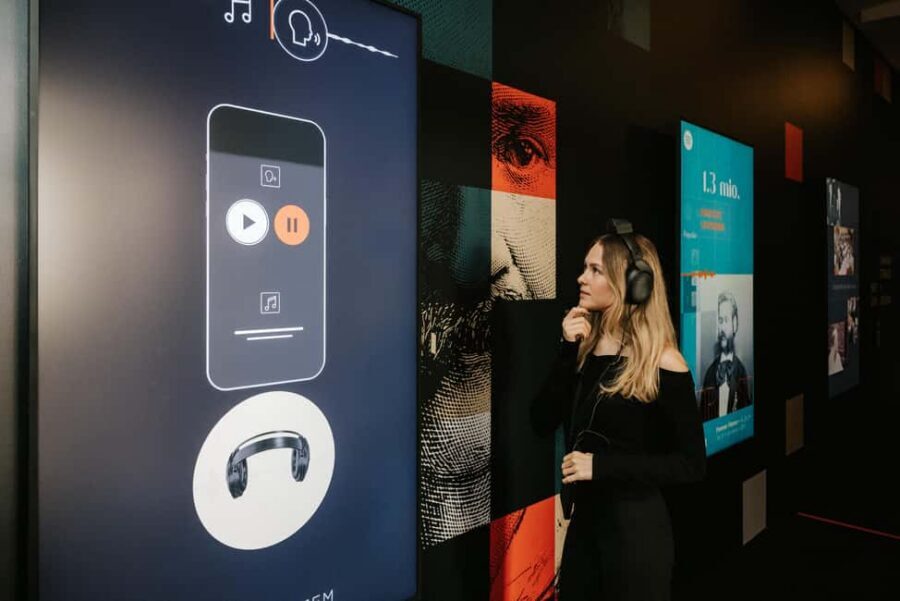
This is the feature that most strongly changes how the museum feels. The audio guide uses high-precision real-time localization with a location-based 3D sound system. In plain terms: as you move through the virtual spaces, the audio responds.
That gives you a sense of freedom that you don’t get in a standard guided tour. You’re not trapped standing still in one spot. You can shift position and still hear the right sound placement.
It also helps the museum stay coherent. Instead of juggling multiple explanations from room labels, you get a guided experience delivered directly to your ears. That’s why the experience tends to work well for people who struggle with museum boredom. The audio structure gives your brain something to follow.
One practical consideration: because it’s a headphones-first experience, you’ll want to be comfortable wearing a large set of headphones. If headphones bother your ears or you hate the feeling of big gear, factor that in.
Also, note the safety warning: this experience is not suitable for people with motion sickness.
Walking through the interactive Strauss exhibitions
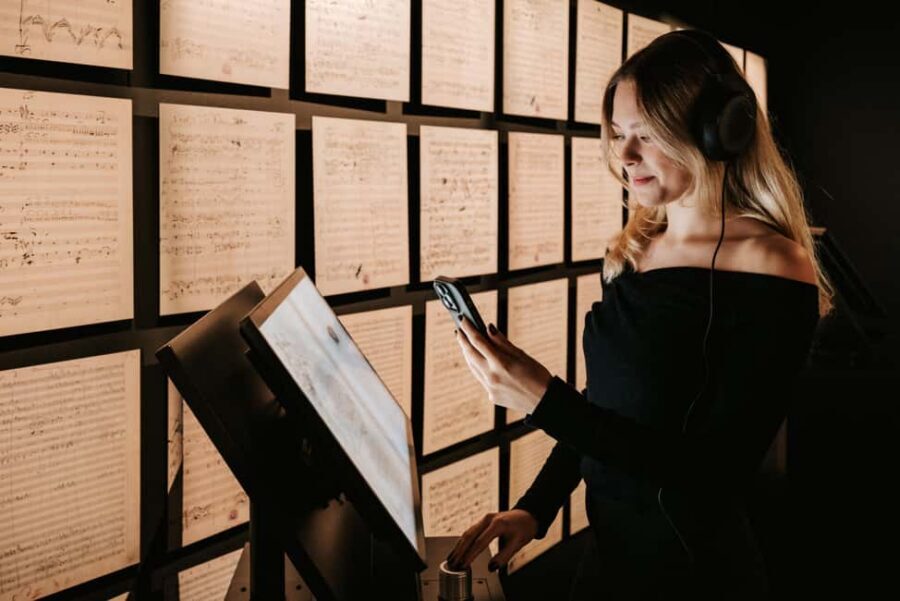
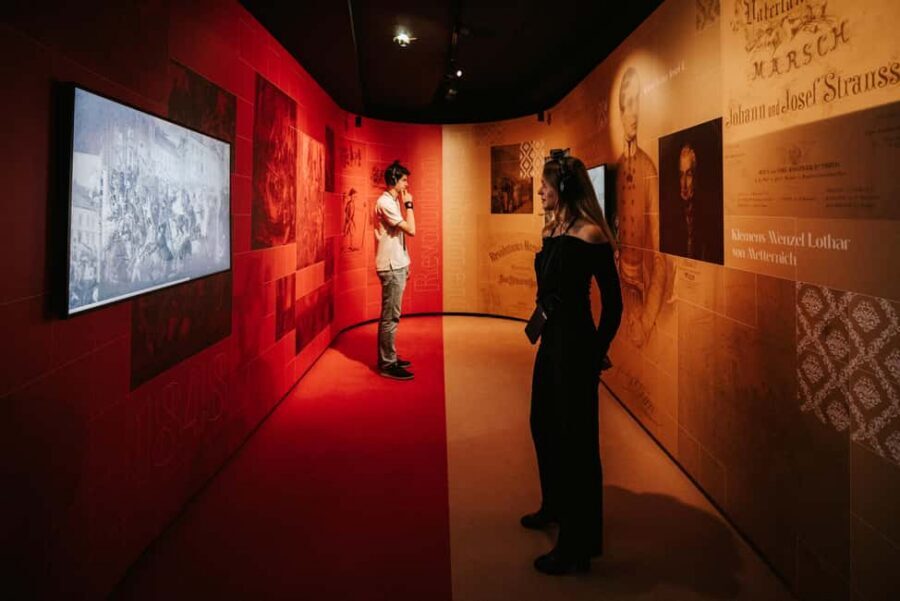
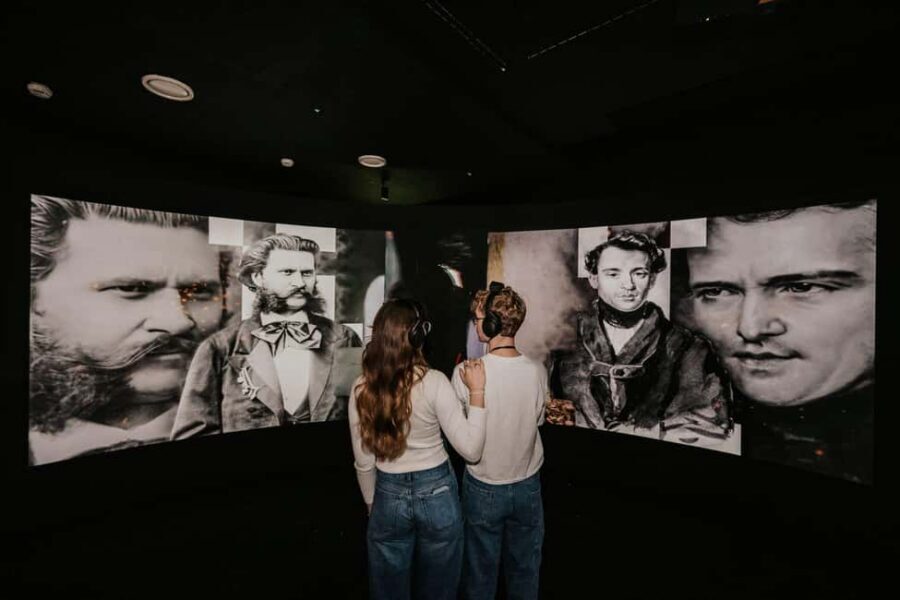
The museum’s core path is built around interactive exhibits that cover important phases of Strauss’s life and music. You’ll see multimedia stations with animations and audiovisual scenarios designed to “bring the melodies to life” for you rather than leaving everything in the background.
Here’s what I think makes this part work for most visitors:
- The museum uses movement and sound together, so it feels like an experience instead of a lecture.
- Each station gives you a new way in: visual cues plus audio guidance plus interaction.
- The tempo stays consistent for the full 75 minutes, so you’re not stuck in one slow section.
If you’re expecting long stretches of classical-music listening like a concert, adjust your expectations. This is more like a story-led sequence with music as the backbone, delivered through technology.
And if you simply want something fun to do in Vienna that doesn’t require deep musical knowledge, the “first pop star” framing helps. It positions Strauss as a personality, not just a name in a program.



The composing machine: make a waltz you can take home
This is one of the most memorable parts, because it turns you from viewer into creator.
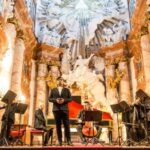
At the innovative composing machine, you can compose your own waltz. Then you can take home a personalized sheet of music. That’s a real souvenir, not just a sticker or a photo.
Why it’s worth your time: waltzes are the core Viennese music identity here, and you leave knowing you took part in that style rather than just listening to an explanation about it. Even if your musical output isn’t going to compete with Strauss, the experience makes the waltz form feel more concrete.
If you’re traveling with kids or teens, this also tends to be the moment they remember later, because it’s an activity with a tangible result.
Photo booth as Johann Strauss and the souvenir shop
The experience also includes a fun photo moment. You can take a photo of yourself as Johann Strauss, and the museum prints it out on the spot.
That’s paired with entrance access to the souvenir shop with photo booth, so you’re not hunting down the print later. You’ll get your physical souvenir before you leave the museum area.
This part is small, but it adds emotional punch. Museums can feel abstract. A printed photo makes the day feel real and story-like, especially if you’re building a Vienna memory that isn’t only about landmarks and views.
Timing, pacing, and how to make your 75 minutes count
The visit is about 75 minutes, and the experience uses a guided structure, so timing matters. Here’s how to get the best experience without stressing yourself out:
- Arrive a few minutes early for your timeslot so you can get the headphones sorted calmly.
- Go at a natural walking pace. The location-tracked 3D sound is designed to work as you move, not as you rush.
- If you’re sensitive to sounds, you might want to position yourself carefully when you hear audio shift. It’s part of the effect, but you still control how much you react.
- Don’t plan a long jump right after if you hate hurrying. You’ll want a moment for the composing machine and the photo print.
If you’re the type who hates being stuck in a group schedule, this is still a timed experience, but it feels less like a rigid group tour because the audio and rooms are structured for movement.
Who should book this (and who should skip it)
I’d book this if you like:
- Music history with a hands-on twist
- Technology-assisted interpretation that keeps you moving
- An activity you can take home (your waltz sheet music and your printed photo)
It also works especially well if you get distracted in more traditional museums. The format is designed to keep you engaged through audio guidance, animations, and interactive stops.
I’d skip it if:
- You have motion sickness (explicitly not suitable)
- You strongly dislike wearing headphones, especially large ones
- You want a silent, text-heavy museum where you can roam freely at your own pace
Tips for a smooth, low-stress visit
A few practical moves can make this experience smoother:
- Bring patience for the headphone setup. Let staff help you get the audio guide working.
- Wear comfortable clothing and shoes. You’ll be moving through the rooms.
- If you’re traveling with multiple languages in your group, confirm your audio guide language selection before you start moving deeper into the experience.
- Keep your eyes open for interaction points. The composing machine and photo booth are part of the value, so you don’t want to miss your chance at them.
The museum is designed to be a full loop from start to finish at the same meeting point, so once you begin, follow the flow rather than trying to freestyle.
Should you book the Johann Strauss – New Dimensions ticket?
I think you should book it if you want a Vienna experience that blends music, interaction, and technology in about 75 minutes with included take-home souvenirs. For the money, the best part is that it’s not just entry. You get headphones, a composing activity with a printed result, and an on-the-spot photo keepsake.
You might reconsider if headphones or motion sensitivity are issues. Also, if you prefer quiet museums where you can read at your own pace, this is a more structured, audio-driven environment.
If your ideal Vienna day includes something different from palaces and streets, this fits nicely. It’s fun, guided, and designed to keep your attention without needing a background in classical music.
FAQ
How long is the Johann Strauss – New Dimensions experience?
It lasts about 75 minutes.
What time should I arrive?
You should plan to arrive for your scheduled timeslot. Timeslot tickets require you to stick to the selected day and time.
Where does the experience start and end?
It starts at Johann Strauss Museum – New Dimensions and ends back at the same meeting point.
What is included with the ticket?
Your ticket includes admission to the museum, headphones as an audio guide, use of the composing machine, and entry to the souvenir shop with the photo booth.
What languages are available for the audio guide?
The audio guide is available in Chinese, English, French, German, Italian, Japanese, Korean, and Spanish.
What do I do at the composing machine?
You compose your own waltz and take home a personalized sheet of music.
Is there a photo booth?
Yes. You can take a photo as Johann Strauss, and it is printed on the spot.
Is the museum wheelchair accessible?
Yes, it is wheelchair accessible.
Is it suitable for people with motion sickness?
No. It is not suitable for people with motion sickness.
What are the opening hours?
Sunday to Thursday: 10:00 a.m. to 6:00 p.m. Friday to Saturday: 10:00 a.m. to 7:00 p.m.