REVIEW · VIENNA
Vienna: Romantic Old Town 2-Hour Discovery Tour
Book on GetYourGuide →Operated by Reisegourmet · Bookable on GetYourGuide
Vienna tells stories in stone and alleys. I love the way this tour strings together six distinct themes into one smooth walk, so the city feels connected instead of chaotic. I also love the shift from Hoher Markt to the Greek Quarter, where the guide shows how trading and conflict left marks you can still spot today.
One thing to consider: because the guide’s style can lean talk-forward, you’ll get the most value if you’re happy with lively storytelling and a guided “see-and-compare” approach, not just museum-level facts.
In This Review
- Key Points to Know Before You Go
- Why Meet at the Anchor Clock on Hoher Markt
- Six Themes in Two Hours: Your Roadmap Through Old Vienna
- Romans, Jews, and Traders at Hoher Markt (Plus Anchor Clock Surprises)
- The Greek Quarter: Trading, Turks, and Greek Independence
- Spotting Architectural Styles From Gothic to Art Nouveau
- Myths, Legends, and the Animal Details on Fountains
- Jesuit Church and the Old University Quarter’s Rivalry Stories
- Narrow Lanes and Back Courtyards: How Daily Life Feels Medieval
- Price and Private-Guide Value for Up to 7 People
- Language Options That Make the Tour Easier to Enjoy
- Should You Book This Vienna Old Town Tour?
- FAQ
- Where is the meeting point?
- How long is the Vienna Romantic Old Town Discovery Tour?
- How much does the tour cost?
- Is this tour private?
- What languages are available for the guide?
- Does the tour skip ticket lines?
- Is food or refreshments included?
- Can I reserve now and cancel later?
Key Points to Know Before You Go
- Meet at the Anchor Clock on Hoher Markt and get your bearings fast for old-town wandering
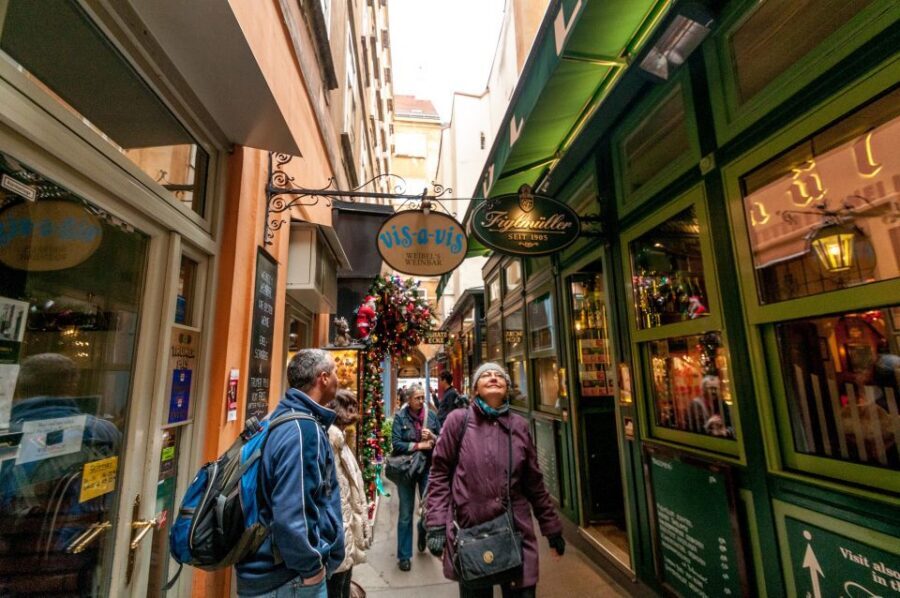
- Six focused storylines in 2 hours: Romans, Jews, and traders; Greek Quarter; architecture; myths; Jesuit university quarter; narrow lanes and back courtyards
- Architecture spotting game: Gothic, Renaissance, Baroque, Rococo rows, Gründerzeit houses, and Art Nouveau details
- Myths aren’t just talk: you’ll track animal ornaments on facades and fountains
- Private guide for your group (up to 7 people), with many language options
Why Meet at the Anchor Clock on Hoher Markt
Meeting at the Anchor Clock is a smart move because it drops you right into the old-town center where power, trade, and changing tastes all collided. From there, you’re not doing random sightseeing. You’re getting a guided route that makes the city’s layers feel logical.
Hoher Markt itself is the kind of place where the names of eras matter less than the physical proof you can see around you. Expect the guide to point out long-running spots that kept pulling people in—politicians, architects, tradesmen—centuries apart.
This start also sets the tone for the whole tour: part romantic walk, part detective work, part quick history lesson you can actually remember.
You can also read our reviews of more tours and experiences in Vienna

Six Themes in Two Hours: Your Roadmap Through Old Vienna
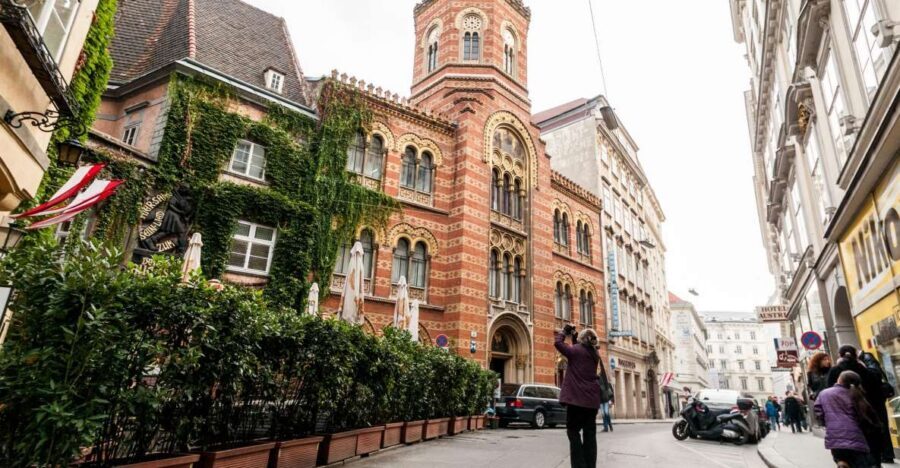
This is a 2-hour discovery tour built around six topics that cover both past and present. You’ll move through areas where Vienna’s identity was shaped by trade routes, religious and political power, and changing architectural styles.
The best part is how the tour teaches you to look. Instead of listing famous attractions, the guide helps you notice smaller clues: street shapes, building styles, decorative animals, and the layout of squares and courtyards.
The duration is short enough to keep energy up, but structured enough that you don’t leave feeling like you only saw a slice.
Romans, Jews, and Traders at Hoher Markt (Plus Anchor Clock Surprises)
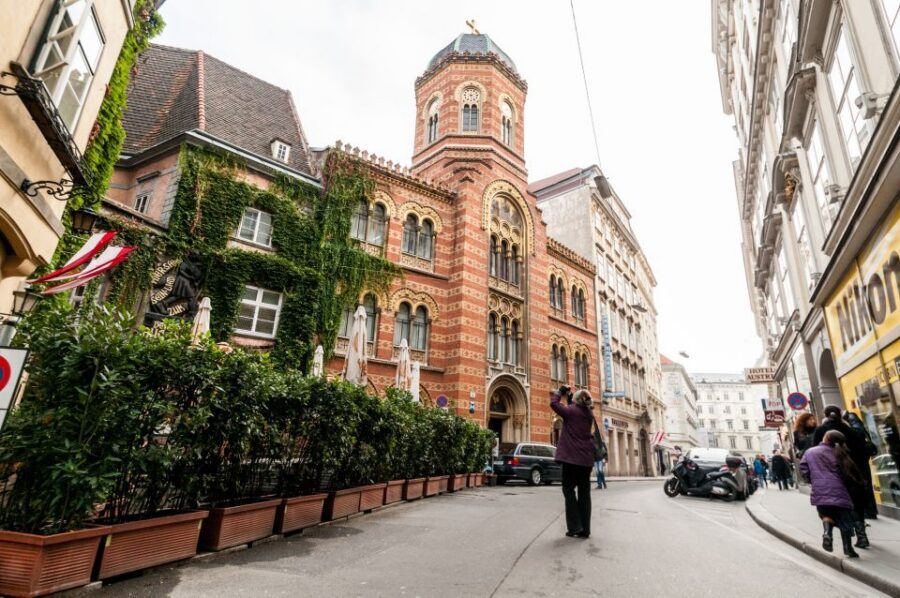
Your first major story thread runs through Hoher Markt with a focus on Romans, Jews, and traders. This is where you’ll hear how the area attracted people with power and influence across centuries, not just modern visitors with cameras.
The guide points out classic anchors of the square, including the oldest building in Vienna and the first public waterworks. That’s not trivia for trivia’s sake—it’s the kind of detail that explains why towns grow where they grow. Water access and early infrastructure shape everything that follows.
You’ll also hear about the famous Anchor Clock, and you can count on the guide explaining a few surprises tied to it. Even if you’ve seen a landmark photo before, a good guide turns it into a real place with context.
The Greek Quarter: Trading, Turks, and Greek Independence
Next comes the Greek Quarter, described as a hectic neighborhood on the innermost arm of the Danube River. That river setting matters. Trade districts grow dense because goods move through them, and people build networks to profit from traffic.
Here, the guide connects the neighborhood’s look to centuries of commerce. You’ll hear how groups shaped the area at different moments—Turks fought here, and the Greeks prepared for independence here. The point isn’t to memorize battles. It’s to understand why today’s streets and spaces carry layered identities.
As you walk, you’ll be looking for traces of history in ordinary corners. That’s the kind of sightseeing that feels rewarding because it happens without needing a big-ticket attraction.
Spotting Architectural Styles From Gothic to Art Nouveau
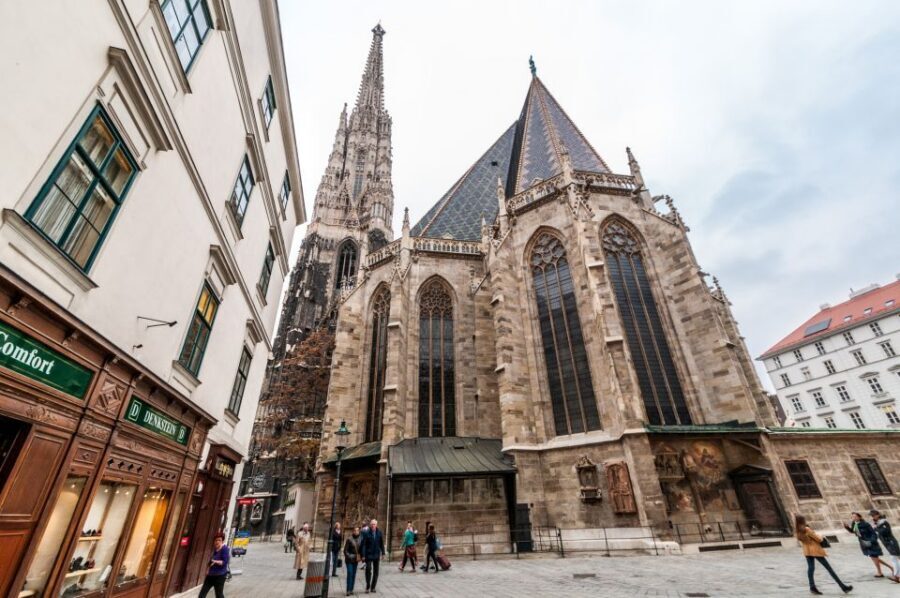
Vienna’s old town can feel like one long architectural showroom, but you need a way to organize what you’re seeing. This tour gives you exactly that.
The architectural diversity storyline walks you through styles you can spot in the old town: Gothic residential towers, medieval paving, Renaissance back courtyards, and Baroque city palaces. You’ll also hear about rows of houses from the Rococo period, Gründerzeit housing blocks, and elegant Art Nouveau designs.
Why this matters for you: once you learn the “style language,” Vienna stops being a blur of beautiful facades. You start reading it. Windows, ornament styles, street-level details, and courtyard layouts become clues.
One review noted that a guide showed many details across the old town, including areas mostly northeast and behind the Dom. That’s a big deal if you want more than a highlight loop. You’ll get a route that helps you notice patterns rather than just collecting impressions.



Myths, Legends, and the Animal Details on Fountains
This tour also treats stories as street-level evidence. The myths and legends segment explains how people tried to explain their world through folklore, even when legend and reality didn’t match.
Animals play an important role here, and you’ll see their presence as ornaments on facades and fountains. That detail is easy to miss on your own because you’re busy admiring overall beauty. With a guide, the tour nudges your eyes toward the small stuff—exactly where the city gets fun.
If you like Vienna for its personality, not just its monuments, this is where the tour can feel especially memorable. It turns decorative elements into conversation starters.
Jesuit Church and the Old University Quarter’s Rivalry Stories
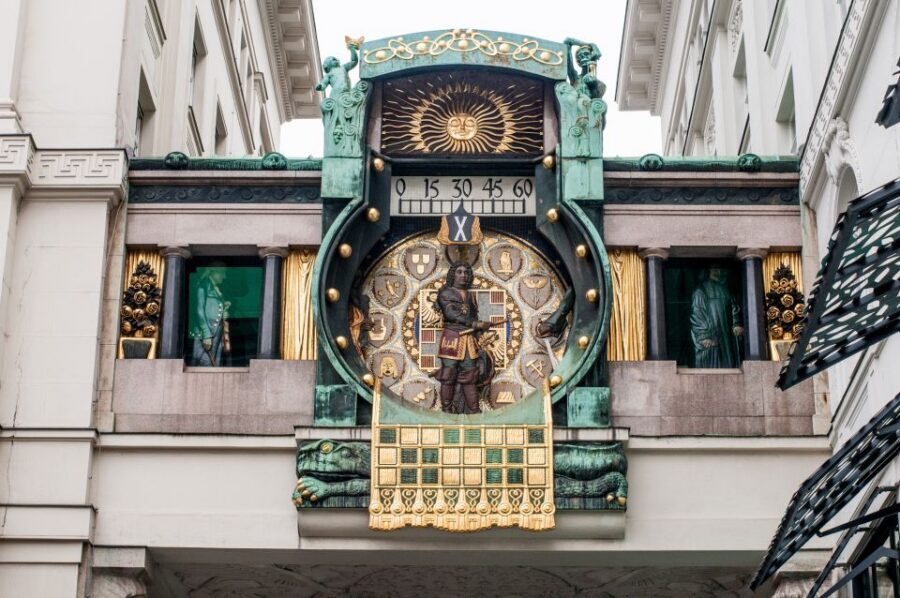
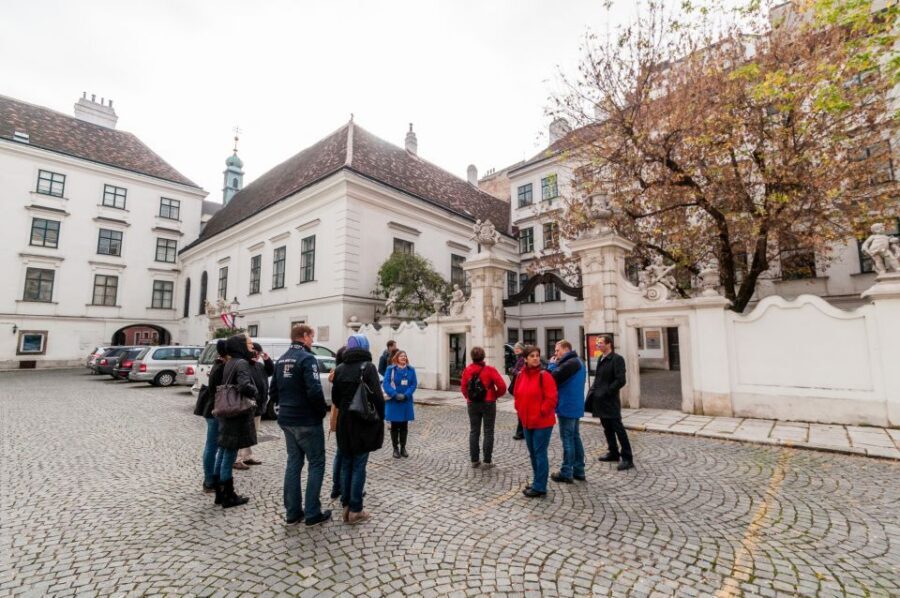
The tour’s “university quarter” portion focuses on the Jesuit quarter, located in the center of old town and described as sealed off from traffic. That’s useful. It means you can take in the atmosphere of the area instead of fighting traffic noise.
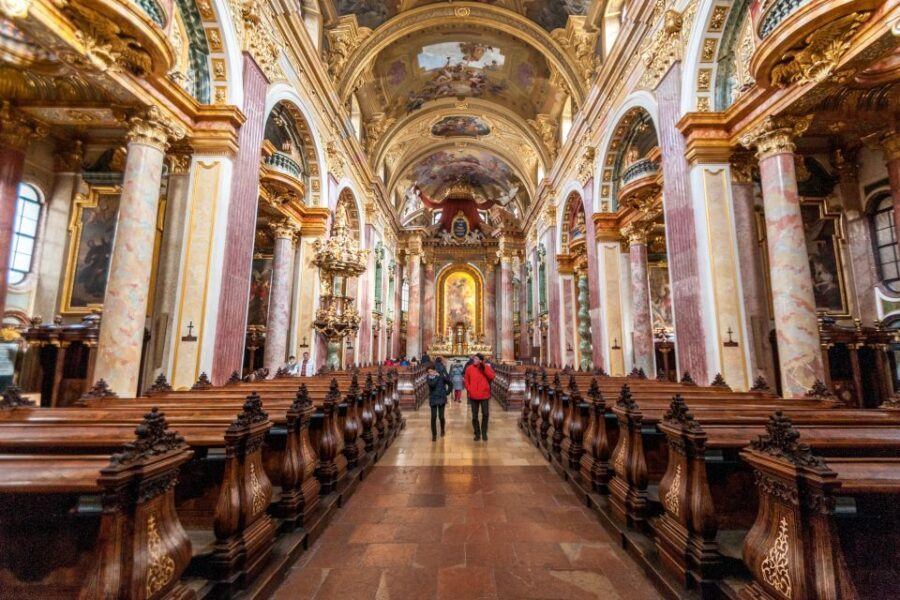
A fountain in the square becomes a viewing cue: the guide helps you look into the interior of the Jesuit Church, framing it as a treasure trove of Baroque exuberance. The tour links the church’s visual style to church power—how architecture signals influence.
You’ll also hear about rivalry between painters and architects within Vienna. That’s a clever angle because it helps you connect art styles to real human tension, not just aesthetic categories.
In one highly praised experience, the guide Wolfgang Auinger was noted for charm and a tour that kept things interesting and informative. If you’re given a guide with that kind of storytelling rhythm, this portion can feel like you’re watching a living map of Vienna’s creative politics.
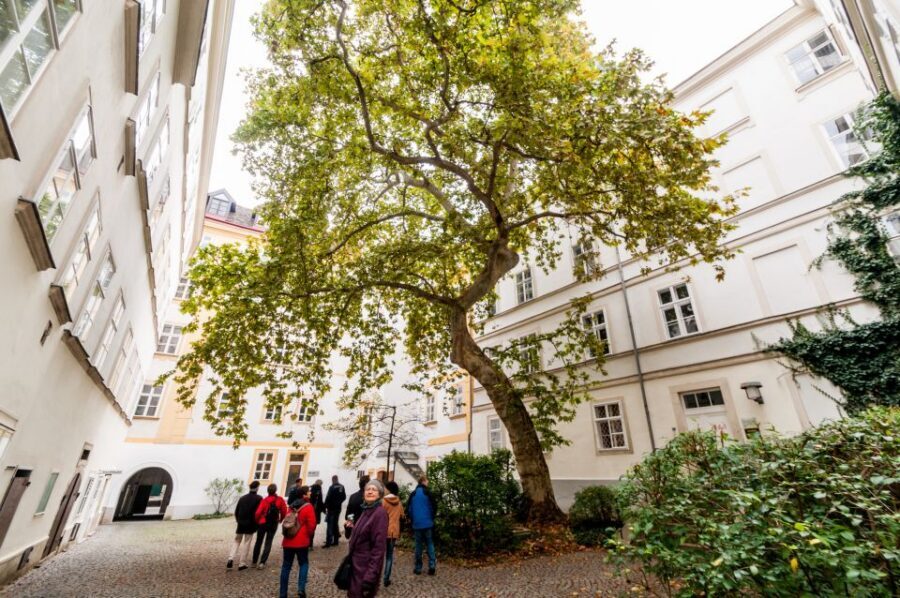
Narrow Lanes and Back Courtyards: How Daily Life Feels Medieval
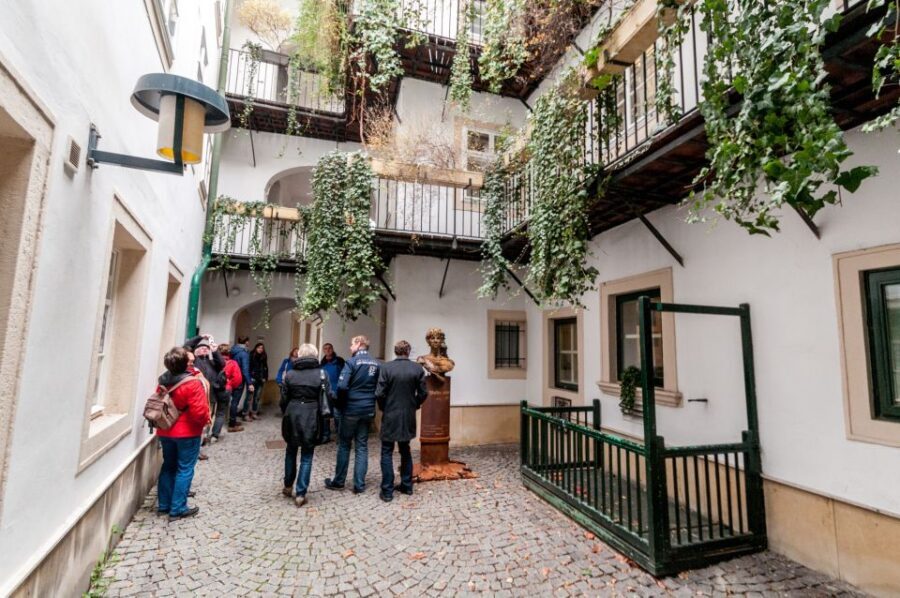
The final major theme is all about the way Vienna’s streets behave: winding, narrow, and not straight. The guide uses that layout to spark imagination about everyday life in the Middle Ages—especially around the idea of historical hygiene and what it likely took to live comfortably in tight urban space.
This is more than gloomy history. It’s a way to make the city’s form understandable. When streets curve and buildings crowd together, the experience of moving through the city changes. You slow down. You look up. You notice transitions—arcades, courtyards, and sudden quiet.
Back courtyards matter here too. The tour treats them like small time capsules. If you’ve ever felt Vienna looks romantic in daylight but confusing on a map, this segment helps you see why: its layout was built for different priorities than modern navigation.
Price and Private-Guide Value for Up to 7 People
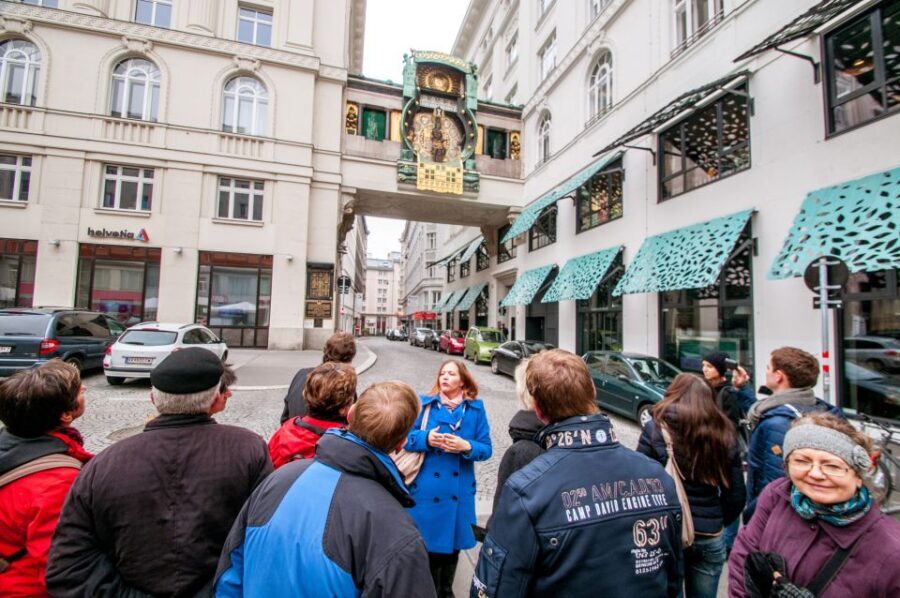
The price—$352 per group up to 7—is really about buying time with a private guide, not just paying for a route. For a small group, that can work out well, especially if you’re the kind of person who gets more from explanation than from wandering alone.
You’re paying for:
- a guide to connect six themes into a coherent walk
- guidance on what to look at (architecture styles, myths, and symbolic details)
- private attention, so questions and pacing are easier to manage
It’s also listed as skip the ticket line, which can save time if any stops involve entry or structured access. And since you get a live guide (not just an app), you’re not stuck guessing what matters in each spot.
One small trade-off: food and refreshments are not included. If you’re on a longer day of sightseeing, plan a snack break before or after the tour so you don’t feel rushed.
Language Options That Make the Tour Easier to Enjoy
This tour offers a wide range of languages for the guide. Live tour guide languages include German, Spanish, Chinese, Dutch, English, French, Italian, Japanese, Portuguese, Russian, plus additional group tour languages such as Arabic and Korean.
If you want a language not listed, the guidance is to contact the operator. That’s the one practical step I’d take early, so you don’t end up scrambling once you’re in the city.
Should You Book This Vienna Old Town Tour?
I’d book this tour if you want Vienna to feel like a set of interlocking stories. The six-topic structure helps you connect neighborhoods, architecture, and symbolism without spending all day on public-transport logistics or juggling multiple tickets.
It’s also a good pick for small groups who value a private guide and want their sightseeing to include explanation—especially if you like architectural variety, myths and legends, and the “look closer” details people often miss.
Skip it if your ideal tour is strictly academic and tightly paced. One guest noted the guide was friendly but a bit more chatty than strictly history-focused, with a heavier emphasis on Viennese humor than deep academic detail. If you’re sensitive to that, ask yourself whether you’d still enjoy the walk and the visual clues even if the facts aren’t delivered in a lecture style.
FAQ
Where is the meeting point?
You meet at the Anchor Clock, Hoher Markt, 1010 Vienna. Arrive 10 minutes prior to the start.
How long is the Vienna Romantic Old Town Discovery Tour?
The tour lasts 2 hours.
How much does the tour cost?
It costs $352 per group, for groups of up to 7 people.
Is this tour private?
Yes. It includes a private guide, and private group options are available.
What languages are available for the guide?
The guide is available in German, Spanish, Chinese, Dutch, English, French, Italian, Japanese, Portuguese, Russian. Group tours can also be arranged in Arabic and Korean. If you need a language not listed, contact the operator.
Does the tour skip ticket lines?
Yes, it includes skip the ticket line.
Is food or refreshments included?
No. Food and refreshments are not included.
Can I reserve now and cancel later?
You can reserve now & pay later. The tour also offers free cancellation up to 24 hours in advance for a full refund.