REVIEW · VIENNA
Vienna: Tour RAXI (electric rickshaw) 3 hours in Vienna
Book on GetYourGuide →Operated by Guide from Vienna - RAXI Tours · Bookable on GetYourGuide
Vienna moves fast. This tour lets you keep up without the leg burn. I love the way you can glide past major sights while still feeling like you are traveling at street level, not inside a bus bubble, and I especially like the personal route option based on architecture or history. The RAXI heated blanket is a lifesaver on chilly days. One catch: it is built for a very small, two-person setup, and it does not work well for people who need a wheelchair.
Two things I also really appreciate: you get clear commentary through headsets, and the rickshaw setup gives you a strong view forward so you are not stuck peering around awkward angles. The one drawback to plan for is weather limits and potential walking if conditions make the rickshaw impossible.
If you want Vienna’s big-picture highlights with the calm pace of a guided neighborhood walk, this is one of the smartest “see a lot without exhausting yourself” ideas in the city.
In This Review
- Quick Key Takeaways
- How This Vienna Electric Rickshaw Tour Actually Feels
- Your RAXI Ride: Comfort, Views, and Small Design Wins
- Pick-Up Points That Make Vienna Easier to Start
- The First 5 Minutes: Safety Briefing That Keeps It Calm
- Historic Center of Vienna (2 Hours): Orientation + Architecture That You Can Actually See
- Prater (30 Minutes): The Easy Transfer From Majesty to Everyday Vienna
- Old Danube and Donau Park (1 Hour Each): Water Edges Without the Fatigue
- Danube Canal (1 Hour): Where Modern and Old Architecture Trade Places
- Hundertwasser House (1 Hour): Eco Design You Can Stand in Front Of
- Custom Routes Matter More Than You Think
- Price and Value: Is $182 for a Private RAXI Tour Worth It?
- Weather Rules and the Public-Transport Plan (What to Expect)
- Who This Tour Suits Best
- Should You Book the Vienna RAXI Tour?
- FAQ
- How long is the Vienna RAXI tour?
- Is hotel pickup included?
- Can the route be personalized?
- What happens if weather makes the rickshaw tour impossible?
- Are luggage or large bags allowed?
- Is the tour wheelchair accessible?
- What languages are the guide tours offered in?
Quick Key Takeaways
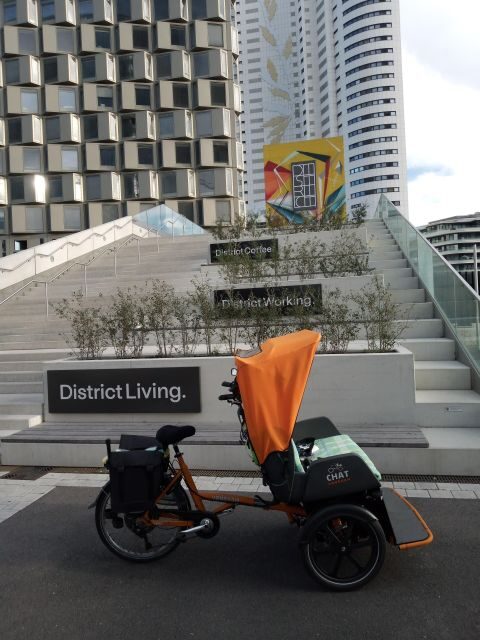
- RAXI comfort for two adults: shock absorbers, orange canopy, and an easy entry footplate
- Heated blanket for cold weather: battery-powered warmth for both people
- Street-level viewpoints: you ride seated in front with nothing blocking your view
- Architecture-first route options: you can shape the stops around what you care about
- Hundertwasser House included: early ecological design, right in the middle of the city
- Backup plan if weather blocks raxi: similar route via public transport, with some walking
How This Vienna Electric Rickshaw Tour Actually Feels
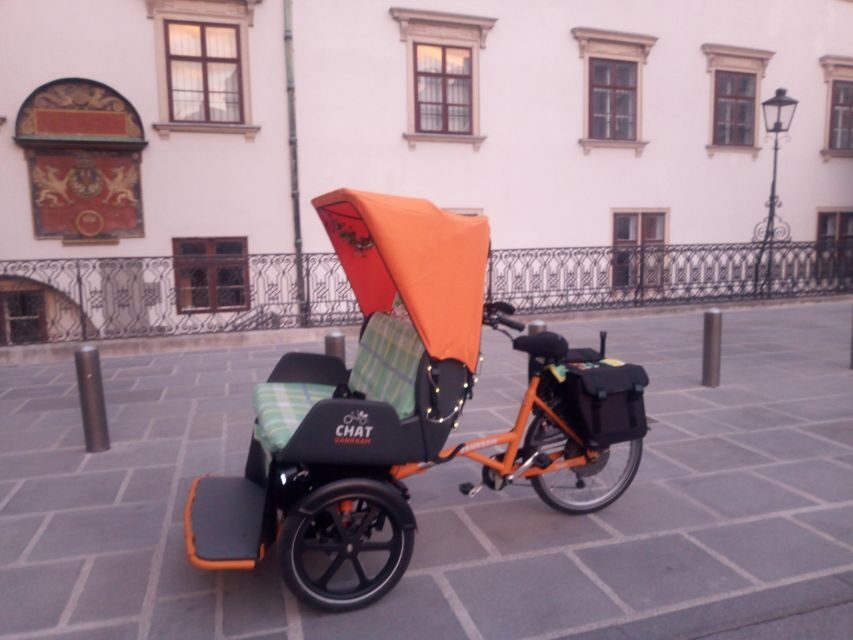
This is a private 3-hour Vienna tour by electric rickshaw, designed for comfort and for seeing more than you would on foot. Instead of trying to “tick boxes” at speed, you get a guided route that feels smooth and doable, even if you do not want tired legs to be the story of your day.
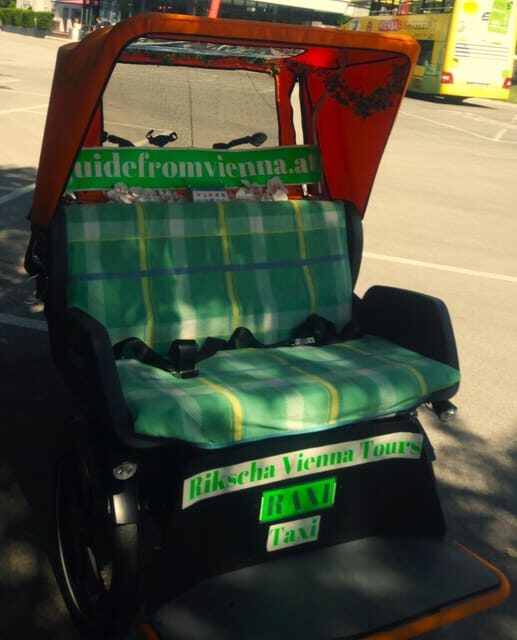
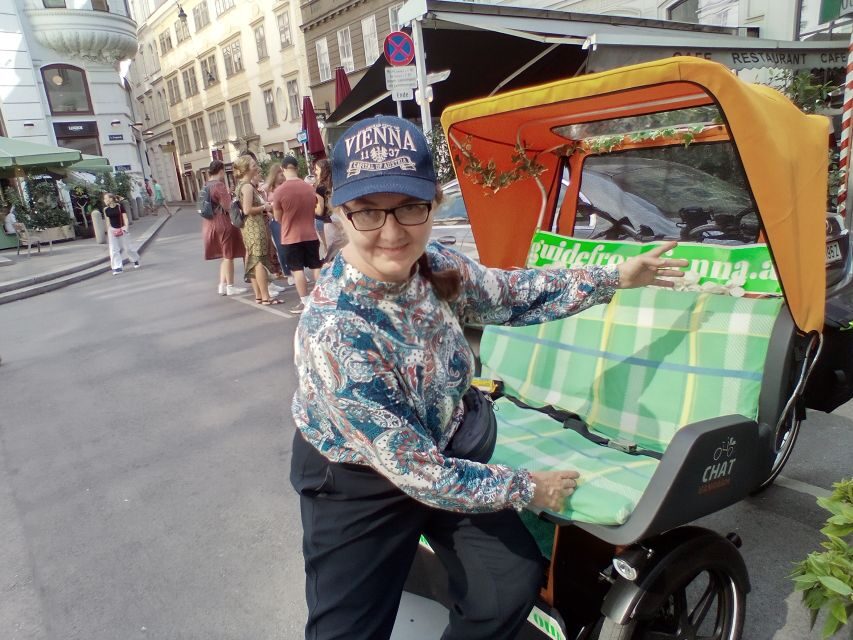
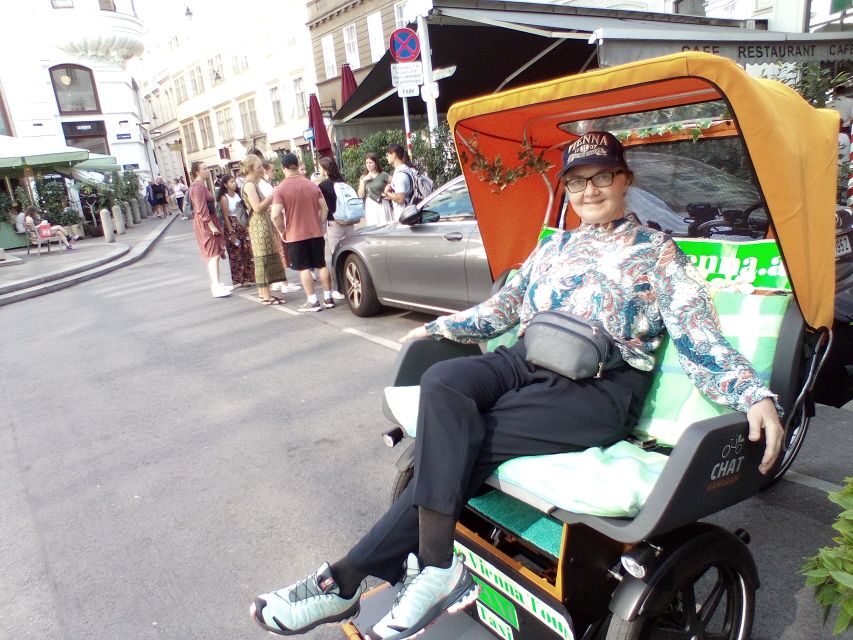
The ride itself is the core idea. RAXI is an electric pedicab built for two adults, with a setup that stays bike-like rather than turning into a car experience. That matters because it keeps the travel intimate and slow enough to notice details—facades, street rhythms, and how different eras sit next to each other in Vienna.
You also get practical extras that make the experience feel thought through. There is a warm, battery-powered heated blanket for two, plus a larger waterproof picnic blanket for windy or rainy conditions. The guide brings headsets so you can hear clearly without leaning or struggling over noise.
You can also read our reviews of more tours and experiences in Vienna



Your RAXI Ride: Comfort, Views, and Small Design Wins
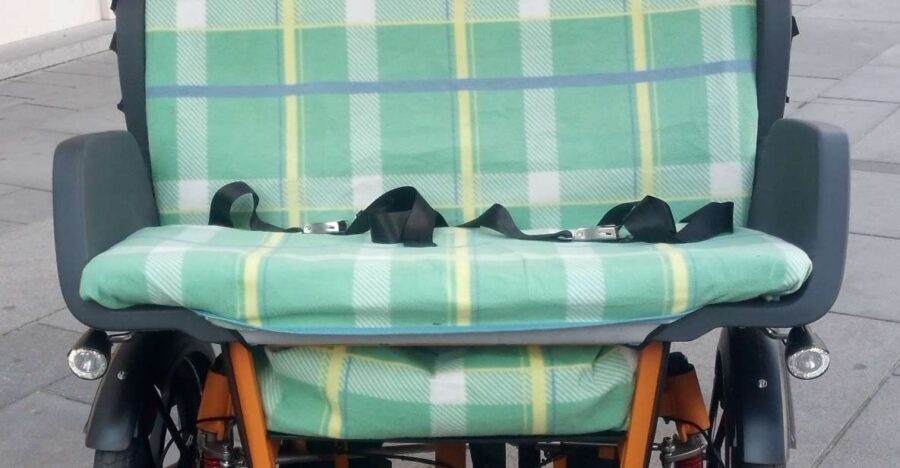
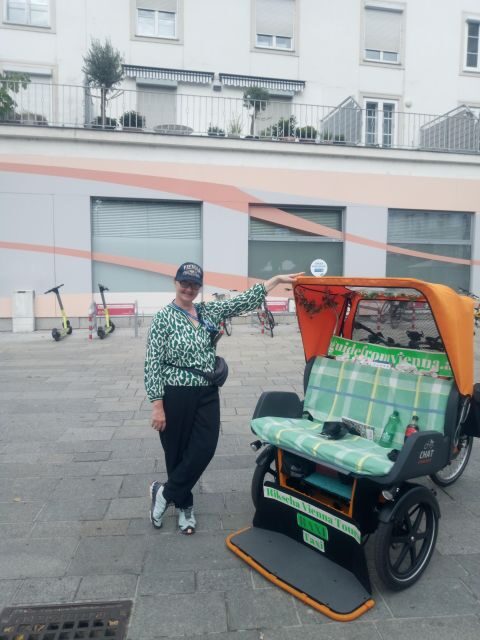
RAXI is set up to solve the usual problems with pedicabs: cramped seating, awkward entry, and heat from the motor. Here, the engine is under the seats, so you do not cook from radiated heat while you sit there with your coffee-vibe posture.
A few design points are quietly important:
- Shock absorbers help on uneven pavement and cobbles.
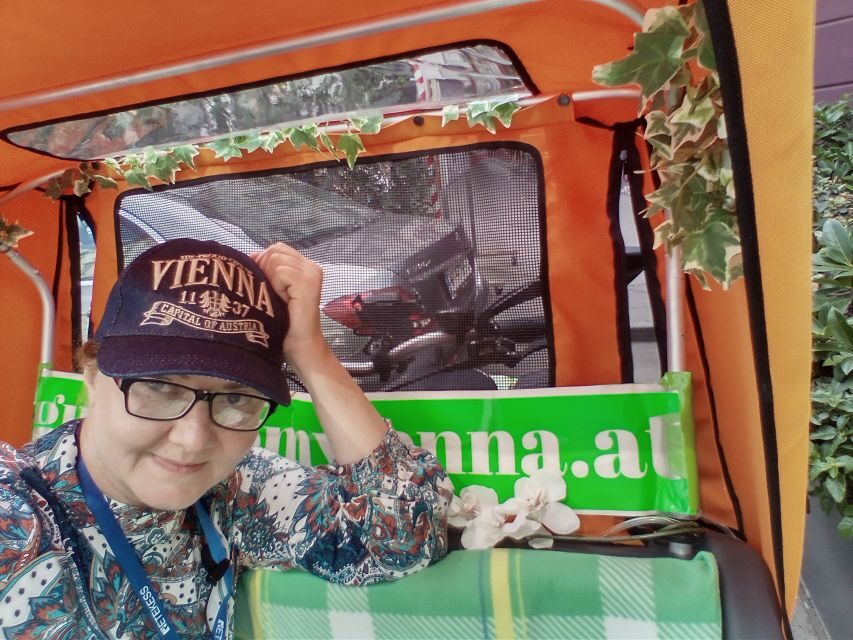
- An orange canopy gives cover when the weather turns.
- A retractable footplate helps with easy getting in and out.
- There is space to transport two walking sticks or hiking sticks on a special frame.
And you get a big viewpoint advantage. The guide sits behind you, while you sit up front. That means a wide view of what is passing by, instead of your sightline being blocked by the driver’s body or equipment. It is one of those details you only appreciate when you are actually riding.
There are real limits to know before you book:
- The rickshaw can carry max two people with a combined weight under 180 kg.
- Luggage or large bags are not allowed.
- It is not suitable for wheelchair users.
Pick-Up Points That Make Vienna Easier to Start
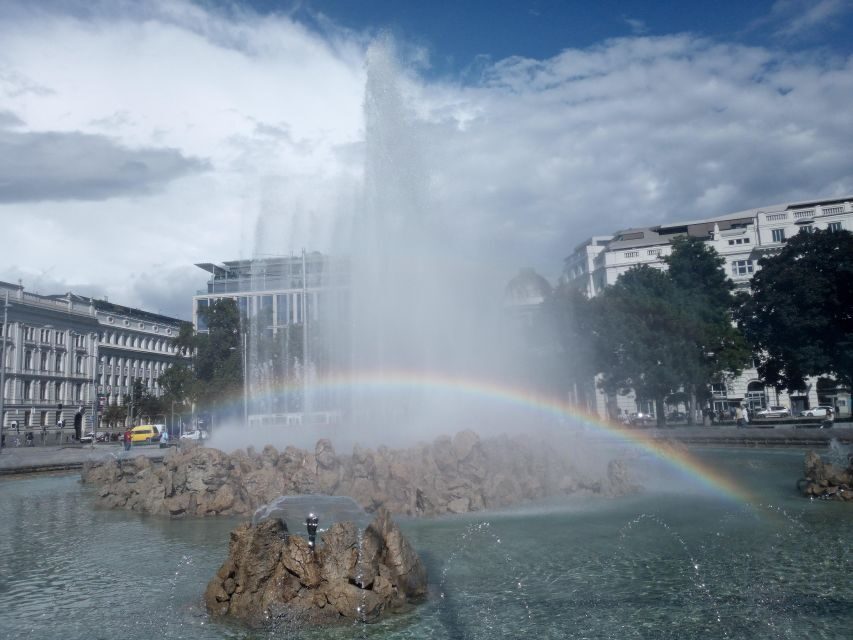
This tour is built around convenience. You can meet at one of several spots, or choose hotel pick-up when possible. The meeting options are:
- Michaelerplatz
- Café Landtmann
- Reichsbrücke
- Praterstern
- Herrengasse (also near the metro)
If you are arriving by ship, you meet at Reichsbrücke, but you should inform the provider about your landing number. If finding the meeting point sounds annoying, you can ask for help if you have trouble locating it.
What I like about these pick-up choices is that they match how people actually move around Vienna. You can start near transit, near landmarks, or near central cafés. And drop-off is flexible too, with options at Reichsbrücke, Herrengasse, Praterstern, Michaelerplatz, or Café Landtmann.
The First 5 Minutes: Safety Briefing That Keeps It Calm
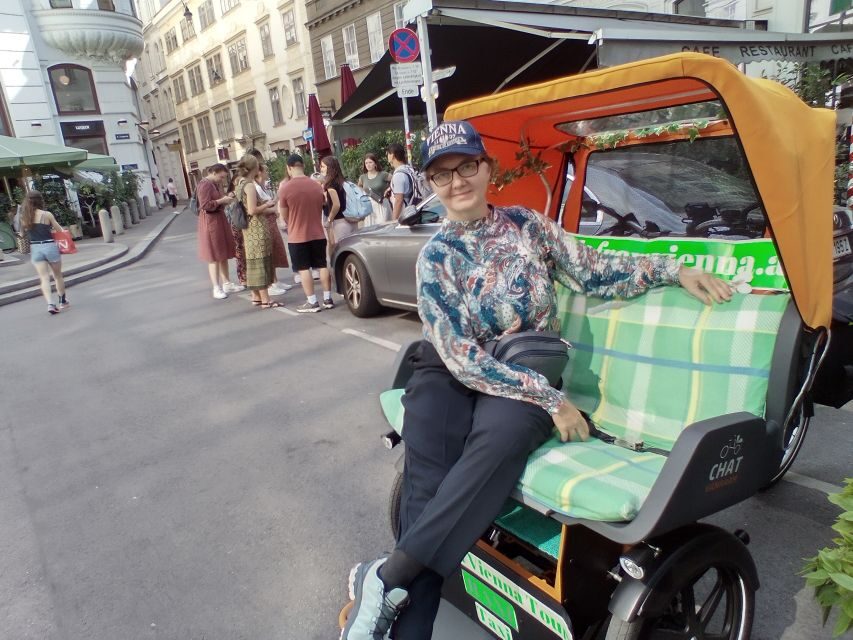
Before you roll, you get a short 5-minute safety briefing. It is not a lecture. It is the kind of quick orientation that helps you relax fast and stop worrying about how the vehicle handles turns, traffic, or streets.
For a two-person private ride, that matters. You want to spend your energy looking at buildings and canals, not mentally running through what might happen next.
Historic Center of Vienna (2 Hours): Orientation + Architecture That You Can Actually See
This is where the tour builds your bearings. You spend about two hours in Vienna’s historic center, guided and paced so you can take in details without being shoved along.
The value here is not only the landmarks. It is the way the guide links architecture to the story of the city. You also get a guided route that focuses on sights that are often missed when people stick only to the main tourist grid.
Two specific things the experience leans into:
- You get a chance to see an older Gothic residential tower in Vienna, not just Gothic churches.
- You also see modern buildings sitting beside very old architecture, which helps explain how Vienna keeps layering time rather than replacing it.
There is a practical benefit too. When you are on the rickshaw, you can cover more ground than a walking-only tour, but you still move slowly enough to register what you are passing. It feels like a guided walk with wheels.
Potential drawback in the historic center: if you love stopping frequently for photos, this portion can feel a little full. The fix is simple—tell the guide what matters most early so the route timing matches your pace.




Prater (30 Minutes): The Easy Transfer From Majesty to Everyday Vienna
Then you shift to the Prater area for about 30 minutes. This stop works well as a breather. You move from the dense historic core to a more open space where you can reset your eyes and energy.
Prater is also a good place for atmosphere. It is a reminder that Vienna is not only palaces and museums. Even when you are riding past, you can feel the city’s everyday rhythm.
This portion is shorter than the others, so you should treat it as a focused taste rather than a long wander. If your priorities are parks and long photo pauses, you may want to emphasize that during route personalization.
Old Danube and Donau Park (1 Hour Each): Water Edges Without the Fatigue
Next comes the Old Danube and then Donau Park, each guided for about an hour. This is a strong stretch of the tour because it changes the setting. You trade tight streets for waterways and park edges.
The appeal is not just scenery. It is contrast:
- You can compare older city areas with how Vienna shapes space around the Danube system.
- You also get a break from the constant “look up at facades” habit and instead focus on how the city breathes.
A big plus for comfort: you can experience these zones without tired legs, which is the whole point of choosing a two-wheel electric pedicab in the first place. Even if the air feels cool, you are seated, warmed by the gear, and moving along at a gentle pace.
One consideration: park and riverside paths can be windy. The good news is you have a waterproof picnic blanket and the heated blanket, depending on conditions.
Danube Canal (1 Hour): Where Modern and Old Architecture Trade Places
The Danube Canal stop is about one hour, guided. This segment hits one of the tour highlights: the surprise of architecture that spans multiple eras without feeling disconnected.
This is a place where you can see how Vienna’s build-out keeps changing forms while staying recognizable. The canal setting also helps you understand scale—sights that look close on paper can feel large when you are traveling alongside them.
I like this stop because it is not only “pretty views.” It gives you architectural context. When you notice different building styles from the rickshaw seat, it becomes easier to talk about Vienna as a living city rather than a museum.
Hundertwasser House (1 Hour): Eco Design You Can Stand in Front Of
You finish with the Hundertwasser House, guided for about one hour. This is one of the most memorable stops on the route because it is instantly visual and concept-driven. The house is described as the first ecological building in Europe, and that theme matters while you look.
You get time to absorb the idea, not just rush past it. It is the kind of building where the details reward attention: unusual forms, colors, and the sense that the structure is meant to feel alive. The tour timing is long enough to get your head around it before you move on.
If you have limited time in Vienna, this is a strong payoff. And if you already know the name, seeing it in person usually feels different than seeing photos.
Custom Routes Matter More Than You Think
One of the most practical aspects of this tour is the option to personalize the route. If you care more about architecture, tell the guide early and you will likely spend more time where the details are best. If you care more about history, you can steer toward eras and settings that connect the dots.
The guide also explains the route and keeps it flexible. That is especially useful in a city like Vienna, where “what you see” depends heavily on how much walking you want and how much you want to stop.
I also like that this tour is designed to feel comfortable even if you are tired. You are not trying to force a big walking day into a small window. You are trading walking effort for guided riding and smart stops.
Price and Value: Is $182 for a Private RAXI Tour Worth It?
The price is $182 per group up to 2 for about 3 hours. On paper, that is not “cheap.” But here is what you should weigh instead:
- You are paying for a private guide and a custom, guided route.
- You get hotel or meeting point pick-up and drop-off (when possible).
- You receive headsets, a map, and route guidance shaped to your interests.
- You also get comfort gear that you might not feel like buying or packing—especially the battery-powered heated blanket and the waterproof blanket.
For many couples or parent-child duos, that bundle is the value. Instead of spending time and energy figuring out transport, routes, and accessibility on your own, you get a structured experience that focuses on key sights plus the less-touristy corners.
If you are traveling solo, the “per group up to 2” format can still work, but it is best if you can share the rickshaw with a companion. Vienna is easier when you are not splitting time between “walking to the next stop” and “waiting for yourself to catch up.”
Weather Rules and the Public-Transport Plan (What to Expect)
RAXI is weather-dependent, with operating conditions stated as:
- Between +2°C and 30°C
- Maximum wind of 50 km/h
- Very light rain or snow can be possible with a rain cover
There is also a key fallback. If the rickshaw tour is impossible, you can do an almost similar route using public transport, though you will have to walk. In that situation, pickup remains free.
The provider also plans ahead. If weather makes the rickshaw impossible, you get a message 48 hours in advance. If you do not want the public-transport alternative, you can cancel without charge.
Practical tip: pack for cool air even in summer. The heated blanket helps, but wind near water can still feel sharp.
Who This Tour Suits Best
This Vienna RAXI tour is a great fit if:
- you want major sights plus calmer, less touristy streets
- you prefer comfort over long walking
- you care about architecture, design, and how different eras sit together
- you want a private guide who can shape the route
It may not be ideal if:
- you are traveling with a lot of luggage (large bags are not allowed)
- you need wheelchair access
- you expect a very long stop-and-wander at every location without guiding prompts
Should You Book the Vienna RAXI Tour?
Yes, if your goal is to see Vienna’s big highlights while keeping your day comfortable and guided. The mix of Danube Canal + Prater + Old Danube + Donau Park + Hundertwasser House gives you variety that is hard to replicate in a single day without overplanning.
Book it especially if you enjoy architecture and want to understand how Vienna layers modern and old forms. The heated blanket, the headset system, and the smooth ride setup make this one of the smartest options for a “see a lot, feel good” itinerary.
If you hate weather-dependent activities, do read the operating limits carefully. But the backup plan is there, and pickup stays in the equation.
FAQ
How long is the Vienna RAXI tour?
The tour lasts 3 hours.
Is hotel pickup included?
Yes. There is pickup and drop-off included when possible, and there are also several meeting points like Herrengasse, Michaelerplatz, Café Landtmann, Reichsbrücke, and Praterstern.
Can the route be personalized?
Yes. The route can be adjusted based on your interests such as architecture or history.
What happens if weather makes the rickshaw tour impossible?
If the rickshaw can’t run, you can do an almost similar tour using public transport, but you will also have to walk. Pickup from your meeting point or hotel remains free.
Are luggage or large bags allowed?
No. Luggage or large bags are not allowed.
Is the tour wheelchair accessible?
No. The tour is not suitable for wheelchair users.
What languages are the guide tours offered in?
The live tour guide is available in German and English.