REVIEW · VIENNA
Vienna: Sightseeing Tour in a 1920s Classic Style Car
Book on GetYourGuide →Operated by E-Oldtimer Panoramafahrt | Gratt KG · Bookable on GetYourGuide
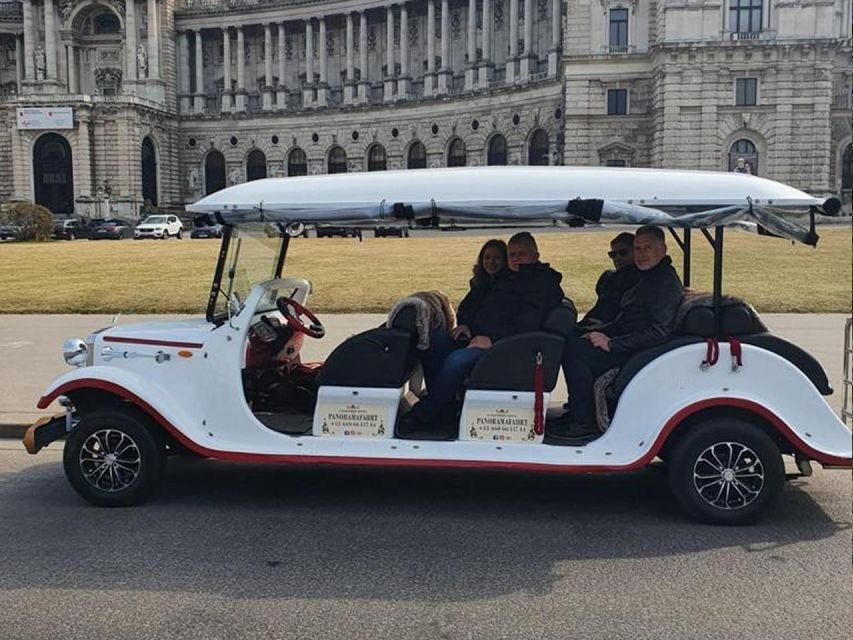
Vienna can feel big fast. This 1920s-style electric old-timer tour lets you get your bearings quickly, while staying sheltered and comfy as the streets roll by. I like that it’s designed for a full private group (up to 10), so families and friends don’t get split up, and you can actually hear the driver’s story.
You also get driver-led commentary plus an audio component, which keeps the sightseeing relaxed instead of turning into a frantic photo dash. One thing to consider: it’s only 60 minutes, so you’ll see a lot from the road, but you won’t have time for long on-foot exploring or ticketed museum visits.
In This Review
- Key Points To Know Before You Ride
- An Electric Old-Timer That Turns Vienna Into Easy Mode
- Where the Tour Starts and Ends Near Albertinaplatz
- The 60-Minute Loop: What You’ll Actually See
- From Albertina to the Ringstraße Big Names
- Albertina area quick note
- The Ringstraße Stops: Opera, Palaces, and That Vienna Scale
- Heldenplatz and the Hofburg Power Zone
- Parliament, Rathaus, and the Vienna Civic Web
- Museums and Gardens: Palmenhaus, Schmetterlingshaus, Burggarten
- Stephansdom and the Old City Vibe From the Car
- Music Vienna: Musikverein, Kursalon Hübner, Strauss, and Café Stops
- Photo and Timing Tips for a Packed 60-Minute Ride
- Price, Value, and Who This Tour Makes Sense For
- The Guide Makes It: Fun Delivery With Clear Info
- Should You Book This Electric Old-Timer Tour?
- FAQ
- FAQ
- How long is the Vienna sightseeing tour?
- How many people can ride together?
- Is the car electric and emission-free?
- Where does the tour start and end?
- Is admission to attractions included?
- What languages are offered?
- Is free cancellation available?
Key Points To Know Before You Ride
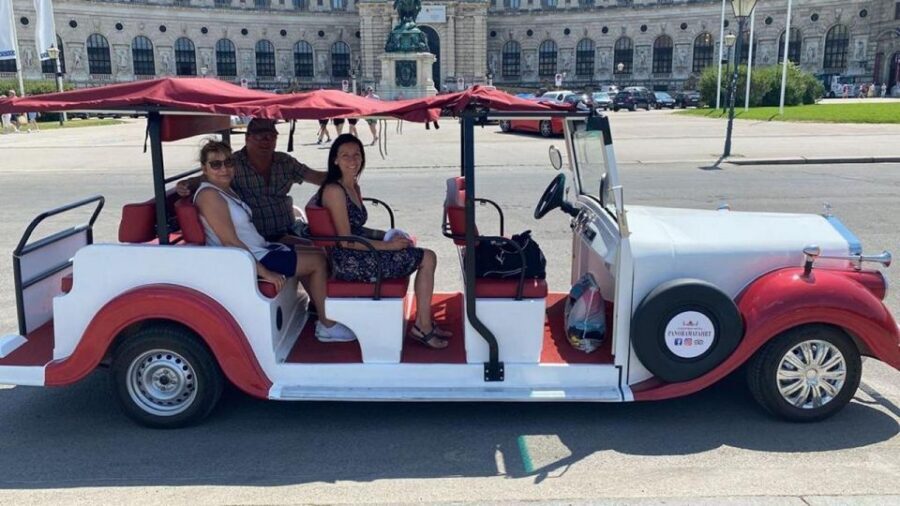
- Electric, emission-free old-timer comfort for nonstop sightseeing, even when the weather turns
- Private group up to 10 means you stay together instead of blending into a crowd
- Driver commentary + audio helps you understand what you’re seeing without overload
- A tight loop focused on Vienna’s big icons, starting and returning near Albertinaplatz
- A proven favorite for easy views + quick orientation across central highlights
An Electric Old-Timer That Turns Vienna Into Easy Mode
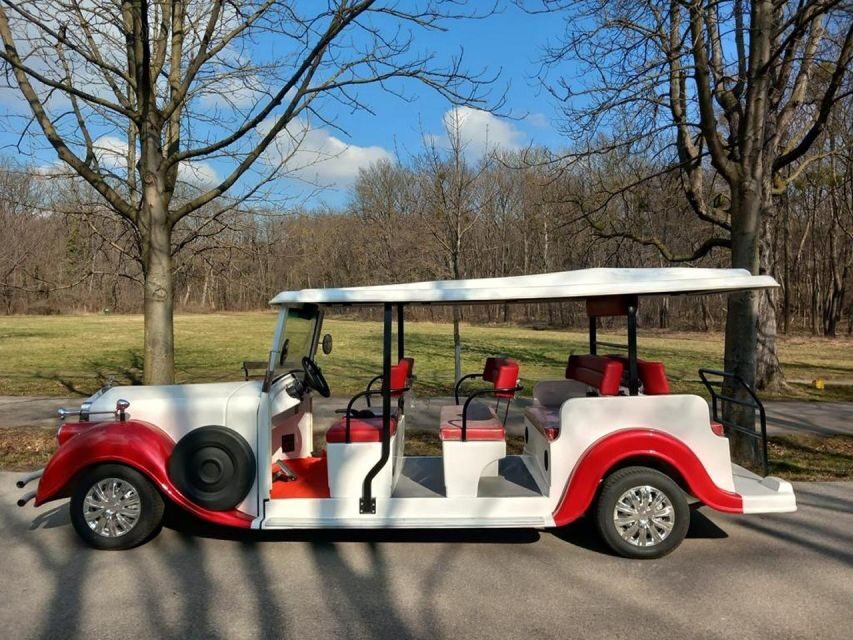
There’s something satisfying about touring Vienna from an open-road view that still feels old-school. This ride uses a classic-style, 1920s look, but it’s electric, so you’re not stuck in fumes or noise the way you might with older vehicles. The practical win is simple: you can focus on sights and stories instead of logistics.
I also appreciate how “family together” is built into the experience. With a private group for up to 10 people, you’re not playing the game of waiting for the slowest person or herding kids across sidewalks. The car keeps the group together, and that makes a short tour feel like it lasts longer than 60 minutes.
You’ll get live English or German commentary, and the driver provides the narration in a way that feels like it’s meant to land with you. In particular, one guide (Manuel) stood out for keeping things fun while still hitting the right amount of info. If you like your sightseeing facts direct and not stiff, you’ll probably enjoy this format.
The only catch is that this is a sightseeing cruise, not a walking tour. Expect lots of looking and learning from the vehicle, not long stops and museum time.
You can also read our reviews of more tours and experiences in Vienna.
Where the Tour Starts and Ends Near Albertinaplatz
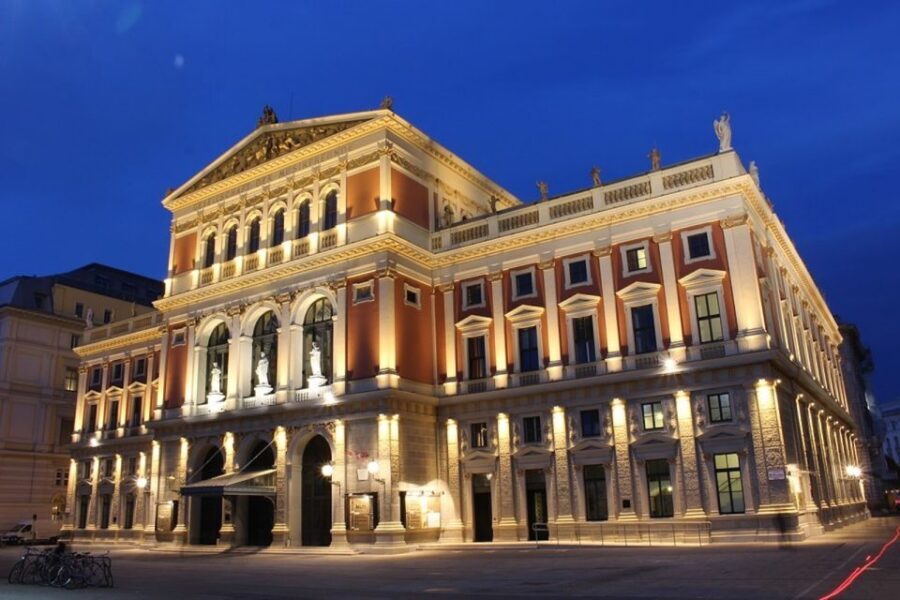
The tour is listed as starting and finishing at Cafe Mozart, Albertinaplatz 2, 1010 Vienna. That’s a very central, easy-to-picture anchor—perfect if you want your bearings without a confusing scatter of pickup points.
At the same time, the meeting point is also noted as Herrengasse 12 (Hotel Radisson Blu), also in the 1010 area. Those two spots are close enough in central Vienna that this can happen when operators simplify directions. My advice: plan to arrive a few minutes early, and double-check the exact meeting instruction you receive when you book so you don’t waste your ride time hunting for the car.
The 60-Minute Loop: What You’ll Actually See
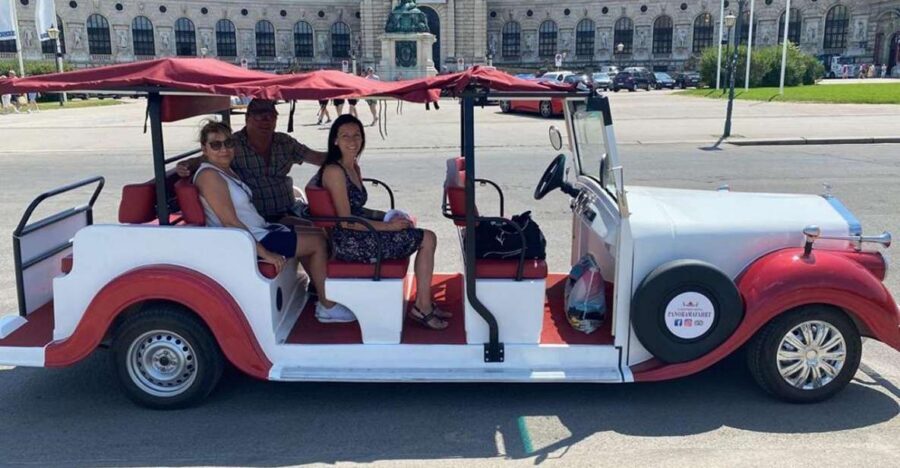
This is a 60-minute, nostalgic ride where you “hop on” and take in a long list of Vienna’s landmarks in one pass. The route is intentionally ambitious: you go past major squares, palaces, museums, and famous streets, and you also get back to where you started near Albertina.
You’ll see a lot of Vienna’s most recognizable areas, and the driver uses that as the framework for commentary. Think of it like a highlight reel with explanations—where each stop helps you connect the names you’ve heard with the buildings you’re looking at right now.
Because the schedule is packed, you’ll want to use the car time strategically. If you’re the type who likes a quick plan, this will feel efficient. If you’re the type who needs to linger at one spot, you might wish you had more time on foot later.
From Albertina to the Ringstraße Big Names
The tour kicks off around Albertina and then moves you into the heart of central Vienna. Expect stops along the famous Ringstraße area, including the Staatsoper and the Ringstraße stretch noted as the längste Boulevard Straße der Welt—the longest boulevard street in the world, as listed in the tour overview.
Here’s why this is valuable. Vienna’s core landmarks make more sense when you see how they line up along ceremonial boulevards and grand civic spaces. From the car, you can spot the rhythm of the city—what faces what, what dominates intersections, and how the “story” of the Ringstraße builds.
You’ll also pass by the Goethe Denkmal and Schiller Denkmal. Even if you’re not a big monument person, they help you feel Vienna’s tradition of putting writers and thinkers into the public landscape rather than keeping them in textbooks.
Albertina area quick note
Starting by Albertina matters because it’s a natural hub. You get easy access before and after the tour, and you finish close to the same place. That’s a small thing that saves you from decision fatigue later—especially if you want to tack on a café stop or a short walk after.


The Ringstraße Stops: Opera, Palaces, and That Vienna Scale
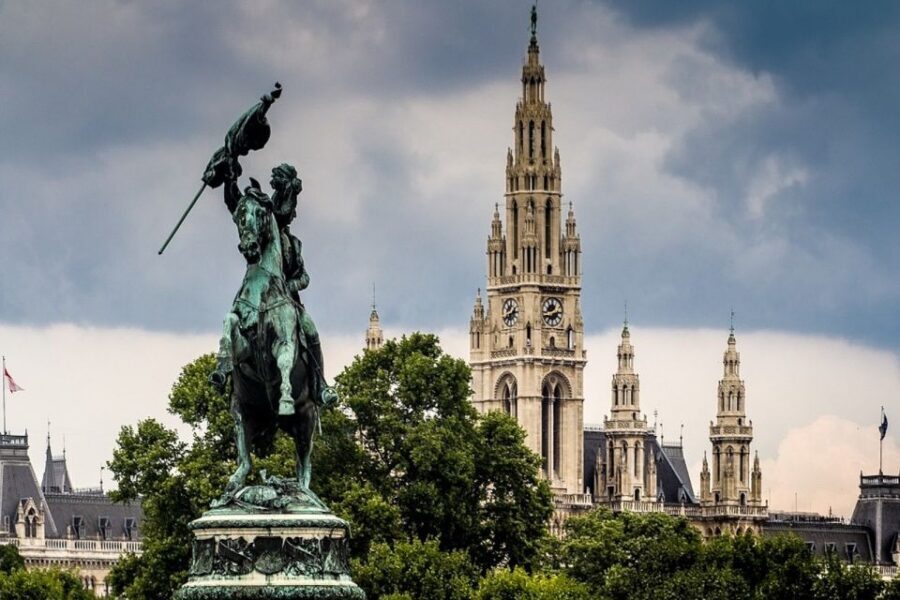
Once you’re on the Ringstraße stretch, you’re in the zone where Vienna looks like it means business. On this tour, you’ll pass the Staatsoper area and the Palmenhaus and Schmetterlingshaus points. You’ll also see Burggarten, which is one of the places where Vienna mixes formality with garden calm.
You don’t get to wander long here from the car, but you do get to register the contrast. Vienna’s grandeur isn’t just stone—it’s also where buildings meet green spaces and where pedestrian-focused areas sit alongside big ceremonial structures. From the old-timer car, that contrast shows up fast.
You’ll also pass by major cultural monuments like the Mozart Denkmal. Seeing him by a major civic route is a reminder that music is a public identity in Vienna, not just a museum category.
And because you’re in a moving viewpoint, you can also line up what you want to follow up later. Spot something you love? That’s your cue to add time on foot after the tour ends.
Heldenplatz and the Hofburg Power Zone
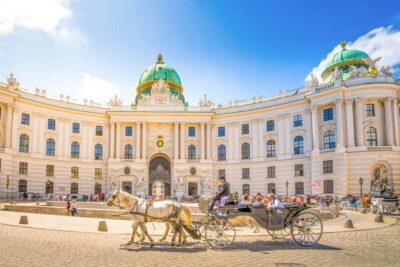
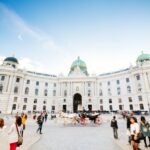
As you continue, you reach the Heldenplatz and Hofburg area—both are listed as part of the sightseeing loop. If you’re trying to understand why Vienna has that “imperial” feel, this part of town does the job quickly.
From a practical standpoint, the car view works well here. These buildings and squares are big, and they can feel overwhelming when you’re standing alone trying to take it all in. From the road, you get the perspective of streets and sight lines, and the driver commentary can connect the dots in a way that helps you remember.
You’ll also pass the Nationalbibliothek and the Welt Museum areas. Even if you’re not planning museum visits today, seeing them as part of your mental map is useful. Vienna’s neighborhoods are compact, but the cultural institutions are not always easy to place unless you’ve seen the larger layout.
Parliament, Rathaus, and the Vienna Civic Web
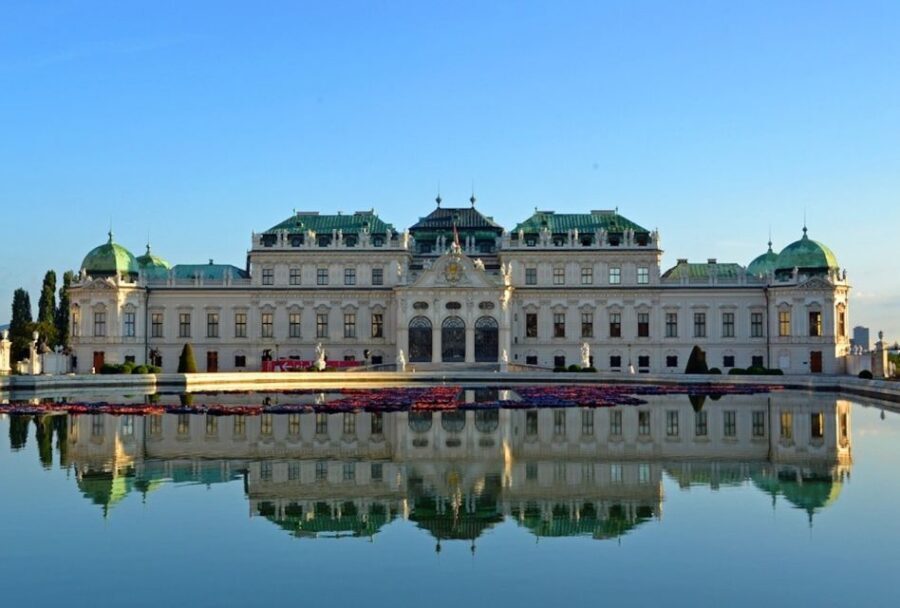
One of the reasons this tour works so well is that it doesn’t treat Vienna as only palaces and churches. You also get the civic architecture: the Parlament, Burgtheater, and Rathaus areas are all included on the route list.
This matters because Vienna’s identity isn’t only aristocratic. It’s also civic, theatrical, and administrative—and those worlds overlap in central streets and squares.
If you like photos with context (not just close-ups), this is the moment to pay attention. Rathaus and the civic buildings tend to look best when you understand their placement. The car keeps things moving, so you’re seeing how these buildings frame the streets around them.
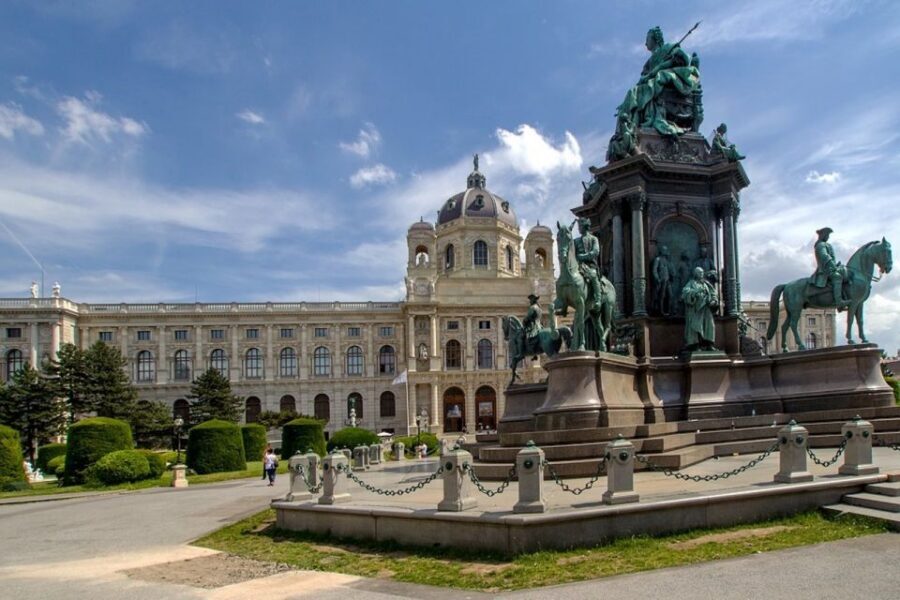
You’ll also pass by the Universität and the Am Hof area, plus other statues listed along the route such as Prinz Eugen Statue, Erzherzog Karl Statue, and Maria Theresia Statue. These names aren’t random. They’re part of Vienna’s way of marking important figures in the public space you move through.
Museums and Gardens: Palmenhaus, Schmetterlingshaus, Burggarten
The tour includes several park and museum-related stops: Burggarten, Palmenhaus, Schmetterlingshaus, and locations tied to Natur und kunsthistorisches Museum.
Even though the car doesn’t let you “visit” like you would with paid admissions, it still does something helpful: it shows you where these places sit relative to the rest of central Vienna. That helps you decide whether you want to return later for a ticketed visit.
If you’re traveling with kids, or you’re short on time, the garden portions can feel like a reset. A few minutes of greenery signals a change of pace, without requiring you to plan a separate walking detour.
Stephansdom and the Old City Vibe From the Car
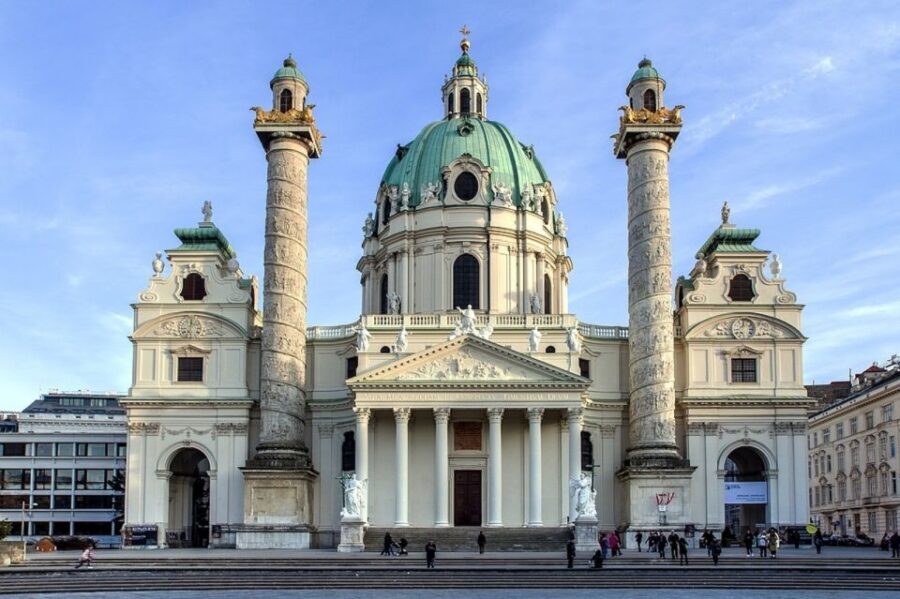
Eventually, the route reaches Stephansdom. Seeing Vienna’s most famous cathedral from the road is a good reality check. Many people arrive in Vienna imagining a single perfect view; this tour helps you notice how the area works in real life—streets, angles, and flow.
You’ll also pass through Wollzeile and the general old-city feel around that area, plus landmarks like Hoher Markt and Ankeruhr, all listed along the loop. Even if you don’t hop out, you’ll pick up how lively these spaces are on a city map.
One small practical tip: if you care about photos of big monuments, this is where you want to brace for brief, changing sight lines. Keep your phone/camera ready when the car approaches a major view, and don’t wait for the moment you think is perfect.
Music Vienna: Musikverein, Kursalon Hübner, Strauss, and Café Stops
Vienna has a music brand, and this tour threads it into your route in a very direct way. You’ll pass Musikverein and Kursalon Hübner, plus the Johann Strauss Denkmal and Musik-focused stops like Café Schwarzenberg and Café Zentral (the route lists Palais Ferstl with Café Zentral).
You’ll also pass Hotel Imperial, Grand Hotel, Hotel Bristol, and Hotel Sacher. Those aren’t just names. They tell you Vienna’s hospitality culture is a major part of the city’s image, and it’s woven into the same central corridors as opera and civic buildings.
If you’re the type who wants to taste the mood even without sitting down, this is a great section. You’re learning the city’s icons and also seeing how that icon lifestyle shows up in streets and facades.
And if you’re planning what to do after the tour, this is your planning gold. Pass those café names and hotels, note which ones match your vibe, then decide whether you want a rest stop on your own terms after the car ride ends.
Photo and Timing Tips for a Packed 60-Minute Ride
Because the tour is short, you’ll get the best results if you treat it like a guided preview.
- Keep your expectations realistic: this is a see-from-the-road experience. Save your “slow looking” for later.
- Watch the driver commentary as a way to pick where you’ll want to return on foot. The narration helps turn random buildings into something you can place.
- Have your camera ready around major landmarks, especially the big-name zones like Ringstraße and Stephansdom.
- If you’re traveling with a group, pick one person to be the note-taker. You’ll hear a lot of landmark names, and having one person track them can save time later.
Also, if weather is a question for you, this is one of the best advantages of the tour. It’s built for sightseeing no matter the weather—so you don’t lose the day to rain planning.
Price, Value, and Who This Tour Makes Sense For
The price is listed at $282 per group up to 10 people, for a 1-hour tour. That can sound steep if you think in solo terms. But it changes fast with group size:
- If you fill the car with 10 people, that’s about $28 per person.
- If you book as a small group of 4, it’s about $71 per person.
So the real value depends on whether you can share the group cost. I think this tour is especially worth it when:
- you’re traveling as a family,
- you have 4–10 people and want one simple plan,
- you want a fast Vienna orientation without committing to multiple museum tickets,
- you’re short on time and want the highlights with context.
For couples, it can still be a good deal if you’re coming in cold and want to understand the layout quickly. But if you’re a solo traveler on a strict budget, you’ll probably want to compare this against other sightseeing options.
One more value point: admission fees are not included. That means you’re paying for the ride and the storytelling, and then you can decide later if you want to spend money on entrances based on what you loved most.
The Guide Makes It: Fun Delivery With Clear Info
This tour lives or dies on the driver’s voice and pacing. The feedback you have for this experience points to guides who know how to explain without turning it into a lecture.
One guide named Manuel comes through as especially good at making the ride enjoyable. He’s also been known to respond to special moments—there’s a story of learning it was a birthday at the start and then playing Happy Birthday near the end to get everyone singing. That’s the kind of small, human touch that turns a highlight tour into a memory you don’t have to manufacture.
Another theme is balance. People describe the information as just right—enough to make the sights meaningful, but not so much that you get info-fatigue during a short 60-minute ride.
So even though the format is “highlights,” the delivery style seems to keep it from feeling rigid.
Should You Book This Electric Old-Timer Tour?
If your goal is quick orientation, comfortable sightseeing, and a guided highlight loop in a classic vehicle look, I’d say yes—especially if you’re traveling with others and can use the private-group size.
Book it if:
- you want a weather-friendly way to see Vienna,
- you like learning in motion from a driver (English or German),
- you’re building an easy first-day plan around Albertinaplatz.
Skip it if:
- you want long stops and lots of walking inside museums or churches,
- you’re expecting a deep, slow “one neighborhood at a time” experience.
FAQ
FAQ
How long is the Vienna sightseeing tour?
It’s a 60-minute (1 hour) tour.
How many people can ride together?
It’s a private group, up to 10 persons in the car.
Is the car electric and emission-free?
Yes. The tour is described as an electric old-timer with an emission-free journey.
Where does the tour start and end?
It’s listed as starting and ending at Cafe Mozart, Albertinaplatz 2, 1010 Vienna. The meeting point is also provided as Herrengasse 12 (Hotel Radisson Blu), 1010 Vienna.
Is admission to attractions included?
No. Admission fees are not included.
What languages are offered?
The live tour commentary is available in English and German.
Is free cancellation available?
Yes. Free cancellation is available up to 24 hours in advance for a full refund.