REVIEW · VIENNA
Vienna: Private Music Tour
Book on GetYourGuide →Operated by Austria Tours & Travel · Bookable on GetYourGuide
Vienna’s music scene hits fast. You get behind-the-scenes access at the Vienna State Opera and then a relaxed inner-city walk to landmark composer spots tied to Beethoven, Strauss, and Mozart. I especially like the way the tour connects famous names to real places you can stand in front of, instead of treating music like an abstract lesson. One consideration: the State Opera entrance fee isn’t included, so you’ll want to plan on paying that separately if required.
This is a private group experience (up to 15) with a state-certified guide in English or German, built around a 150-minute window. In the best moments, guides like Lisa and Giselle are praised for high energy and staying responsive to your group’s needs—one group even worked things out so they could end near a metro stop, and kids got a quick chance to play.
In This Review
- Key Highlights You’ll Actually Care About
- Meeting at the Vienna State Opera: Where to Start and How It Runs
- Inside the Vienna State Opera: Mahler Connections and Backstage Atmosphere
- Palais Lobkowitz and Beethoven’s Eroica: Why This Stop Matters
- Hofburg Imperial Chapel and the Vienna Boys Choir: A Weekly Tradition in a Historic Setting
- Mozart Memorial, Strauss’s Dance-Salon Era, and the Town’s Hidden Music Links
- St. Stephen’s Cathedral and Mozart’s Marriage: Ending on a Landmark That Feels Real
- Pacing, Flexibility, and Private-Group Comfort (Up to 15 People)
- Price and Value: $541 per Group and What You’re Really Paying For
- Who This Tour Suits Best
- Should You Book This Vienna Private Music Tour?
- FAQ
- How long is the Vienna Private Music Tour?
- Where is the meeting point?
- Is the State Opera entrance fee included?
- Is this a private tour?
- What languages are available?
- Can I skip the ticket line?
- Is hotel pickup and drop-off available?
- Is the tour wheelchair accessible and can I cancel for free?
Key Highlights You’ll Actually Care About
- State Opera House access plus skip-the-ticket-line so you spend less time waiting and more time looking
- Gustav Mahler and other major figures tied directly to what you’re standing in
- Hofburg Imperial Chapel and the Vienna Boys Choir connection, a weekly music tradition in a historic setting
- Palais Lobkowitz and Beethoven’s Eroica premiere, placing one of the best-known symphonies in its real debut context
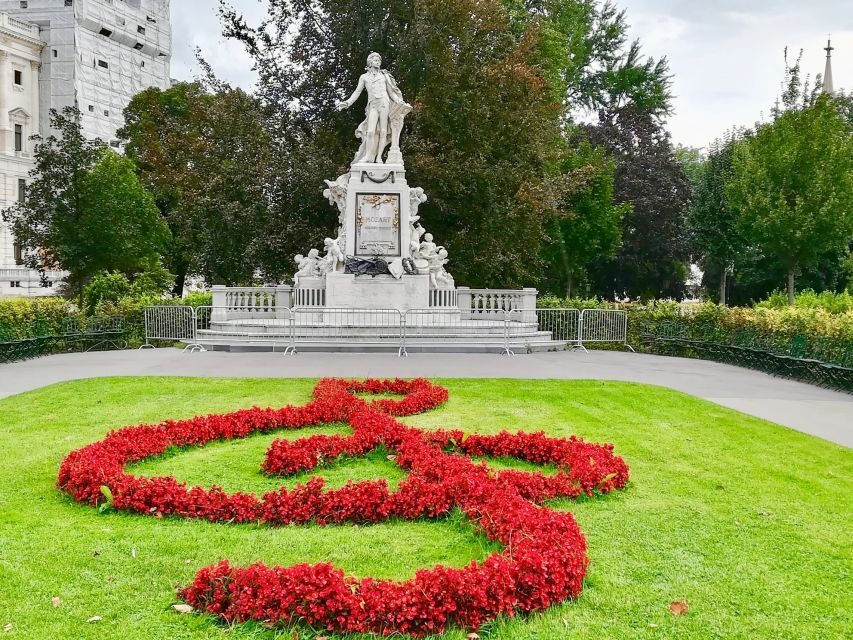
- Johann Strauss’ dance-salon link through the Mozart Memorial area, where romance and music culture overlap
- St. Stephen’s Cathedral, where Mozart was married, an anchor stop that ties the city’s musical legend to a visible landmark
Meeting at the Vienna State Opera: Where to Start and How It Runs
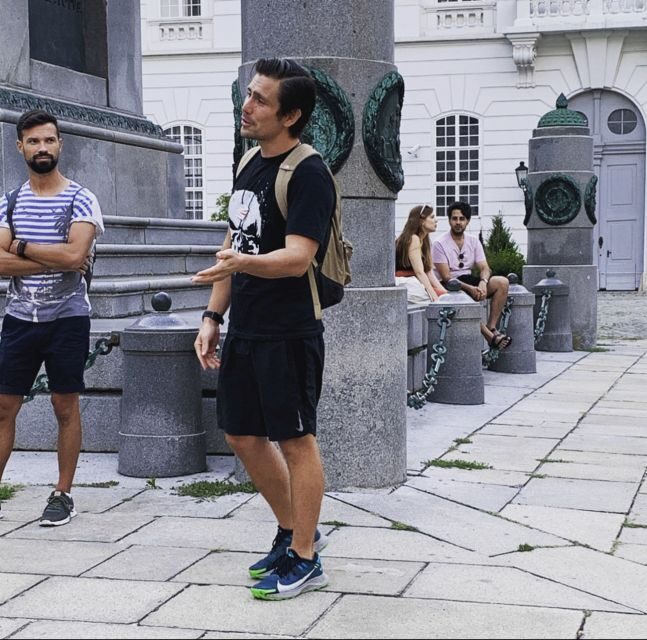
You meet at the Vienna State Opera by the fountain on the left-hand side of the building. That’s a helpful detail because Vienna’s opera façade can feel like a maze when you arrive without a plan.
From there, the tour moves in a steady rhythm: a guided visit inside the opera, then a leisurely stroll through the historic center. Your total time is listed as 150 minutes, which usually feels like enough to get real context without turning your afternoon into a sprint. This is also a private group, so you’re not stuck with the slowest walker in a crowd or the loudest phone conversation in the room.
You’ll have a guide who speaks English or German, and the tour is described as wheelchair accessible. If you choose hotel pickup and drop-off (only if that option is selected), you’ll want to think about timing so you don’t lose minutes to transfers. Start time depends on the State Opera’s opening hours and tour availability, and the local partner will tell you when your tour begins.
You can also read our reviews of more private tours in Vienna


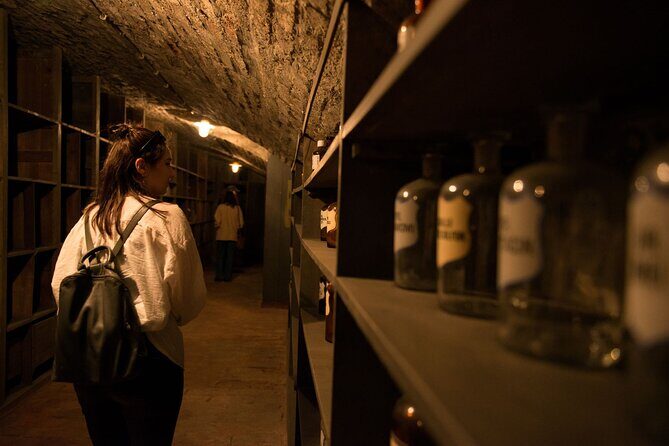
Inside the Vienna State Opera: Mahler Connections and Backstage Atmosphere
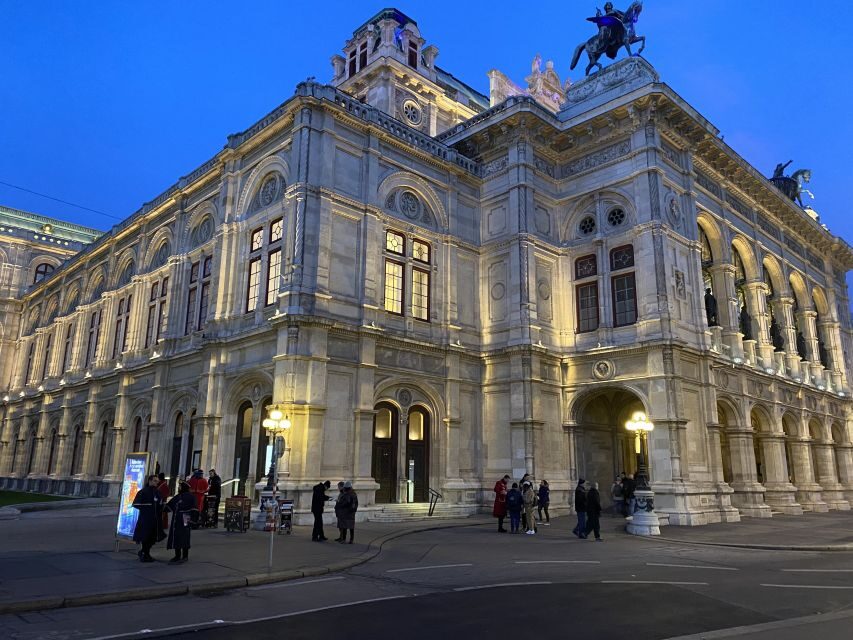
The first big payoff is the guided tour of the State Opera itself, with the added benefit of skipping the ticket line. The value here isn’t only convenience—this kind of access often helps you move through the space with a clear story, so you’re not just admiring the building while wondering what you’re supposed to look for.
Inside, the focus is on the opera house as a working music machine and a historical symbol. You’ll hear about its key conductors, including Gustav Mahler, and you’ll learn why this place became a “must” in the operatic world. It’s one thing to know names. It’s another thing to see the rooms, corridors, and design choices that helped shape how performances were built, rehearsed, and remembered.
A small practical tip: because the State Opera entrance fee is not included, you may need to factor in that additional cost at the moment you enter (or when your guide confirms what’s required). Still, I like the structure of this tour because you’re not paying for random sightseeing stops—you’re paying for a guided story that starts at the source.
Palais Lobkowitz and Beethoven’s Eroica: Why This Stop Matters
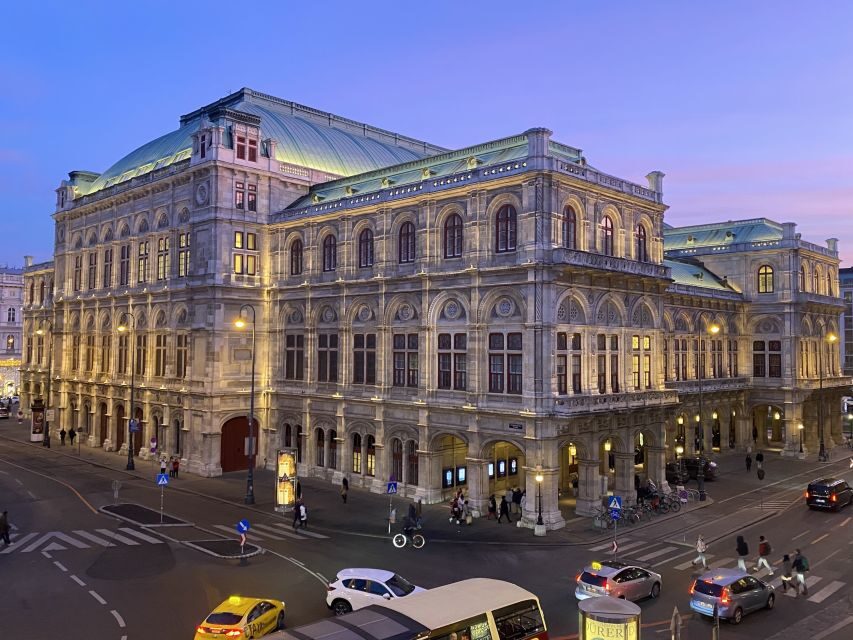
After the opera segment, you shift from the grandeur of the opera house to the human scale of Vienna’s streets. The walk is described as leisurely, and that matters because it keeps the music theme from feeling like a checklist.
One of the key composer stops is Palais Lobkowitz, where Beethoven premiered his Symphony No. 3, the Eroica. That fact turns a building into a timeline point: you’re not only seeing a palace exterior; you’re standing near the kind of setting that helped launch a work that people still recognize by name today.
Why I think this stop is worth the time: Eroica is often discussed as a musical milestone, but this tour frames it as a real event tied to patrons and institutions. Even if you’re not a Beethoven expert, learning that a symphony premiered here gives you a stronger mental map of why Vienna was such a magnet for composers.
If you’re sensitive to walking time, keep in mind you’ll be spending a chunk of the tour in the inner city. It’s not described as a marathon, but it’s still a city-walk format, not a museum-with-seating-every-five-minutes format.
Hofburg Imperial Chapel and the Vienna Boys Choir: A Weekly Tradition in a Historic Setting
Next comes Hofburg Imperial Chapel, tied to the Vienna Boys Choir. The tour specifically highlights that the choir performs every Sunday there. Even if your day isn’t Sunday, this stop still works because it explains the continuity—how tradition is anchored to a specific place.
What I like about bringing the choir into the tour is that it broadens the “music legends” idea. You go beyond famous composers and into a living institution. Vienna doesn’t just preserve history; it stages it, week after week, in a venue that’s part chapel, part cultural landmark.
Practical note: the tour data doesn’t promise you’ll hear a performance during your visit. What it does give you is the direct connection to where the choir performs, so you know why that space matters to Vienna’s musical identity.
Mozart Memorial, Strauss’s Dance-Salon Era, and the Town’s Hidden Music Links
One of the most fun aspects of this tour is how it threads together different styles of musical fame—serious composition on one side, social music culture on the other.
You’ll visit the Mozart Memorial, described as a former dance salon. This is where the story connects to Johann Strauss, the so-called Waltz King, and to the idea of how he made the ladies swoon—basically, how music culture shows up in everyday life and romance, not only in concert halls.
Then you’ll move through the city while picking up more location-based context, including a stop at the Pasqualati House, noted as the former residence of Ludwig von Beethoven. I like that this creates a “composer home base” layer to the experience. After hearing about the Eroica premiere at Palais Lobkowitz, seeing another Beethoven-related address helps you feel the composer presence as something that existed around the city, not just at a single event.
If you enjoy walking tours that feel like a guided story rather than isolated facts, this is the section that usually clicks. The key is that the places are linked: Strauss for social dance culture, Mozart and the cathedral for major life events, Beethoven for both premieres and personal presence.



St. Stephen’s Cathedral and Mozart’s Marriage: Ending on a Landmark That Feels Real
The tour also takes you to St. Stephen’s Cathedral, described as a place connected to Mozart’s marriage. This is a strong finish because it’s not only famous—it’s visually undeniable. Even if you’ve seen photos, standing in the area helps the Mozart connection land in your body, not just your brain.
This stop also helps balance the tour. The earlier parts focus on opera-world prestige and composer history inside specific buildings. St. Stephen’s gives you a broader Vienna anchor, a central landmark where the city’s cultural identity becomes physical.
Your route ends in Vienna at 1010 Vienna, Austria. Since your exact finishing point can depend on how your guide sequences stops, it’s smart to keep your onward plans flexible—especially if you plan to connect to public transit right after the tour.
Pacing, Flexibility, and Private-Group Comfort (Up to 15 People)
This is built as a private group for up to 15 people, which is a big deal for a history-and-music walking format. In a small group, the guide can slow down when someone asks a good question, or speed up when everyone’s ready to move. You also have room to adjust the ending point.
That flexibility is something the guide experience seems to lean into. One account highlighted that the guide was responsive early and helped with accommodations for a mom, and then the group adjusted during the tour to end near a metro stop. Another detail that stood out: the guide’s energy kept everyone engaged, and kids got a short break to play on a playground area.
Even if your group doesn’t have the same specific needs, the principle matters. If you have mobility considerations, if you want a transit-friendly finish, or if you’re traveling with teens who need momentum, private format gives you leverage.
Price and Value: $541 per Group and What You’re Really Paying For
The price is listed as $541 per group up to 15 for a 150-minute tour. That’s not a per-person price, so the math changes fast depending on group size.
- If you keep the group closer to 10 people, you’re roughly at $54 per person.
- If you fill it closer to 15, you’re closer to about $36 per person.
That may sound abstract until you compare it to what you get here: a guided visit to the Vienna State Opera with a way to skip the ticket line, plus a structured walk that links multiple major music sites into one continuous narrative. The guide isn’t just telling you names; you’re moving through specific venues tied to Beethoven, Strauss, and Mozart, with meaningful context along the way.
Two practical value notes:
- Entrance fee for the State Opera isn’t included, so your total “out-the-door” cost may be slightly higher depending on what you need to pay on the day.
- If you’d otherwise spend time buying tickets and figuring out what to see and in what order, paying for a guided route usually saves energy. That matters in Vienna, where everything is close, but distractions are everywhere.
This is a great price point if you’re traveling with family or friends and want the story-guided version of Vienna—without the stress of coordinating a group at every stop.
Who This Tour Suits Best
This one fits best if you want music history to feel location-based and human.
You’ll probably love it if:
- You’re into classical music and want a guided map of Vienna’s big composer connections
- You want to see the State Opera House interior and learn why it matters
- You enjoy walking tours, but you want a guide to do the heavy lifting with pacing and explanation
- You’re traveling with mixed interests—someone can be into opera, someone else into Mozart, and everyone still gets value
It may feel less ideal if you’re looking for a long, free-form city wander with lots of time to browse independently. This is structured and guided, with a clear arc and defined stops.
Should You Book This Vienna Private Music Tour?
If you want one focused way to get inside Vienna’s music story—opera house first, then a walk through composer landmarks—this tour is a strong choice. The standout value is the combination of State Opera access plus a coherent set of places tied to Beethoven, Strauss, the Vienna Boys Choir, and Mozart. Add in the private-group format and the chance for flexibility on where you end, and it’s especially appealing for families.
Before you book, do one quick check in your own planning: confirm how you’ll handle the State Opera entrance fee since it’s not included. If that’s no problem, you’re set up for a high-impact afternoon that feels like Vienna’s music culture, not just a list of famous names.
FAQ
How long is the Vienna Private Music Tour?
The tour lasts 150 minutes.
Where is the meeting point?
Meet your guide by the fountain on the left-hand side of the Vienna State Opera.
Is the State Opera entrance fee included?
No. The guided tour of the State Opera is included, but the entrance fee is not included.
Is this a private tour?
Yes. It’s a private group tour for up to 15 people.
What languages are available?
The live guide is available in English and German.
Can I skip the ticket line?
Yes. The tour includes skip-the-ticket-line access.
Is hotel pickup and drop-off available?
Hotel pickup and drop-off are available if you select that option.
Is the tour wheelchair accessible and can I cancel for free?
The tour is wheelchair accessible. You can cancel up to 24 hours in advance for a full refund.