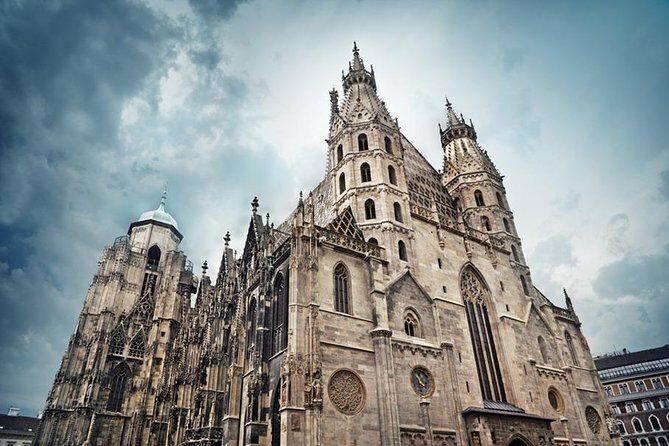
Vienna hides its best scenes in plain courtyards. This 2-hour walk is a smart mix of historical center highlights plus the smaller spaces in between, with stories that make the city feel personal. I also loved how the route threads from the big postcard stop at St. Stephen’s Cathedral into the quieter corners like Ballgasse and Blutgasse.
Vienna Courtyards & Hidden Places Tour also has a very practical rhythm: you get a guided look at major sights and then shift into the “wait, what is that?” details that many people miss.
If you hate stairs or have mobility needs, take note: this tour isn’t suitable for wheelchair users or people with mobility impairments. The same goes for kids under 12, and you’ll want light hands too since large bags aren’t allowed.
For me, the best part is the way the guide builds connections—architecture, legends, and even the truth-telling angle around Mozart—so you leave with more than photos.
In This Review
- Key things to look forward to
- Courtyards change how you see Vienna in just 2 hours
- Price and value: why $34 can feel fair here
- Meeting points and where you end up (so you don’t waste time)
- Practical tip
- St. Stephen’s Cathedral and Stephansplatz: the anchor of the walk
- A small consideration
- Mozart’s final residence: myths vs. reality, guided with a point
- Palais Neupauer-Breuner and Deutsches Haus: beauty with context
- Why this matters for your photos
- Blutgasse and Domgasse: side streets with big stories
- The Franciscan Church and Monastery: faith, architecture, and a calmer pace
- The old university district, Jesuit Church, and the old city wall
- What to expect on the ground
- The Palais-to-passages contrast: courtyards and legends you can actually find
- A note on group size and atmosphere
- Traditional Viennese cuisine: learning tastes, not just seeing them
- The house where the cow plays on the board: playful detail with meaning
- Old photos and post-war perspective (when the guide brings it up)
- Weather, footwear, and what to pack for a courtyards walk
- Who this tour is best for
- Who should skip it
- Should you book Vienna: Courtyards & Hidden Places?
- FAQ
- How long is the Vienna Courtyards & Hidden Places Walking Tour?
- What languages is the tour offered in?
- Is this tour a small group?
- Does the tour run in all weather?
- Is St. Stephen’s Cathedral included?
- What’s included and what’s not included?
- Are luggage or audio recordings allowed?
Key things to look forward to
- St. Stephen’s Cathedral area and the Stephansplatz atmosphere, explained with clear context
- Mozart’s final residence, with the guide focusing on the real story and common myths
- Courtyards and side streets with legends attached to places like Ballgasse, Blutgasse, and Domgasse
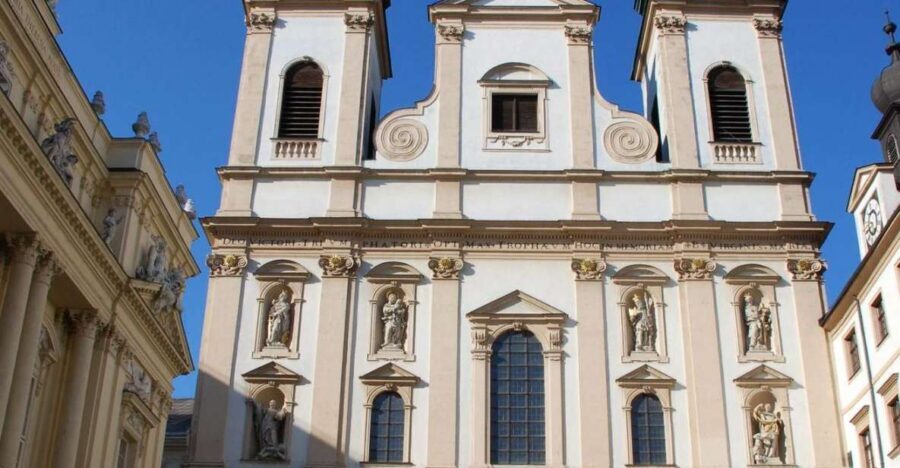
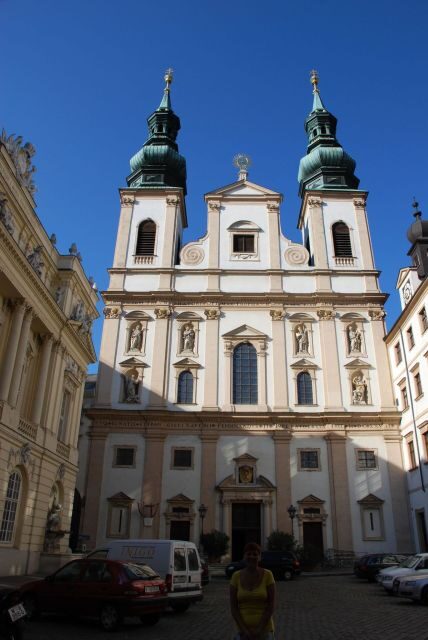
- Franciscan Church and Monastery, plus nearby university and church sites for a fuller map of the old city
- Playful-but-historic details, including the house where the cow plays on the board
Courtyards change how you see Vienna in just 2 hours
This tour works because it doesn’t just point at landmarks. It moves you through the city’s inner spaces—courtyards, passages, and narrow lanes—where Vienna’s history becomes tangible instead of theoretical. In a short time, you get the feeling of what the old center was built for: residents, commerce, faith, and power, all packed into walkable blocks.
I like that the pacing is built around stops you can actually see and then connect with what you’re hearing. The guide keeps it lively, and the walk format means you’re not stuck in one spot staring up at a tower the whole time.
You can also read our reviews of more walking tours in Vienna

Price and value: why $34 can feel fair here
At $34 per person for a 2-hour small-group tour, the value comes from how much ground the guide covers and how tightly the story is tied to the places you pass. You’re paying for someone who can explain why these buildings and streets matter—then guide you to sites that are less obvious than the cathedral.
It’s also not a “sit and listen” product. You’re walking through the city’s maze, which means the money turns into orientation fast. If you’re doing Vienna for the first time, that efficiency is worth real money.
Meeting points and where you end up (so you don’t waste time)
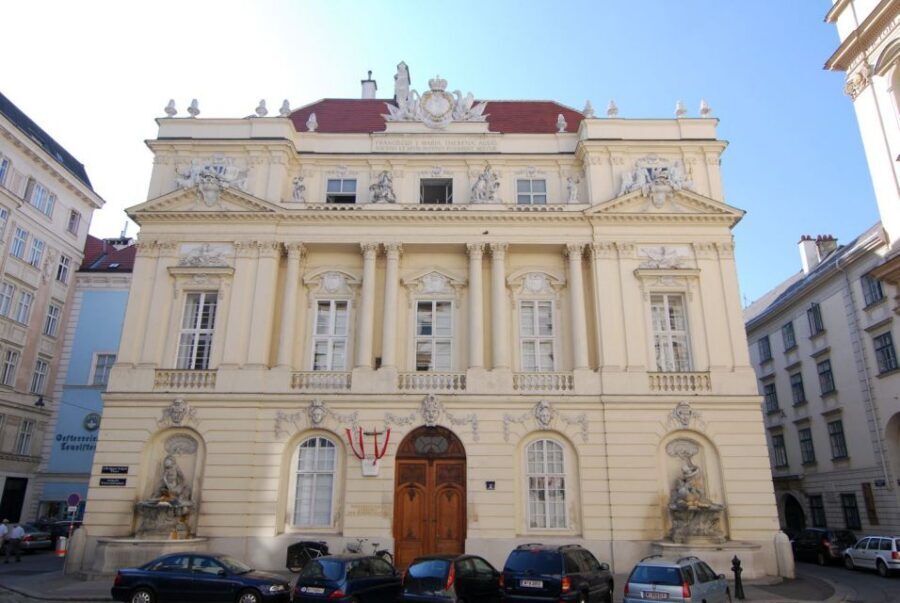
The meeting point can vary depending on the option you book, and there are two starting location options listed as Bankomat. That sounds small on paper, but in practice it means you should double-check your exact pickup spot on your confirmation.
You’ll finish at Dr.-Karl-Lueger-Platz 3, 1010 Wien. It’s a handy drop-off because you’re still in the historical center zone, so it’s easy to keep exploring after the tour.
Practical tip
Come with your walking pace in mind. The tour is designed for a steady stroll through multiple streets and courtyards, and the group stays small, so the guide can keep moving when everyone’s ready.
St. Stephen’s Cathedral and Stephansplatz: the anchor of the walk
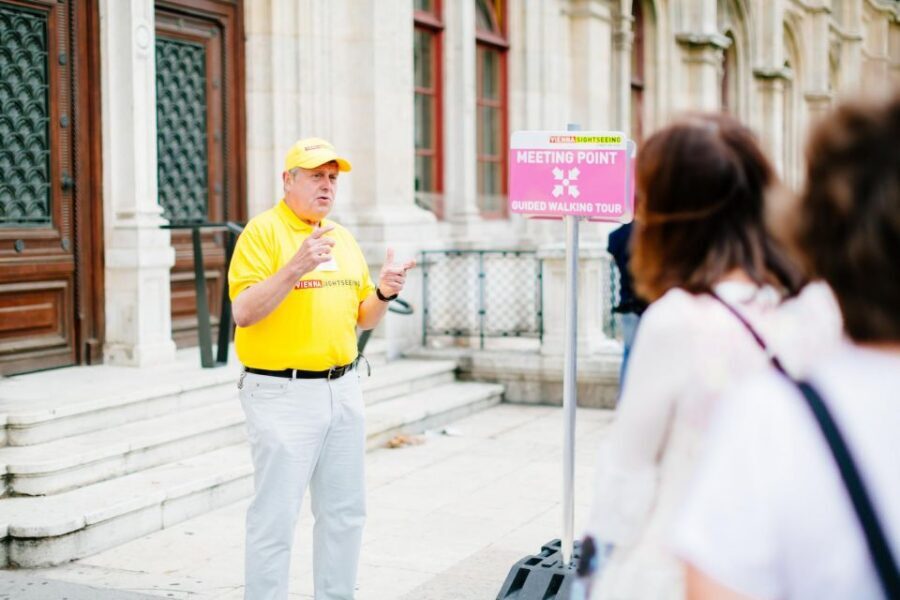
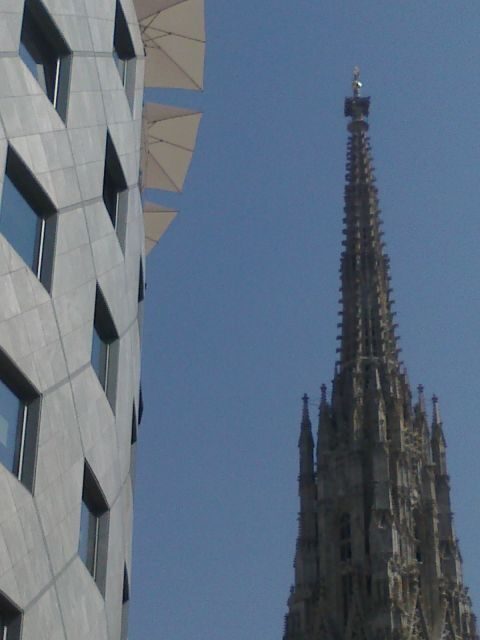
Most first-time visitors go to St. Stephen’s Cathedral once and then move on. This tour does something better: it uses St. Stephen’s Cathedral as the anchor, then uses the surrounding streets to show you what the area meant in daily life.
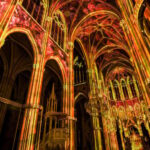
When you’re at Stephansplatz with a guide, you’ll get more than a description of the façade. You’ll hear the cathedral’s place in Vienna’s story and how it connects to nearby city life—so the landmark doesn’t feel random.



A small consideration
One part of the experience is that you’ll see many stops across the center. That’s great for variety, but if your main goal is spending a long chunk inside or staring hard at the cathedral itself, the time here may feel brief compared to a slower, monument-only plan.
Mozart’s final residence: myths vs. reality, guided with a point
Mozart is one of those names that comes with instant assumptions. This tour uses Mozart’s final residence to separate the famous version of his life from the story the guide wants you to understand better—what’s true, what’s repeated, and why the truth matters for how you picture him in Vienna.
What I like about this stop is the way it fits the walking theme. You’re not just hearing a biography at arm’s length. You’re learning it in the middle of the streets where the details belong.
Ballgasse also comes into play on this route, and that helps you connect the Mozart story to the broader texture of the city. You start to feel how neighborhoods, buildings, and names interlock.
Palais Neupauer-Breuner and Deutsches Haus: beauty with context
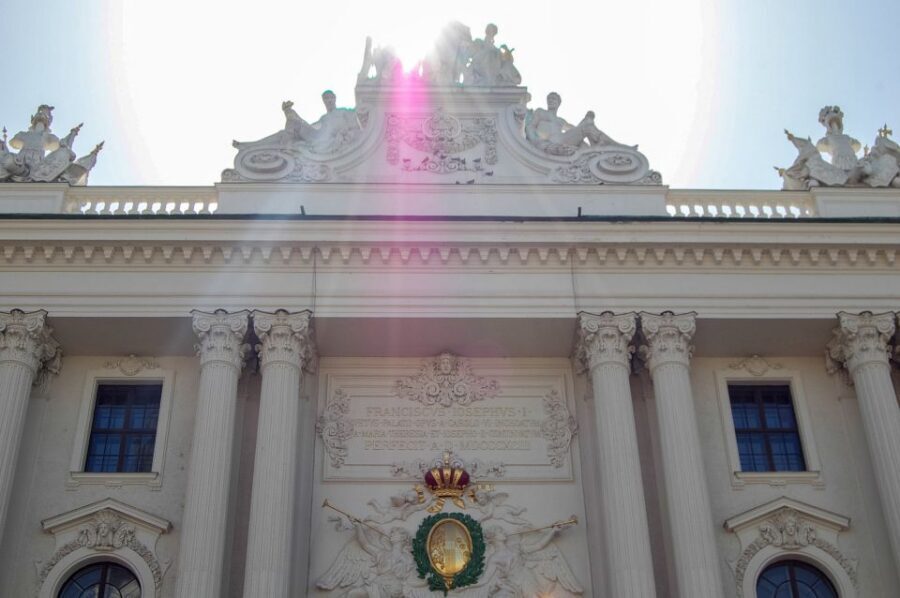
Palais Neupauer-Breuner isn’t just a pretty façade on the way to something else. The guide brings architecture into the conversation, helping you notice the differences that matter and explaining how these grand buildings relate to the people and institutions around them.
Deutsches Haus is the kind of stop you might walk past without a second look. Here, it becomes part of the tour’s theme: the historical center isn’t only churches and palaces. It’s also a living network of organizations and influences.
Why this matters for your photos
Even if you love photography, the real win is learning what to look for before you lift your camera. You’ll know what features matter, and that makes your pictures feel more intentional, not just random skyline shots.
Blutgasse and Domgasse: side streets with big stories
This is where the tour gets fun. The route includes Blutgasse and Domgasse, and those street names alone make you slow down and pay attention. The guide ties these lanes to stories and legends, and you start to understand how Vienna’s character can sit in plain sight—right between major landmarks.
You’ll also spend time in the historic center wandering along narrow streets where the city feels more human scale than museum scale. The best moment is when you realize the “backstreet” isn’t a dead end. It’s a corridor to meaning.
The Franciscan Church and Monastery: faith, architecture, and a calmer pace
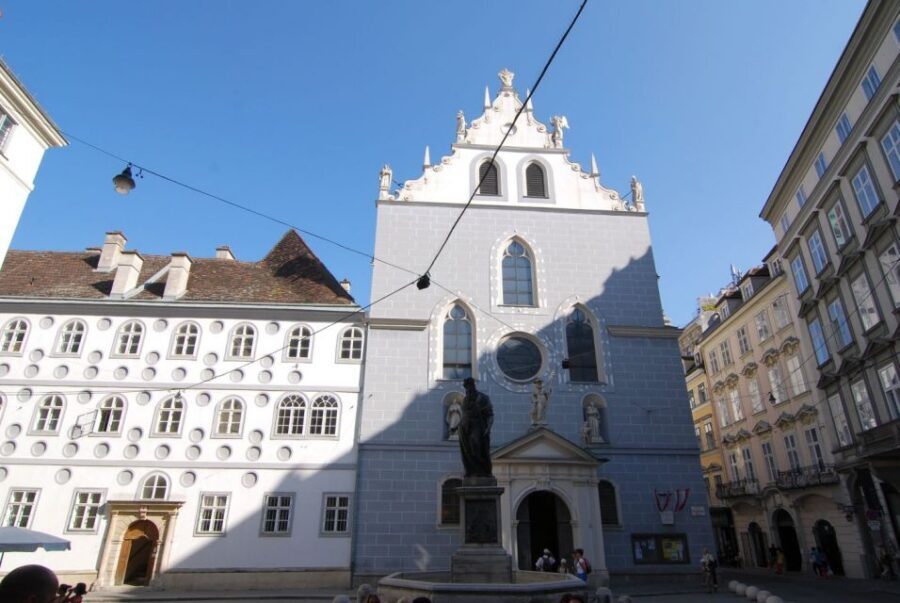
The Franciscan Church and Monastery stop gives you a change of tempo. After the earlier blocks of street-and-story walking, the monastery and church setting tends to slow your senses down a notch. That’s useful, because it lets the history land in a more grounded way.
You don’t just learn what it is—you also understand why it fits into the older parts of the city, where religious institutions weren’t separate from daily life. They shaped schedules, communities, and even the layout of the world people moved through.
The old university district, Jesuit Church, and the old city wall
As the walk continues, you’ll pass through the old university area and see the Jesuit Church, plus the old city wall. Together, these stops broaden the tour beyond “pretty buildings.” You start seeing how Vienna organized education, religion, and defense into the same geography.
I like that this part helps you get your mental map. Even if you don’t remember every detail, you’ll remember the feeling of being in Vienna’s older order—structured, interconnected, and built to last.
What to expect on the ground
This is still a walking tour, so you won’t get a drawn-out stop at every location. Instead, you get enough explanation to make the places meaningful when you move on.
The Palais-to-passages contrast: courtyards and legends you can actually find
The tour’s theme is courtyards and hidden places, and the architecture in Vienna rewards attention. Courtyards can look quiet from the street, but they often hold the scale and history of everyday life—private space inside a city built for public display.
You’ll also hear legends tied to these spaces, and the guide’s job is to connect the legend to the actual setting you’re standing in. When it works, you don’t just hear a story—you see why the story could grow there.
A note on group size and atmosphere
This is a small-group tour, and in practice that often means you can hear the guide clearly and ask quick questions if needed. One of the best aspects of small groups is that the guide can keep you on track without rushing you out of the story.
Traditional Viennese cuisine: learning tastes, not just seeing them
The tour includes learning about traditional Viennese cuisine. You may not be doing a formal tasting during the walk, but the guide brings food into the picture so Vienna’s culture feels complete.
This is a helpful strategy. If you only focus on cathedrals and palaces, Vienna can feel like a stage set. Food talk anchors the city in daily life, and it also sets you up to order better once you start eating on your own.
The house where the cow plays on the board: playful detail with meaning
One of the more memorable named stops is the house where the cow plays on the board. It’s the kind of attraction that sounds odd until you see it and hear the story behind it.
I like stops like this because they break the monotone of “serious monument.” They remind you that Vienna’s historical center includes jokes, symbols, and local identity—not just grand architecture and royal power.
Old photos and post-war perspective (when the guide brings it up)
One detail that can add weight to the walk is how the guide discusses Vienna during and after WWII, including bomb damage. You might also see period photos during the tour.
That kind of context changes the mood of the streets. You stop viewing the city as only “old and beautiful,” and you start seeing it as a place that has endured and rebuilt—right where you’re standing now.
Weather, footwear, and what to pack for a courtyards walk
This tour takes place in all weather conditions, so plan for that. Courtyards and narrow streets can still be enjoyable in rain, but you’ll want comfortable shoes you trust on uneven stone.
Large bags and luggage aren’t allowed. That doesn’t just keep things neat—it also makes the walk safer and easier inside tighter areas.
Audio recording isn’t allowed either. So if you like to capture everything, rely on your memory and notes instead.
Who this tour is best for
This tour is ideal if you:
- want a first-time orientation to Vienna’s historical center
- love architecture with stories attached
- like short stops where you learn the meaning behind what you see
- want a guide to help you connect famous places with lesser-known streets
Who should skip it
This tour isn’t suitable for children under 12, and it’s also not for wheelchair users or people with mobility impairments. If you’re in a stroller or need step-free routing, it’s safer to choose a different kind of tour.
Also, if you want an audio-heavy self-guided experience, the no audio recording rule might annoy you.
Should you book Vienna: Courtyards & Hidden Places?
Yes—if your style is walking, listening, and noticing. At $34 for 2 hours with a certified Vienna guide and a small group, this is a strong option for getting a lot of story-per-minute without feeling stuck in one museum hall.
I’d book it if you care about the “between places” in Vienna: the courtyards, side streets, and named details like Ballgasse, Blutgasse, Domgasse, and the cow-on-the-board house. You’ll also get a more rounded view thanks to the inclusion of St. Stephen’s Cathedral plus Franciscan and university-area stops.
I’d skip it if you need step-free accessibility, are traveling with kids under 12, or want lots of time inside specific buildings. This is a walking tour first, and the value is in the guided route and storytelling.
FAQ
How long is the Vienna Courtyards & Hidden Places Walking Tour?
The tour lasts 2 hours.
What languages is the tour offered in?
The guide provides live narration in German and English.
Is this tour a small group?
Yes, it’s conducted in a small group.
Does the tour run in all weather?
Yes, the tour takes place in all weather conditions.
Is St. Stephen’s Cathedral included?
Yes. You’ll visit St. Stephen’s Cathedral as part of the tour.
What’s included and what’s not included?
Included is a certified tourist guide from Vienna. Pick-up and drop-off are not included.
Are luggage or audio recordings allowed?
No. Large bags or luggage are not allowed, and audio recording is not allowed.