REVIEW · VIENNA
Vienna Art Nouveau Walking Tour
Book on GetYourGuide →Operated by insightcities.com · Bookable on GetYourGuide
Vienna’s metro is art, not just transport. This 3-hour walking-and-metro outing turns Otto Wagner’s architecture into a story you can actually see, starting in the city’s Art Nouveau heart. I like how the tour explains why Vienna built the system in the first place, then helps you read the design choices as more than decoration.
My favorite part is the Art Nouveau focus on real places you can still visit, especially the well-preserved station stops tied to the original metro line. I also like the pace: you walk between viewpoints, then hop onto the metro for the big finale.
One consideration: part of the experience depends on which day you go, because entry to the Secession House (and especially Klimt’s Beethoven Frieze) is not included and costs extra on Tuesday through Sunday.
In This Review
- Key things you’ll notice on this tour
- Vienna Art Nouveau in street form: why this tour works
- Meet at Café Museum: get your bearings fast
- Karlsplatz pavilion and the Wagner Museum: meeting Otto Wagner’s approach
- Stadtpark Station: the best-preserved station stop, up close
- Secession Building and the Beethoven Frieze: Jugendstil meets celebrity art
- Kettenbrücke station and the metro ride: where design earns attention
- Hietzing and the emperor’s station near Schönbrunn: public design with political muscle
- Otto Wagner beyond the stations: apartments and Österreichische Postsparkasse
- What $176 buys you in 3 hours, and where extras can appear
- Who should book this tour, and who might not love it
- Should you book the Vienna Art Nouveau Walking Tour?
- FAQ
- How long is the Vienna Art Nouveau Walking Tour?
- Where does the tour start?
- Is the Secession House admission included?
- Is admission to the Otto Wagner Pavillon included?
- What days include Klimt’s Beethoven Frieze?
- What language is the tour in?
- Is this tour only for big groups?
- Is there free cancellation?
- Can I reserve and pay later?
Key things you’ll notice on this tour
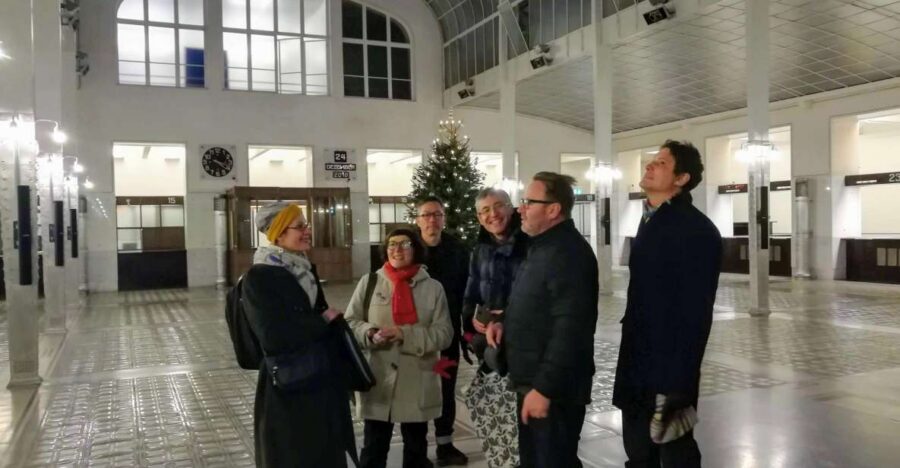
- Otto Wagner’s “iconic, easy to recognize” station design explained before you look closely
- Stadtpark Station as the best-preserved original stop still in use
- Secession House in the middle of the route, with Klimt’s Beethoven Frieze on Tue–Sun (ticket extra)
- A ride to the emperor’s station zone near Schönbrunn, where design served political messaging
- Small-group tailoring, with guides like Wolfgang, Peter, and Giuseppina noted for answering tons of questions
Vienna Art Nouveau in street form: why this tour works
This isn’t Art Nouveau as a museum poster. It’s Art Nouveau built into everyday movement—platforms, entrances, and the look of the city as it grew fast in the late 1800s. Vienna’s population expanded quickly, and public transportation became a must, not a luxury. This tour is built around that cause-and-effect.
The big idea you’ll take home is that Otto Wagner wasn’t designing stations in a vacuum. His goal was to make them instantly recognizable and to reflect Vienna’s cosmopolitan identity. In other words, you’re not just seeing Jugendstil. You’re seeing how a modern city used design to persuade people it was moving into the future.
And the guide time matters. A historian guide keeps the architecture grounded in what was happening in Vienna’s growth, plus what Art Nouveau meant to its supporters. You end up with a sharper eye, not just photos.
You can also read our reviews of more walking tours in Vienna
Meet at Café Museum: get your bearings fast
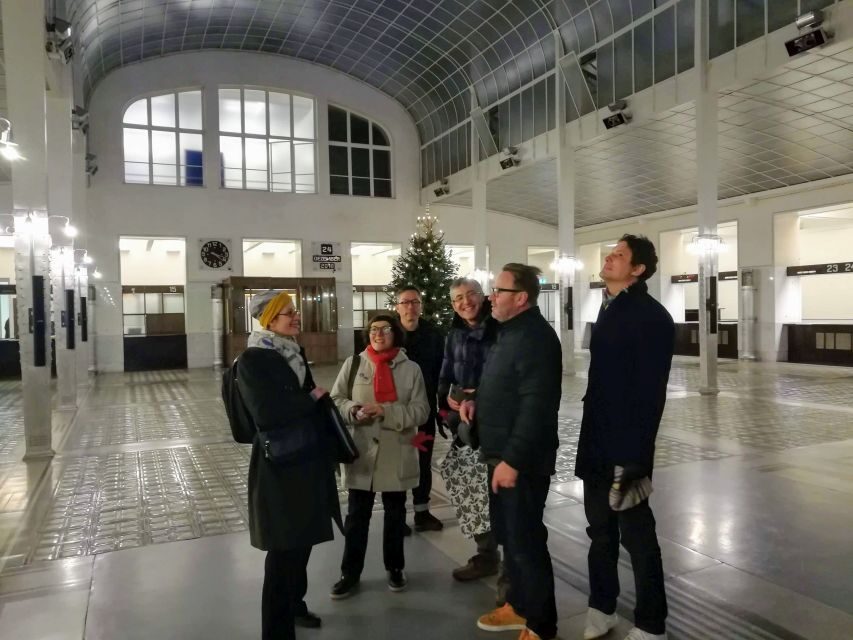
You start at Café Museum, Operngasse 7 (A-1010 Vienna). This is a smart starting point because you can settle into the theme before you hit the streets. The tour begins with a guided moment at the café, which helps you understand what you’re about to see instead of treating it like a random collection of pretty facades.
If you like architecture tours that teach you how to look, this start is a win. Reviews also highlight that guides are comfortable answering questions at length. Peter, for example, was praised for being accessible and helpful when people asked history-and-architecture questions, including how to spot places of worship you might not expect to notice.
Tip for you: keep an eye on the details the guide points out—especially materials and symbols—because the tour specifically calls attention to the design logic behind Art Nouveau.
Karlsplatz pavilion and the Wagner Museum: meeting Otto Wagner’s approach
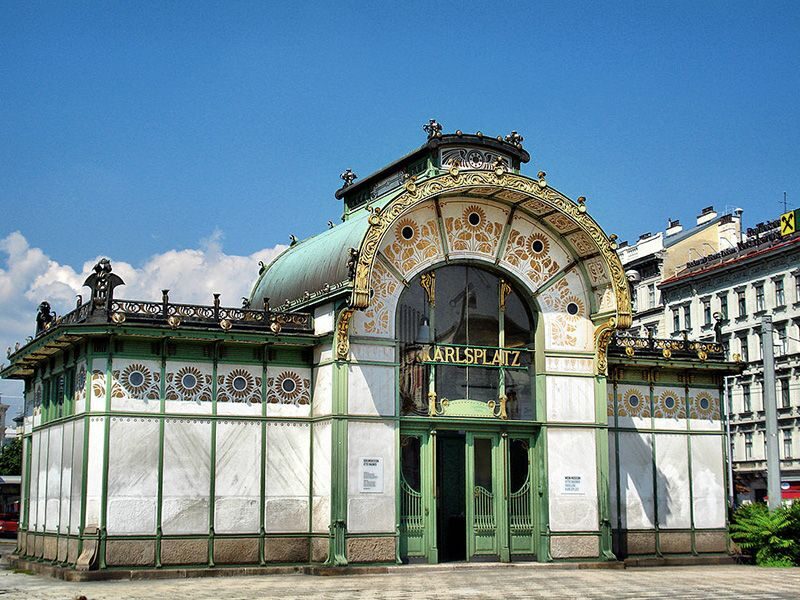
From the start area, you head to the Wien Museum Otto Wagner Pavillon at Karlsplatz. This is where you connect the story of the metro to the mind of the architect. The pavilion is more than a nice building; it’s the platform for what Wagner tried to do with the metro line: make it unmistakable, modern, and unmistakably Vienna.
You’ll also learn about the small Wagner Museum there. Admission to the pavilion itself isn’t included, so if you want extra time inside, plan on that being separate. Still, even without going in fully, the guided discussion gives you the framework you need to recognize what to look for outdoors.
What I like here is the way the tour sets up Wagner’s design philosophy: he aimed to translate Art Nouveau into something that would work for a high-traffic public system. It’s not Art Nouveau as pure fantasy. It’s Art Nouveau engineered for real people moving through real space.
Stadtpark Station: the best-preserved station stop, up close
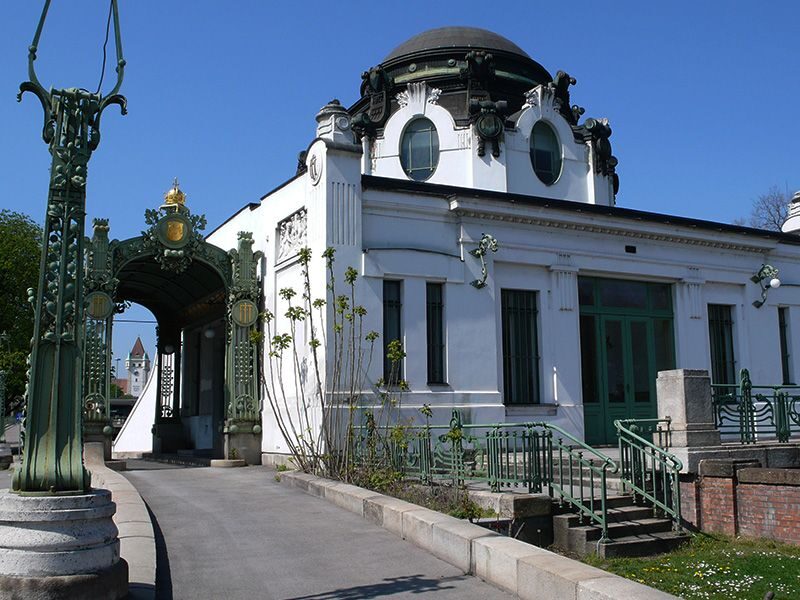
Next, you walk toward Stadtpark station, described as the best-preserved of the original metro stations still in use. This is one of the tour’s biggest practical advantages: instead of guessing what older stations looked like, you get to experience a surviving example.
Here’s what makes this stop valuable for your eyes. When you see a station that’s still in service and still carries its original design DNA, you start to understand what Wagner meant by iconographic design—something you can recognize fast, even at a glance. The station becomes a living textbook.
You’ll also have a better feel for why Art Nouveau made sense for Vienna at that moment. This era wanted modern identity, and transportation offered a public stage where design could be seen every day.
Secession Building and the Beethoven Frieze: Jugendstil meets celebrity art
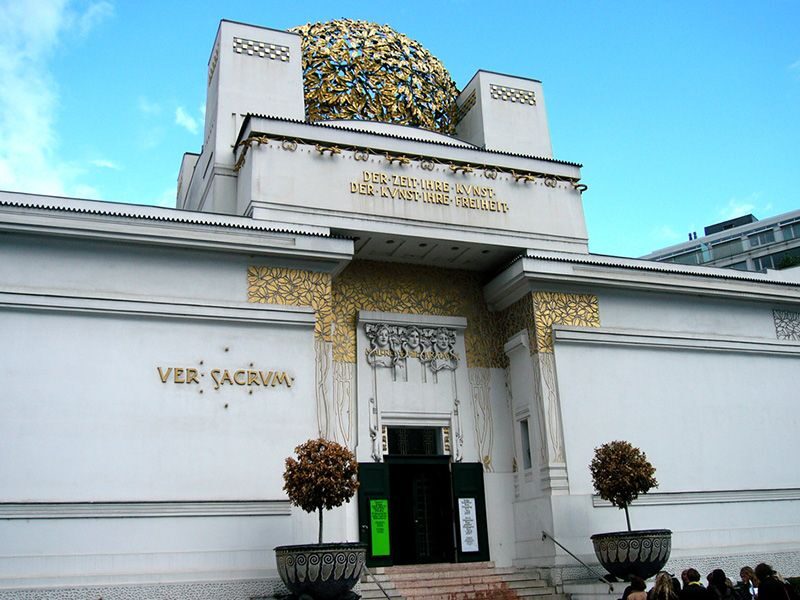
One of the most famous waypoints you’ll hit is the Sezession House / Secession Building. The tour treats it as the iconic expression of Viennese Jugendstil, and honestly, it’s hard to argue with that. This is the moment where the architecture stops being only about the metro line and starts connecting to the wider Art Nouveau movement in Vienna.
If your tour runs Tuesday through Sunday, you’ll visit the Secession House to see Gustave Klimt’s Beethoven Frieze. Entry is not included in the tour price, so you’ll likely need to pay separately (the tour notes €9.50 for adults and €6 for students and seniors). Your guide helps you handle that cost on the spot.
A good way to think about this stop: it helps you understand how symbolism and ideology lived in architecture. Wagner’s metro work is on the “everyday city” side, while the Secession House represents the “movement” side. Put them together and the Art Nouveau story feels more complete.

Kettenbrücke station and the metro ride: where design earns attention
At Kettenbrücke station, the tour turns into a mix of walking views and metro segments. That matters because it mirrors how the system is meant to function: the design is meant for motion, not only for standing still.
From Kettenbrücke, you step onto the metro for the last stop. The tour frames this as the crown jewel of the line, which is a clue that the final station isn’t just aesthetically impressive—it carries meaning.
Along the walking portions between these stops, you’ll also see additional Wagner-related architecture, including two apartment houses designed by Otto Wagner. This is useful because it keeps you from thinking of Wagner as a one-trick metro architect. You start spotting his logic across different building types.
If you enjoy tours where the guide helps you identify what you’re looking at—rather than reading everything off a sign—this is a highlight. Reviews mention that guides like Wolfgang tailored the walk for what the group wanted, and that people covered a lot of ground while still feeling like they understood what mattered.
Hietzing and the emperor’s station near Schönbrunn: public design with political muscle
The final segment revolves around the imperial stop outside Schönbrunn, described as built solely for the emperor to use. Even if you’ve never thought about how architecture can function like politics, this is where the tour makes the idea tangible.
The tour explains a key context: the line faced critics, and the station had a symbolic job. By giving the emperor’s supporters a visible stake in the project, Vienna’s leaders aimed to show that the imperial figure backed the new metro line.
What you learn to watch for here is how Wagner turned something “generally bourgeois” (the tour’s framing) into a style with imperial grandiosity. In plain terms, you’ll see how design choices were used to persuade. This is not just beauty; it’s messaging.
And for you as a visitor, it’s a great payoff. You walk through theory (why Art Nouveau, why the metro), then reach a station zone where the theory becomes obvious in the way the building’s presence communicates status.
Otto Wagner beyond the stations: apartments and Österreichische Postsparkasse
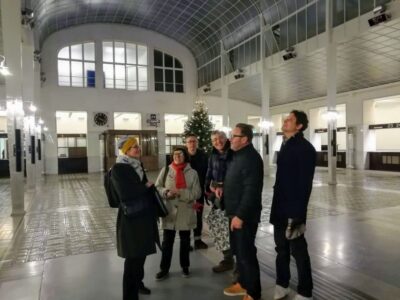
Even though the headline is metro stations, the tour also folds in other Otto Wagner landmarks, including Österreichische Postsparkasse. That stop is valuable because it widens the lens: it shows how Wagner’s Art Nouveau language could show up in civic and commercial buildings too.
This matters if you’re the type of traveler who wants your first Art Nouveau experience to feel grounded. Otherwise, these tours can become too focused on one building. Here, you get the chance to compare how the same design world can appear in different contexts.
The route also includes the Otto Wagner Hofpavillon in Hietzing. It fits the same imperial theme as the Schönbrunn area, reinforcing how Vienna’s elite and public projects were intertwined in the design decisions.
What $176 buys you in 3 hours, and where extras can appear
At $176 per person for about 3 hours, the value is in three things: a historian guide, targeted stops tied to Otto Wagner’s Art Nouveau metro legacy, and a guided explanation that helps you interpret what you’re seeing.
Still, you should budget for add-ons. The tour notes that admission to the Otto Wagner Pavilion isn’t included, and Secession House tickets cost extra (with set pricing). On Tuesday through Sunday, when Klimt’s Beethoven Frieze is included in the visit, that extra ticket becomes the main cost you’ll want to plan for.
The price feels more reasonable if you care about architecture details. A good architecture guide turns a station facade into an intelligible story. Reviews back up that kind of guidance: Wolfgang and Peter were praised for tailoring and for being easy to ask questions, while Giuseppina was singled out for being friendly, close with the group, and clear about Art Nouveau.
If you just want a quick photo walk, you might feel the time pressure. But if you want the “why” behind the buildings, this tour is built for that.
Who should book this tour, and who might not love it
This is a great pick if you:
- want Vienna’s Art Nouveau connected to real urban infrastructure
- like architecture tours that explain design intent and symbolism
- enjoy guided pacing, including walking plus metro segments
- prefer small-group tours with room for questions (reviews mention tours for very small groups)
You might hesitate if you:
- dislike walking long stretches as part of an architecture outing
- don’t want to handle additional paid entries (Wagner Pavilion and Secession House)
- prefer only the biggest-ticket “must see” art without interpretation
One more practical note: the tour’s full payoff depends on what you pay attention to. If you let the guide do the heavy lifting, you’ll get the main story. If you interact—ask about materials, symbols, and the political design angle—you’ll probably enjoy it more.
Should you book the Vienna Art Nouveau Walking Tour?
Book it if you want Vienna’s Art Nouveau to feel concrete: stations you can recognize, buildings that explain themselves when someone points out the design logic, and a finale tied to the emperor and the metro line’s critics. The structure makes sense, and the guides seem to run the show with flexibility, which helps a lot when you have questions.
Skip it only if you mainly want a casual stroll or you’re uncomfortable paying extra for the Secession House and possibly the Wagner Pavilion. For the right traveler, though, this is an efficient way to get a guided, architecture-focused Vienna experience without spending the whole day in lines.
FAQ
How long is the Vienna Art Nouveau Walking Tour?
The tour lasts about 3 hours.
Where does the tour start?
It meets at Café Museum, Operngasse 7, A-1010 Vienna.
Is the Secession House admission included?
No. Admission to the Secession House is not included. The tour lists €9.50 for adults and €6 for students and seniors.
Is admission to the Otto Wagner Pavillon included?
No. Admission to the Otto Wagner Pavillon is not included.
What days include Klimt’s Beethoven Frieze?
If your tour runs Tuesday to Sunday, you will visit the Secession House to see Klimt’s Beethoven Frieze.
What language is the tour in?
The tour is offered in English.
Is this tour only for big groups?
No. Private or small groups are available.
Is there free cancellation?
Yes. Free cancellation is available up to 24 hours in advance for a full refund.
Can I reserve and pay later?
Yes. You can reserve now and pay later.