REVIEW · VIENNA
Vienna Art Nouveau Walking Tour
Book on Viator →Operated by Insight Cities · Bookable on Viator
Vienna’s Art Nouveau feels different up close. This 2.5-hour walk/metro tour links Jugendstil design to the buildings and stations you pass every day, with an English-speaking guide who turns details into clear stories. You’ll also come away with a practical sense of where the city’s style lives, not just a list of names.
I especially like how the stops are real city infrastructure: metro stations that still work today, plus iconic architecture like the Secession. One thing to plan for: parts of the experience are outdoors, and you may want extra layers if the weather is bad.
Key things I’d circle on your map
- Small group, big attention: max 8 people per booking means you’re not lost in the crowd.
- Jugendstil through Vienna’s transit: historic stations make the design story concrete, fast.
- Otto Wagner at multiple angles: pavilion, station design, and related apartments show one vision in different forms.
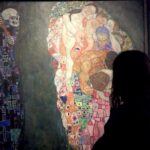
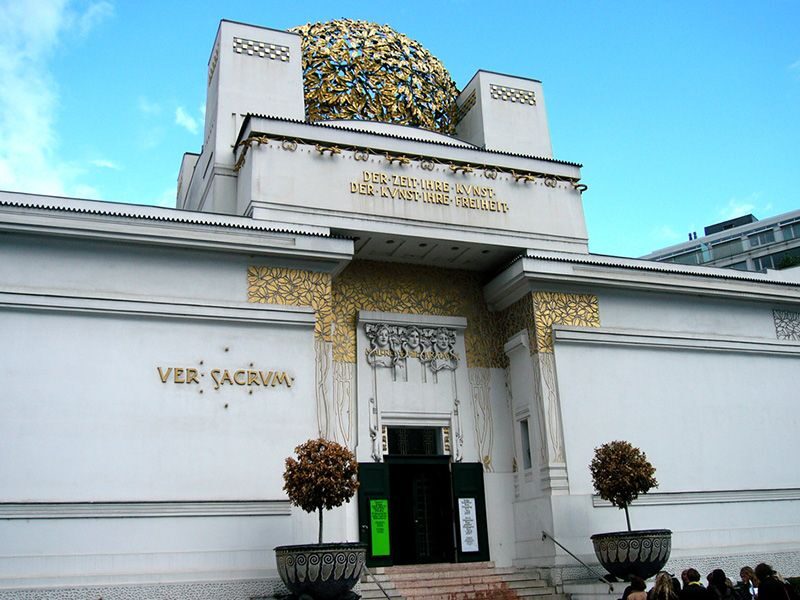
- Secession and Klimt’s Beethoven Frieze option: you can focus on the building first, then add the frieze if it’s open on your day.
- A clear orientation of early-1900s Vienna: you learn the “why” behind the look, not just the “what.”
- Mostly short steps, plus metro hops: walking stays manageable even if you’re not a long-distance hiker.
In This Review
- Vienna’s Jugendstil, up close and practical
- Price and what you get for about $180
- Where you meet and how the route really works
- Stop 1: Otto Wagner Pavillon at Karlsplatz and the Wagner Museum angle
- Stop 2: Stadtpark station and why the little Vienna riverbed matters
- Stop 3: Secession building, Jugendstil symbols, and the Beethoven Frieze add-on
- The imperial metro stop: power, symbolism, and Wagner’s message
- What the guides do well (and why it matters)
- Timing, tickets, and planning for the museum parts
- Who should book this Art Nouveau tour?
- Should you book? My honest take
- FAQ
- How long is the Vienna Art Nouveau Walking Tour?
- What does the tour cost, and what language is it in?
- Is this tour only walking, or do we use the metro too?
- What entrance fees might I need to pay separately?
- Where do I meet the group?
- How many people are in a group?
Vienna’s Jugendstil, up close and practical
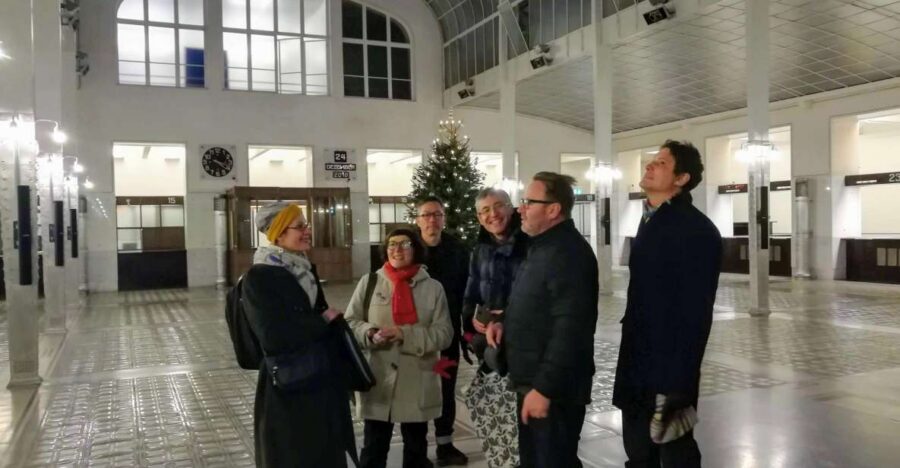
If you only think of Art Nouveau as ornate facades, this tour will recalibrate you. In Vienna, Jugendstil shows up in engineering, station design, and the way people wanted modern life to feel. Watching it spread across the city makes the style click in a way photos rarely do.
You start with what’s easiest to understand: buildings you can stand in front of, and metro stations you can actually use. The result is a tour that works for first-timers who need orientation, and also for repeat visitors who want deeper connections between architects, artists, and public spaces.
And yes, it’s a walking tour. But it’s not a march. You’ll move on foot between sights and use the metro for at least one key segment, which keeps the pace comfortable while you cover more ground.
Price and what you get for about $180
At $180.04 per person for roughly 2.5 hours, this isn’t a bargain-basement deal. The value comes from two things you can feel immediately: a professional guide and a tight, focused route limited to 8 travelers.
The guide matters because Jugendstil can be “busy” at first glance. Here, you get help reading the design language—materials, symbols, and why certain choices fit the period’s ideas. That kind of interpretation is hard to replicate on your own unless you already know what to look for.
What’s not included is equally important for budgeting. Entrance fees can apply for some stops:
- The Otto Wagner Pavilion visit can involve paid museum admission during April to October (amounts depend on ticket type).
- Secession House to see Gustav Klimt’s Beethoven Frieze has an added fee on Tuesday to Sunday.
So the smart move is simple: if Klimt’s Beethoven Frieze is on your must-see list, set aside the extra ticket cost. If you’re more into architecture than museum interiors, you can still get a strong tour experience at the exterior/building stops.
You can also read our reviews of more walking tours in Vienna

Where you meet and how the route really works
You meet at Operngasse 7, 1010 Wien. It’s a convenient central point and, per the tour info, you’ll be near public transportation.
The tour’s rhythm is designed for viewing details without turning into a full-day grind. Expect a mix of:
- short outdoor strolls,
- time at architecturally specific stops,
- and metro rides between stations when it helps you cover the story efficiently.
Group size stays small. That’s not a luxury detail; it changes how the tour feels. With only up to 8 people, you’re more likely to get direct answers to your questions rather than hearing them filtered through the group’s noise.
One practical note from real-world experience: if weather goes cold and wet, guides often handle the pacing with common sense. I’ve seen the kind of adjustment where getting soaked is the problem everyone wants to avoid.
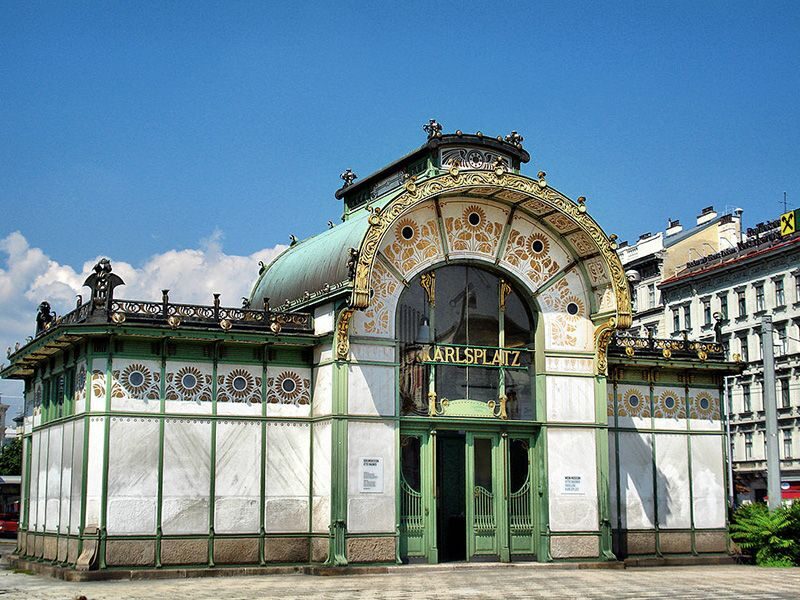
Stop 1: Otto Wagner Pavillon at Karlsplatz and the Wagner Museum angle
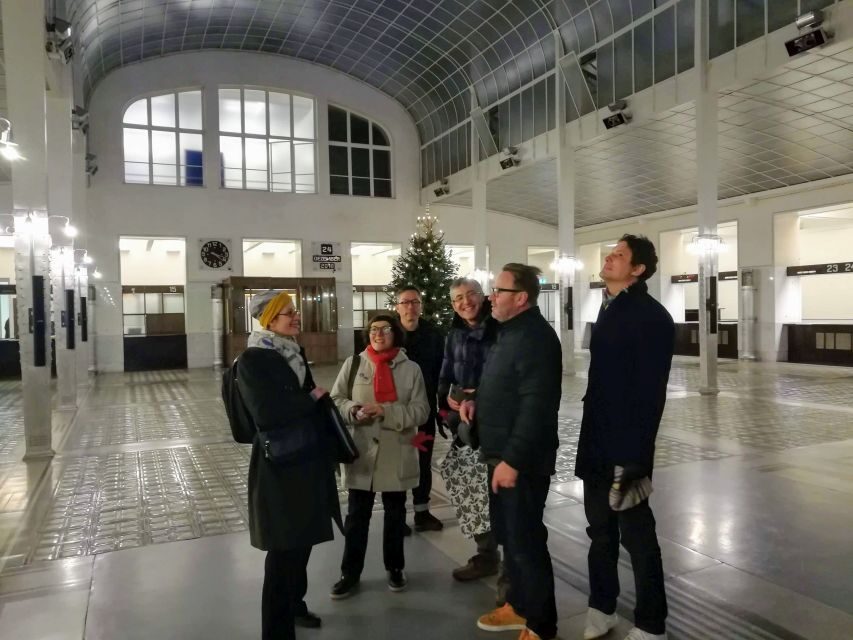
You begin at the Otto Wagner Pavillon at Karlsplatz. This is a great starting point because it sets the tone: Jugendstil in Vienna isn’t just decorative. It’s tied to a specific architect, a specific mindset about modern life, and the idea that public design should be both functional and meaningful.
There’s also a small Wagner Museum component connected to this stop. The key practical detail is that admission can depend on timing:
- The tour includes a pavilion visit as part of the walk, and admission is listed as free in one part of the tour details.
- But there are also season-based museum admission fees (April to October), with different prices for general, seniors, students, Vienna Card holders, and persons with disabilities.
So if your trip falls in spring or summer, plan a few extra euros for the museum portion. If you’re visiting in the colder months, you may just focus on the exterior and the pavilion experience without that museum add-on.
Why this stop matters: starting here helps you understand that the rest of the tour isn’t random Art Nouveau sightseeing. It’s a thread leading to how Wagner’s design thinking shows up across Vienna’s built environment.
Stop 2: Stadtpark station and why the little Vienna riverbed matters
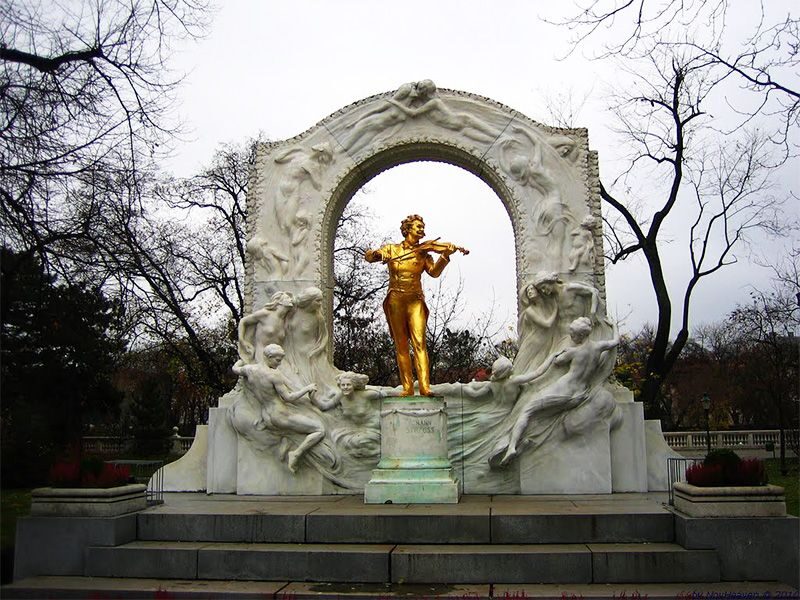
Next up is Stadtpark station, described as the best preserved of the original metro stations still in use. This is one of the reasons the tour feels special: you’re not only looking at art; you’re seeing design decisions embedded in infrastructure that still runs today.
A standout detail is the station’s adjoining artificial riverbed for the little Vienna river. The city needed to rechannel the waterway when the train was built, and the design problem was how to fold the realigned river back into the urban landscape. You’ll learn how that planning challenge shaped what you see.
If you like “how did they solve that?” questions, this is your stop. It turns a pretty setting into a real engineering story, and that makes Jugendstil feel grounded rather than purely ornamental.
Potential drawback: since this is tied to a working station environment, don’t expect a quiet museum vibe. You’re there to observe design elements, not to linger for long photo shoots in a silent hall. Dress for outdoor conditions and keep your pace steady.
Stop 3: Secession building, Jugendstil symbols, and the Beethoven Frieze add-on
Your next major visual anchor is the Secession. The tour ties this building directly to Viennese Jugendstil, calling it the icon par excellence of the movement. This is the moment where the style becomes instantly recognizable even if you’re not a “design person.”
You’ll also pass through Kettenbrücke station area, using it as a jumping-off point to connect the larger architectural ideas to specific examples you can spot right there.
The tour focuses on the philosophy behind Jugendstil:
- what symbols designers favored,
- what materials show up again and again,
- and how the movement’s style connects to both everyday life and social status.
Two additional architectural references come in here as well: two apartment houses by Otto Wagner. That matters because it’s easy to associate Jugendstil mainly with museums and monuments. Seeing Wagner’s residential work reminds you that style was meant to shape private life too.
Then there’s the question of Klimt. The Secession House can be ticketed separately to see Gustave Klimt’s Beethoven Frieze on Tuesday to Sunday, with listed admission prices:
- €9.50 for adults
- €6 for students and seniors
Your guide can help you pay, so you’re not scrambling mid-tour. If Beethoven Frieze is a top priority, this is worth budgeting for. If you’d rather save money, you can still enjoy the Secession building and the broader Wagner/Jugendstil discussion outside the museum portion.

The imperial metro stop: power, symbolism, and Wagner’s message
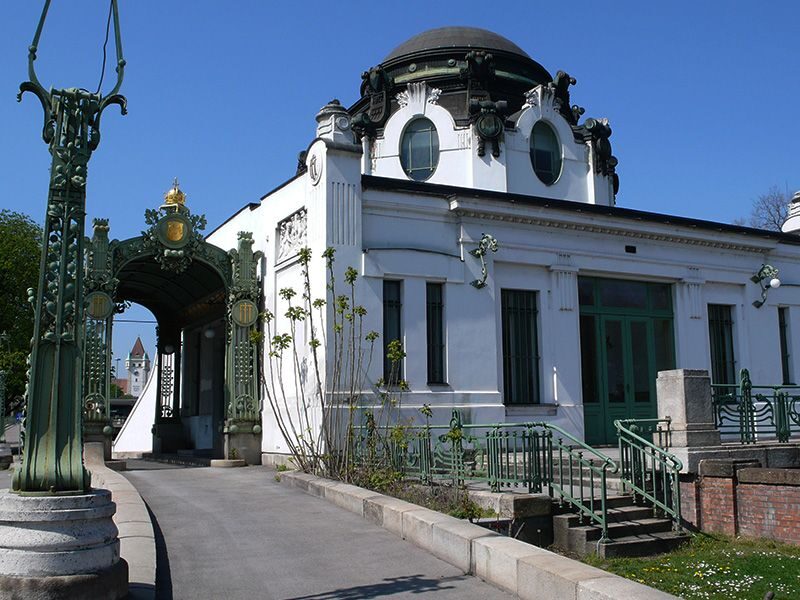
For the final themed station, you switch into the metro for a stop described as an imperial station. The building was erected outside Schönbrunn castle solely for the Emperor to use.
The story here isn’t just architectural; it’s political and cultural. The tour explains the station’s symbolic purpose: to show critics of Vienna’s metro that the Emperor supported the line. That’s a fascinating reminder that public infrastructure has always been about more than transit. It’s also about image, authority, and who gets to feel included in the modern city.
This last stop acts like a “pattern match” moment. You’ll recognize elements introduced earlier in the walk—how materials, design language, and structural choices communicate identity. It also highlights how Wagner translated a style that could feel bourgeois into something with imperial grandiosity.
Practical note: this is a smaller stop in terms of how much time you’ll likely spend compared to the Secession building, but it’s dense in meaning. If you tend to skim stories, slow down here and let the guide connect the dots.
What the guides do well (and why it matters)
The guide experience is a major part of why the rating is so high. In real terms, that shows up as:
- strong architecture talk without turning into a lecture,
- direct answers to questions,
- and flexibility when the group needs a different pace.
I’ve seen different names attached to successful runs, including Jan, Stephan/Stefan, Ilse, Suzanne, Angelina, and Wolfgang Augsten. The common thread isn’t just enthusiasm. It’s the ability to explain Vienna circa 1900 in plain language, tied to details you can actually see.
One very practical bonus from guides on this kind of tour: you often leave knowing how to navigate the public transport system more confidently. The tour includes metro segments, so you’re not guessing how to ride. You learn by doing, with a guide keeping you oriented.
Timing, tickets, and planning for the museum parts
This tour is listed as English, and it typically runs about 2 hours 30 minutes. It’s also a popular one: bookings average about 36 days in advance, so if you’re traveling at peak times, reserve early.
Here’s how I’d plan ticket costs without overthinking:
- For the Otto Wagner Pavilion, check whether the museum is operating. If you’re in April to October, the pavilion experience may include paid museum admission (general, senior, student, Vienna Card, and disability pricing are listed).
- For the Secession House / Beethoven Frieze, plan the extra fee if your day is Tuesday through Sunday. If it’s another day, you may not be able to see the Beethoven Frieze on that schedule, so be ready for a choice: building exterior plus the design discussion, or paying for the museum interior where available.
Weather matters because the walk portion is real. Bring layers, and if you’re prone to getting chilled, consider a compact umbrella. Vienna’s damp days can turn “a quick stroll” into a shiver session unless you dress for it.
Who should book this Art Nouveau tour?
Book it if you want Vienna’s Art Nouveau explained through the places where it actually lives: architecture and metro design. It’s ideal for:
- art and architecture lovers who like when someone points out what to look for,
- first-time visitors who want a fast orientation of Jugendstil-era Vienna,
- repeat visitors who have seen the big sights and want the next layer: stations, symbolism, and Wagner’s influence.
Skip or reassess if you mostly want palace interiors or classical concert venues. This tour is about modern design history in city spaces, not royal halls.
Also, if you dislike walking outdoors at all, you might find the pace a bit tiring. The metro helps, but you still spend time on foot between stops.
Should you book? My honest take
I think this is a strong booking for anyone who wants to understand Vienna’s Jugendstil with real context. The price feels fair for what you get: a small group, a guide who can interpret design details, and a route that connects Otto Wagner, the Secession, and historic transit in a way that’s easy to remember.
If Klimt’s Beethoven Frieze is a priority, budget for the extra ticket and plan your day around Tuesday to Sunday. If your goal is more architectural than museum-focused, you can still get great value by concentrating on the buildings and station design.
If you’re the type who enjoys standing in front of a facade and hearing someone explain why it’s built that way, this tour will make Vienna feel less like a checklist and more like a story you can walk through.
FAQ
How long is the Vienna Art Nouveau Walking Tour?
It runs for about 2 hours 30 minutes (approximately).
What does the tour cost, and what language is it in?
The price is $180.04 per person, and it’s offered in English.
Is this tour only walking, or do we use the metro too?
It’s described as a walking tour with historic metro stations, and the route includes metro segments between stops.
What entrance fees might I need to pay separately?
Entrance fees are not included. The Otto Wagner Pavilion can involve admission during April to October when the museum is open, and seeing the Secession House to visit Klimt’s Beethoven Frieze has an additional fee on Tuesday to Sunday.
Where do I meet the group?
The meeting point is Operngasse 7, 1010 Wien, Austria.
How many people are in a group?
The maximum is 8 people per booking, so it stays small.