REVIEW · VIENNA
STATE OPERA – PRIVATE guided tour (tickets included)
Book on Viator →Operated by Giselle Tours Vienna · Bookable on Viator
Opera houses rarely feel this personal. This private guided tour inside Vienna’s State Opera pairs the building’s dramatic past with the music that made it world-famous, and it comes with your admission ticket included so you can spend less time planning and more time looking. You’ll walk through the public spaces and hear stories about performers, productions, and the daily workings that most people never notice.
I especially liked how the guide (Giselle Tours Vienna) brings the details to life with a mix of history, music, and genuine personality—so even serious topics land with a smile. I also like that it’s designed for your group: it stays private and you can have your interests shaped during the tour.
One possible drawback: with a 90-minute format, it’s a fast, satisfying overview. If you want extra time to linger in foyers, re-check viewpoints, or slow down for photos, you may need to plan a bit of buffer before or after.
In This Review
- Key things you’ll notice on this tour
- Wiener Staatsoper, 90 minutes of real opera-world context
- Starting at Opernring 2: where the tour gets you oriented fast
- The building’s two personalities: the pompous old part and the postwar modern wing
- Meet the stars: names you’ll recognize and the careers they represent
- Opera Ball stories: glamour with a paper trail of power
- The day-to-day magic: how stage sets change daily
- How Giselle leads: history and music, with room for your interests
- Price and value: is $267 reasonable for this kind of visit?
- Practical prep: tickets, transit, and how to make the most of the walk
- Who should book this State Opera private tour?
- Should you book Giselle Tours Vienna at the State Opera?
- FAQ
- How long is the State Opera private guided tour?
- Is the admission ticket included?
- Is this a private tour?
- Where do we meet for the tour?
- Do I get a mobile ticket?
- When will I receive confirmation after booking?
- What is the cancellation policy?
Key things you’ll notice on this tour
- Private, just-your-group experience with a seasoned guide named Giselle
- Admission ticket included for areas open to the public
- Old and modern sections of the Wiener Staatsoper, split across eras after WWII
- Stories of major figures like Plácido Domingo, Montserrat Caballé, José Carreras, Gustav Mahler, Herbert von Karajan, Rudolf Nureyev, and Margot Fonteyn
- Production mechanics: how stage sets change daily and where they’re kept
- The Opera Ball angle: how it’s celebrated with millionaires and local politicians
Wiener Staatsoper, 90 minutes of real opera-world context
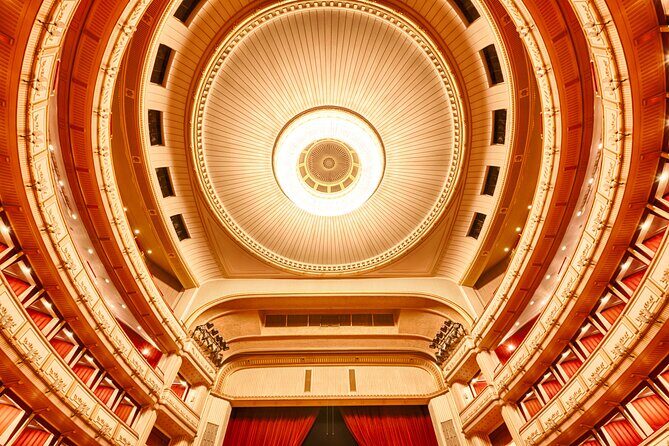
Vienna’s State Opera has a way of making you pay attention. Even if you’ve seen pictures before, there’s something about standing there that makes the place feel less like a museum and more like a living machine for music.
This tour is built for that feeling. You’re not just walking past rooms—you’re getting the story behind them: why this building mattered, why it nearly got someone in big trouble early on, and how the opera house runs day to day. And because it’s private with a guide for your group, you don’t have to compete with a crowd for the best angles or the most interesting answers.
The pacing works well for most people. It’s long enough to connect architecture to artists and to get practical explanations about performances. It’s also short enough that you can still enjoy the rest of Vienna afterward without your day turning into a marathon.
You can also read our reviews of more tours and experiences in Vienna


Starting at Opernring 2: where the tour gets you oriented fast
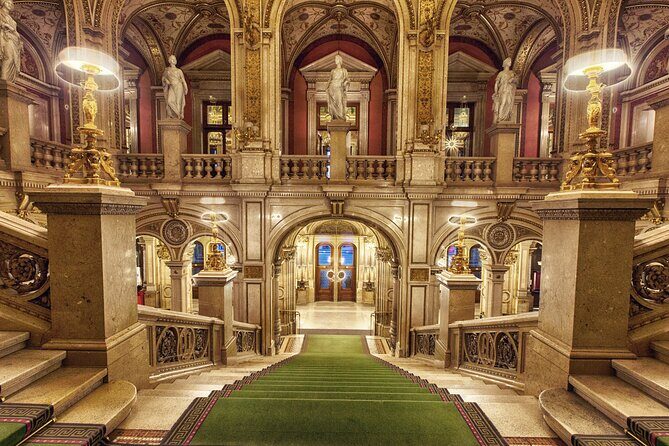
Your tour meets at the Vienna State Opera, Opernring 2, 1010 Wien. This is helpful because it drops you right at the front door of the action—no hunting around for a meeting salon or a random side street. The tour location is also near public transportation, which matters in Vienna, where walking is great but timing is everything.
You’ll end back at the same meeting point. That “loop-back” format is underrated: it removes guesswork. You can plan dinner nearby without stress, and you’re not left trying to figure out where your group is headed once the tour ends.
Also, your ticket is a mobile ticket, which is convenient. You can keep everything on your phone and focus on the building instead of paperwork.
Tip: if you’re the type who likes photos, bring them ready. Once you start moving through the opera spaces, you’ll want your phone set and your attention engaged—because the guide’s stories make you look up at details you’d otherwise miss.
The building’s two personalities: the pompous old part and the postwar modern wing
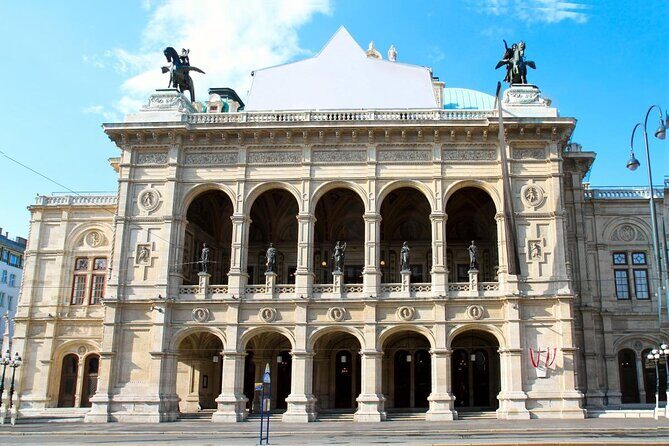
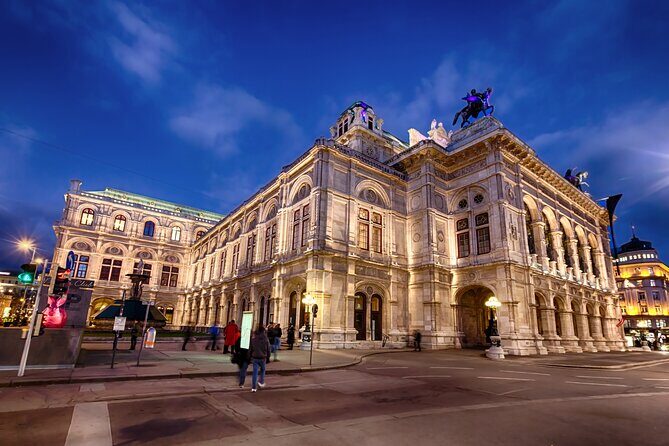
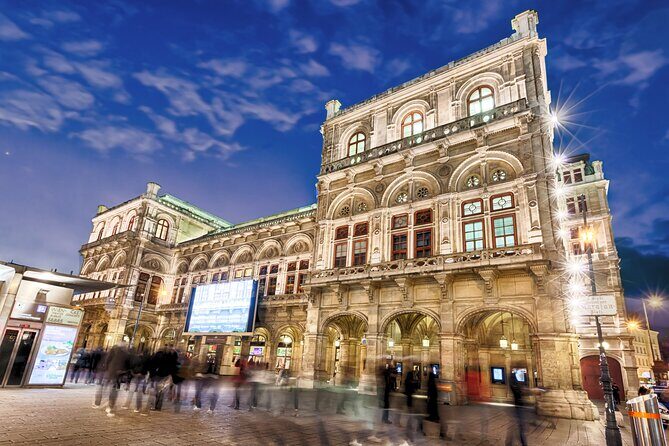
The Wiener Staatsoper is famous for its look, but what makes this tour valuable is how it frames that look as a timeline. You’ll see the more pompous older part and also the modern sections built after the Second World War.
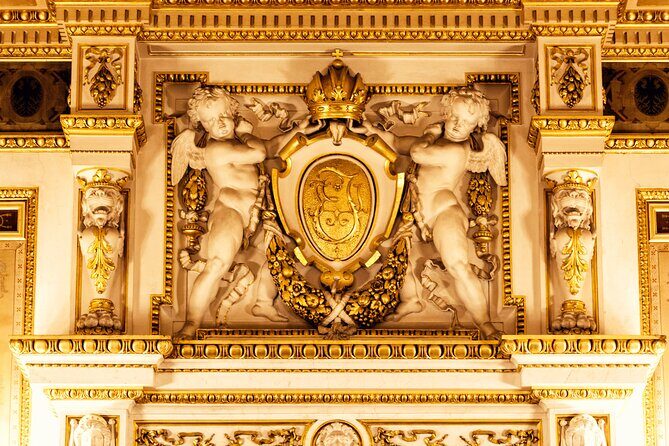
Why that matters: opera houses are not just theaters. They’re statements. The design choices reflect changing ideas about culture, performance, and who gets to access the arts. When you see both eras in one guided walk, the building starts to feel less like one uniform “pretty façade” and more like a whole conversation across decades.
You’ll also hear the kind of story people remember because it’s memorable: the original construction caused a scandal so serious it even resulted in the architect’s death. That’s not the sort of thing you’d learn from a quick look at the exterior. A guide turns it from trivia into atmosphere.
This is where you’ll likely feel the tour’s biggest strength: you’re learning how to read the place. You start noticing what you’re seeing—stylistic choices, the way public areas flow, and how modern additions relate to older symbolism.
Meet the stars: names you’ll recognize and the careers they represent
A big part of what makes the State Opera feel special is the lineup of performers who made it part of musical history. On this tour, you’ll hear about major figures who had great success on its stage, including Plácido Domingo, Montserrat Caballé, José Carreras, Gustav Mahler, Herbert von Karajan, Rudolf Nureyev, and Margot Fonteyn.
The smart way a guide uses names like these is not just to list them, but to connect them to what you’re standing near. If you’re interested in opera, ballet, conducting, or music history, this segment can turn a “famous name list” into something more personal: you begin to understand why the building earned its reputation.
It’s also a good moment for you to shift your listening. If you go in thinking this is only about opera singing, the guide’s selection of artists widens the lens. Mahler and Karajan bring in the conductor side. Nureyev and Fonteyn pull ballet into the conversation. That blend helps you see the opera house as a full performance ecosystem, not one narrow stage activity.
Opera Ball stories: glamour with a paper trail of power
The Opera Ball is one of those cultural events that sounds like it belongs in a fairy tale—until you learn the details. Here, you’ll get a clear explanation of how it’s celebrated, including the fact that it involves millionaires and local politicians.
Why I like this part: it grounds the glamour in social reality. Opera in Vienna isn’t only about the music; it’s also about people, influence, and the public face of the arts. When you understand that, the opera house starts to feel less distant. It becomes part of how the city talks to itself.
This segment also gives you a useful lens if you’re curious about Vienna beyond tickets and performances. You’ll walk away with a better sense of how cultural institutions connect to society—who shows up, what “presence” means, and how events strengthen the opera house’s role in the city’s image.
You can also read our reviews of more guided tours in Vienna



The day-to-day magic: how stage sets change daily
Most visitors see the final product on performance night. This tour is designed to explain how you get there.
You’ll learn how the stage sets change daily, where they are stored, and how many people work for the institution in total. These are exactly the kinds of details that make an opera house feel real. Suddenly, the stage isn’t just a dramatic platform; it’s the end result of constant logistics.
This is also where you get a useful shift in expectations. Instead of asking only, What will the next show be? you start thinking, How does the building support the show? That’s the practical side of the magic.
If you’ve ever wondered how a theater can transform itself that quickly—or how productions can keep coming without everything turning into chaos—this part helps you make sense of it without turning it into a boring manual.
How Giselle leads: history and music, with room for your interests
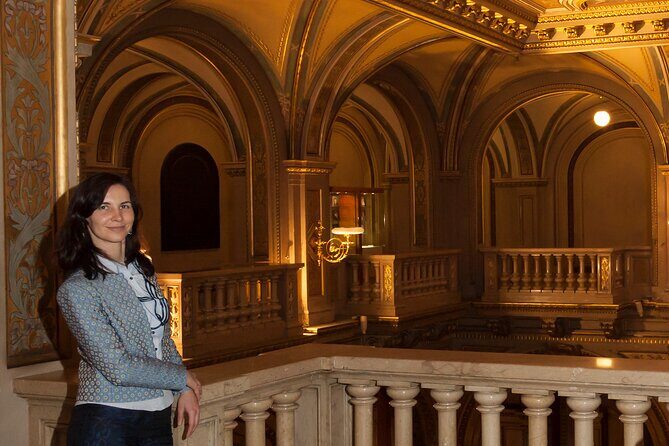
Giselle Tours Vienna seems to lead with personality and momentum. Multiple people describe her as kind, funny, and professional, with a style that’s easy to follow and enjoyable even if you don’t already know opera details. That matters. The State Opera can be intimidating if you think you need prior knowledge. The guide’s approach helps you feel like you’re in good hands.
There’s also a strong theme of adaptability. In particular, she’s described as communicative before meeting and able to pivot based on client wishes and interests. That’s not just nice service—it can change what you take away. If you’re more into the music side, you’ll focus more there. If you care about architecture or Vienna culture, you’ll spend more time on those connections.
One more thing I appreciate: Giselle’s background includes a musician-focused conversation (including Beethoven). That kind of detail tends to make the tour feel less generic. You don’t get a scripted recitation. You get a guide who can talk at multiple levels and keep it moving.
Price and value: is $267 reasonable for this kind of visit?
At $267 for a 1 hour 30 minutes private tour with an admission ticket included, the price won’t feel like a bargain—and that’s okay. You’re paying for three things that add value:
- Private guide time: you’re not sharing attention with strangers.
- Ticket included: you’re not forced to buy separate entry and then rejoin your schedule.
- Meaningful context: architecture, artists, Opera Ball culture, and practical production facts are hard to gather quickly on your own.
So is it worth it? If you want a guided explanation that turns the State Opera into a story you can understand—rather than a building you just pass through—this is a strong buy for the time you’re spending. If you’re the type who loves self-guided walking and you’re comfortable reading everything at your own pace, you might prefer a cheaper plan.
But if your group includes someone who learns best with conversation, or if you want to maximize a short Vienna trip, this price starts to make more sense.
Practical prep: tickets, transit, and how to make the most of the walk
Here’s the practical side of getting ready.
- Bring your mobile ticket on your phone.
- Head to Opernring 2, 1010 Wien for the start, since that’s where the tour begins and ends.
- Plan on a near-transit stop: it’s close to public transport, so you can arrive without a long pre-walk.
Timing matters because you only have about 1 hour 30 minutes. You’ll want your schedule to be flexible enough to stay focused through the tour. If you stack it tightly against another major plan, you’ll feel rushed, and the best parts of the tour require you to slow down and look.
What to wear: dress comfortably for indoor walking. Opera buildings often involve moving between different public areas, and you’ll be standing and listening.
If Vienna is busy when you’re there, the mobile ticket helps you keep momentum—less time figuring out entry and more time paying attention to what you’re being told.
Who should book this State Opera private tour?
This tour fits best if you want a guided experience that connects the opera house to Vienna’s cultural life. It’s also a great match if you’re traveling with friends or family and you’d rather have one guide explain it all than everyone wandering off in different directions.
You should especially consider it if:
- Your group likes music history but doesn’t want to research for hours first.
- You want a private walkthrough rather than joining a bigger tour.
- You’re curious about how a top opera institution operates, not just how it looks.
On the other hand, if you’re looking for a long, self-paced architecture exploration, this 90-minute format may feel short.
Should you book Giselle Tours Vienna at the State Opera?
If you want a high-attention tour that turns the State Opera into a place with characters and daily routines, I’d say yes. The combination of private guiding, ticket included, and the guide’s style—kind, funny, and able to adjust to what you care about—makes the experience easy to recommend.
The only real caution is your time. With 1 hour 30 minutes, it’s an introduction with strong context, not an all-day deep linger. If you can treat it like a well-timed primer and then spend extra time on your own after, you’ll get the best of both worlds.
If your idea of a great Vienna moment is standing in the real setting of famous performances and understanding what’s behind the scenes, this is a smart way to do it.
FAQ
How long is the State Opera private guided tour?
The tour lasts about 1 hour 30 minutes.
Is the admission ticket included?
Yes. Your admission ticket is included in the tour.
Is this a private tour?
Yes. It’s private, and only your group will participate.
Where do we meet for the tour?
You meet at Vienna State Opera, Opernring 2, 1010 Wien, Austria.
Do I get a mobile ticket?
Yes. The tour uses a mobile ticket.
When will I receive confirmation after booking?
You’ll receive confirmation at the time of booking unless you book within 1 hour of travel, in which case confirmation is provided as soon as possible subject to availability.
What is the cancellation policy?
You can cancel for free up to 24 hours in advance for a full refund. If you cancel less than 24 hours before the start time, you don’t get a refund.